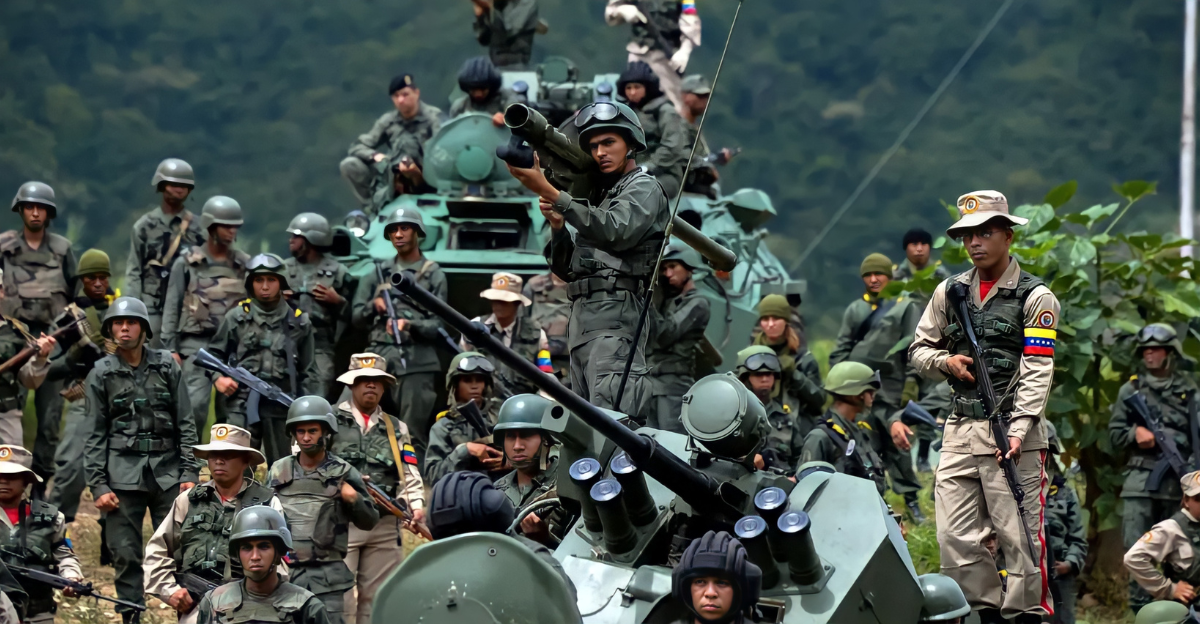
Venezuela’s military has begun its largest Caribbean drills in years, mobilizing thousands of troops and advanced weaponry. This escalation comes as U.S. naval forces increase their presence in the region, raising concerns about a potential standoff.
Both countries claim national security as their motive, but the scale and timing of Venezuela’s maneuvers have garnered global attention.
Escalation at Sea
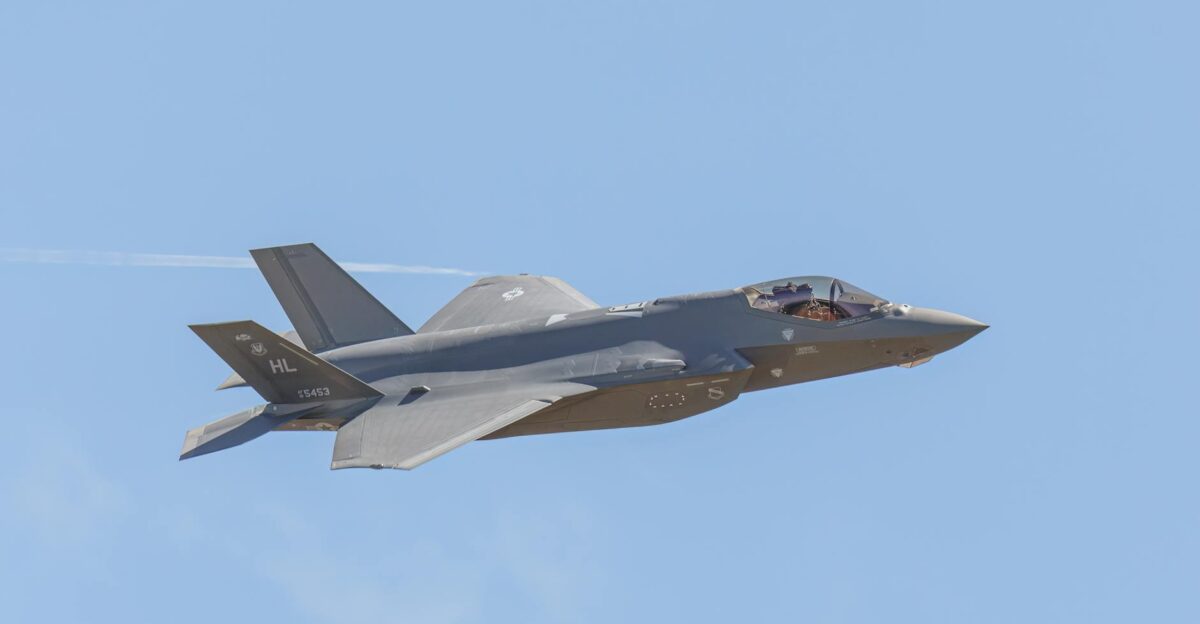
Recent months have witnessed heightened military activity in the Caribbean from both the United States and Venezuela. The U.S. has deployed eight warships and F-35 jets, while Venezuela has countered with amphibious vessels and fighter aircraft.
This cycle of provocation and response is escalating tensions for both nations and the surrounding region.
History of Strain
Tensions between Venezuela and the United States have persisted for decades, largely due to disputes over sanctions, oil, and political legitimacy.
Recently, military posturing in the Caribbean has intensified, marking the most serious standoff between the two nations since the early 2000s, according to regional analysts.
Mounting Pressures
The latest crisis was triggered by U.S. strikes on suspected drug smuggling boats, resulting in Venezuelan casualties.
President Nicolás Maduro condemned the attacks as a “heinous crime” and “a military attack on civilians who were not at war and posed no military threat,” while U.S. officials defended them as anti-narcotics operations. The incident intensified calls within Venezuela for a show of military strength.
Troop Deployment
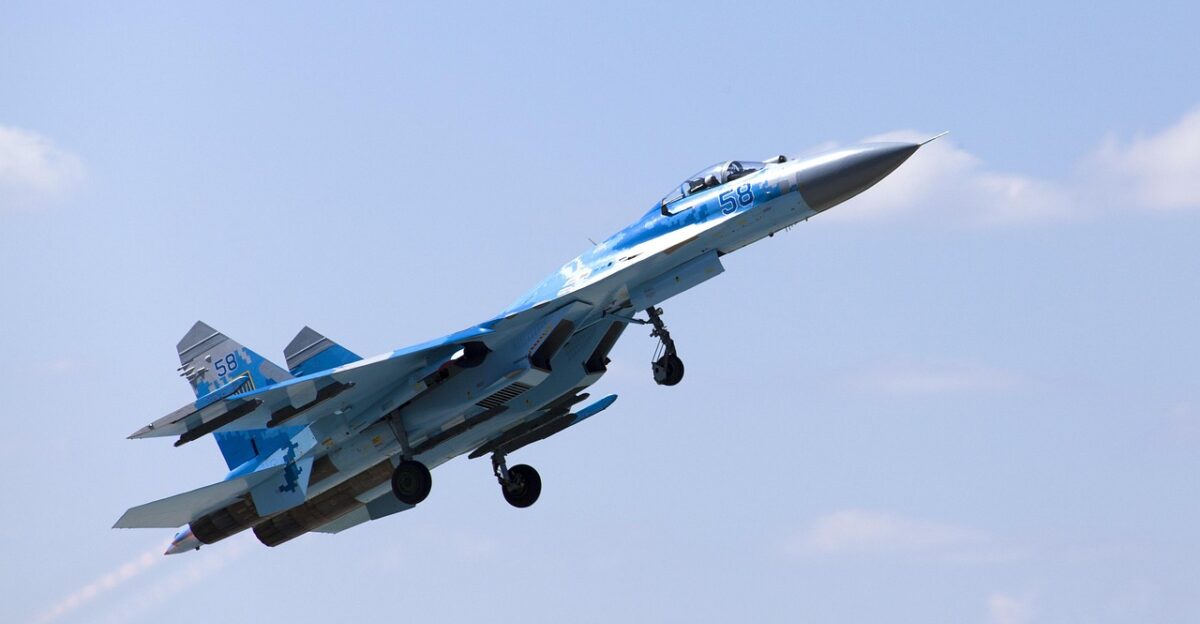
On September 17, Venezuela commenced a three-day series of military exercises on La Orchila Island in the Caribbean, deploying more than 2,500 troops.
The maneuvers involved the participation of 12 naval vessels, 22 aircraft, and Russian-made Su-30 fighter jets. Defense Minister Vladimir Padrino López characterized these exercises as a direct reaction to what the Venezuelan government perceives as “aggressive” actions by the United States in the region.
Regional Impact
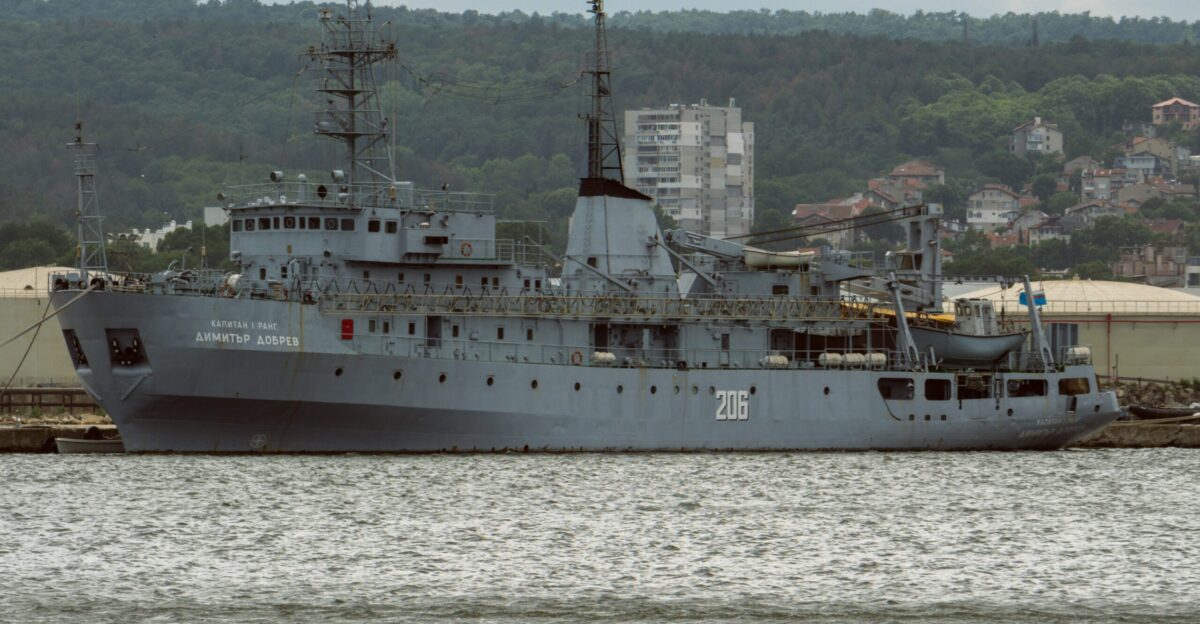
Military drills in the Caribbean have raised concerns among neighboring nations about potential spillover effects, leading to rerouted maritime traffic and calls for restraint.
Additionally, the timing of these exercises during hurricane season complicates regional disaster preparedness efforts.
Civilian Training
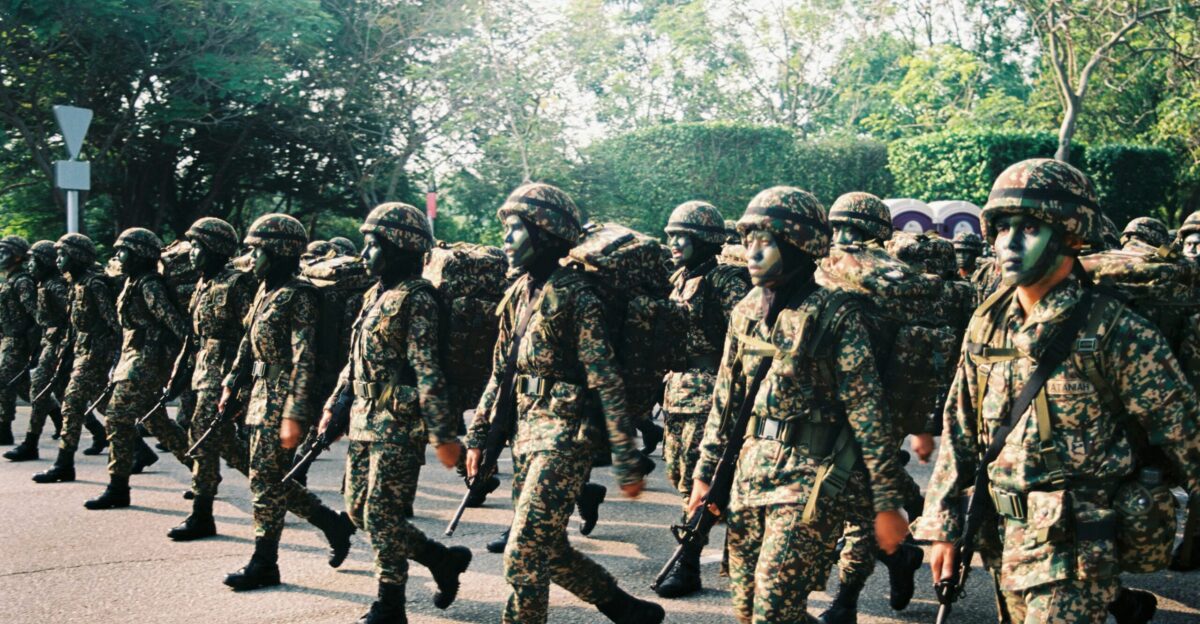
Venezuela is expanding military training programs for civilians to prepare for potential “armed struggle.”
Recent footage shows militia members drilling with regular troops, emphasizing government calls for unity and resistance. One participant stated the importance of national sovereignty, asserting a desire to avoid foreign intervention.
Competitor Moves
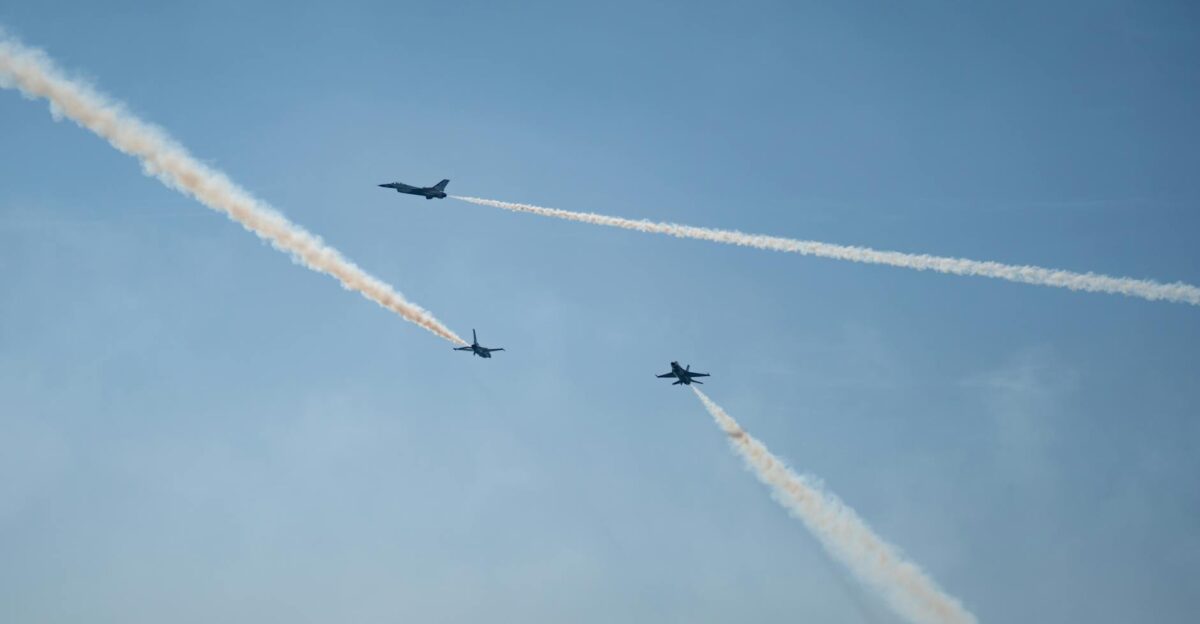
The United States has enhanced its Caribbean military presence with over 4,000 Marines, a nuclear submarine, and surveillance aircraft, including the arrival of ten F-35s in Puerto Rico.
Meanwhile, the UK’s HMS Medway and other allies have increased patrols, focusing on security and humanitarian missions.
Macro Context
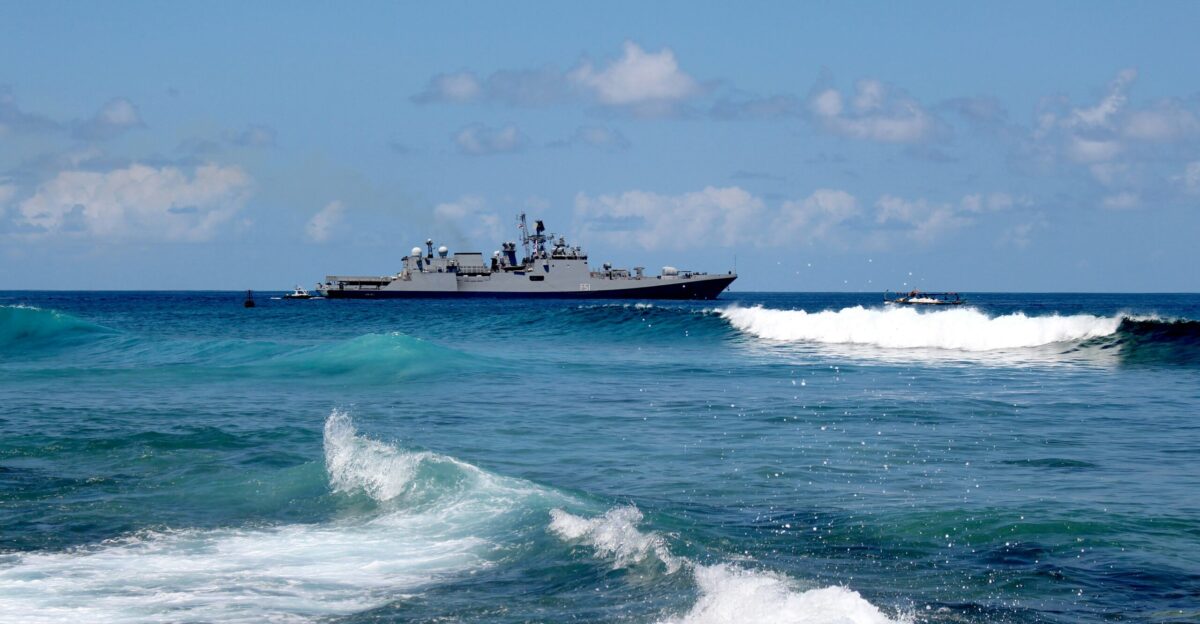
The current standoff underscores a trend of militarization in the Caribbean. The U.S. and Venezuela claim their actions are defensive, but analysts warn this could lead to miscalculations.
The region’s strategic significance, located near critical shipping lanes and energy resources, enhances its volatility.
Electronic Warfare
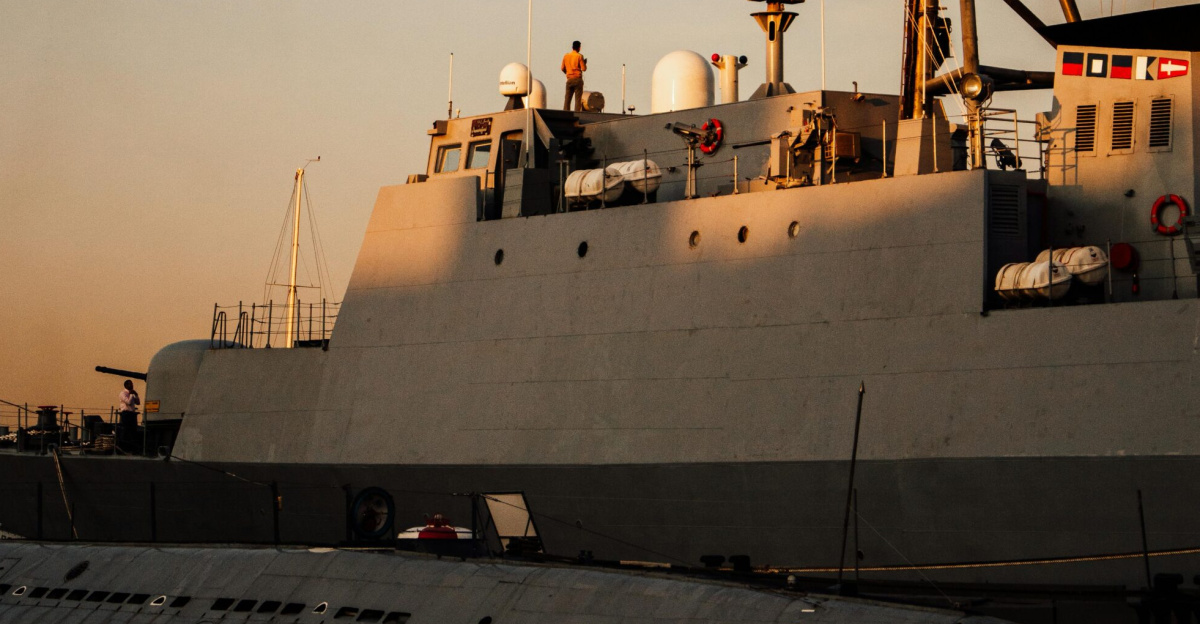
Venezuela’s military drills highlight advanced capabilities, featuring electronic warfare and drone operations.
Defense officials announced using armed, surveillance, and submarine drones, along with electronic countermeasures, marking a significant technological advancement for the military.
Stakeholder Frustration
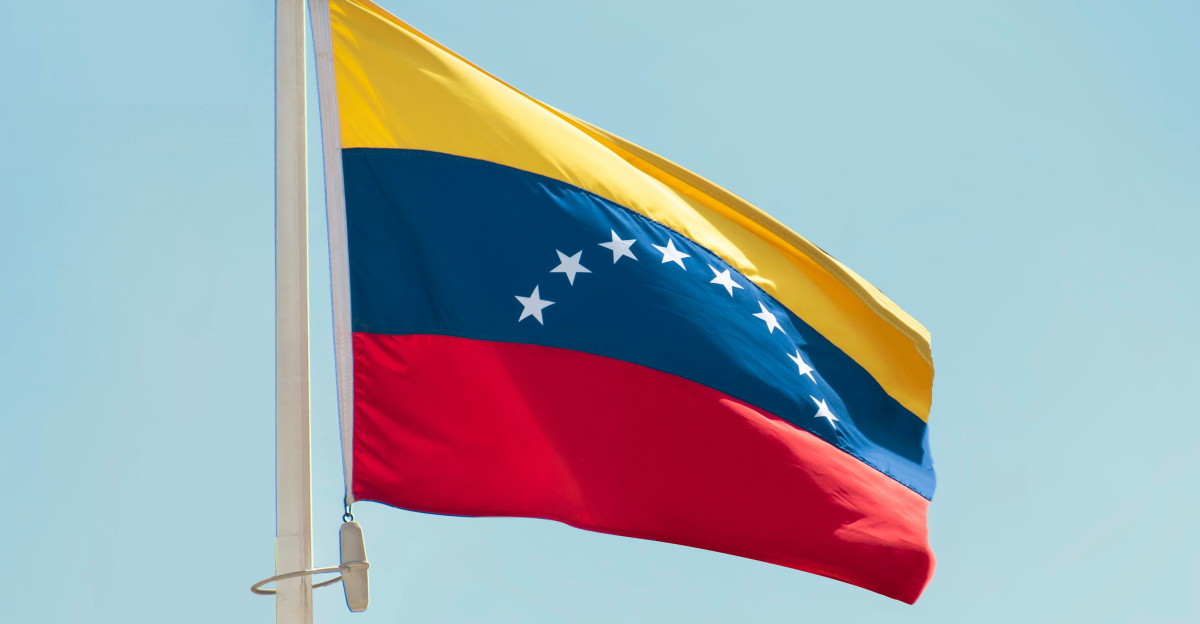
Within Venezuela, the mobilization has sparked both patriotic fervor and concern. Some citizens support the government’s stance, while others fear prolonged tension’s economic and humanitarian costs.
Opposition leaders warn that military escalation could further isolate Venezuela internationally.
Leadership at the Helm
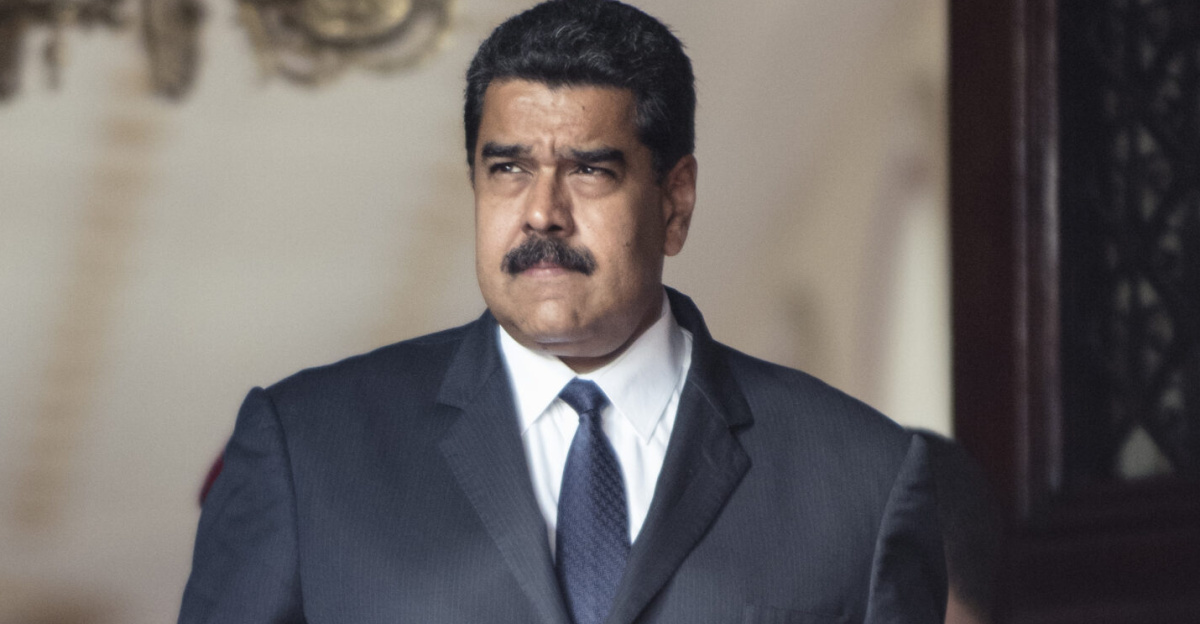
President Nicolás Maduro and Defense Minister Vladimir Padrino López have taken center stage, issuing defiant statements and overseeing the drills.
Maduro has called for “mass military mobilization,” while Padrino López accused the U.S. of waging “an undeclared war” in the Caribbean Sea, stating: “It is an undeclared war, and you can already see how people, whether or not they are drug traffickers, have been executed in the Caribbean Sea. Executed without the right to defense.”
Comeback Strategy
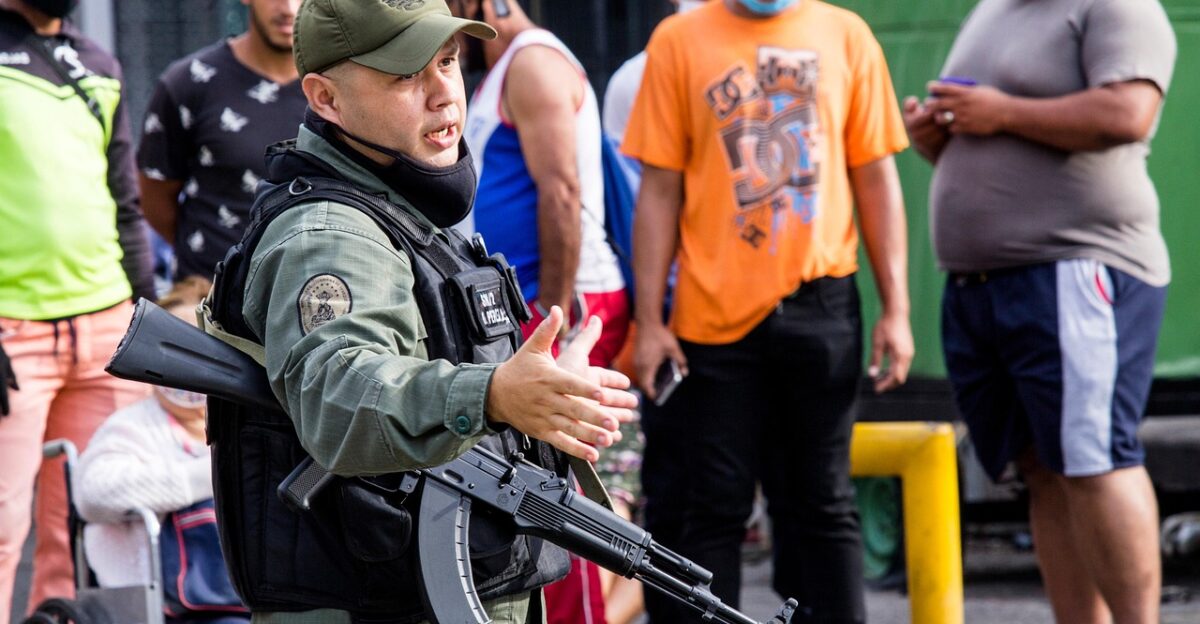
Venezuela’s military has showcased new Russian-made fighter jets and anti-ship missiles, aiming to project strength despite years of sanctions and resource shortages.
The government frames these upgrades as proof of resilience and self-reliance in the face of external pressure.
Expert Outlook
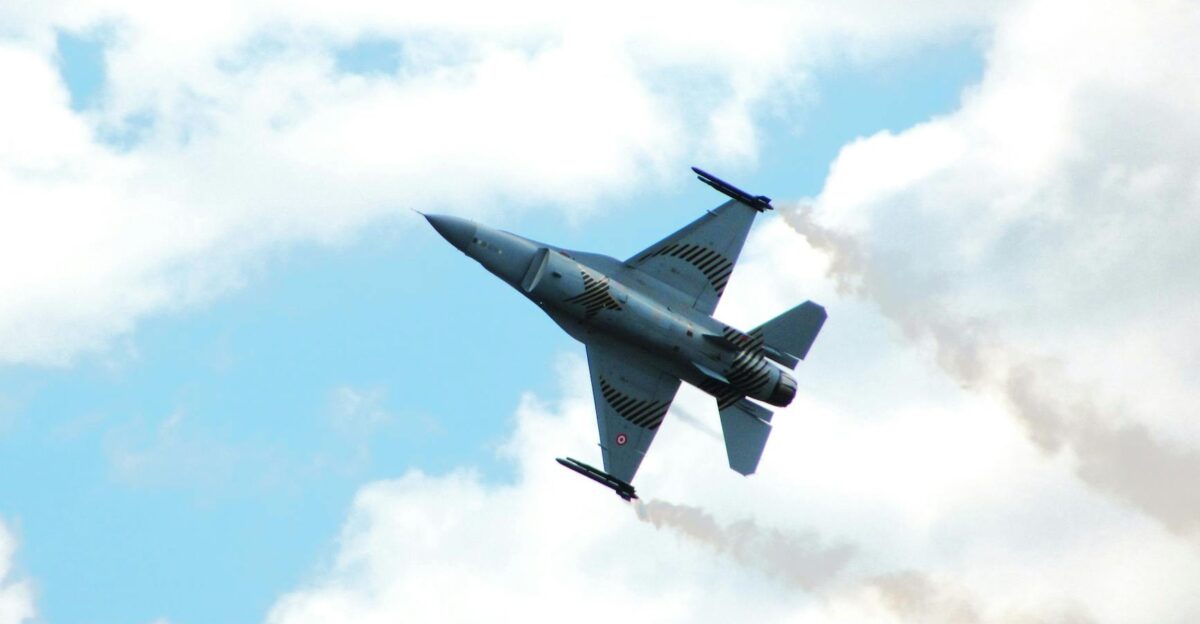
Security experts remain divided. Some see the drills as a defensive necessity, while others argue they are preparation for potential conflict.
Dr. Carlos Solar, a Latin American security analyst, warns: “It’s under a disguise of an exercise, but it’s pretty much military preparations from Venezuela towards what could unfold in the next days or weeks.”
What’s Next?
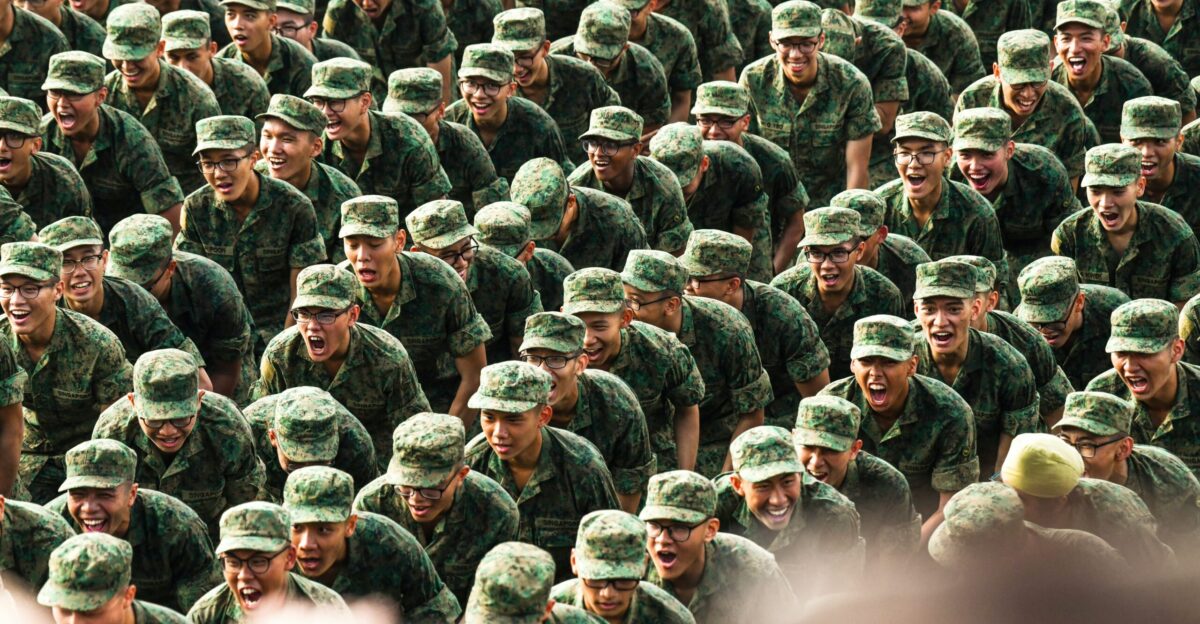
With both sides signaling readiness, the risk of confrontation remains high.
Will diplomatic channels prevail, or is the region headed for a deeper crisis? Observers are watching for signs of de-escalation—or further escalation—in the coming weeks.
Political Implications
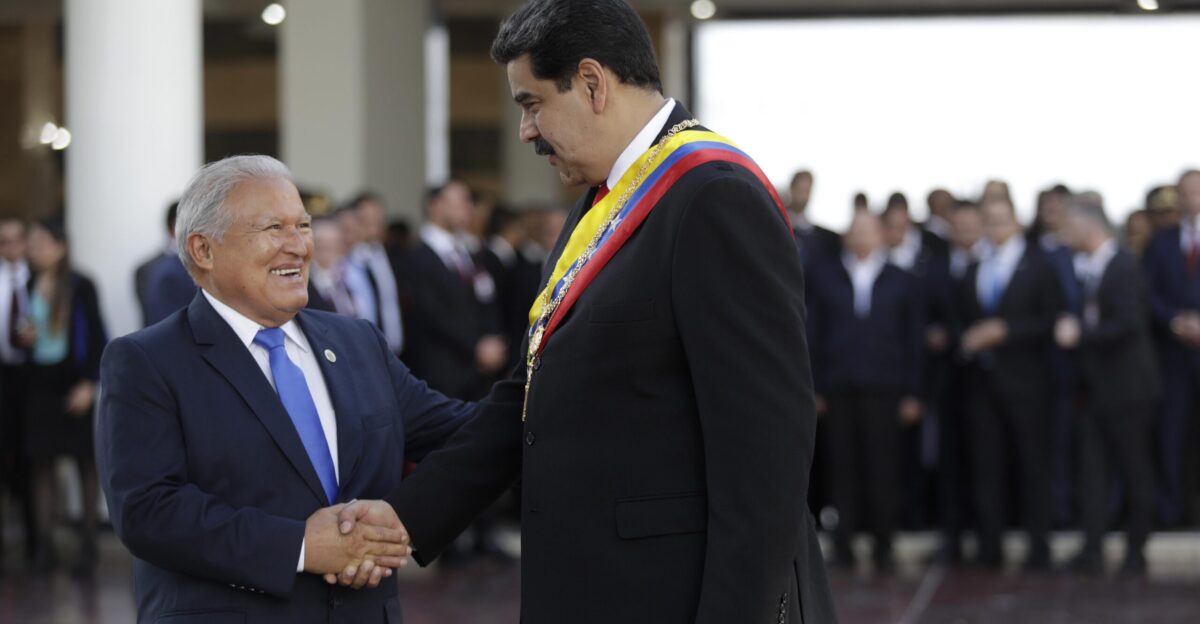
The standoff has become a rallying point for Maduro’s government, which frames the crisis as a struggle for national sovereignty.
Critics argue that the government is using the threat of foreign intervention to consolidate power and distract from domestic challenges.
International Ripple
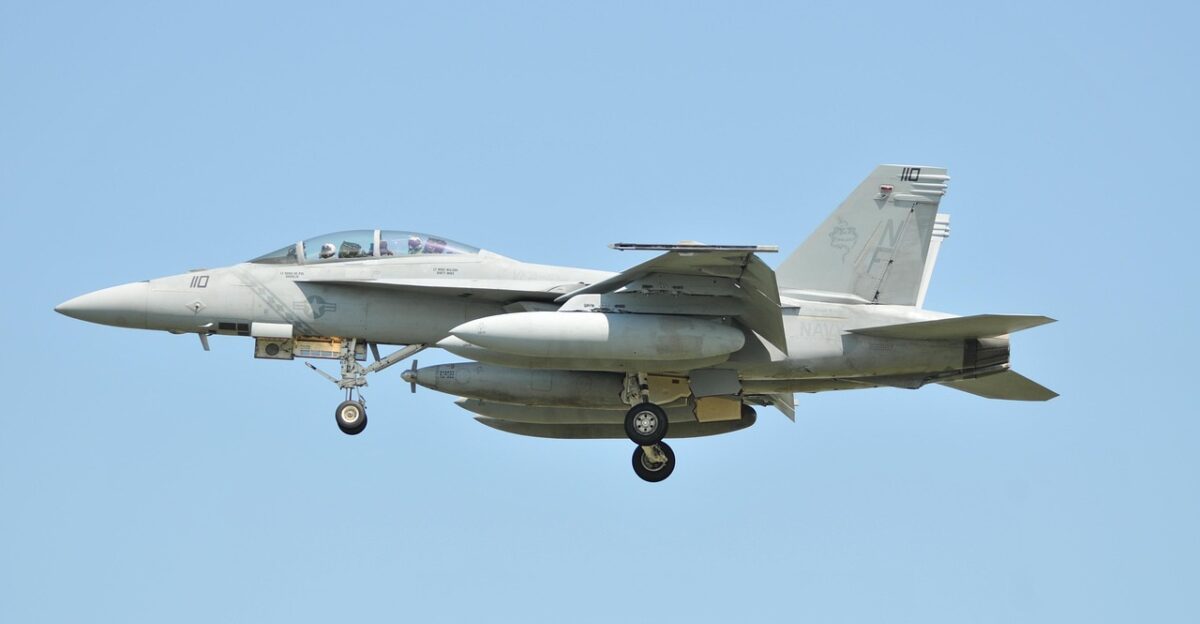
The crisis has drawn in regional and global actors. Russia has supplied military hardware to Venezuela, while the U.S. has coordinated with allies.
The Organization of American States and the United Nations have called for restraint, but their influence remains limited.
Legal and Environmental Angle
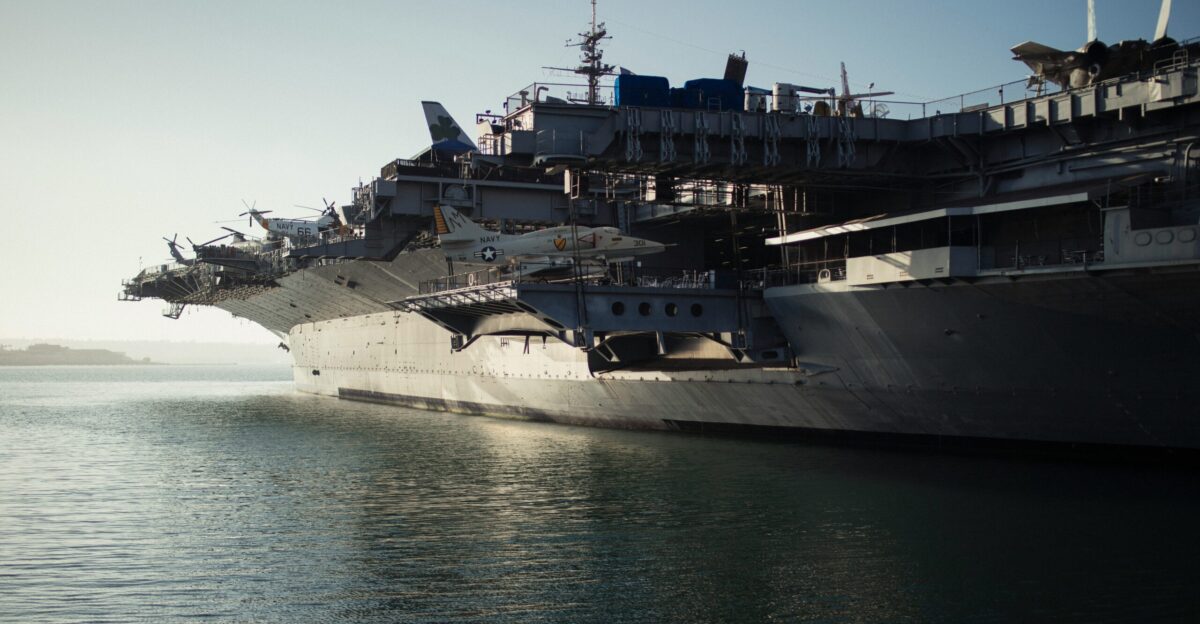
Military exercises in the Caribbean raise legal questions about freedom of navigation and using international waters.
Environmental groups warn that live-fire drills and increased naval traffic could harm fragile marine ecosystems, especially during hurricane season.
Cultural Shifts
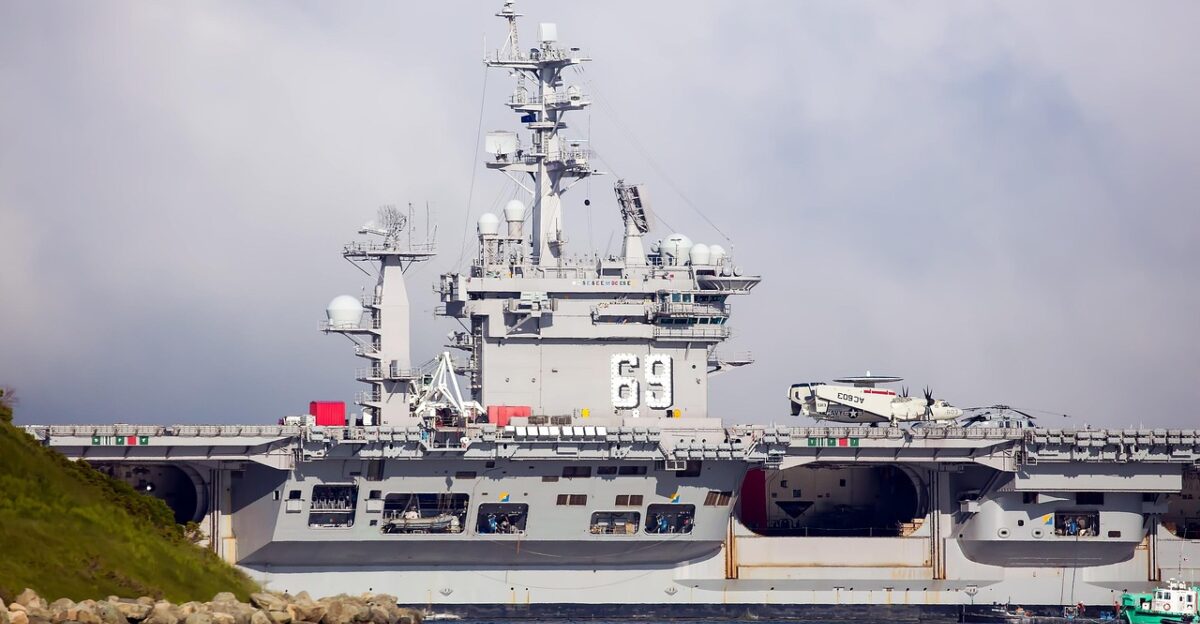
The crisis has reignited nationalist sentiment in Venezuela, with state media emphasizing themes of resistance and independence.
However, younger generations—many of whom have emigrated—express skepticism about the government’s narrative and worry about the future.
Why It Matters
This confrontation is about more than military might. It reflects deeper questions of sovereignty, regional order, and power limits in a multipolar world.
As the Caribbean becomes a flashpoint, the choices made now could shape the region’s trajectory for years.