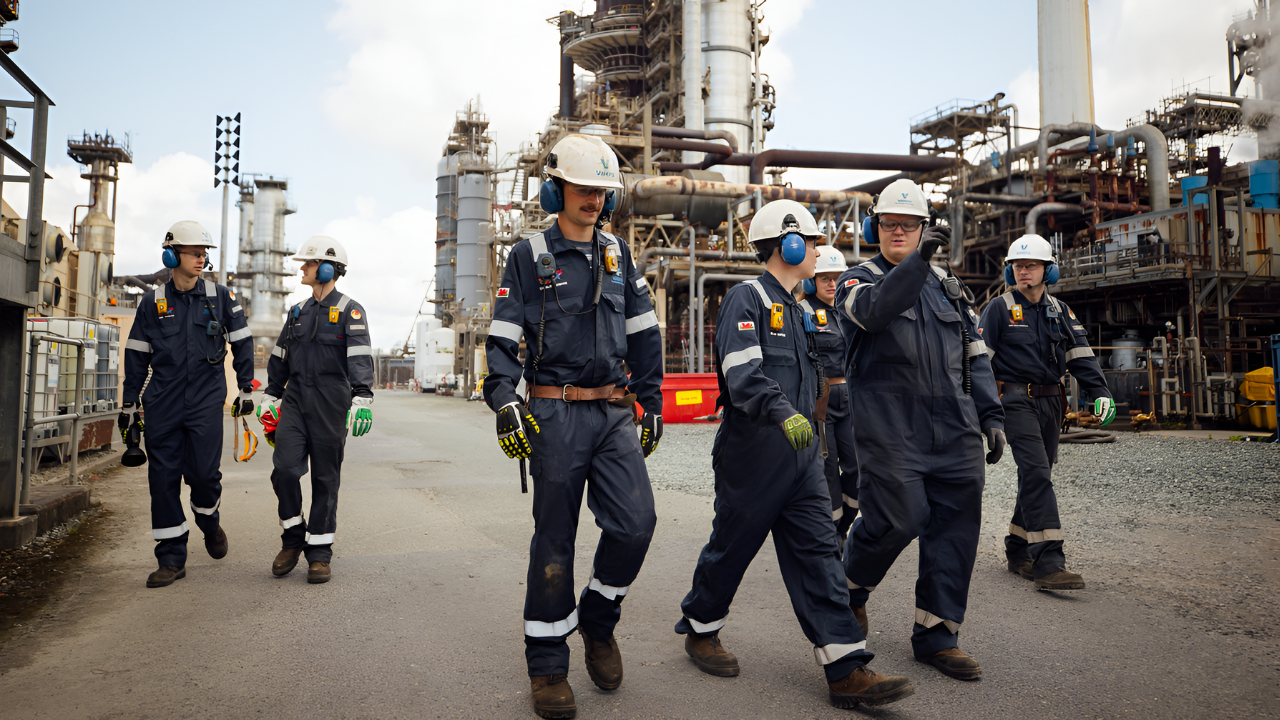
California’s fuel system is heading for a major change. Energy company Valero plans to stop refining crude oil at its Benicia facility by the end of April 2026. The refinery currently processes about 170,000 barrels of oil per day, roughly 9% of California’s total refining capacity. Instead of producing fuel, the site will become a storage and import terminal, making sure Northern California still receives gasoline, diesel, and jet fuel through shipments and stored supplies. This step comes as California moves toward its goal of cleaner, greener energy sources and lower carbon emissions.
The shift is a major turning point because the Benicia refinery has long been a key supplier for the region. Its transition raises questions about fuel prices, local jobs, and whether the state can maintain a steady fuel supply without disruptions during the changeover.
Why the Refinery Is Closing
The Benicia refinery has been a key part of California’s fuel system since the late 1960s. For decades, it turned crude oil into gasoline, diesel, and jet fuel for vehicles, trucks, and planes. When Valero bought it, the plant became part of a declining network of California refineries, many of which have closed or scaled back in the past few decades. Fewer operating refineries means the ones that remain carry more responsibility for keeping up with fuel demand.
Valero’s decision to stop refining in Benicia came from a mix of financial and regulatory pressures. The company took a $1.1 billion loss on its California facilities in 2025, showing that profits in the state were falling. High operating costs, strict environmental rules, and changing market conditions made continued refining less sustainable. In official filings, Valero announced plans to idle or shut down refining units by April 2026 with no plans to restart them later.
Instead, the company will convert the site into a fuel terminal, basically a storage and distribution center. This move will lower costs while allowing Valero to stay active in California’s fuel supply market by storing and importing gasoline and other products.
How Operations Will Change
During early 2026, the refinery will still produce fuel for a short time before winding down operations completely. After that, Valero will focus on its new role as a terminal operator. The company will bring in fuel by ship and pipe it out to local gas stations and airports. Governor Gavin Newsom’s office says the state is working closely with Valero to ensure this “orderly transition” avoids sudden shortages or price spikes.
However, the loss of Benicia’s refining power will be significant. The plant’s 170,000 barrels a day represent nearly one-tenth of California’s refining capacity. Combined with the earlier closure of Phillips 66’s Wilmington refinery, nearly one-fifth of the state’s capacity will disappear soon. Analysts at Stillwater Associates predict the West Coast’s gasoline production will fall by about 9%, jet fuel by 3%, and diesel by 5%. This means California will rely more on imported fuel, which can make prices more sensitive to global market changes, shipping delays, or port problems.
Economic and Local Impacts
Valero and state officials are working on ways to minimize the effects of this transition. Valero plans to keep supplying the market by storing extra inventory at Benicia and increasing imports through marine terminals. Analysts believe that better logistics and planning could limit price increases. Stanford economists Neale Mahoney and Ryan Cummings estimate that if everything goes as planned, gas prices may rise only slightly, perhaps no more than 15 cents per gallon. But any issues with supply chains could cause bigger jumps.
The city of Benicia will feel the loss most directly. City officials expect to lose about $7.7 million per year in tax revenue once refining ends, which will hurt essential services like police, fire, and public works. Hundreds of refinery workers will lose their jobs, and local businesses that depend on refinery wages are also likely to struggle. The Newsom administration has promised to help coordinate the transition to keep fuel supply reliable and to support affected communities.
Experts warn that California’s increasing dependence on imported fuel could leave it more vulnerable to disruptions. Still, as the state aims to cut carbon emissions and expand electric vehicle use, overall demand for gasoline is expected to drop by up to 40% by 2050. That long-term goal may help balance today’s short-term challenges.
Benicia’s transformation shows how complex the shift toward cleaner energy can be. California’s success will depend on how well it manages logistics, supports local economies, and invests in new infrastructure to keep energy reliable, affordable, and sustainable for the future.
Sources:
Reuters, Valero to keep importing gasoline after Benicia refinery closure, January 6 2026
Office of Governor Gavin Newsom, Governor Newsom’s statement on Valero’s Benicia refinery update, January 5 2026
Neale Mahoney, An Analysis of The Valero Benicia Refinery Closure on Gasoline Prices in California, June 19 2025
Industrial Info Resources, Valero Plans Gasoline Imports as California Refineries Close, January 8 2026