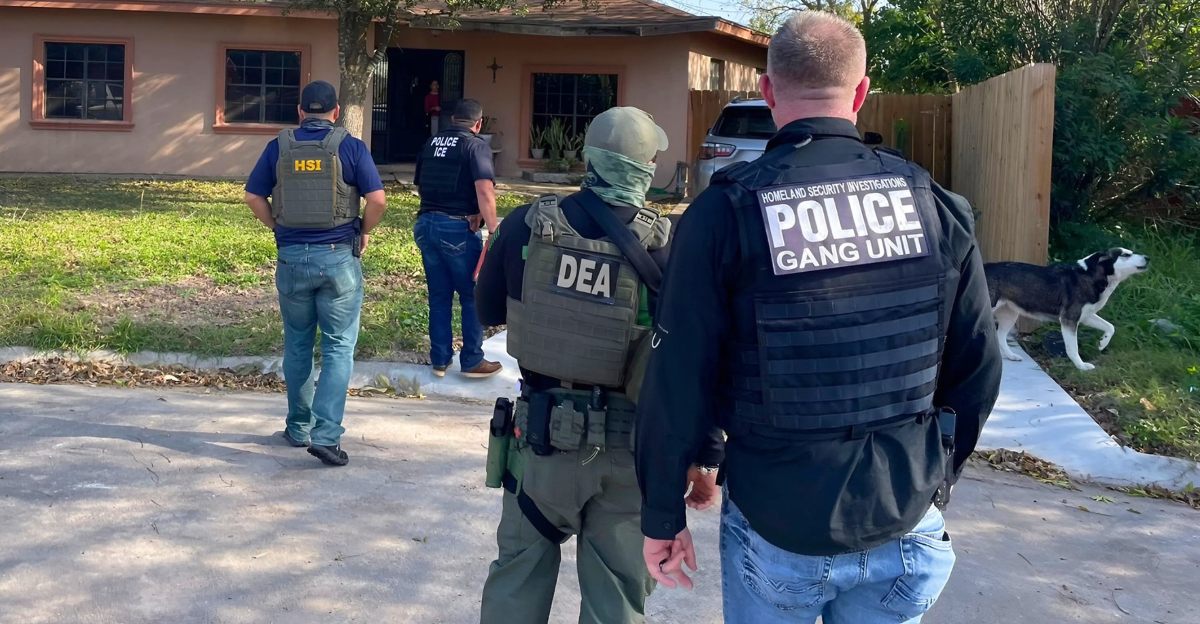
The Trump administration has rapidly expanded ICE’s use of 287(g) agreements with local police. By early September 2025, DHS reported 896 local and state agencies across 40 states had active 287(g) accords, up from just 135 when Trump took office in January – a record 563% increase.
ICE officials boast that this is unprecedented growth. For context, only about 150 such agreements existed nationwide by 2020.
Within nine months, these partnerships jumped to a level never before seen, fueling what the White House calls its largest-ever deportation operation.
Utah Pattern

In Utah, counties are also lining up. By mid-2025, seven sheriff’s offices (plus the state prison system) had active 287(g) pacts with ICE, covering most rural counties.
Supporters say the goal is public safety. Kane County Sheriff (and Utah Sheriffs Assoc. president) Tracy Glover explained: “The goal of the sheriffs is…public safety in general…so…to the extent we can be partners with ICE, I think we’re willing to do that”.
Only a few have held out – for example, Summit County’s deputies have not joined 287(g), with one deputy chief noting “there’s no data that shows a need for this partnership at this time”. The new pacts create a statewide enforcement network, with Weber, Sanpete, Tooele and others already on board.
Legal Foundation

The 287(g) program stems from Section 287(g) of the 1996 Illegal Immigration Reform and Immigrant Responsibility Act, which authorizes DHS to deputize state or local officers to enforce federal immigration law.
For years, it was rarely used, but an executive order on Day One of Trump’s second term revived it. (In fact, during Trump’s first term, the program was expanded from 35 agreements in 2017 to about 150 by 2020.)
Under the 2025 administration, the same legal authority now underpins a massive push to involve local cops in immigration enforcement nationwide.
Building Pressure

Local agencies are feeling very strong incentives to sign on. A DHS official confirmed “more than $500 million…will go to increasing our 287(g) partnerships”. ICE has even launched a national recruitment drive for local deputies, offering $50,000 signing bonuses and federal student loan forgiveness for those who join the task forces.
Utah County Sheriff Mike Smith blasted this approach as “just foul play.” “It’s not a good look,” he said, warning that ICE targeting Utah deputies for recruitment while asking for sheriffs’ help “needs to be fixed.”
Smith noted that sheriffs had offered to help ICE catch violent criminals – not to have ICE poach their own officers – a tactic he says undermines trust between local police and federal agents.
Historic Agreement
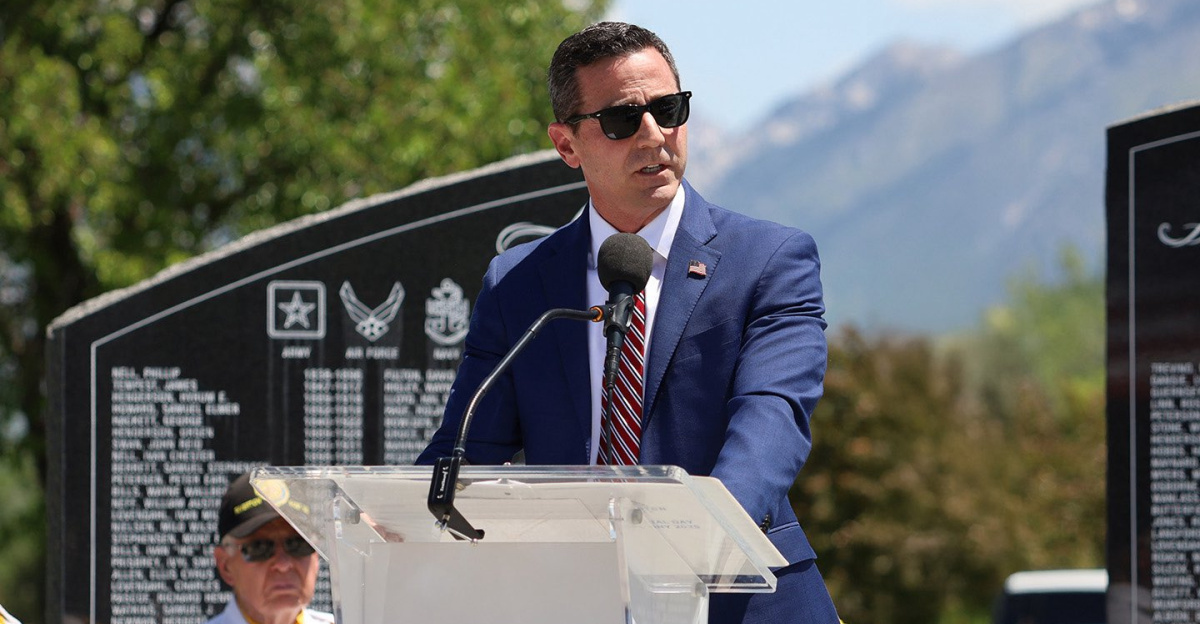
Against this backdrop, Riverton made history. On Aug. 29, 2025 Riverton’s government signed Utah’s first city-level287(g) task-force agreement. Mayor Trent Staggs and Chief Shane Taylor announced that under the pact, selected Riverton officers will be deputized to enforce federal immigration law during routine patrols in the suburban community.
They framed the deal as a public safety gain. The move expands the program’s reach beyond county jails and sheriffs (until now, only county-level agencies in Utah had 287(g) deals).
City Council member Tawnee McCay welcomed the agreement, saying “every Riverton resident deserves to feel safe in their neighborhood, and I have full faith and trust in the RPD to continue to work…with ICE”.
Suburban Setting

Riverton is an affluent Salt Lake Valley suburb of about 45,000 residents. Its median household income is roughly $119,000, and over 97% of residents are U.S. citizens. The city is about 84% white, with only about 5.2% of residents born outside the U.S. – far below national averages.
Riverton on paper has very few immigrants, and crime rates are already very low. Supporters of the ICE partnership argue that offenders and gang members move across all communities, so no town is too “clean” for immigration enforcement.
Opponents counter that this demography makes the agreement an unusual move for a quiet suburb where few people seem to fit ICE’s target profile.
Official Response

City leaders portrayed the deal as a public safety booster. In their joint announcement, Staggs and Taylor “encourage other law enforcement agencies to join the 287(g) Task Force program to help bolster public safety around our state,” and pledged they are ready “to protect our residents, uphold the rule of law, and defend the immigration processes that keep our nation strong and secure”.
They argued this partnership would allow Riverton police to work alongside ICE to identify and remove criminal illegal aliens.
Notably, officials cited no specific crime wave or local emergency that prompted this change; they emphasized it as a new tool to enhance routine law enforcement.
Federal Framework
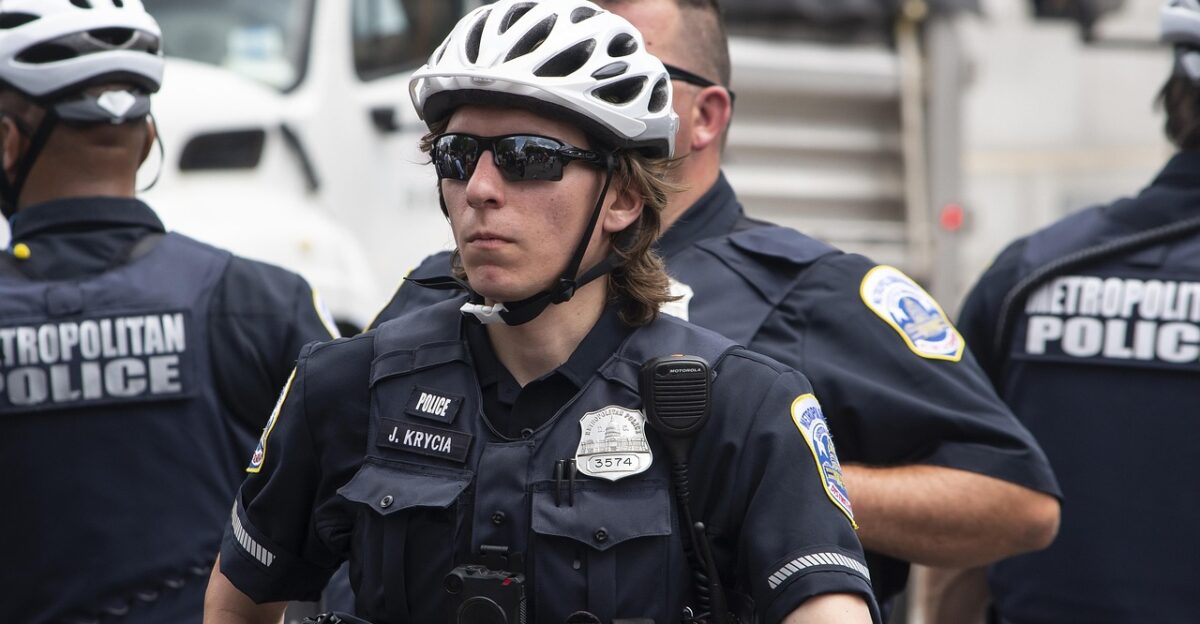
Under the task-force model, participating officers must complete about 40 hours of DHS training on immigration law and civil rights. After training, they gain the authority to interview people about immigration status during stops, access federal immigration databases, issue ICE detainers, and arrest noncitizens suspected of immigration violations.
This is the broadest form of 287(g). Nationally, this task-force model has become dominant: by mid-2025, ICE reported 338 active task-force agreements in 30 states (by contrast, there were 109 jail-enforcement and 251 warrant-service agreements at that time). In other words,
The Administration is emphasizing the most aggressive 287(g) option.
National Context

Riverton’s pact is part of a broader nationwide push. Republican-controlled states have been keen to partner with ICE: for example, Florida’s legislature recently passed a law requiring every county jail to sign a 287(g) agreement.
By mid-2025, ICE’s own data showed 109 jail-enforcement agreements and 251 warrant-service agreements, on top of the 338 task-force deals.
In total, DHS reported that nearly 900 local and state agencies in 40 states had signed 287(g) accords by early September 2025. This level of local involvement in immigration enforcement is unprecedented and is being touted by the Administration as a critical part of its mass-deportation strategy.
Research Challenge

Academic studies offer no evidence that these programs improve public safety. A recent Justice Department study of counties with 287(g) found “no evidence…of crime reduction” from the agreements.
In fact, social science research highlights the opposite concern: when local police begin enforcing immigration laws, Hispanic crime victims often stop reporting crimes.
One NBER analysis found that, following expanded enforcement, Hispanics were 30% less likely to report crimes (while their actual victimization rose by 16%). Immigrants become more fearful of calling 911, so official statistics understate community crime, and vulnerabilities grow unseen.
Opposition Voices

Critics have been quick to sound the alarm. The Utah ACLU warned that 287(g) agreements would “fuel…fear in immigrant communities” and “chill crime reporting”, arguing that victims and witnesses will avoid police out of deportation fears.
Civil-rights groups point to a documented history of abuse: Department of Justice investigations in Arizona and North Carolina found patterns of unlawful racial profiling by ICE-trained officers.
Such findings have led to lawsuits and demands for oversight. Immigrant advocates say the net effect is an erosion of safety – not just for undocumented people but for any resident who fears police will ask about citizenship.
Leadership Transition

Mayor Trent Staggs is a longtime local official (former city councilman, elected mayor in late 2024) who also serves as a Trump Administration appointee. In mid-2025 he was named the Region 8 Advocate for the Small Business Administration’s Office of Advocacy, representing Utah and five other Western states.
Chief Shane Taylor is a 36-year law enforcement veteran who joined Riverton in early 2024 as its third police chief. Taylor spent most of his career with the Salt Lake County Sheriff’s Office.
Both men bring deep experience in law enforcement and federal policy – the mayor through his SBA role and the chief through decades on the force.
Implementation Strategy

City officials call the new ICE partnership a “force multiplier” for catching wanted criminals. In practical terms, however, many details were left unspecified.
Riverton has not announced how many of its 36 officers will receive the special ICE training or when they will begin immigration enforcement. Police leaders say they must balance this new federal task with routine local duties.
Experts note that Riverton is a relatively low-crime suburb, so diverting even a few deputies toward immigration tasks could strain resources. The department will have to juggle its traditional 911 response and community policing with the new 287(g) activities.
Academic Concerns

Immigration policy experts warn that deputizing local police may undermine decades of community trust. One analysis observes that “trust in law enforcement” can collapse when police collaborate with ICE – immigrant families then hesitate to call 911 or cooperate with police for fear of being questioned about their status.
These studies show the chilling effect persists for years, making neighborhoods less safe overall. Victims of domestic violence, assault or robbery may stay silent rather than involve a police officer who has ICE authority.
Scholars worry that linking local police to federal immigration enforcement drives a wedge between law enforcement and the very communities they are meant to protect.
Future Implications

Riverton’s 287(g) agreement is being watched as a test case for other cities. It extends ICE enforcement into a municipal police department for the first time in Utah. Other suburban cities in the state – and nationwide – will now weigh whether to follow Riverton’s example.
If Riverton sees clear gains (like more deportations of criminal immigrants) with little upheaval, other mayors might pursue 287(g). Conversely, if residents react badly or legal troubles arise, Riverton may serve as a cautionary tale.
The city’s experience will likely influence how local governments balance federal mandates and community needs in the years to come.
Political Landscape
The partisan split on this issue is stark. Utah’s Republican-controlled government has generally encouraged local cooperation with ICE, reflecting a broader red-state stance. This contrasts with many Democratic-led states: California, Oregon, Washington, Illinois, New Jersey and Colorado have all passed laws restricting local police from helping ICE.
According to legislative trackers, most new immigration bills in 2025 have actually encouraged local enforcement, primarily in Republican states.
That means Utah is part of a regional trend of welcoming federal enforcement partnerships, while sanctuary jurisdictions push back.
Constitutional Questions

Legal scholars note serious constitutional risks when local officers enforce immigration law. ICE warrants issued internally have no judicial oversight, so deputies could face Fourth Amendment liability for detaining someone improperly.
Indeed, courts have ruled that officers acting on certain ICE warrants can be sued if they violate someone’s rights. DOJ investigations have also documented unlawful racial profiling in some ICE-deputized agencies.
Opponents argue that without strict training and oversight, 287(g) invites civil rights abuses. (The agreements themselves have generally survived legal challenges, but only when agencies carefully adhere to federal guidelines.)
Economic Impact
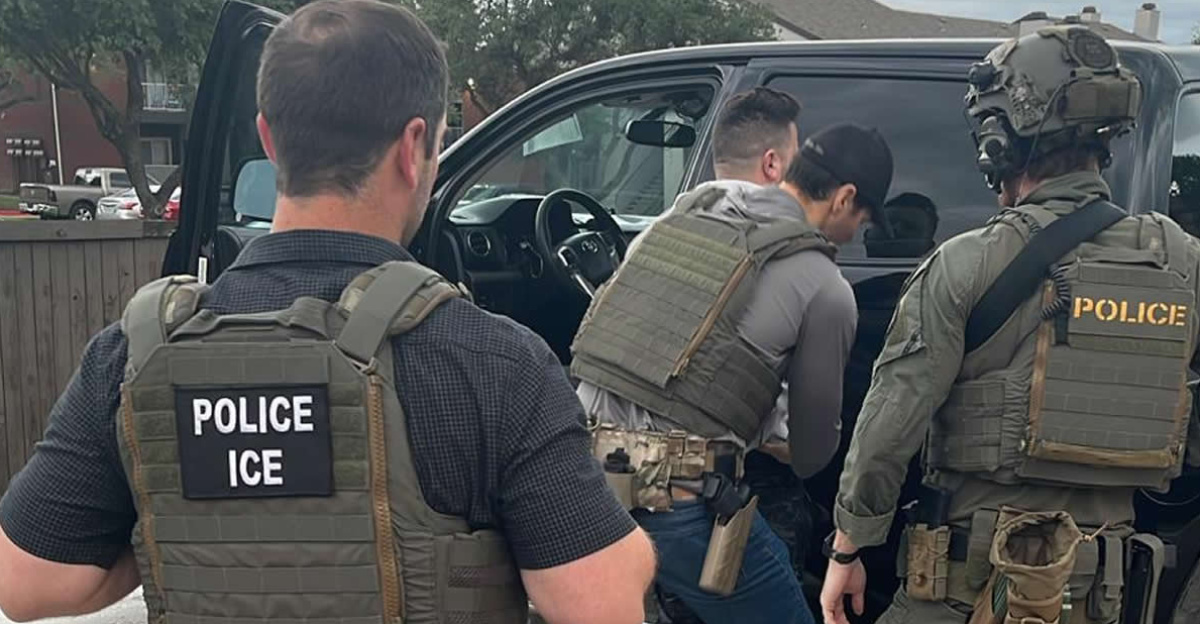
There are financial costs as well. ICE will cover the specialized training and equipment for deputized officers, but state and local governments pay the bulk of the expense.
Riverton taxpayers will fund the officers’ salaries, overtime, administrative support, and any travel for training. In addition, economists warn that aggressive local immigration enforcement can disrupt regional labor markets.
For example, one study found that after 287(g) went into effect, employers in agricultural areas had to raise wages and still saw output fall, as undocumented workers became harder to find. Businesses in sectors reliant on immigrant labor (farming, construction, services) may face higher labor costs and shortages as a result.
Community Trust
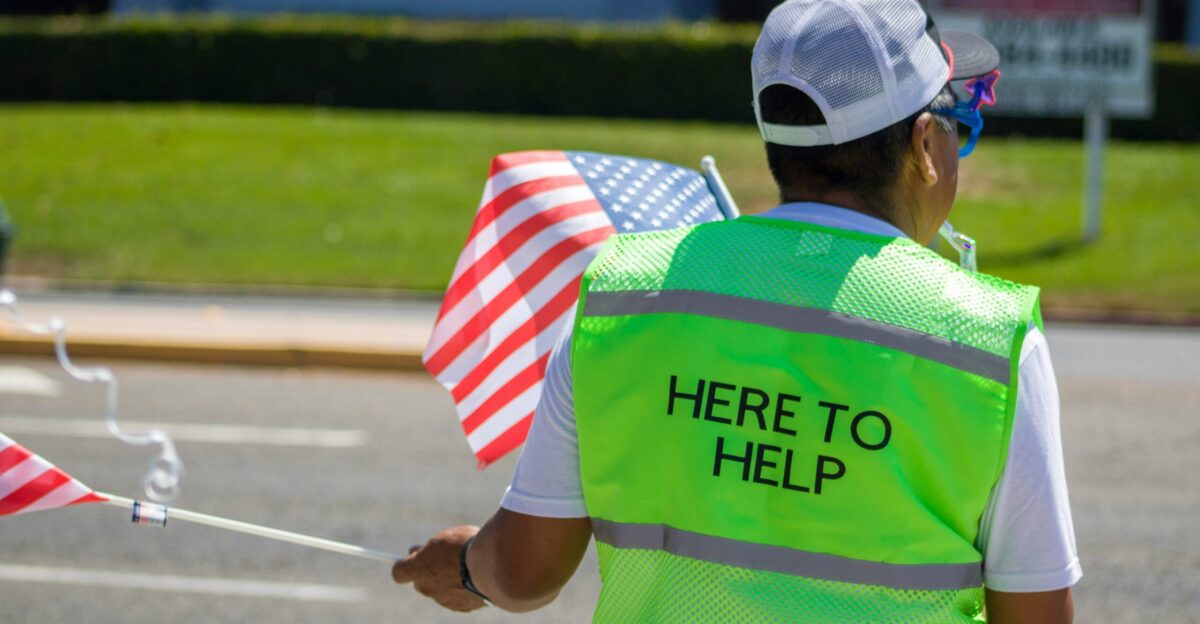
Perhaps the broadest impact will be on public trust. When police take on ICE duties, many immigrants – even lawful residents – begin to view officers with suspicion. Research shows that fear persists: one analysis found Hispanic crime reporting dropped 30% after enforcement programs expanded, and another noted “immigrant mothers hesitate to call 911” in such climates.
This means crimes that would have been reported and solved might instead go unaddressed, weakening overall community safety. The fear can extend to anyone who looks or speaks like an immigrant, eroding the bonds between police and neighborhoods that took years to build.
Broader Significance
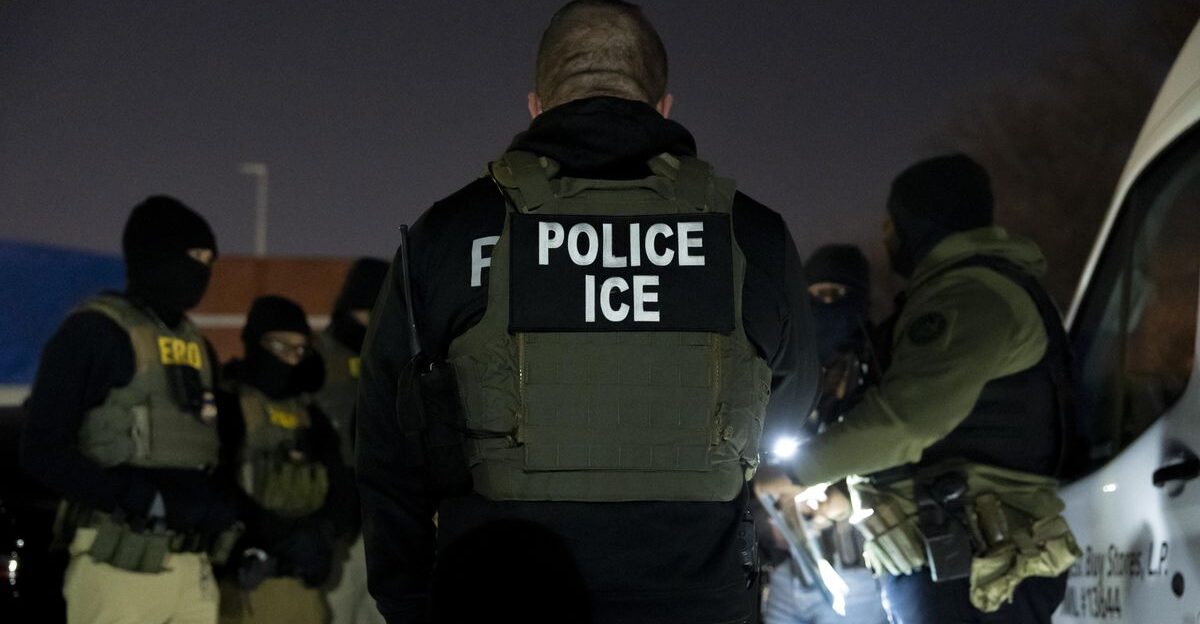
Riverton’s historic ICE partnership symbolizes a new normal: federal immigration enforcement reaching into city police departments, not just federal agents or county sheriffs. As one immigration advocate warned about these policies, “It doesn’t matter if you’ve built a life here… you are not safe and you are not welcome”.
The agreement is more than a local issue – it reflects a national shift in how suburban communities balance security and civil rights.
Other cities around the country will now study Riverton’s experience closely. If it goes smoothly, they may view it as a model. If problems emerge, Riverton’s story could serve as a cautionary tale for municipalities navigating similar federal partnerships.