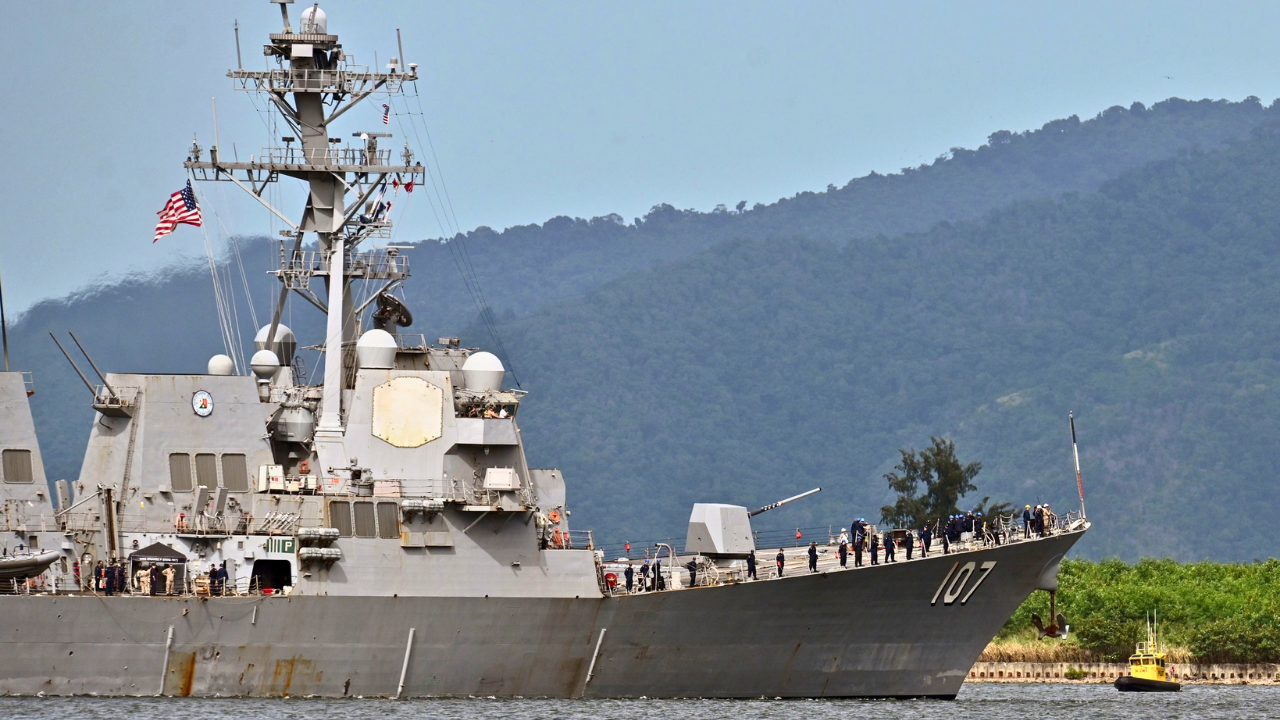
On November 13, 2025, the USS Stockdale positioned itself directly across the path of the Seahorse, a Russian‑linked tanker carrying naphtha bound for Venezuela. No shots were fired. No dramatic confrontation unfolded. Yet within seconds, a decision was made that could reshape Caribbean geopolitics for years. The tanker altered course toward Cuba, its mission temporarily interrupted by American naval power.
The Fuel That Sustains a Regime
Venezuela’s oil sector rests on a critical dependency: naphtha, a light fuel distillate used to dilute the nation’s extra‑heavy crude oil. Without sufficient diluent, oil cannot flow through pipelines or be exported at scale. For years, the United States was a primary supplier of this fuel. In early 2025, Washington halted that supply as part of its sanctions regime. Russia quickly moved to fill the gap, sending tens of thousands of barrels of naphtha daily—a carefully calibrated lifeline that kept Caracas dependent and vulnerable at the same time. The Seahorse carried enough naphtha to sustain production for a period of time. For Venezuela’s leadership, it represented survival.
Three Attempts, Repeated Disruption
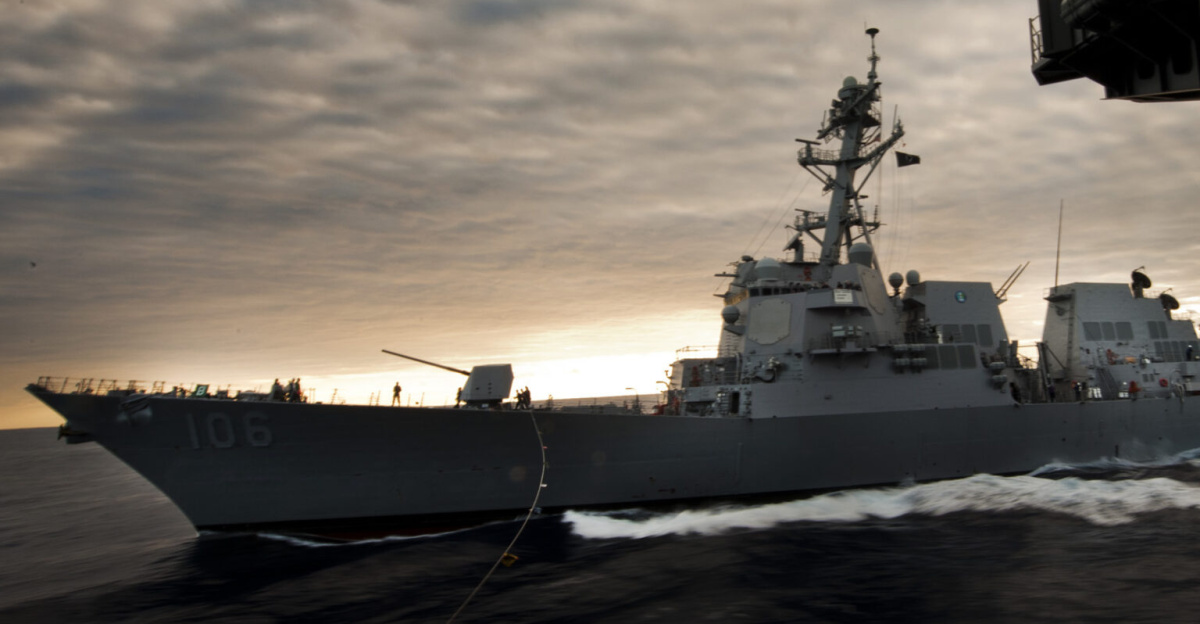
Between mid‑November and November 20, the Seahorse attempted the journey toward Venezuela multiple times. Each attempt ended the same way: a U.S. destroyer, including the USS Stockdale, appeared in its path, and the tanker turned away. By mid‑November, the vessel reportedly sat idle in open water, its automatic identification system signaling that it was waiting for instructions. Moscow did not immediately abandon the effort, and Washington did not relax its pressure. What appeared to be a shipping problem was, in reality, a test of political will.
On November 23, the Seahorse finally reached Venezuelan territorial waters. Moscow publicly framed this as a success—Russian fuel had arrived despite U.S. interference. But the broader reality was more troubling for the Kremlin. A voyage that once took days had stretched into roughly two weeks and several aborted attempts. Washington had sent a clear message: Russian fuel shipments to Venezuela can be delayed, harassed, and made risky. Occasional deliveries might still get through, but maintaining a predictable, steady supply has become far more difficult.
The Arsenal Arrives
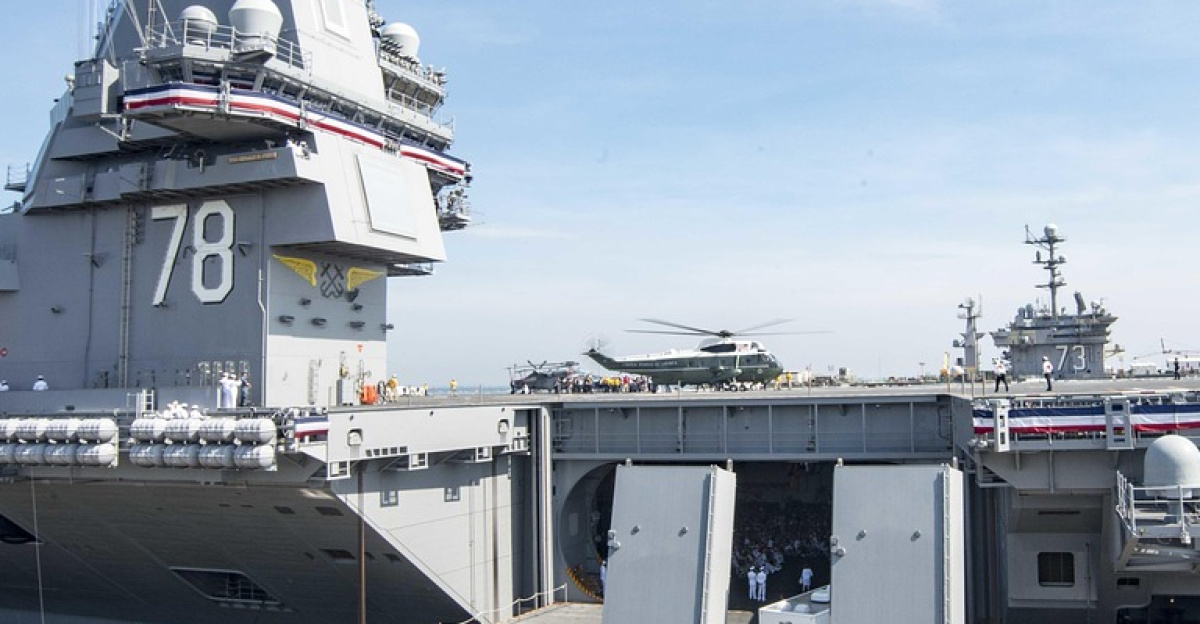
The USS Stockdale did not operate in isolation. In mid‑November, the nuclear‑powered USS Gerald R. Ford—the world’s largest warship at about 100,000 tons and estimated to cost around $13 billion—entered Caribbean waters as part of a carrier strike group. Over a dozen additional U.S. warships followed. Fighter squadrons of F‑35s, surveillance aircraft, and B‑52 bombers joined the build‑up. Officially, Washington framed the deployment in the context of regional security and counter‑narcotics operations. In practice, this was the most extensive continuous U.S. naval and air presence in the Caribbean in decades. The scale was significant. The intended message was unmistakable.
Shadow Fleets Meet Naval Reality
Russia’s so‑called shadow fleet operates with considerable sophistication. Sanctioned tankers often change names and flags, use complex ownership structures, and exploit gaps in financial and regulatory systems to avoid detection. It is sanctions evasion turned into a system. But shadow fleets have no real answer for a modern destroyer placed squarely across their bow. The USS Stockdale’s operations against the Seahorse highlighted an uncomfortable reality for Moscow: clever paperwork and obfuscation cannot overcome American control of nearby sea lanes. Russia can expand its shadow fleet, but it cannot easily challenge U.S. naval superiority in the Caribbean without running serious military risks.
The Economic Squeeze
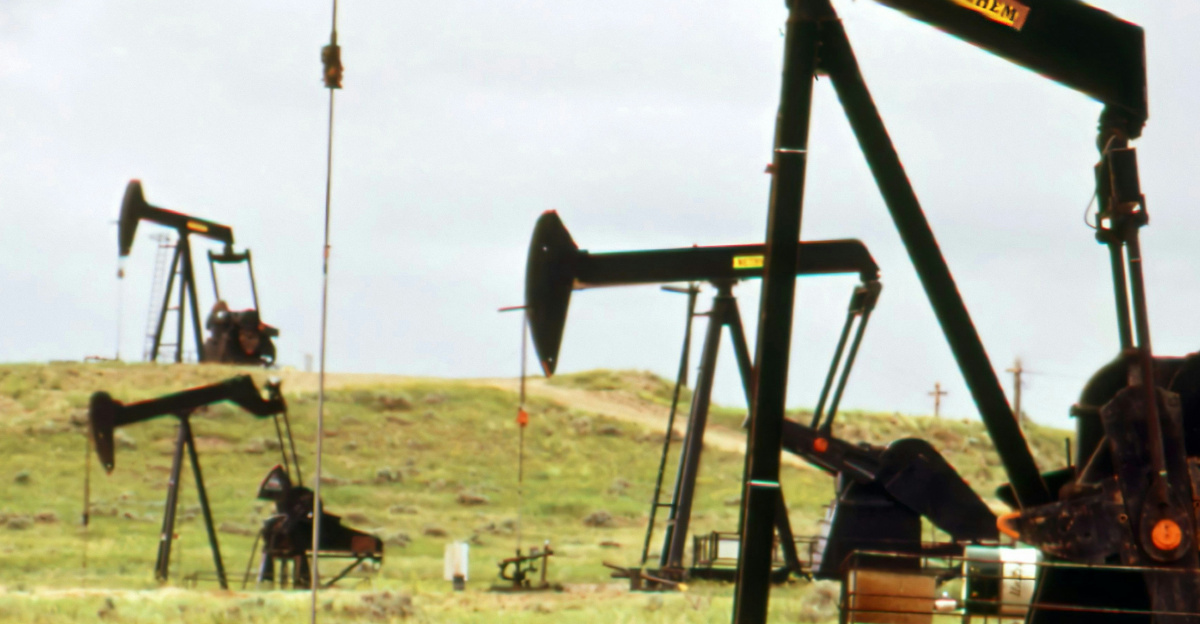
Venezuela’s economy has been deteriorating for years. Oil production, once around 3 million barrels per day roughly a decade and a half ago, has fallen sharply. Recent estimates for 2025 place production at under 1 million barrels per day, reflecting a sector that has lost much of its former capacity. If naphtha supplies were cut back significantly, output could decline further, depriving the government of hundreds of millions of dollars in annual revenue at a time when foreign currency is already scarce. Reduced oil income makes it harder to pay state employees and soldiers, fund imports, and sustain the patronage networks that underpin the current political coalition. As oil dollars shrink, the regime’s financial foundations weaken.
Moscow’s Careful Calculation
Russia has not abandoned Venezuela. It has instead adjusted its posture. Kremlin spokesman Dmitry Peskov has emphasized that Moscow remains in “constant working contact” with Caracas and intends to honor its “contractual obligations.” In practice, this suggests Russia wants to maintain its energy and political ties with Venezuela but is not prepared to enter into a direct military confrontation with U.S. forces in the Caribbean. When asked about the prospect of more robust military support, Peskov’s answers have been notably cautious and general. The subtext is clear: Russia understands the risks of escalating in a region where U.S. naval power is pre‑eminent.
What Comes Next
The USS Stockdale’s repeated interception and monitoring of the Seahorse mark more than a single maritime episode. They illustrate a broader reality in contemporary geopolitics: overwhelming military and logistical control of key chokepoints can determine outcomes, even when economic ties and political commitments run deep. Venezuela’s vast oil reserves matter less if outside powers can effectively constrain the flow of critical inputs and exports. Russia’s willingness to provide fuel matters less if it cannot reliably guarantee delivery.
If Russia manages to keep resupplying Venezuela in the face of U.S. efforts to disrupt shipments, Washington’s leverage and credibility in the region could be questioned. If, on the other hand, naphtha deliveries are significantly reduced or repeatedly delayed, Venezuelan production could drop further and the Maduro government could face intensified financial and political strain. The Seahorse episode has become a symbol of a larger contest for influence in the Western Hemisphere—one destroyer and one tanker encapsulating the degree to which control of the sea can overshadow ideology, commercial contracts, and distant alliances.
Sources
U.S. Department of Defense Operational Briefing on Caribbean Deployment, November 2025
U.S. State Department Sanctions Enforcement Documentation – Venezuela Oil Sector, 2025
Reuters / AP Archive – Venezuelan Oil Production Data and Russian Tanker Tracking, November 2025
Russian Ministry of Foreign Affairs Official Statements – Kremlin Spokesman Dmitry Peskov, November 2025
U.S. Navy Fleet Operations Command – USS Gerald R. Ford Carrier Strike Group Deployment Records, November 2025
Office of Foreign Assets Control (OFAC) – Sanctioned Vessel Registry and Shadow Fleet Database, 2025