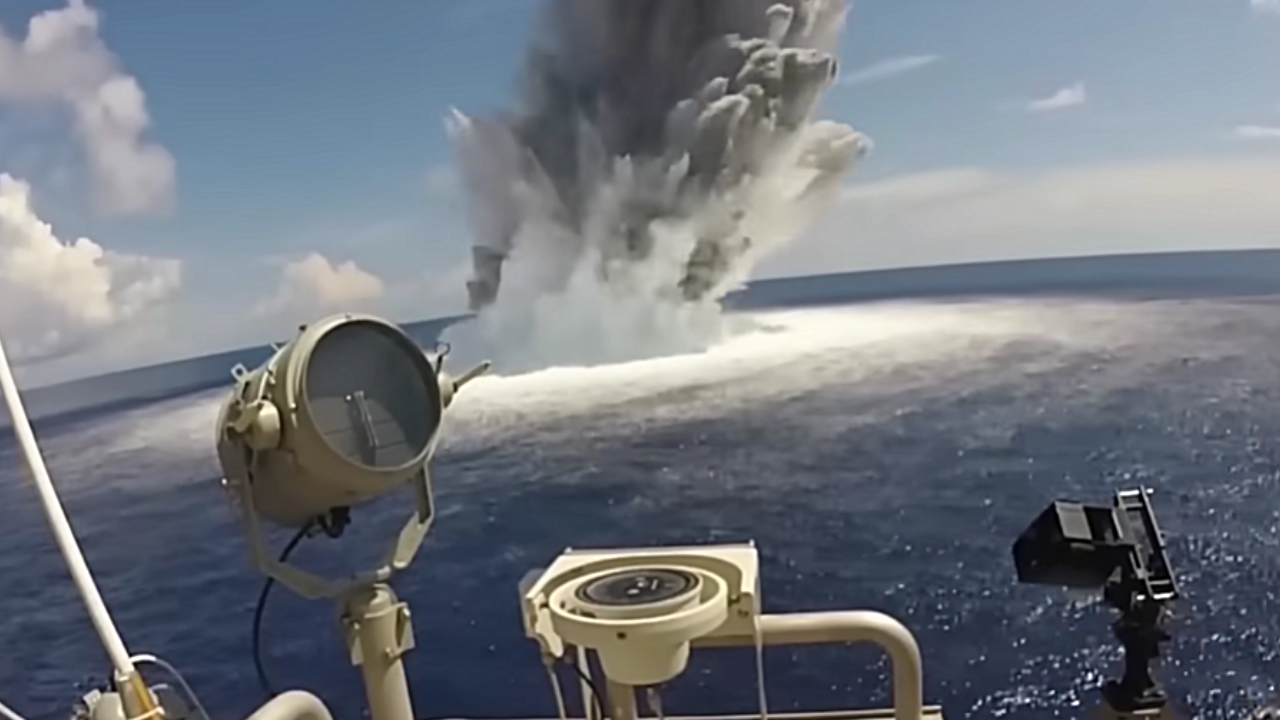
The U.S. Navy deliberately sank the decommissioned amphibious transport dock USS Dubuque (LPD-8) during RIMPAC 2024, the world’s largest maritime exercise.
The event was part of a SINKEX, or sinking exercise, designed to test real-world weapons, sensors, and tactics against a full-size naval hull. These exercises provide data that simulations cannot fully replicate and reinforce U.S. readiness in high-end naval warfare scenarios.
Torpedo Capabilities
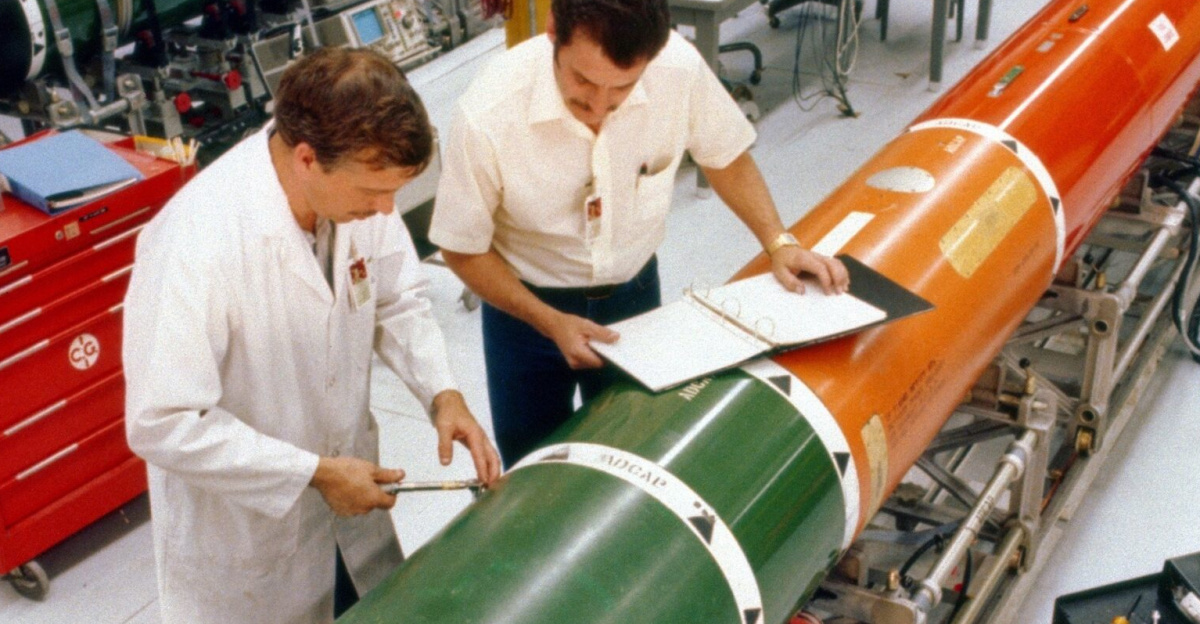
Heavyweight Mk 48 torpedoes remain the U.S. Navy’s primary submarine-launched anti-ship weapon. Designed to defeat large surface combatants, the Mk 48 combines high speed, deep-diving capability, and advanced acoustic guidance.
In exercises like RIMPAC, the torpedo’s performance is evaluated against actual ship structures, validating lethality, tracking accuracy, and terminal effects under realistic ocean conditions.
Pacific Stakes
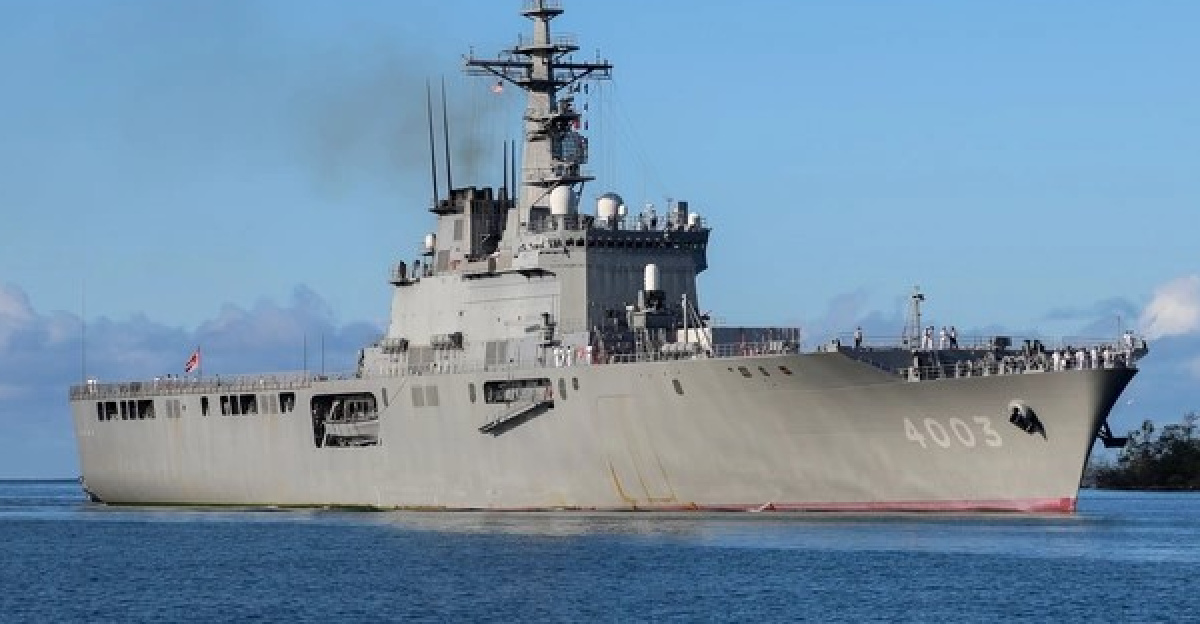
RIMPAC 2024 unfolded amid heightened strategic competition in the Indo-Pacific. The exercise demonstrated the U.S. Navy’s ability to neutralize large maritime targets quickly, reassuring allies while deterring potential adversaries.
SINKEX events signal that U.S. and partner forces retain the capability to dominate contested sea lanes critical to global trade and regional security.
Warship Legacy
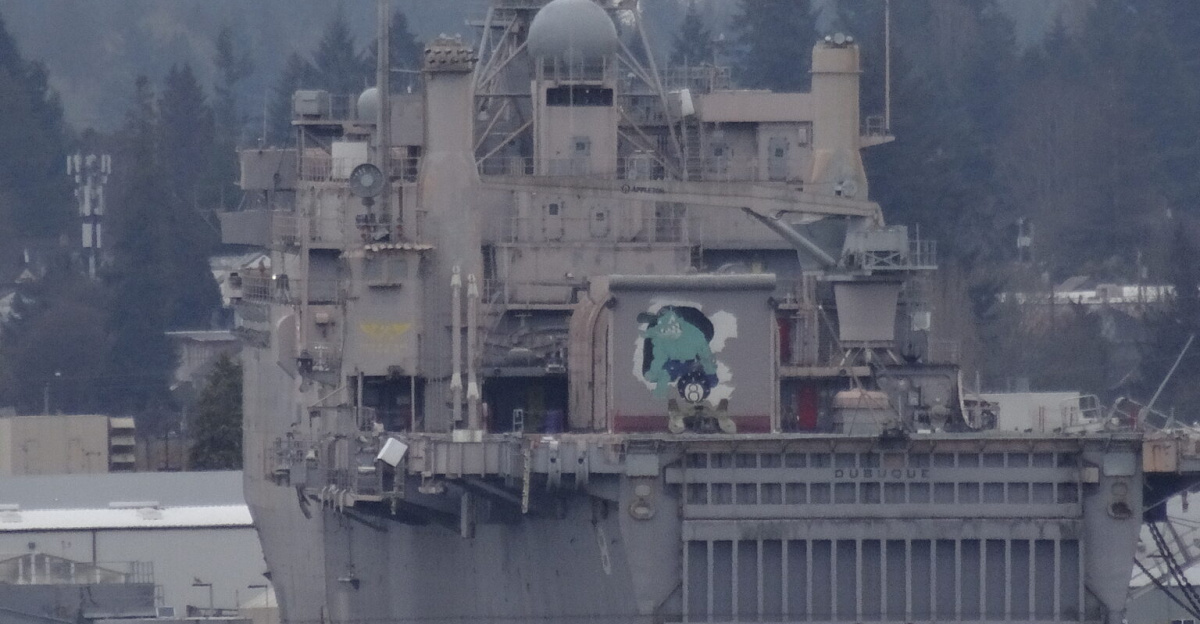
USS Dubuque was an Austin-class amphibious transport dock commissioned in 1967 and decommissioned in 2011.
During decades of service, the ship supported amphibious operations, humanitarian missions, and forward deployments. After decommissioning and environmental preparation, Dubuque was selected as a SINKEX target to provide a realistic stand-in for large amphibious vessels.
Strategic Pressures
China’s expanding naval capabilities and increasing activity near critical waterways such as the Taiwan Strait have reshaped U.S. training priorities.
Live-fire exercises like RIMPAC allow commanders to test how weapons perform against hardened hulls under real conditions, refining tactics for potential high-intensity maritime conflict scenarios.
The SINKEX Event
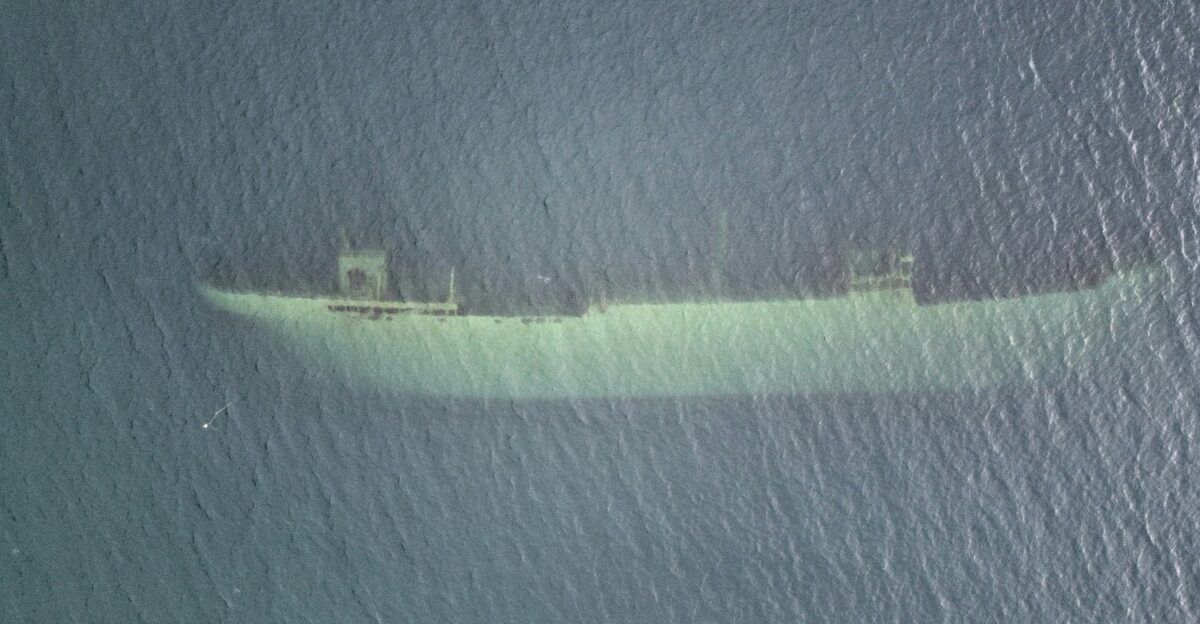
On July 11, 2024, USS Dubuque was sunk during RIMPAC 2024 in waters more than 15,000 feet deep, over 50 nautical miles north of Kauai, Hawaii.
The sinking followed strict environmental regulations and involved multiple live-fire weapons, including submarine-launched torpedoes, to ensure the vessel was fully neutralized and safely sent to the ocean floor.
Weapon Employment
Submarine-launched Mk 48 torpedoes played a central role in the sinking. These torpedoes are designed to break a ship’s keel or cause catastrophic flooding, ensuring rapid loss of buoyancy.
Their use in SINKEX events confirms their continued relevance against large surface vessels despite advances in missile technology.
Environmental Safeguards

Before sinking, USS Dubuque underwent extensive preparation to remove fuels, hazardous materials, and pollutants in compliance with Environmental Protection Agency requirements.
SINKEX sites must be located in deep water far from shore to minimize environmental impact and ensure long-term ecological safety.
Training Value
SINKEX exercises provide unmatched training value for submarine crews, aviators, and surface forces.
Live-fire events allow operators to observe weapon behavior, damage progression, and ship survivability in real time, generating data that improves future tactics, maintenance, and weapons development.
Torpedo Performance
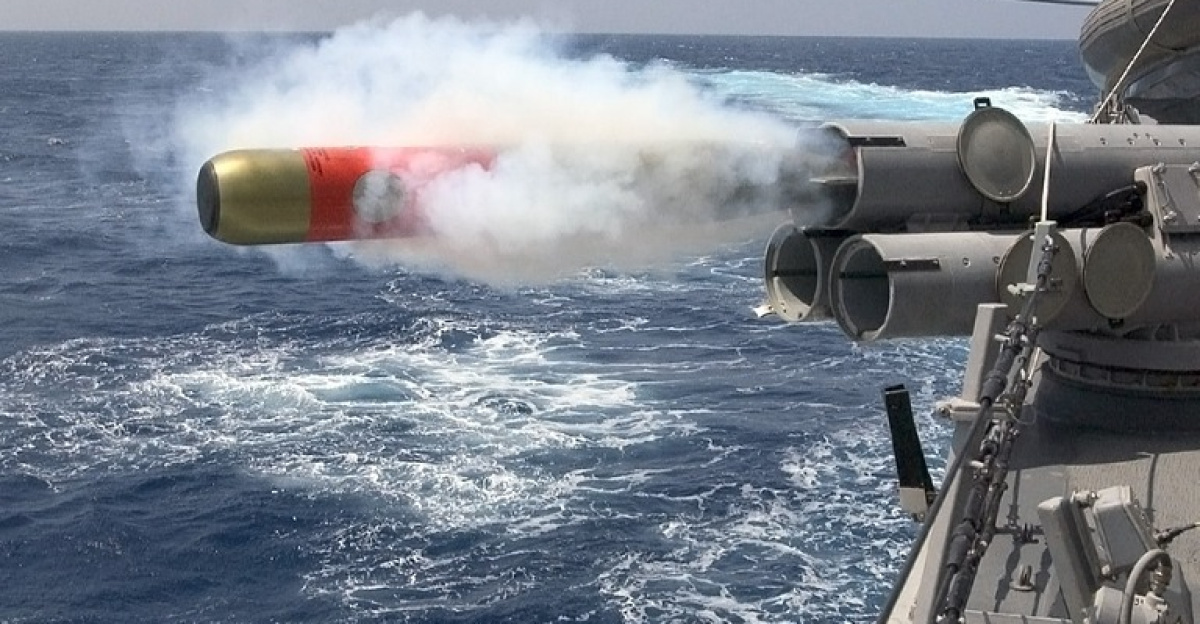
The Mk 48 torpedo is capable of speeds exceeding 40 knots and operates across a wide depth range.
Wire guidance and onboard sensors allow it to adjust course during an engagement, increasing hit probability against maneuvering targets.
These characteristics were validated during RIMPAC 2024’s live-fire scenarios.
Broader Exercise Scope
RIMPAC 2024 involved 29 nations, 40 surface ships, three submarines, more than 150 aircraft, and approximately 25,000 personnel.
The scale of participation reflects the exercise’s role as a cornerstone of multinational maritime cooperation and collective deterrence in the Pacific.
Air-Launched Alternatives
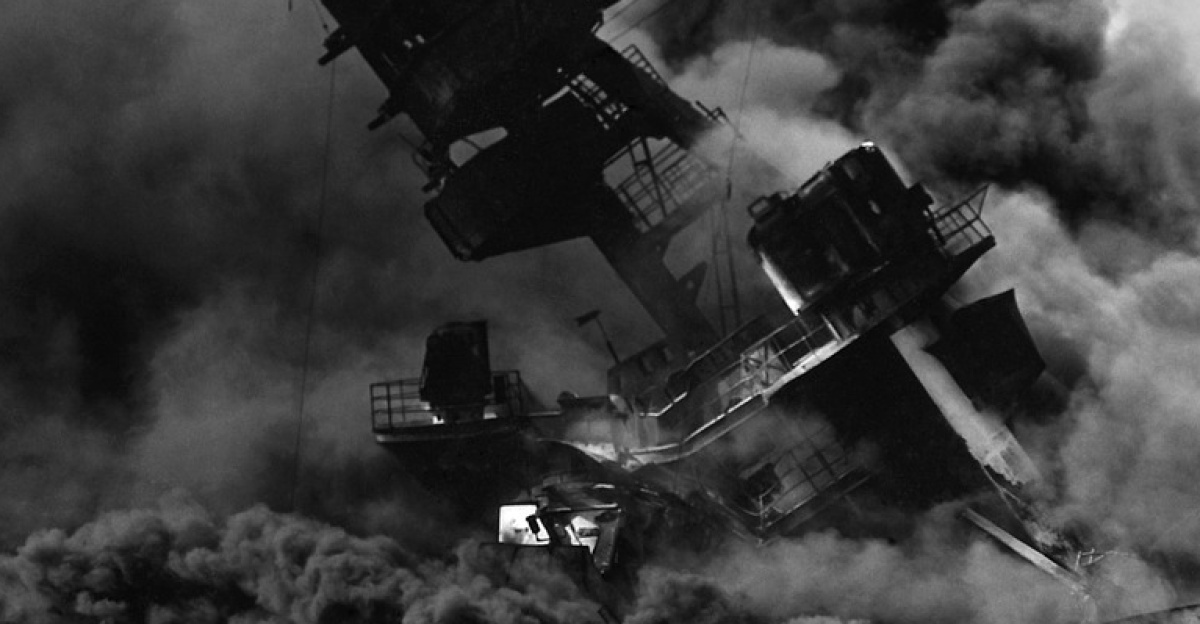
While USS Dubuque was sunk primarily through naval fires, RIMPAC 2024 also showcased air-launched anti-ship capabilities on other targets.
These included demonstrations of Long-Range Anti-Ship Missiles and the QUICKSINK concept, highlighting complementary approaches to maritime strike operations.
Submarine Centrality
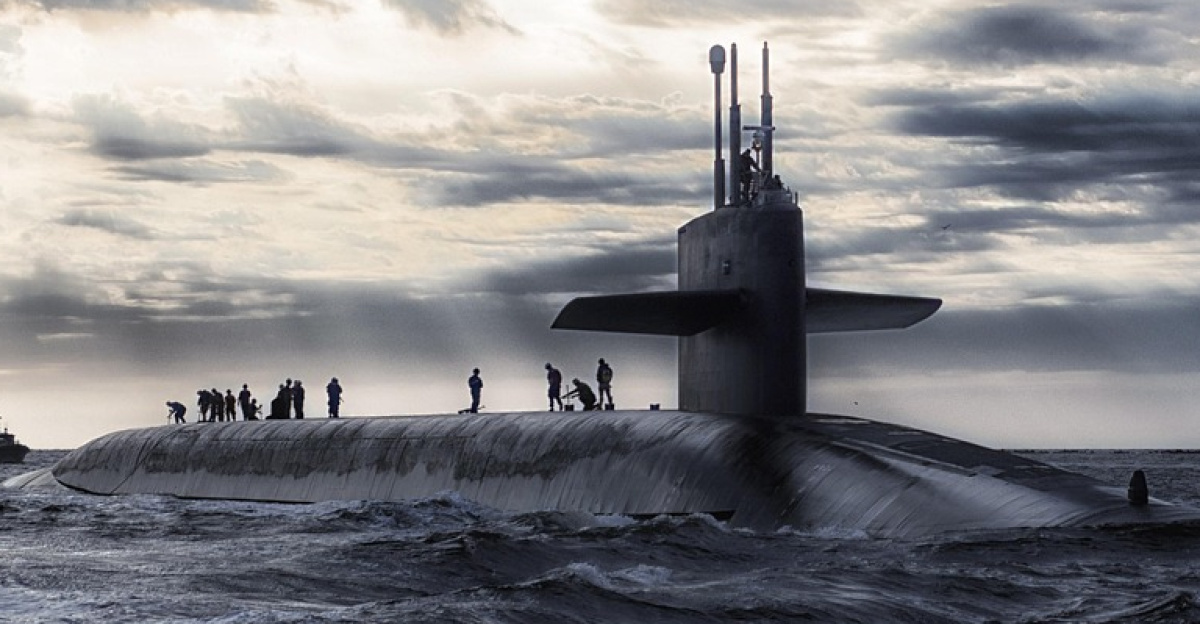
Submarines remain a critical element of U.S. maritime dominance. Their stealth, persistence, and ability to deliver torpedoes undetected make them especially effective against large surface vessels.
SINKEX exercises reinforce the submarine force’s role in both deterrence and wartime sea control.
Multinational Learning
Partner nations observe and participate in SINKEX planning and execution, gaining insight into U.S. tactics and operational standards.
This shared experience strengthens interoperability and prepares allied navies for coordinated responses to future maritime crises.
Resource Considerations
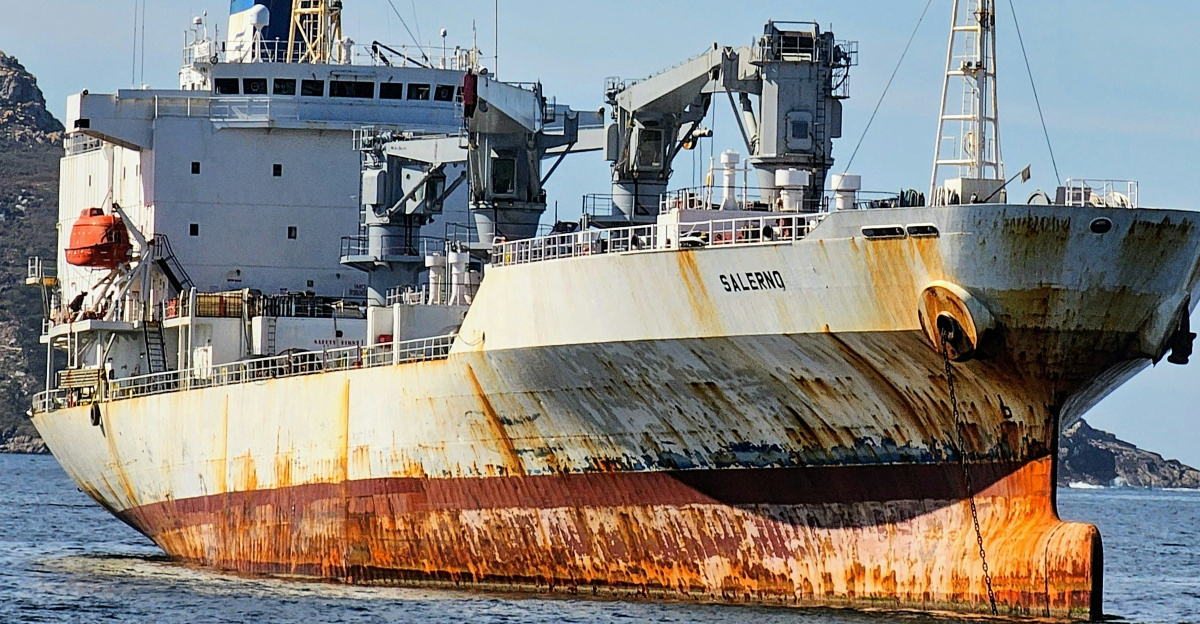
The limited availability of decommissioned ships has sparked debate about balancing realism with sustainability.
While simulations and synthetic training continue to improve, naval leaders maintain that occasional live-fire sinkings remain essential for validating weapons and doctrines.
USS Tarawa Comparison
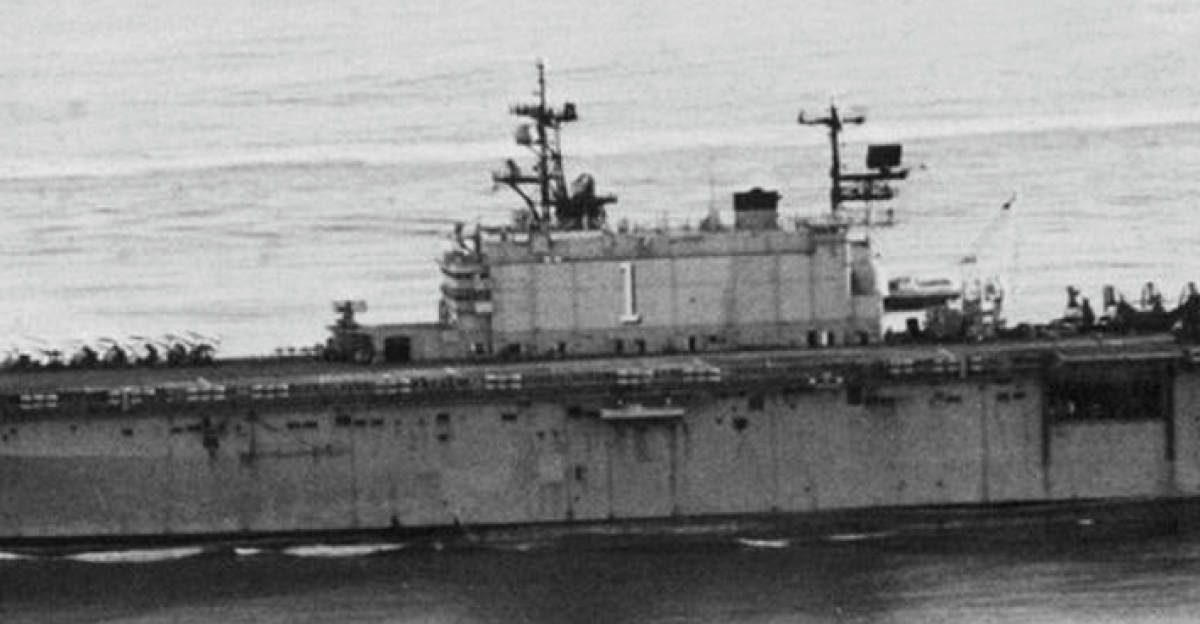
Later in the exercise, USS Tarawa (LHA-1), a much larger amphibious assault ship, was also sunk during a separate SINKEX on July 19, 2024.
Together, the sinkings provided data across multiple ship classes, enhancing understanding of how different hulls respond to modern weapons.
Strategic Messaging
Publicly releasing imagery and details from SINKEX events serves a strategic communication role.
The demonstrations underscore U.S. willingness to train realistically and signal credible combat power to both allies and potential adversaries without escalating into actual conflict.
Indo-Pacific Deterrence
By combining submarines, aircraft, and surface forces in realistic scenarios, RIMPAC reinforces deterrence across the Indo-Pacific.
The ability to rapidly neutralize large vessels supports freedom of navigation and protects vital sea lanes that underpin the global economy.
Lessons Learned
Data collected from USS Dubuque’s sinking will inform future weapons upgrades, tactical manuals, and training programs.
Engineers and planners analyze weapon impact patterns, sensor performance, and damage timelines to refine U.S. naval doctrine.
Final Assessment
The sinking of USS Dubuque was not a spectacle but a calculated training event grounded in operational necessity.
Through RIMPAC 2024, the U.S. Navy demonstrated that its submarine-launched torpedoes and joint maritime forces remain capable of defeating large surface ships in real-world conditions, reinforcing readiness in an increasingly contested Pacific.
Sources:
- NewsTestPage (pacom.mil): “NewsTestPage” – U.S. Indo-Pacific Command site on SINKEX events.
- U.S., Allies Kick Off Exercise Valiant Shield 2024 (USNI News): Covers Pacific exercises including relevant drills.
- US and Partner Nations Conduct Multiple SINKEXs as Part of RIMPAC (U.S. Navy): Details RIMPAC 2024 sinkings off Kauai.
- File: USS Dubuque (LPD-8) smokes after taking a direct missile hit during exercise RIMPAC 2024 (Wikimedia Commons): Visual confirmation of the event.