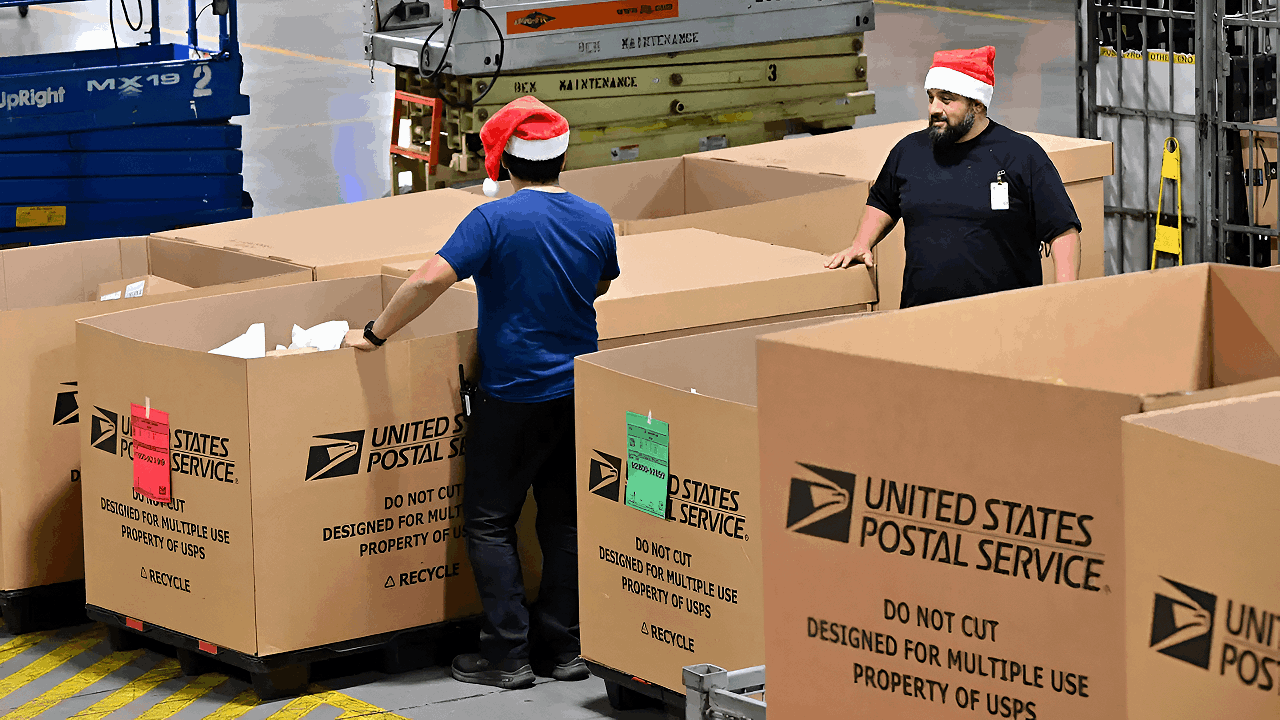
In a surprising move, the U.S. Postal Service (USPS) announced a temporary surcharge of up to $16 on heavy, long-distance parcels for the holiday season, effective from October 5, 2025, through January 18, 2026. This marks the steepest price hike in USPS history, signaling significant implications for millions of Americans and businesses during a crucial shipping period.
The USPS’s financial struggles underscore the decision, as it faces a staggering $9 billion deficit, heightening concerns about the affordability and accessibility of holiday shipping. This decision comes amidst ongoing scrutiny of the postal service’s financial health and operational sustainability.
Contextualizing USPS’s Financial Crisis
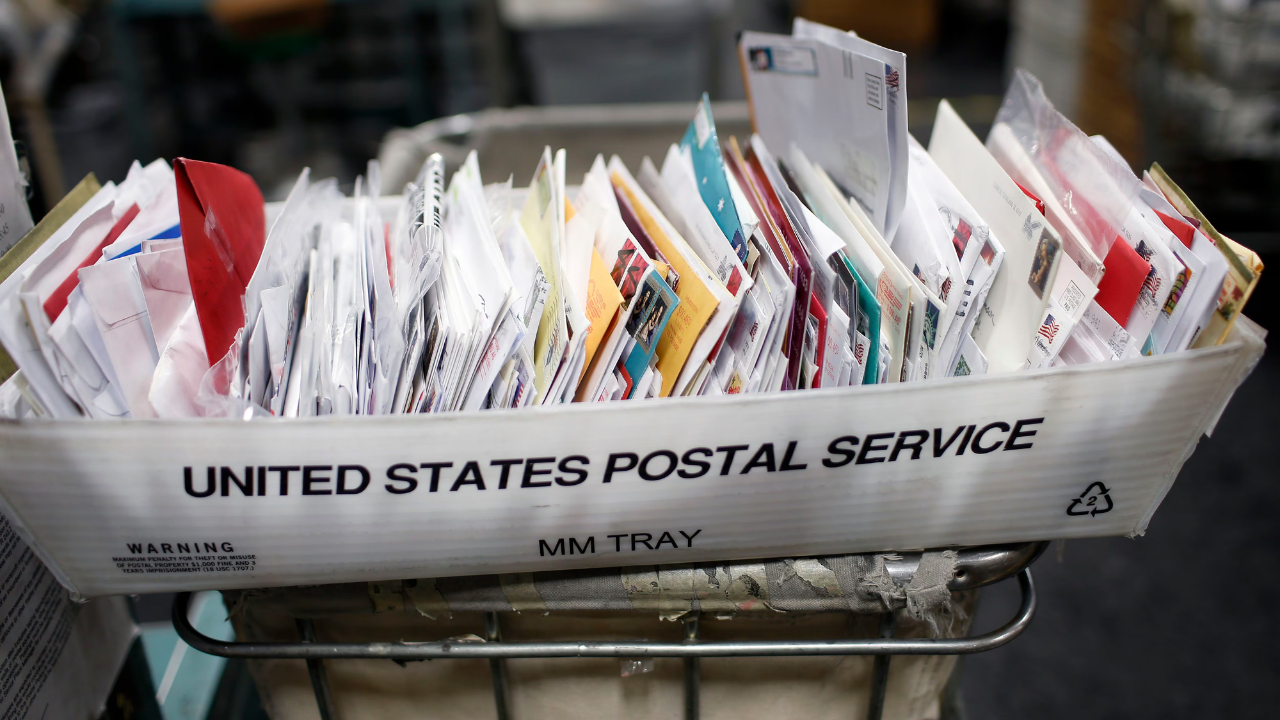
The rationale behind the surcharge stems from USPS’s escalating financial challenges, which include a reported $9 billion annual deficit in 2024. As shipping demands surge during the holiday season, operational costs also soar, prompting USPS to implement this financial strategy.
The goal is to help offset both extra handling and transportation costs experienced during peak shipping periods, while also aligning their pricing structure more closely with that of private competitors such as FedEx and UPS. The surcharge represents a critical effort by USPS to remain competitive in an increasingly competitive shipping market, prompting businesses to reassess their logistics strategies.
Direct Impact on Consumers
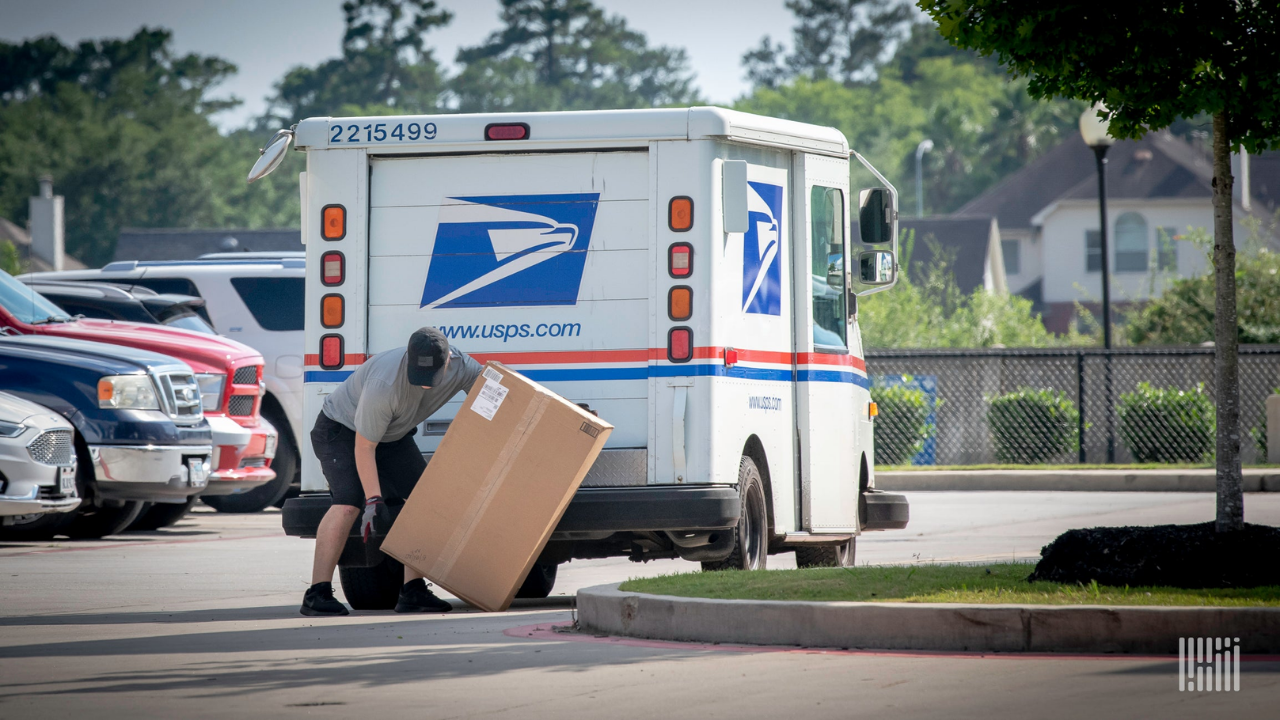
With the new surcharge, consumers nationwide can expect to see noticeable increases in their holiday shipping bills, particularly for heavier and longer-distance packages. Approximately 169 million delivery points in the U.S. are expected to be affected, particularly since the surcharge will apply to Priority Mail Express parcels weighing between 26 and 70 pounds.
According to industry research, consumer spending during the 2025 holiday season is already under pressure, with spending projected to decline by 5% compared to last year. The additional shipping costs are likely to further impact small business shipping budgets and holiday promotional strategies.
Business Response and Retailers’ Adjustments
Retailers and small businesses are bracing for the added financial burden resulting from the USPS surcharge. Many are reassessing their shipping strategies to mitigate increased costs.
Industry experts anticipate businesses will either increase prices or limit free shipping offers during this crucial sales season, creating a challenging balancing act for retailers.
This response showcases the ripple effects of USPS pricing on the broader marketplace, pushing businesses to adapt quickly. Shifting shipping strategies may include using alternative carriers or revising promotional offers to keep customers engaged and informed during these budgetary adjustments.
Substitutes: Shippers’ Eye Alternatives
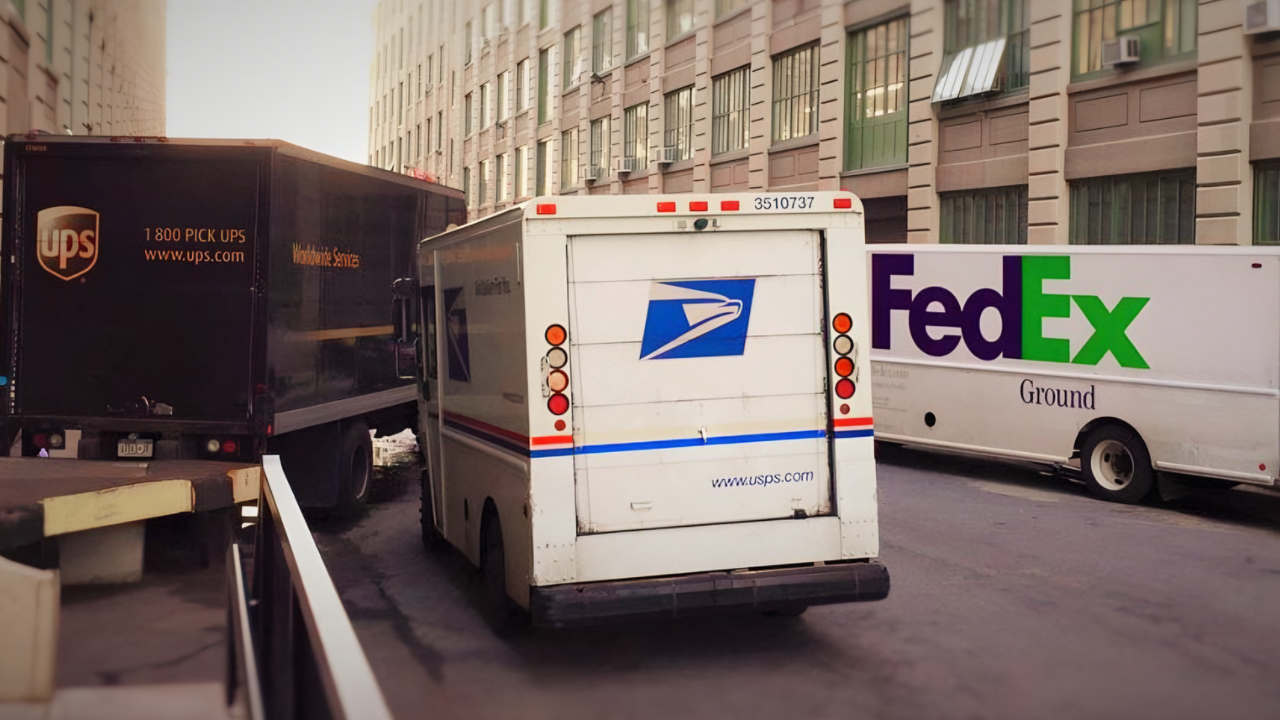
As USPS rates soar, businesses and consumers alike are evaluating alternatives to mitigate the rising costs of shipping. Many are considering private carriers such as FedEx and UPS; however, both have also implemented seasonal surcharges, resulting in a competitive landscape that may not significantly alleviate costs. FedEx’s peak season surcharges range from 40 cents up to $108.50, while UPS has implemented similar demand surcharges.
Regional couriers could become popular choices for those seeking more localized options. Adjusting shipping timelines, coupled with a push for efficiency in logistics, has emerged as a key strategy that businesses are adopting to navigate these financial hurdles effectively. With a focus on reducing expenses, companies may also explore consolidating shipments to minimize overall fees.
International Trade Implications
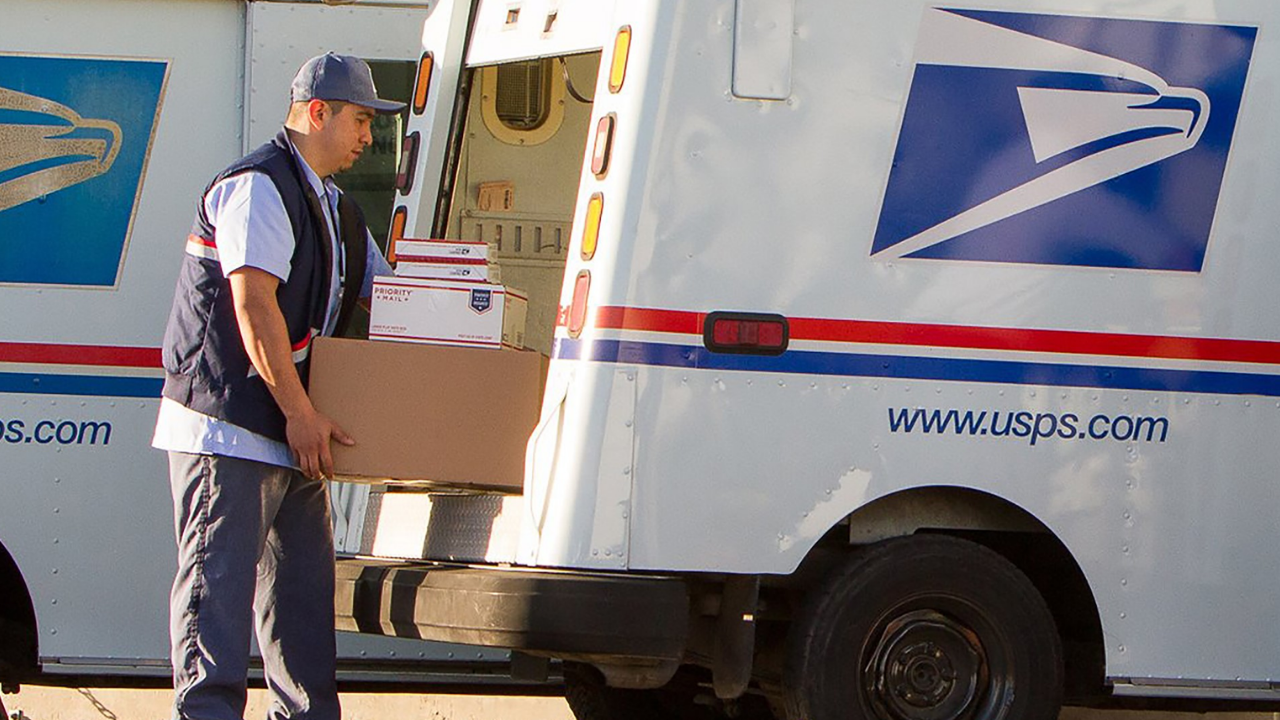
The USPS surcharge is poised to have ripple effects beyond U.S. borders, complicating international e-commerce. Sellers shipping products to global customers may face higher shipping costs, which can significantly impact their pricing structures for international shipping.
International buyers may experience increased shipping fees or extended delivery timelines, creating uncertainty in fulfillment strategies. Industry research suggests that higher U.S. shipping costs could push international buyers to consider local alternatives, particularly as consumer sentiment regarding value-driven purchases intensifies globally. The multifaceted approach of adjusting shipping practices could have lasting impacts on cross-border transactions and trade relations.
The Human Element: Workers Under Pressure
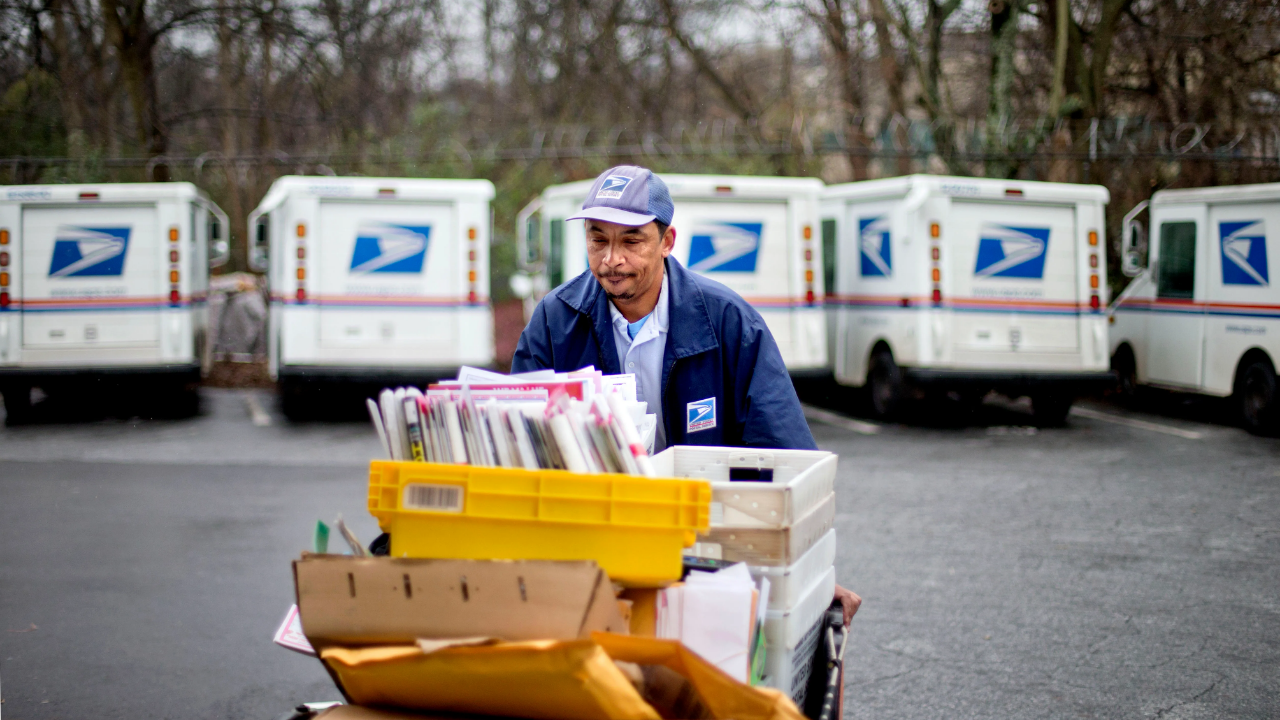
As USPS prepares for the busiest shipping season, postal workers and logistics staff will face intensified pressures to manage increased package volumes alongside rising customer inquiries.
The surcharge aims to help cover additional labor costs amid operational demands that occur during this peak time of year.
With labor costs comprising over 75% of USPS’s budget, the agency faces mounting pressure to balance employee demands with financial sustainability. Postal workers, numbering over 600,000 across the network, are critical to ensuring timely deliveries during peak season when package volumes surge.
Leadership and Oversight Changes

Leadership changes could also shape the future trajectory of USPS as David Steiner took on the role of Postmaster General in July 2025, replacing Louis DeJoy amidst a backdrop of financial upheaval. With these leadership changes, the Postal Regulatory Commission plays a key role in reviewing and approving the surcharge, ensuring a level of oversight amid public scrutiny.
This shift raises essential questions about accountability within the organization and how new leadership will support strategies for addressing the post-service’s fiscal challenges. Stakeholders are keenly monitoring how these dynamics unfold amid the evolving shipping landscape.
Economic Ripple Effects: Inflation Concerns
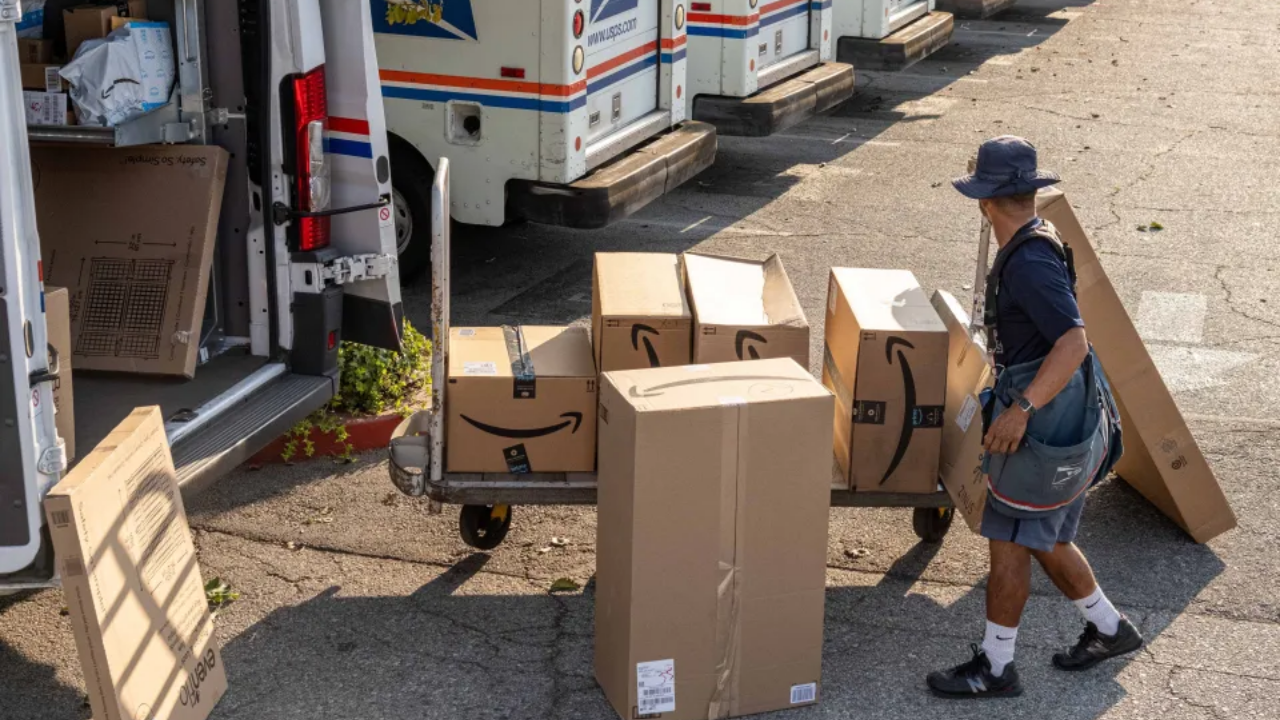
The implementation of the surcharge adds yet another layer of inflationary pressure on both businesses and households. Rising shipping fees are likely to dampen holiday spending habits as consumers reconsider their purchasing decisions in light of additional costs.
Research indicates that over 80% of holiday shoppers expect prices to be higher this year, with many planning to reduce the number of items purchased. This shift may lead to an increase in in-store shopping or a growing preference for digital gift cards over physical products that incur shipping fees.
Consumer behavior data suggests that this cascade effect may spur a transformation in shopping patterns, with 31% of consumers planning to take advantage of more deals and prioritizing value-driven purchases. Shoppers are urged to be mindful of their spending in light of these increases.
Retailers’ Adaptive Strategies
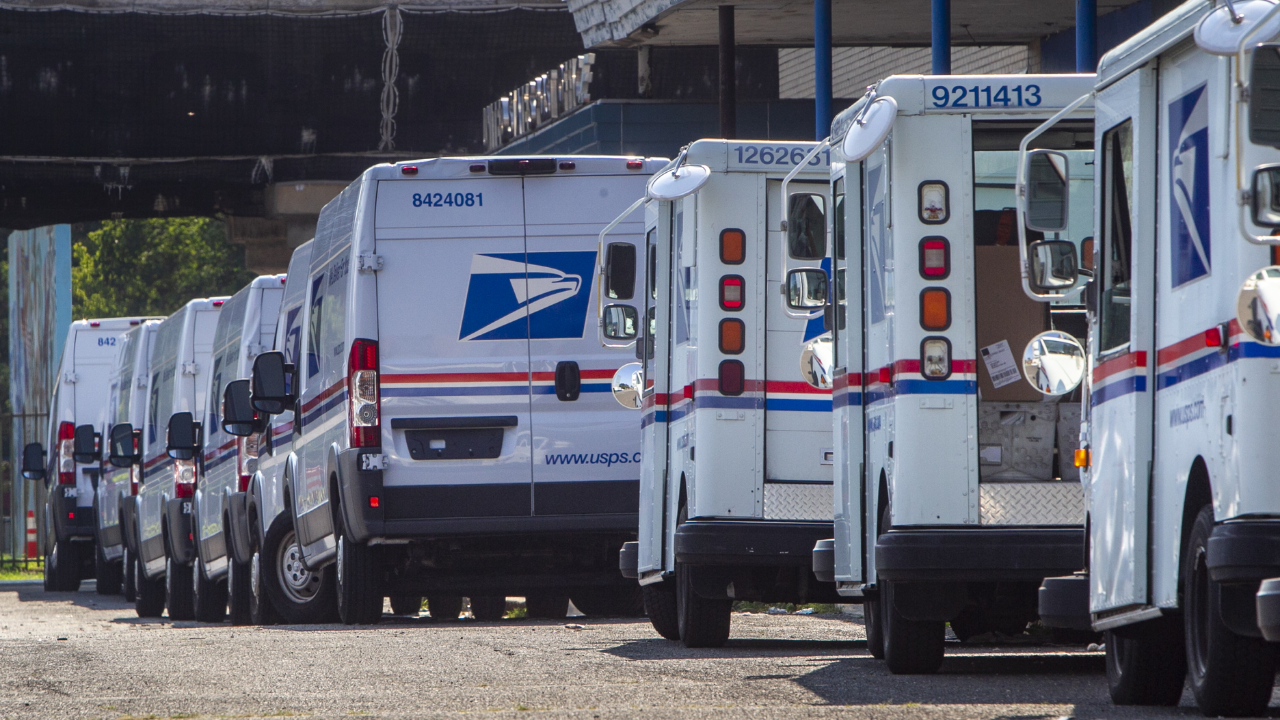
In response to the hike in shipping costs, retailers are seeking innovative approaches to navigate the changing landscape. Some are renegotiating shipping contracts while others are optimizing packaging to enhance efficiency and cost-effectiveness.
Encouraging early holiday shopping also emerges as a strategic response to shift consumer behavior ahead of peak surcharges, with almost half of consumers planning to start their holiday shopping before Thanksgiving.
While many retailers might pass costs onto consumers, others lean toward absorbing some of the burden to maintain competitiveness. Industry guidance suggests that transparent communication about seasonal rate changes and offering shipping promotions such as free shipping thresholds can help maintain customer trust during the peak period.
Hospitality and Restaurant Sector Impacts

The effects of the USPS surcharge extend to the hospitality and restaurant industries, particularly those that rely on USPS for gift cards, merchandise, or specialty foods. Increased shipping costs may necessitate substantial changes in holiday promotions or fulfillment strategies as businesses grapple with rising expenses.
Industry data shows that gift cards remain among the top planned purchases for the holiday season, with consumers citing concerns about shipping costs as a factor in their purchasing decisions. Such trends highlight the interconnectedness of various sectors in an economy affected by rising logistics costs, underscoring the need for strategic adjustments in multiple operational areas.
Impact on Packaging and Logistics Industries
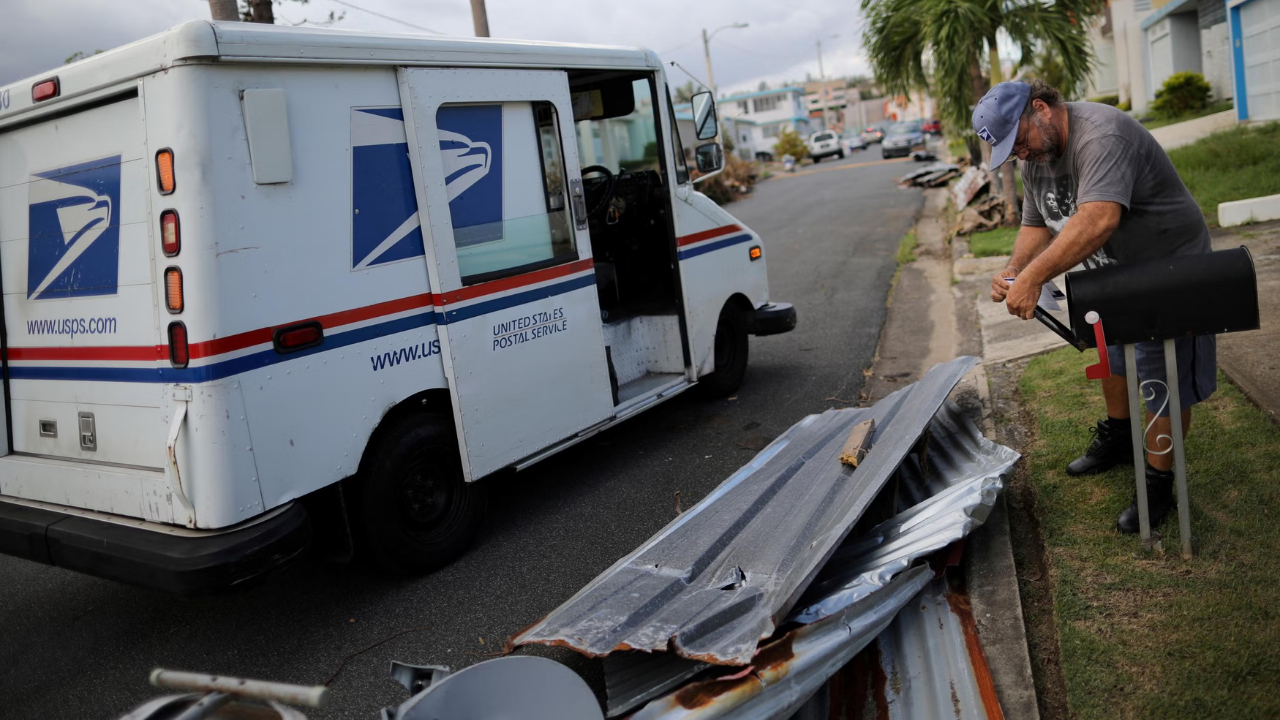
The repercussions of the USPS surcharge are not limited to just consumer and retailer landscapes; adjacent industries are also poised to feel the impact. Packaging suppliers, logistics firms, and related sectors may experience shifts in demand as businesses seek cost-effective alternatives or consolidate shipments to offset fees.
Industry experts emphasize that companies will look to innovate in packaging and transport to keep costs down, which could lead to new trends in supply chain dynamics. Optimizing packaging sizes and evaluating box dimensions annually have emerged as key strategies for reducing carrier rate impacts. As various sectors adapt, the resulting changes could redefine operational efficiencies within packaging and logistics.
Global Consumer Impact and E-Commerce
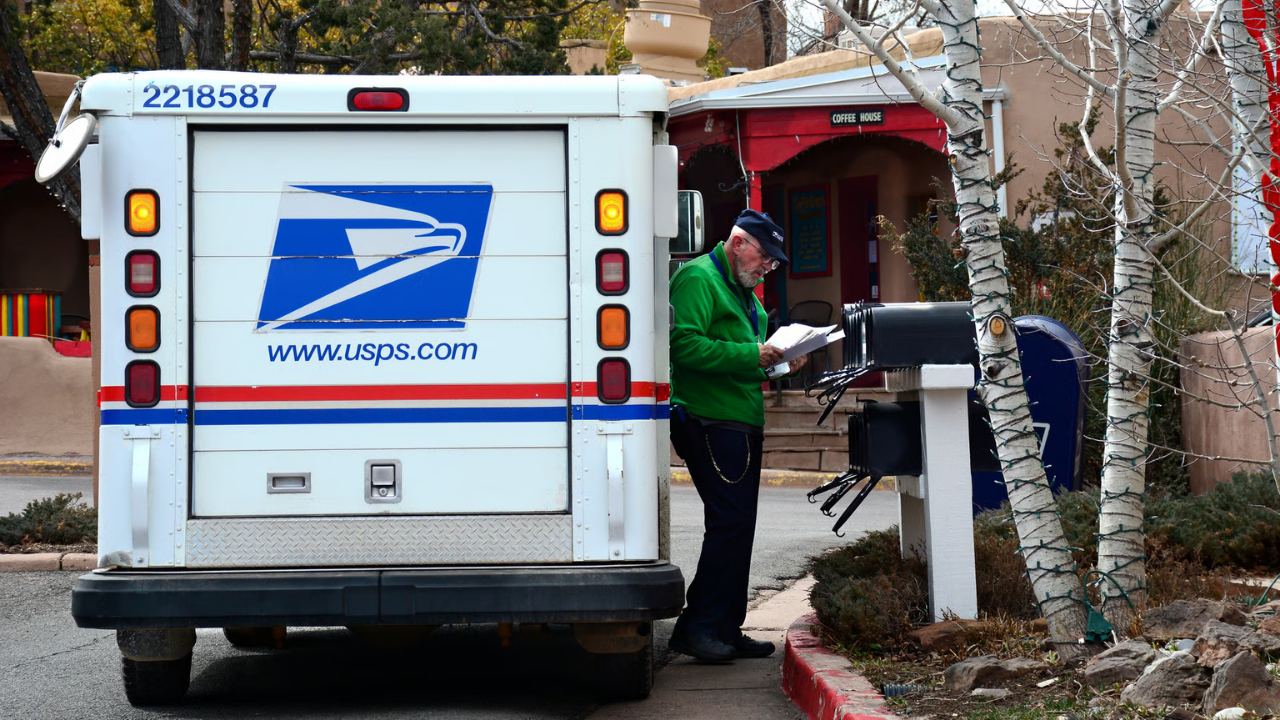
With the USPS surcharge in play, international consumers purchasing from U.S. sellers are likely to encounter higher shipping charges or extended delivery timelines. Sellers are adapting their fulfillment strategies in response, which may impact prices for international goods.
The interconnected nature of global e-commerce underscores the broader implications of localized pricing decisions and the need for businesses to reassess their international logistics practices to remain competitive. Recent regulatory changes affecting international shipments, including tariff adjustments and customs processing modifications, have already created additional complexity for cross-border e-commerce operations.
Changing Holiday Shopping Habits
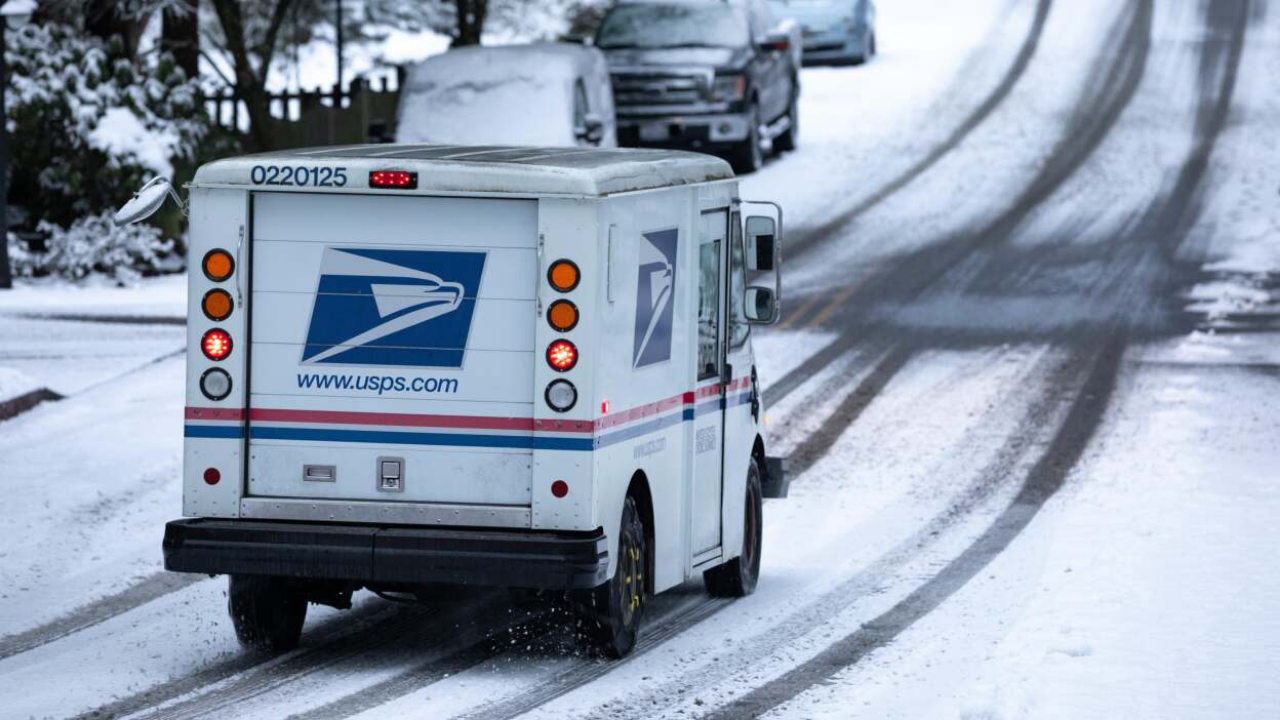
The rising shipping costs likely prompt a transformation in holiday shopping habits among Americans. More consumers are expected to prioritize local shopping or consider digital gifts as alternatives to relying on long-distance parcel delivery.
The trend towards local shopping could reduce the demand for extensive shipping altogether. Consumer research reveals that with expectations of higher prices, many shoppers are shifting toward value-driven, community-focused purchases rather than traditional online shopping.
Gift cards have emerged as the top planned purchase for the holiday season, partly due to concerns about shipping costs. Such changes could reshape holiday traditions, marking a notable adjustment in how people approach gift-giving during the holiday season.
Cultural and Environmental Considerations
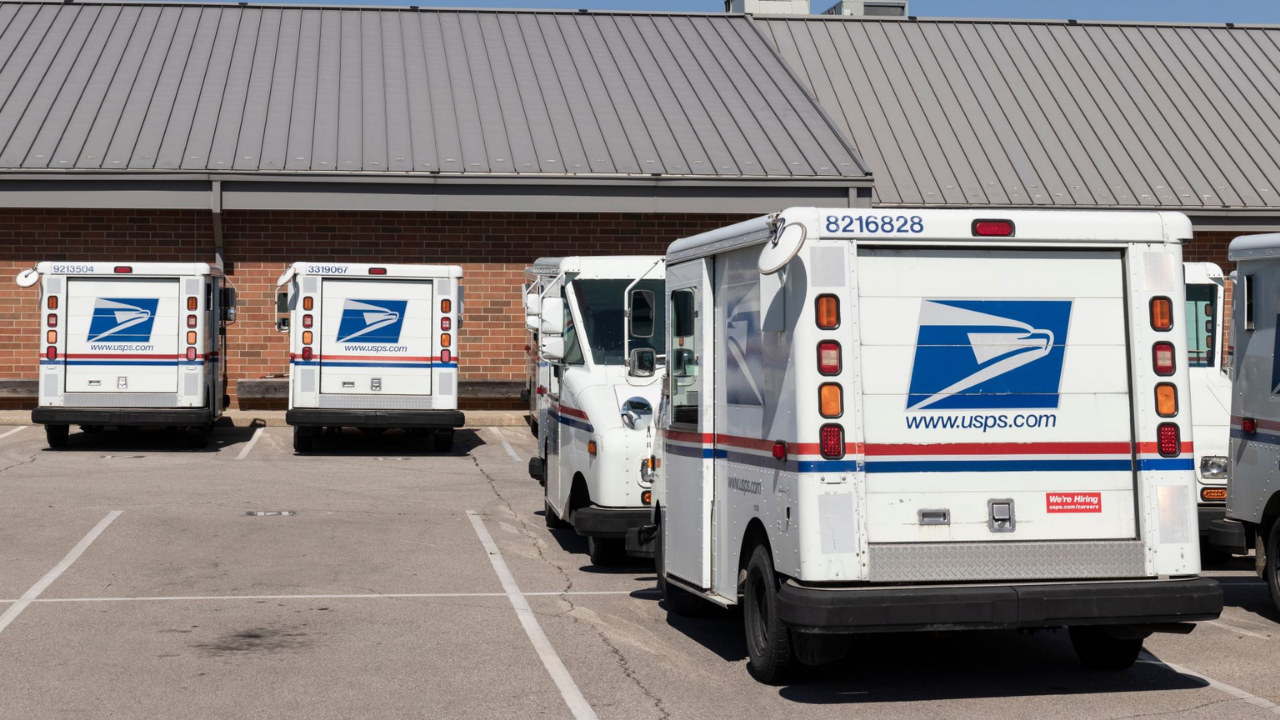
The new USPS surcharge highlights critical debates surrounding sustainability and the environmental impacts of holiday shipping practices. Advocates argue that higher costs may lead to a reduction in unnecessary shipments, fostering greater mindfulness in consumer habits.
Conversely, accessibility concerns persist, particularly for rural or low-income households that depend on affordable shipping options. As stakeholders grapple with these varying perspectives, community involvement and advocacy may become essential in developing solutions that promote sustainability while maintaining equitable access to shipping resources.
The Role of Technology and Innovations
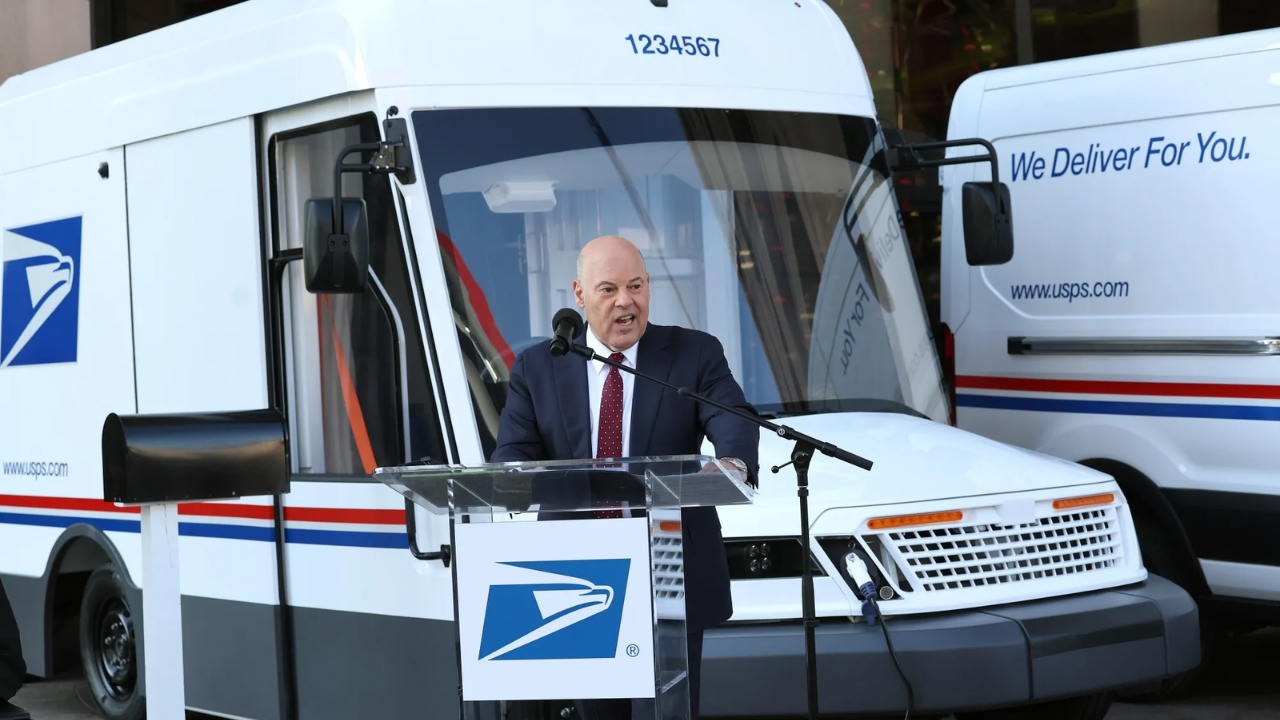
In the evolving landscape, technology plays a crucial role in helping businesses cope with the USPS surcharge. Innovations such as advanced logistics software and route optimization tools are becoming essential for retailers trying to minimize shipping expenses.
Furthermore, investments in automated fulfillment processes are expected to gain momentum among companies seeking to streamline their costs. Industry experts emphasize that investing in the right technologies can enhance efficiencies when managing new cost structures, particularly through tools that display live rates with surcharges included and enable strategic rate adjustments during peak season.
The ongoing integration of tech solutions offers opportunities for growth and adaptation in an increasingly complex shipping environment.
Street-Level View: Consumer Reactions
Consumer sentiment regarding the USPS surcharge reflects broader concerns over affordability during the holiday shopping season. Many are apprehensive about how the increased charges may inhibit their purchasing power.
Consumer confidence data shows a decline, with the University of Michigan’s Index of Consumer Sentiment falling to 55.1 in September 2025, down over 21% year-over-year. These sentiments echo a growing unease about the balancing act consumers must perform amidst rising costs, with increasing mentions of “high prices” eroding household finances.
The emotional weight of these financial pressures is transforming what was once a straightforward holiday tradition into a more deliberate, value-focused shopping experience.
Long-Term Implications for USPS
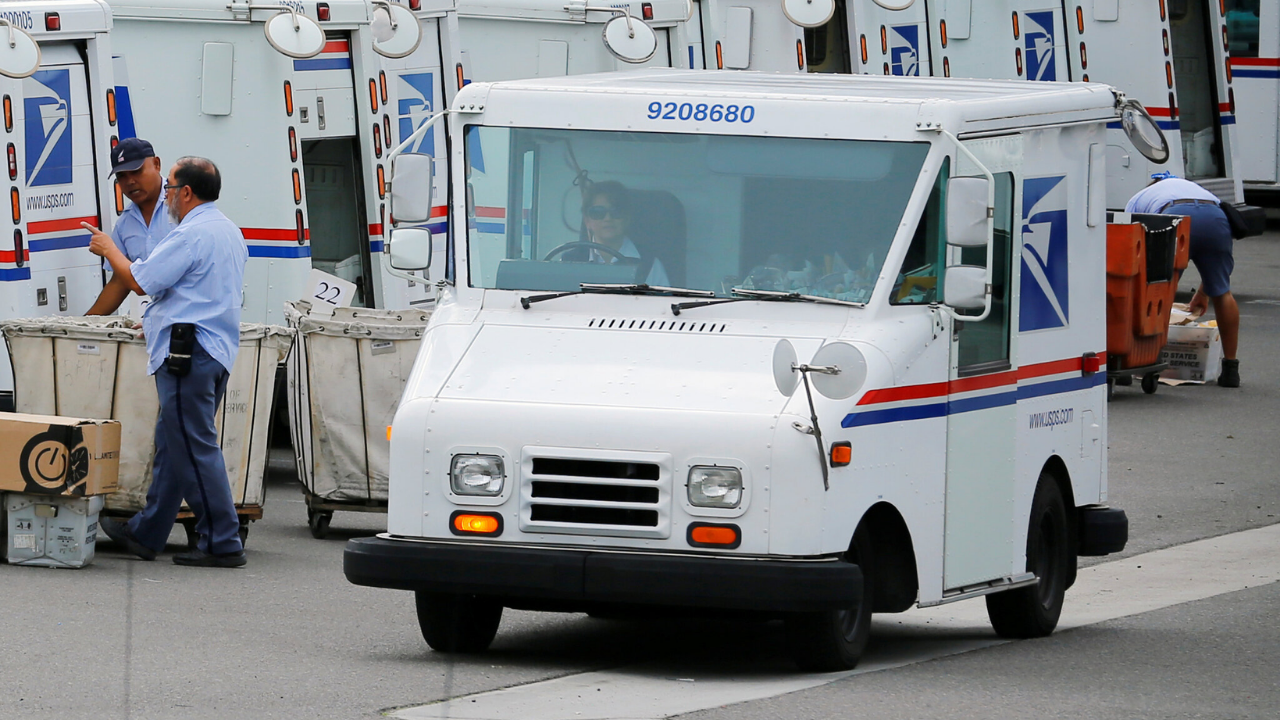
The upcoming holiday surcharge raises questions regarding USPS’s long-term viability and its continued role in the American shipping landscape. As the service grapples with mounting financial strains, strategies such as proposed price hikes could either rejuvenate revenue streams or negatively impact its customer base.
Stakeholders are left questioning how such decisions will influence USPS’s future operations and whether they could lead to more drastic changes, such as structural reforms or shifts in service offerings. Addressing these challenges proactively is crucial in determining USPS’s relevance and sustainability moving forward.
Building Consumer Trust Amidst Change
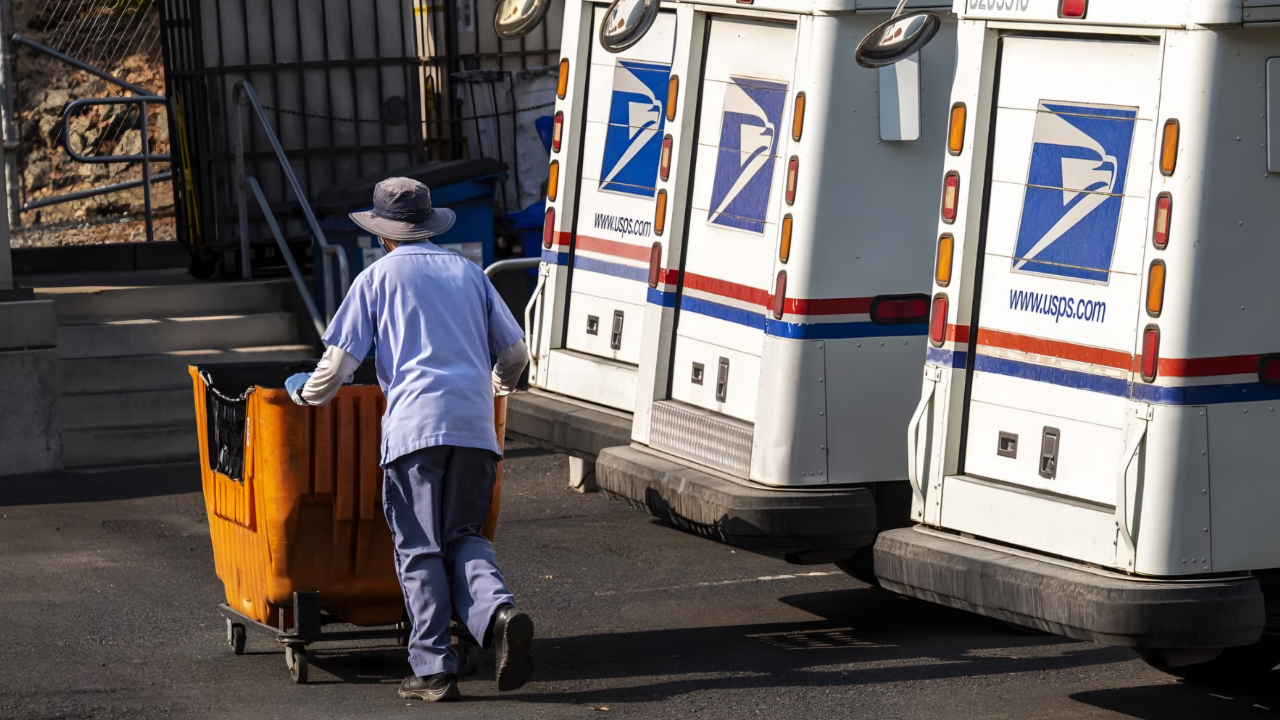
Amid the upheaval caused by the holiday surcharge, establishing trust with consumers becomes pivotal for USPS and its partners. Transparent communication about the reasons behind price changes, alongside efforts to maintain service quality, could help alleviate customer concerns.
Industry best practices suggest that retailers should add clear notices or banners at checkout explaining seasonal USPS rate changes to avoid customer confusion, and monitor cart abandonment rates to quickly identify and address potential issues. Building this trust may enhance loyalty and ensure that both consumers and businesses continue to rely on USPS services during critical periods, showcasing their commitment to service excellence.
Navigating the New Normal
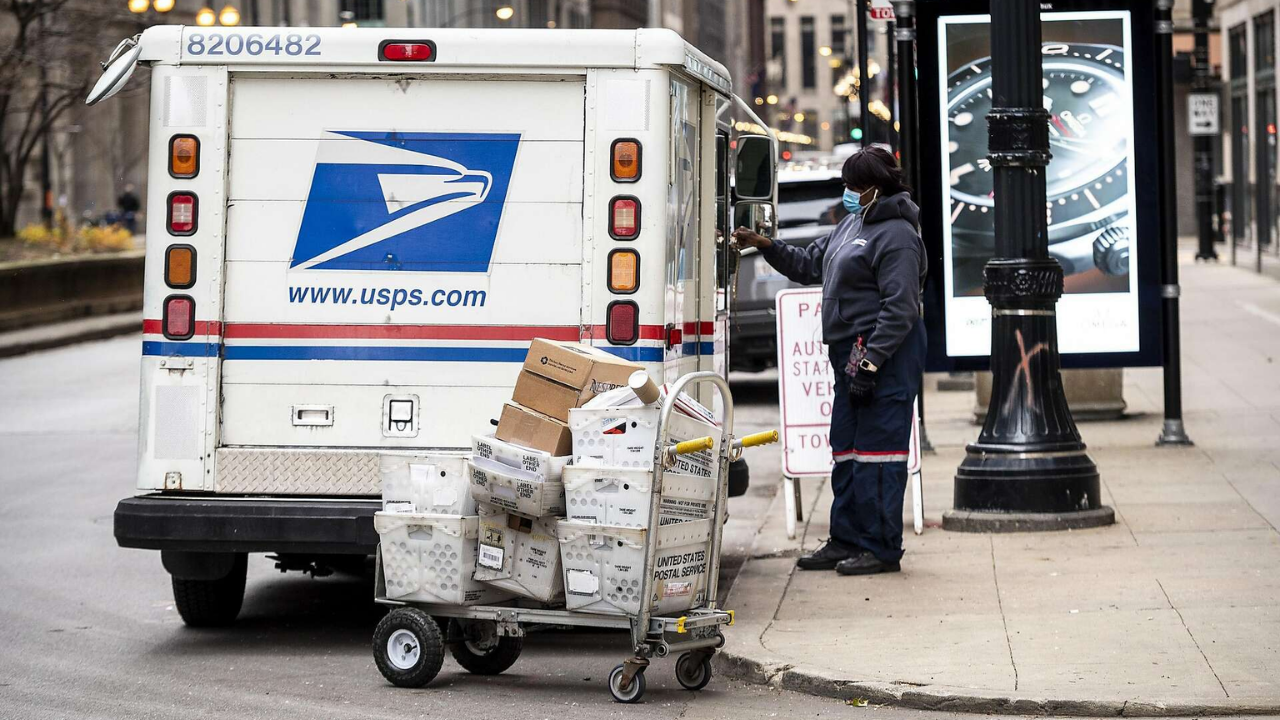
As the USPS implements its unprecedented holiday surcharge, the shipping and logistics landscape is undergoing a dramatic transformation. The ramifications extend to various sectors, affecting consumers, businesses, and even international trade. Adaptation has become the new paradigm, with businesses reevaluating their strategies and consumers recalibrating their expectations.
Whether through technology investments or localized shopping habits, the narratives of this holiday season will unfold within the backdrop of evolving cost structures and consumer responses. Ultimately, the ability to navigate these changes will determine how successfully USPS and its affiliates can maintain their roles in an increasingly dynamic shipping environment.