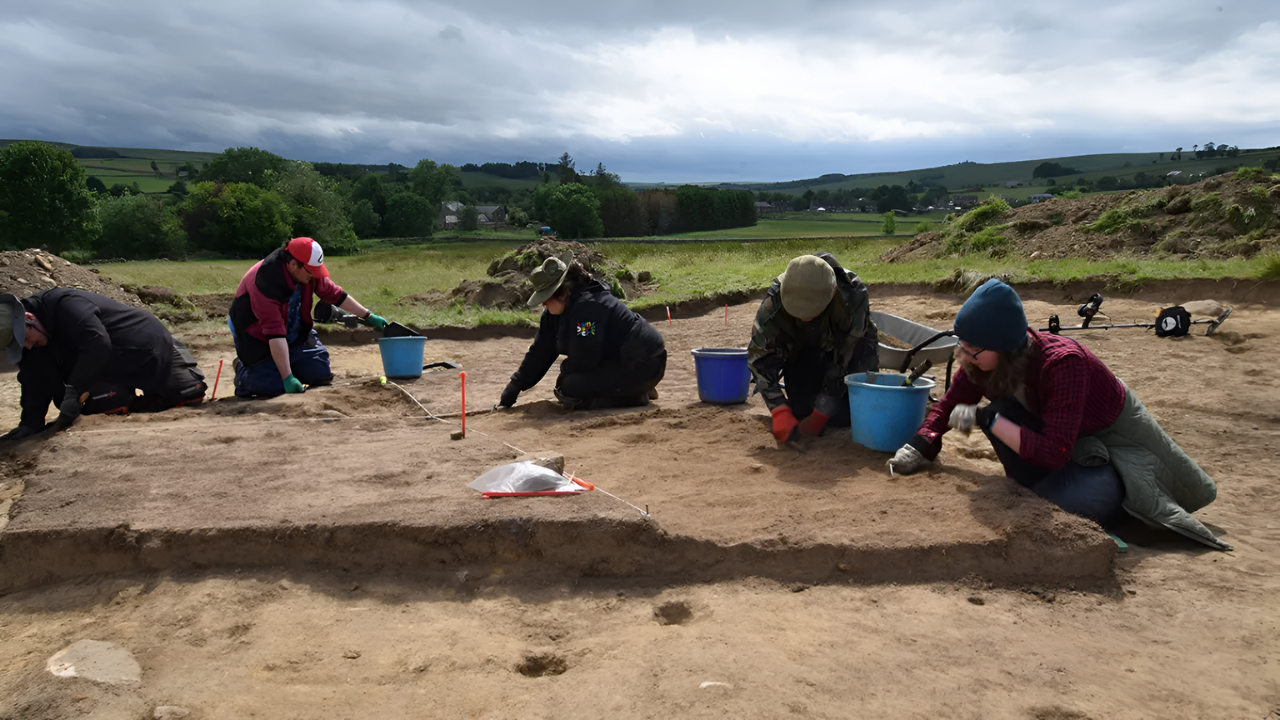
The U.S. Geological Survey has unveiled its most detailed mineral resource map ever—one that quite literally redraws America’s hidden wealth.
Stretching from Alaska’s icy tundra to Nevada’s desert hills, the 2025 USGS map charts a staggering $2.55 trillion in identified and undiscovered gold deposits, bringing decades of fragmented geological data into one unified national picture.
Unearthing the Numbers
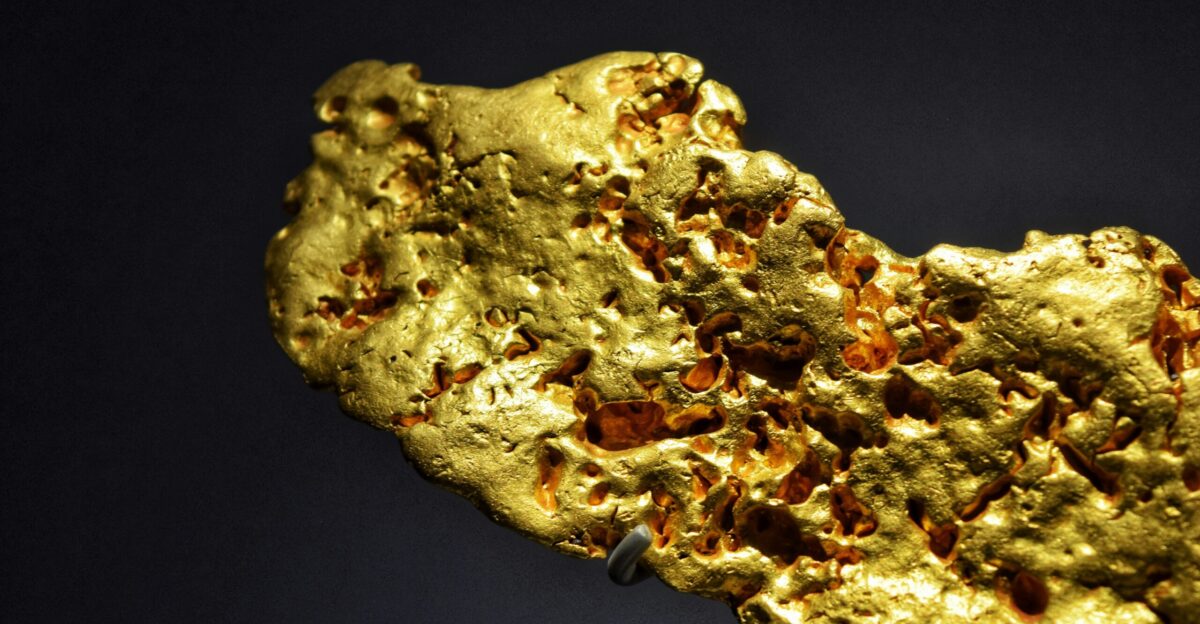
According to the USGS Mineral Commodity Summaries 2025, the United States holds roughly 33,000 metric tons of gold in total resources. both confirmed and undiscovered. Valued at around $2,400 per troy ounce, that’s about $2.55 trillion beneath U.S. soil.
For scientists, it’s less about treasure maps and more about understanding where geology, history, and economics collide.
Where the Gold Lies
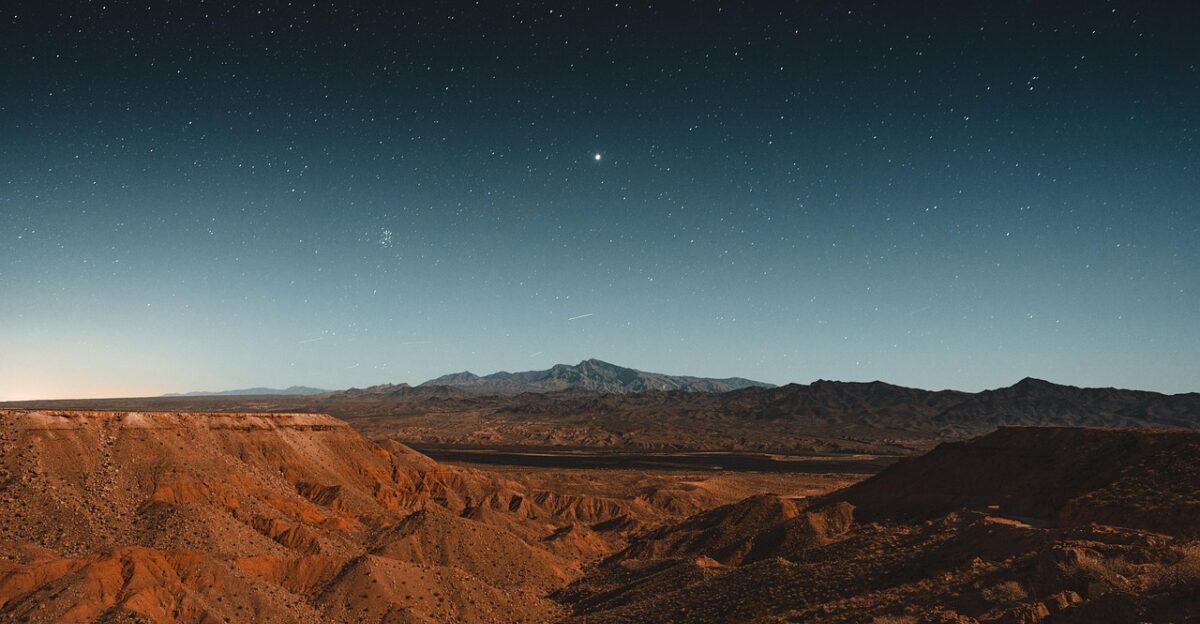
Most of this buried fortune sits in the West—Nevada, Alaska, and the spine of the Rocky Mountains. These areas have long been synonymous with gold rushes, but the new data show just how deep that legacy runs.
The map identifies rich concentrations of both lode gold trapped in rock and placer gold carried downstream by rivers over millennia.
Nevada’s Golden Heart
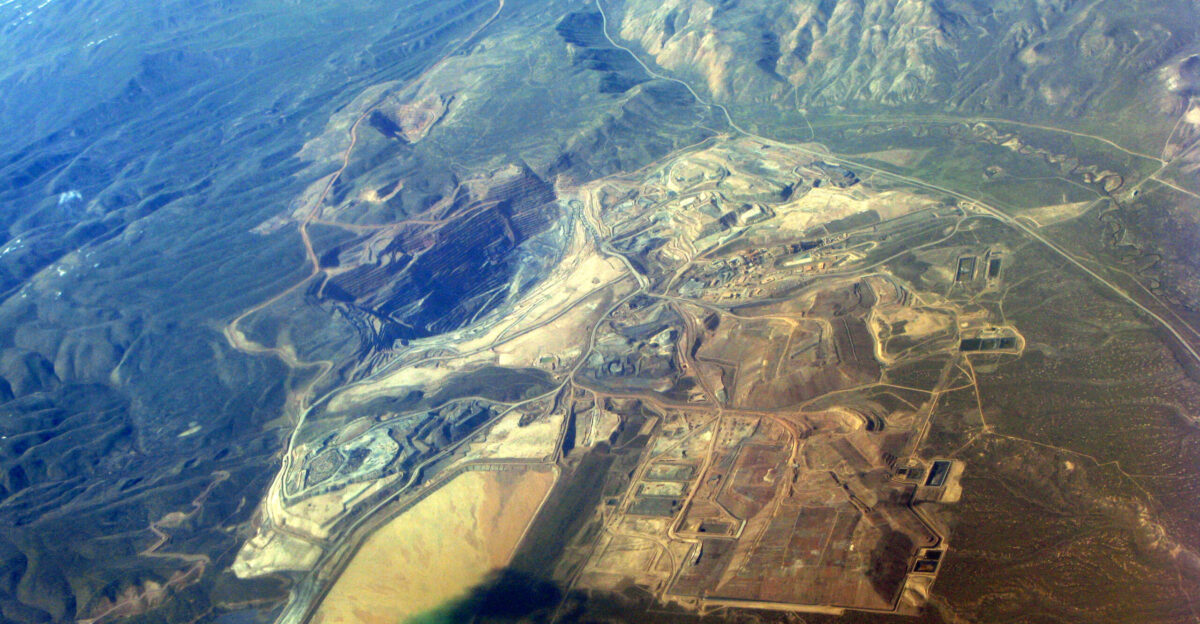
Nevada remains the beating heart of American gold mining, producing about 70 percent of the country’s total output. The Carlin Trend, a geological belt famous among miners still anchors that dominance.
The Nevada Bureau of Mines calls it “a world-class deposit of microscopic gold,” proof that even the smallest particles can fuel a massive economy.
Alaska’s Rugged Riches
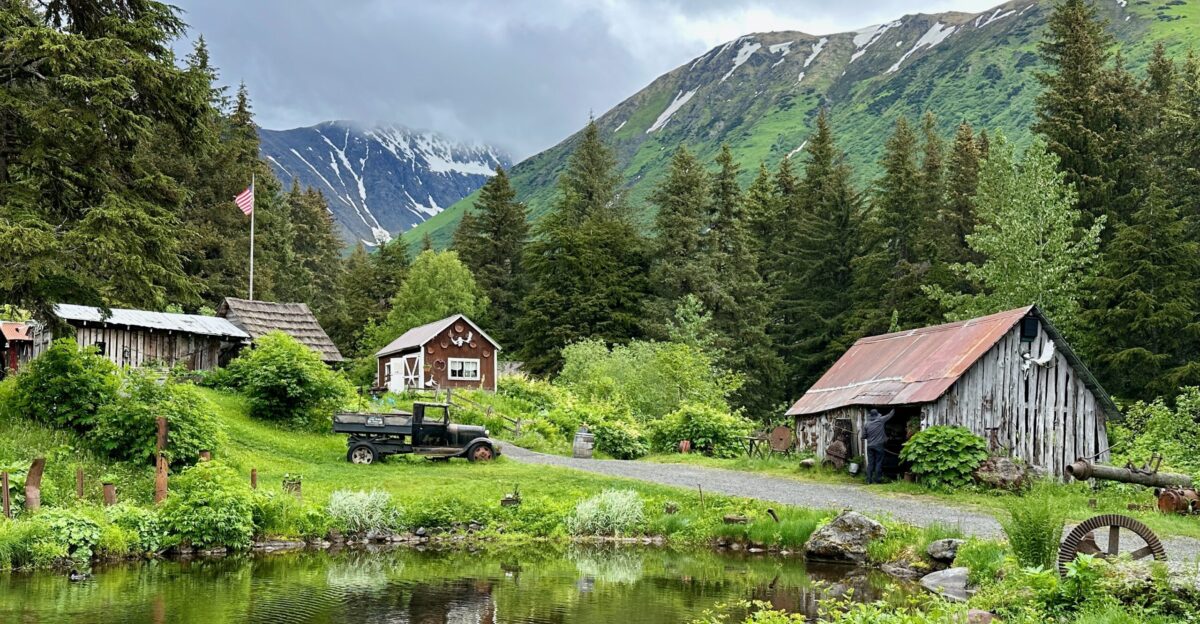
Second only to Nevada, Alaska contributes around 16 percent of U.S. gold production. From hard-rock mines to riverbed placer fields, the state’s remote wilderness continues to yield gold despite brutal weather and costly logistics.
The Alaska Department of Natural Resources says gold mining remains one of the state’s most enduring private industries.
A Tale of Two Deposits
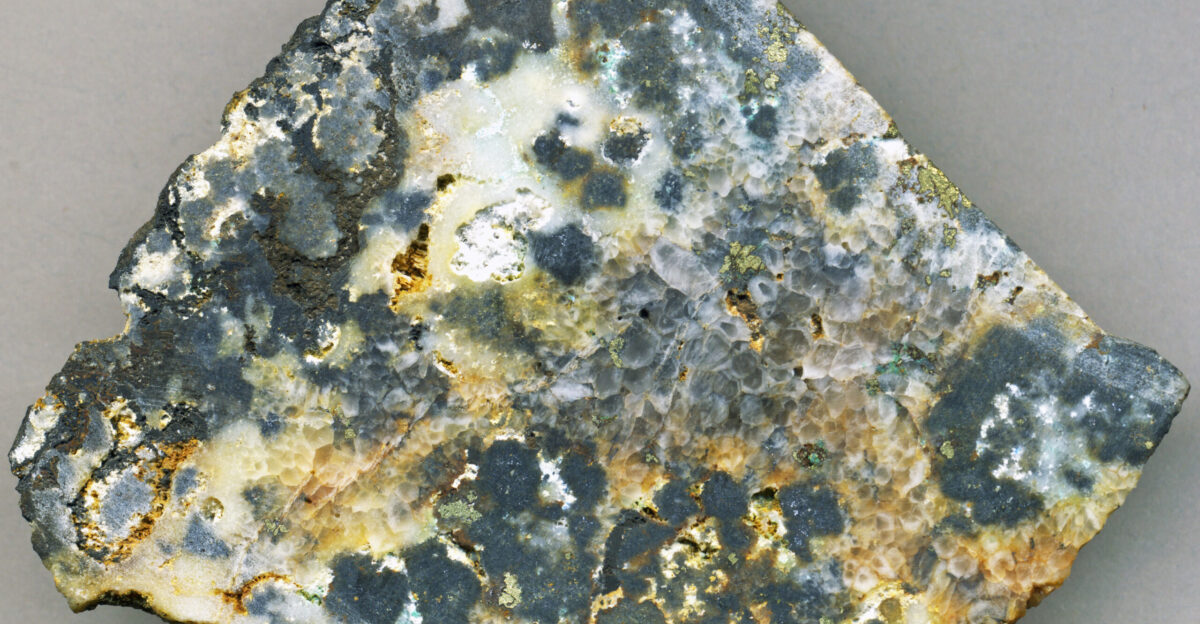
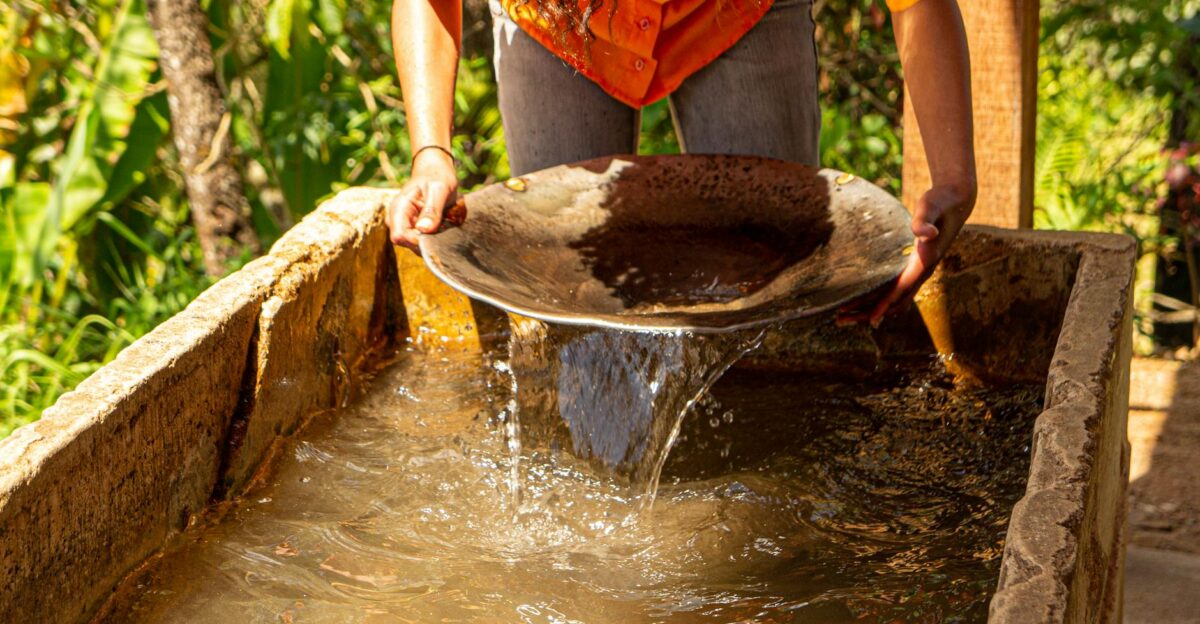
USGS scientists divide American gold sources into two broad types: lode and placer. Lode deposits form deep underground in veins of ore, while placer gold gathers in riverbeds and floodplains.
This mix gives the U.S. industry a kind of built-in resilience—different regions thrive under different market and environmental conditions.
Inside America’s Mines
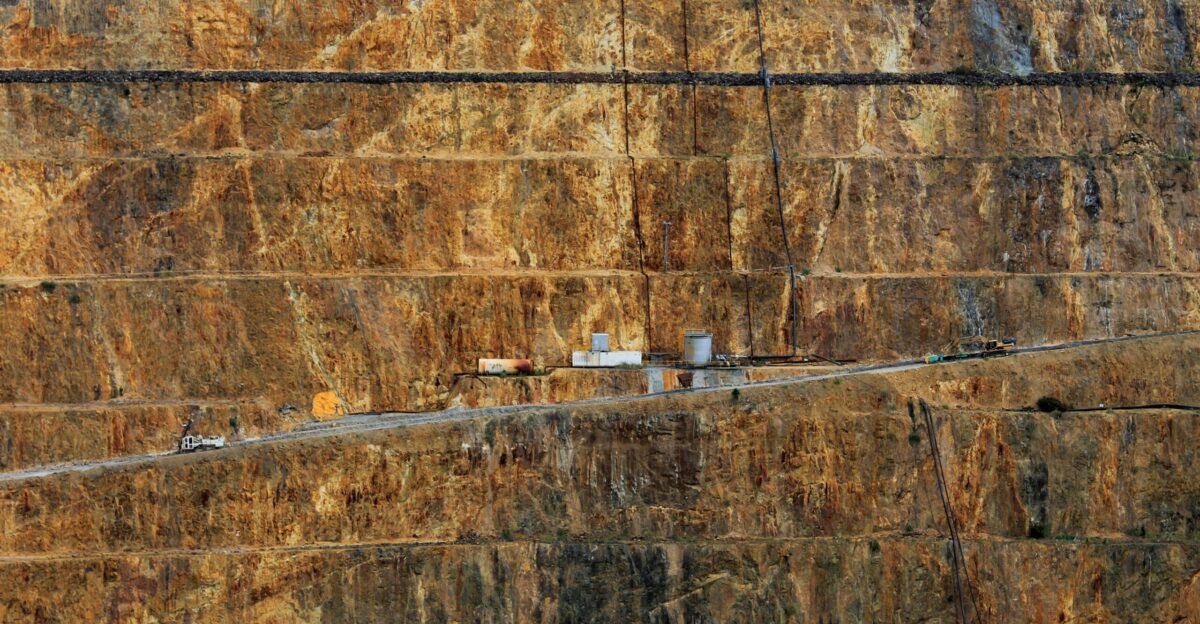
More than 40 active lode and placer mines produced U.S. gold in 2024, according to the USGS National Minerals Information Center. The 26 biggest mines accounted for nearly all of that output, supported by about 15 refineries that convert raw ore into pure bullion.
Together, they form a quiet but vital backbone of the national mining economy.
People Behind the Gold
Around 12,000 Americans worked in gold mining and milling last year. Most are based in Nevada or Alaska, where generations of technical expertise have built thriving mining communities.
Industry researchers note that these jobs often come with higher wages and longer tenures than most extractive industries, thanks to stable global demand for gold.
A Billion-Dollar Backbone
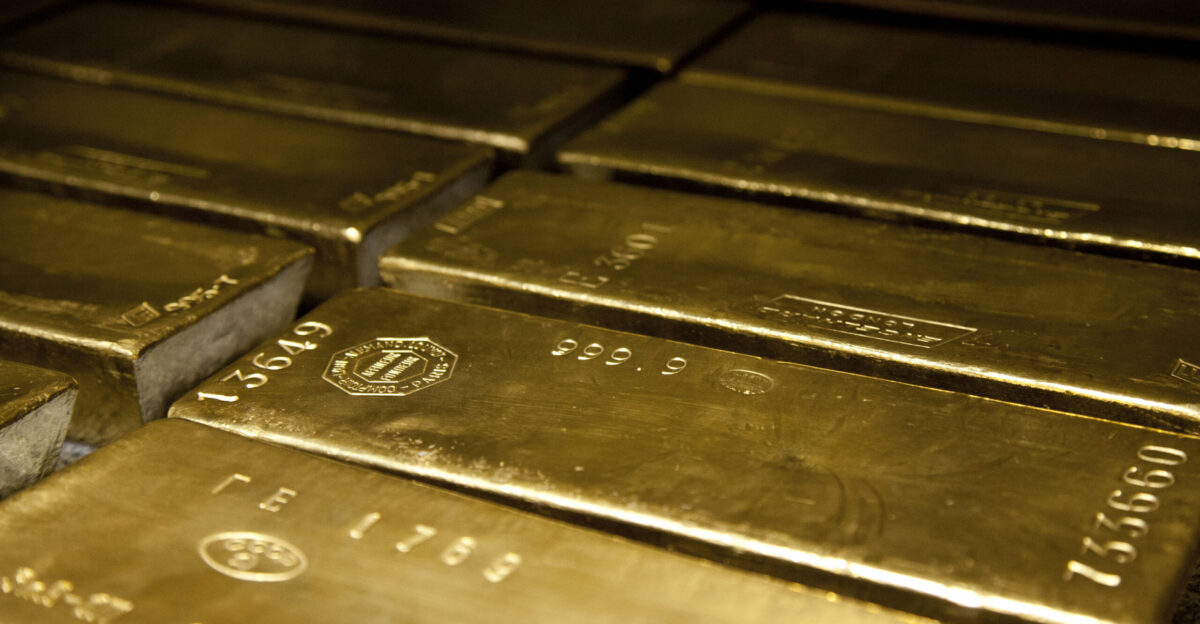
At an average price of $2,400 per ounce, the U.S. gold mining sector contributed more than $12 billion to the economy in 2024, the USGS reported.
Analysts at the World Gold Council attribute much of that to rising investor demand and persistent inflation fears—factors that keep gold glittering when other markets turn uncertain.
The $2.55 Trillion Potential
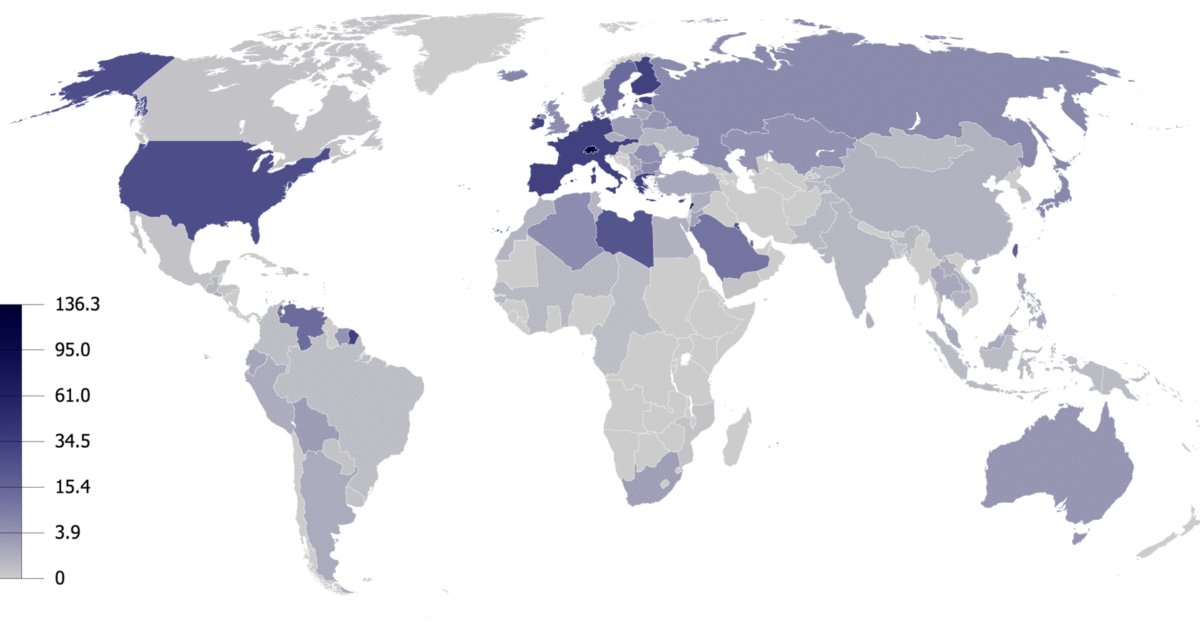
The USGS estimates that roughly 1,060 million troy ounces of gold remain within U.S. reserves and resources. That puts the country among the world’s top five for total gold wealth.
For policymakers, it’s a reminder that beneath the quiet hills of Nevada and the frozen valleys of Alaska lies one of America’s most overlooked national assets.
Gold at Record Highs
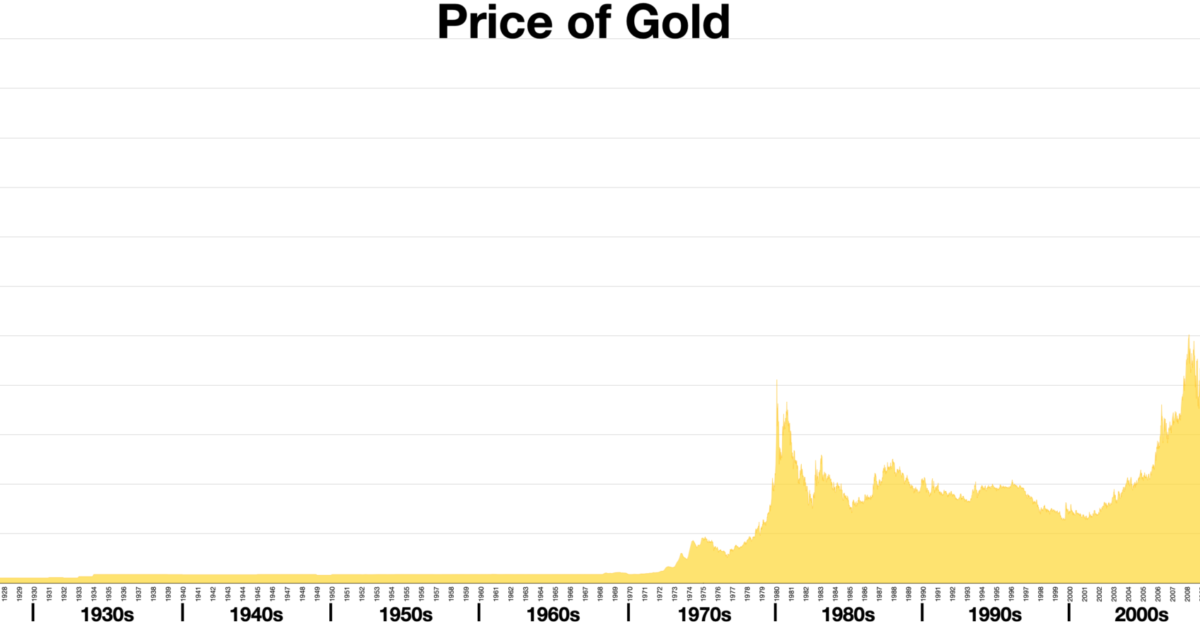
Gold reached 40 record highs in 2024, the World Gold Council said, sparking a surge of new exploration across the continent.
“High prices bring old districts back to life,” analysts noted, as companies revisit long-ignored claims that are suddenly profitable again under today’s market conditions.
Why This Map Changes Everything

For the first time, the USGS has stitched together over 100 regional surveys into one national database.
The new digital platform allows geologists, investors, and policymakers to explore gold potential through standardized data layers—showing where geology, infrastructure, and economics overlap in unprecedented clarity.
Mapping the Future with AI

Behind the scenes, artificial intelligence played a significant role. USGS scientists combined satellite imagery, remote sensing, and AI modeling to refine the dataset continuously.
“The system learns as we feed it more drilling and survey data,” USGS geologist Drew Coleman said, calling it a breakthrough for real-time mineral mapping.
Gold Hiding in Copper Systems
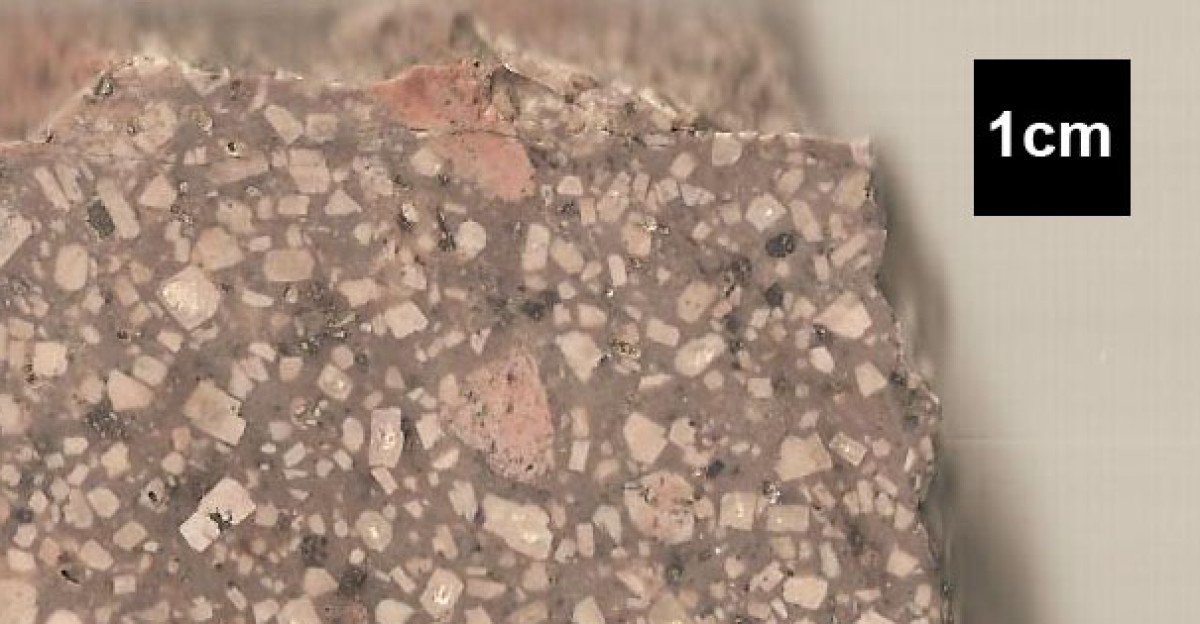
Roughly one-quarter of America’s undiscovered gold may actually sit inside copper deposits, the USGS notes.
These porphyry systems—massive geological formations that produce copper, gold, and molybdenum—are especially common in Western states and Alaska, guiding exploration toward zones once overlooked by traditional miners.
From Mines to Markets
Gold mined and refined in the U.S. doesn’t just end up in jewelry stores. It powers smartphones, circuit boards, and investment coins.
Major fabrication hubs in New York, California, and Texas depend on this domestic supply chain, which sustains thousands of high-skilled manufacturing jobs, according to the U.S. Mint.
Recycling America’s Gold
In 2024, the U.S. recycled about 90 tons of gold—roughly 45 percent of national consumption—according to the USGS.
Although slightly down from 2023, recycling remains vital for domestic supply, helping stabilize markets while reducing the need for new extraction.
A Global Powerhouse

Globally, the U.S. ranks fourth in gold production, behind China, Russia, and Australia. Together, those nations account for the majority of the $250 billion global gold market, according to the World Gold Council.
The United States contributes about 160 metric tons annually, maintaining its role as a reliable producer amid shifting global trends.
Mining with Oversight
Modern U.S. mining operates under strict environmental and reclamation laws, including federal oversight under the Surface Mining Control and Reclamation Act.
The new USGS map helps regulators identify ecologically sensitive zones, allowing more informed decisions about where mining can—and shouldn’t—expand.
America’s Next Gold Frontier
As exploration technologies evolve, deposits once deemed unreachable are getting a second look. Nevada’s Carlin district, Alaska’s Tintina belt, and parts of the Rockies could lead a new generation of mining.
USGS analysts believe AI-driven exploration will be key to uncovering the next wave of American gold.
A Hidden American Fortune
The 2025 USGS mapping initiative does more than measure mineral wealth, it reframes how America sees its natural resources. Beneath its deserts, forests, and mountain ranges lies an untapped $2.55 trillion potential.
While few will ever see that gold firsthand, its discovery could shape U.S. policy, technology, and investment for decades to come.