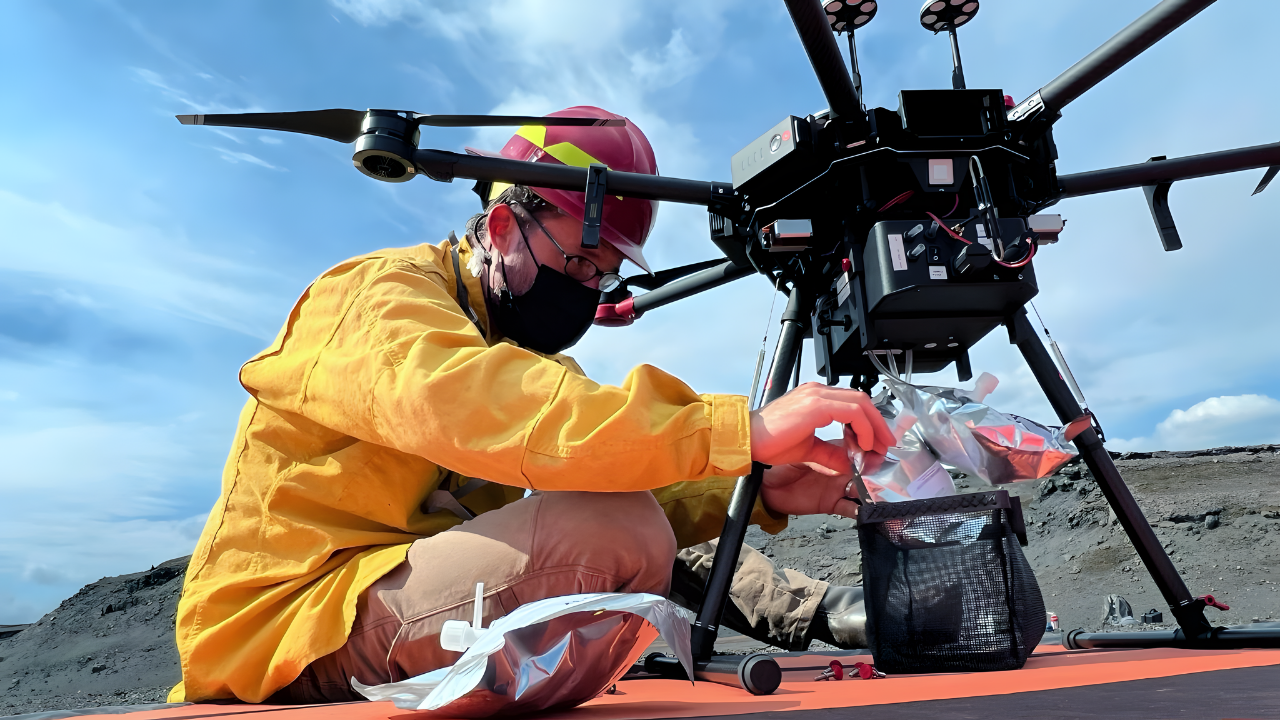
ShakeAlert, the United States’ only public earthquake early warning system, serves over 50 million people in California, Oregon, and Washington. It aims to provide crucial seconds of warning to minimize risks during seismic events. However, the system has faced significant challenges recently, culminating in two false alarms within 11 days.
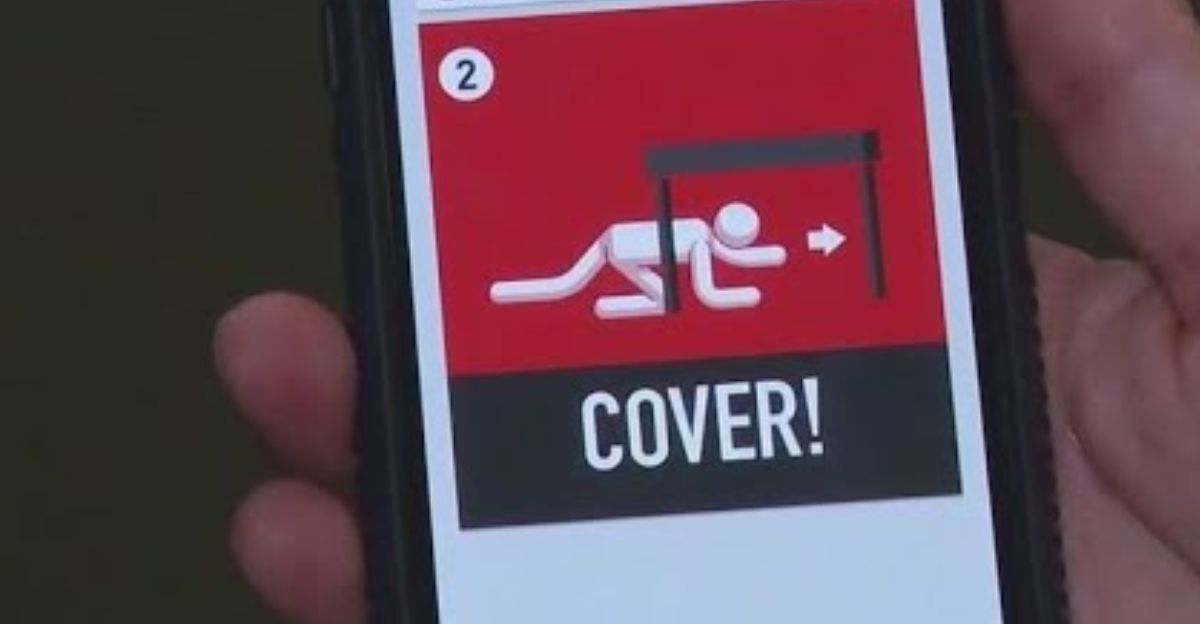
On December 4, residents of the San Francisco Bay Area received a “COVER HOLD ON” alert for a nonexistent magnitude 5.9 earthquake near Nevada. Such errors raise serious concerns about the reliability of a system designed to enhance safety when it seems to be becoming a source of confusion instead.
Erosion of Trust

The recent failures of ShakeAlert have prompted California lawmakers to demand accountability from federal agencies. On December 10, notable representatives, including prominent Democrats, sent letters to the U.S. Geological Survey (USGS) requesting thorough explanations regarding the system’s inability to differentiate between real seismic activity and false signals accurately.
According to the USGS’s tracking database, there’s a troubling reality: “The faster we release earthquake locations and magnitudes, the more likely the information may be erroneous.” This erosion of trust undermines ShakeAlert’s mission to protect lives when accurate communications are most critical.
Cascadia’s Threat
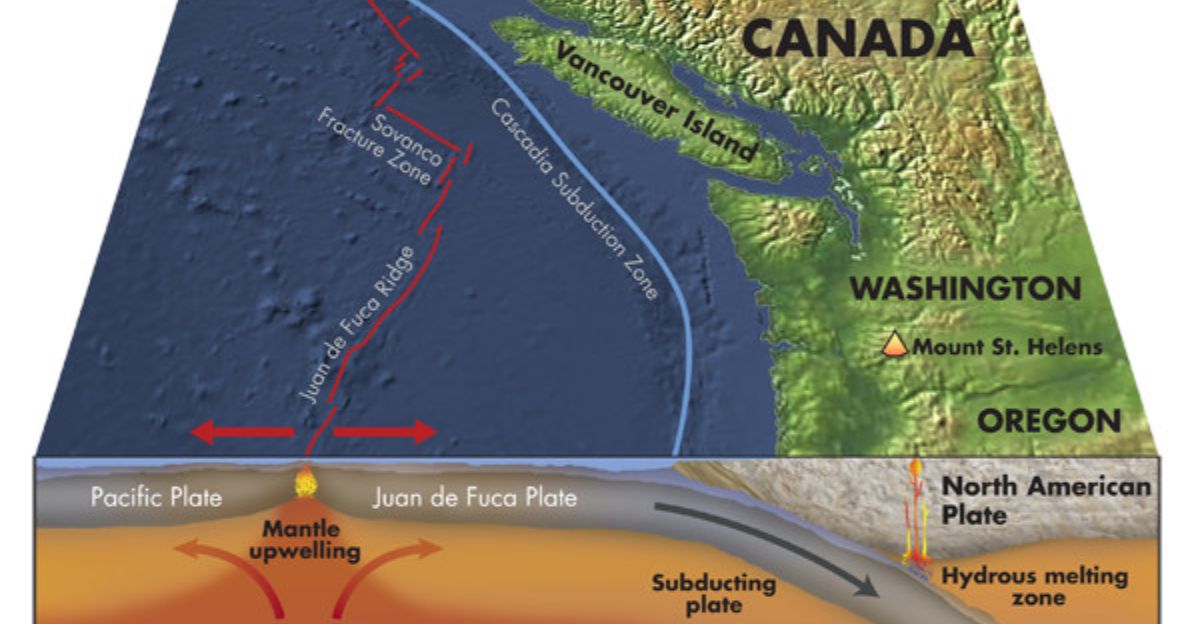
Washington State faces a unique seismic threat from the Cascadia Subduction Zone, a 700-mile-long fault capable of producing catastrophic magnitude 9.0 earthquakes. The last significant rupture occurred on January 26, 1700, inflicting widespread devastation.
Recent studies estimate a concerning 37% chance of experiencing a megathrust earthquake of magnitude 7.1 or greater within the next 50 years. With scientists projecting that the likelihood intensifies as we approach 2100, Washington residents must remain prepared. As the threat looms, the accuracy of ShakeAlert becomes paramount; unreliable warnings could escalate panic during a genuine emergency.
Timeline of False Alarms
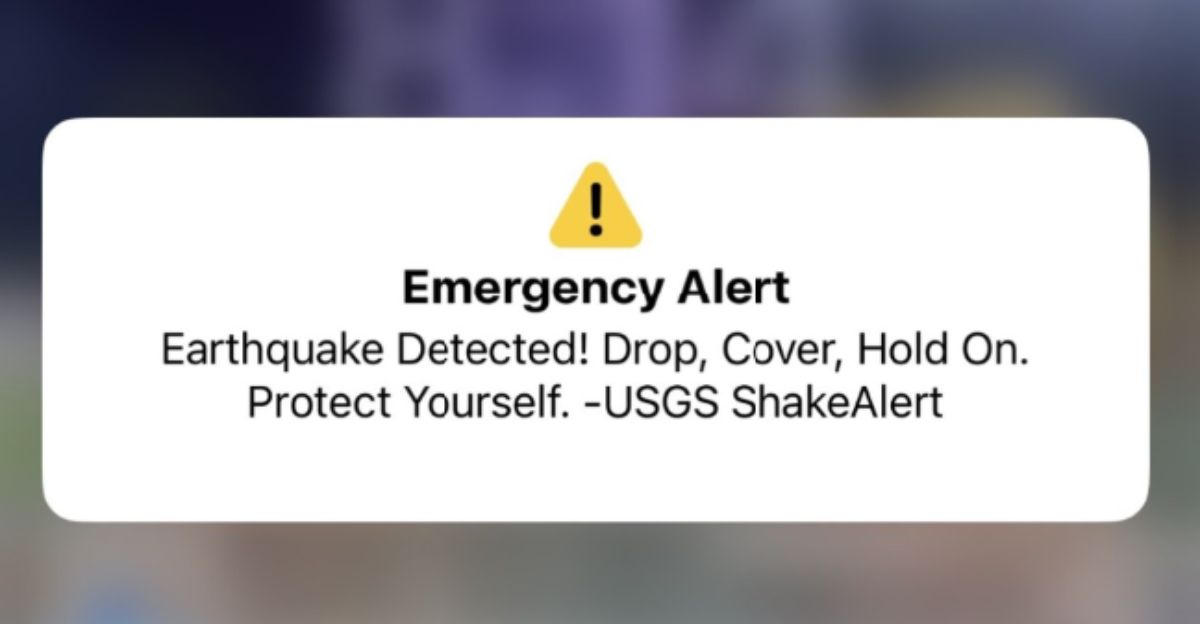
The December 4 Nevada alert was significant because it was the first time ShakeAlert issued a completely fabricated earthquake alert without any actual seismic data. Previously, the system had relied on data about real seismic events, though it had occasionally misrepresented magnitudes or depths.
In this instance, Robert de Groot, head of the ShakeAlert operations team, revealed that sensors detected ground motion, prompting an alert that was subsequently retracted. This incident raises questions about the system’s technical robustness and marks a worrying trend in reliability, as the stakes in earthquake readiness are incredibly high.
An ‘Explosion’ near Seattle

On December 15, the USGS issued an alert describing an “explosion” near Concrete, Washington, initially evaluated with the force of a magnitude 3.0 earthquake. This alert caused alarm but was quickly reclassified to a magnitude 2.9 earthquake at a shallow depth of less than 2,000 feet.
The event, part of two minor seismic occurrences, occurred close together but was characterized as inconsequential. Reports confirmed the absence of damage or injuries in the region, illustrating a disconnect between the alarming initial communication and the reality on the ground, exacerbating public anxiety in a naturally volatile area.
Response from the Community

As the confusion unfolded, residents voiced their concerns about the inconsistent alerts. One Concrete resident expressed, “When you hear about an explosion, you instinctively worry, especially with seismic alerts on the rise. It just adds to our anxiety.” Such sentiments highlight the profound emotional impacts these alerts can have.
Many feel that while ShakeAlert aims to enhance safety, unreliable notifications can create unnecessary panic rather than preparedness. This disconnect emphasizes the need for robust and transparent communication from agencies responsible for public safety during seismic activities.
Analyzing the Aftermath

The aftershocks of the December 15 incident involved a deeper analysis of technical failures within the ShakeAlert system. Seismologists emphasized that detecting ground motion is not sufficient for issuing alerts without verifying seismic events.
With a detailed examination of incidents, experts are calling for improvements in the technology and processes used to generate alerts. The goal is to ensure that future notifications are based on verifiable seismic data, thereby restoring public confidence in the system’s reliability and effectiveness when lives are at stake.
Public Perception and Reaction

Public perception following these recent technical failures has been fraught with skepticism. Residents are questioning whether they should continue relying on a system plagued by inaccuracies. Many have expressed intentions to disregard alerts until proven credible. The overall sentiment suggests a concerned populace that feels unprotected.
As one seismology expert put it, “People need assurances that when an alert comes through, it’s based on solid scientific evidence, not on technological errors.” Such statements reflect the urgent need for improved operational transparency from ShakeAlert.
Lessons Learned
These incidents underscore the importance of effective communication during emergencies. The USGS must examine its operational protocols to identify flaws and enhance technological frameworks to prevent misinformation. Stakeholders advocate for further research into the system’s algorithms to ensure the timely and accurate delivery of alerts.
Enhancing collaboration with community resources could also significantly improve public education on interpreting alerts correctly. A commitment to learning from failures is essential in mitigating risks associated with future seismic events and rebuilding trust in public safety systems.
Engaging Stakeholders
As ShakeAlert faces scrutiny, engaging various stakeholders is essential. Government officials, scientists, and community members must unite to advocate for improvements. Experts recommend establishing a dedicated task force to evaluate and reform the alert system.
Such collaborative efforts could facilitate more effective dissemination of information and enhance educational initiatives focused on emergency preparedness. Public trust is paramount; as one congressional representative noted, “We need to ensure our constituents believe in the systems designed to protect them from disaster.”
Preparing for the Future
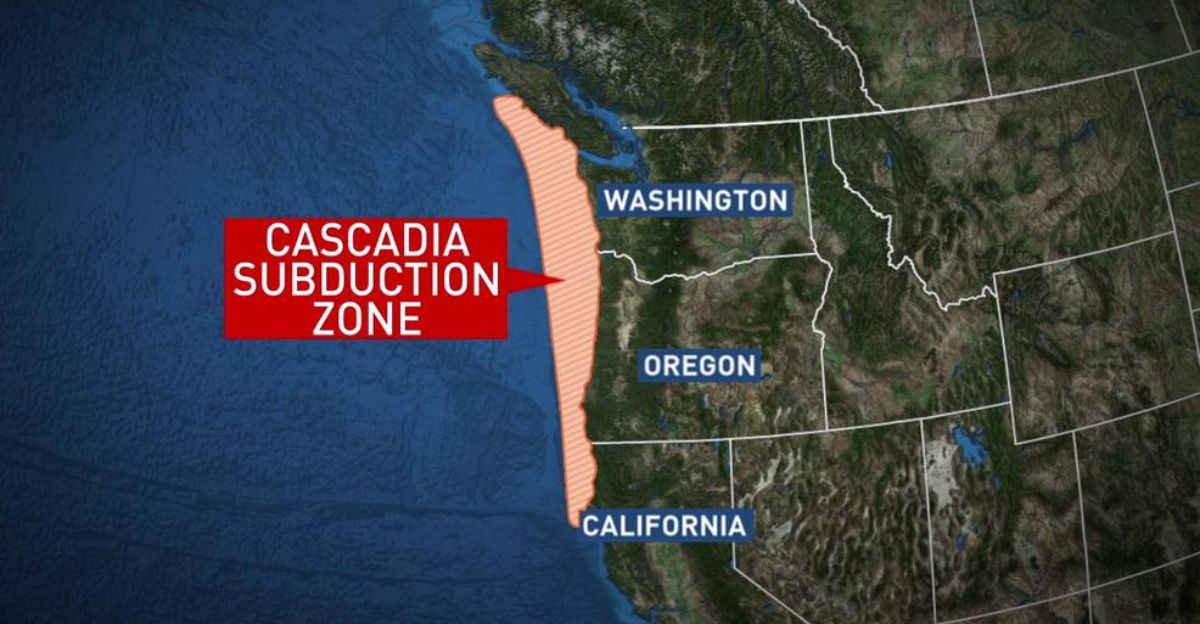
With the Cascadia Subduction Zone posing a real threat, the need for an effective early warning system cannot be overstated. As Washington prepares for potential seismic events, ensuring the reliability of ShakeAlert is crucial.
This includes refining detection algorithms, promoting community awareness, and establishing robust feedback mechanisms for system users. As one local official remarked, “Preparation is key, but it’s equally important to have confidence in the alerts we receive.” Fostering this confidence will require a concerted, community-driven approach to enhancing public safety.
The Importance of Data Accuracy
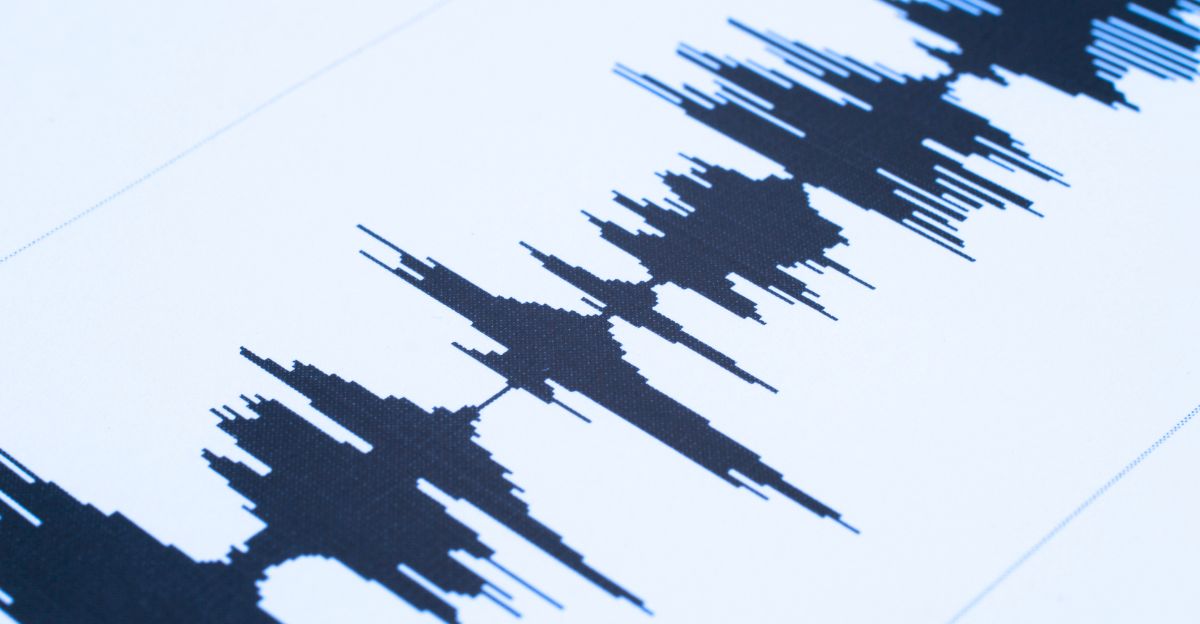
A pivotal factor in the functionality of ShakeAlert lies in the accuracy of the seismic data it reports. A comprehensive review of the data collection processes indicates a need to enhance the quality and precision of seismic readings.
As scientists analyze tremors, they must ensure that the information disseminated to the public is reliable and timely. Enhancing data accuracy not only helps reduce false alarms but also contributes to building a resilient community prepared for actual seismic threats, thereby fostering a deeper trust in the system.
The Role of Technology

Technological advancements can play a significant role in improving the ShakeAlert system. Innovations in machine learning and artificial intelligence could streamline data verification processes, enabling quicker and more reliable assessment of seismic activity.
Investing in state-of-the-art equipment for data collection can contribute to more accurate results. As one geophysicist noted, “Harnessing the power of technology is essential in evolving early warning systems and ensuring that alerts serve their purpose without creating unnecessary dread.”
Building Community Resilience

To mitigate the ongoing impacts of earthquake alerts on public anxiety, community resilience is vital. Educating citizens about earthquake preparedness and response can empower them to take action. Programs focused on training individuals on how to react during seismic events can also lower panic during alerts.
Gathering input and fostering collaboration among local organizations, schools, and businesses can help build cohesive community strategies. Engaging with community members fosters a sense of belonging and safety, ultimately creating a more resilient region.
Recent False Alarms
The recent false alarms issued by ShakeAlert underscore the need for continuous improvement in public safety systems. Uncertainty grows as alarming alerts clash with actual seismic events that go unnoticed. Achieving reliability is paramount for the USGS; addressing technical failures while enhancing community engagement and trust must be a top priority.
Each misstep presents an opportunity to refine processes and technology, driving progress toward an effective earthquake early warning system that genuinely protects lives. Continued vigilance, collaboration, and a passion for improvement will pave the way toward a safer seismic future.
Sources
New York Times – After False Earthquake Alert, Lawmakers Demand Answers
Reuters – USGS Says Nevada Quake Report Was False, Blaming Automatic System
Fox 13 Seattle – 2.9-Magnitude Earthquake Felt Near Concrete, WA
Congressman Kevin Mullin’s Office – False Earthquake Alert – Mullin & Committee Leaders Seek Information from USGS
Oregon Emergency Management – Cascadia Subduction Zone: Hazards and Preparedness
Pacific Northwest Seismic Network – Recent Earthquakes List and Cascadia Research Data