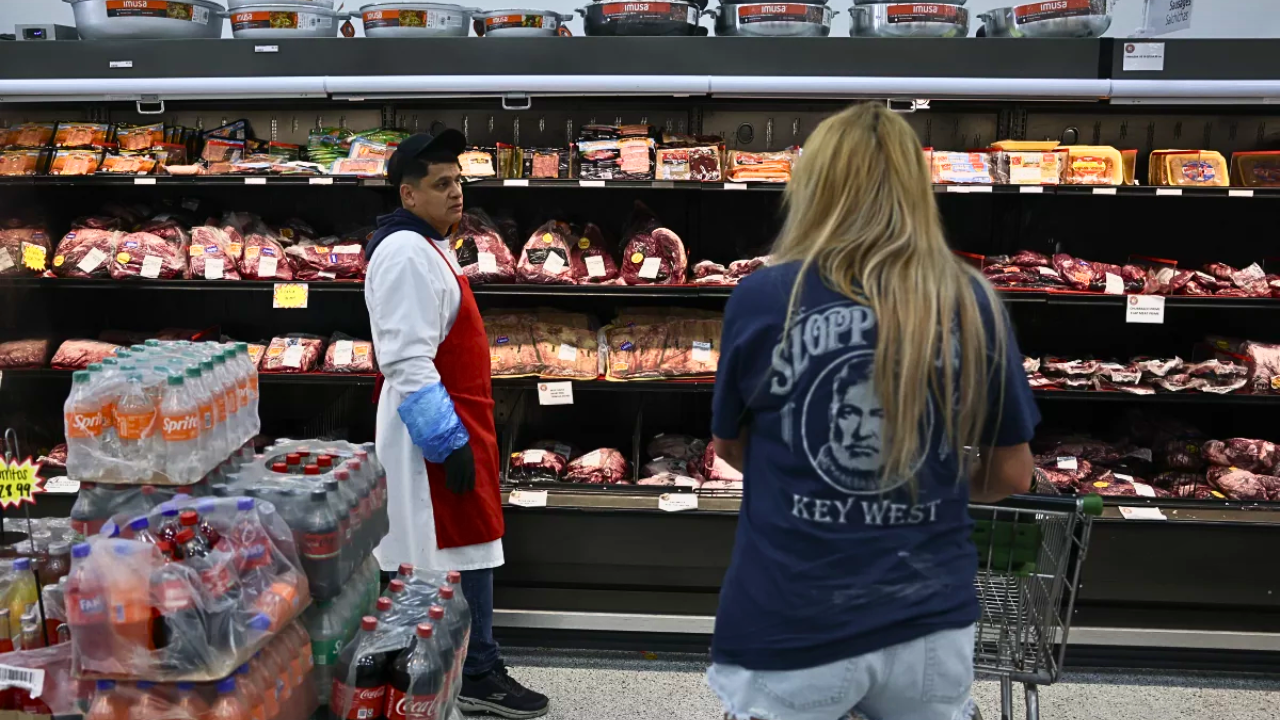
The USDA sent an email to grocery stores in late October, reminding them that offering discounts specifically for SNAP recipients violates existing regulations. Citing the “Equal Treatment Rule,” the USDA asserts that treating SNAP customers differently from others violates regulations.
This reminder came after several retailers and food delivery services announced discount programs to help families affected by the shutdown. This decision raises concerns about how the government is handling hunger and whether these measures are pushing vulnerable families to the brink.
Regional Impact Intensifies
In Illinois, the state administers approximately $350 million monthly in SNAP benefits, serving nearly 2 million residents. The state’s agencies are urging families to prepare for disruptions.
Other states, including California and New York, are also struggling to manage the SNAP funding crisis. This loss of assistance threatens the food security of millions, forcing them to rely on strained local resources.
Human Toll: Families at Risk

Millions of vulnerable and hungry families will no longer have access to these programs because of this shutdown.
With 40% of SNAP recipients being children, the situation becomes even more dire. Families already on the edge of poverty are now facing the harsh reality of going without food.
Retailers Under Threat
Some grocery chains and food delivery apps tried offering discounts to help SNAP recipients, but were forced to back down after receiving the USDA’s warning. The threat of losing SNAP eligibility forced many retailers to withdraw offers, leaving families without options.
This situation underscores the growing tension between federal policy and efforts to help struggling families during a crisis.
Macro Trends: Food Insecurity
As SNAP benefits face delays, food banks and community organizations are stepping in to help fill the gap. However, with 42 million affected, the demand for food assistance is overwhelming.
States are providing extra resources, but the scale of the crisis is too great for local aid to meet. The growing food insecurity in the country is becoming a national emergency.
Legal Battles

Despite having $5–6 billion in contingency funds, the USDA initially refused to release these funds to cover SNAP benefits, citing that $8 billion is required for November’s benefits.
This legal standoff highlights the bureaucratic challenges and growing frustration with the USDA’s handling of the situation, as courts have ruled that these funds should be used to meet the needs of vulnerable Americans.
Stakeholder Frustration

Retailers are frustrated with the SNAP benefit lapse and its impact on their businesses. Legal experts also criticize the USDA’s strict interpretation of the “Equal Treatment Rule,” suggesting it harms vulnerable communities and exacerbates the food insecurity crisis.
These actions may unintentionally make it harder for families to get the help they need.
Leadership in the Spotlight
USDA Secretary Brooke Rollins is facing significant pressure from lawmakers and advocacy groups to release the contingency funds and restore SNAP benefits.
The U.S. Conference of Mayors and numerous senators have urged immediate action, calling on the federal government to prioritize the well-being of the millions relying on food assistance during the shutdown. The clock is ticking for a solution.
Comeback Efforts
Some states are attempting to reload benefit cards using state funds, but these temporary measures can’t replace the critical support provided by the federal government.
While food banks are working overtime to provide assistance, the massive scale of need—42 million people—means these efforts won’t be enough. The loss of federal benefits threatens to leave many families without any support.
Expert Outlook
Legal experts and advocates warn that the prolonged SNAP crisis could have long-term consequences for food access.
If grocery stores in low-income areas are forced to shut down or limit offerings, it could exacerbate food deserts, leaving many people without any viable options to feed their families. The fallout from this shutdown could last for years.
What’s Next for SNAP?
With the federal shutdown unresolved, the future of SNAP benefits remains uncertain. Will December benefits be paid on time?
The USDA’s initial refusal to use contingency funds only adds to the uncertainty, and the likelihood of future shutdowns could lead to recurring crises, putting millions of Americans at risk of losing food assistance when they need it most.
Political Fallout
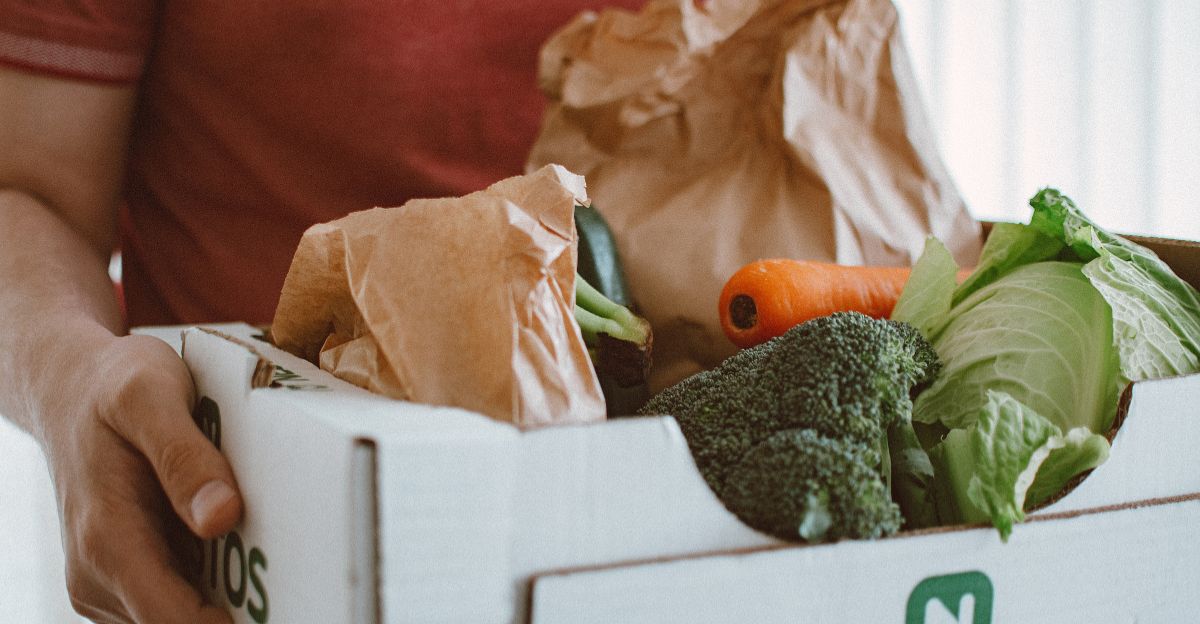
The SNAP freeze has ignited political battles across the country. Democratic attorneys general from 25 states and the District of Columbia have filed lawsuits, arguing that the government is legally obligated to ensure SNAP benefits continue.
This dispute is intensifying partisan tensions, with both sides blaming each other for the crisis that’s now unfolding.
Economic Ripple Effects
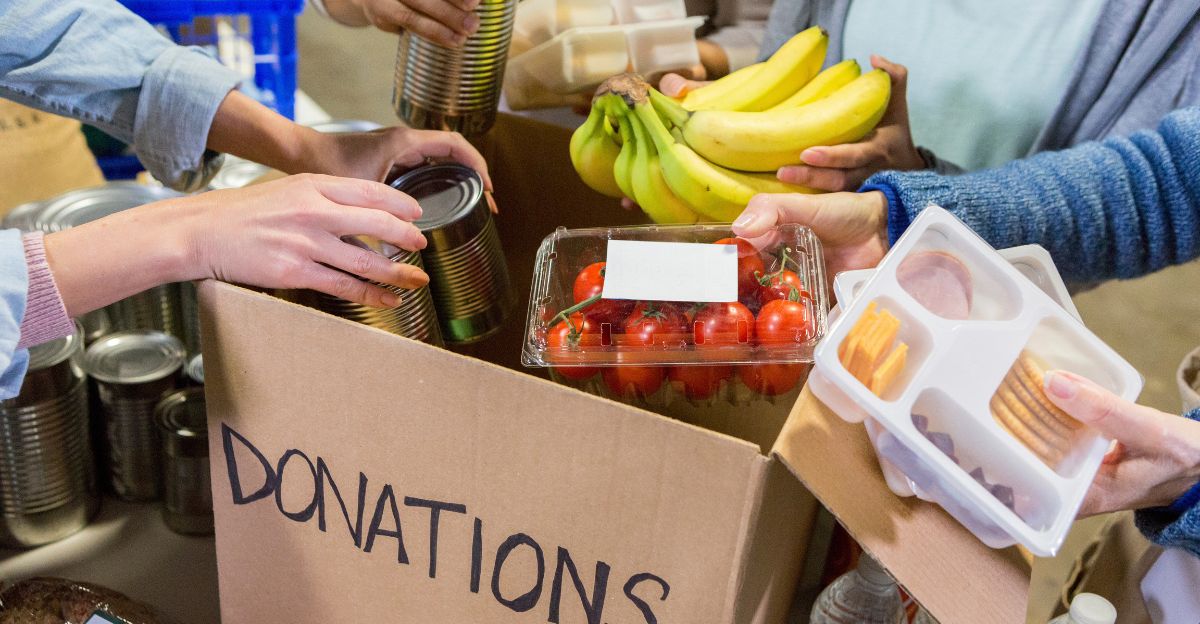
The SNAP crisis extends far beyond hungry families. The potential $8 billion revenue gap for grocery stores in November threatens to cascade through the entire food supply chain. Every dollar of SNAP benefits generates between $1.50 and $1.80 in economic activity, supporting shelf stockers, cashiers, truck drivers, farmers, and food suppliers.
Small grocery stores in low-income communities—some deriving 50-70% of their revenue from SNAP purchases—face potential closure, which could create food deserts and eliminate jobs. Major retailers like Walmart, which accounts for 26% of all SNAP grocery spending, are bracing for sales declines, while food banks already stretched thin are warning they cannot fill the gap left by the loss of federal benefits.
Legal and Regulatory Tensions

Federal courts have ordered the USDA to honor previous work requirement waivers for vulnerable groups like older adults and veterans.
However, during the shutdown, the USDA has canceled many of these waivers, sparking legal challenges. The ongoing legal battles highlight the deeper issues within the USDA’s handling of food assistance programs.
Cultural and Ethical Shifts
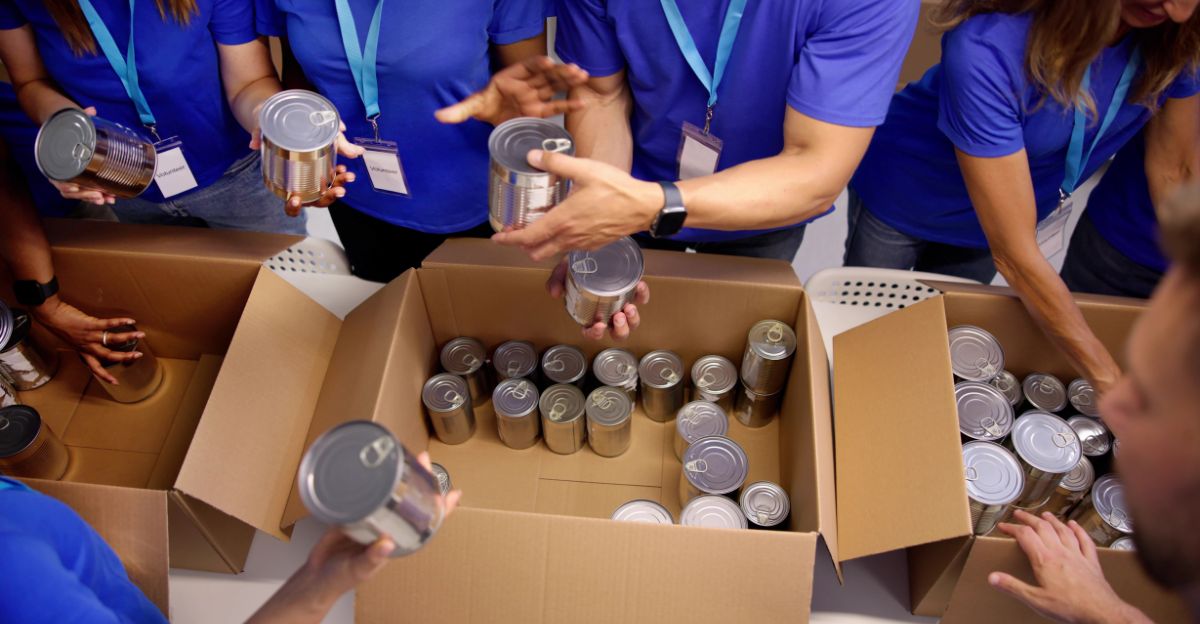
The SNAP crisis has reignited debates about the role of government in supporting vulnerable populations.
As the USDA’s policies are scrutinized, community groups and nonprofits are stepping in to bridge the gap. The situation raises important ethical questions about the responsibility of the government to protect its citizens from hunger during times of crisis.
Why It Matters Now

The government shutdown causing the SNAP funding freeze, combined with the USDA’s enforcement of the ban on SNAP-only discounts, is reshaping America’s approach to food security.
As millions wait for relief, the nation must confront questions about fairness, responsibility, and resilience. The outcome of this crisis will determine how the U.S. addresses hunger and food insecurity in the future.