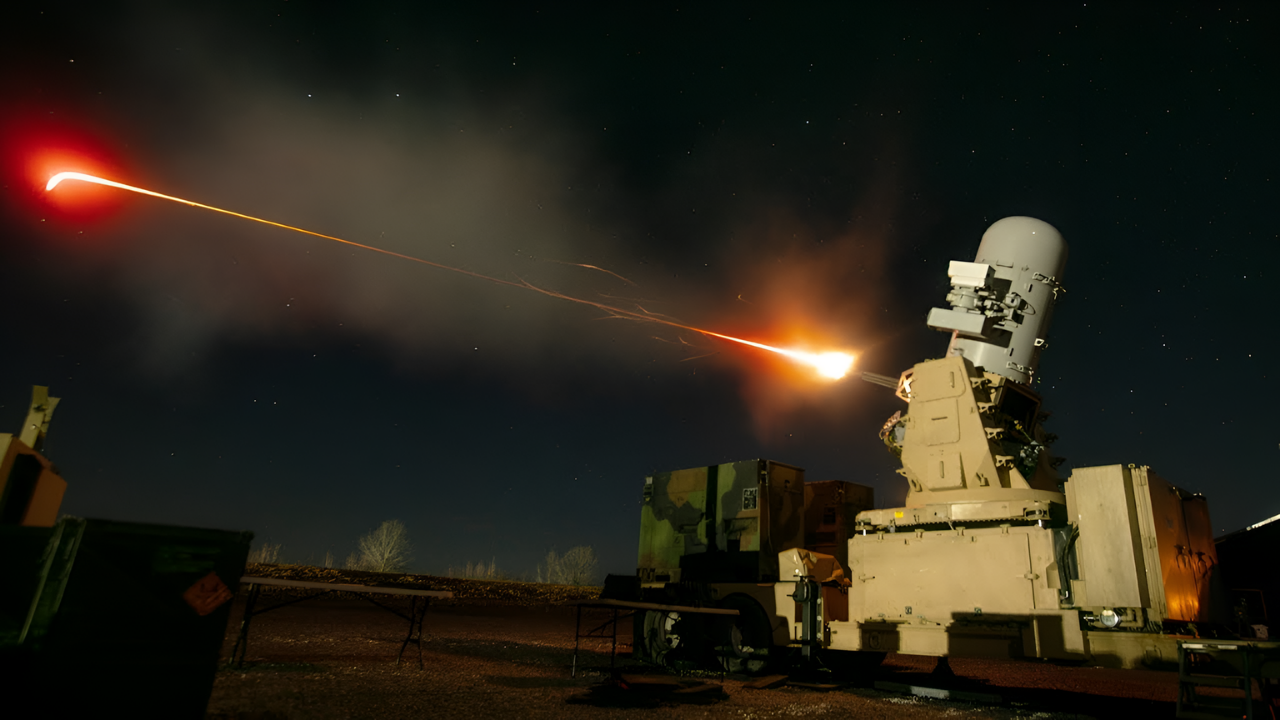
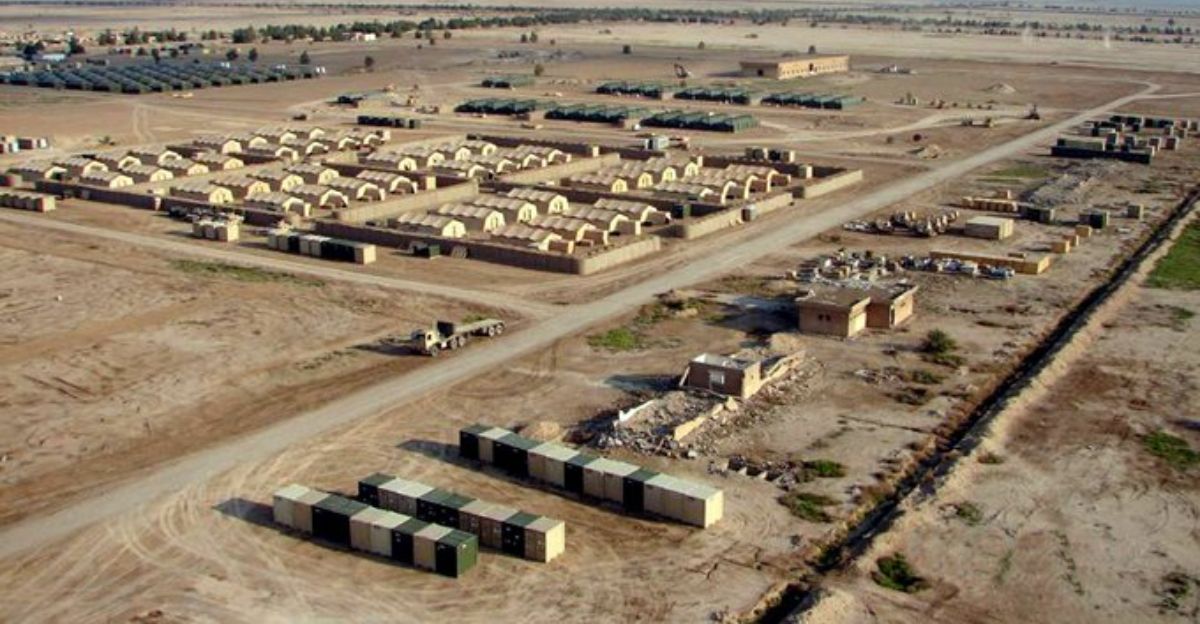
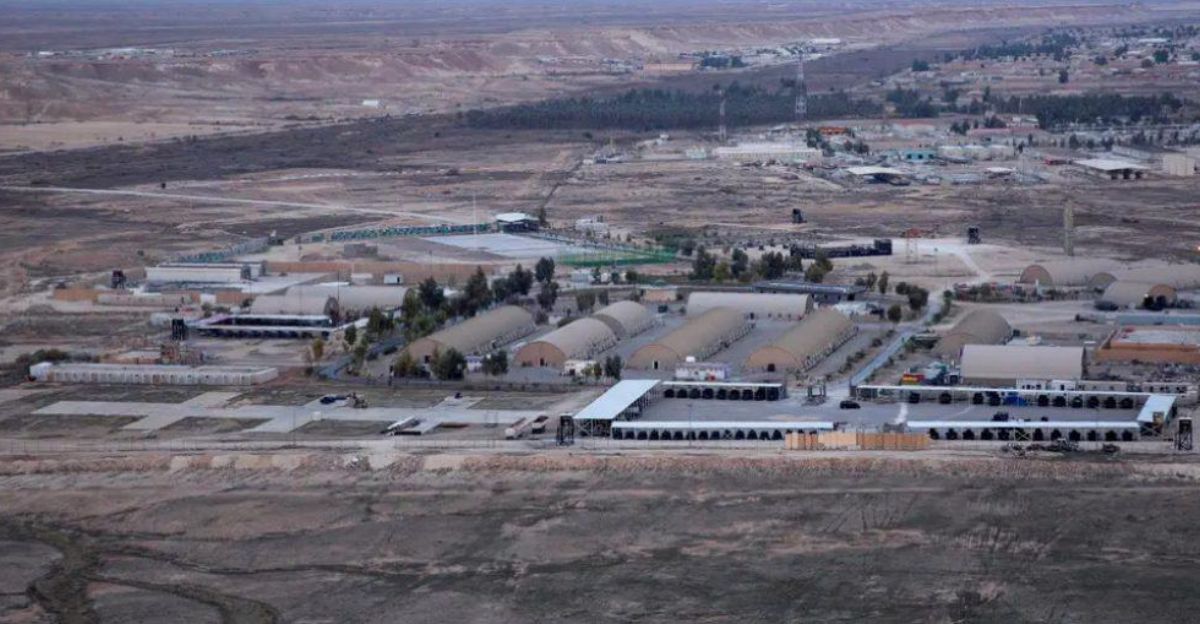
Amid the tense skies over Iraq, U.S. forces at Ain al-Asad Air Base unleashed a barrage of defensive fire on January 4, 2022, shredding two explosive-laden drones before they could strike. The successful repulsion highlighted the base’s robust defenses against a growing arsenal of unmanned threats.
This major hub in western Iraq, home to thousands of U.S. and coalition troops, faced fixed-wing suicide drones designed to crash into targets. Layered systems neutralized both aircraft short of critical areas, ensuring no casualties or damage. U.S. Central Command reported all personnel safe, underscoring the effectiveness of rapid response protocols.
Timing and Tactics Point to Militias
The assault came one day after the second anniversary of the U.S. strike that killed Iranian General Qassem Soleimani on January 3, 2020. Iranian-aligned militias often time operations around such dates for symbolic impact, blending psychological pressure with tactical probing.
No group claimed responsibility, a common tactic for plausible deniability. U.S. assessments linked the methods—low-cost, hard-to-detect drones—to these armed groups, which favor unmanned systems for their affordability and minimal risk to operators.
Defensive Systems in Action
At the heart of the counterattack stood the Centurion Counter-Rocket, Artillery, and Mortar system, a ground-based version of the Navy’s Phalanx. Its radar locked onto the first drone, cueing a 20mm M61 Vulcan cannon—a six-barrel Gatling gun firing thousands of rounds per minute.
Tracer rounds lit up the night, creating a lethal cloud that tore the drone apart midair. A separate interceptor, likely a short-range missile, downed the second threat. This multi-layered strategy—guns, missiles, radars, and sensors—boosts interception odds against low, slow targets that single systems might miss.
Strategic Base Under Siege
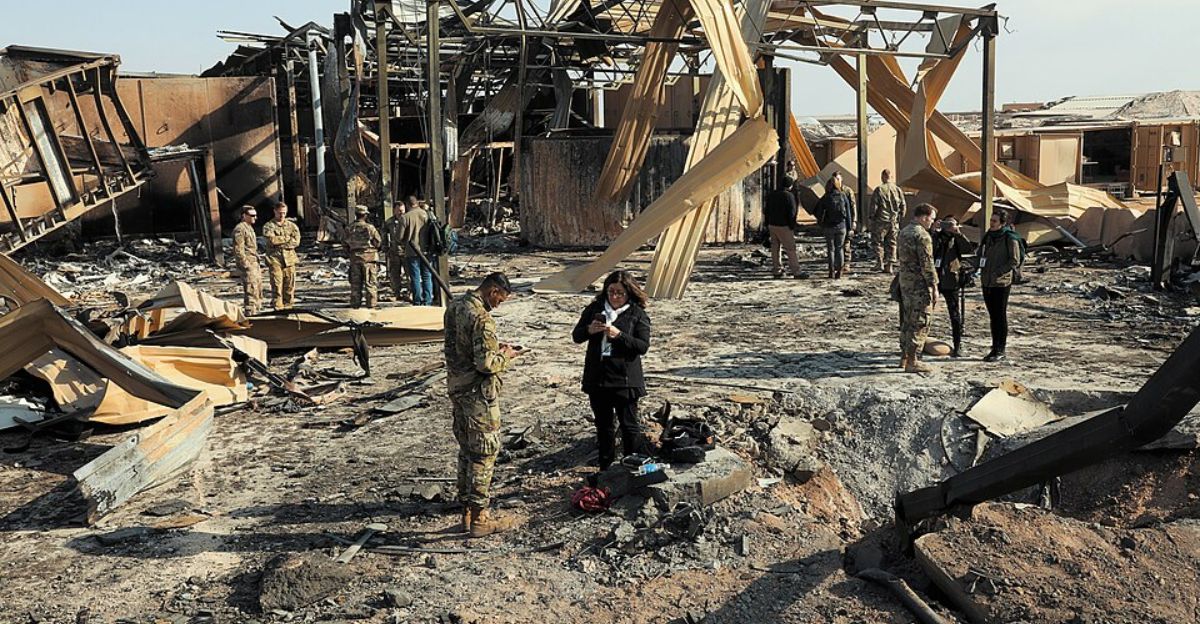
Ain al-Asad’s vast runways and remote Anbar Province location make it a prime target. It has endured rockets, drones, and even Iranian ballistic missiles in the past. The prior day’s drone attempt near Baghdad International Airport suggested a brief escalation cluster, aimed at testing defenses and signaling intent without provoking all-out response.
Militias exploit these strikes for more than destruction: they foster constant alertness, disrupt routines, and amplify perceptions of vulnerability among troops and back home.
The Drone Proliferation Challenge
Weaponized drones represent a “poor man’s air force” for non-state actors. Assembled from commercial parts for a few thousand dollars, they enable long-range strikes without pilots or hefty costs. This asymmetry strains defenders, where missiles and systems run far pricier, though gun-based options like the Vulcan offer economical intercepts.
Cold War-era tech proves vital when paired with modern sensors. Yet, online know-how and component access have democratized drone warfare, forcing U.S. forces to adapt across theaters.
Future Implications
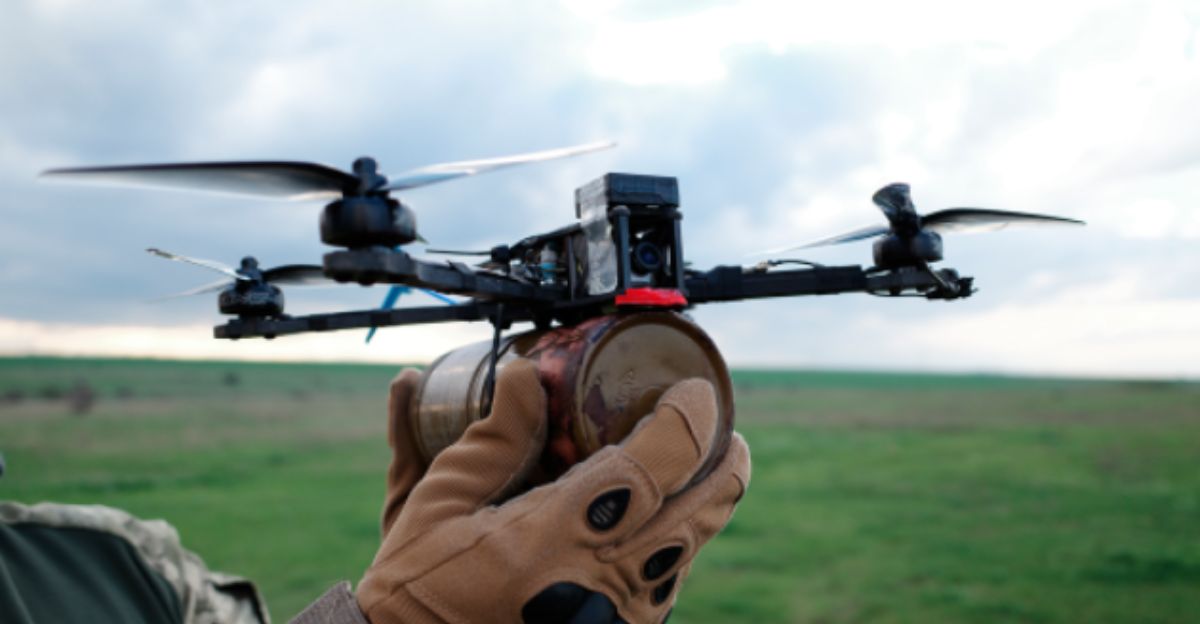
The Ain al-Asad incident revealed modern conflict’s shift: cheap unmanned tools now challenge advanced militaries. While defenses held firm this time, persistent militia campaigns demand ongoing vigilance. As threats evolve, layered protections and tactical lessons will shape U.S. posture, ensuring bases remain secure amid an era of aerial asymmetry.
Sources:
Associated Press: “US-led coalition: Attack with 2 armed drones foiled in Iraq” (2022-01-04).
CNAS report: No specific title tied to event; general reports on drone threats (ongoing).
Defense.gov: No single article; Gen. McKenzie statements on drone proliferation (e.g., 2021-02-25 testimony).
Military.com: Coverage of C-RAM intercept at Ain al-Asad (2022-01-04).
National Interest: Articles on asymmetric drone costs vs. defenses (ongoing).
Reuters: “Drone attack on U.S. forces foiled west of Baghdad” (2022-01-04).