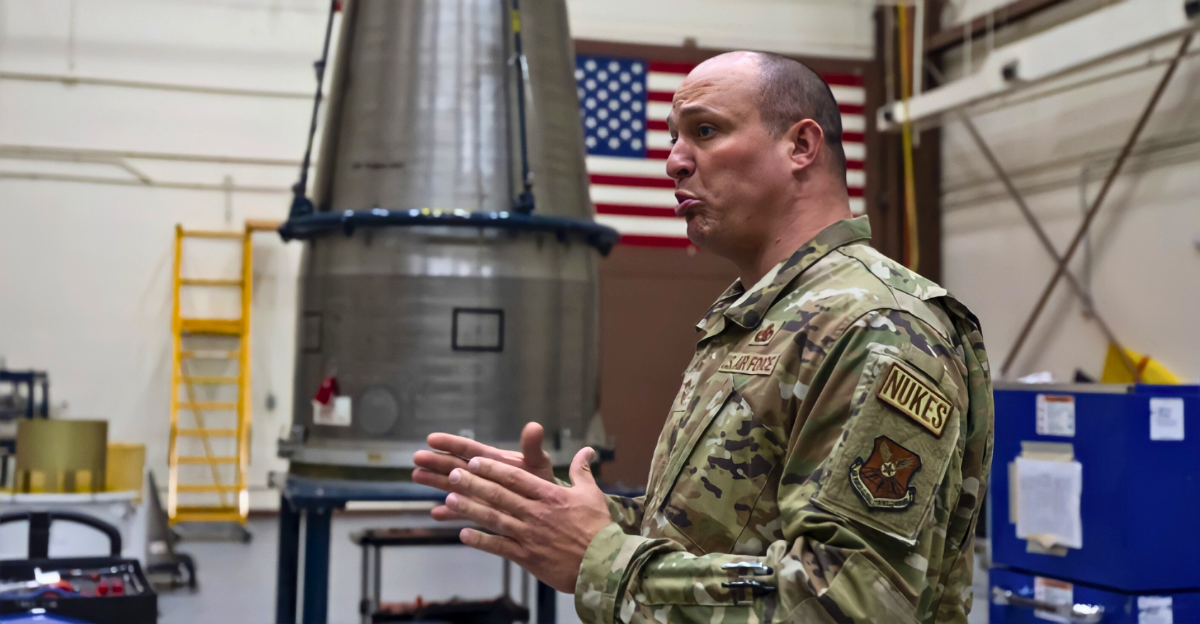
In 2024, all nine nations with nuclear weapons will have modernized their arsenals, departing from post-Cold War reductions, according to the Stockholm International Peace Research Institute (SIPRI).
These diplomatic measures were put into place to reduce the likelihood of nuclear escalations, and SIPRI reports that a new “nuclear arms race” only increases the risks of the world’s 12,241 warheads expanding into even greater numbers.
Russia’s Decision
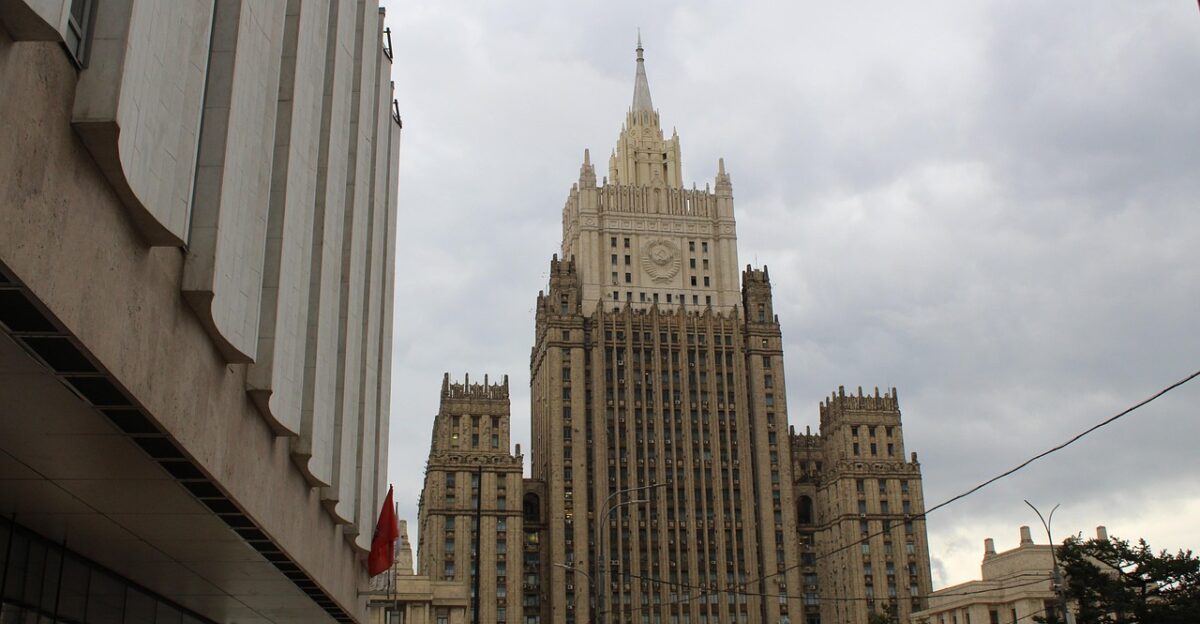
After decades of self-restraint, Russia ended its internal limits on intermediate-range missiles on August 5, 2025. The Russian Foreign Ministry announced that Moscow would no longer honor its voluntary moratorium on deploying these weapons.
Russian officials warned that adversaries must acknowledge new strategic realities following this decision.
Treaty History

Nuclear arms control started in 1972 when Russia and America agreed to limit their nuclear weapons via a treaty.
A second treaty emerged in 1987, the Intermediate-Range Nuclear Forces Treaty, which banned the use of ground-based missiles capable of ranges between 500 and 5,500 kilometers. The new Strategic Arms Reduction Treaty (START) cut arsenals from massive Cold War levels to more manageable numbers over decades.
System Breakdown
On February 21, 2023, Russia withdrew from the START agreement, justifying its decision by pointing to the U.S.’s support for Ukraine.
The treaty limits each country to 1,550 deployed nuclear warheads and allows mutual inspections. Moscow halted inspections and data exchanges while maintaining numerical limits. The Congressional Budget Office projects nuclear modernization will cost $946 billion through 2034.
Final Deadline

New START expires February 5, 2026—exactly six months away—with zero replacement negotiations underway. Nuclear expert Sidharth Kaushal at the Royal United Services Institute confirms the treaty is “functionally dead” due to suspended participation.
According to nuclear policy analysts, this marks the first time since 1972 that no nuclear treaty will constrain the superpowers.
Regional Dangers
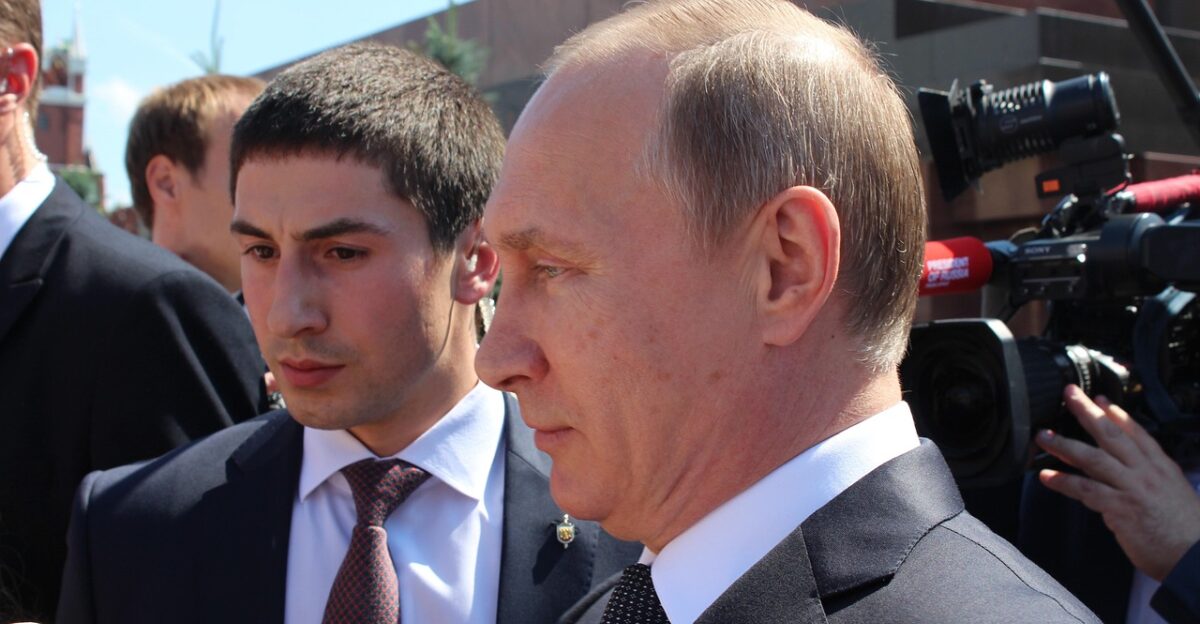
Many countries across Europe could face repercussions if no new treaty is agreed to, as they are within the range of Russian intermediate-range missiles.
Putin’s Oreshnik hypersonic missiles, tested against Ukraine in November 2024, can reach NATO territories. The U.S. is deploying Typhon missile systems to the Philippines and planning Dark Eagle hypersonics in Australia. Denmark conducted mobile missile exercises, prompting Russian criticism.
Warnings
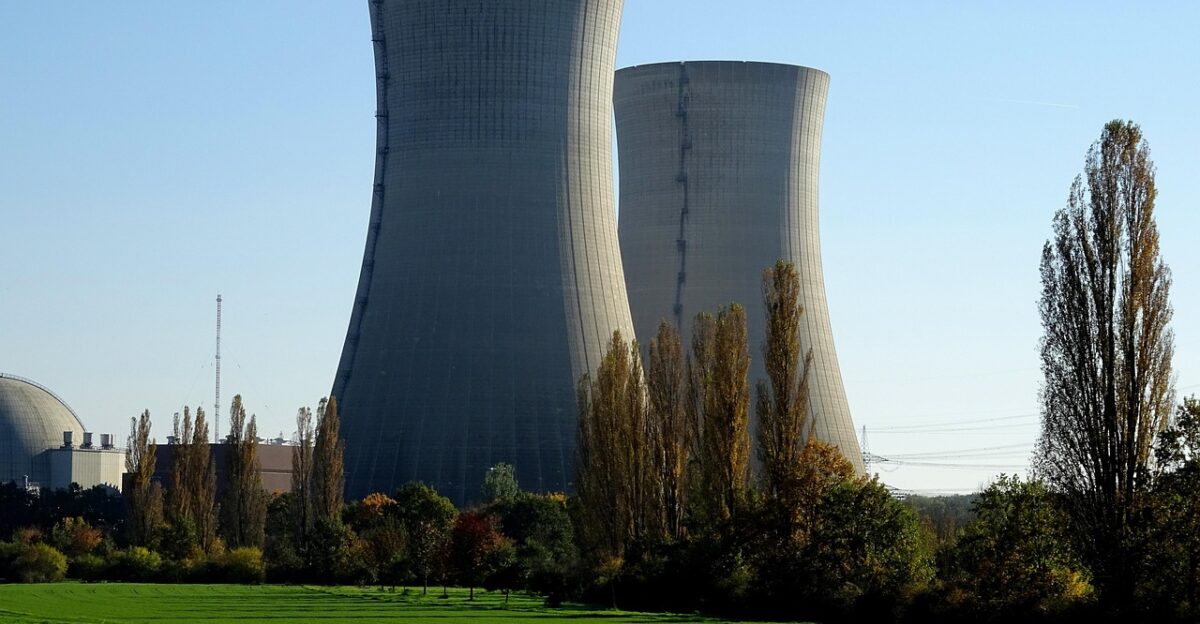
SIPRI director Dan Smith reports that nuclear warhead numbers are beginning to increase for the first time in decades.
Nuclear security analyst Alexander Bollfrass warns that the treaty’s collapse “certainly doesn’t make nuclear war less likely.” Hans Kristensen of the Federation of American Scientists observes that the era of nuclear reductions appears to be ending.
Global Build Ups
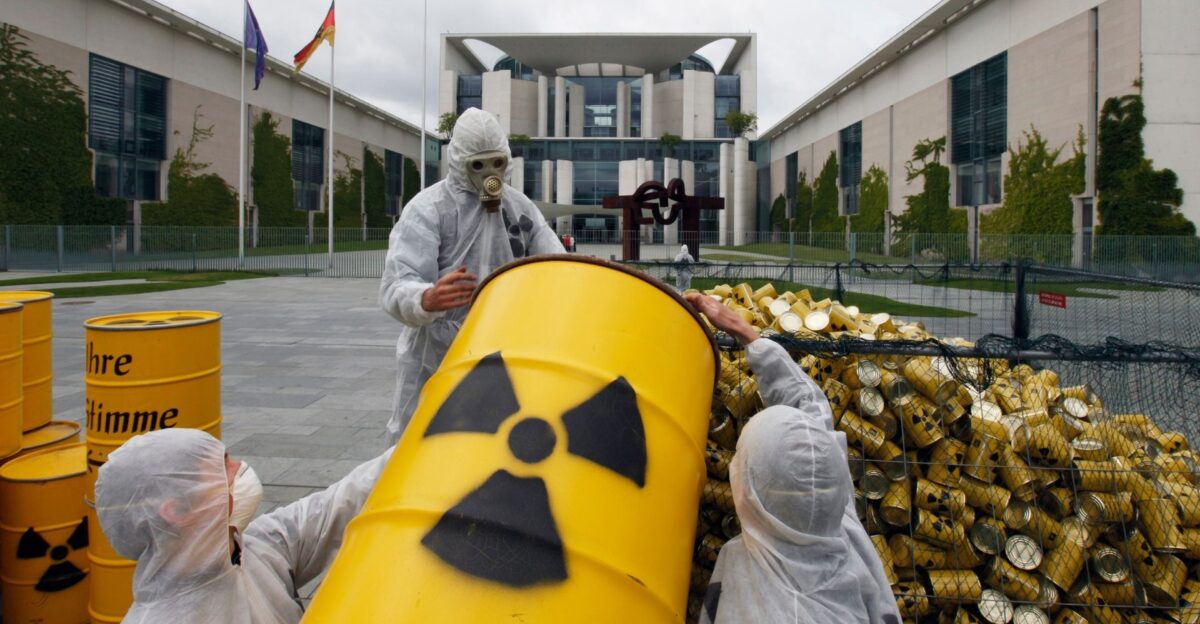
Other countries are building up their nuclear capabilities. China’s nuclear stockpiles increased by 20% over just one year, totaling its warheads by 2025 to 600.
At its current pace, the Pentagon estimates China will exceed 1,000 warheads by 2030. India and Pakistan are placing warheads on missiles during peacetime for the first time.
Total Numbers
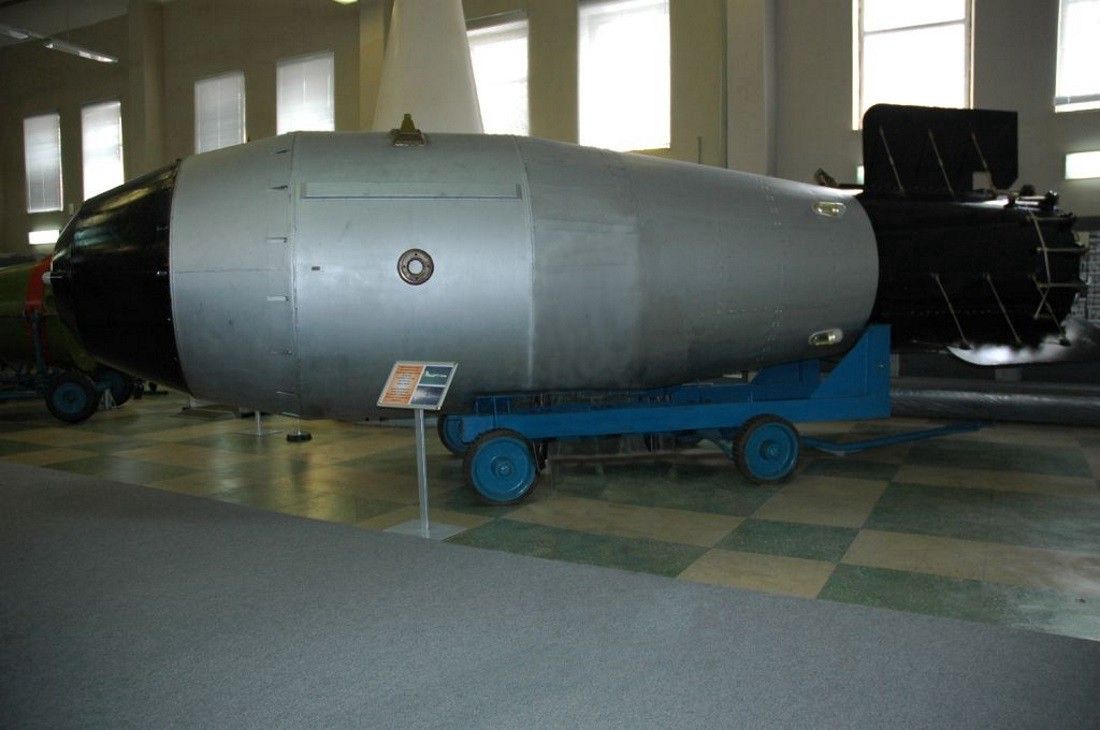
cross all nations capable of nuclear warhead production, there are around 12,241 worldwide as of January 2025, with 9,614 ready for military use, reports SIPRI.
Approximately 2,100 warheads sit on high alert aboard ballistic missiles, mostly American and Russian. China may now keep some warheads on missiles during peacetime, a significant departure from past practices. All nine nuclear nations are modernizing their arsenals.
Other Nations
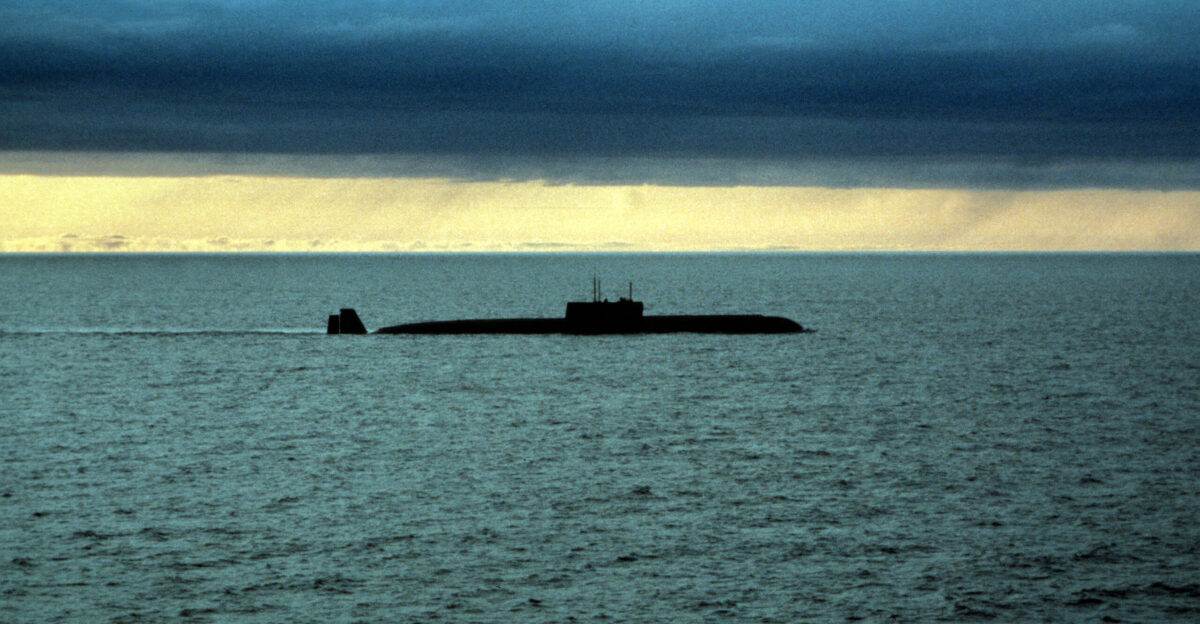
Other nations are also expanding stockpiles – Britain announced plans to increase nuclear warheads from 225 to 260, marking its first expansion in decades. France maintains 290 warheads while upgrading submarine missiles and delivery systems.
Israel possesses an estimated 90 warheads, with North Korea holding approximately 50 operational weapons. Even traditional minimum deterrence states are abandoning restraint policies.
Political Pressure
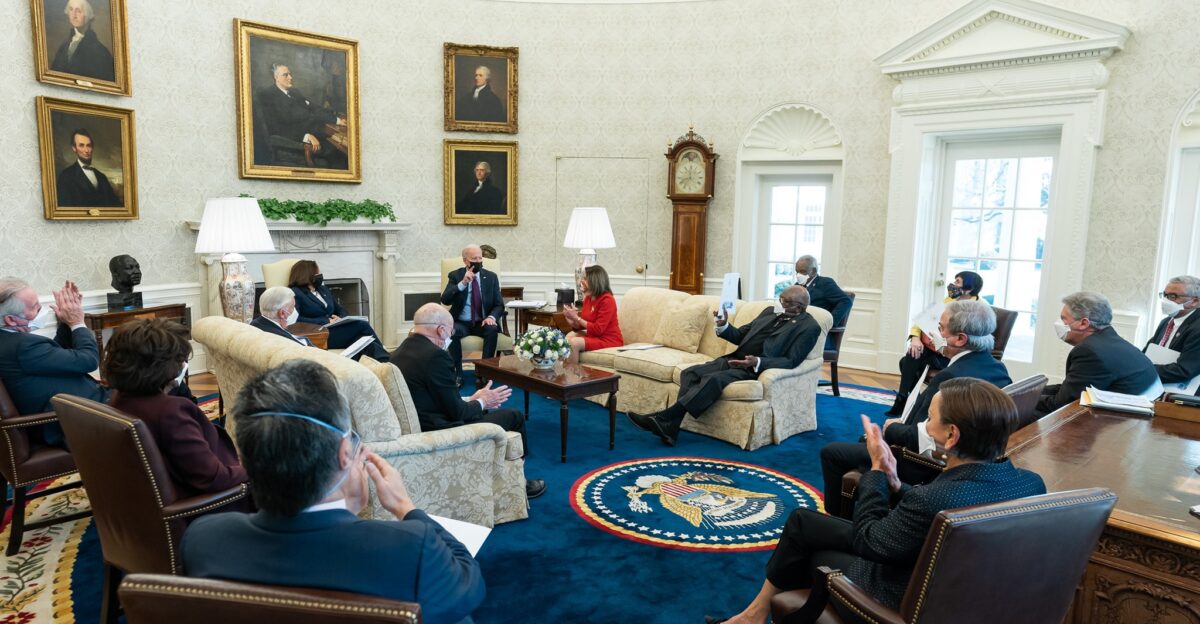
To get ahead of the problem, Congressional Democrats demand immediate New START extension negotiations before the February deadline. Arms control advocates warn that treaty collapse will trigger costly buildups without security benefits.
Senators introduced bipartisan resolutions calling for diplomatic engagement with Russia and China on nuclear risk reduction measures. Defense hawks push for exceeding current treaty limits.
Leadership Vacuum
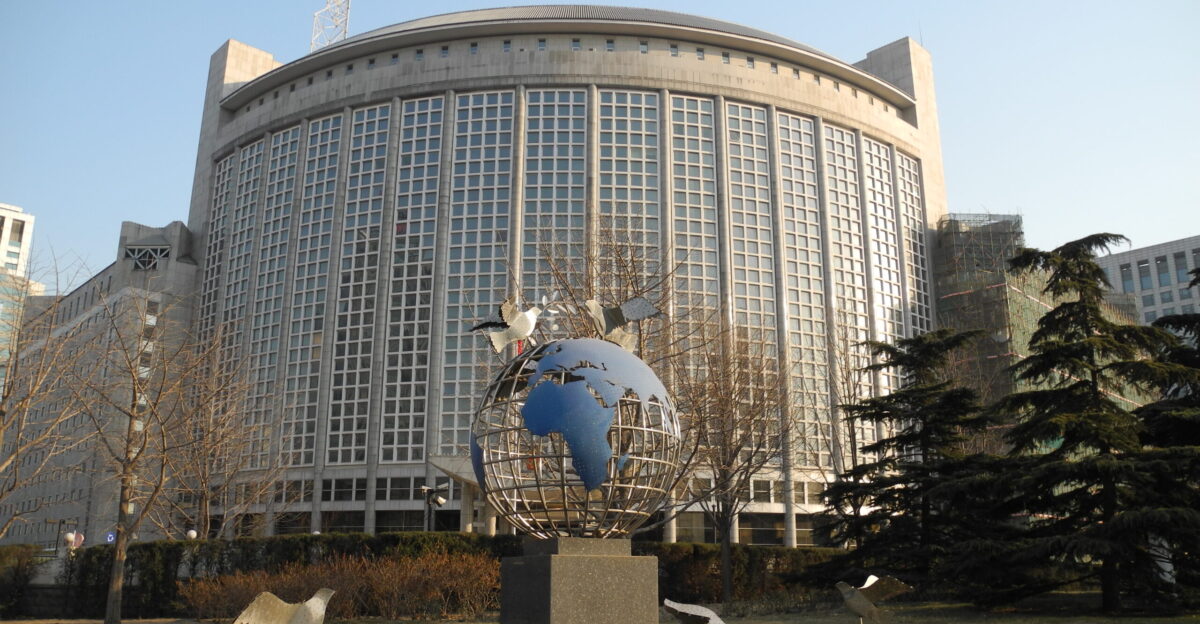
The Trump administration signals interest in trilateral talks, including China, but provides no concrete strategy or timeline. Russian officials claim readiness for arms control discussions while maintaining the conditions of the Ukraine war as prerequisites.
The Chinese Foreign Ministry rejects participation until U.S.-Russia arsenals are reduced to much lower levels. Previous diplomatic channels have remained frozen since 2023.
Military Planning
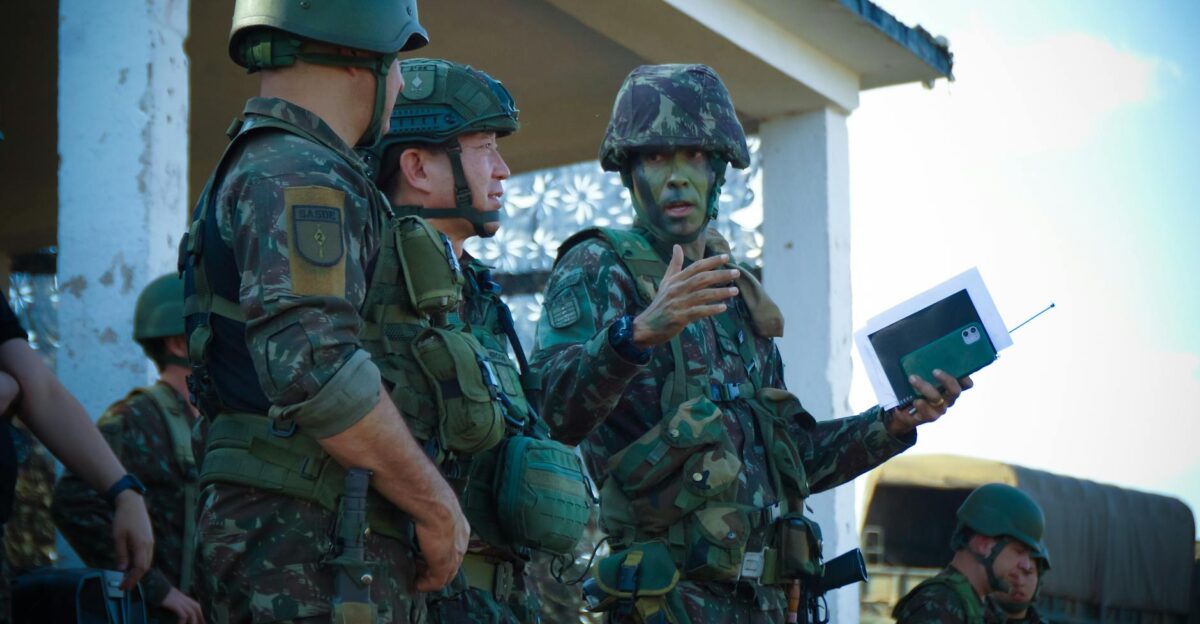
The Pentagon acknowledges a potential extension of existing Minuteman missiles through 2050 while restructuring the troubled Sentinel program. Nuclear modernization costs have skyrocketed 25 percent above estimates, straining defense budgets and timelines.
Air Force considers adding warheads to existing missiles if treaty constraints disappear. Columbia submarine construction proceeds despite delays.
Expert Skepticism
Nuclear policy specialists warn that bilateral agreements are highly unlikely given deteriorated trust between Washington and Moscow. Kaushal emphasizes that “the level of trust necessary to negotiate and follow through with an arms control agreement does not exist.”
Former officials describe the current environment as the least conducive to negotiations since the 1980s.
Future Uncertainty
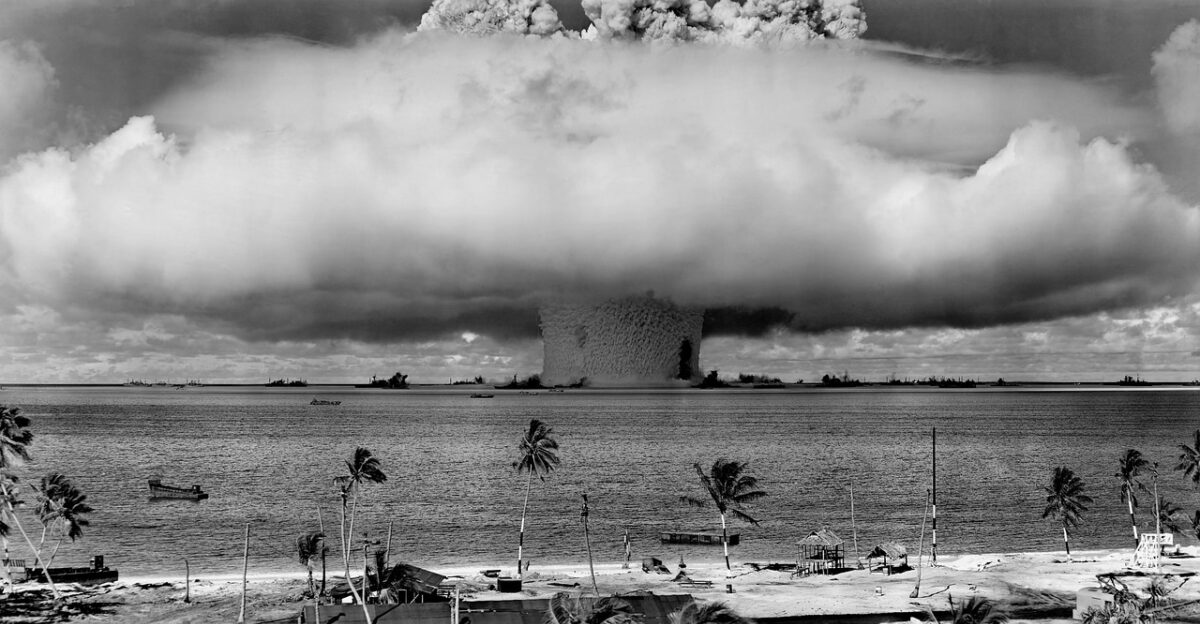
Will the doctrine of mutually assured destruction still prevent nuclear war in a multipolar world? SIPRI’s Dan Smith notes that nuclear war still makes no strategic sense.
Arms control experts suggest informal arrangements might preserve negotiation prospects while preventing immediate escalation. The risks of miscalculation increase without verification mechanisms.
Budget Battles

Congressional spending on nuclear weapons will average $95 billion annually through 2034, competing with domestic priorities like infrastructure and healthcare.
The Sentinel missile program costs 81 percent more than originally estimated, triggering congressional oversight requirements. Lawmakers cite constituent concerns about unlimited arsenal expansion versus social programs and economic development.
International Alarm
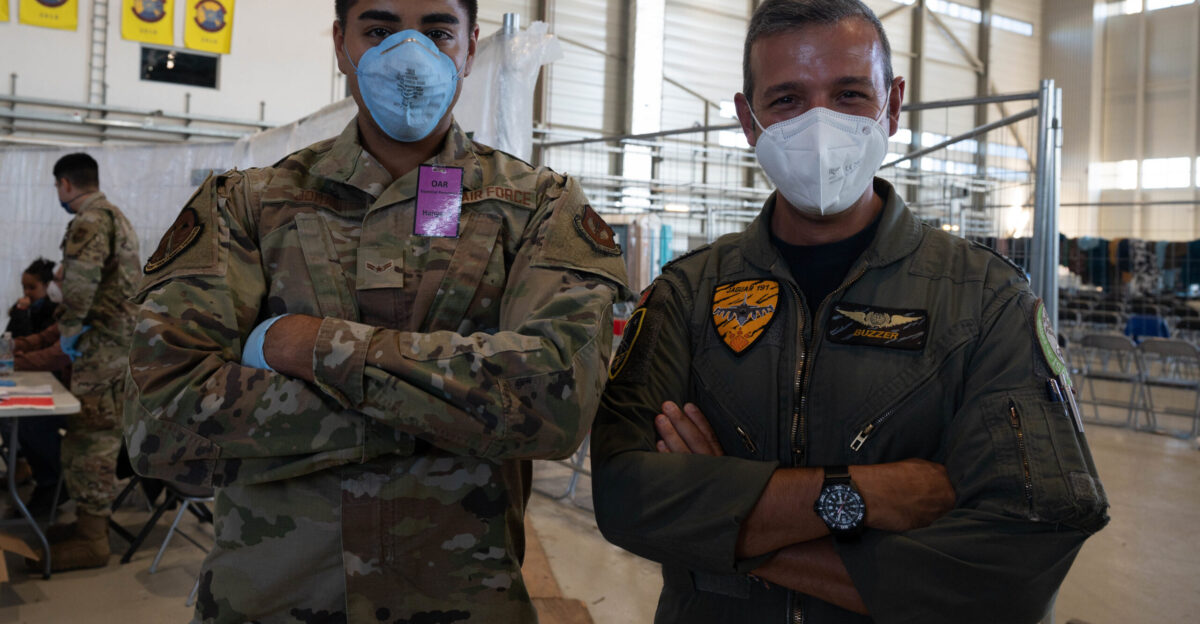
NATO allies express growing concerns over intermediate-range missile threats targeting European territories from Russia’s planned Belarus deployments. Japan and South Korea request enhanced nuclear protection guarantees amid Chinese arsenal expansion concerns.
Australia hosts planned U.S. hypersonic missile deployments. Non-aligned countries threaten to abandon the Non-Proliferation Treaty if major powers continue buildups.
Legal Framework

International law experts debate whether unilateral treaty suspension violates Vienna Convention principles requiring good faith negotiations. Nuclear Non-Proliferation Treaty Article VI requires effective measures toward disarmament, potentially challenged by modernization programs.
Legal scholars warn that institutional collapse undermines the broader multilateral security architecture built over decades.
Generational Change

Hiroshima survivors marked 80 years since atomic bombing while warning against renewed nuclear competition threatening civilization. Younger populations lack Cold War memory of mutual annihilation fears, potentially accepting nuclear normalization as routine statecraft.
Peace advocacy organizations report declining public engagement with disarmament issues despite growing arsenal modernization and deployment worldwide.
Crossroads
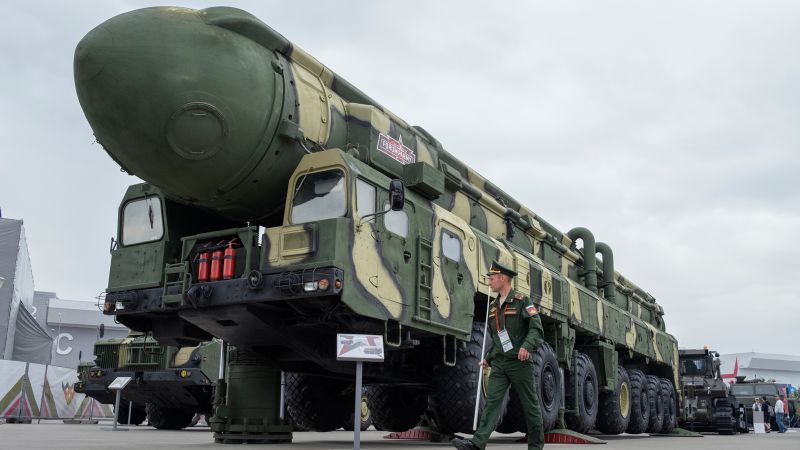
The collapse of nuclear arms control represents humanity’s choice between managed competition and unbounded escalation. SIPRI warns that advances in artificial intelligence, cyber capabilities, and space assets are transforming nuclear capabilities and creating potential sources of instability.
The next six months will determine whether diplomacy can resurrect restraint or the world enters an uncertain nuclear era.