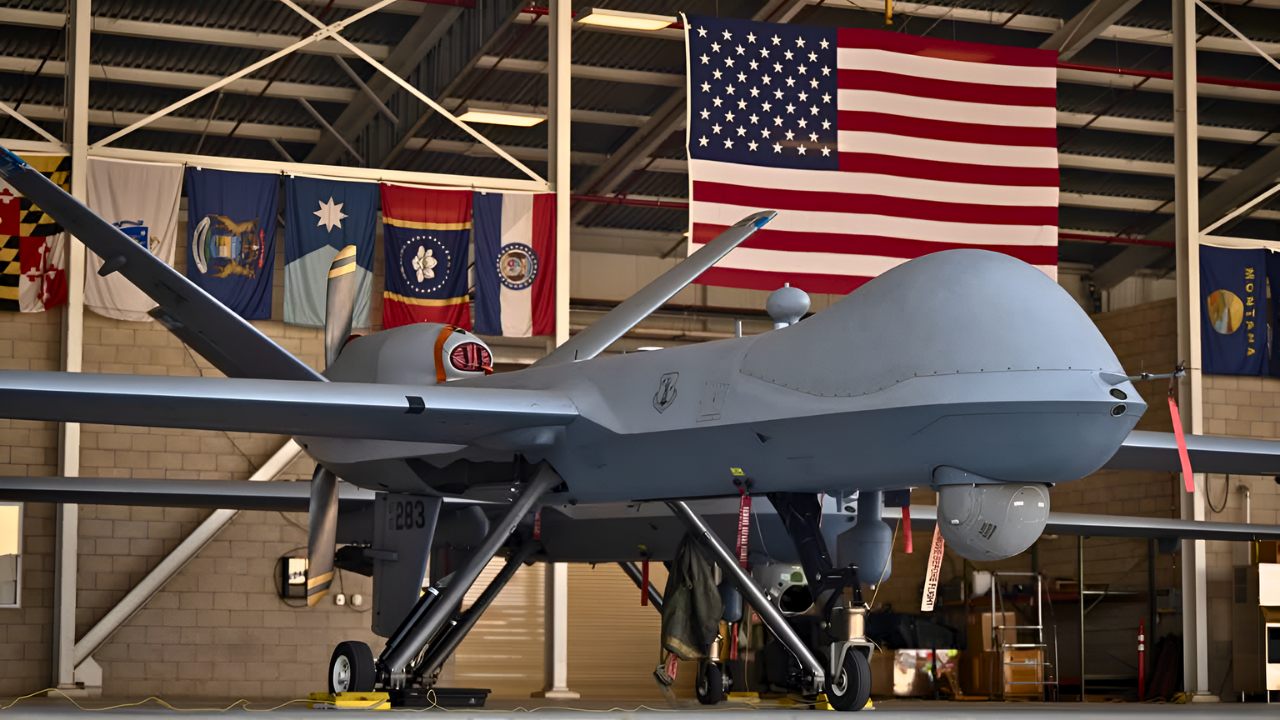
The roar of jet engines echoes across the Korean Peninsula as U.S. and South Korean generals soar together in a historic first: a joint commanders’ flight over the region. This symbolic act, paired with the arrival of a new MQ-9 Reaper drone squadron at Kunsan Air Base, marks a significant escalation in military readiness and signals a new chapter in the U.S.-South Korea alliance.
Heightened Military Posture

The deployment of MQ-9 Reaper drones, officially reactivated under the 431st Expeditionary Reconnaissance Squadron, represents the first permanent stationing of such advanced unmanned systems on the Korean Peninsula. With 28,500 U.S. troops already stationed in South Korea, the addition of these drones amplifies the region’s surveillance and deterrence capabilities. The move comes amid rising tensions, as North Korea continues its missile testing and provocative rhetoric, prompting both nations to strengthen their defense posture.
Alliance Reinforced

The U.S.-South Korea military partnership, established by the 1953 Mutual Defense Treaty, has evolved through decades of joint exercises and technological upgrades. The permanent presence of MQ-9 Reapers further solidifies this alliance, adapting to emerging threats and ensuring both countries remain prepared for rapid response. The joint flight by U.S. Air Force Gen. Dan Caine and South Korean Gen. Jin Yong-sung highlighted the close coordination and unified approach to regional security, showcasing the depth of their strategic cooperation.
Surveillance and Strategy
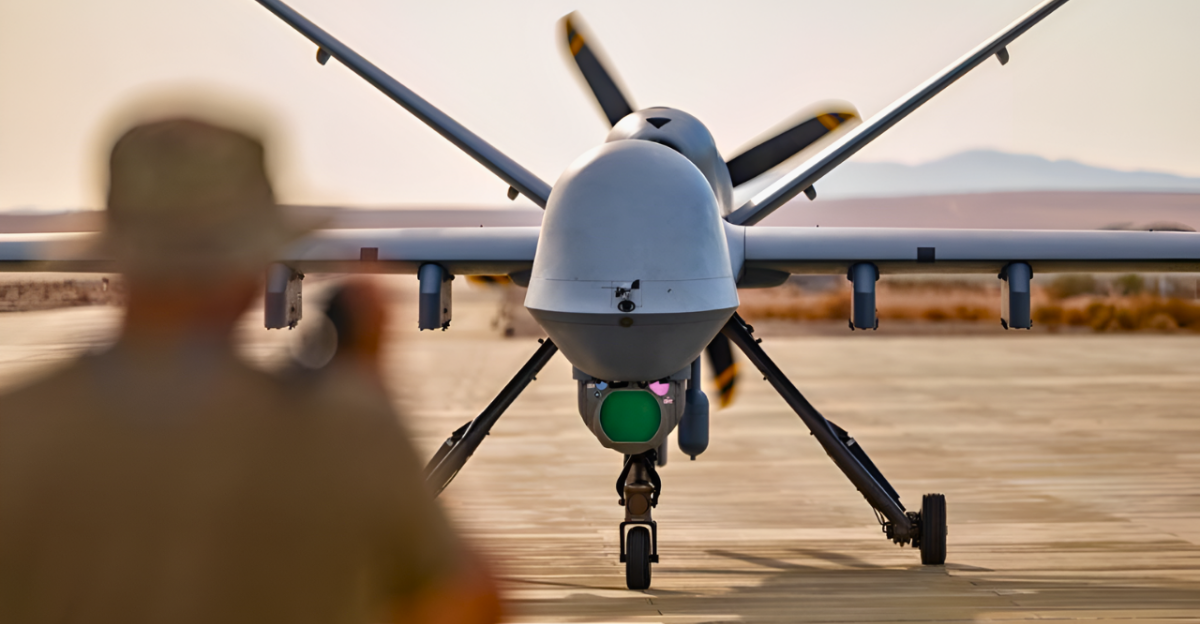
The MQ-9 Reapers bring advanced sensors and long-endurance capabilities, enabling continuous monitoring of the peninsula and beyond. Their ability to gather real-time intelligence allows for swift responses to potential threats, reinforcing the deterrence posture in a volatile region. Lt. Col. Douglas J. Slater, commander of the 431st Squadron, emphasized the drones’ role in supporting the mission, deepening cooperation, and demonstrating a shared commitment to regional security. This shift reflects a broader trend in the U.S. military’s reliance on unmanned systems for persistent intelligence gathering and flexible, cost-effective surveillance.
Regional and Global Implications
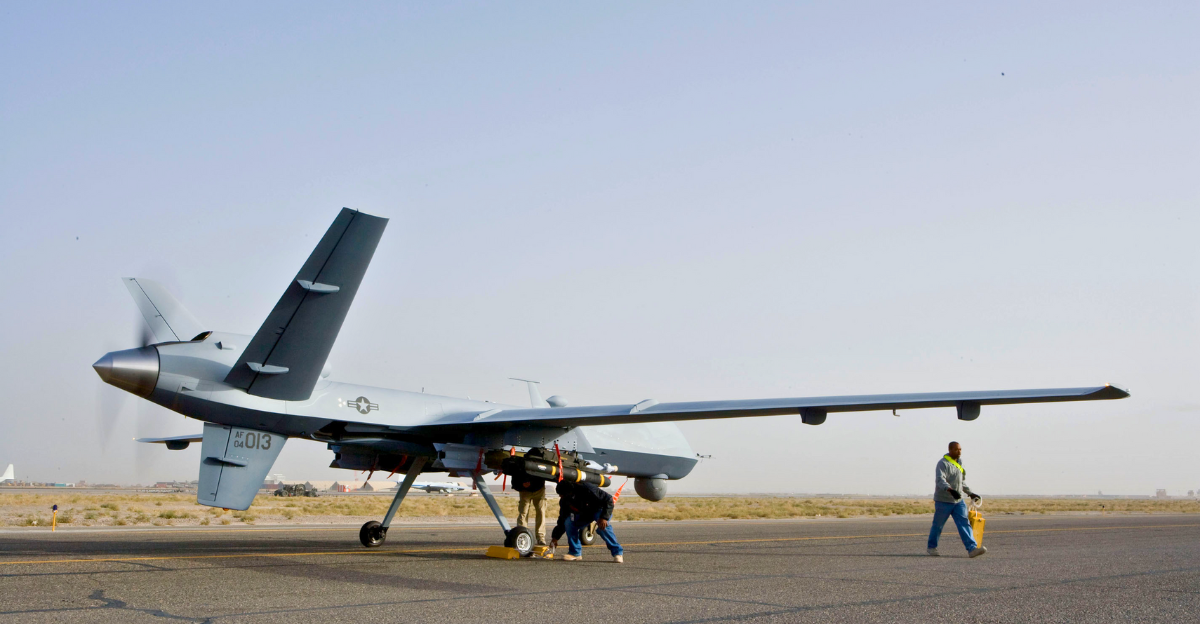
The deployment of MQ-9 Reapers is not only a response to North Korea’s growing missile threats but also a strategic counterbalance to China’s expanding military presence in the Indo-Pacific. As the U.S. adjusts its strategy to maintain a balance of power, the use of unmanned technology becomes central to its approach. Countries like Japan and Australia are closely monitoring the situation, recognizing the potential for both greater multilateral cooperation and increased geopolitical competition. The presence of these advanced drones could reshape alliances and rivalries, influencing the broader security landscape in Asia.
Looking Ahead
While the enhanced military presence strengthens deterrence and readiness, it also raises concerns about the risk of escalation. Some U.S. officials worry that North Korea may view the deployment as provocative, potentially increasing the likelihood of miscalculation. Policymakers in Washington and Seoul are grappling with the political implications of such a significant military buildup, as the balance of power in Northeast Asia continues to shift. The long-term environmental and legal impacts of increased drone activity remain under scrutiny, with local authorities committed to minimizing disruptions and adhering to regulations.
The permanent stationing of MQ-9 Reapers and the continued presence of U.S. troops underscore the evolving nature of regional security in Northeast Asia. As military norms shift and technology advances, the U.S. and South Korea are reinforcing their commitment to deterrence, signaling a new era of defense in the face of persistent threats. The decisions made in the coming months will shape the region’s security landscape for years to come, influencing future diplomatic and military strategies.