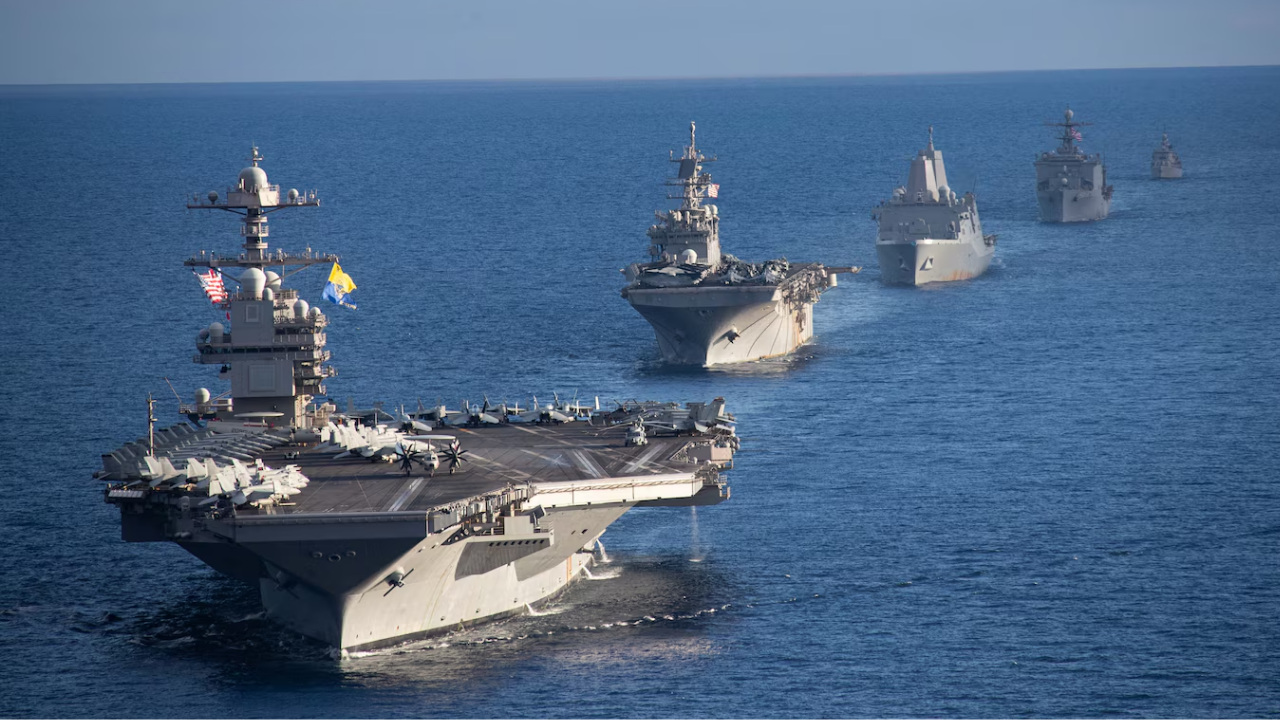
The US Navy recently moved its biggest aircraft carrier, the USS Gerald R. Ford, and a powerful missile destroyer close to Venezuela. This is the largest military move in the Caribbean region by the US in decades, with more than 10,000 sailors involved.
The mission is happening just off the coast of Venezuela, causing a stir in the whole region and making leaders and citizens pay close attention.
What This Deployment Looks Like
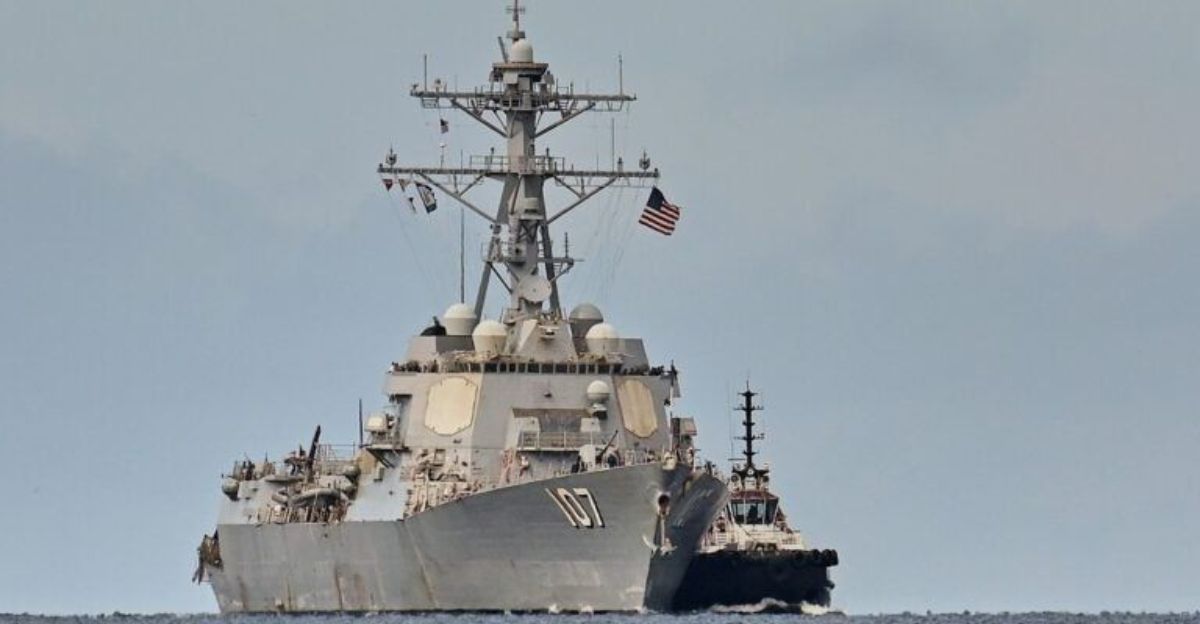
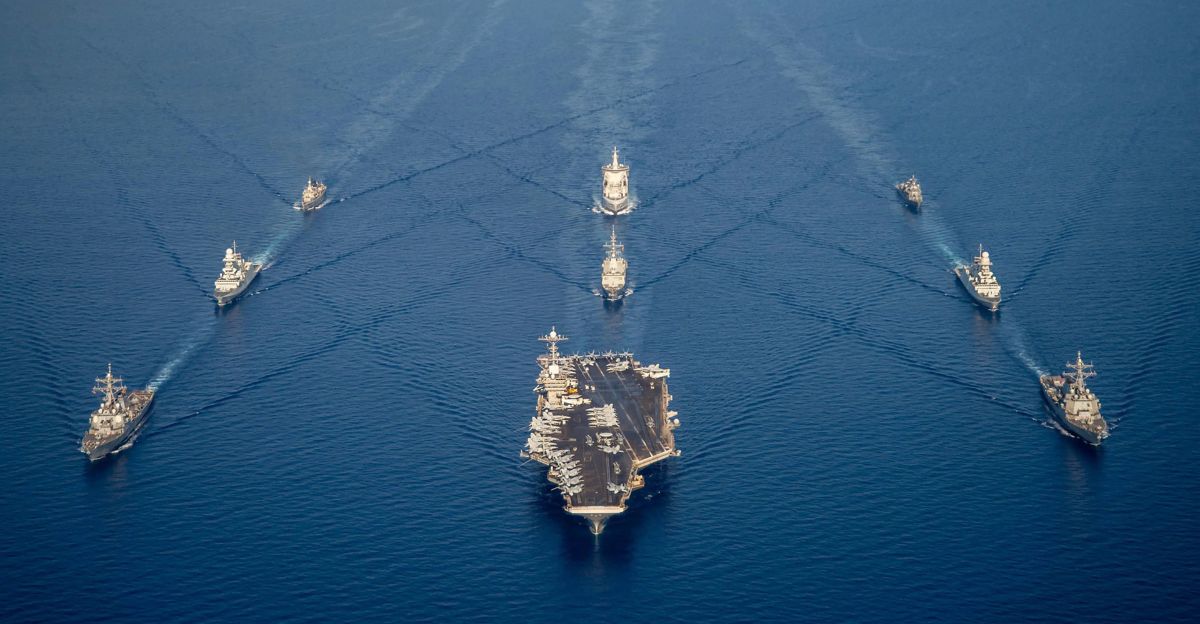
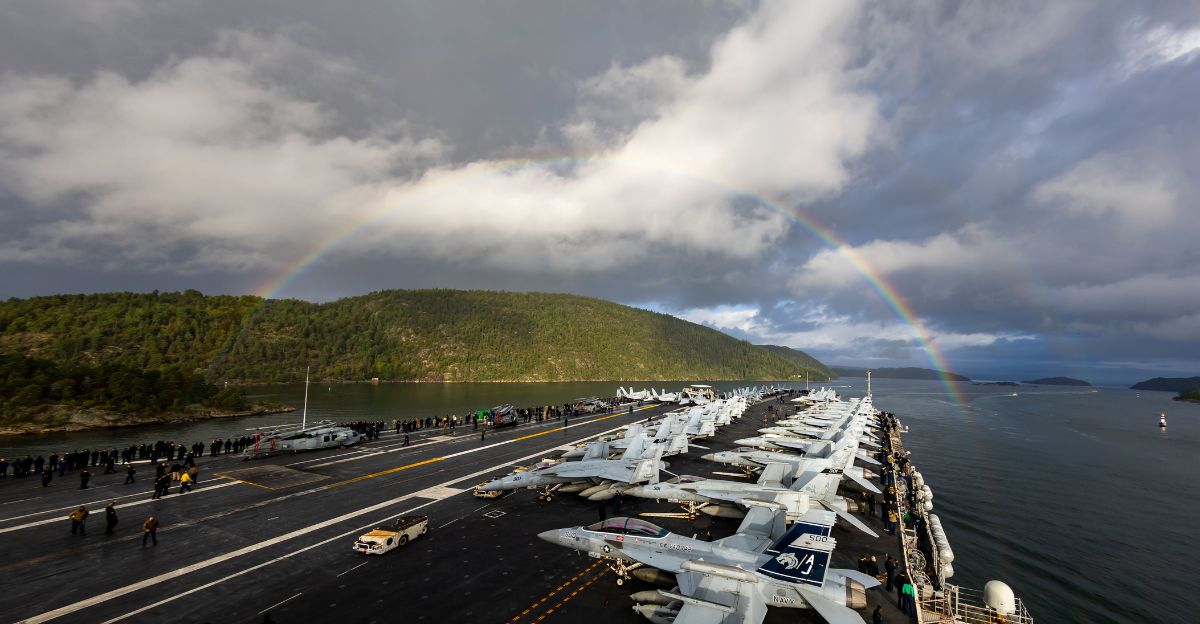
This operation centers on two impressive warships, the world’s largest aircraft carrier, USS Gerald R. Ford, and the guided-missile destroyer USS Gravely. These ships, along with others, are taking part in exercises near Trinidad and Tobago, not far from Venezuela.
Together, they form a strong strike group meant to show military readiness and partnership with local Caribbean nations.
Meet the USS Gerald R. Ford
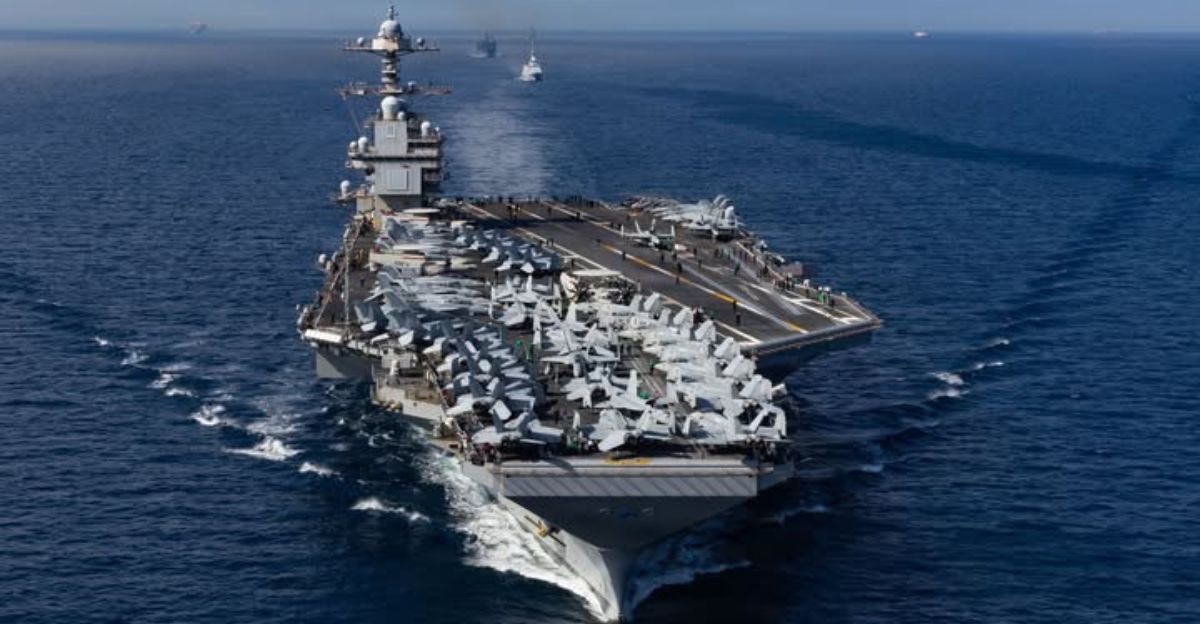
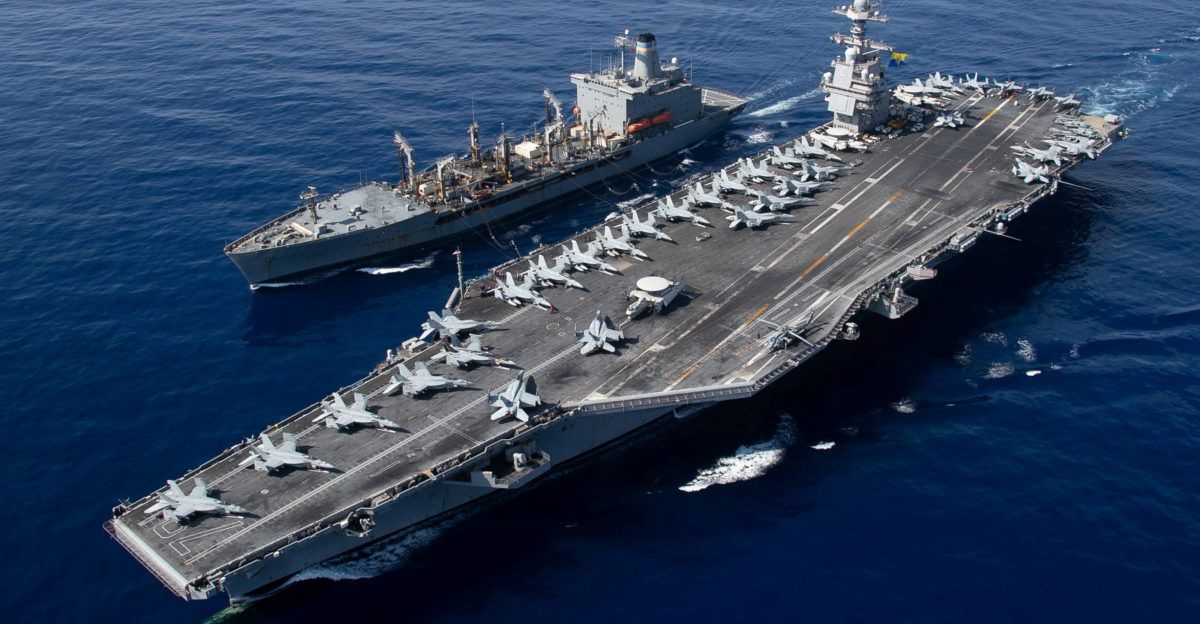
Launched in 2017, the USS Gerald R. Ford is a floating military base, stretching over 1,100 feet long and weighing as much as 15,000 elephants! It can carry up to 90 planes and is powered by nuclear reactors, making it able to stay out at sea for long periods.
The US Navy calls it the most lethal combat platform in its fleet, meaning it’s the top ship for power and technology. Its arrival near Venezuela marks a big moment in US naval history.
The USS Gravely
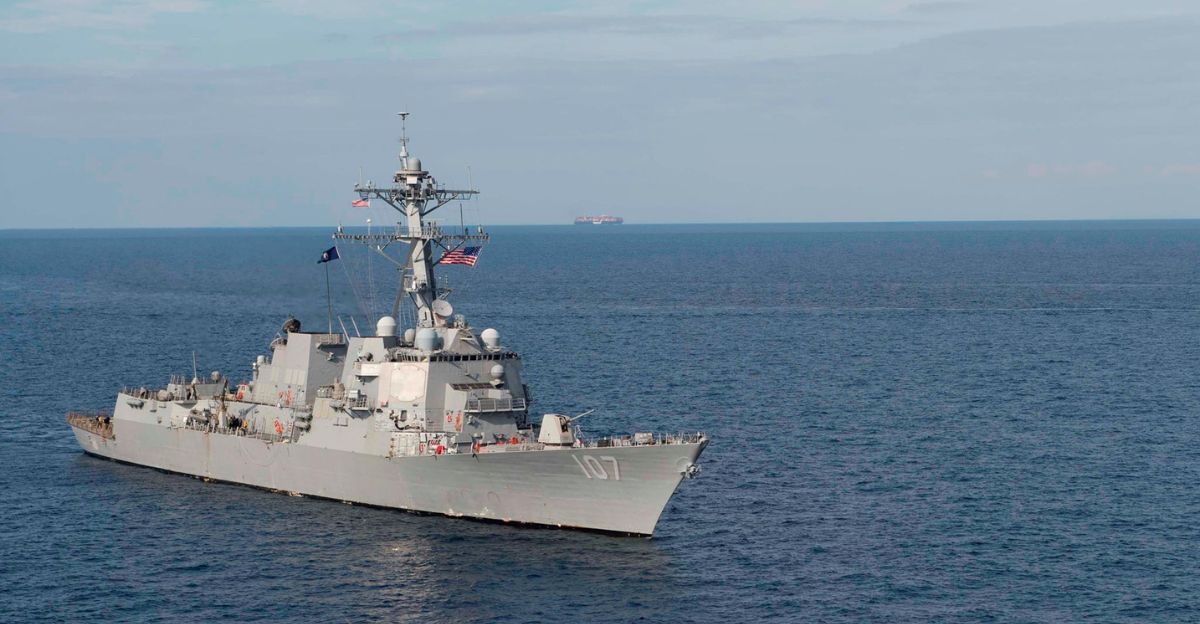
The USS Gravely, which weighs about 9,000 tons, is a modern warship loaded with Tomahawk missiles and advanced radar. It can stop missiles in the air, deploy helicopters, and send out Marines quickly.
By parking so close to Venezuela, the Gravely sends a strong signal about US capabilities and intentions.
Why Did the US Navy Move In?
The US says the main goal is to fight illegal drug trafficking and boost safety in the Western Hemisphere. US Southern Command, which oversees military activities in the region, insists the massive deployment is targeted at criminal groups running drugs across borders, not regular citizens or governments.
More Military Muscle in the Caribbean
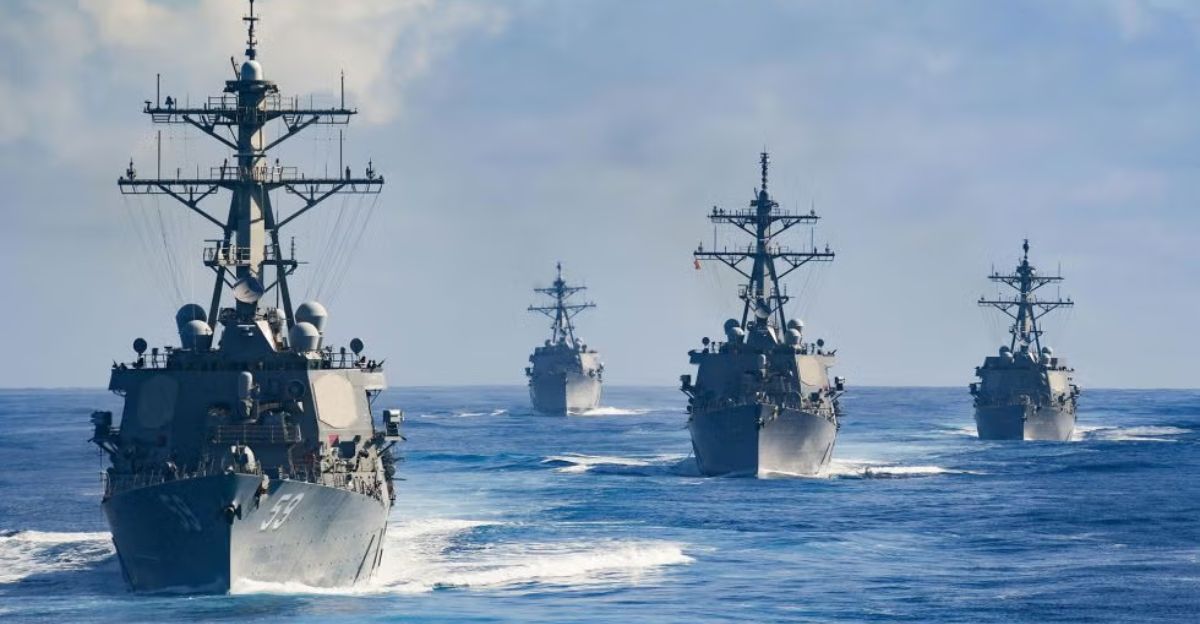
Since August 2025, the US has increased its naval power in the Caribbean, now with at least eight warships and thousands of personnel stationed around Venezuela.
Most of these forces are on ships based out of Puerto Rico and Trinidad.
Venezuela’s Angry Reaction
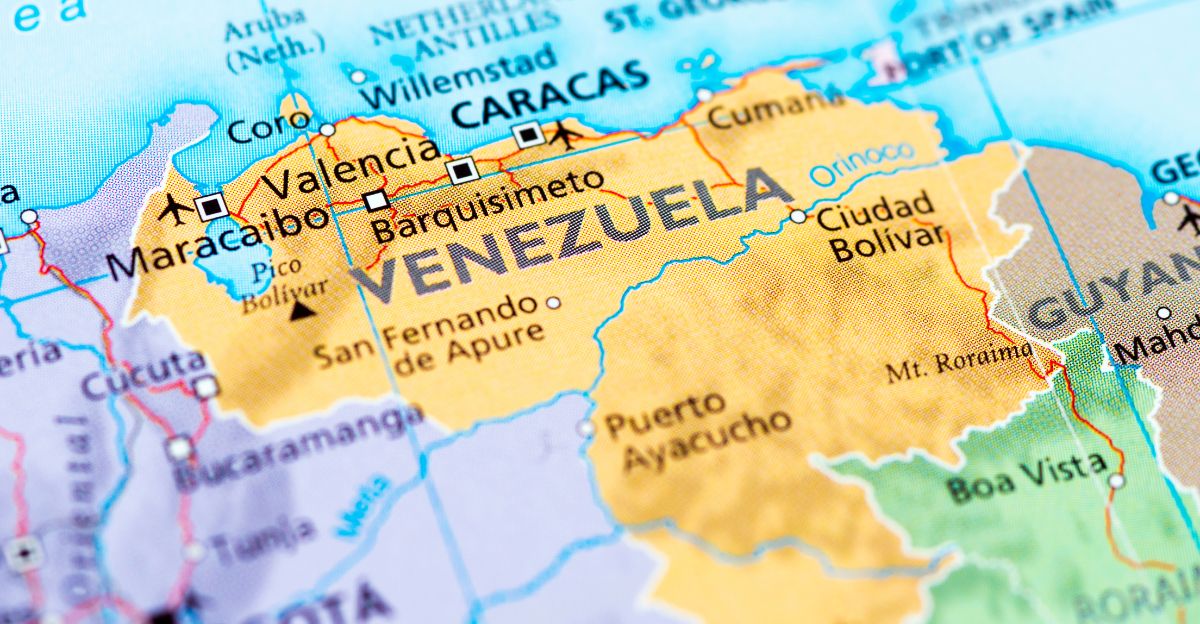
Not everyone is happy about this military show of force. Venezuelan officials quickly protested, calling the operation a provocation, and warned it could destabilize the region.
Many Venezuelans worry the US might be preparing for deeper involvement in their country.
Accusations Fly on Both Sides
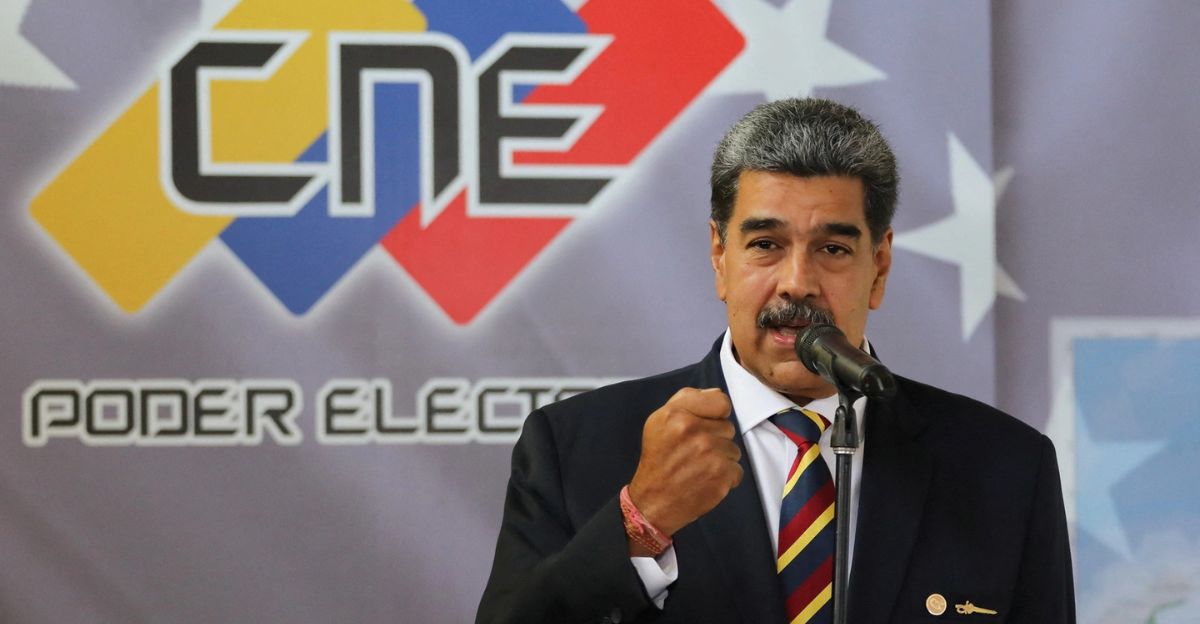
Venezuela’s president, Nicolás Maduro, accuses the US of stirring up trouble to force him out of power. He claims that the US is fabricating a new conflict as an excuse for regime change.
Meanwhile, US leaders accuse Maduro’s government of being heavily involved in drug trafficking, an allegation Maduro strongly denies. “They promised they would never again get involved in a war, and they are fabricating a war,” said Maduro.
Real-World Impact
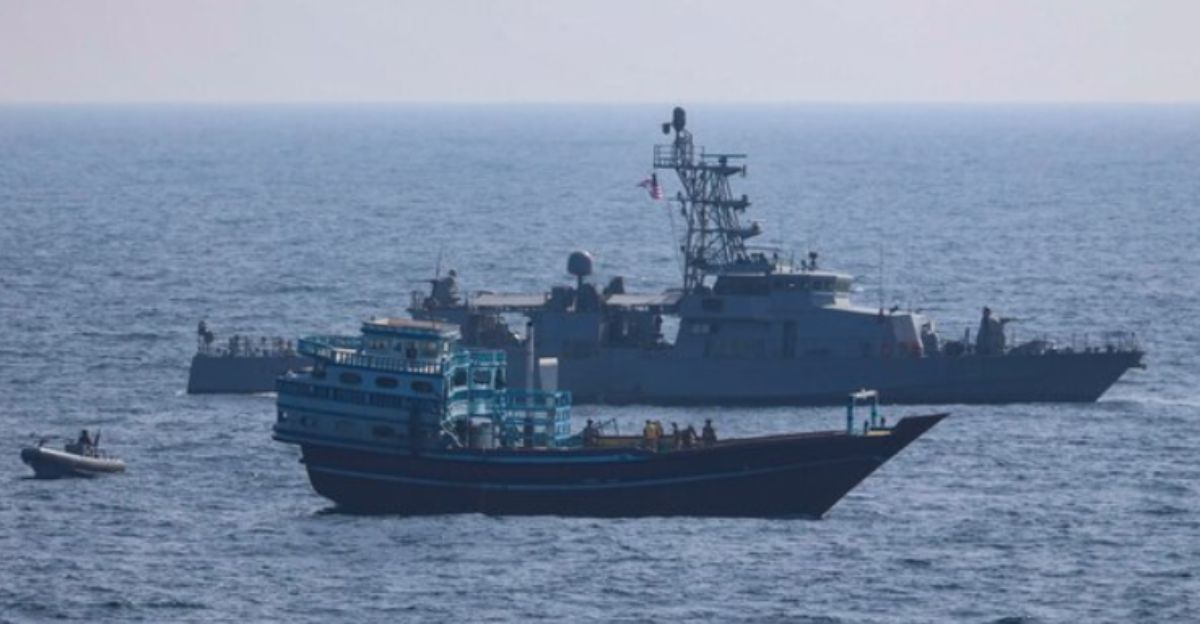
The new US presence isn’t just for show. In recent weeks, at least 10 US airstrikes have reportedly targeted boats near the Caribbean suspected of smuggling drugs, leading to over 40 deaths since September. The Pentagon says these strikes are meant to stop narcotics from reaching US shores.
“We stopped all drugs from coming in by sea. I will stop all drugs from coming in by land very shortly. You’ll see that starting,” Trump told reporters at the White House.
Working with Caribbean Allies
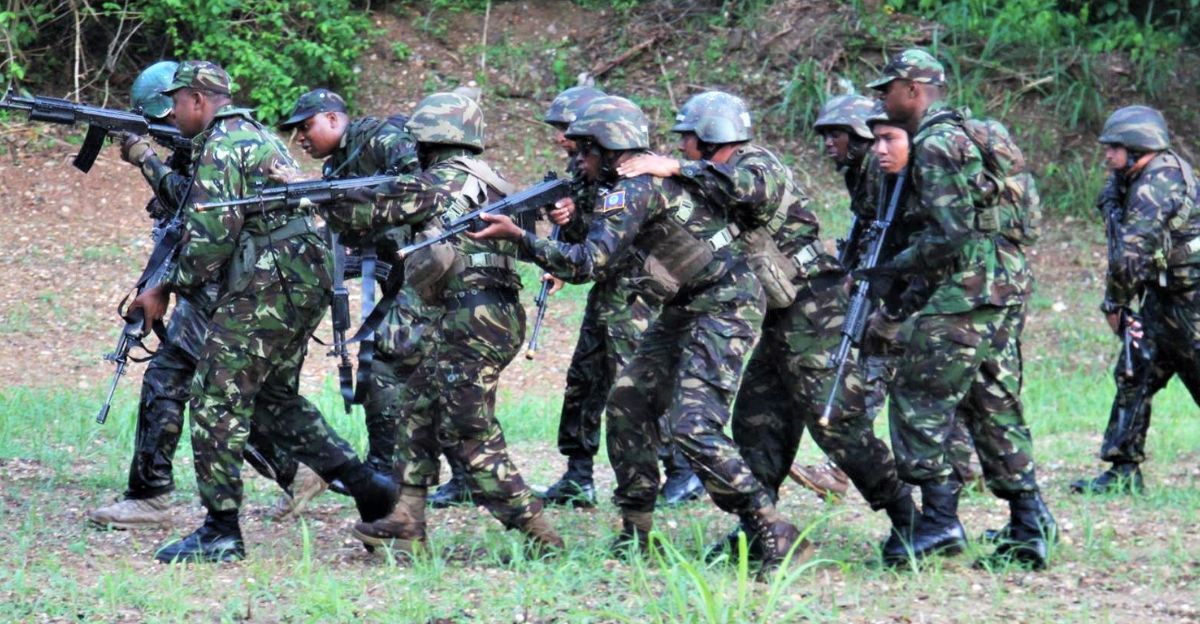
The US Navy isn’t acting alone. It is conducting joint exercises with Trinidad and Tobago’s defense forces, among others. This helps show the US isn’t just flexing its muscles but is working with the region’s nations.
What Makes Up the Naval Group?
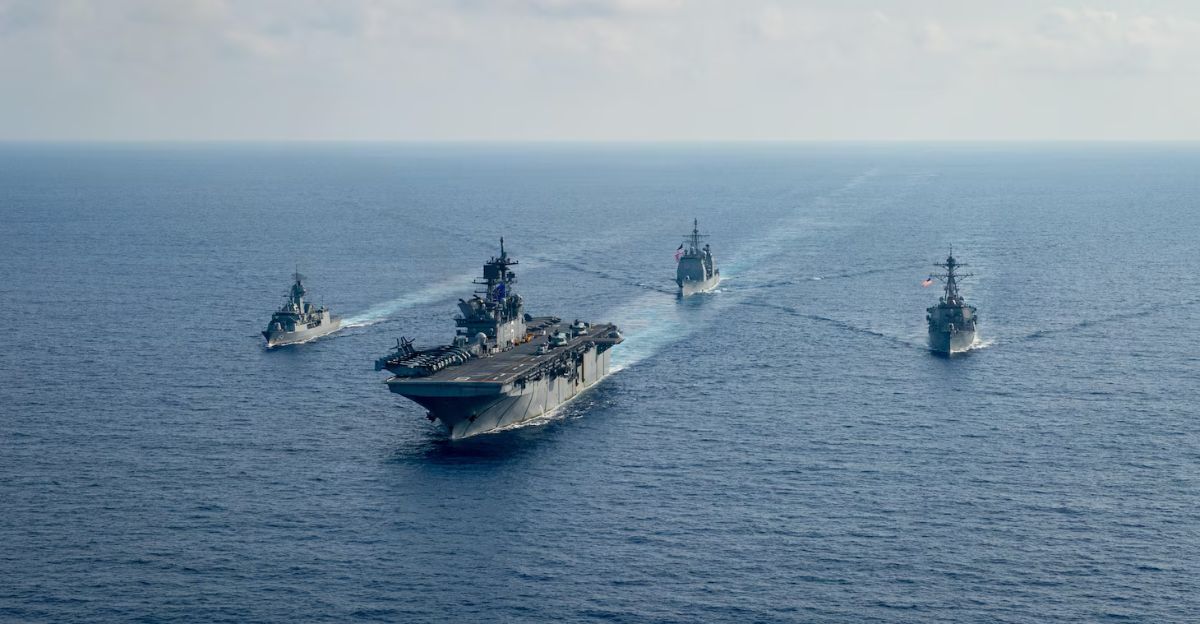
This powerful fleet isn’t just two ships. The USS Gerald R. Ford is joined by other destroyers, a cruiser, a littoral (coastal) combat ship, an amphibious assault ship, and transport vessels.
All together, this makes for a large force that can launch aircraft, deploy troops, and handle emergencies at sea.
Could Tensions Get Worse?
Experts warn that such a strong US military presence near Venezuela could lead to mistakes or unexpected conflicts, especially as Venezuela has allies in Russia, China, and Iran.
Why the Caribbean Matters Globally
This isn’t just about local politics. Venezuela holds huge oil reserves, and the country’s ties with major powers like Russia and China make the Caribbean important for global politics.
Some analysts believe the US may be competing with China and Russia for influence in the region.
Calm or Concerned?
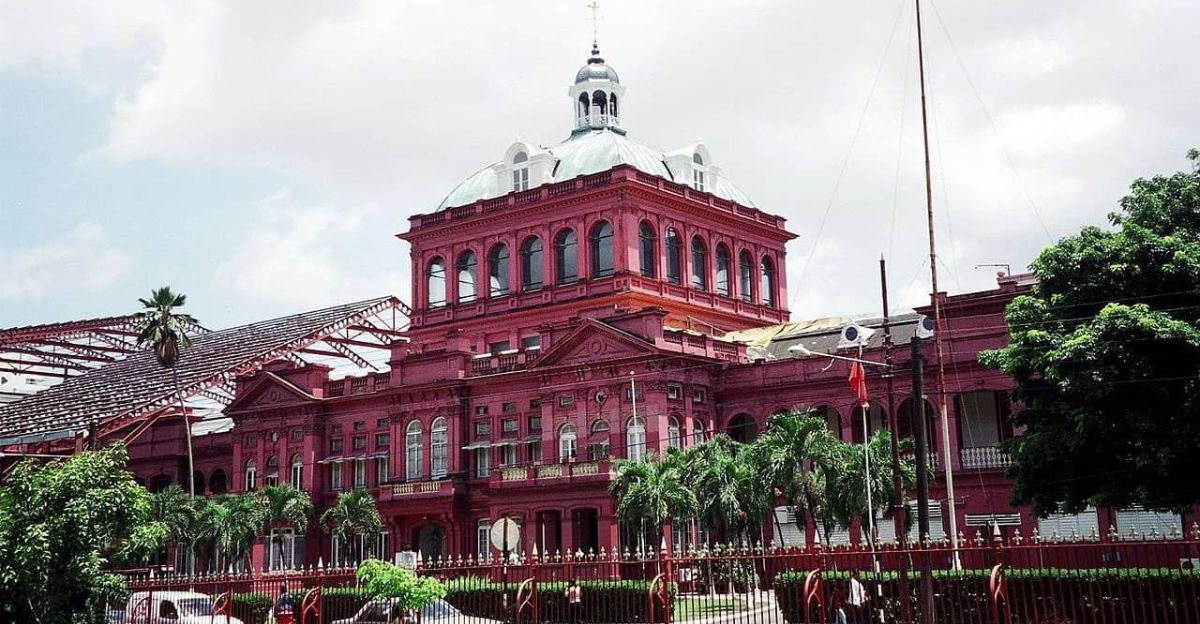
Trinidad and Tobago’s government, one of the closest neighbors, insists the joint drills with the US are routine and not a prelude to war.
At the same time, regional leaders are scrambling to reassure their citizens and urge calm, even as international concern mounts.
What’s Next for the Region?
For now, the US Navy plans to keep its ships in the area for several more weeks. Diplomats and observers from around the world are monitoring every move, hoping for a peaceful outcome but preparing for more tension or tough negotiations.