The Red Sea has become a crisis zone. Since late 2023, Yemen’s Houthi militants have attacked hundreds of commercial ships, blocking one of the world’s most vital shipping routes. Attackers launched coordinated strikes against over 80 vessels.
The U.S. Navy and its coalition partners attempted to halt the chaos, but the attacks continued to escalate. Insurance costs skyrocketed. Shipping companies now take months longer, sailing around Africa’s Cape of Good Hope instead, costing billions. Something had to change.
What would make the world’s strongest military launch such a massive operation?
Escalation Without Solution
President Biden ordered occasional strikes against Houthi targets through 2024. From November 2023 to February 2025, American ships and planes dropped bombs on specific facilities.
However, Houthi attacks actually increased by 40% each year. The group rebuilt drones and missiles faster than the Pentagon destroyed them. By March 2025, military leaders decided their small strikes had failed.
They concluded that only a massive, continuous force could destroy the Houthis’ capabilities. The Trump administration, now six weeks into power, demanded a new plan. Would bigger attacks finally work?
The Houthis’ Arsenal and Ambition

The Houthis operate as a serious military force. Iran backs them with over 300 ballistic missiles, 1,000+ attack drones, and advanced coastal weapons. They sank or damaged multiple ships, costing the shipping industry $7 billion yearly.
Their attacks target U.S. allies and disrupt global trade. Houthi leaders swore they would keep attacking until Israel stopped fighting in Gaza. The group transformed from a regional force into a worldwide maritime threat.
By early 2025, Trump officials recognized that regular deterrence would not be effective. They decided that only an overwhelming force could succeed.
The Trump Administration’s Calculation
In February 2025, Defense Secretary Pete Hegseth and General Michael Kurilla proposed a bold plan. They suggested a 30-to-45-day intense bombing campaign partly copied from Israel’s operations against Hezbollah.
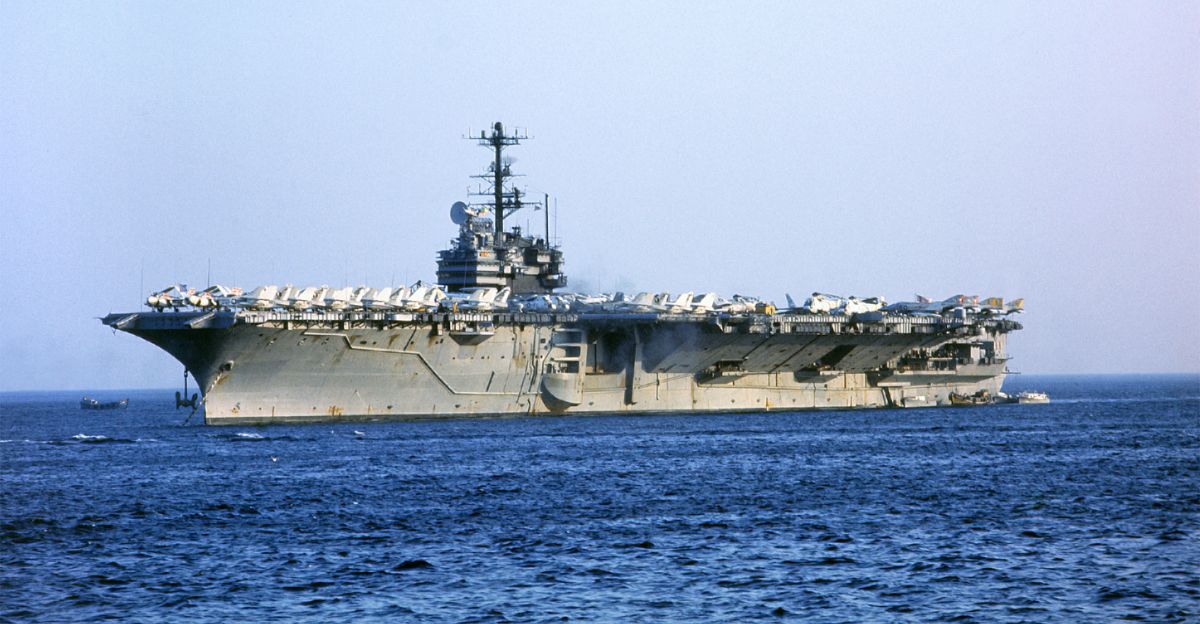
The plan used two carrier strike groups, B-2 stealth bombers, and armed drones. Trump approved a shortened version called Operation Rough Rider.
Military leaders set a clear goal: cut Houthi missiles by 70%, destroy their command posts, and restore Red Sea shipping. The stakes felt huge—for the region, global trade, and American power.
Operation Rough Rider Unleashed
On March 15, 2025, the U.S. military launched Operation Rough Rider. In 52 days, forces struck over 1,100 targets across Yemen.
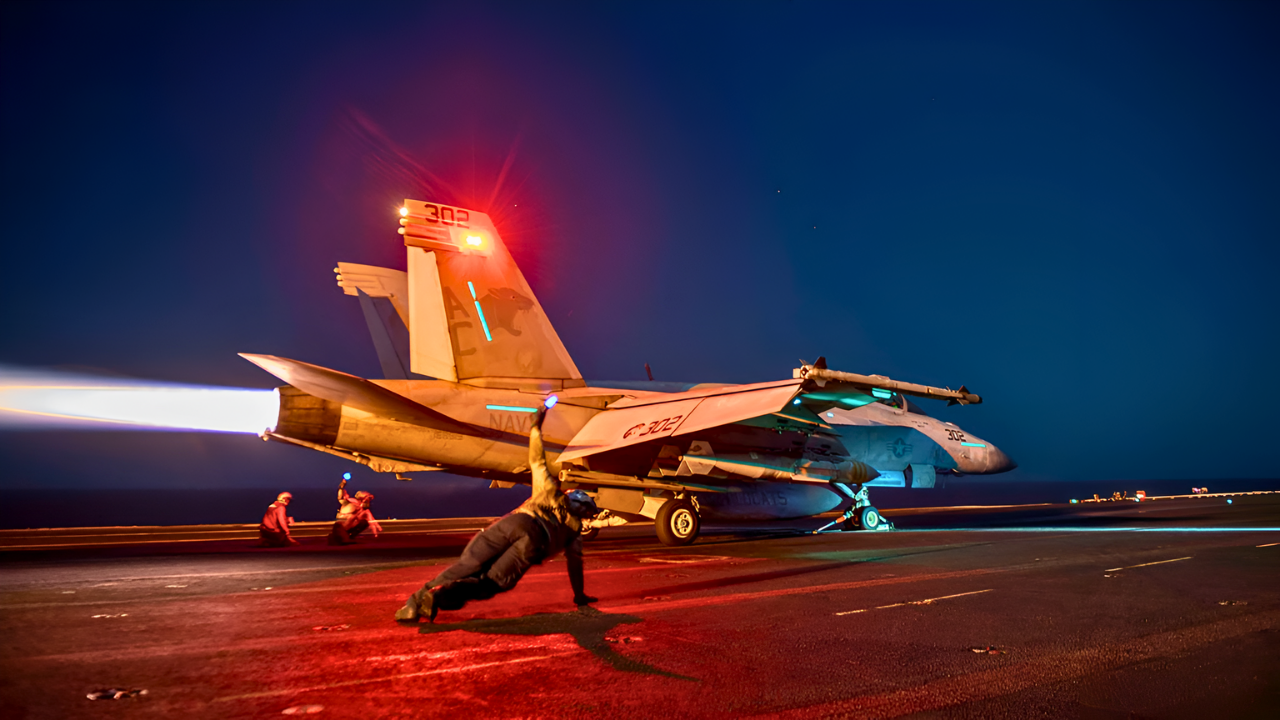
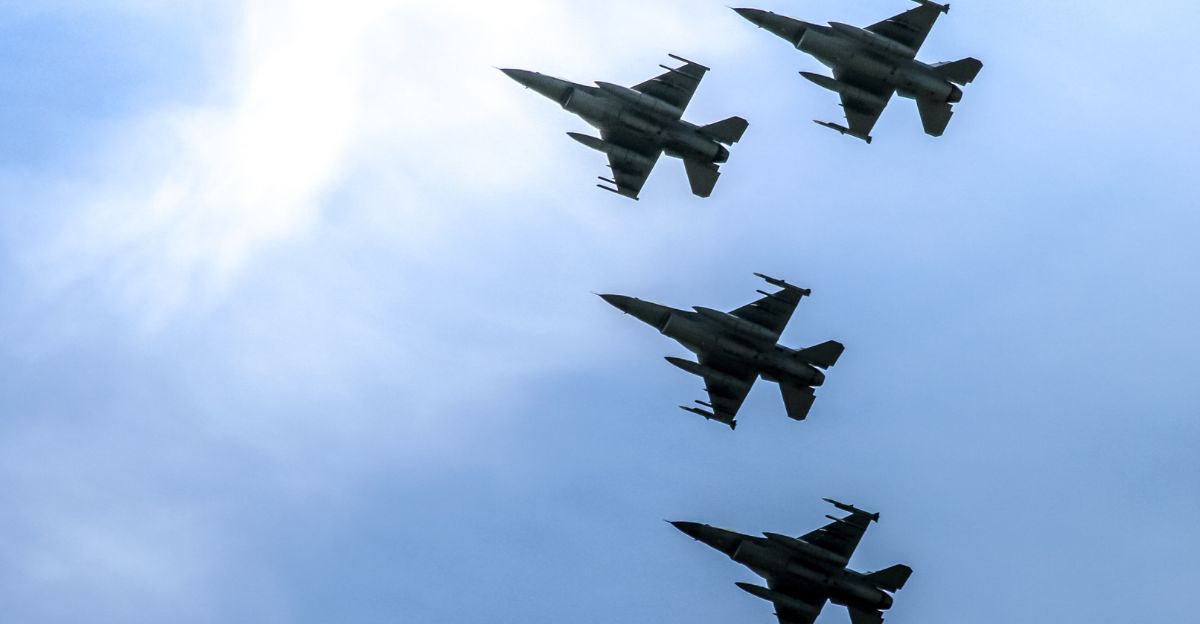
The campaign utilized F/A-18 Super Hornets from the USS Harry S. Truman and USS Carl Vinson, as well as six B-2 stealth bombers, Air Force jets, and MQ-9 Reaper drones. Attacks hit command centers, air defenses, missile storage, drone factories, and radar sites.
CENTCOM directed strikes across 13 Yemeni regions. By April 28, officials confirmed that over 800 targets had been destroyed; by late April, the count had topped 1,000. This was Yemen’s most intense bombing campaign in 34 years.
The USS Truman’s Historic Record
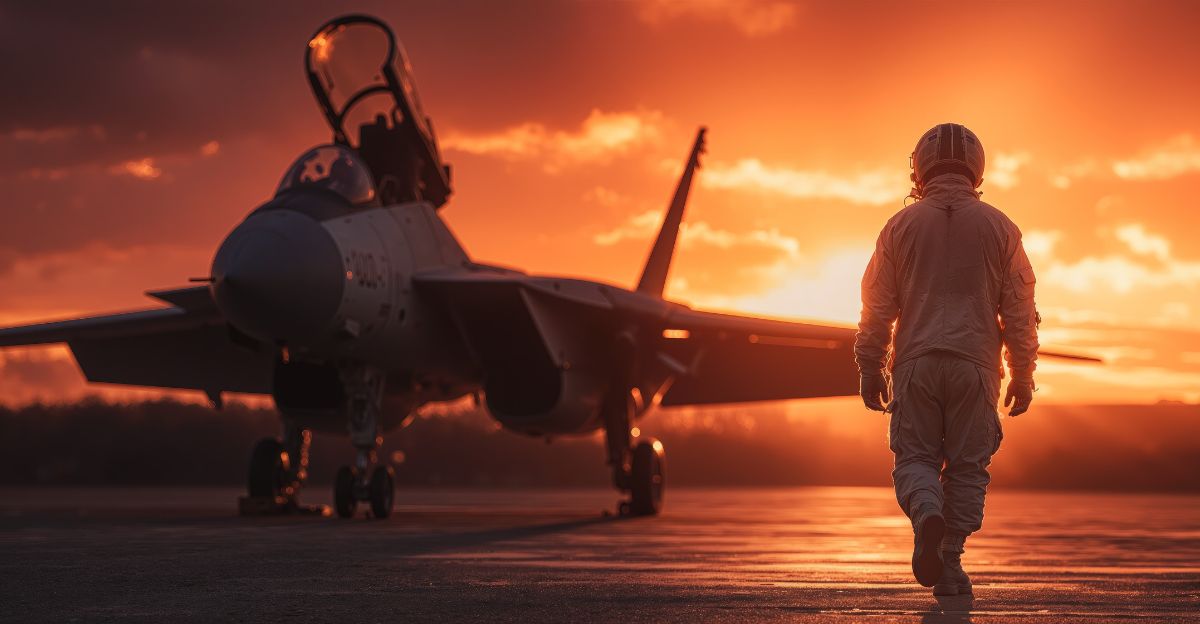
The USS Harry S. Truman led the carrier strike group, conducting 670 strikes during Rough Rider. The ship’s F/A-18 Super Hornets flew daily combat missions, usually in pairs, targeting Houthi sites.
Truman’s air wing chief reported record launch speeds—jets taking off and landing every few minutes. A single strike used 14 Super Hornets to simultaneously target a Houthi drone plant. Pilots faced heavy anti-aircraft fire but completed every mission.
The carrier operated constantly in a high-risk zone, demonstrating American strength and willingness to take risks.
B-2 Stealth and Underground Targets
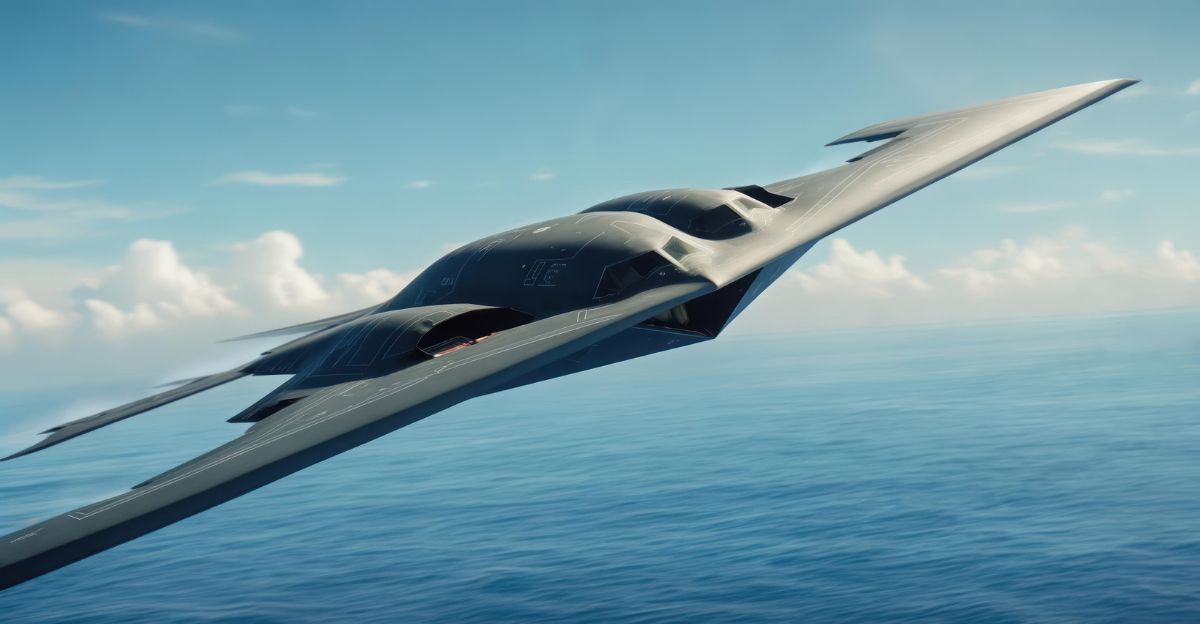
Six B-2 Spirit stealth bombers operated from Diego Garcia in the Indian Ocean, hitting targets that radar cannot detect. These planes dropped special bunker-busting bombs on underground command posts, missile storage, and fortified positions.
B-2 power worked especially well against hardened targets in cities, where precision was crucial. Each bombing run cost hundreds of thousands of dollars but hit valuable targets that no regular plane could safely reach.
Houthi leaders admitted American bombs destroyed parts of their command network. Stealth weapons—striking with no warning—caused documented fear among Houthi troops.
The Target Categories

CENTCOM divided strike targets into priority groups. Command posts directing Houthi operations came first. Air defense systems protecting missiles and drones ranked second. Ballistic missile storage and launch sites followed. Drone factories came next.
Coastal radar and maritime strike centers finished the list. Intelligence revealed that the Houthis had spread backup systems across multiple locations. As strikes destroyed confirmed sites, new intelligence revealed that some weapons had moved to civilian areas, making targeting harder.
By May, analysts reported hitting approximately 40% of Houthi ballistic missile targets and 35% of their drone production capacity.
Unprecedented Intensity
Operation Rough Rider struck at rates unseen since the 1991 Gulf War. Over 1,100 strikes in 52 days means roughly 21 strikes daily—twice the rate of Obama-era Operation Poseidon Archer, which averaged 8 strikes per day over a full year.
The campaign flew over 200 manned and unmanned flights daily at peak. Bombs totaled over 5,000 tons by the end of the campaign. CENTCOM destroyed over 300 ballistic missiles, 400+ attack drones, 15 command posts, 50+ radar systems, and multiple factories.
Costs reached $1 billion in just the first month. This was America’s most expensive Middle East air campaign since the 1991 Gulf War, also known as Desert Storm.
The Civilian Cost

Military targets were not the only casualties. Independent monitors documented 224 civilian deaths in Operation Rough Rider’s 52 days. Airwars, a civilian casualty tracking group, noted this campaign alone killed nearly as many civilians as U.S. operations in Yemen did over the previous 23 years.
One strike on a Houthi-run prison in northern Yemen killed about 90 people, including migrant workers and prisoners. Amnesty International called it a potential war crime. The civilian deaths forced hard moral choices: Houthi power weakened, but American respect in the Arab world fell.
Regional governments publicly backed the campaign but privately worried about the humanitarian toll.
American Losses Mount
The campaign cost U.S. forces dearly. Houthi air defenses shot down at least seven MQ-9 Reaper drones, each worth roughly $30 million. Combat killed two F/A-18 Super Hornets—one pilot ejected safely; the other went missing.
Other planes took damage but returned home. U.S. Navy crews reported intense and accurate anti-aircraft fire, showing Houthi defenses still posed real threats despite the bombing.
Losing advanced drones and fighters, plus the shock of pilot losses, made American leaders reconsider the operation’s cost.
Pentagon officials quietly admitted Congress would scrutinize long operations at this intensity level over expenses and danger.
The Limited Strategic Impact
Despite massive firepower, Houthi missile and drone attacks resumed during and after the campaign. CENTCOM reported 69% fewer ballistic missile launches and 55% fewer drone attacks—big numbers hiding a hard truth.
Houthi core power survived. The group quickly rebuilt its weapons, moved its forces, and adjusted its tactics. By late April, analysts saw that infrastructure fell and people died, but the organization stayed functional.
The Houthis’ willingness to endure bombardment showed that ideology mattered more than losses. Experts compared the campaign to fighting a hydra: each strike destroyed a facility, but the underlying organization lived on.
Oman Brokers Unexpected Ceasefire

On May 6, 2025, after just 52 days of constant bombing, President Trump announced a ceasefire brokered by Oman. Military planners had expected months of further fighting, so the sudden announcement shocked them.
Trump said the campaign succeeded, and more strikes risked destabilizing the region. The public ceasefire terms stayed vague. Behind closed doors, analysts guessed the deal reflected cost calculations: the operation spent billions on bombs, lost high-tech planes, drew humanitarian criticism, and failed to fully destroy Houthi power.
The quick end suggested either a new strategy or political pressure to claim victory. Experts immediately wondered if the ceasefire would hold.
Expert Skepticism and Unresolved Questions

Military experts, think tanks, and regional analysts doubted that Operation Rough Rider achieved lasting results. Wall Street Journal sources quoted unnamed Pentagon officials who doubted that weakened capabilities would prevent future attacks.
Houthi leaders quickly stated that their organization was still operational and would continue targeting ships. Insurance companies continued to keep Red Sea shipping rates high even after the ceasefire. Congressional analysts noted that the $1 billion monthly cost was not sustainable in the long term.
The operation’s pattern—massive force followed by a quick exit—showed no long-term Houthi prevention plan. Experts predicted that without addressing the root causes or finding political solutions, maritime attacks would resume within months.
The Unfinished Chapter

Operation Rough Rider raised hard questions. Can bombing campaigns win when enemies have ideology and outside support? Does destroying things equal political victory?
Most importantly: Did this 52-day campaign bring lasting Red Sea peace or just delay the next fight? By November 2025, Houthi attacks resumed at lower rates. The campaign’s final meaning remained disputed. Military officials claimed success; critics noted Houthis survived mostly intact.
The operation showcased American military might at full strength—yet its true value remained unclear. One fact emerged: Operation Rough Rider changed the battlefield but maybe not the war.