
After years of intense testing and development, the US Navy’s laser weapons program has entered a revolutionary new phase. By firing precise, destructive energy at the speed of light, directed-energy weapons, especially high-energy lasers, offer revolutionary capabilities and drastically reduce the cost-per-shot when compared to conventional kinetic missiles. These systems, in contrast to traditional arms, are powered by the ship’s power plants, allowing for an almost infinite firing capacity as long as fuel is available.
Lockheed Martin’s HELIOS system is an example of the newest generation of naval lasers, which combine powerful fiber lasers with sophisticated targeting and optical dazzling to create multifunctional defensive tools against cruise missiles, small boats, and drones. With almost instantaneous target neutralization, this technological advancement not only increases lethality but also changes naval combat strategy to counter new asymmetric threats.
The Evolution of US Navy Laser Weapons Throughout History
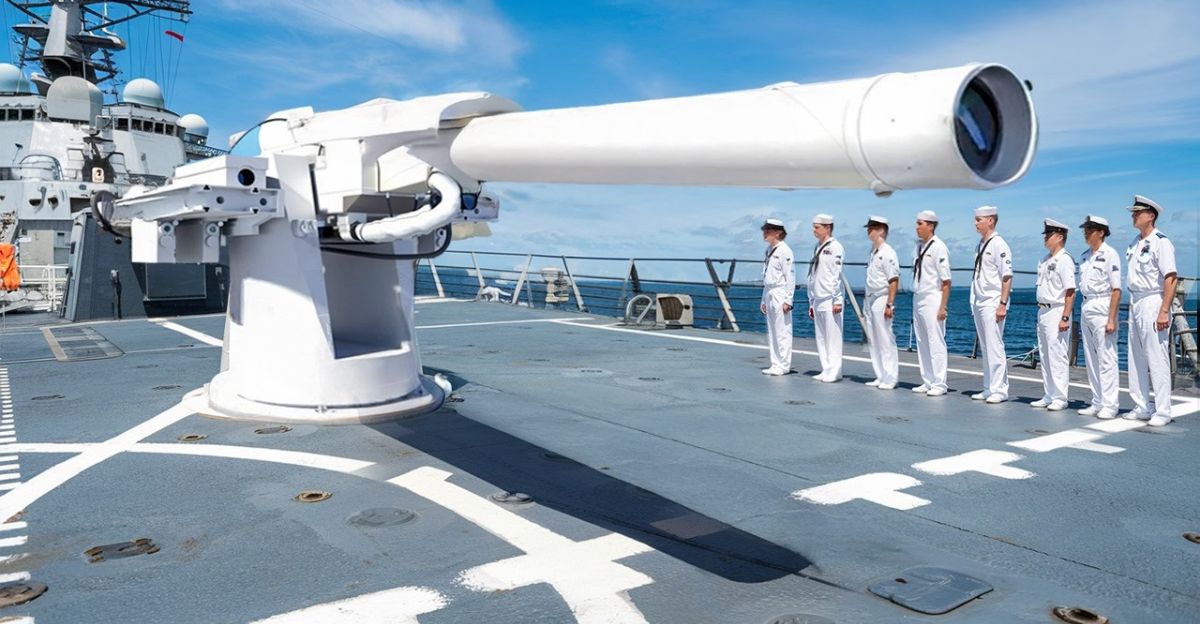
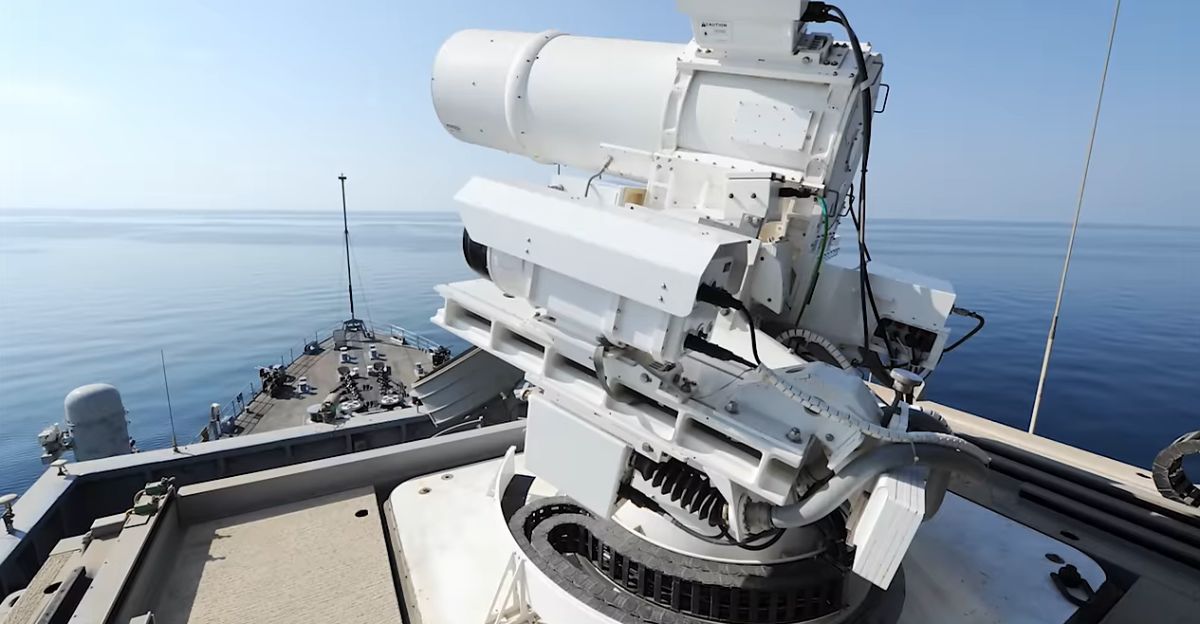
Prototypes like the AN/SEQ-3 Laser Weapon System (LaWS), which was deployed on USS Ponce in 2014, marked the beginning of the journey by proving viability against low-end asymmetric threats like small boats and uncrewed aerial vehicles (UAVs). LaWS demonstrated that, for a fraction of the price of a missile, lasers could quickly destroy drones by overheating sensors or motors.
Although mass production was hindered by operational issues, LaWS established the foundation for sophisticated systems. Development advanced through the 2010s and the first part of the 2020s with demonstration projects like the Layered Laser Defense (LLD), which successfully tested against a variety of aerial drones and cruise missile surrogates and included AI-driven targeting and enhanced power.
Innovations and Trends in Technology
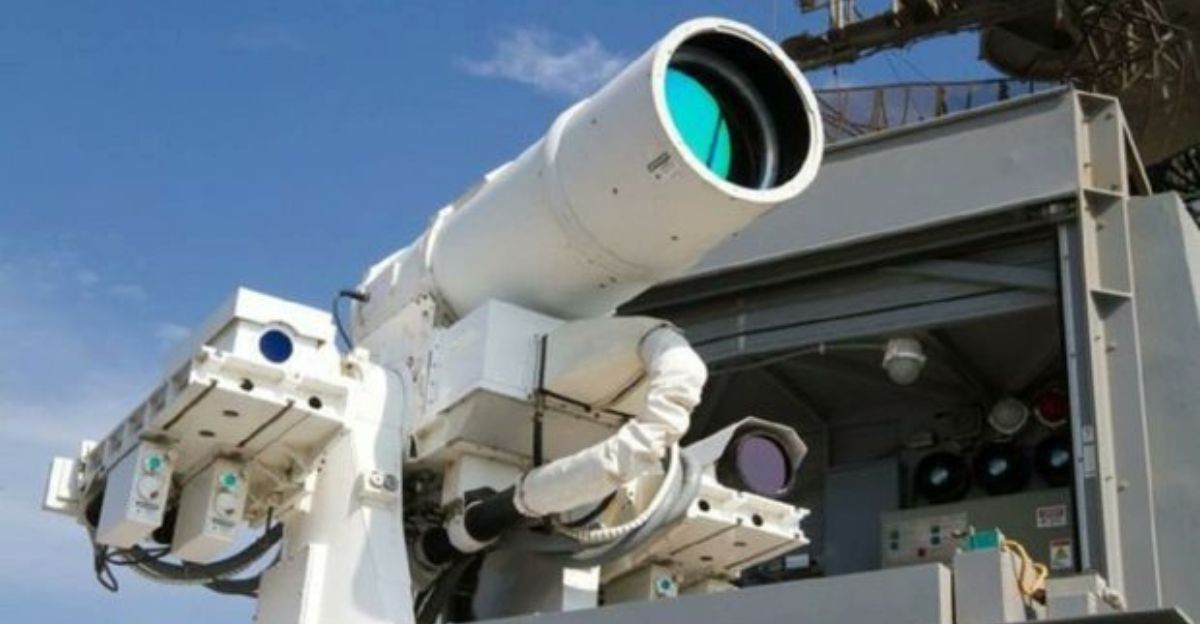
Recent developments, such as the ongoing “SONGBOW” project, combine several 50-kilowatt fiber lasers to create a single, stronger beam that can reach 400 kilowatts. This modular approach reduces the complexity of individual components while improving precision and power scalability. Sophisticated beam shaping and high-bandwidth wavefront control enhance targeting against small, swarm, or fast-moving threats such as drone swarms and hypersonic missiles.
By optimizing laser targeting, AI integration enables simultaneous engagements and adjusts to a variety of battlefield conditions. In the future, lasers with multipurpose capabilities, such as the ability to blind enemy sensors, will be scalable up to 150 kW or more, offering a layered defense that combines hard-kill and soft-kill effects.
Operational Difficulties in Deploying Laser Weapons
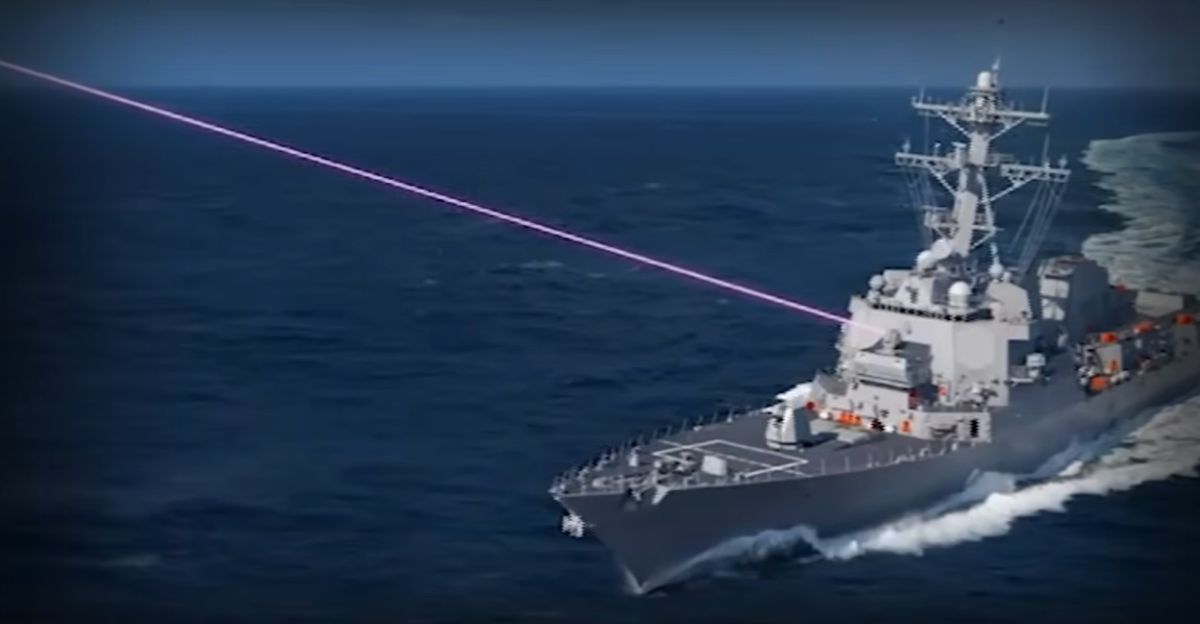
Even with remarkable advancements, laser weapons still face many obstacles. Laser beams are less effective when they are attenuated by atmospheric factors like fog, rain, or dust. Because of the enormous energy required, power generation and heat dissipation aboard ships continue to be engineering challenges. It takes intricate hardware and software synchronization to integrate laser systems with current combat and sensor suites.
Target reflectivity and maneuverability affect lasers’ effective range and engagement time. Therefore, traditional interceptors may still be necessary for larger, heavily shielded targets, even though lasers are excellent against drones and small boats. Improving AI targeting algorithms, power management, and optics are necessary to overcome these constraints.
Innovations and Strategic Solutions

In order to overcome these obstacles, the US Navy is simultaneously developing small, modular laser architectures and intelligent control systems that can dynamically modify output in response to environmental feedback or coalesce beams. Lasers can be successfully integrated with Aegis combat systems for quick threat assessment and engagement, as shown by programs like HELIOS.
Modern destroyers with fuel-efficient power plants can operate lasers without compromising other shipboard capabilities. Adaptive optics research makes real-time adjustments for atmospheric distortion. Additionally, combining kinetic defenses with lasers results in a multi-tiered shield that maximizes operational resilience and resource utilization by using missiles to counter more powerful threats and lasers to handle low-cost, high-volume threats.
Special Combination of AI and Self-Driving Systems

AI is transforming the effectiveness of laser weapons by offering much faster threat identification, tracking, and engagement decision-making than humans can. Concurrent multi-target laser engagements are made possible by integrated AI algorithms that evaluate and rank numerous incoming threats. This ability is essential for thwarting the use of cruise missiles and inexpensive drones in increasingly prevalent swarm tactics.
A paradigm shift has been made possible by the combination of autonomous targeting and precision energy beams, which enables ships to defend themselves both proactively and reactively against intricate surface and aerial threats with little assistance from the crew. In high-threat areas, these systems promise increased operational speed and decreased human risk.
Risks and Restrictions
Given environmental limitations and possible adversaries’ countermeasures, such as reflectors or smoke screens to negate beams, skeptics warn that reliance on lasers could lead to overconfidence. Despite being less expensive per shot than missiles, the development and deployment costs entail significant R&D expenditures as well as ship modification costs.
Since blinding laser weapons are illegal under international law, ethical concerns about careless use or unintentional blinding still exist. Furthermore, an arms race that upsets naval balances could be sparked by technological surprise from near-peer adversaries with rival directed energy programs. Proponents counter that continuous improvements improve cost-effectiveness and reliability by continuously addressing these constraints.
Broader Implications for Industry and Defense
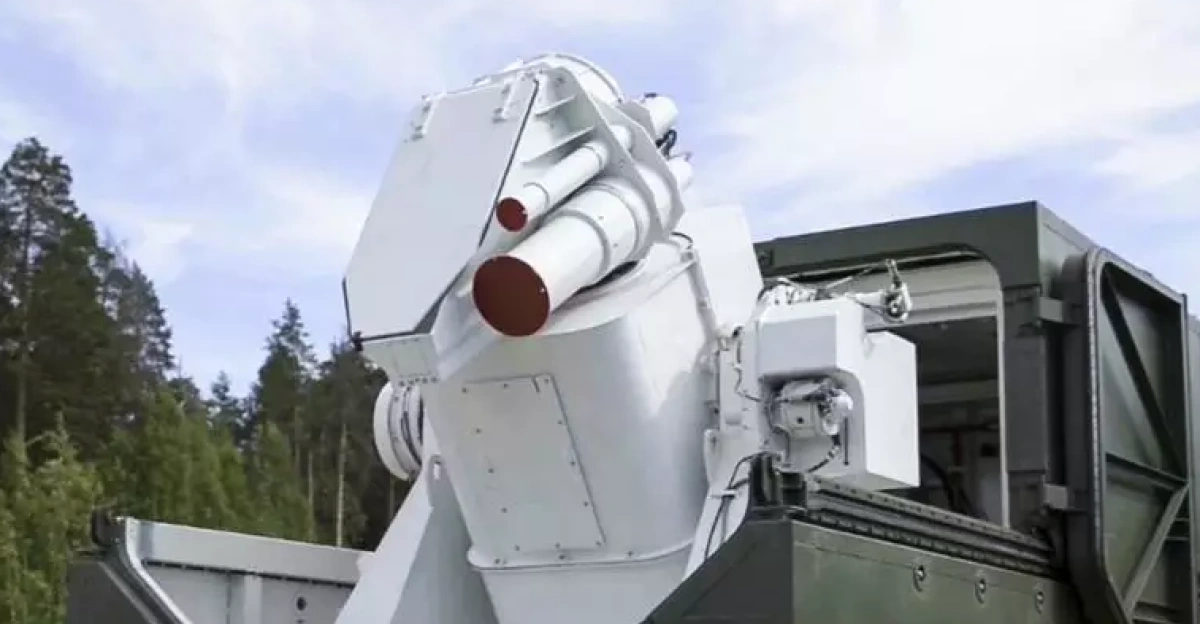
Beyond naval warfare, the laser weapons revolution has an impact on Army and Air Force directed-energy programs for missile defense and counter-UAV missions. Lasers are becoming more and more appealing for other domains, such as aircraft, ground vehicles, and even space-based platforms, as production scales and technology improves and costs decrease.
In order to support economic growth and technological leadership, the US defense industrial base, which includes Lockheed Martin, Raytheon, and Northrop Grumman, has made significant investments in growing directed energy portfolios. This drive is in line with more general strategic imperatives that prioritize precision engagement, electronic warfare, and sustainable military logistics.
Historical Parallels and Insights

The revolutionary military technologies of the past, such as radar in World War II, missile defense in the Cold War, or precision-guided munitions in more recent decades, are reminiscent of the current laser weapons push. Every technological advancement changed geopolitical dynamics, operational concepts, and doctrines.
In a similar vein, laser systems promise to replace costly consumable munitions with virtually limitless, extremely accurate energy-based systems, increasing the sustainability and potency of naval defense. Underestimating integration challenges and tactical adaptation requirements is a common cause of historical resistance to new technology; modern developers actively apply these lessons to accelerate operational readiness and acceptance.
Increasing the Use of Tactical Applications

Future laser versions could engage hypersonic glide vehicles moving at extremely high speeds, transforming missile defense beyond taking down drones and incapacitating boats. Compared to conventional radar-guided interceptors, this near-light-speed weapon could intercept threats more quickly, significantly reducing reaction times.
Low-power dazzlers can also interfere with enemy targeting and reconnaissance sensors, obliterating enemy systems without using deadly force and facilitating clandestine operations. By providing commanders with sophisticated options tailored to conflict intensity and ethical frameworks, this dual-use nature increases battlefield versatility.
Cost and Environmental Benefits

Beyond their tactical advantages, lasers also lessen the logistical and expensive burden of missile inventories. The estimated electrical power costs for each laser shot range from $1 to $10, which is a small portion of the hundreds of thousands to over a million dollars spent on missiles.
Persistent defenses against low-cost, high-volume threats are made possible by this striking cost advantage. In terms of the environment, fewer missile launches translate into less debris and pollution in operational theaters. Furthermore, lasers’ electric nature supports energy efficiency and sustainability in future fleets by matching naval trends toward all-electric ships.
Strategic and Psychological Deterrence
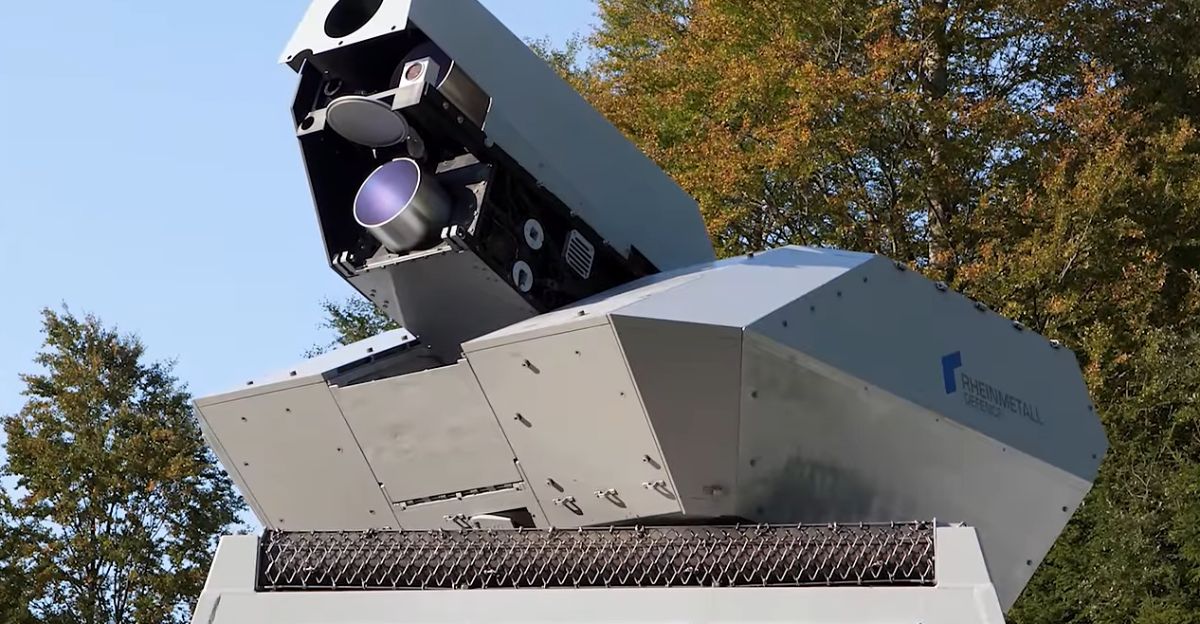
By indicating advanced technological superiority, the presence of visible, fast-firing laser defense produces psychological deterrence. Adversaries may rethink using swarm tactics or more aggressive incursions if they are aware that their drones or small craft can be instantly destroyed.
By influencing enemy behavior and potentially preventing conflict escalation, this intimidation element supports physical defense. By challenging traditional ideas of power projection, the laser’s silent, instantaneous engagement gives naval presence and deterrence doctrines a new dimension.
The Ecosystem of Laser Combat
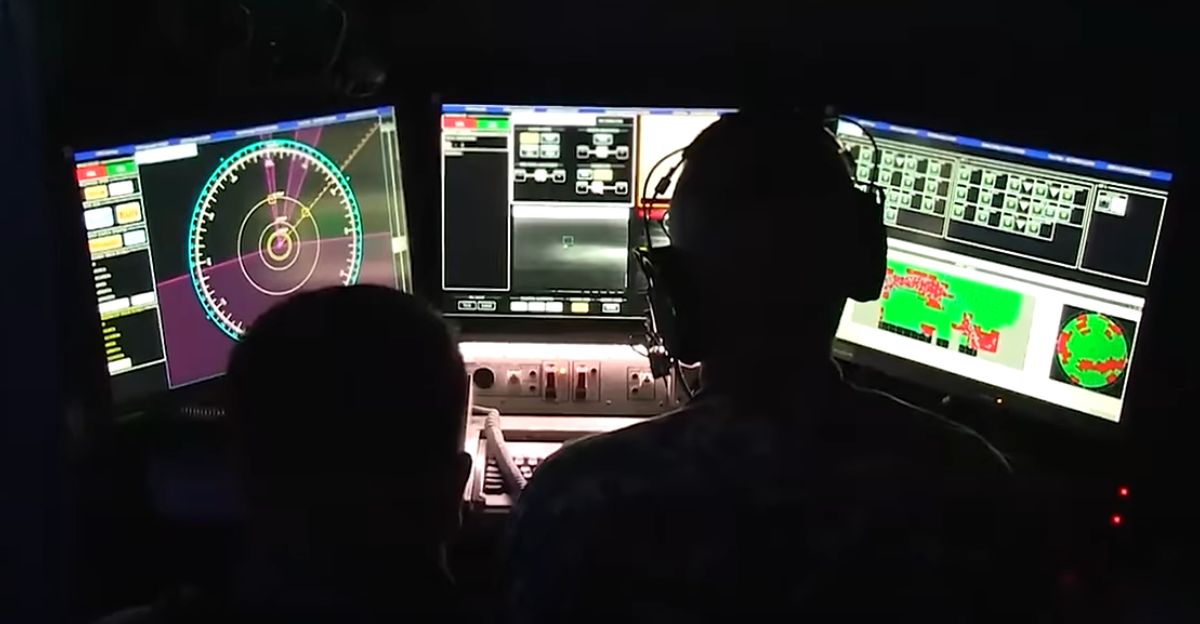
As the fundamental components of a “Laser Combat Ecosystem,” the new laser weapons could be thought of as combining sensors, AI-powered data fusion, layered directed-energy weapons, and complementary missile systems into a single defense platform.
Feedback loops in this ecosystem react dynamically: ships coordinate to maximize area defense; AI algorithms modify targeting and power levels; and laser effects feed sensor data for damage assessment. Such a comprehensive framework maximizes fleet survivability and combat system synergy beyond single-weapon utility.
HELIOS and USS Preble Testing

The HELIOS laser is being tested on the USS Preble (DDG-88), which successfully destroyed UAVs in actual maritime environments in 2024 and the first part of 2025. HELIOS validated concept-to-combat cycles by showcasing smooth engagement from target detection to laser firing when integrated with Aegis combat systems.
These tests indicate readiness for wider fleet integration by bridging the gap between prototypes and operational capability. Faster iterations and deployments are fueled by Preble’s success, which stimulates funding increases for related directed energy projects.
Impact on Naval Engagement Strategies
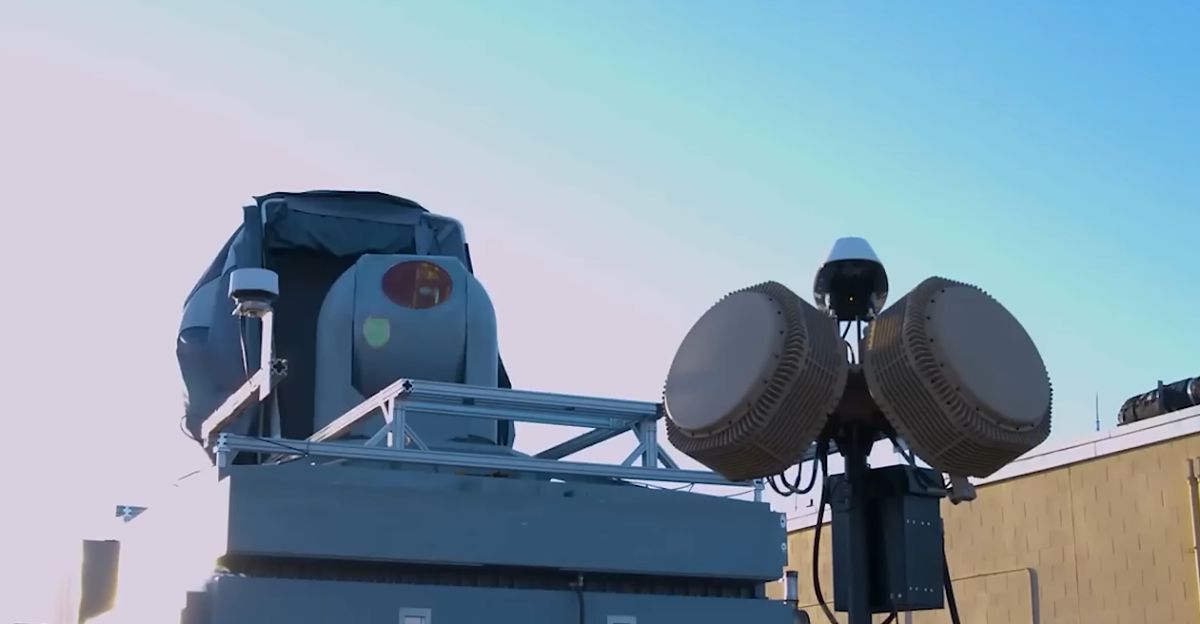
By allowing for longer and more consistent defense against saturating attacks, laser weapons radically change naval engagement. Laser-equipped ships can quickly and efficiently handle multiple threat vectors, minimizing the need for costly missile interceptors and preserving salvo sizes for strategic attacks.
The idea of distributed lethality, in which more numerous, smaller ships retain their ability to strike and survive, is supported by this change. Additionally, lasers aid in the development of multi-domain resilient fleets ready for challenging future conflicts when paired with electronic warfare and cyber defense.
Effects on Warfare at the Second and Third Orders
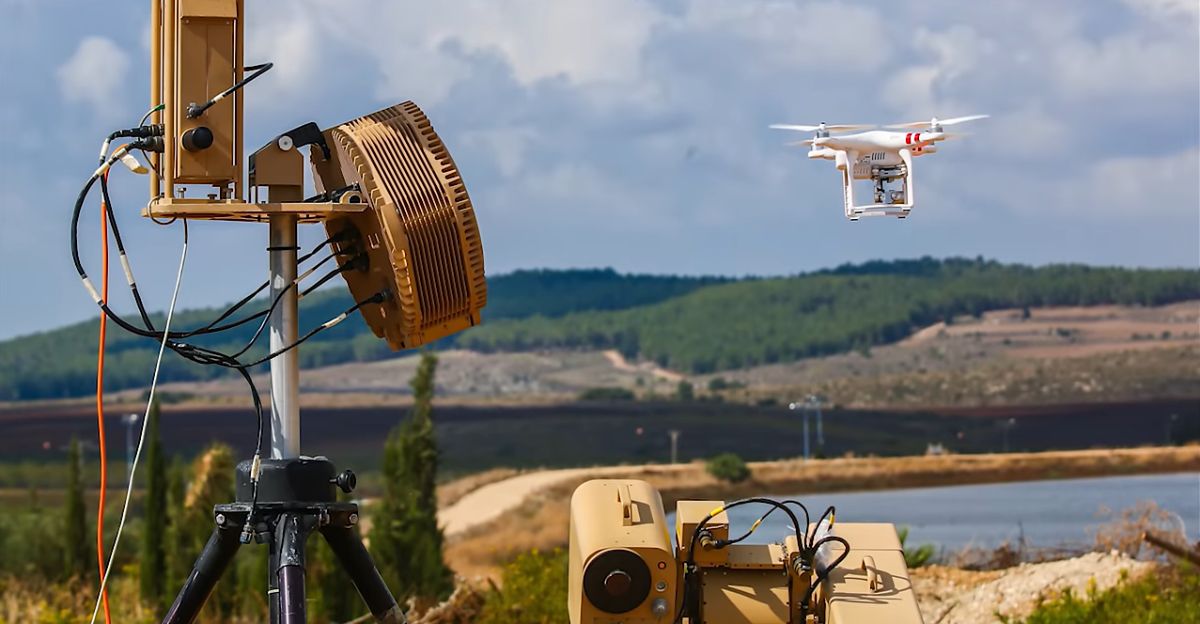
The economics of warfighting and defense will be impacted by the integration and proliferation of naval lasers. Military budget priorities may shift away from traditional platforms in favor of directed-energy doctrine, force structures, and training.
An arms race in directed and counter-directed energy fields could result from adversaries looking for countermeasures like electronic warfare jamming or laser-resistant coatings. Dual-use spin-offs in manufacturing, energy management, and telecommunications may benefit civilian sectors, demonstrating broad societal effects outside of the battlefield.
The Integration of Hypersonic Dangers

The potential of laser weapons is increased by their capacity to defeat hypersonic threats, which move faster than any intercept missile currently in use. The goal of the US Navy’s ongoing projects is to develop the strength and accuracy required to detect and eliminate hypersonic glide vehicles, a new threat in contemporary warfare.
By successfully intercepting lasers, adversaries would lose the unmatched speed advantage that hypersonics offer, maintaining strategic equilibrium and safeguarding vital resources. By replacing kinetic interceptors with instantaneous energy-based neutralization, this capability has the potential to rethink missile defense completely.
The Integration of Hypersonic Dangers

The potential of laser weapons is increased by their capacity to defeat hypersonic threats, which move faster than any intercept missile currently in use. The goal of the US Navy’s ongoing projects is to develop the strength and accuracy required to detect and eliminate hypersonic glide vehicles, a new threat in contemporary warfare.
By successfully intercepting lasers, adversaries would lose the unmatched speed advantage that hypersonics offer, maintaining strategic equilibrium and safeguarding vital resources. By replacing kinetic interceptors with instantaneous energy-based neutralization, this capability has the potential to rethink missile defense completely.
Market expansion and industry investment
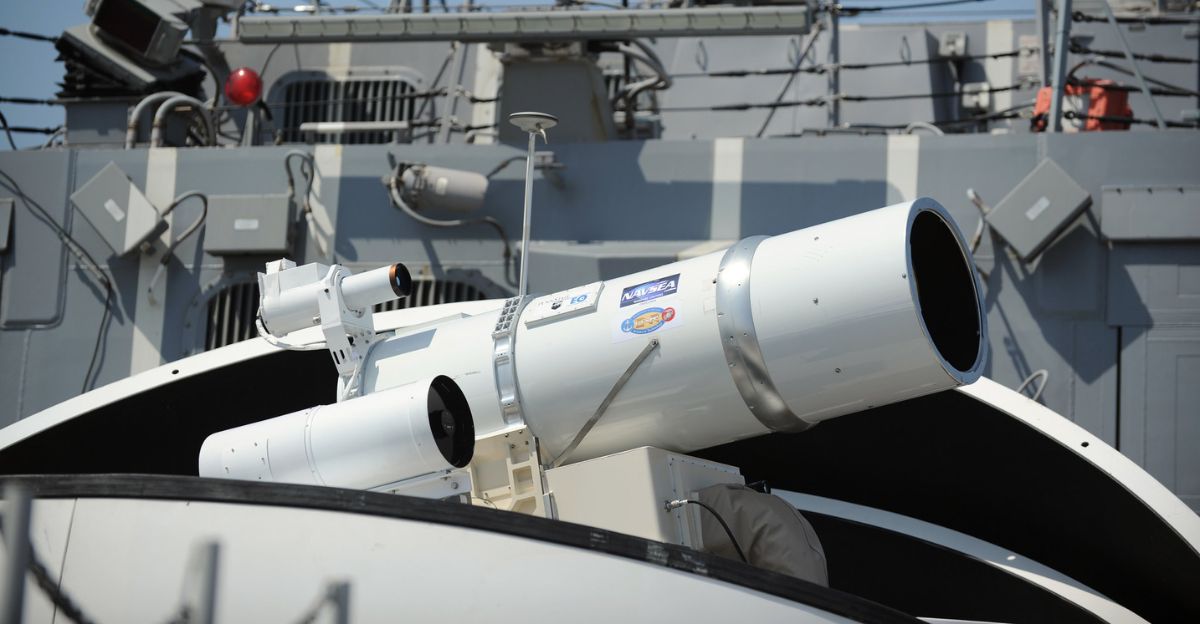
The market for military laser systems in North America is an example of rapidly expanding interest and commercialization. Currently valued at $1.82 billion in 2024, it is expected to grow at an annual rate of 8.38% to reach $3.75 billion by 2033, driven by air, ground, and naval applications.
This market expansion highlights strategic imperatives to maintain technological advantage and reflects government prioritization and industrial capacity-building. The US maintains its position as the world leader in directed-energy weapons thanks to the collaboration of the public and private sectors in innovation, production, and operational deployment.
Conclusion
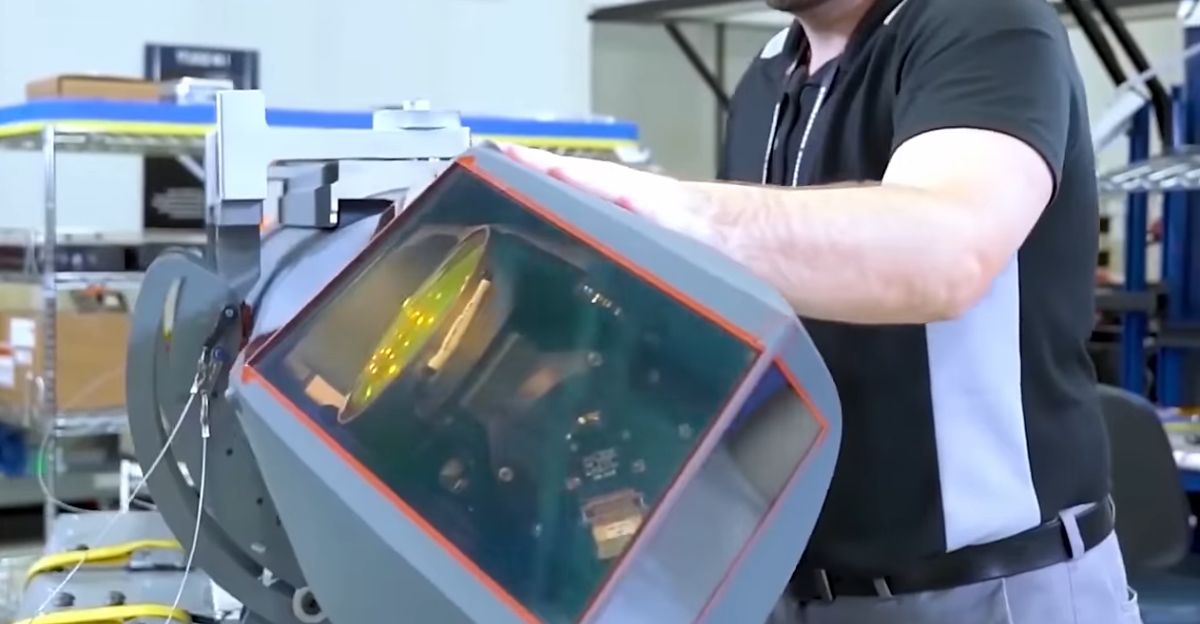
Following decades of testing, development, and small-scale innovation, US Navy laser weapons have entered a new, operationally mature phase. These weapons promise revolutionary improvements in defense sustainability, tactical adaptability, and cost-effectiveness.
The Navy is setting the standard for a future in which threats are dealt with precisely and economically at the speed of light by combining robust directed-energy systems with AI and advanced targeting. Despite ongoing difficulties, field integration and research show that laser weapons are strategic game changers rather than science fiction. A fundamental shift in warfare for decades to come is highlighted by the ripple effects on naval doctrine, defense economics, and international power dynamics.