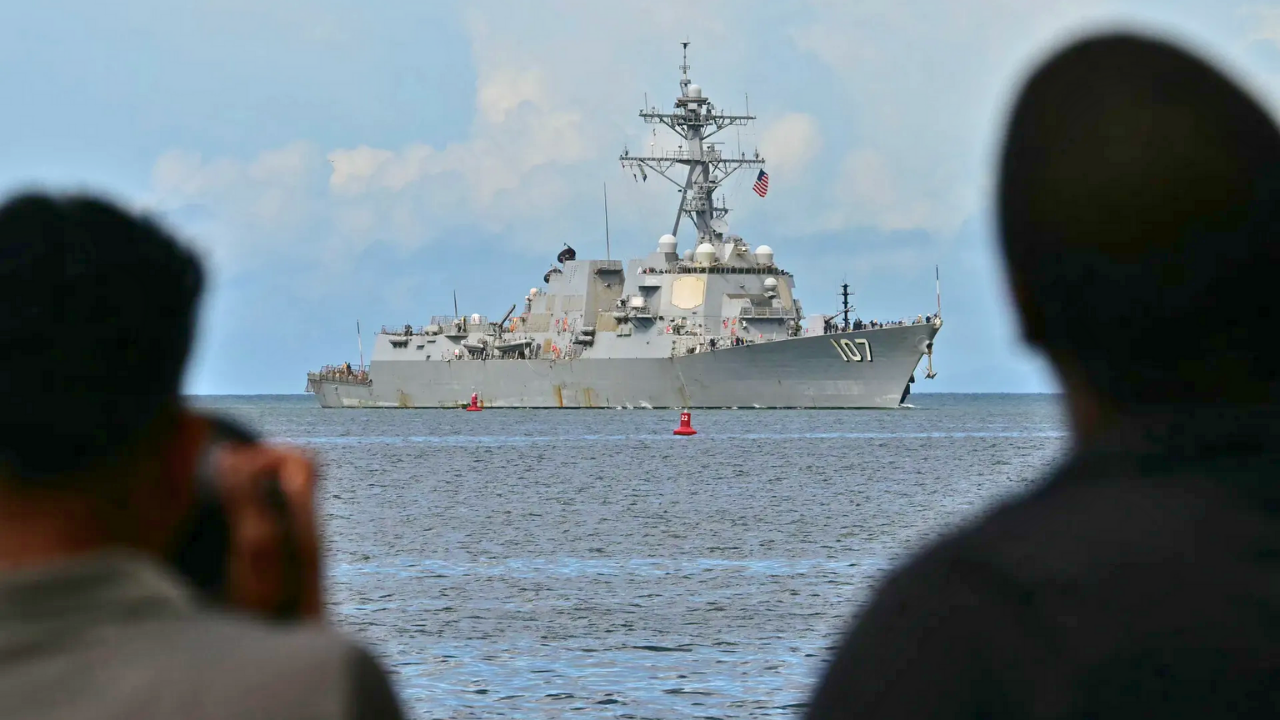
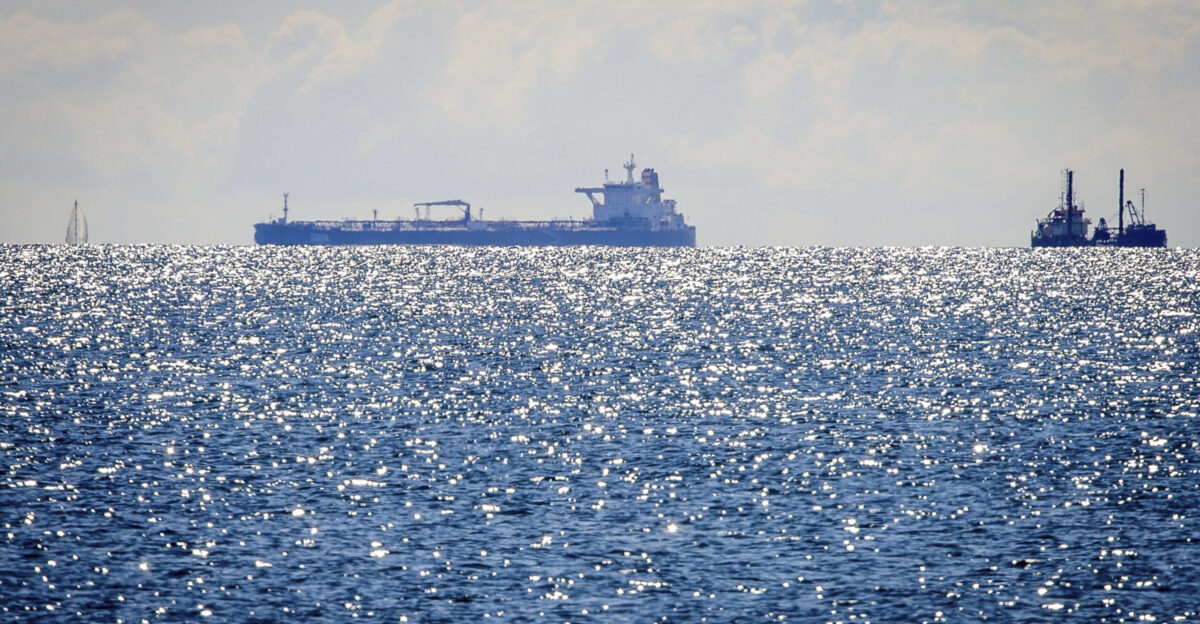
November 13, 2025, marked a moment when the stakes of global power shifted in plain sight. A single American warship—the USS Stockdale—positioned itself directly in the path of a Russian tanker called the Seahorse near Venezuelan waters.
The sanctioned vessel carried 30,000 tons of naphtha, a light fuel distillate worth hundreds of millions. It never made it. The Seahorse turned toward Cuba. No shots fired—no dramatic confrontation. Just seconds of decision that will reshape Caribbean geopolitics for years to come.
The Fuel That Powers a Regime
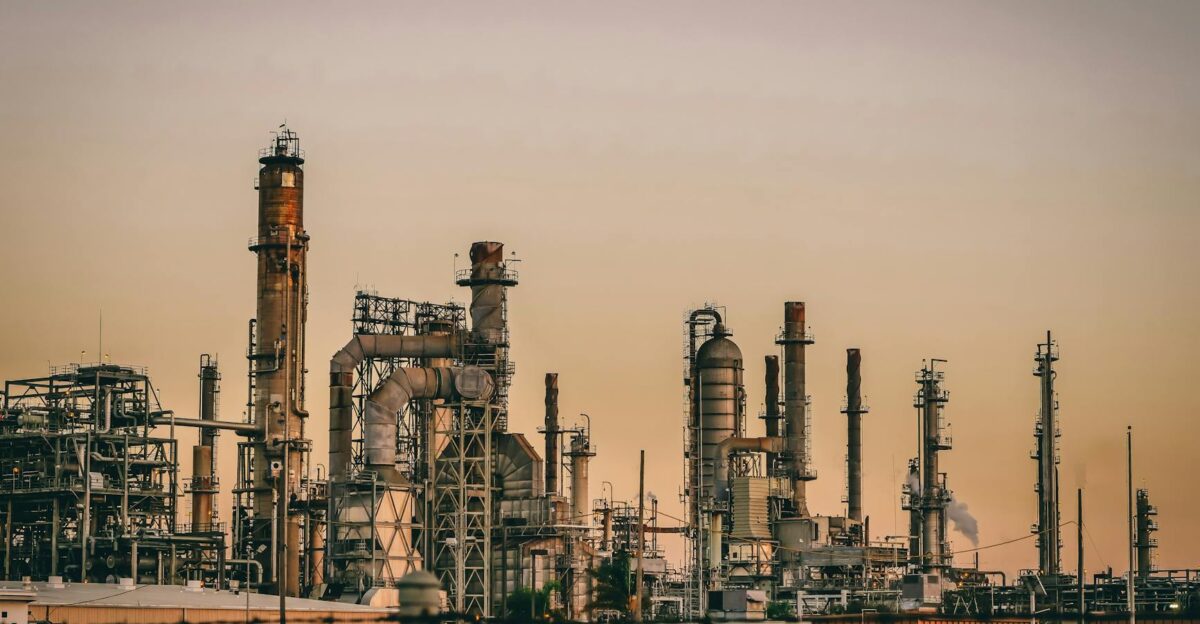
Venezuela’s economy doesn’t just depend on oil. It depends on one specific thing: naphtha. Without this light distillate, Venezuela cannot dilute its extra-heavy crude. Without dilution, the oil won’t flow through pipelines. Without exports, Nicolás Maduro has no hard currency and no means to sustain his regime.
For decades, America supplied this critical fuel. In February 2025, Washington cut off that supply as part of its sanctions regime. Russia stepped into the void, sending 69,000 barrels daily—a lifeline Moscow carefully calibrated to keep Caracas dependent but not comfortable. The Seahorse carried enough naphtha for weeks of production. It represented survival.
Ambush at Sea
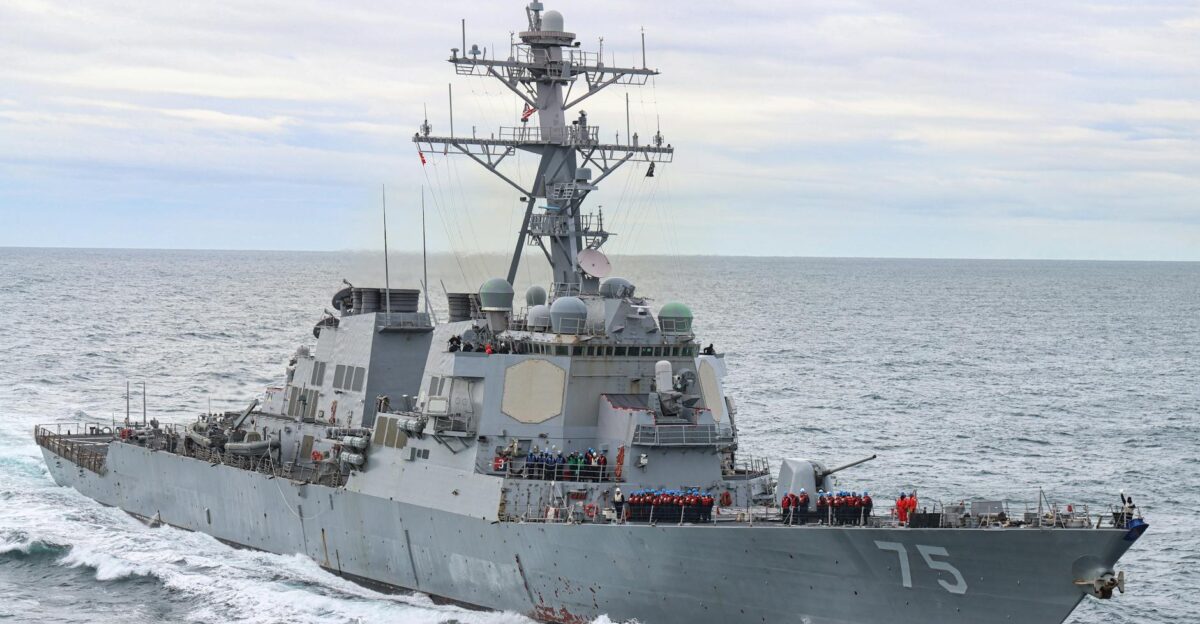
The Seahorse refused to accept defeat quietly. Between November 13 and 20, the tanker attempted the journey three times. Three times, American destroyers materialized in its path. Three times, the Seahorse retreated, its course redirected, its mission postponed.
By mid-November, the vessel sat silent in open water, its automatic identification system broadcasting two words: “Awaiting Orders.” Moscow wasn’t backing down. Neither was Washington. This was a test of wills disguised as maritime logistics.
The Breakthrough That Wasn’t
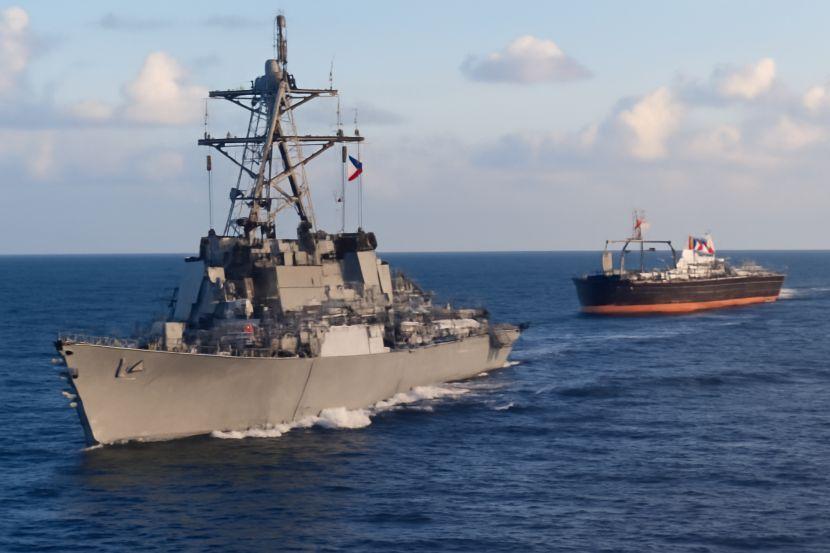
On November 23, something shifted. The Seahorse reached Venezuelan territorial waters. Moscow declared victory. The blockade had been broken. Russian fuel would flow again. The headlines suggested triumph.
But the real story was darker for Moscow. It had taken Russia two weeks and multiple failed attempts to move a single tanker—a journey that once took just days. Washington had sent a message in stark terms: Russian fuel shipments no longer have guaranteed safe passage. The Kremlin could occasionally breach the blockade through sheer persistence, but maintaining a steady supply? Impossible.
The Arsenal Arrives
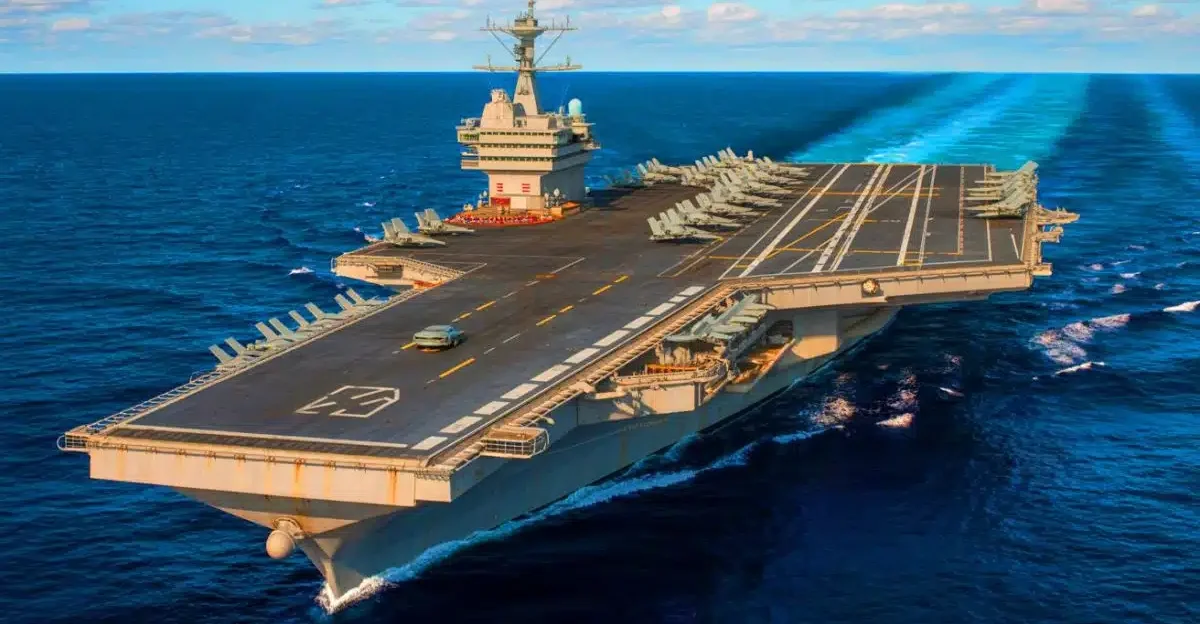
The USS Stockdale didn’t work alone. In mid-November, the nuclear-powered USS Gerald R. Ford—the world’s largest warship at 100,000 tons, valued at 13 billion dollars—entered Caribbean waters. Over a dozen additional U.S. warships followed. Fighter squadrons of F-35s. Surveillance aircraft. B-52 bombers. All converging on a region Washington officially calls a counter-narcotics zone.
This represents the most extensive continuous Caribbean deployment since the Cold War ended. The scale is staggering. The purpose is unmistakable.
When Deception Meets Destroyers
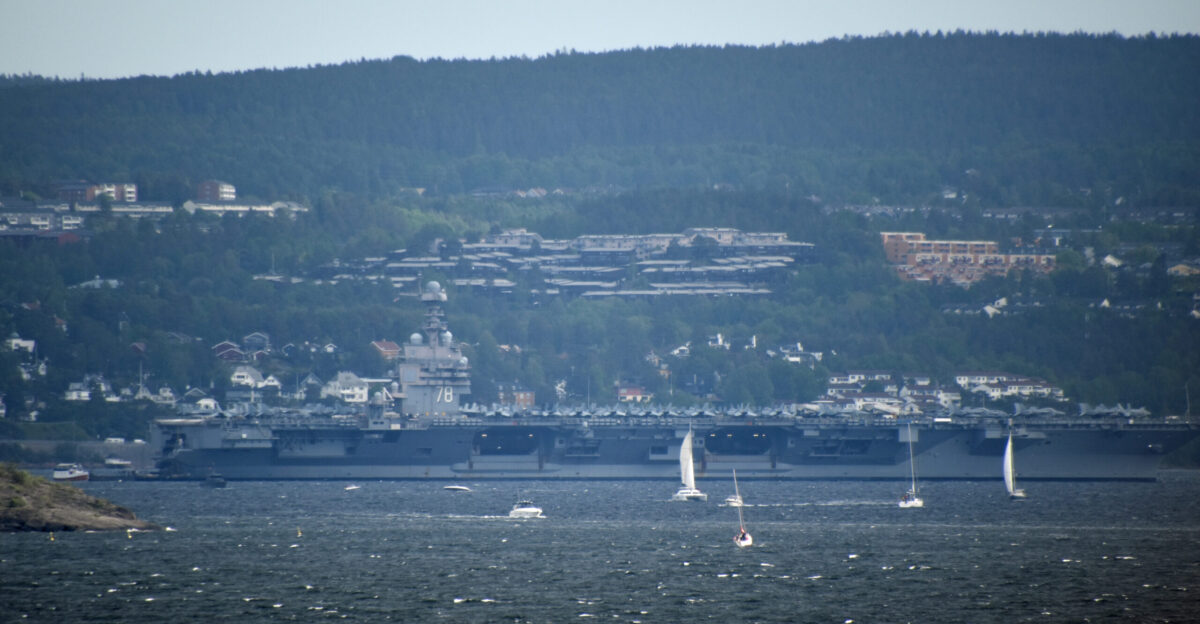
Russia’s “shadow fleet” is clever. These sanctioned tankers frequently change names and flags, slip through financial surveillance with forged documentation, and evade detection through bureaucratic misdirection. It’s the art of sanctions evasion perfected. But shadow fleets have no answer for a destroyer positioned directly across their bow.
The USS Stockdale’s interception revealed an uncomfortable truth for Moscow: financial cleverness cannot overcome American naval dominance. Russia can build shadow fleets with unlimited creativity. Russia cannot challenge America’s military superiority in the Caribbean, not yet, not without risking everything.
Maduro’s Missiles and Empty Promises
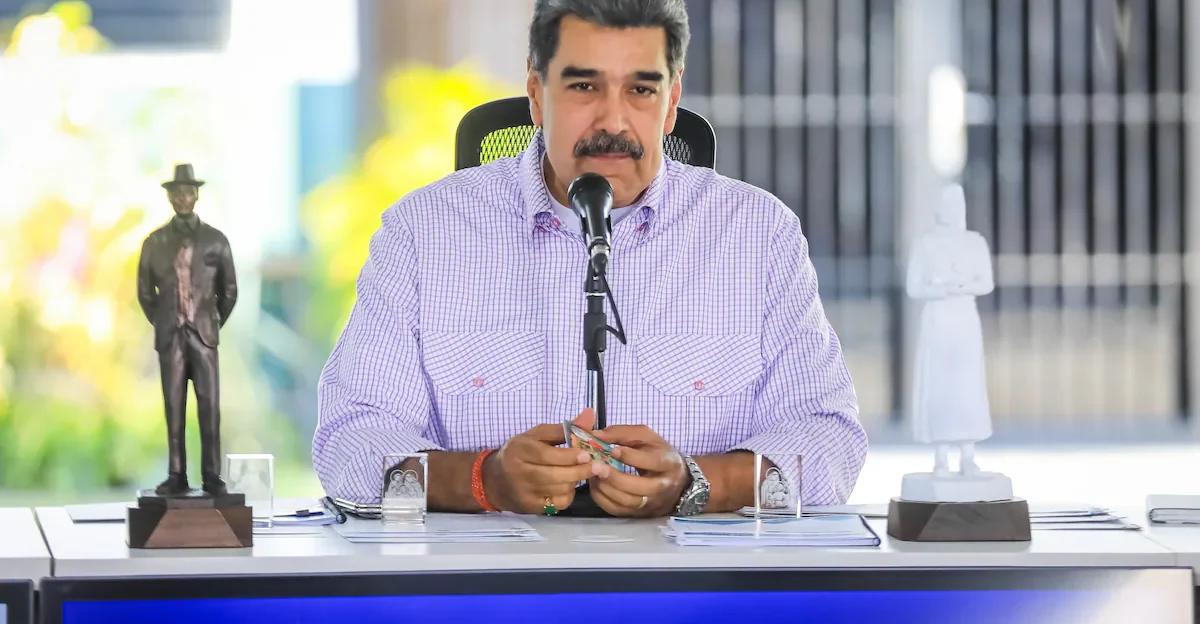
Maduro claims Venezuela has 5,000 Russian Igla-S surface-to-air missiles deployed across the country—”in every mountain, every town, and every city,” he says. These systems strike aircraft up to 3,500 meters. Impressive on paper. Useless against destroyers operating outside territorial waters.
In early November, Venezuelan military exercises called “Caribe Soberano 200” showcased defensive readiness. Missiles were paraded. Troops mobilized. Announcements were made. It was theater designed to reassure Caracas that it could defend itself.
Moscow’s Careful Calculation
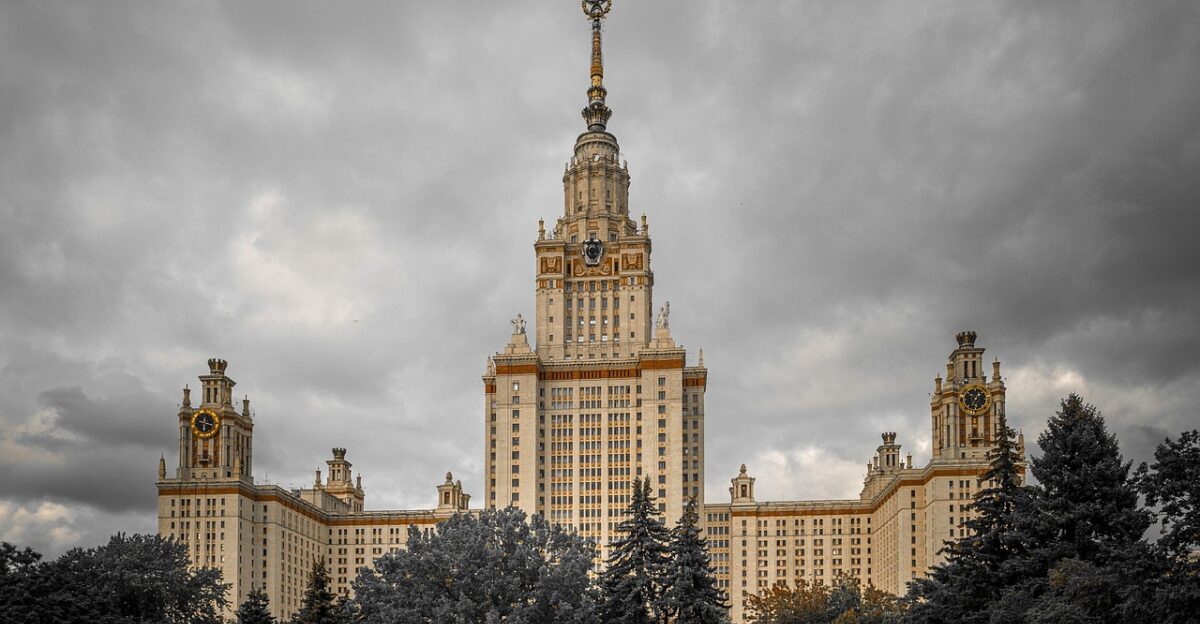
Russia hasn’t withdrawn. It’s simply becoming more cautious. Kremlin spokesman Dmitry Peskov released carefully parsed statements about maintaining “constant working contact” with Caracas and honoring “contractual obligations.” Translation: Russia has commitments to Venezuela but isn’t ready for direct military confrontation with American forces in the Caribbean.
When explicitly asked about military assistance, Peskov offered vague assurances. The message was clear through its ambiguity: Moscow understands what happened here. Superior naval capacity means you set the rules.
The Economic Squeeze Tightens
Venezuela’s economy is collapsing in slow motion. The country produces 650,000 barrels of oil daily—a catastrophic decline from 3 million barrels fifteen years ago. If naphtha supplies were to dry up entirely, production could fall by another 40,000 barrels per day. That’s $ 150 to $ 300 million annually in lost revenue for a regime already facing economic near-extinction.
Maduro cannot pay soldiers. Cannot import food. Cannot maintain the patronage networks that hold his coalition together. Remove oil dollars, and the regime’s financial foundation crumbles.
Anxiety Behind the Rhetoric

During his November program, Maduro felt compelled to emphasize that Venezuela maintains “daily and permanent communication” with Russia. Why does he need to reassure his people about Moscow’s commitment? Because he’s worried. His people are afraid. Without Russian fuel, without Chinese loans, without any reliable international patron, Venezuela faces isolation.
Russian Foreign Minister Sergey Lavrov added to the unease. He stated Moscow had not planned new military assistance to Venezuela—a notably different message than Russia’s promise to defend Venezuelan interests.
The Real Operation
U.S. officials frame Operation Southern Spear as counter-narcotics work. The focus, they say, is on stopping drug trafficking in the Caribbean. Yet cocaine seizures under the operation remain modest compared to historical levels. The targeting doesn’t match the stated mission. The real operation targets Venezuelan oil production capacity.
By denying naphtha, Washington cripples Venezuela’s ability to export. By blockading Russian tankers, the U.S. signals that adversary nations cannot compete with American military force for influence in this hemisphere. By positioning carrier strike groups offshore, Washington reminds Caracas that regime change remains an available option if Maduro becomes too defiant.
Cold War Echoes
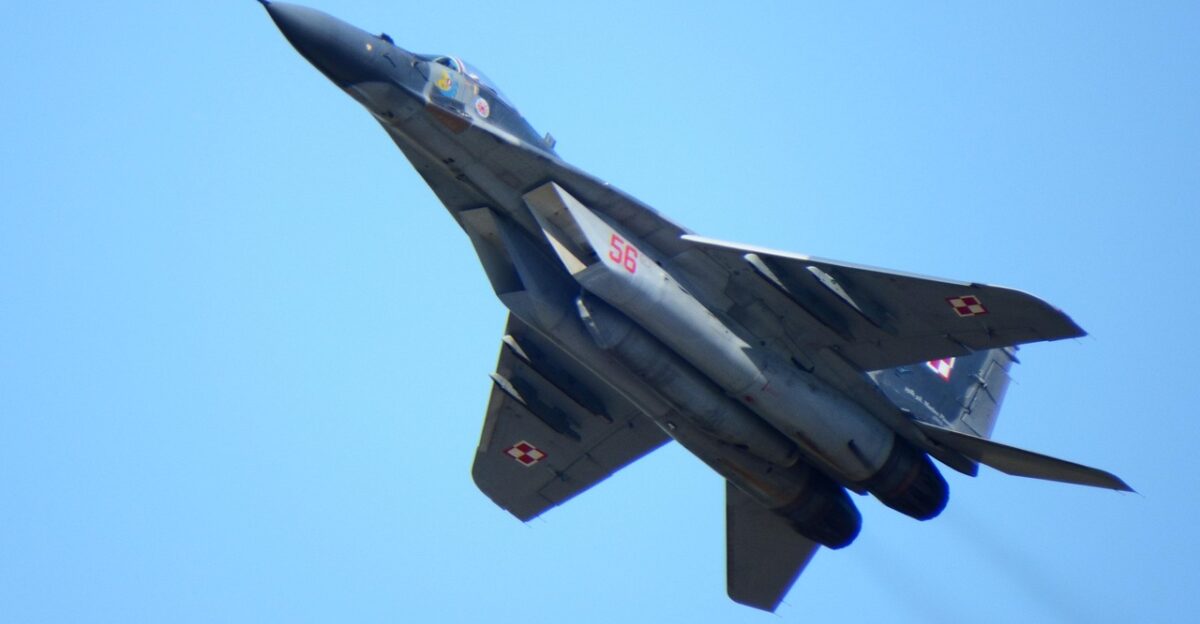
The last comparable Caribbean deployment was Operation Uphold Democracy in Haiti in 1994, which involved 20,000 personnel mobilized for humanitarian intervention. Today’s deployment likely exceeds that across naval vessels, fighter squadrons, surveillance aircraft, and ground forces positioned throughout the region.
The structure of this confrontation echoes the Cold War: Russia backs a regional ally, America responds with military pressure, and a vulnerable nation becomes contested ground between superpowers.
Waiting in Darkness
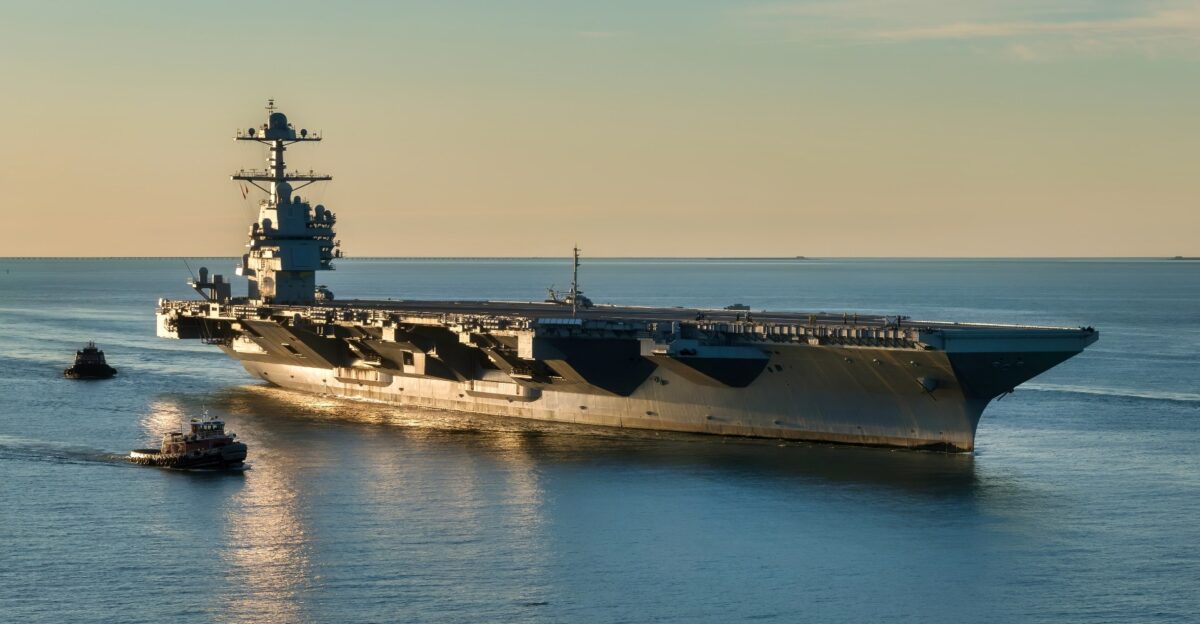
The Seahorse sits anchored off Venezuelan waters, its engines quiet. The USS Gerald R. Ford carrier strike group remains on station, a floating city of American military power. Russian officials maintain daily communication with Caracas while avoiding explicit military commitments. Venezuelan forces stand ready but powerless to challenge American naval dominance. This uneasy equilibrium could persist for weeks or shatter in hours.
Unconfirmed reports suggest Pentagon officials have prepared contingency plans for airstrikes on Venezuelan military targets.
The New Order Takes Shape
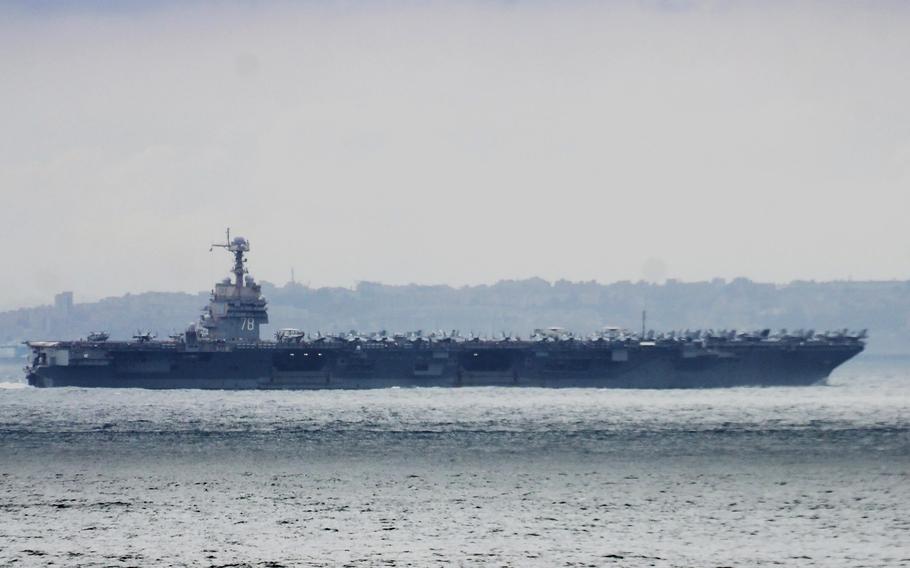
The USS Stockdale’s interception of the Seahorse represents more than a single naval encounter. It demonstrates a fundamental truth that shapes modern geopolitics: overwhelming military force ultimately determines outcomes, regardless of economic ties or diplomatic declarations.
Venezuela’s vast oil reserves matter less than America’s capacity to prevent development or export—Russia’s willingness to supply matters less than its inability to guarantee safe delivery. Maduro’s missiles matter less than destroyers positioned outside territorial waters.
What Comes Next
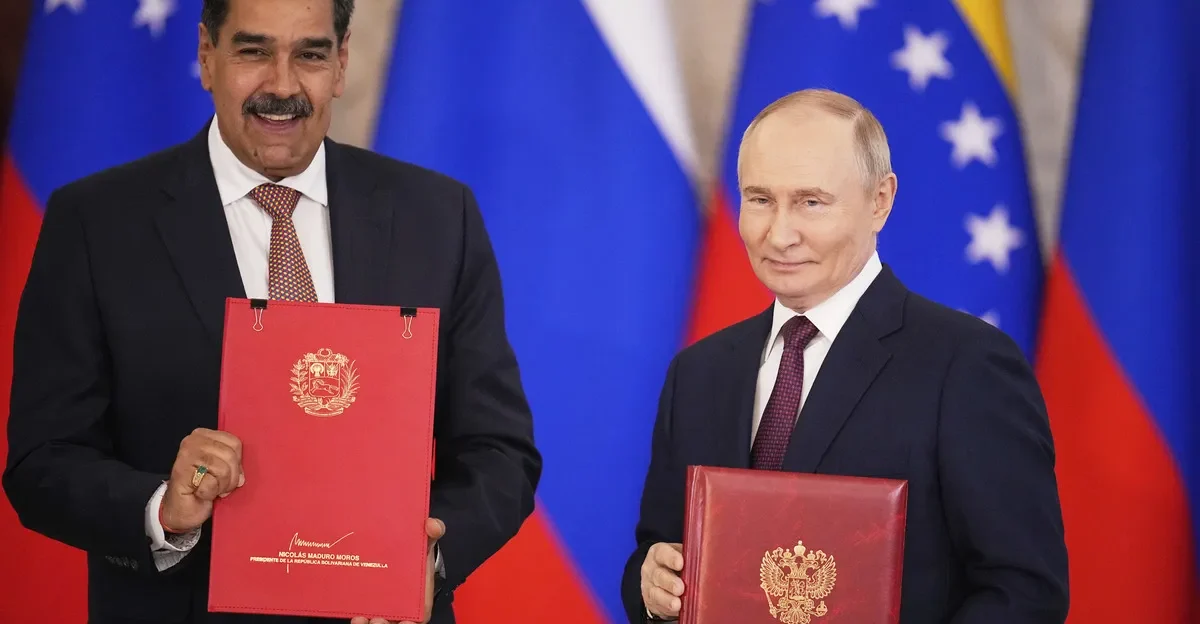
If Russia successfully resupplies Venezuela despite American blockade efforts, the deterrence fails, and American credibility in the region collapses. If naphtha supplies dry up completely, Venezuelan production plummets, and Maduro’s regime weakens to the point of no recovery. If the U.S. escalates to airstrikes on Venezuelan military infrastructure, the confrontation becomes openly kinetic—a crossing of the line into active warfare rather than naval posturing.
If diplomatic negotiations somehow break through the current standoff, oil markets will stabilize, but American pressure will continue. The Seahorse became a symbol of the larger hemispheric dominance struggle—one destroyer blocking one vessel proving that naval power ultimately matters more than ideology, more than economic relationships, more than military allies.
Sources:
U.S. Department of Defense Operational Briefing on Caribbean Deployment, November 2025
U.S. State Department Sanctions Enforcement Documentation – Venezuela Oil Sector, 2025
Reuters / AP Archive – Venezuelan Oil Production Data and Russian Tanker Tracking, November 2025
Russian Ministry of Foreign Affairs Official Statements – Kremlin Spokesman Dmitry Peskov, November 2025
U.S. Navy Fleet Operations Command – USS Gerald R. Ford Carrier Strike Group Deployment Records, November 2025
Office of Foreign Assets Control (OFAC) – Sanctioned Vessel Registry and Shadow Fleet Database, 2025