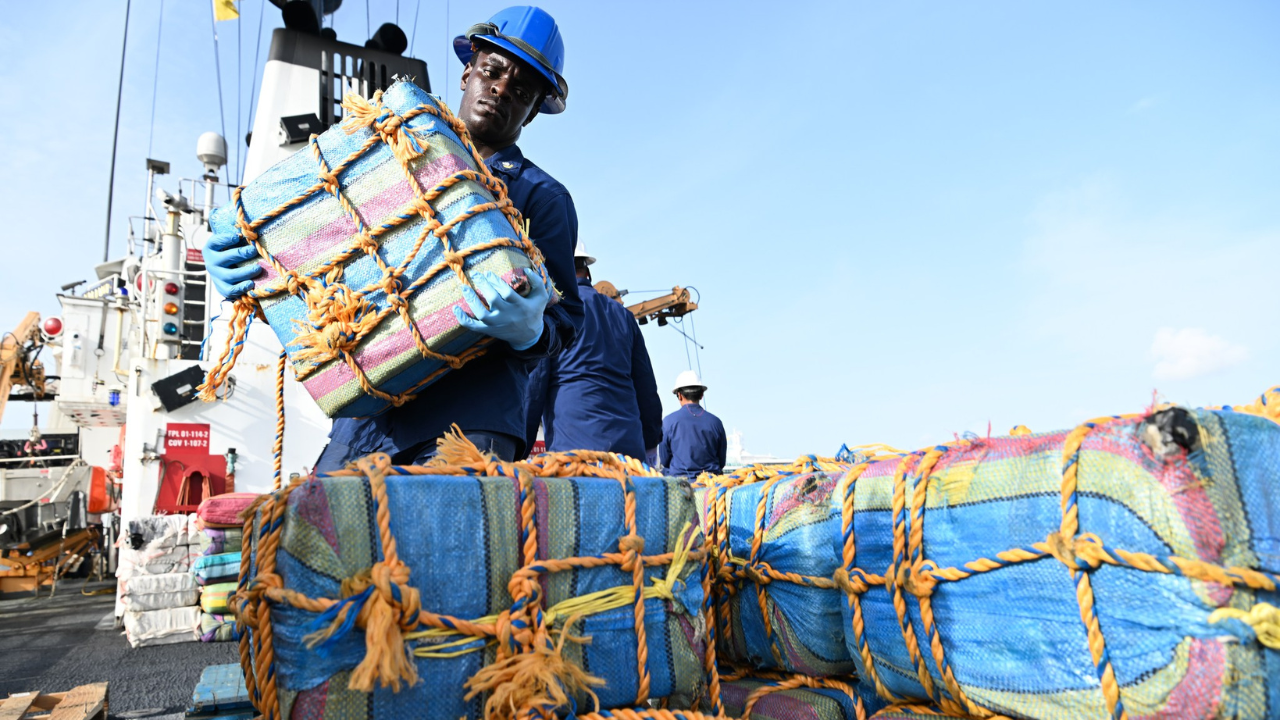
Defense Secretary Pete Hegseth announced Saturday that US military forces killed three alleged narco-traffickers in the 15th strike against suspected drug vessels in the Caribbean since early September.
The operation, conducted November 1st in international waters near Venezuela, brings total casualties to at least 64 people across the expanding anti-narcotics campaign.
The Strike Details
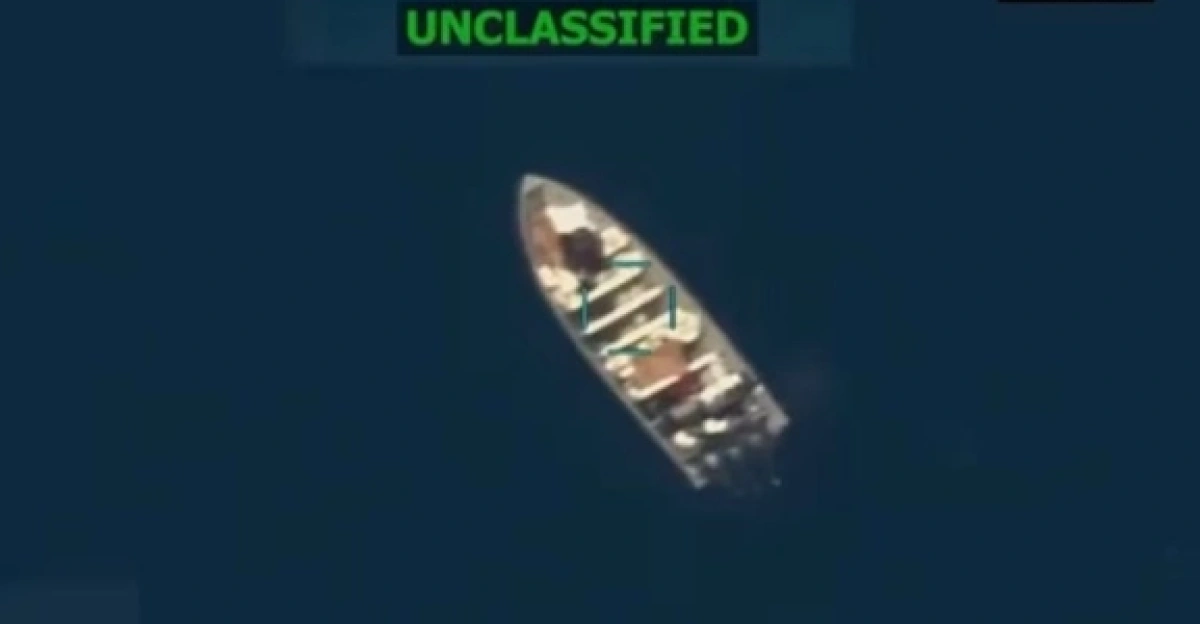
The latest strike targeted a vessel allegedly operated by a US-designated terrorist organization, though Hegseth did not specify which group. Intelligence indicated the boat was smuggling narcotics along a known trafficking route between Venezuela and Caribbean islands.
Video footage released by the Pentagon shows the moment of explosion destroying the vessel.
“Hunting” Narco-Terrorists

Hegseth declared the military will treat drug smugglers “EXACTLY how we treated Al-Qaeda,” emphasizing that “narco-terrorists bringing drugs to our shores to poison Americans” will face lethal force.
Trump’s 2025 executive order designated major cartels as foreign terrorist organizations, enabling direct military engagement under post-9/11 war powers.
Campaign Overview
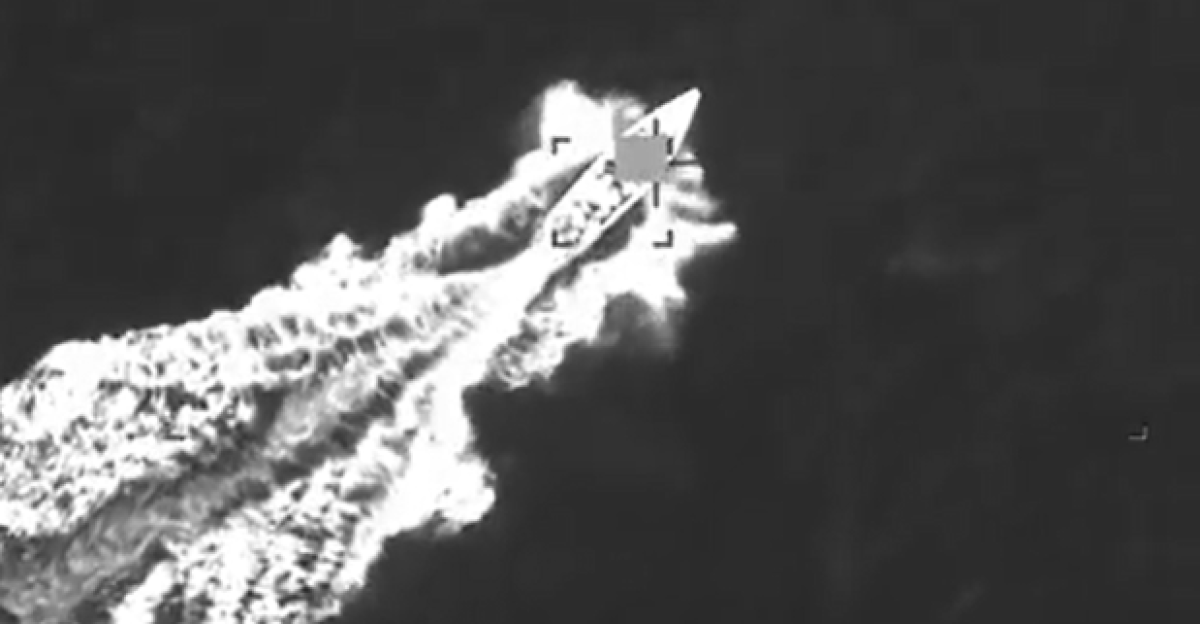
Since September 1st, US forces have destroyed 16-17 vessels in 15-16 separate strikes across the Caribbean and Eastern Pacific waters.
The operation represents the largest US military presence in the Caribbean since the 1980s, aimed at disrupting drug flows from Venezuela and Colombia to American shores.
The Arsenal Deployed
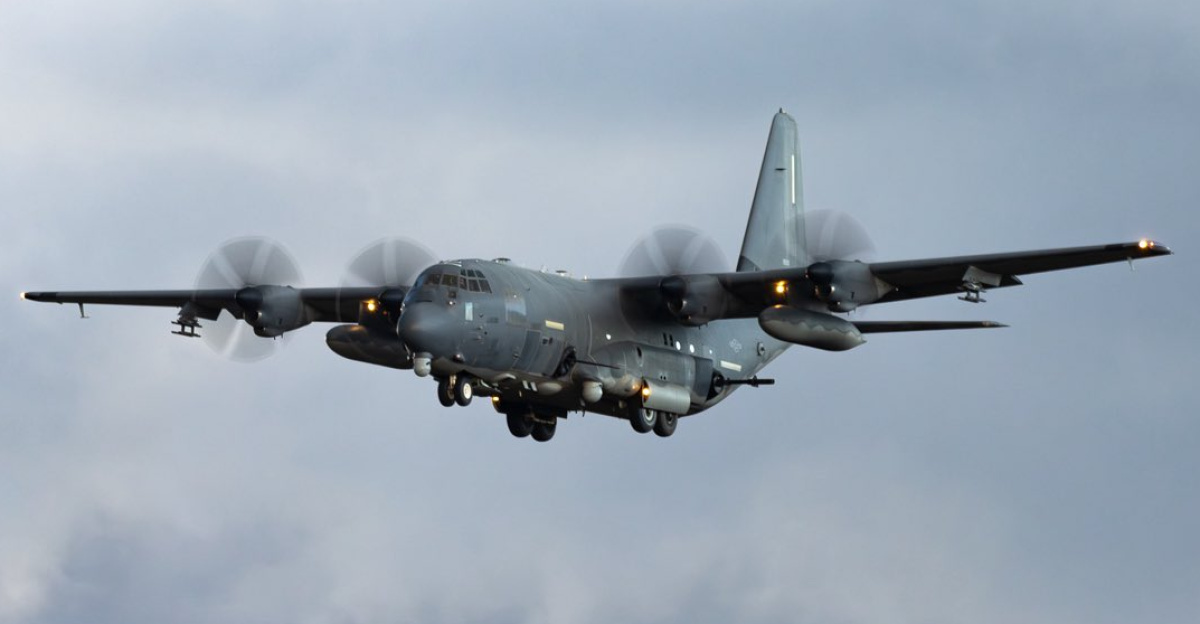
US forces employ AC-130J Ghostrider gunships armed with Hellfire missiles, 30mm cannons, and 105mm guns; MH-60 Seahawk helicopters with precision targeting systems; MQ-9 Reaper drones for persistent surveillance; and surface-to-surface missiles from Navy destroyers.
This coordinated air-sea approach enables rapid detection and strike capability against fast-moving drug vessels.
USS Gerald R. Ford Arrives
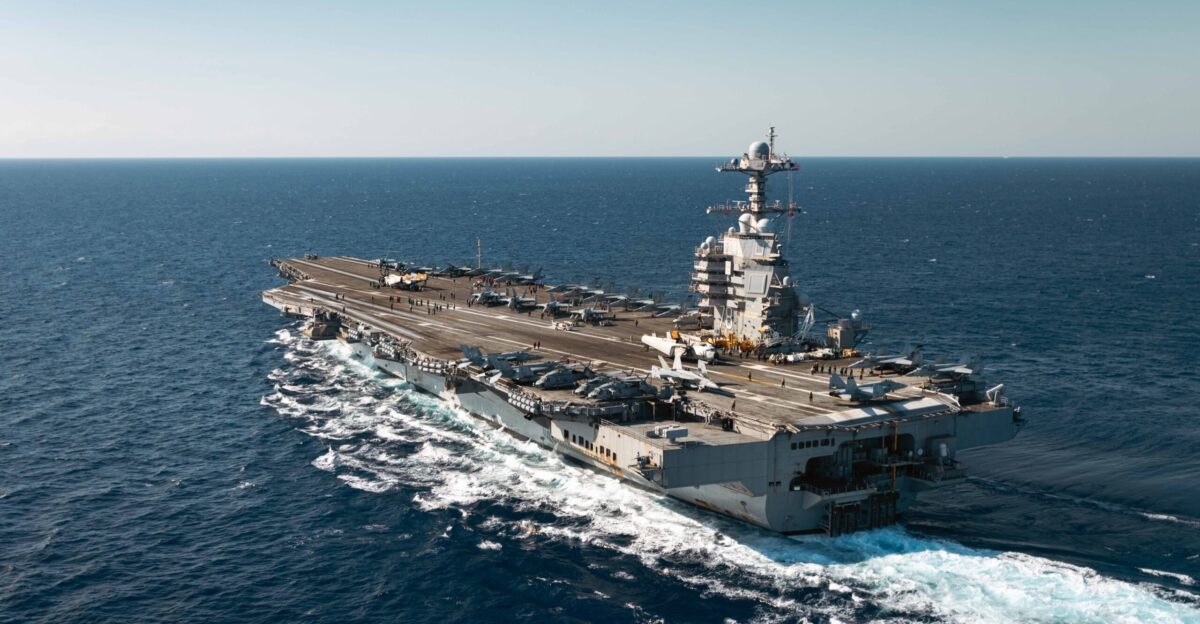
The world’s largest aircraft carrier, USS Gerald R. Ford, officially entered the Caribbean in early November with its six-destroyer strike group.
The carrier adds approximately 5,000 personnel to the 6,000 already aboard eight other warships operating near Venezuela’s coast, dramatically expanding American naval power projection in the region.
Military Buildup
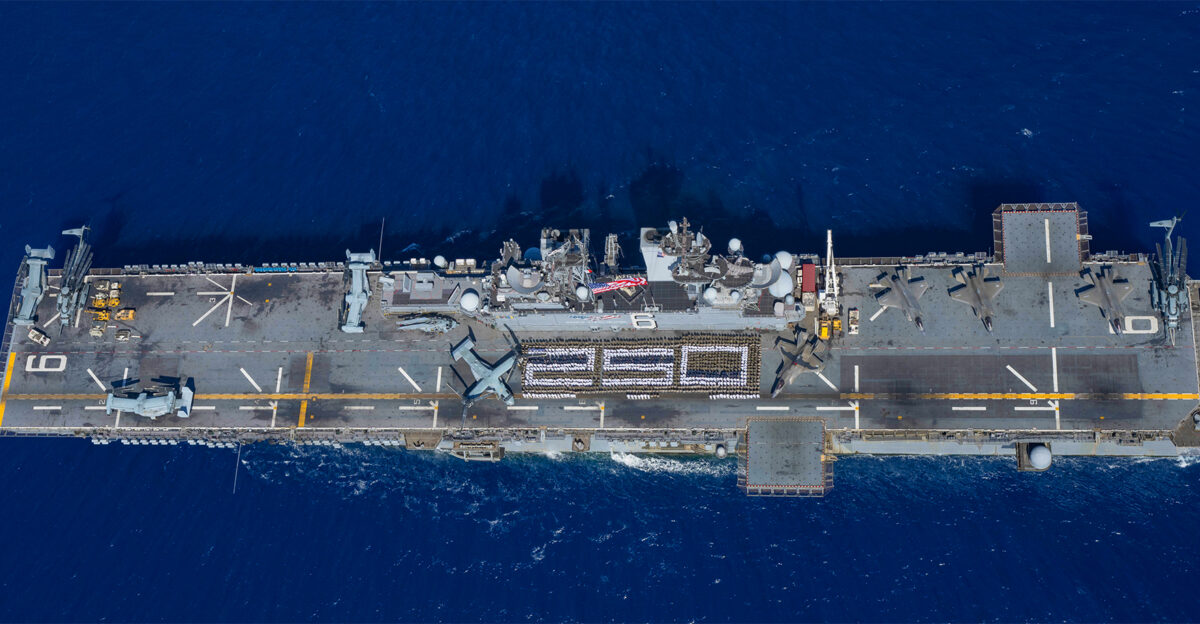
Current assets include amphibious assault ships USS Iwo Jima, USS Fort Lauderdale, and USS San Antonio; guided missile destroyers carrying nearly 200 Tomahawk cruise missiles; B-52H strategic bombers; F-35 stealth fighters.
At least three MQ-9 Reaper drones operate from Puerto Rico, providing continuous surveillance coverage. The deployment totals 10,000-15,000 US troops.
Legal Controversy Erupts
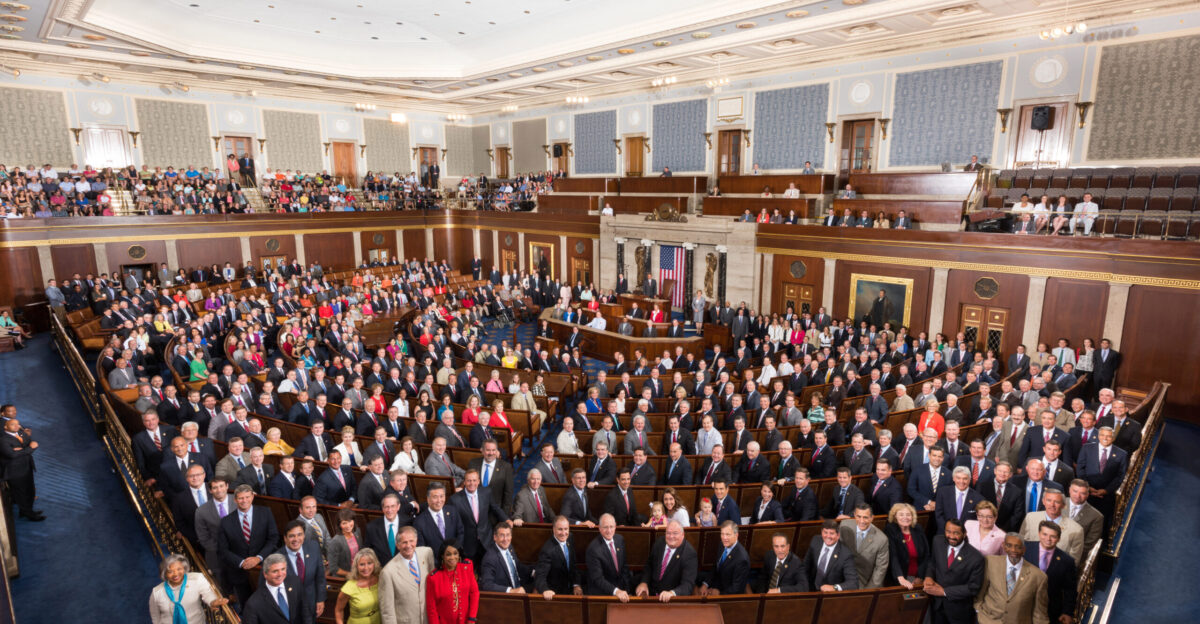
Lawmakers from both parties demand the administration release its legal justification for the strikes. The White House claims authority under a “non-international armed conflict” designation, invoking post-9/11 war powers against designated terrorist organizations.
Critics argue this circumvents Congressional war-making authority and violates international law prohibiting extrajudicial killings without due process.
UN Condemnation

UN High Commissioner for Human Rights Volker Türk called the strikes “unacceptable” and demanded they stop immediately. The UN emphasized that counter-narcotics should remain a law enforcement issue with “careful limits” on deadly force, used only against imminent threats to life.
The strikes violate the right to life, constituting extrajudicial killings, Türk’s office stated.
Venezuela’s Accusation
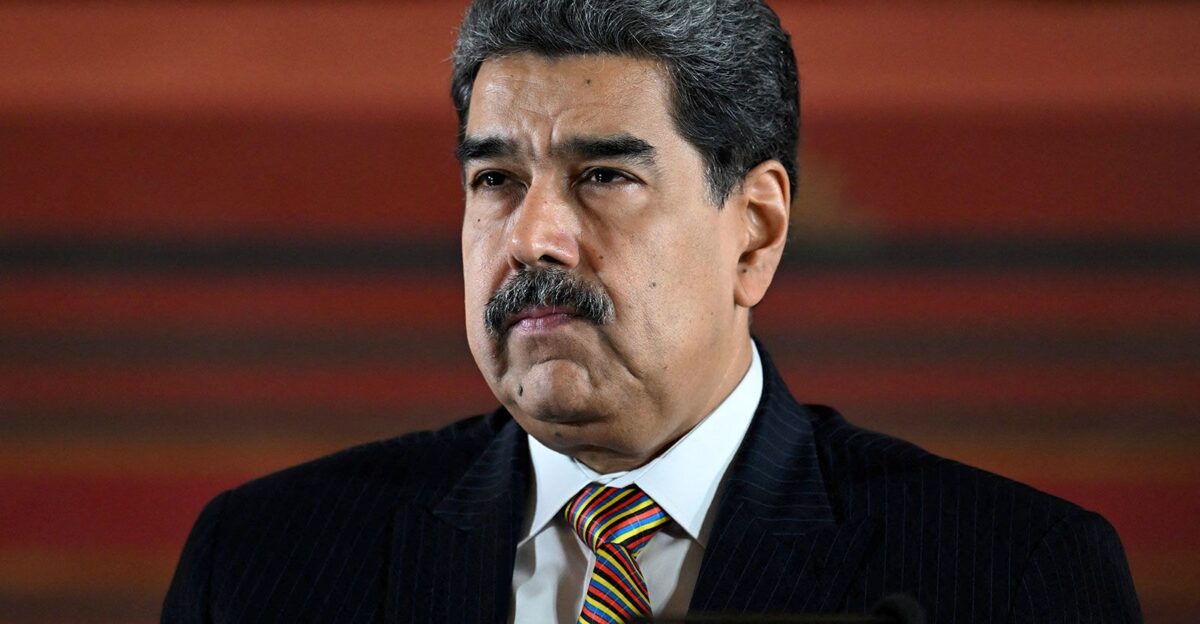
Venezuelan President Nicolás Maduro condemned the operations as “murder” and accused Washington of attempting regime change under the guise of anti-drug efforts.
Trump has labeled Maduro “one of the largest narco-traffickers in the world” and doubled the reward for his capture to $50 million. Venezuela mobilized military forces in response.
Target: Tren de Aragua
Multiple strikes allegedly targeted vessels operated by Tren de Aragua, a Venezuelan transnational criminal organization. Emerging from Tocorón prison in the early 2010s, the gang expanded across South America through human trafficking, extortion, and drug smuggling operations.
The US Treasury designated it a transnational criminal organization in July 2024, enabling financial sanctions.
The Drug Route Reality
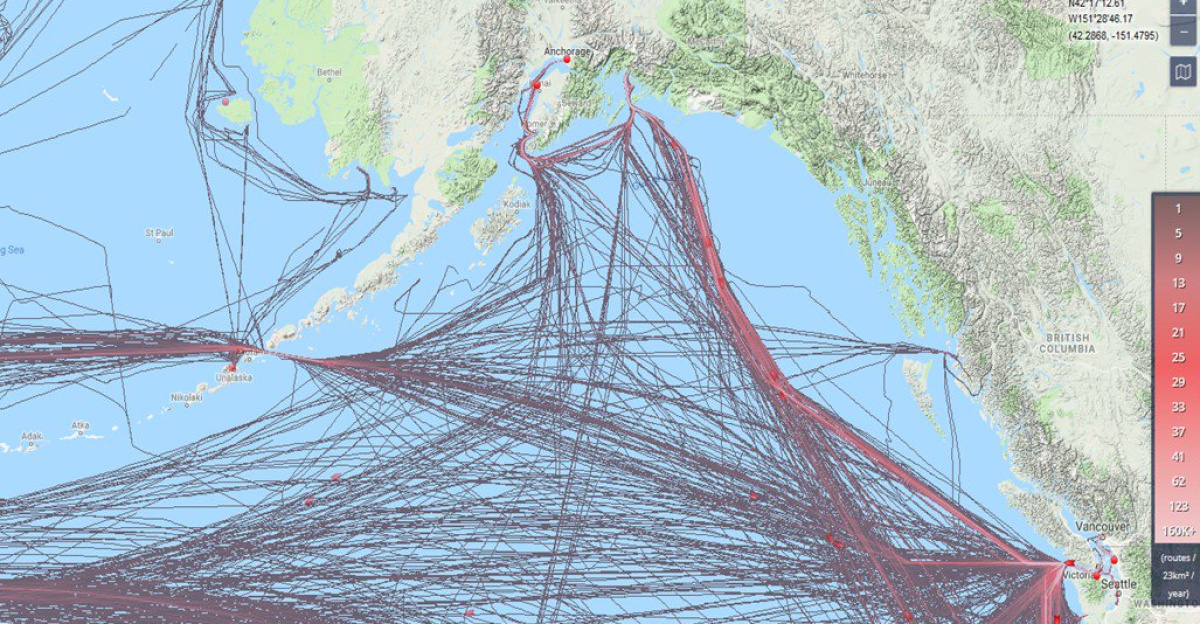
Despite Caribbean strikes, US data shows cocaine primarily travels through the Pacific Ocean route, not the Caribbean.
The majority originates from Colombia, Peru, Ecuador, and Bolivia, moving through Mexico before crossing the US-Mexico border overland—often hidden in vehicles. Fentanyl, manufactured in Mexico from Chinese precursors, follows similar land routes avoiding maritime interdiction.
Island Hopping Operations
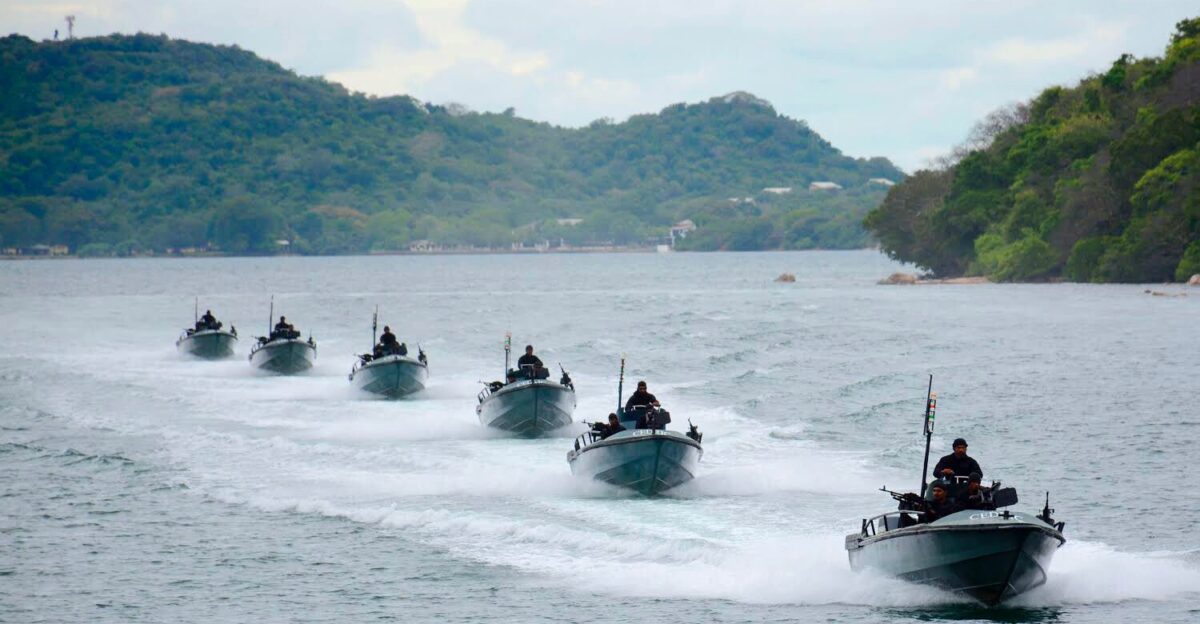
Traffickers use “go-fast boats” for nighttime “island hopping” through the Caribbean, moving cocaine from Venezuela through Trinidad and Tobago, along the Lesser Antilles to Hispaniola.
Venezuela’s Guajira and Paraguaná Peninsulas serve as primary departure points for smuggling vessels. Corrupt Venezuelan military officials reportedly facilitate transit in exchange for payoffs.
Slide 14: First Survivors
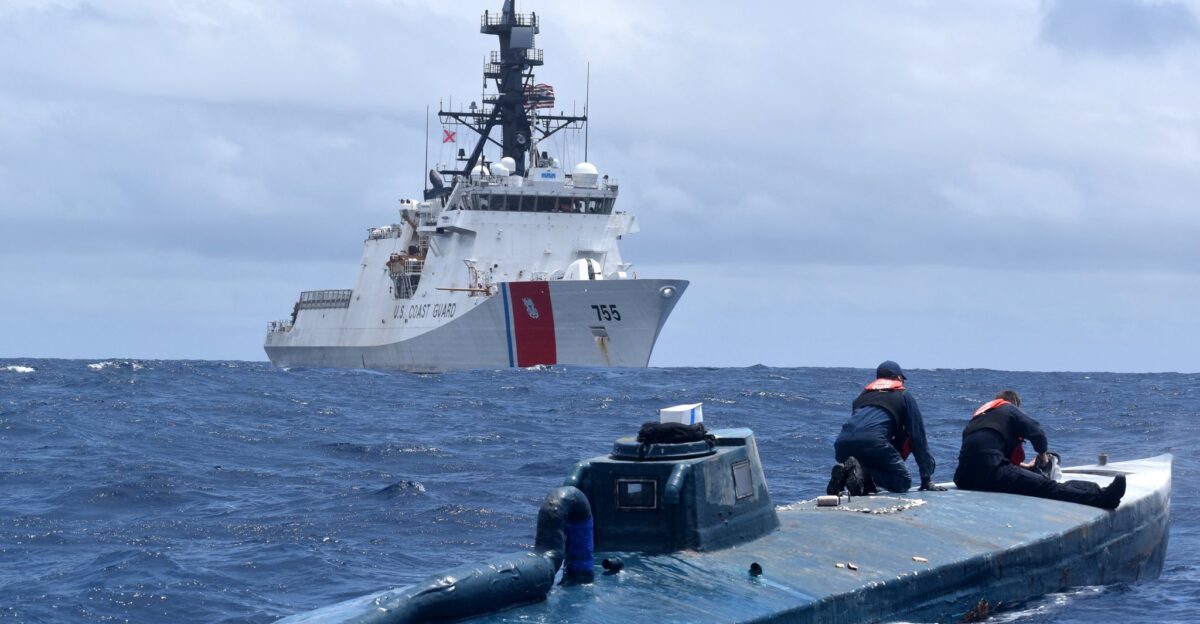
A mid-October strike marked the first instance producing survivors from the US campaign. The US targeted an alleged narco-submarine in Caribbean waters, killing two crew members and rescuing two survivors from Colombia and Ecuador.
They were detained on a Navy ship, then repatriated to their home countries for criminal prosecution.
Deadly Pacific Strikes
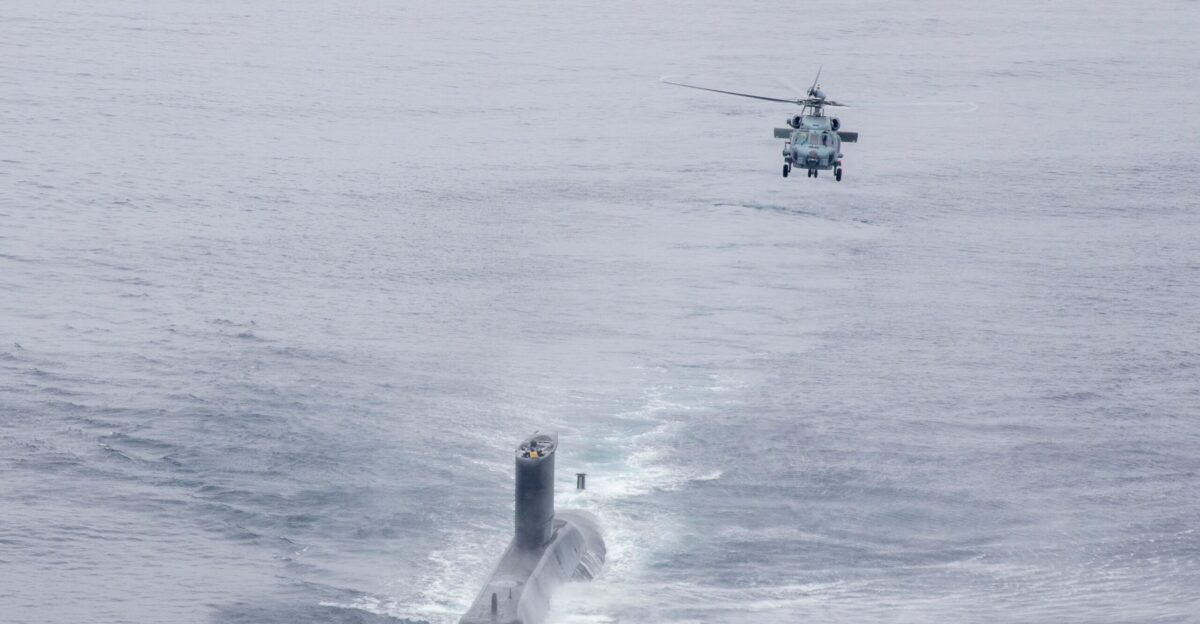
On October 27th, US forces conducted three simultaneous strikes on four vessels in the Eastern Pacific, killing 14 people in the deadliest single-day operation.
One survivor clung to debris for hours before Mexican Navy search and rescue efforts located him. The strikes occurred in international waters off Central America.
Intelligence and Surveillance
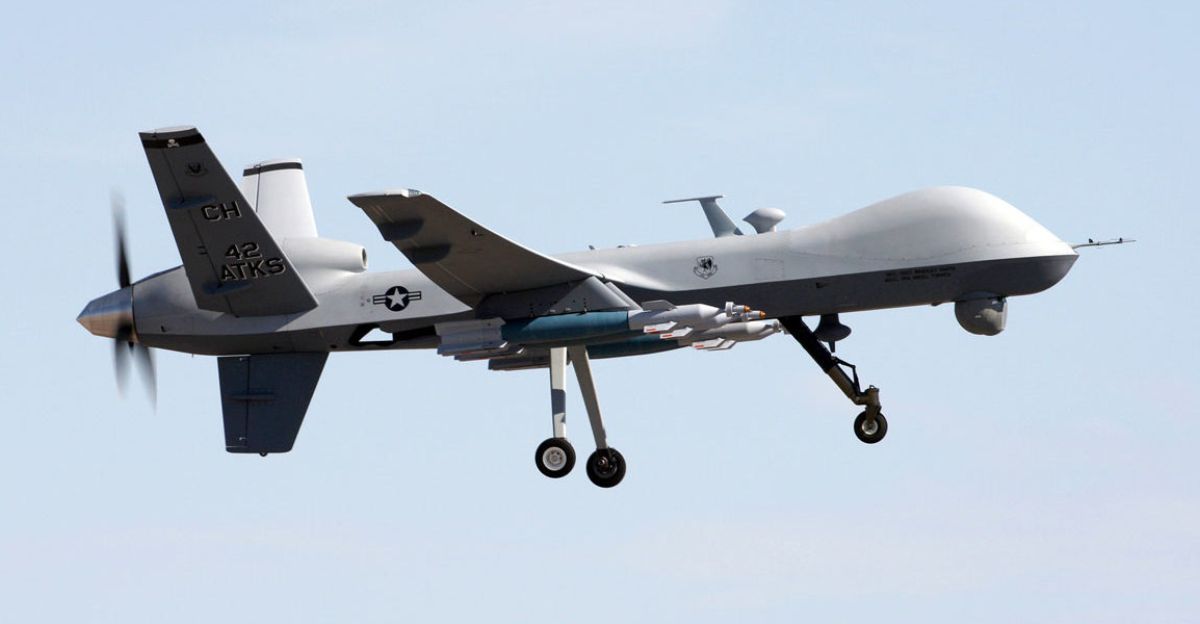
Operations rely on weeks of surveillance combining multi-source intelligence with persistent MQ-9 Reaper drone monitoring over suspected trafficking zones. P-8 Poseidon patrol aircraft from Naval Air Station Jacksonville provide enhanced identification of illicit activity using advanced radar and infrared systems.
Vessels are tracked along known narco-trafficking routes before strikes are authorized by senior Pentagon officials.
Dominican Republic Partnership
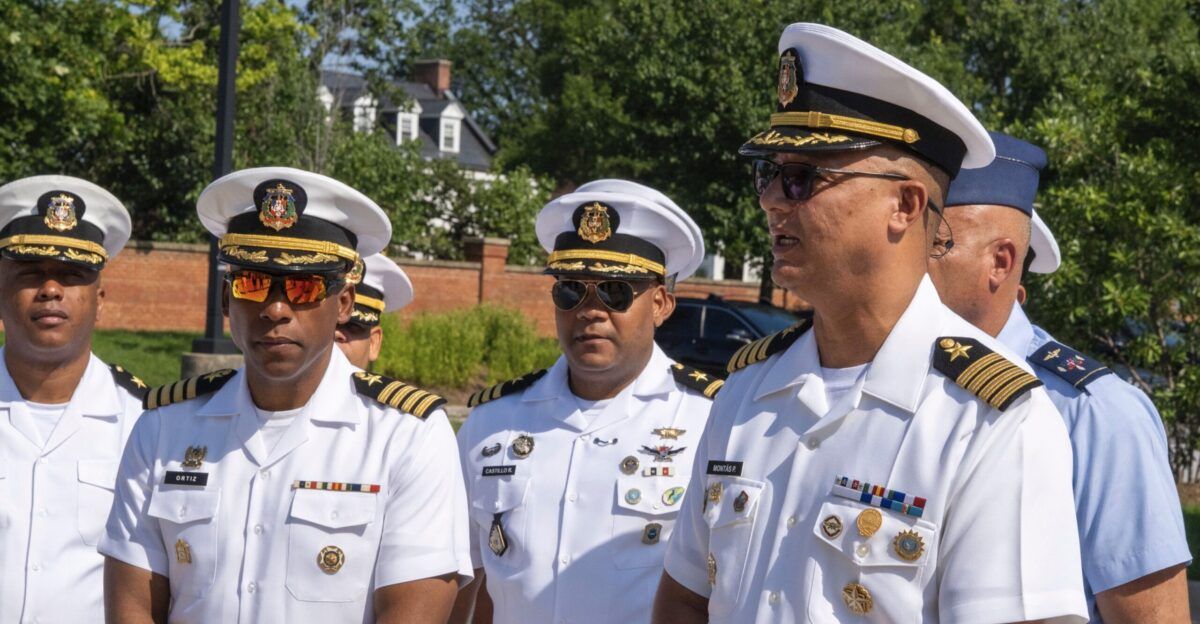
The Dominican Republic conducted its first-ever joint counter-narcotics operation with US forces on September 19th near Beata Island. After US forces destroyed a suspected drug vessel, Dominican Navy crews salvaged 377 packages totaling 1,000 kilograms of cocaine worth millions on international markets.
The operation demonstrated growing regional cooperation in counter-drug efforts.
Congressional Pushback Intensifies
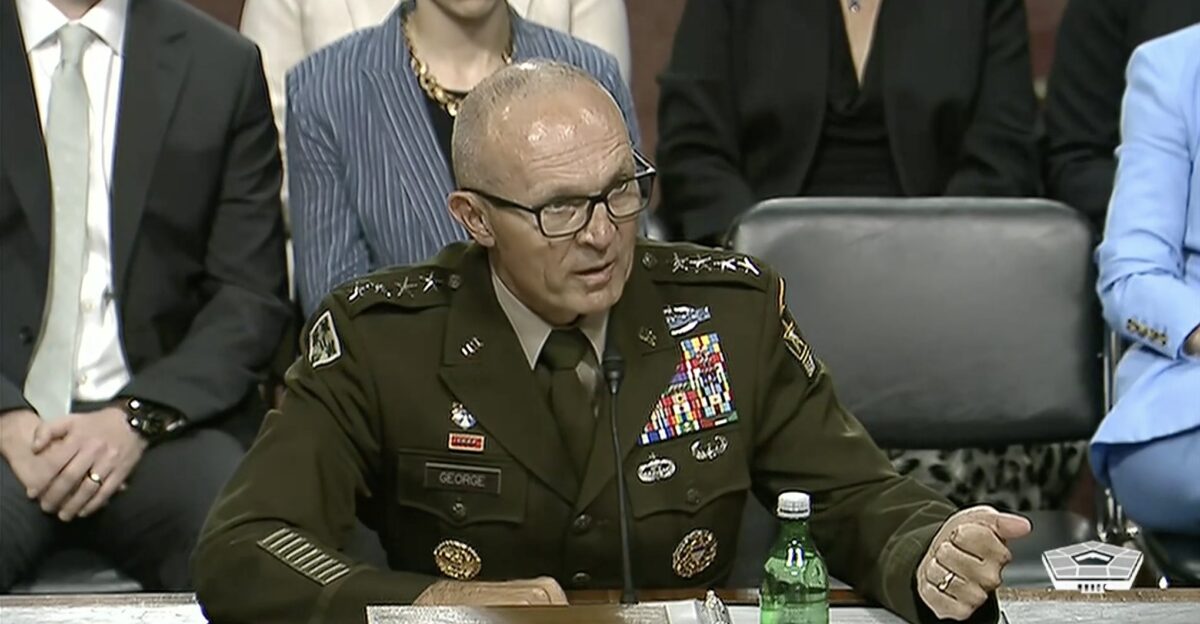
Senate Armed Services Committee members sent formal letters in September and October demanding the Pentagon’s legal rationale and the classified list of designated terrorist cartels. Democrats drafted a War Powers Resolution to block further strikes without Congressional authorization.
Republicans remain divided, with Senator Rand Paul criticizing the operations as executive overreach.
Escalation Questions
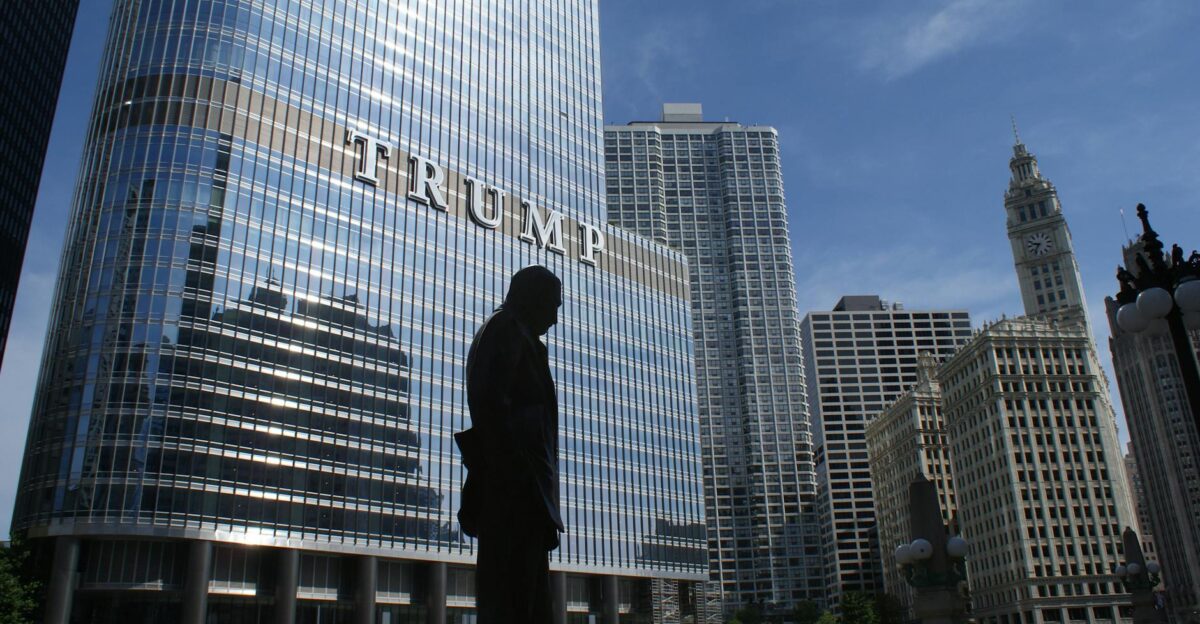
Trump suggested expanded operations but declined to confirm media reports about plans for land strikes inside Venezuela targeting cocaine processing facilities.
With 10,000-15,000 US troops now deployed in the region and Maduro mobilizing Venezuelan forces along the coast, regional security analysts warn of potential armed conflict escalation beyond maritime interdiction.
The Stakes
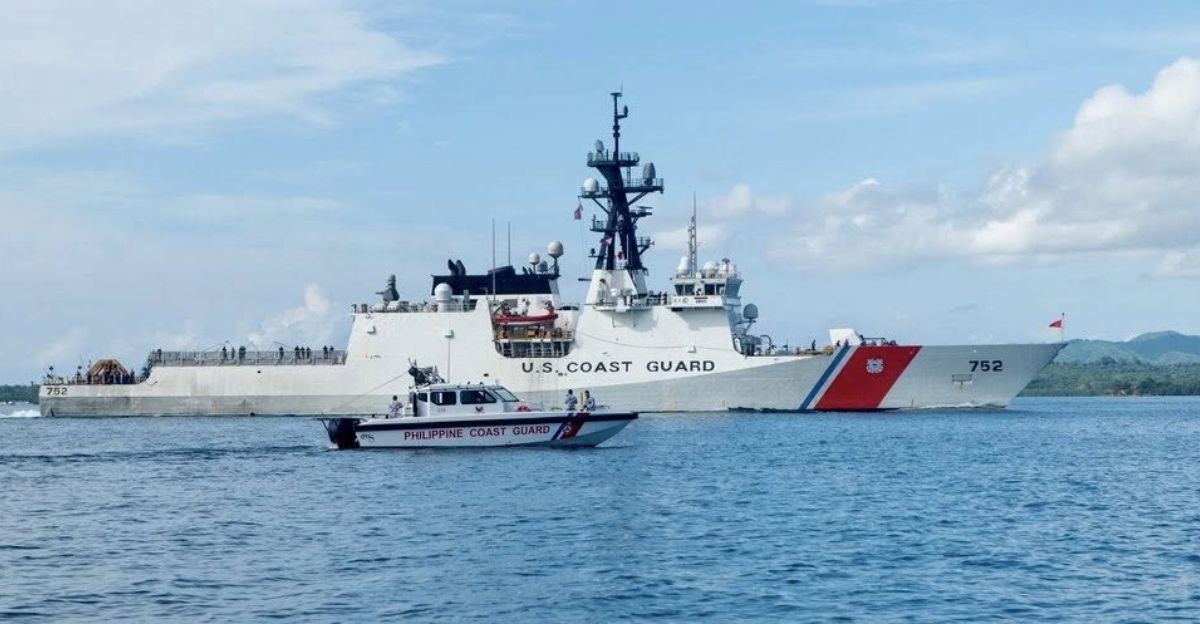
The campaign represents a fundamental shift from traditional Coast Guard interdiction and prosecution to military strikes killing suspected traffickers without trial. Experts note that for every vessel destroyed, trafficking organizations simply purchase replacement boats, questioning the strategy’s long-term effectiveness.
The approach raises profound legal and humanitarian concerns about extrajudicial killings in international waters.