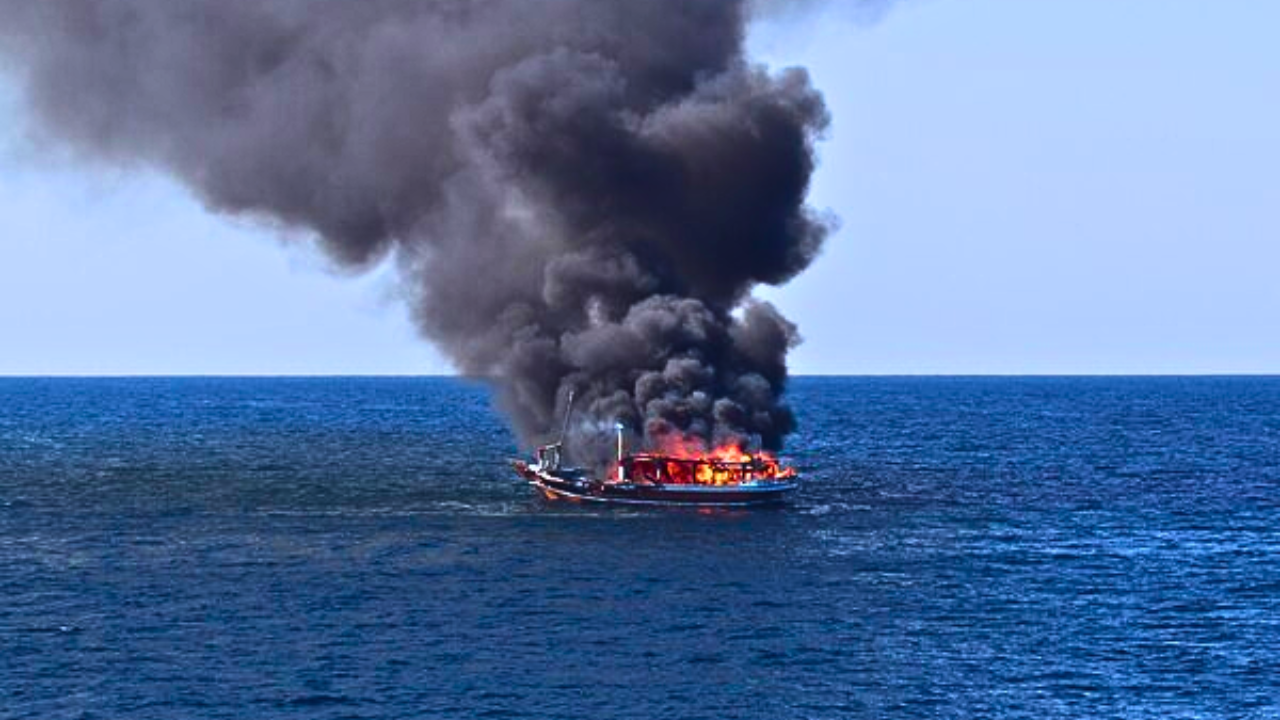
In a dramatic escalation of U.S. military involvement in the Caribbean, Defense Secretary Pete Hegseth announced that American forces killed three alleged narco-traffickers on November 1 in international waters near Venezuela. This marks the fifteenth strike against suspected drug vessels since early September, bringing the campaign’s reported death toll to at least 64. The operation, part of a broader effort to disrupt drug flows from South America to the United States, reflects a significant shift in U.S. strategy—moving from law enforcement interdiction to direct military action.
Targeting Narco-Terrorist Networks
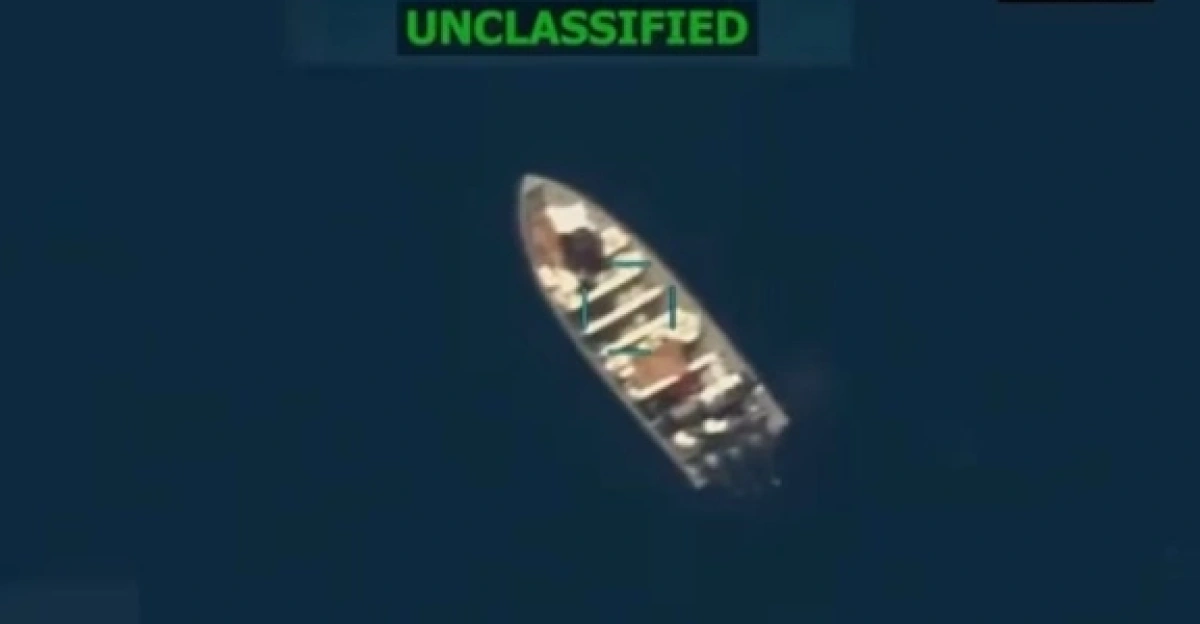
The latest strike targeted a vessel allegedly operated by a U.S.-designated terrorist organization, though officials did not specify which group. Intelligence reports indicated the boat was smuggling narcotics along a well-known trafficking route between Venezuela and Caribbean islands. Pentagon-released video footage captured the moment of the vessel’s destruction.
Defense Secretary Hegseth emphasized a new approach, stating that drug smugglers would be treated the same way as Al-Qaeda terrorists. This policy shift follows a 2025 executive order that designated major cartels as foreign terrorist organizations, granting the military authority to engage under post-9/11 war powers. Since September, U.S. forces have destroyed at least 16 vessels in 15 separate strikes across the Caribbean and Eastern Pacific, marking the largest American military presence in the region since the 1980s.
Expanded Military Presence and Capabilities
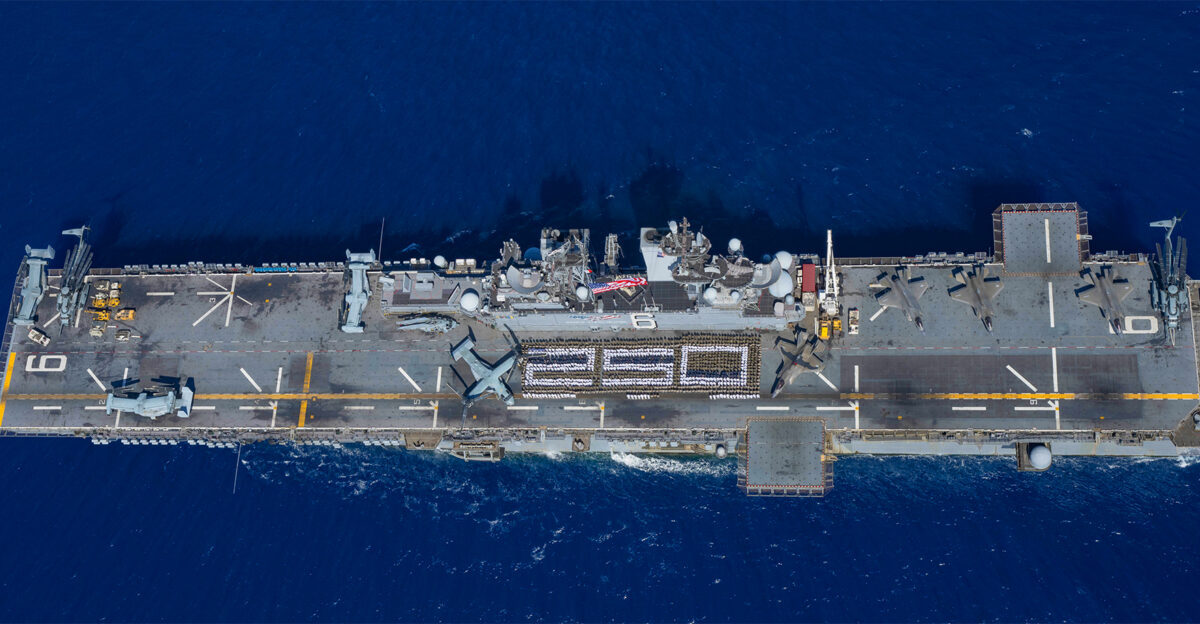
The U.S. has deployed a formidable array of assets to the region. AC-130J Ghostrider gunships, equipped with Hellfire missiles, 30mm cannons, and 105mm guns, operate alongside MQ-9 Reaper drones, providing persistent surveillance and rapid strike capabilities. Navy destroyers armed with surface-to-surface missiles further enhance interdiction efforts.
In early November, the USS Gerald R. Ford—the world’s largest aircraft carrier—entered Caribbean waters with a six-destroyer strike group, adding 5,000 personnel to the 6,000 already stationed on eight other warships near Venezuela. The buildup includes amphibious assault ships, guided missile destroyers carrying nearly 200 Tomahawk cruise missiles, B-52H strategic bombers, and F-35 stealth fighters. At least three MQ-9 Reaper drones operate from Puerto Rico, supporting continuous surveillance. The total U.S. deployment now ranges from 10,000 to 15,000 troops.
Legal and International Backlash
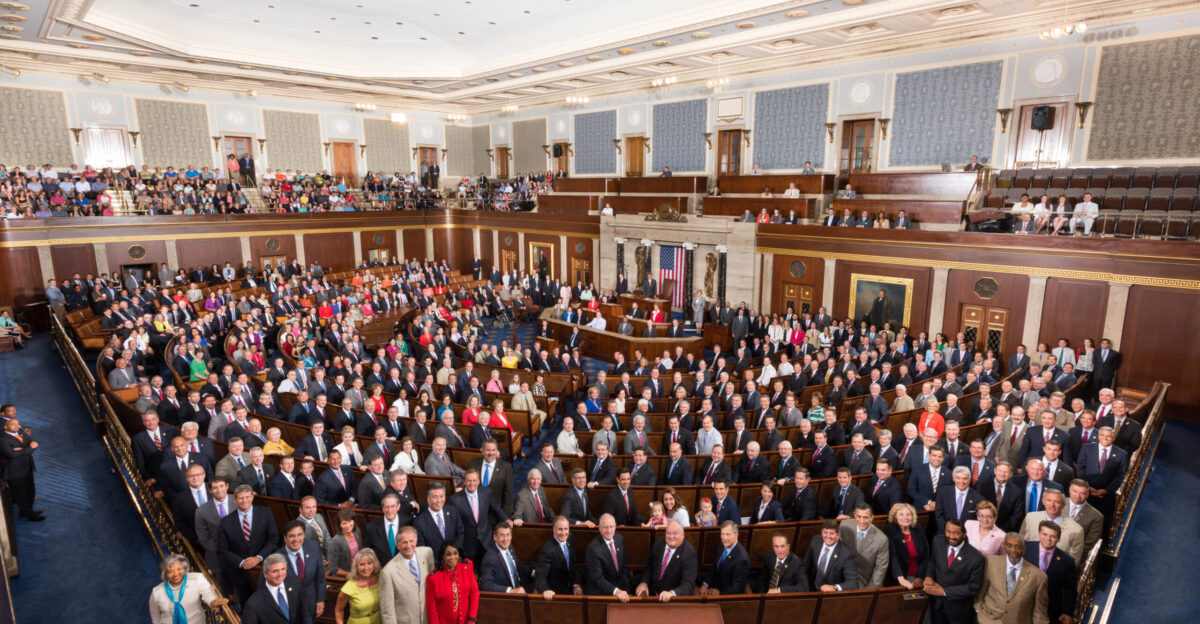
The campaign has ignited controversy in Washington and abroad. Lawmakers from both parties have demanded the administration release its legal justification for the strikes. The White House claims authority under a “non-international armed conflict” designation, invoking post-9/11 war powers against designated terrorist organizations. Critics argue this approach circumvents Congressional war-making authority and violates international law, which prohibits extrajudicial killings without due process.
The United Nations has condemned the strikes. UN High Commissioner for Human Rights Volker Türk called the operations “unacceptable” and demanded an immediate halt, stressing that counter-narcotics should remain a law enforcement issue with strict limits on deadly force. Türk’s office stated the strikes violate the right to life and constitute extrajudicial killings.
Regional Reactions and Cartel Targets
Venezuelan President Nicolás Maduro has denounced the U.S. operations as “murder” and accused Washington of attempting regime change under the guise of anti-drug efforts. In response, Venezuela has mobilized military forces along its coast. The U.S. has increased the reward for Maduro’s capture to $50 million, labeling him “one of the largest narco-traffickers in the world.”
Multiple strikes have reportedly targeted vessels operated by Tren de Aragua, a Venezuelan transnational criminal organization involved in human trafficking, extortion, and drug smuggling. The U.S. Treasury designated Tren de Aragua as a transnational criminal organization in July 2024, enabling financial sanctions.
Despite the focus on Caribbean interdiction, U.S. data shows that most cocaine enters the country via Pacific routes, originating in Colombia, Peru, Ecuador, and Bolivia, and traveling through Mexico before crossing the U.S.-Mexico border. Fentanyl, produced in Mexico from Chinese precursors, follows similar land-based routes.
Operational Tactics and Regional Cooperation
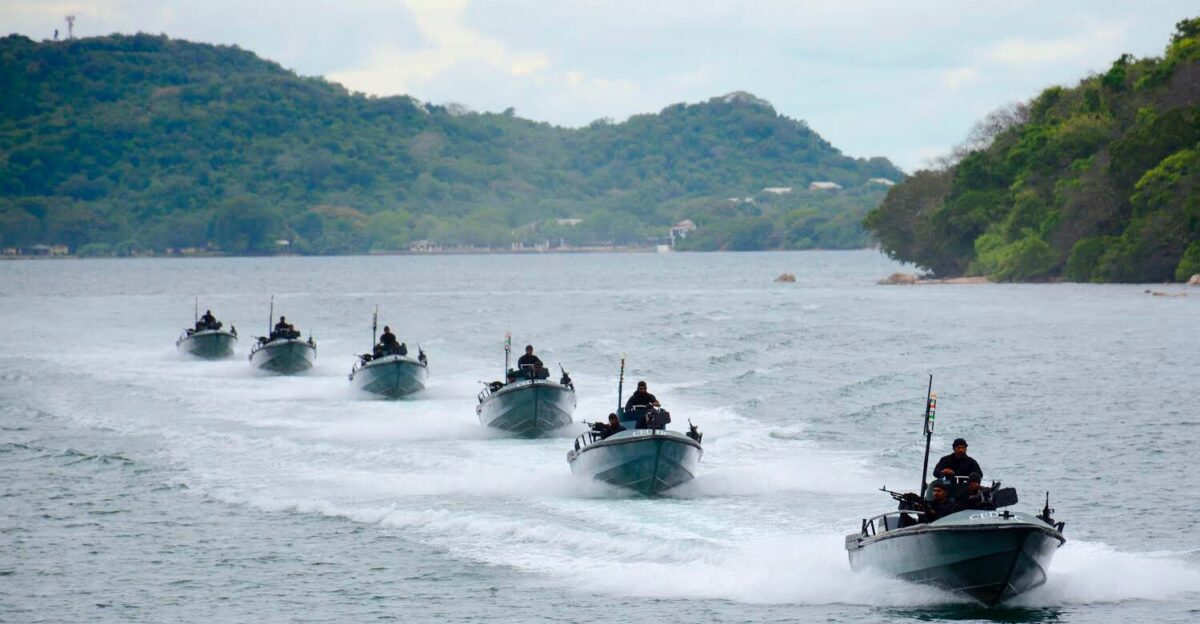
Traffickers employ “go-fast boats” for nighttime island-hopping through the Caribbean, moving cocaine from Venezuela through Trinidad and Tobago and along the Lesser Antilles to Hispaniola. Venezuela’s Guajira and Paraguaná Peninsulas are primary departure points, with reports of corrupt military officials facilitating transit.
Surveillance is critical to the campaign, with weeks of intelligence gathering and persistent drone monitoring over suspected trafficking zones. P-8 Poseidon patrol aircraft enhance identification of illicit activity using advanced radar and infrared systems. Strikes are authorized by senior Pentagon officials after tracking vessels along known routes.
Regional cooperation is growing. On September 19, the Dominican Republic conducted its first joint counter-narcotics operation with U.S. forces near Beata Island, salvaging 1,000 kilograms of cocaine after a U.S. strike destroyed a suspected drug vessel.
Escalation and Uncertain Outcomes
Congressional pushback is intensifying, with Senate Armed Services Committee members demanding the Pentagon’s legal rationale and a classified list of designated terrorist cartels. Democrats have drafted a War Powers Resolution to block further strikes without Congressional authorization, while some Republicans criticize the operations as executive overreach.
President Trump has suggested expanded operations but declined to confirm reports of planned land strikes inside Venezuela targeting cocaine processing facilities. With tens of thousands of U.S. and Venezuelan troops now deployed in the region, analysts warn of potential escalation beyond maritime interdiction.
The campaign marks a fundamental shift from traditional Coast Guard interdiction and prosecution to military strikes that kill suspected traffickers without trial. Experts question the strategy’s long-term effectiveness, noting that trafficking organizations can quickly replace destroyed vessels. The approach raises profound legal and humanitarian concerns about extrajudicial killings in international waters, leaving the future of U.S. counter-narcotics policy in the Caribbean uncertain.