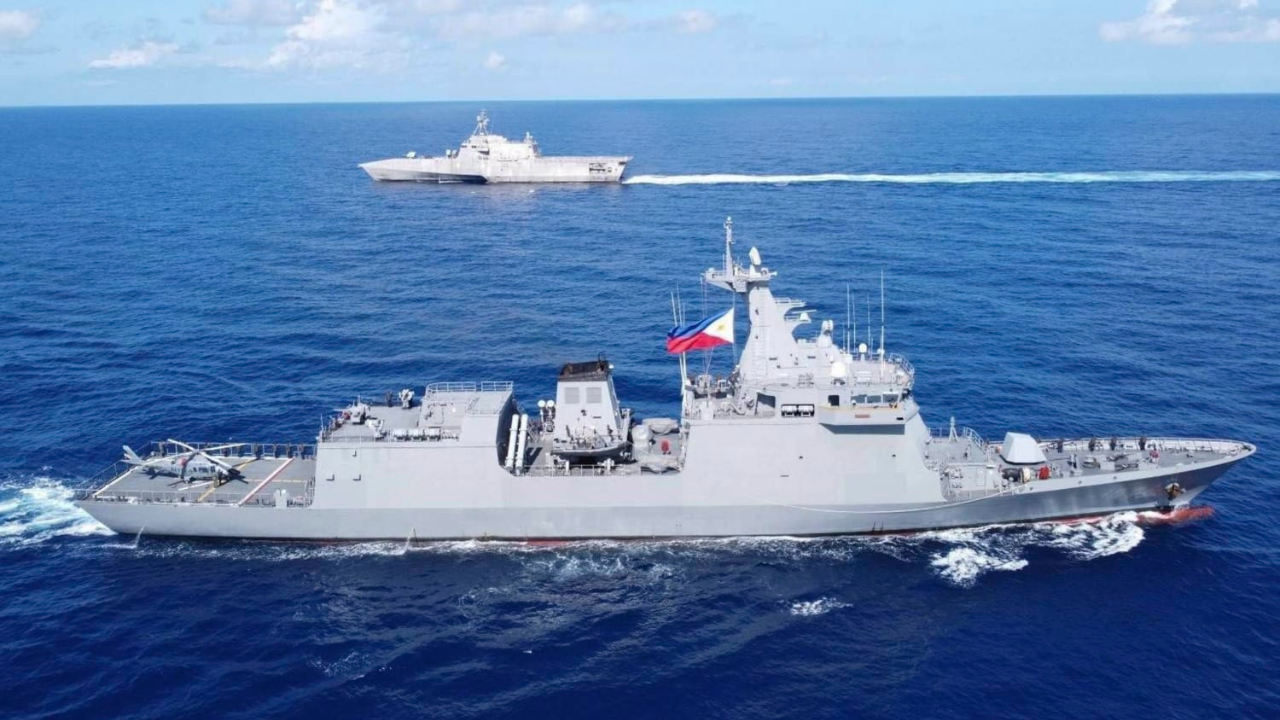
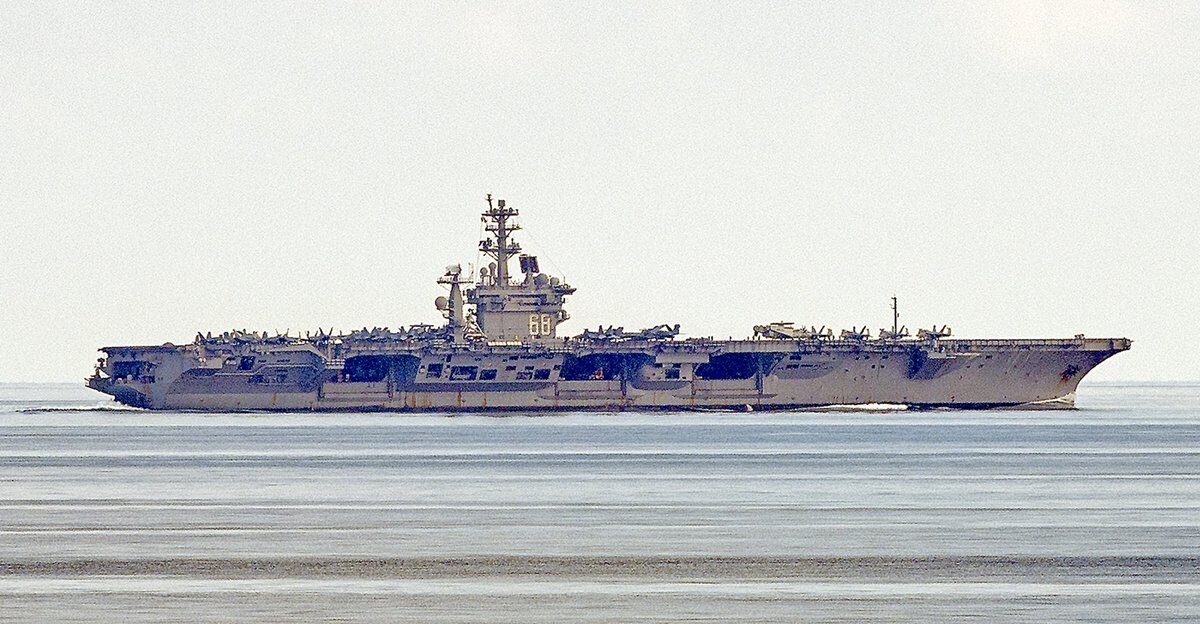
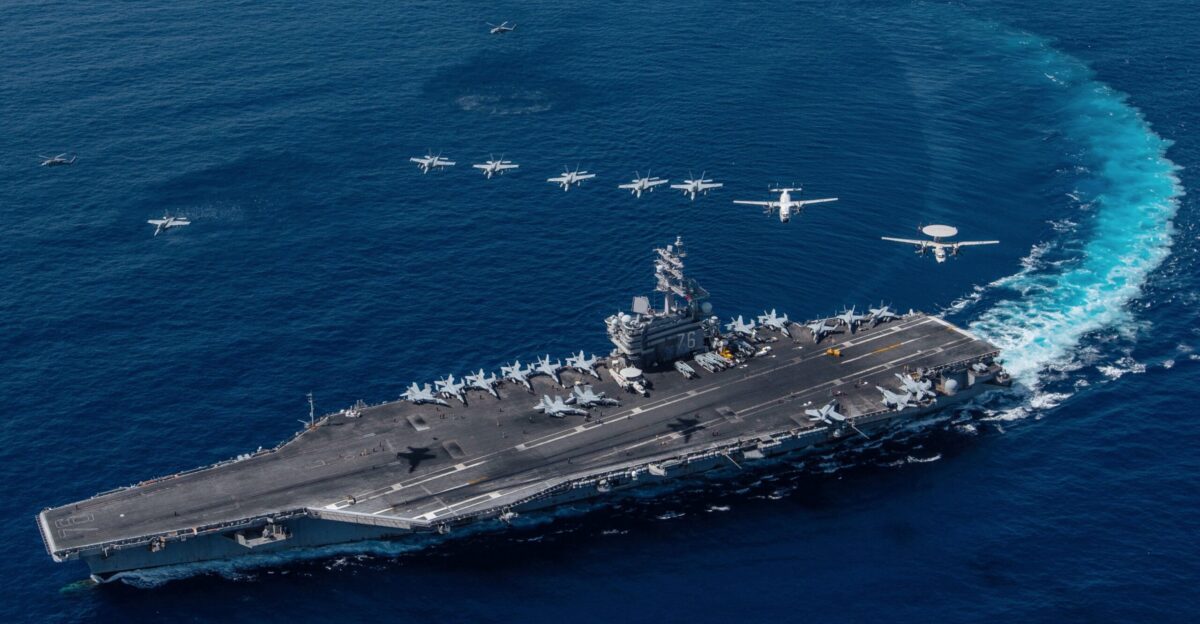
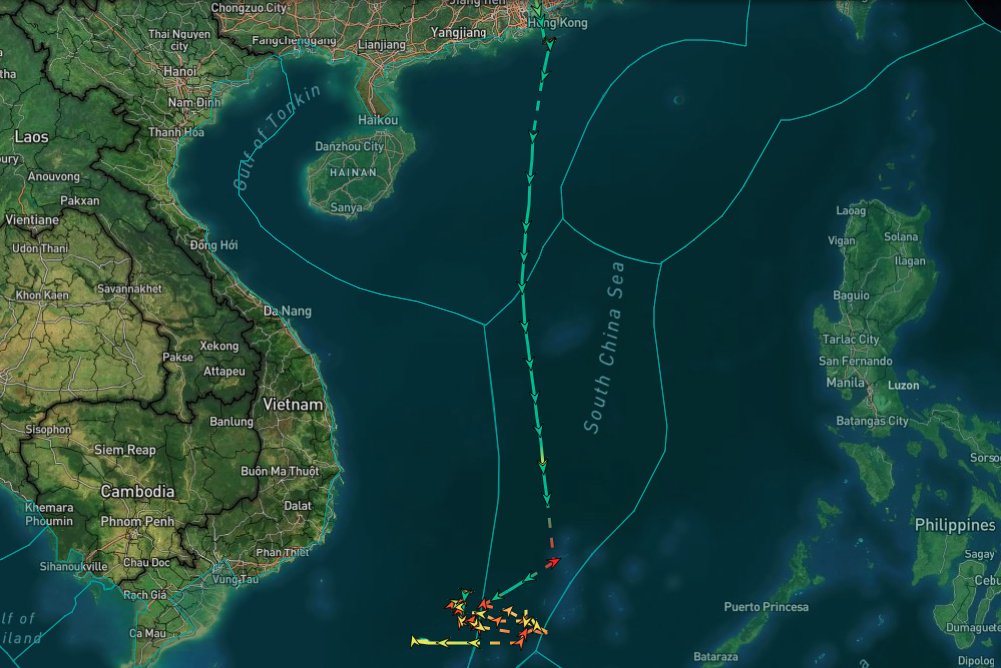
As the USS George Washington sails into the South China Sea on November 17, 2025, the region braces for further escalation. The U.S. Navy’s presence in these contested waters, one of the world’s most disputed regions, heightens global tension. With China on high alert, this operation could shift the power balance in Asia and beyond, putting the world on edge as each move is closely watched.
Tensions have been building for years in this vital maritime space. The South China Sea is rich in resources and strategically significant. The U.S. Navy’s presence signals a powerful reminder of the ongoing power struggle, with the risk of miscalculation rising with each military maneuver. Every action could send ripples through the region, leading to unpredictable consequences.
Escalating Stakes
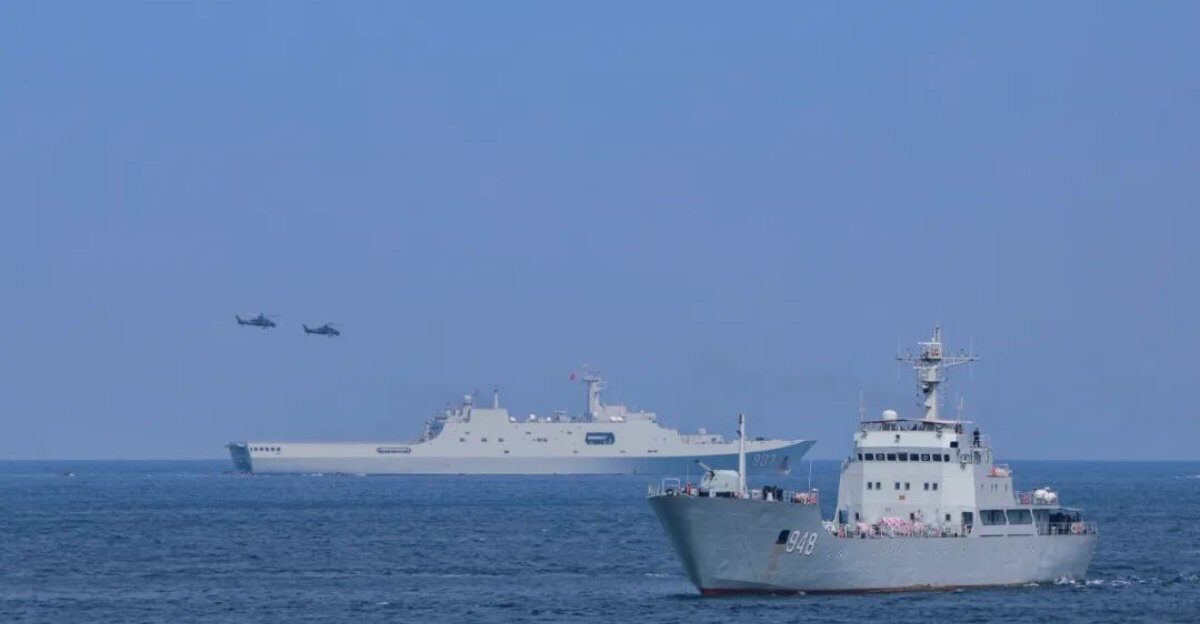
The South China Sea is now witnessing intensified military activity, drawing concern from nations around the world. Recent joint military exercises by the U.S., Japan, and the Philippines in the region remind everyone of the longstanding frictions that have made these waters one of the most volatile flashpoints globally. Each military presence increases the possibility of confrontation and the risk of escalation.
The intensifying tempo of military drills and operations brings increased scrutiny and raises the stakes. As military powers converge on this strategic region, the situation becomes more precarious. The growing military presence fuels geopolitical tensions, leaving little room for error, and making every action potentially more explosive.
Historic Disputes
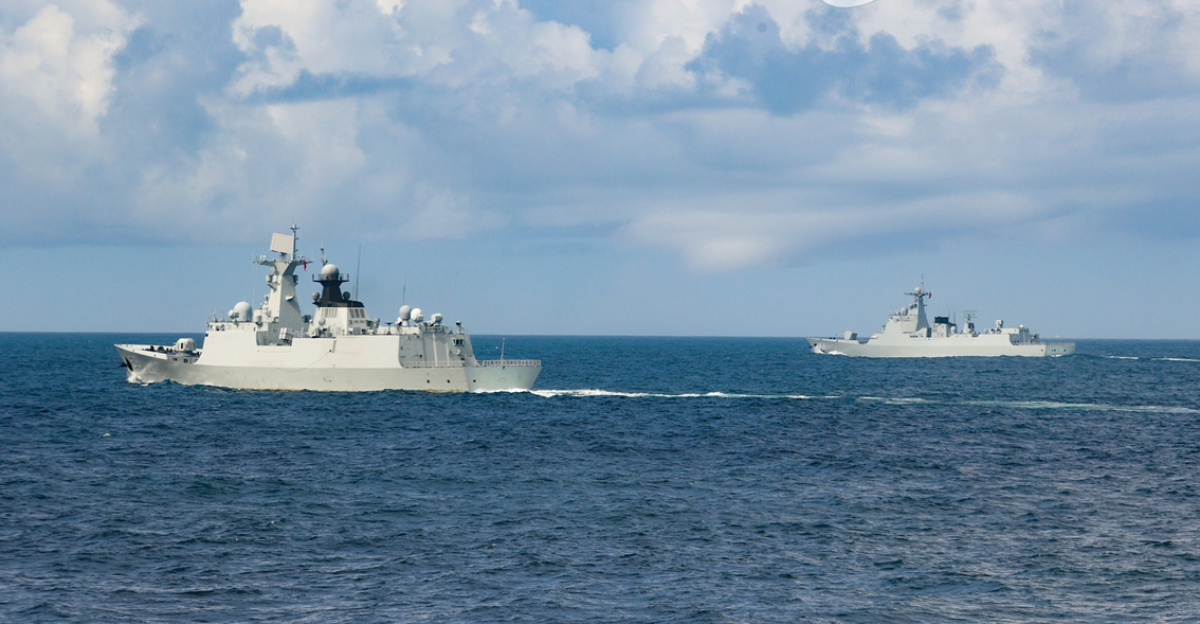
The South China Sea has been a center of conflict for decades. Six countries, including China, the Philippines, and Vietnam, claim overlapping territories and maritime resources. Diplomatic tensions and military confrontations have only intensified over the years, with no clear resolution in sight. The stakes are not just territorial but involve regional control and economic dominance.
Control over the South China Sea also means control over vital global shipping lanes. With billions of dollars of trade passing through these waters, the disputes are increasingly tied to the global economy. This makes the resolution of territorial claims a matter of broader international significance, further complicating any potential solution.
Strategic Waters
The South China Sea is not just important for the countries directly involved; it is a key global waterway. A third of the world’s maritime trade passes through this region, highlighting its crucial role in the global economy. The waters are vital for smooth international trade, making it an arena of constant power plays by the world’s superpowers.
Control over this vital waterway is highly contested. Whoever controls the South China Sea holds a powerful position in global trade. As each country vies for influence in these waters, the strategic importance of this region becomes even more apparent, underscoring its importance in the global geopolitical game.
Carrier Arrives
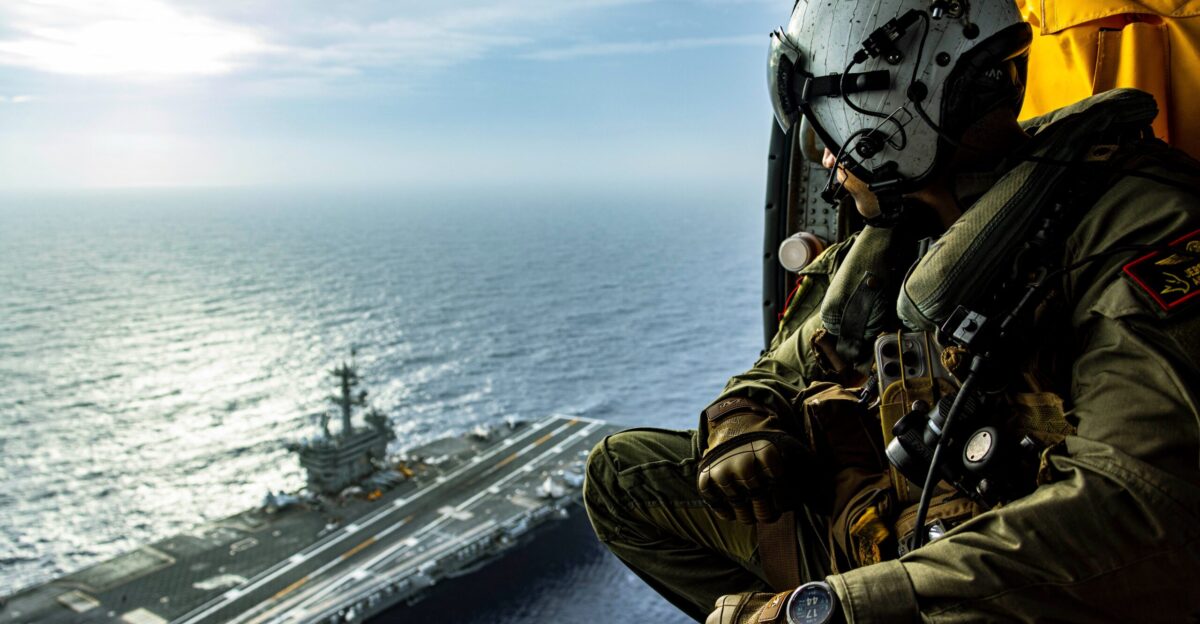
On November 17, 2025, the U.S. Navy’s USS George Washington entered the South China Sea following the departure of the USS Nimitz, conducting flight operations and coordinating joint drills with the Philippines and Japan. This marks a year of intensive multilateral exercises in the region, heightening already simmering tensions. The aircraft carrier’s presence serves as a potent symbol of the U.S. commitment to freedom of navigation in these contested waters.
The arrival of the USS George Washington is a strong statement of resolve from the U.S., not only to China but to the international community. The exercises emphasize allied strength and support for regional stability. However, with the rising tension, the question remains: will these exercises lead to peace, or will they further fuel the conflict?
Regional Fallout
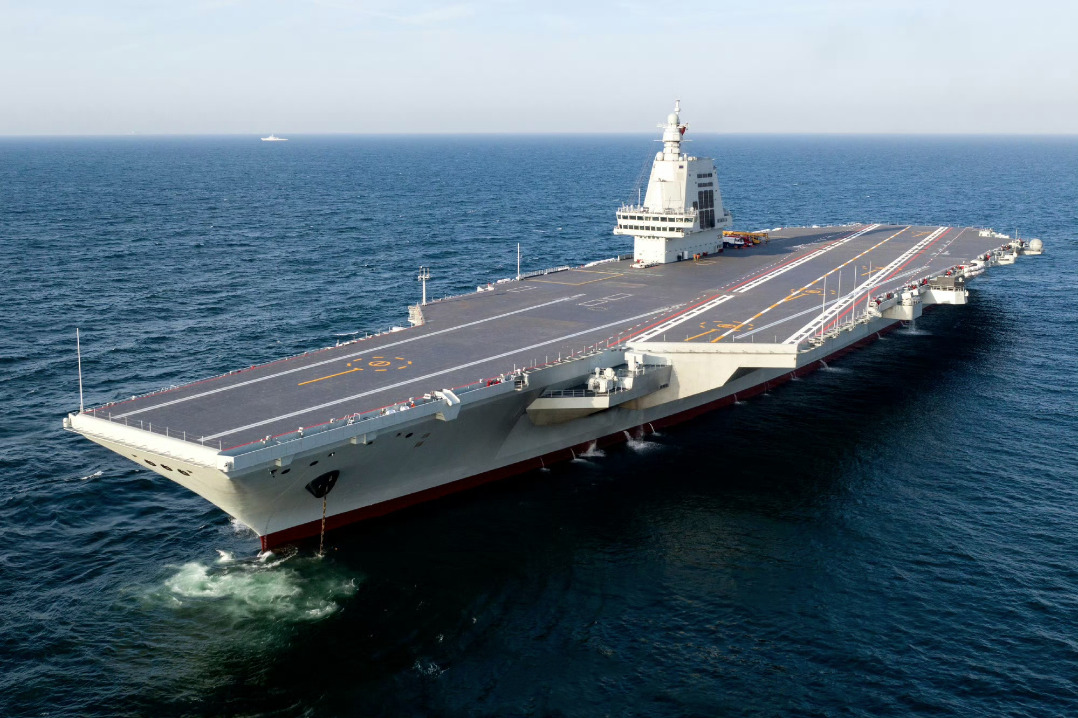
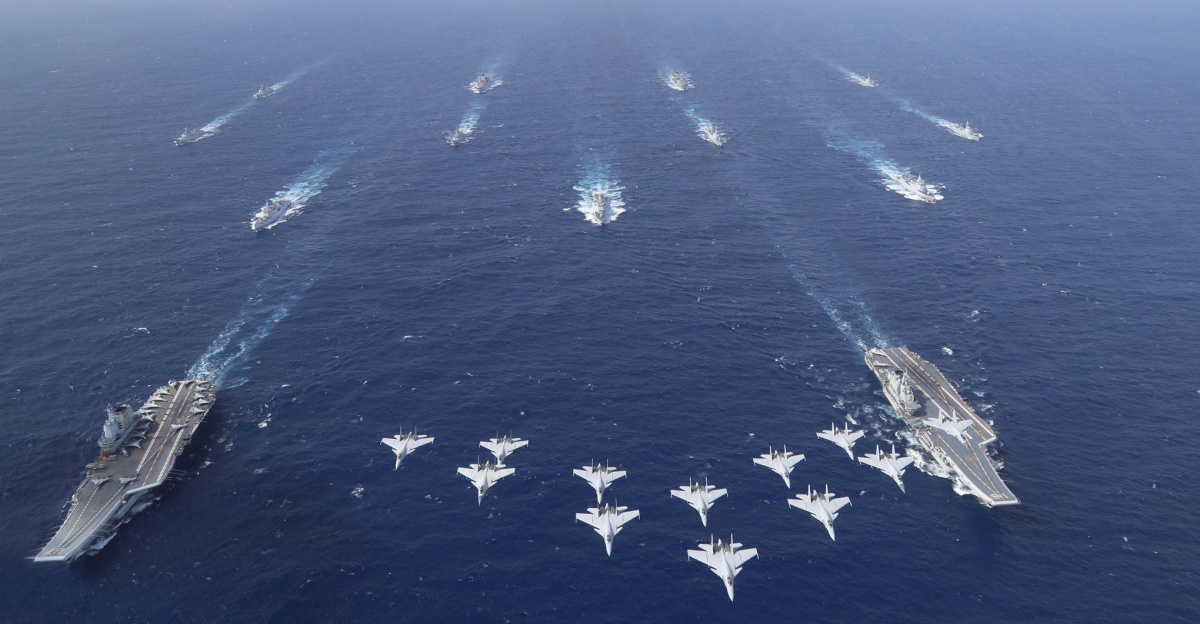
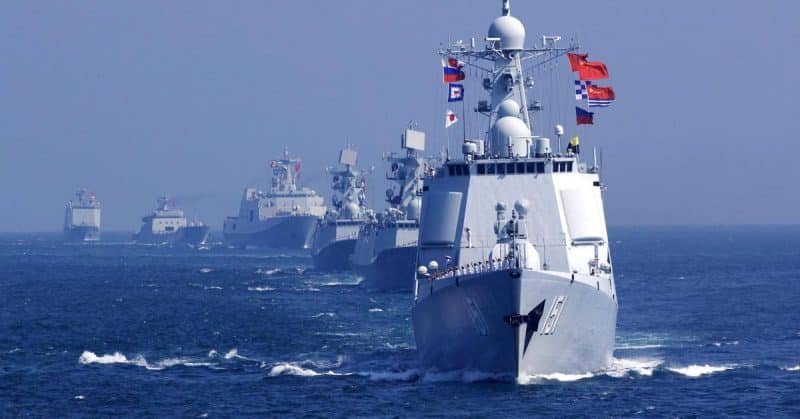
In response to the U.S. naval activity, China has taken a defensive stance, deploying advanced bombers for routine patrols and maintaining its latest aircraft carrier, the CNS Fujian, in the region. This demonstrates China’s readiness to assert its claims over the South China Sea. The escalation signals China’s determination to maintain control and deter foreign influence in the region.
China’s military maneuvers reflect the serious nature of the conflict and the high stakes involved. The balance of power in the region is at a tipping point, with China prepared to confront foreign military presence if it threatens its territorial claims. The stage is set for a tense standoff, with both sides bracing for potential conflict.
Sailors in the Crosshairs
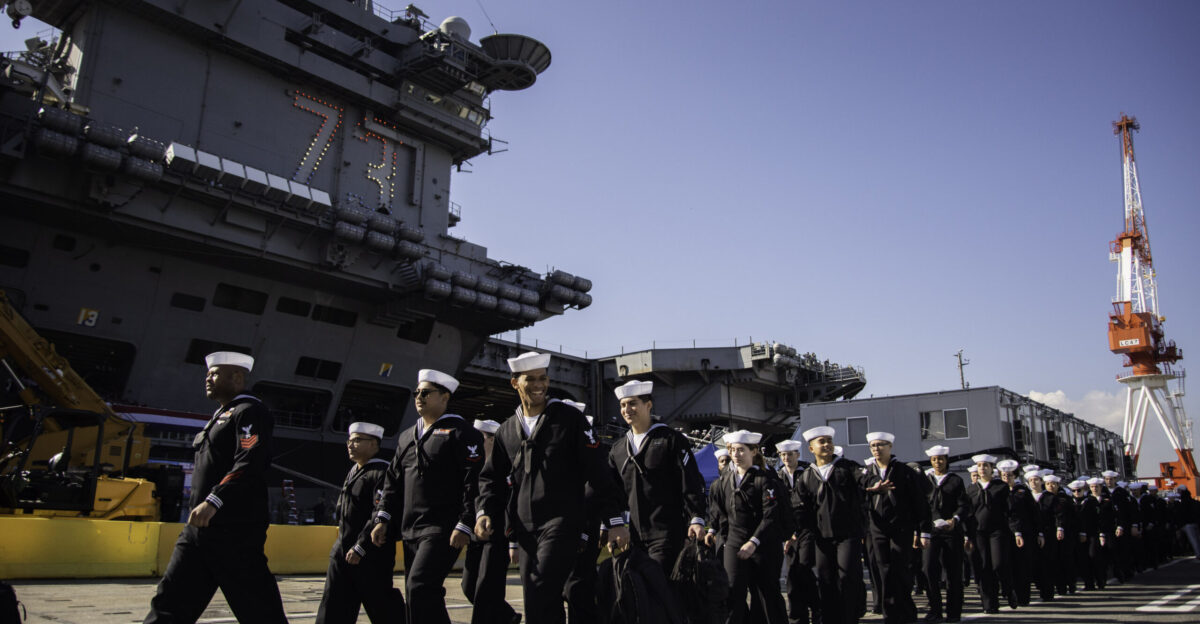
The USS George Washington is home to approximately 5,000–6,000 sailors, many of whom have families at home. The stakes are not just geopolitical—they are deeply personal for the sailors and their loved ones. Operating in waters that China claims as its own puts the crew at constant risk. Their families back home live in uncertainty, aware that a single misstep could escalate tensions.
The human element of this high-risk operation adds a layer of emotion to the unfolding crisis. The lives of the sailors and their families are at the heart of the military maneuvers, making the stakes feel more immediate and personal. The uncertainty faced by the families highlights the gravity of the situation.
Competing Powers
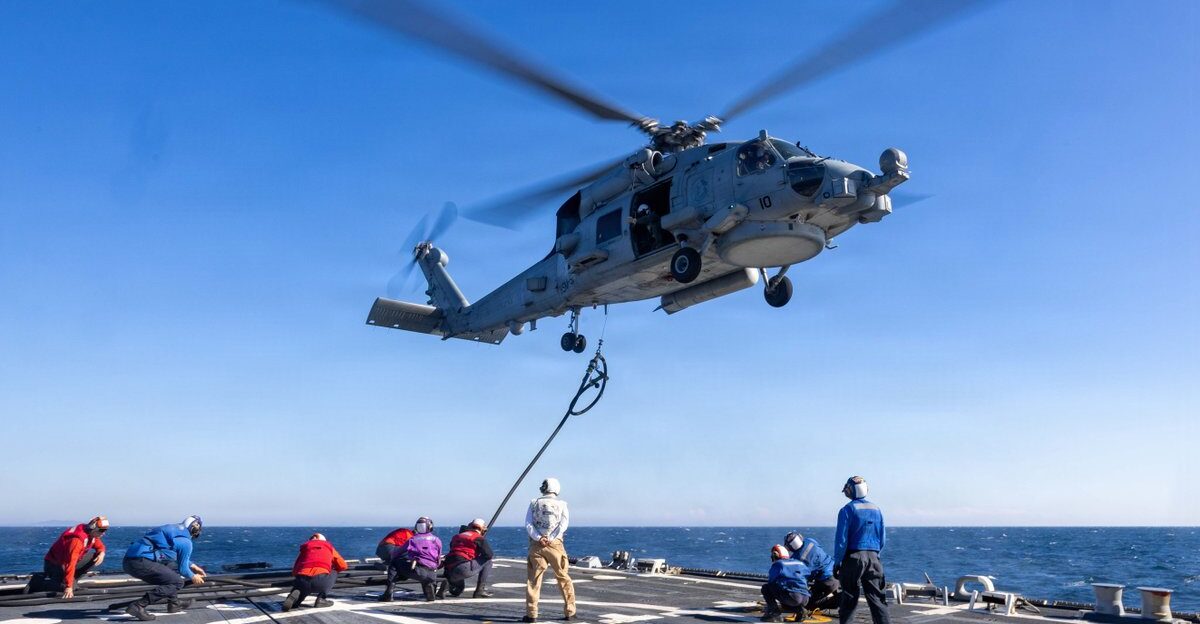
The U.S. Navy is not alone in its operations in the South China Sea. Japan and the Philippines, both U.S. allies, have joined in the exercises to enhance maritime domain awareness. This trilateral cooperation sends a clear message to China that these nations are united in resisting Beijing’s territorial ambitions and ensuring freedom of navigation in the South China Sea.
The cooperation between these countries strengthens the alliance and underscores a shared commitment to regional security. By pooling military resources, the U.S., Japan, and the Philippines send a message to China that the South China Sea is not under China’s exclusive control, reinforcing global commitments to secure these critical maritime lanes.
Global Trade at Risk
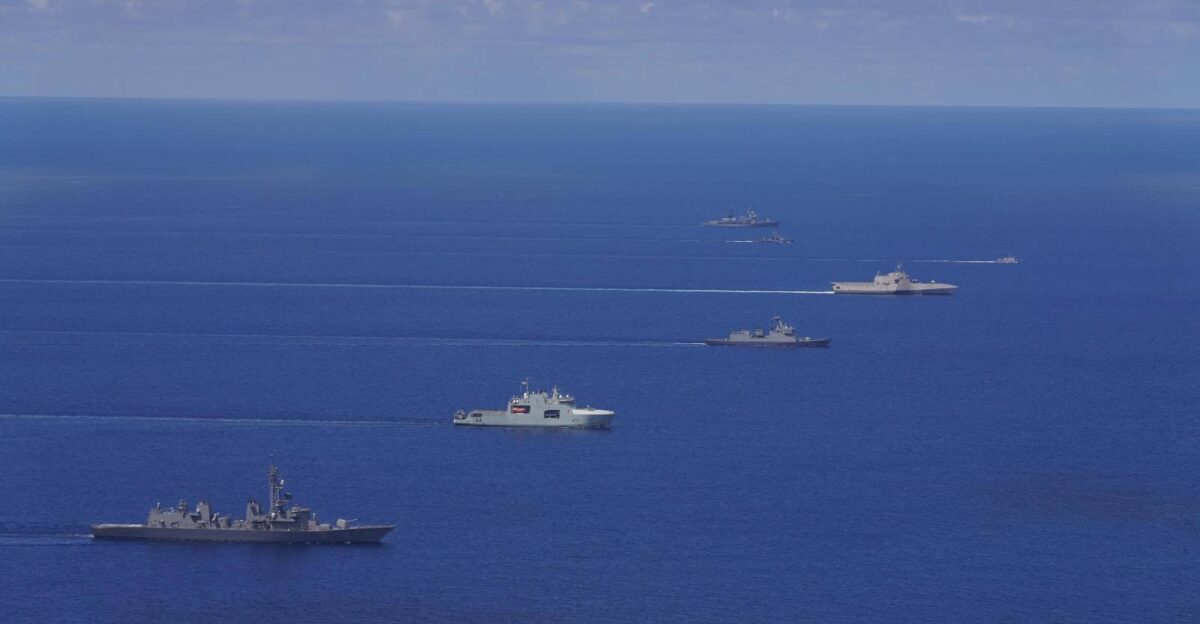
The South China Sea is a crucial passage for global trade, with $3.4 trillion worth of goods transiting through its waters annually. A conflict or blockade in the region would send shockwaves through the global economy, disrupting everything from consumer goods to manufacturing supply chains. The implications of a disruption are not just regional—they would be felt worldwide.
Any disruption to these vital trade routes would have far-reaching consequences. The interconnectedness of the global economy means that what happens in the South China Sea could reverberate across borders, affecting every country and every industry. The stakes for global commerce could not be higher, as the region remains a critical chokepoint for global trade.
China’s Warning
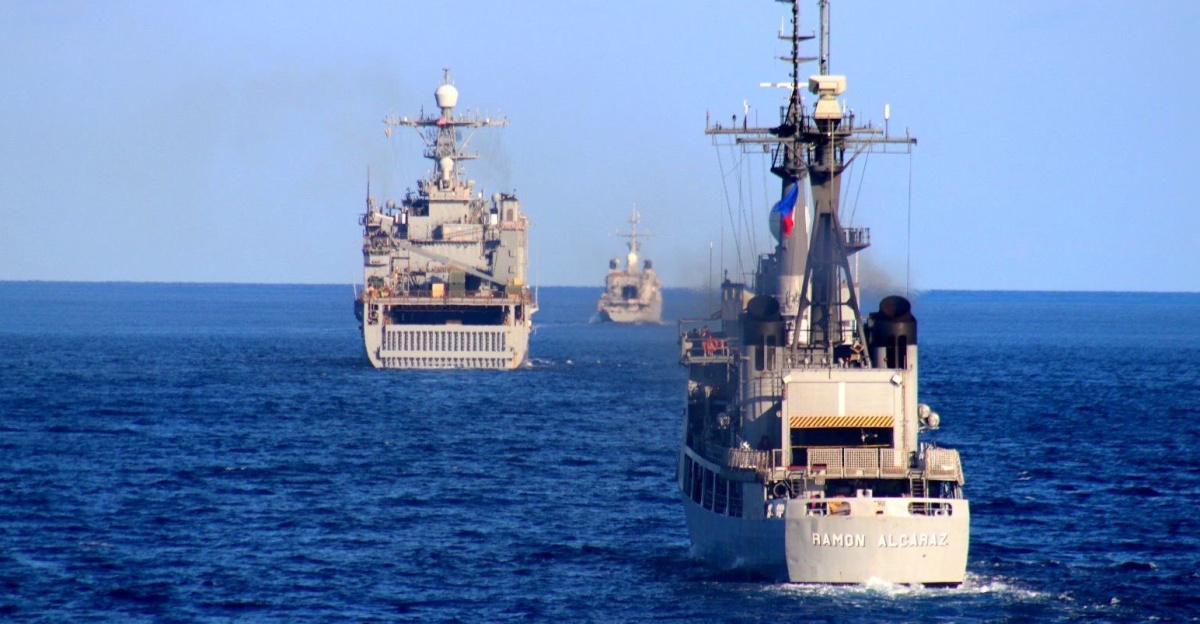
As military exercises continue in the region, China’s Southern Theater Command issued a stern warning to foreign navies about the risk of “misunderstanding and misjudgment.” China’s forces are on high alert, signaling a readiness to defend its territorial claims. The message is clear: any further escalation will be met with a strong response, heightening the risk of military conflict.
The warning from China underlines its determination to protect its interests in the South China Sea. The country is ready to engage in military action if necessary, and each military maneuver in the region brings the possibility of an unintended confrontation closer. As tensions mount, the danger of a misstep leading to conflict grows.
Frustration Builds

Repeated close encounters at sea have intensified the anxiety of regional stakeholders, from diplomats to local fishermen. The threat of a major incident is increasingly real, with many asking when something will go wrong. The frustration felt by all parties is palpable, as the region’s precarious balance teeters on the edge of conflict.
The risk of accidental escalation looms larger with each passing day. Close encounters at sea heighten the likelihood of a misjudgment or misstep that could trigger a larger crisis. As diplomatic tensions rise and frustrations build, the situation is becoming increasingly fragile, making the potential for conflict more likely.
Shifting Tactics
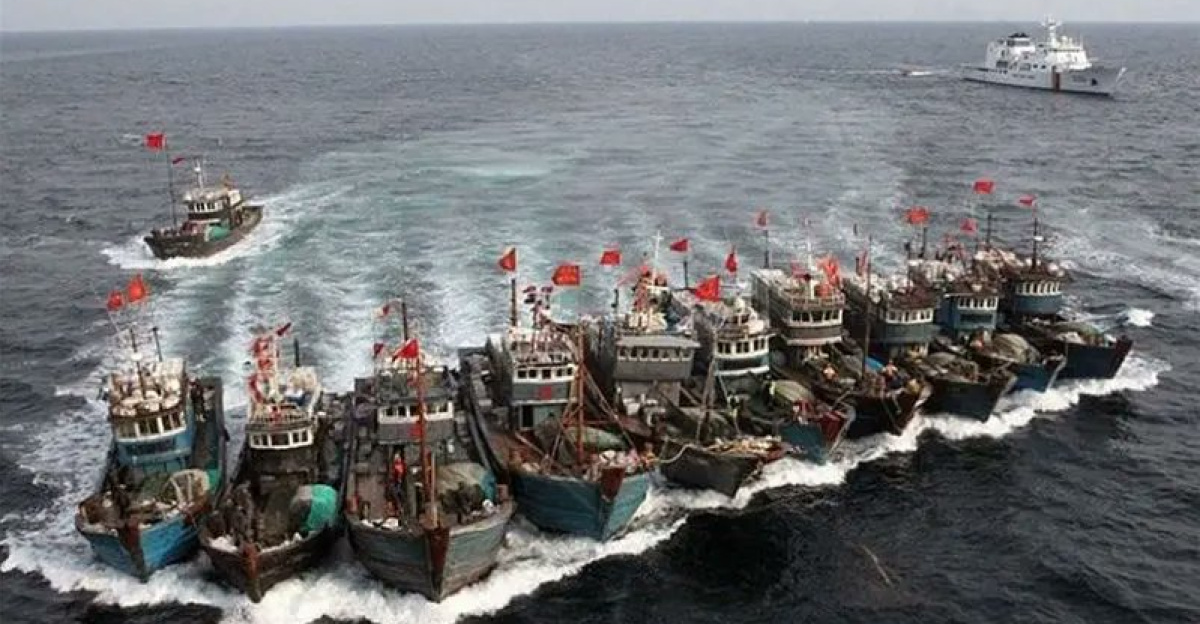
Both the U.S. and China are adjusting their strategies in response to the growing tensions. The U.S. is increasing its military presence with more frequent and larger-scale exercises, while China is expanding its naval fleet and advancing its military capabilities. These shifts reflect a growing arms race in the region, as both sides seek to gain an advantage in the ongoing standoff.
The evolving tactics on both sides show that the conflict is likely to continue for the foreseeable future. With each power ramping up its military capabilities, the region faces a long-term struggle for dominance. The stakes are rising, as both the U.S. and China prepare for a sustained contest of power in one of the world’s most volatile regions.
Seeking Deterrence
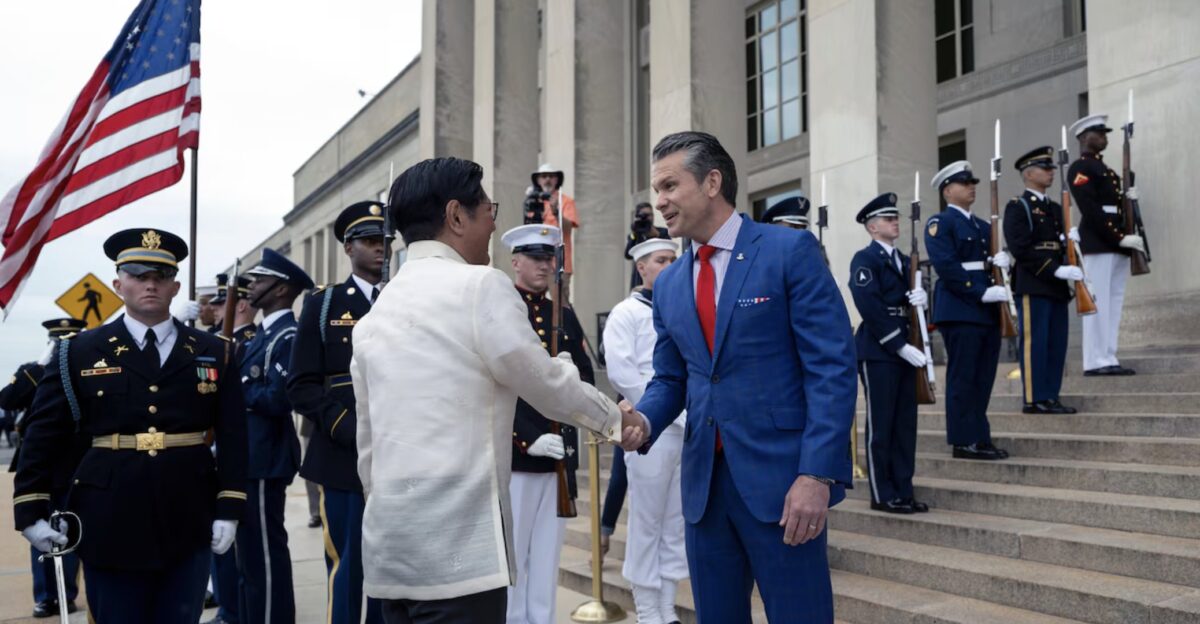
The U.S.-Philippine Mutual Defense Treaty plays a crucial role in deterring Chinese aggression in the South China Sea. However, each operation also carries the risk of provoking China further. The delicate balance between deterrence and provocation underscores the fragility of the region’s security and the growing potential for escalation.
While the treaty aims to prevent Chinese expansion, it also heightens tensions by challenging China’s territorial claims. The growing military presence of both sides threatens to upset the fragile peace in the region, making the situation more dangerous. The balance between deterring aggression and avoiding provocation is becoming harder to maintain.
Sober Outlook
Analysts caution that carrier deployments and international legal rulings will not resolve the South China Sea’s contested claims. China’s continued militarization of artificial islands complicates any resolution. The entrenched positions of both sides make peaceful solutions increasingly unlikely, leaving the region vulnerable to further escalation.
Despite calls for diplomatic resolution, the situation remains in a state of deadlock. Legal rulings and international pressure have not succeeded in changing China’s actions, leaving the conflict unresolved. The risk of further escalation grows as both sides remain firmly entrenched in their positions.
What’s Next?
The future of the South China Sea remains uncertain as tensions continue to escalate. While joint exercises and freedom of navigation patrols are likely to persist, so too will China’s countermeasures. Experts warn that the next crisis could erupt from an accidental confrontation or a small mistake that quickly spirals into a larger conflict.
As the situation continues to develop, the world remains on edge, hoping that diplomacy can prevent a major crisis. The risk of sudden escalation looms large, and the ability of all parties to manage their military operations carefully will determine whether the region can avoid full-scale conflict.
Political Realities

Countries like Vietnam, Malaysia, and Brunei face the difficult task of balancing their sovereignty with their economic ties to China. The South China Sea dispute is as much about regional strategy as it is about economic interests. For many countries in the region, the stakes are incredibly high, as they navigate a complex geopolitical landscape.
These nations are under intense pressure to defend their interests while managing their economic relationships with China. The South China Sea remains a battleground where sovereignty and economic realities collide, and the way these countries maneuver will determine the region’s future stability.
International Ripples

Global organizations like the UN and ASEAN are calling for restraint, but the lack of enforcement for rulings like the Permanent Court of Arbitration’s decision in 2016 highlights the international community’s limited leverage. The absence of a strong, unified global response leaves regional players to manage the crisis on their own, with little external pressure to resolve the dispute.
The international community’s calls for diplomacy have not been enough to alter China’s stance. Without global enforcement mechanisms, China continues to act unchallenged, prolonging the dispute. As international influence remains weak, the South China Sea remains in a state of uncertainty.
Legal Complexities

China’s “historic rights” policy clashes with international law, particularly the UN Convention on the Law of the Sea. The ambiguity surrounding maritime claims fuels tension, as each side interprets the law to suit its interests. This legal gray area makes resolution difficult, prolonging the conflict and increasing the likelihood of future disputes.
The lack of clear legal boundaries exacerbates the South China Sea conflict. China’s use of “historic rights” adds complexity to the situation, as both sides rely on differing legal interpretations. Until this ambiguity is addressed, the dispute will likely continue, deepening the divide between claimants and prolonging tensions.
Cultural Stakes
For many in the region, the South China Sea dispute is more than a geopolitical conflict—it is deeply personal. For fishermen, coastal communities, and nationalists, the stakes are about their way of life. As tensions rise, the emotional investment in the outcome grows, making compromise harder to achieve.
The dispute touches on cultural and emotional issues, with national identities and livelihoods tied to territorial claims. For many people in the region, the South China Sea is an essential part of their future. The deeper the emotional investment, the more entrenched the conflict becomes, further complicating efforts toward a peaceful resolution.
What It Means
The ongoing military activity in the South China Sea highlights the intersection of security, trade, and sovereignty. As rival powers continue to confront each other in these contested waters, the consequences of these maneuvers will have far-reaching effects. The future of the South China Sea remains uncertain, with the world’s most critical issues being decided on the water.
As tensions mount in one of the world’s most volatile regions, the outcome of this standoff will shape not just Asia’s future, but the global geopolitical landscape. With so much at stake, the South China Sea remains one of the world’s most important flashpoints, where security, trade, and sovereignty are in constant conflict.
Sources
U.S. Navy Press Office [September 14, 2025] – Japan, the Philippines and the U.S. Conduct Maritime Cooperative Activity
U.S. 7th Fleet Command [October 20, 2025] – Japan, U.S. Forces Begin Multilateral Exercise ANNUALEX 2025
Futunn News [November 21, 2025] – The Aircraft Carrier George Washington Entered the South China Sea
Breaking Defense [November 13, 2025] – US Navy Mobilizes Units to Salvage Crashed Aircraft in South China Sea
Xinhua News Agency [November 15, 2025] – China Warns Philippines Against Further Provocations in South China Sea
CSIS China Power Project [January 24, 2021] – How Much Trade Transits the South China Sea?