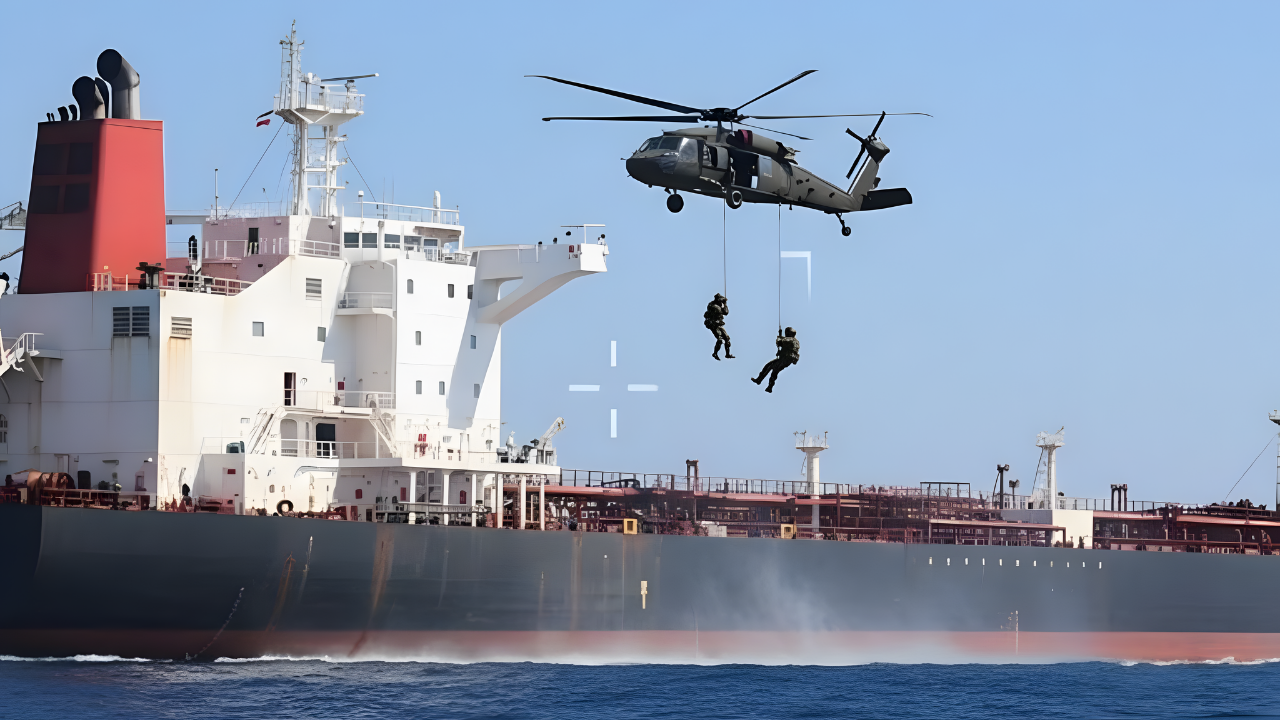
On December 10, 2025, U.S. forces seized the oil tanker Skipper in the Caribbean Sea off Venezuela’s coast under a federal warrant issued by a U.S. judge.
The Coast Guard, with military support, boarded the vessel after years of alleged sanctions evasion by the ship and its operators. No casualties were reported during the operation, which marks a significant escalation in enforcement against sanctioned oil shipments.
What the Skipper Was Allegedly Doing
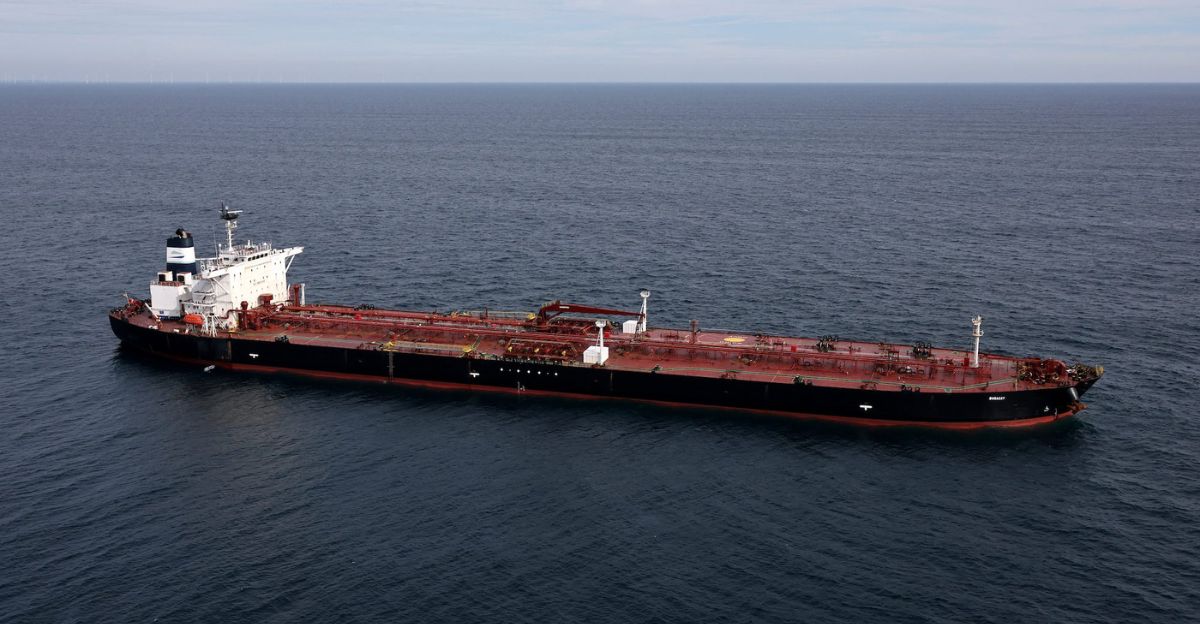
The Skipper had been sanctioned by the U.S. Treasury Department in 2022 for involvement in a network of tankers evading sanctions tied to Iran’s Revolutionary Guard Corps and Hezbollah.
Maritime tracking showed it used deceptive practices like false location broadcasts and flying a flag of convenience, making it stateless under international law. These tactics are common among “dark fleet” ships transporting sanctioned oil.
Oil On Board and Shipping Practices
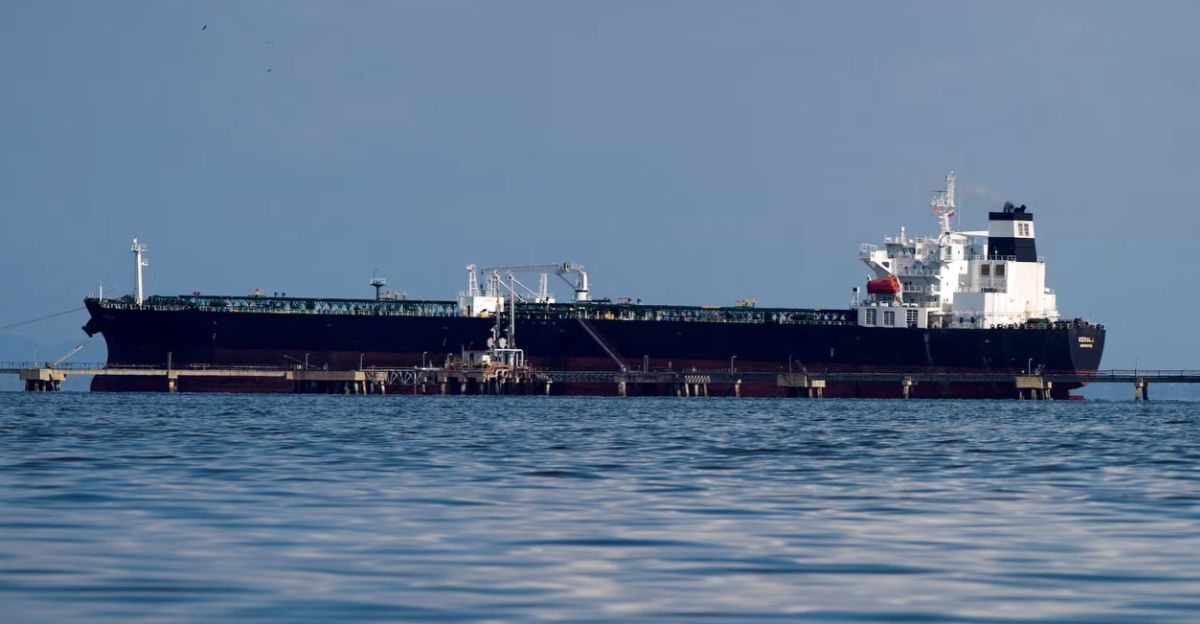
At the time of capture, the Skipper carried about 1.8–2 million barrels of Venezuelan heavy crude, with roughly half reportedly owned by a Cuban state importer, according to tanker tracking data.The ship had also transferred some cargo to another vessel before interception.
“Dark fleet” tankers often falsify their Automated Identification System (AIS) signals and change flags to conceal movements.
Legal Basis for the Seizure
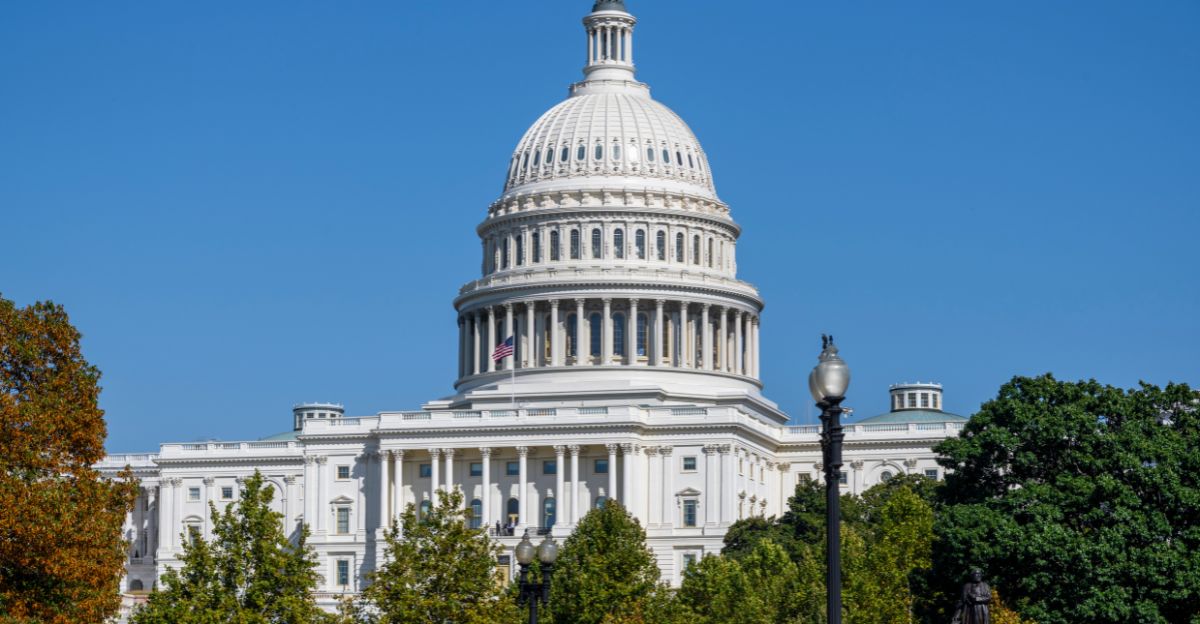
U.S. authorities executed the seizure under a federal warrant signed on November 26, 2025, just before it expired.
The warrant authorized confiscation of the vessel and its cargo for violating long-standing U.S. sanctions against Venezuelan oil exports and networks linked to terrorism financing. U.S. officials said the action demonstrates enforcement of sanctions laws at sea.
Maduro Calls It “Piracy”
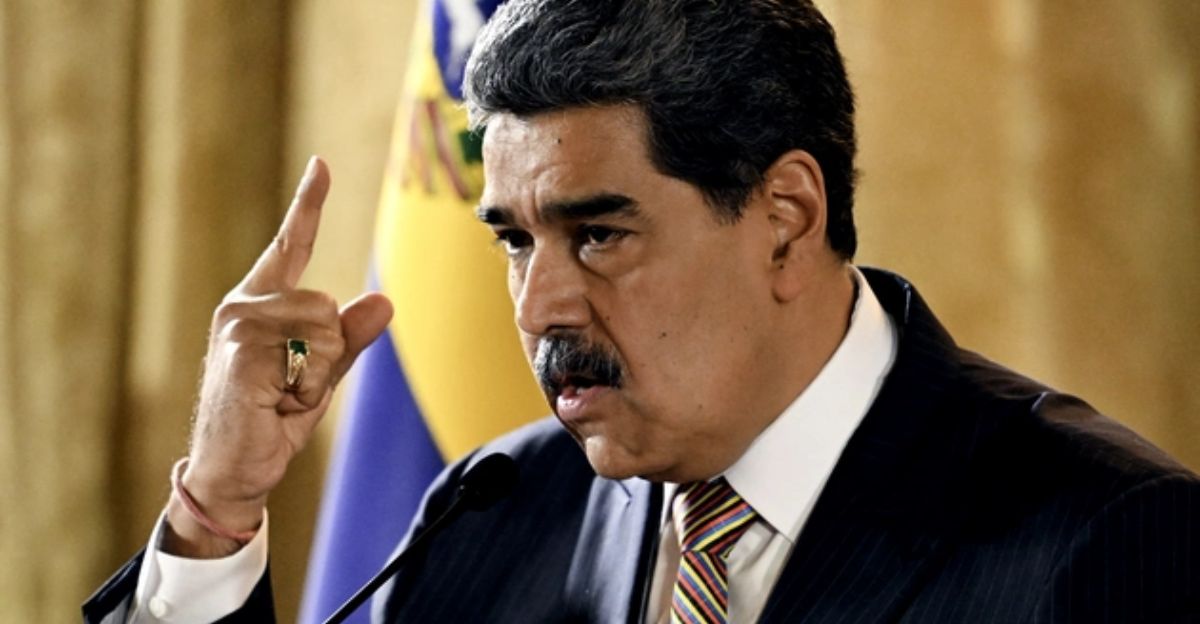
Venezuelan President Nicolás Maduro condemned the seizure as “an act of piracy and theft,” accusing the U.S. of violating Venezuela’s sovereignty.
Caracas also denounced the move as part of broader U.S. pressure against its government. Venezuelan officials, and allied states like Cuba, argue the interception undermines maritime norms and harms energy access.
Cuba Condemns Loss of Oil Cargo
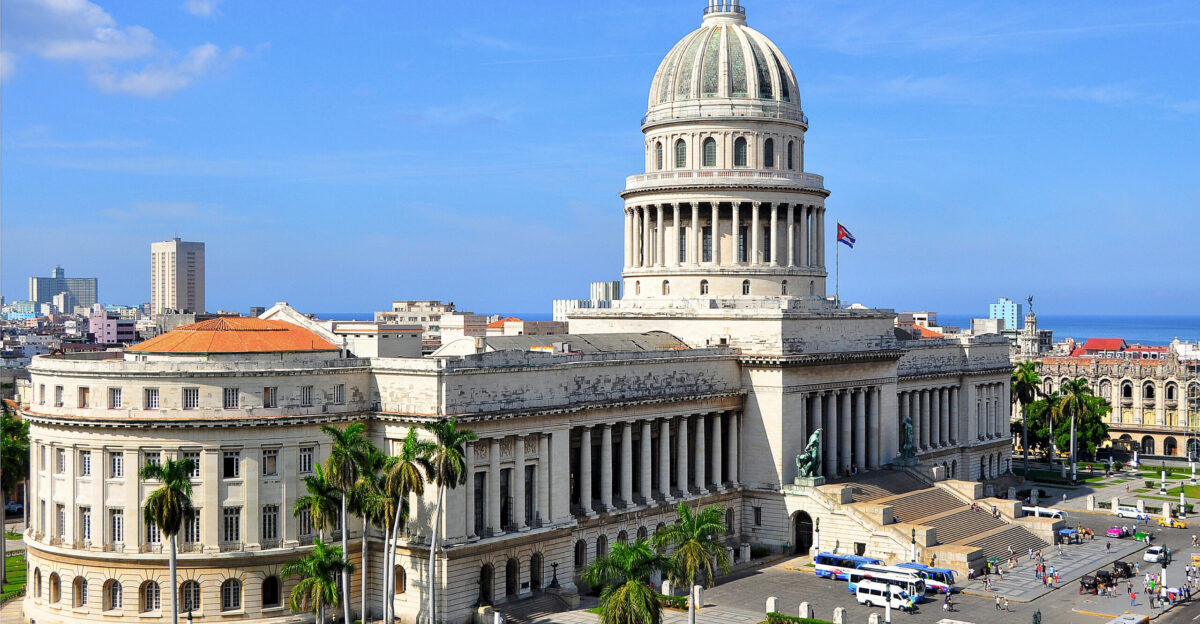
Cuba’s government publicly criticized the U.S. takeover, saying the seized cargo was bound for its state energy system.
Havana called it “maritime terrorism” that will disrupt its limited fuel supplies. Cuban authorities alleged the vessel was part of a long-term trade arrangement that helped Havana secure crude from Venezuela.
Seizure Seen as Part of Larger U.S. Strategy
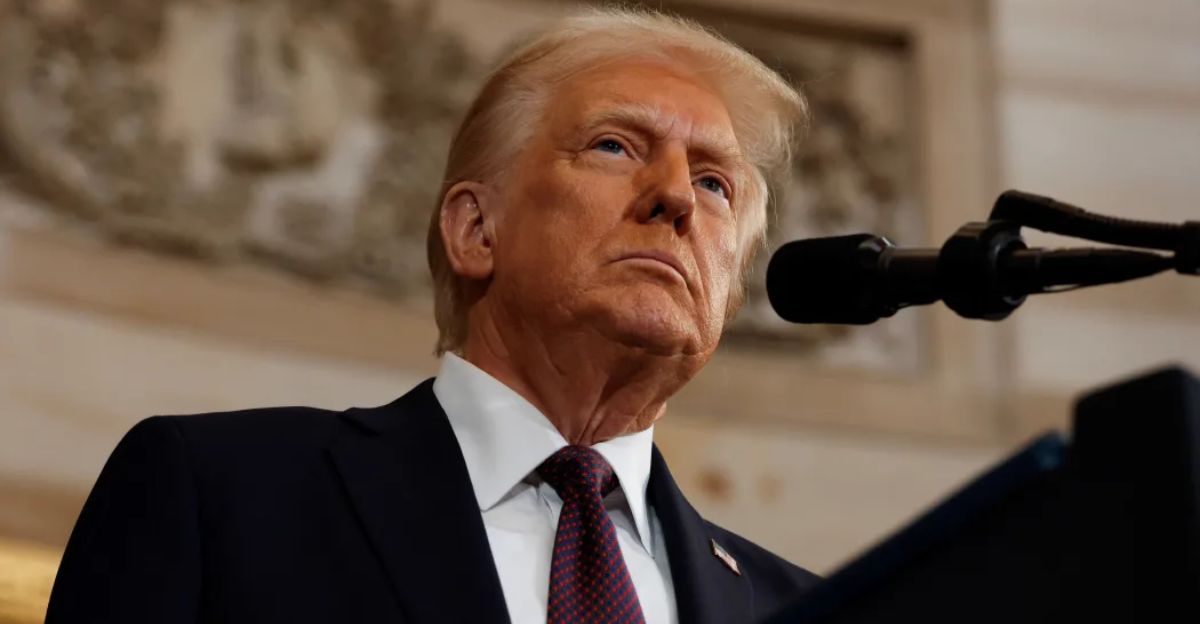
U.S. officials and analysts see the action not as a one-off event but part of a broader strategy targeting sanctioned shipping networks.
The Biden or Trump administrations have increased pressure on Venezuelan oil exports, stepping beyond financial sanctions to direct physical interdictions at sea, according to U.S. government signals and reporting.
Dark Fleet Scrutiny Intensifies
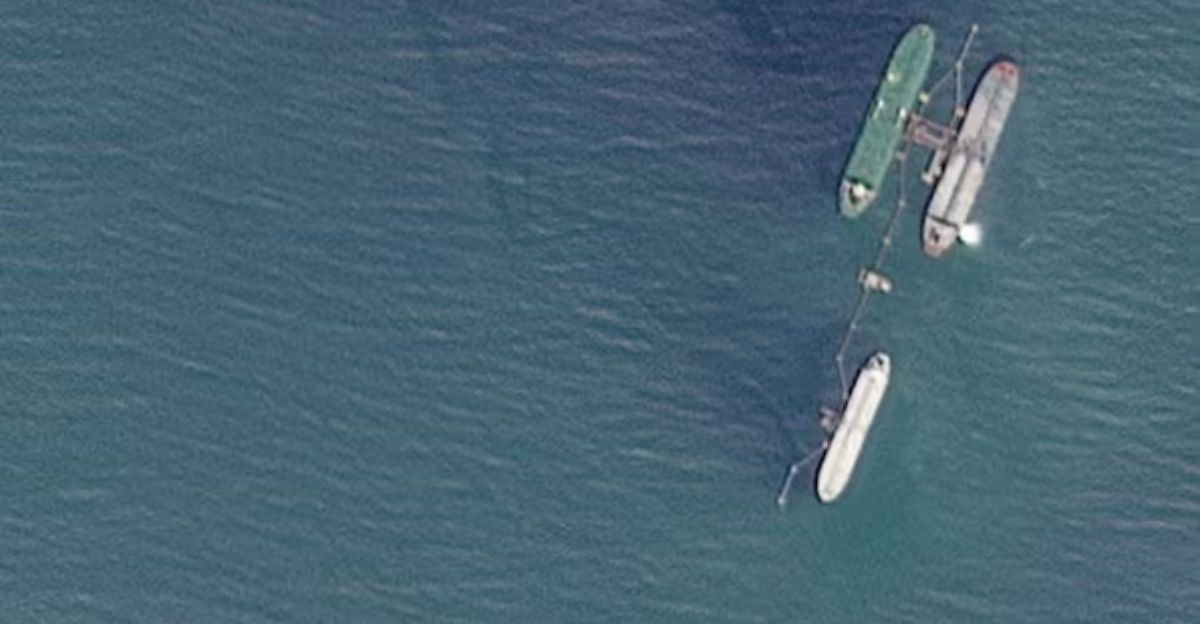
Industry trackers like Windward report that Skipper was among roughly 30 sanctioned tankers near Venezuela using deceptive AIS and false flags. Such vessels can avoid detection and move crude illicitly for revenue.
The U.S. action has raised the risk profile for other dark fleet tankers operating in the region, with some potentially reconsidering departure plans.
International Maritime Law Context

Experts note that “stateless” vessels — those without valid registration — can be lawfully boarded under international law.
Skipper was operating under a questionable flag, reportedly Guyanese without official ties, which left it vulnerable to legal seizure. Such maritime law principles give coastal states some authority to act against stateless ships on the high seas.
Impact on Venezuelan Oil Exports

Shipping data indicate Venezuela’s crude exports rose significantly in recent years despite sanctions. However, the seizure could slow shipments as insurers and operators withdraw from high-risk traffic.
Black-market oil has historically traded at a steep discount, but increased enforcement raises logistical and financial risks for buyers and shippers.
U.S. Fuel Markets Respond
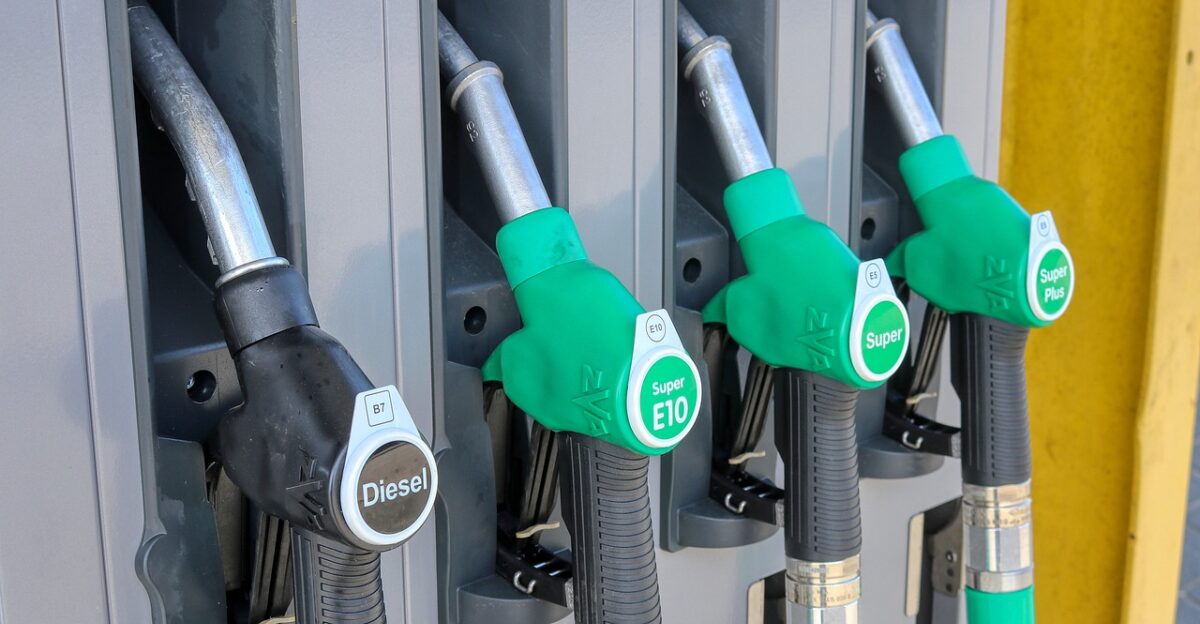
Global energy markets reacted to the news of the tanker interdiction, with crude prices reacting to potential supply disruptions from Venezuelan flows. U.S. fuel buyers and retailers are diversifying sources, emphasizing stable supplies from sanctioned-free producers.
Price volatility in regional spot markets may persist as enforcement continues.
Shipping Industry Adjusts Risk Assessments
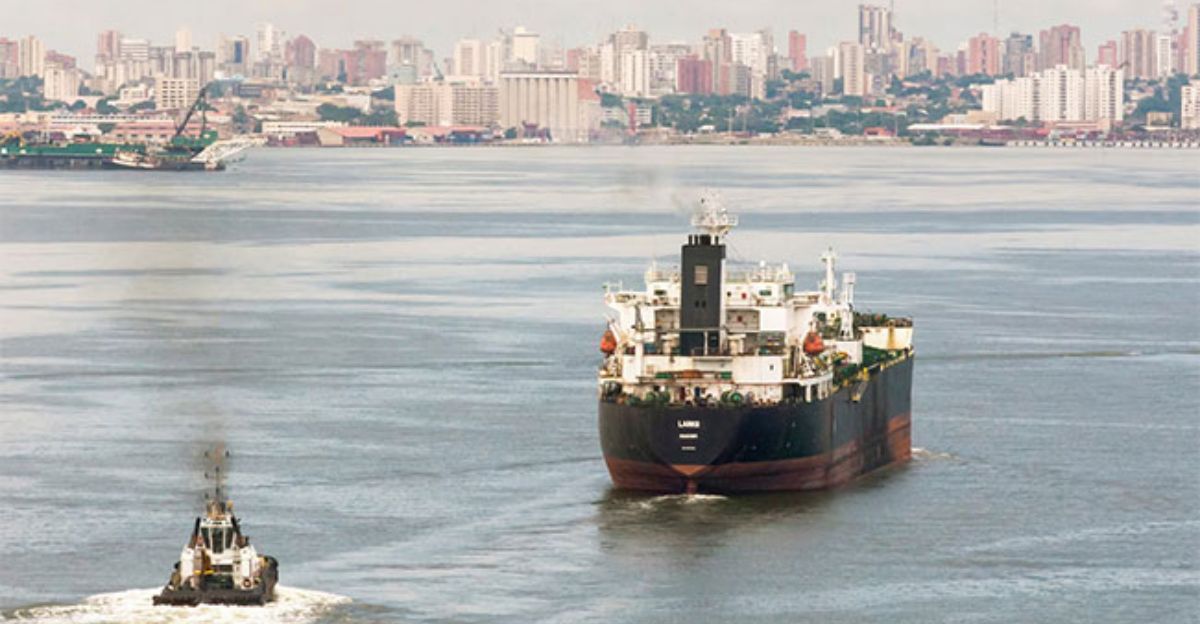
Shipping insurers and oil traders have warned that vessels with sanctions ties now face elevated legal and financial exposure.
Many tankers have begun adjusting routes or avoiding Venezuelan waters to reduce the chance of enforcement actions and asset forfeiture by U.S. authorities.
Gulf Traffic and Caribbean Naval Presence
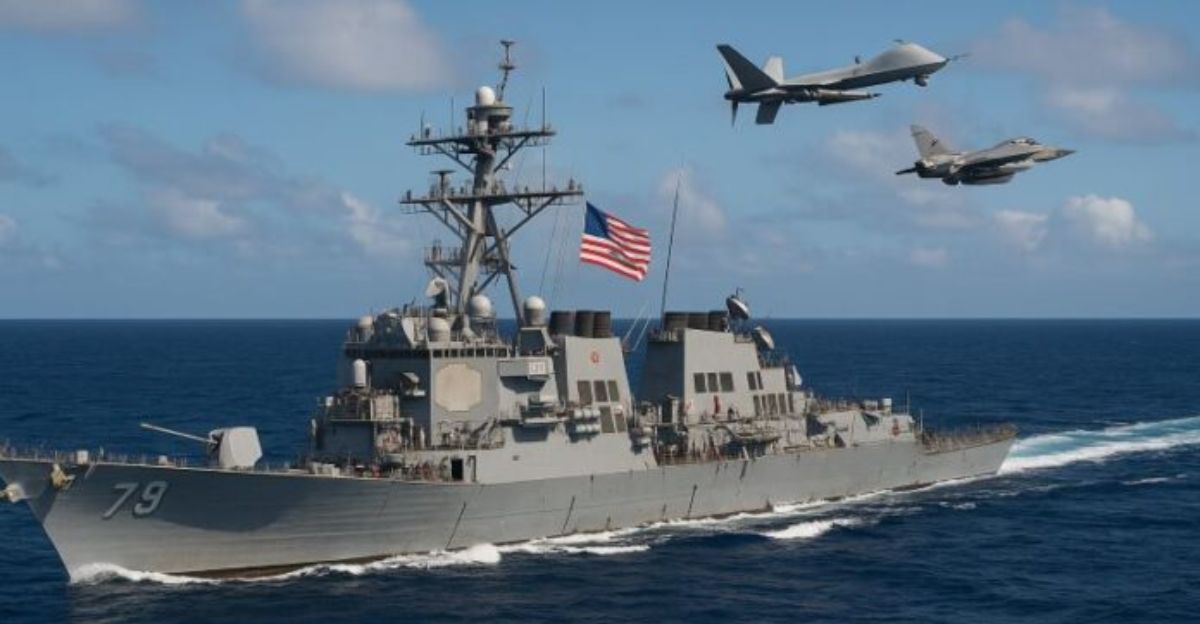
The U.S. deployed additional military assets to the Southern Caribbean as part of its enforcement posture.
The presence of Coast Guard cutters and naval helicopters near key tanker routes underscores Washington’s intent to patrol waters where dark fleet activity has concentrated.
Cuba, Venezuela and Regional Tensions
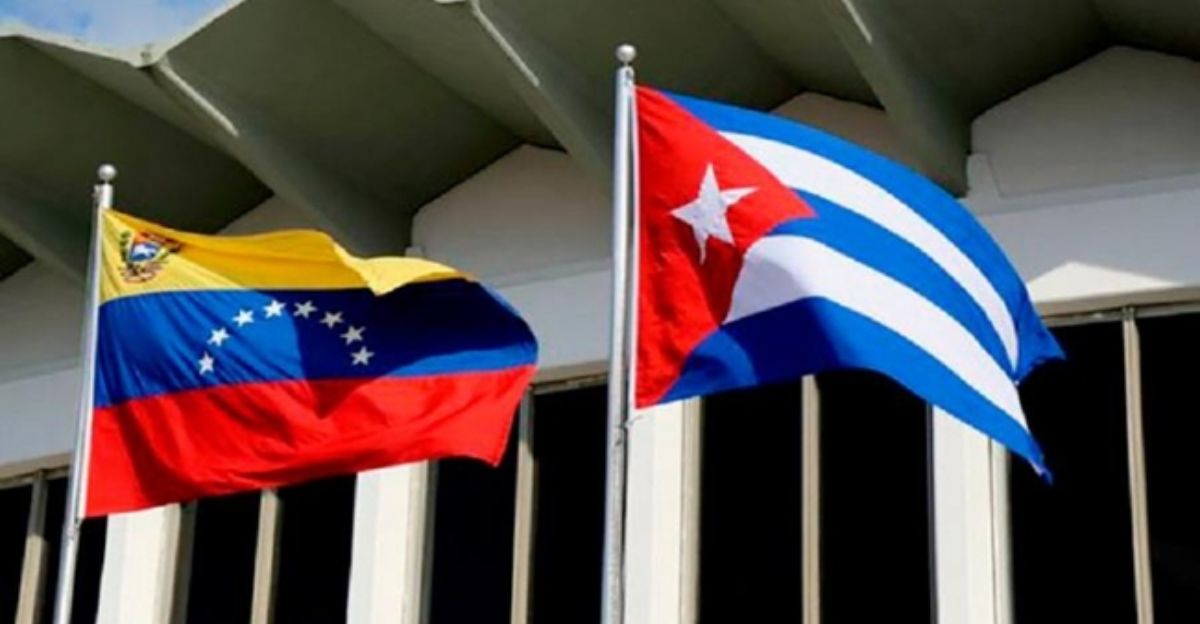
The seizure has added to existing geopolitical tensions in the Western Hemisphere. Cuba and Venezuela assert the U.S. move jeopardizes regional stability and energy security.
Neighboring countries have called for diplomatic resolutions to avoid escalation, while Caracas and Havana pursue condemnation in international forums.
The Guardian
Economic Effects on Venezuela
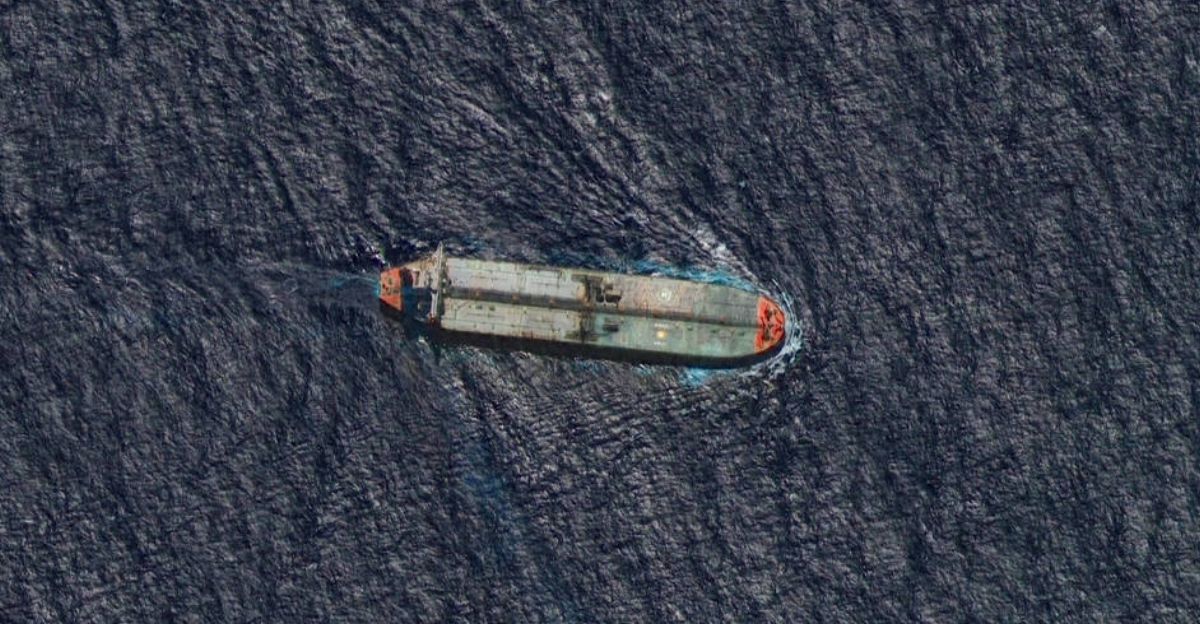
Economists say the interdiction may hinder Venezuela’s already fragile export earnings. Loss of crude shipments narrows foreign exchange inflows, exacerbating inflation and limiting state revenue for imports.
Maduro’s government has relied heavily on oil income, including through non-traditional shipping networks.
U.S. Sanctions and Legal Framework
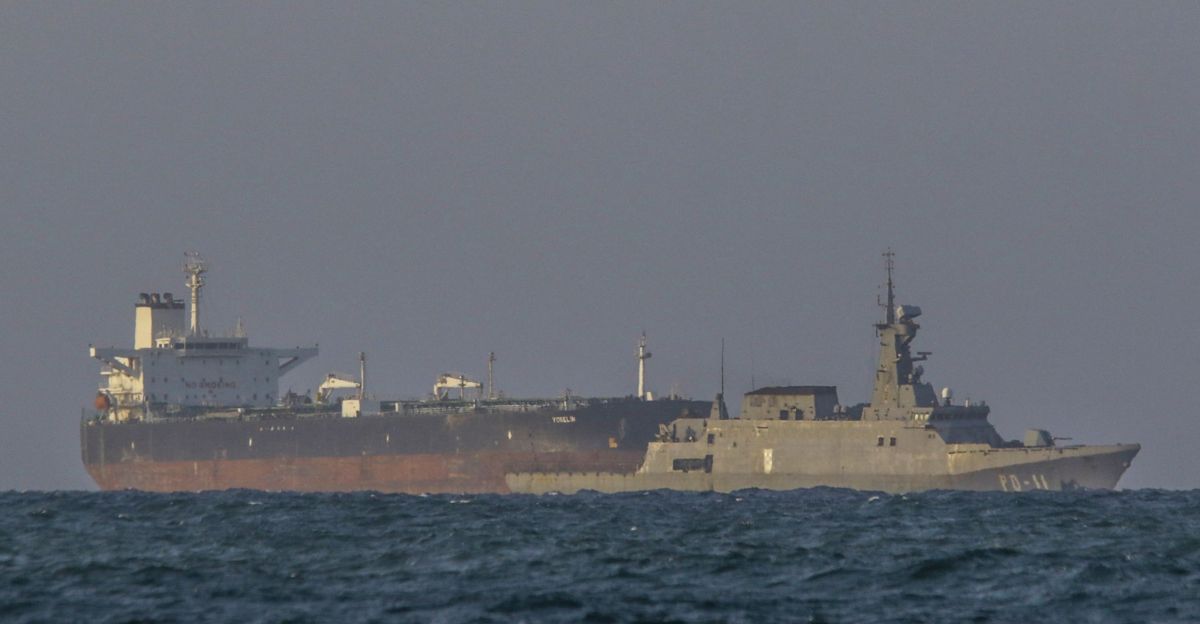
U.S. sanctions on Venezuelan oil date back to 2019 and have expanded to include vessels and networks aiding evasion.
The Skipper seizure illustrates the legal mechanisms Washington uses — including asset forfeiture and warrants — to enforce sanctions beyond banking penalties.
Opposition Political Reactions in Venezuela
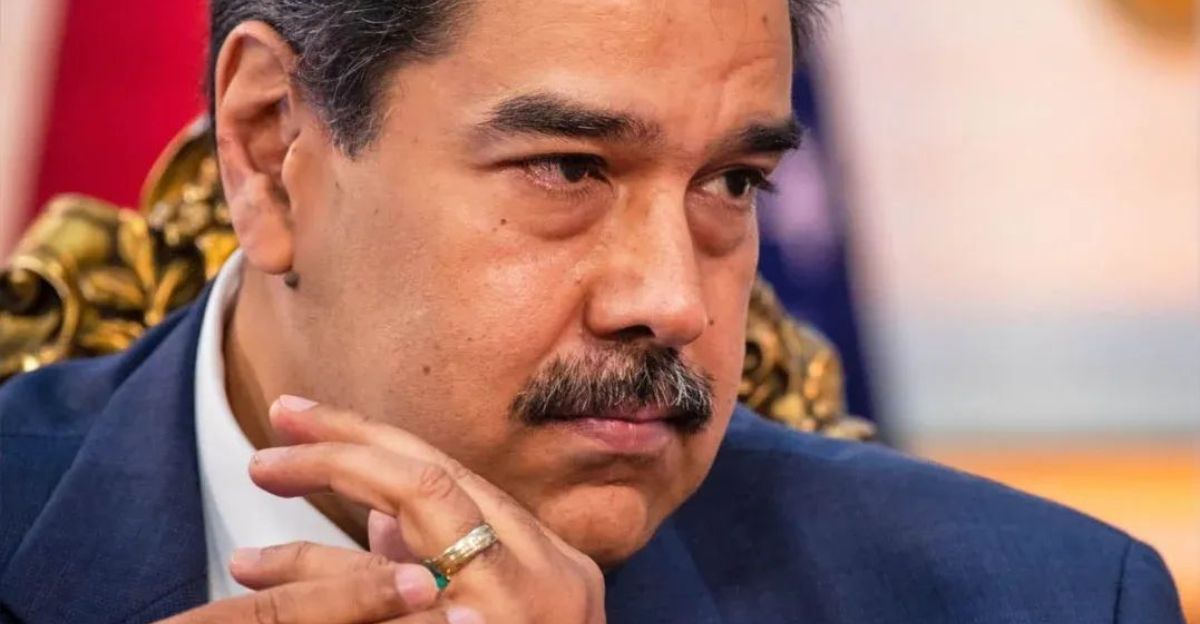
Venezuelan opposition figures publicly welcomed the enforcement, criticizing Maduro’s management of oil revenues and alleged corruption.
Some see the U.S. action as signaling international impatience with the status quo and support for political change in Caracas.
Broader Shadow Fleet Dynamics
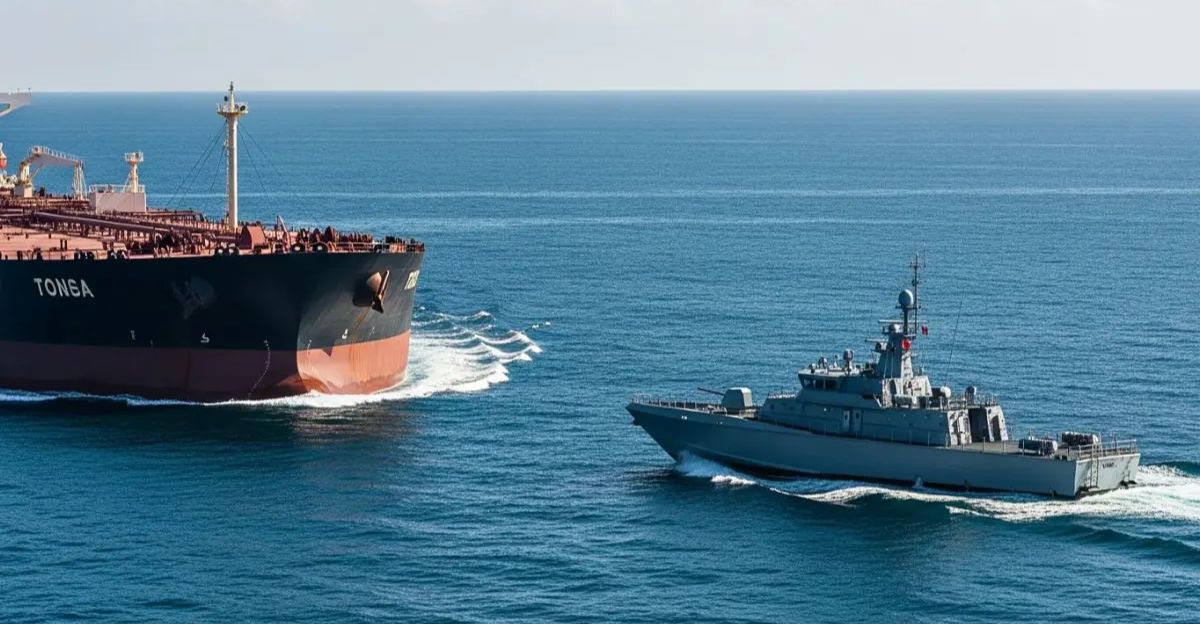
The Skipper seizure is part of heightened scrutiny of a global “shadow fleet” of vessels moving sanctioned crude for regimes like Venezuela and Iran.
Maritime intelligence says hundreds of ships operate with opaque ownership and evasive practices, posing challenges for global regulatory efforts.
What Happens Next to Skipper and Cargo

The U.S. government intends legal proceedings for the forfeited vessel and its cargo, with courts overseeing claims and disposition.
Port authorities in the U.S. have not yet disclosed the final docking location, but the tanker is expected to be processed through legal and customs systems.
Houston Chronicle
Legacy of the 2025 Seizure
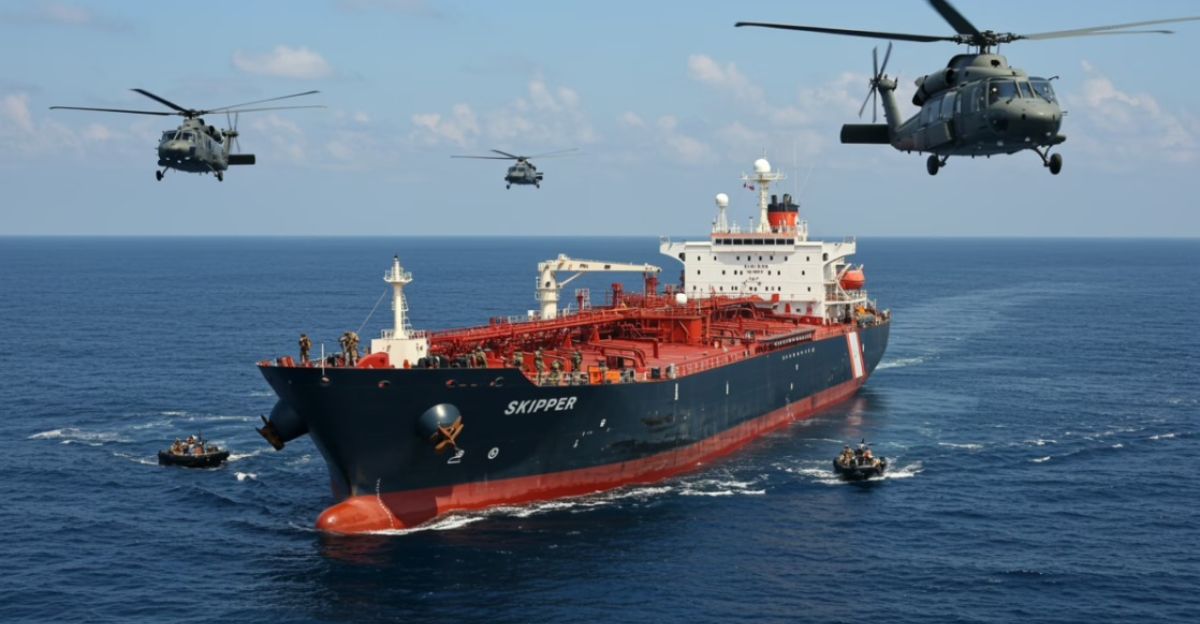
The Skipper seizure may mark a pivot in sanctions enforcement — from financial measures to proactive interception at sea.
This operation underscores U.S. willingness to use legal and military tools to disrupt sanction-evasion networks, reshaping how illicit oil shipments are policed worldwide.
Sources:
MSN / Associated Press-style reporting, 2025-12-11: US Navy Commandos Seize $190M Dark Fleet Tanker—Maduro Cries ‘Piracy’ (primary source across multiple slides)
Wikipedia, 2025: Entries on Skipper tanker, Venezuelan dark fleet, Chevron operations in Venezuela, and related sanctions events (supplementary across slides 4-9, 11, 13-19)
YouTube / News report, Dec 2025: Coverage of Skipper incident and Caribbean route disruptions (referenced in Slide 11)