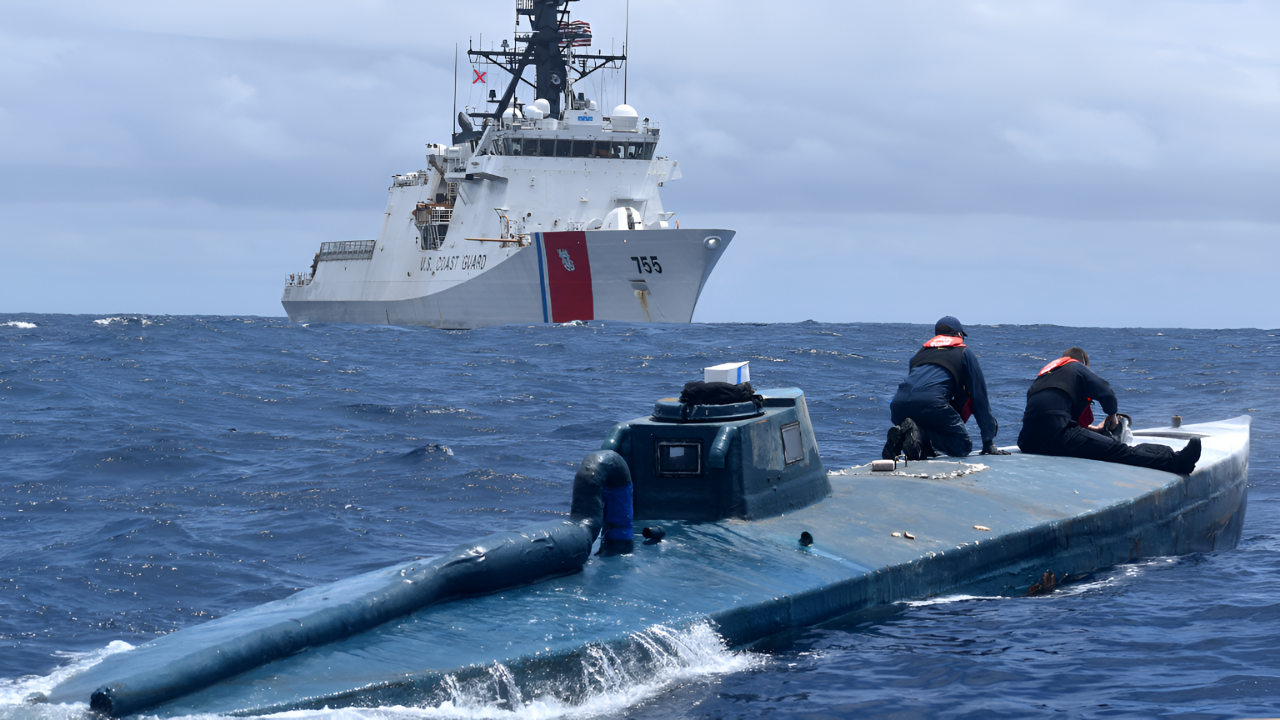
Every 96 minutes, someone in America dies from a fentanyl overdose. In 2023, 72,776 Americans died from synthetic opioid poisoning. That equals about 199 deaths daily. Deaths dropped 21% from 2024 to August 2025, showing that fighting drug trafficking works.
Yet the death toll remains devastating. How much of this danger comes from the Caribbean? What actions will America take to stop it?
Escalating Stakes
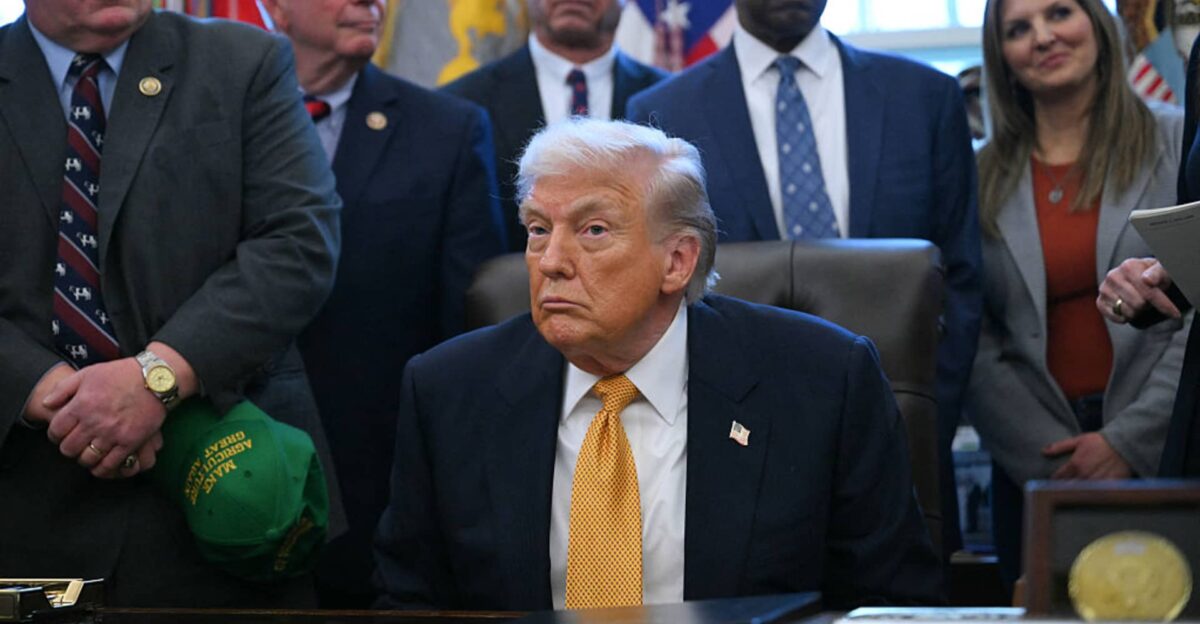
In August 2025, the Trump administration faced a serious crisis. Cocaine from Venezuela flowed through the Caribbean. Shipments totaled 350 to 500 tons every year. Drugs flooded American ports and streets. The administration declared war on drug suppliers.
Narco-traffickers would be branded as foreign terrorists. They would face military force, not arrest. Navy destroyers took position 120 miles off Venezuela’s coast within weeks. Law enforcement had turned into military combat.
Military Build-Up Begins
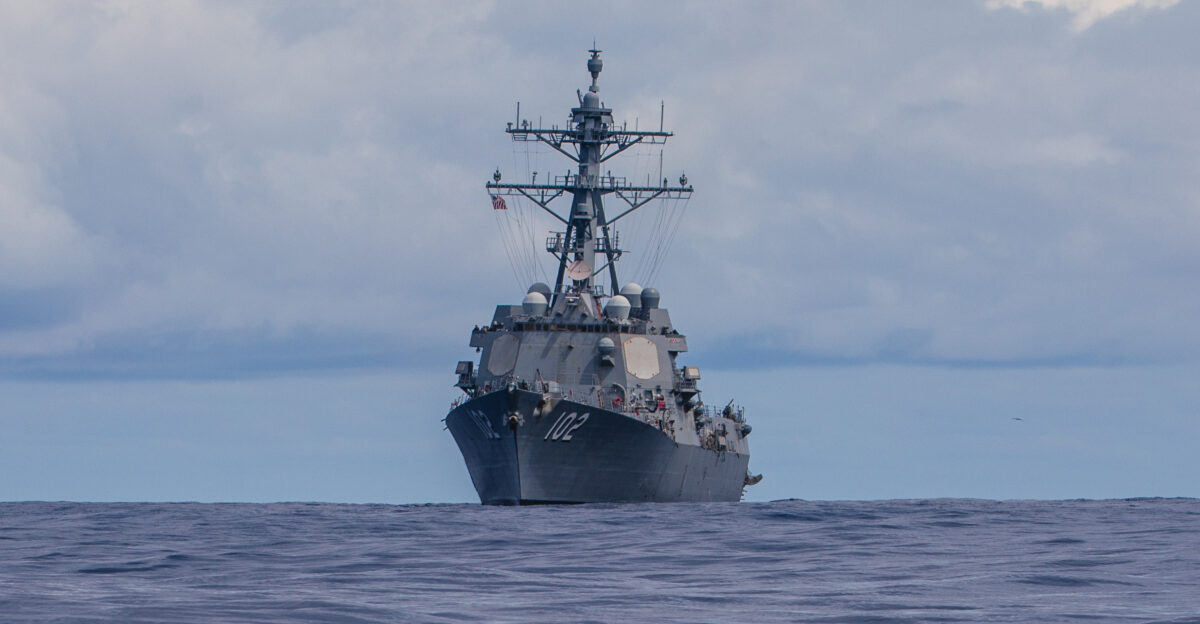
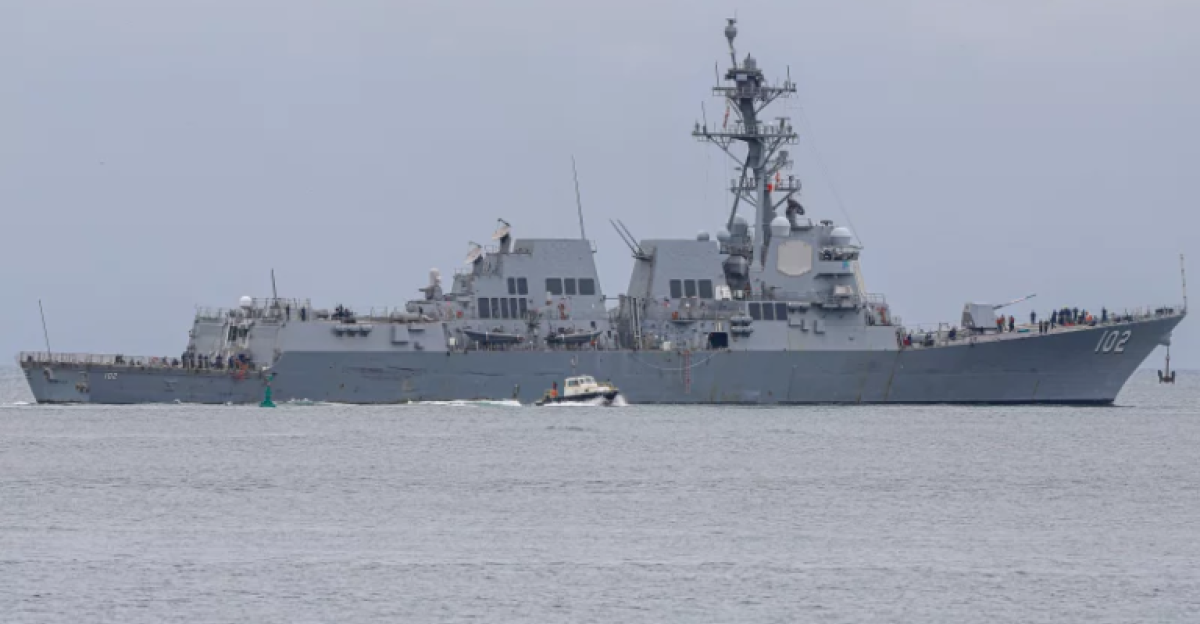
By late August, the Caribbean saw its largest naval deployment since the 1960s. The USS Gravely, USS Jason Dunham, and USS Sampson sailed toward Venezuelan waters. These three destroyers led the charge. The USS Iwo Jima Amphibious Ready Group carried 4,500 troops and 2,200 Marines.
Ten major naval vessels soon occupied the southern Caribbean. Planes, special forces, and surveillance systems backed them up. The military moved from police work to combat operations.
The Pressure Mounts
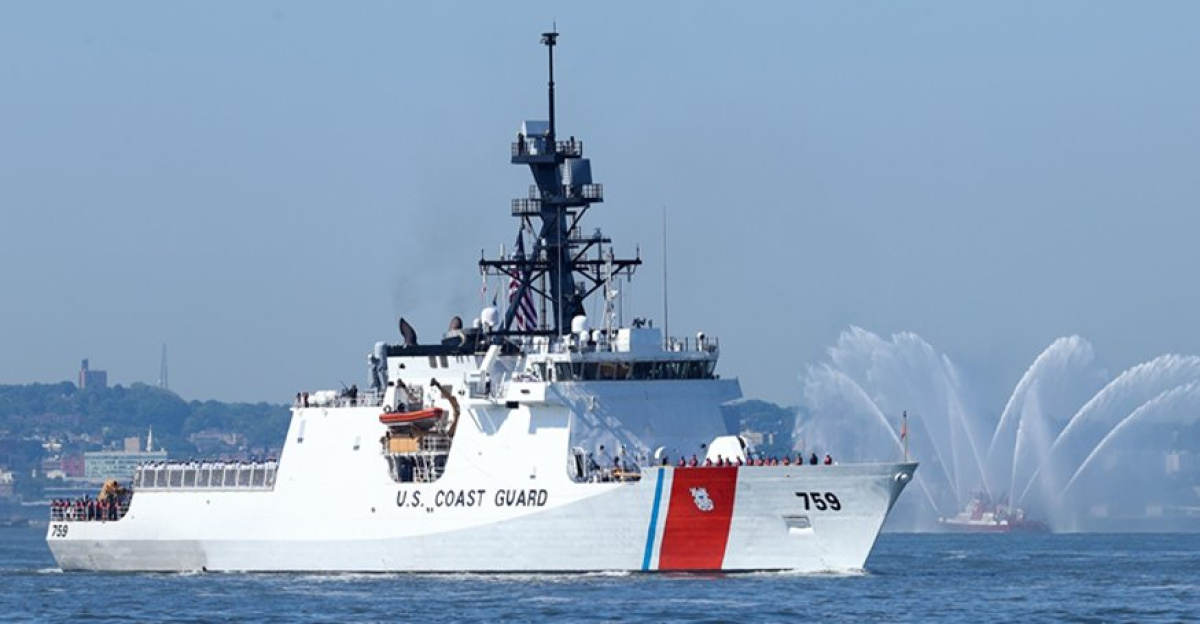
September brought faster action. The Coast Guard launched Operation Pacific Viper in early August. Ships seized over 75,000 pounds of cocaine at sea. They seized about 1,800 pounds daily on average.
Navy surveillance networks tracked Caribbean drug routes. Traffickers faced intense pressure. Maritime escape routes closed. Hiding places disappeared. Something critical was about to happen.
Precision Strikes Begin
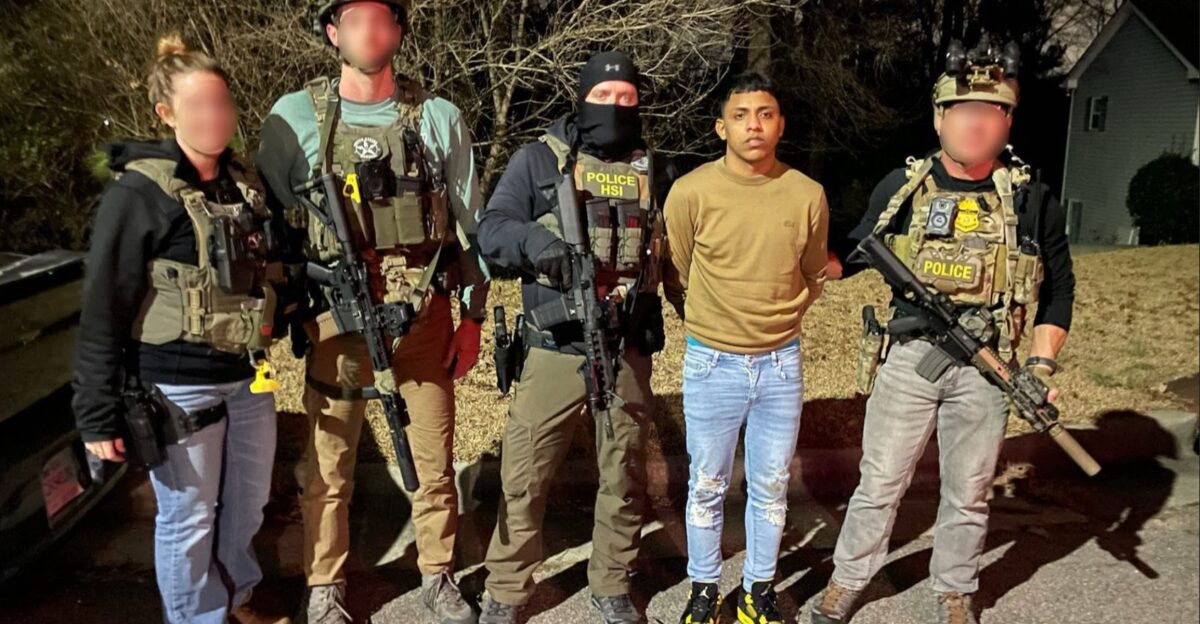
On September 2, 2025, the military struck a suspected drug boat for the first time using lethal force. A speedboat allegedly run by the Venezuelan gang Tren de Aragua exploded in the Caribbean. Survivors clung to the wreckage. A second strike killed all 11 people aboard.
Trump announced the operation the same day. He called it a major victory against drug terrorists. The military crossed a line: from stopping drugs to targeted strikes. Operation Southern Spear truly began.
Regional Shockwaves
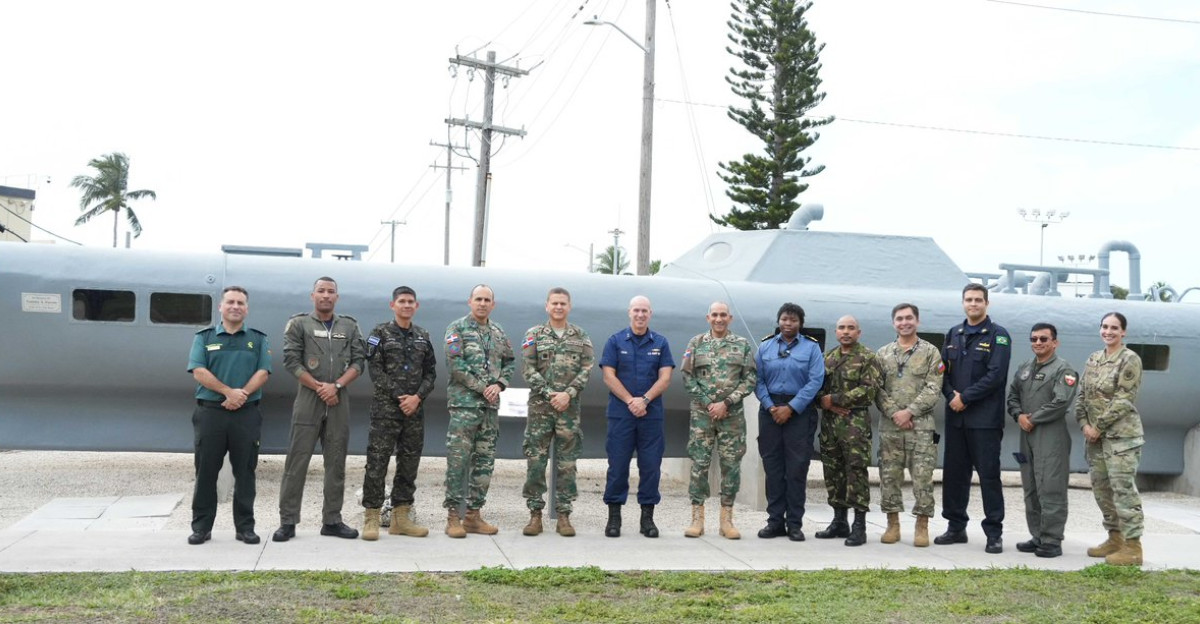
The September strike sent shock waves across the Caribbean. Dominican Navy crews recovered 1,000 kilograms (2,200 pounds) of cocaine from wreckage. This marked the first joint Navy-Dominican Republic salvage operation. Trinidad and Tobago found two unidentified bodies washed ashore.
They showed signs of explosion injuries. Fishermen and coastal communities reported military helicopters and planes flying constantly. The region understood the message: the U.S. was occupying Caribbean waters, not just conducting raids.
The Human Toll Begins
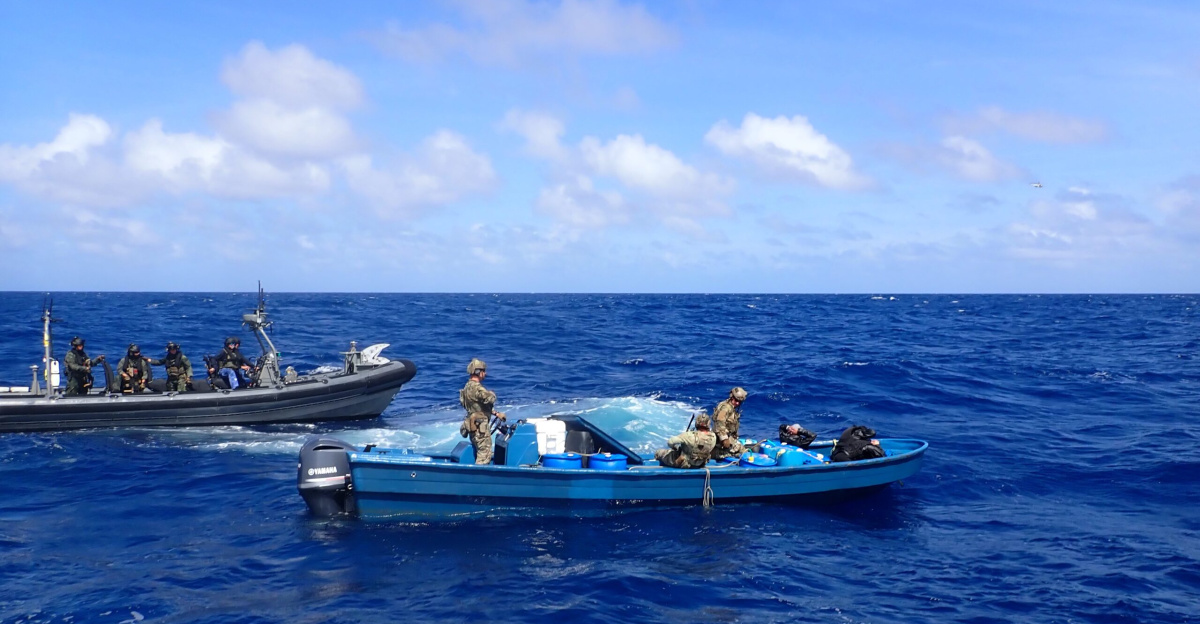
Officials rarely named the dead. But court records and news investigations revealed profiles. Gang members, smugglers, and cartel leaders were allegedly killed. One body matched records in the international crime database. Another person was identified by locals as a human trafficker.
Families in Venezuela and Trinidad reported missing relatives. The Trump administration released no official death lists. Strikes accelerated through October and November. Each operation lacked public proof of actual cargo or crew identities.
The Route “Effectively Shuts Down”
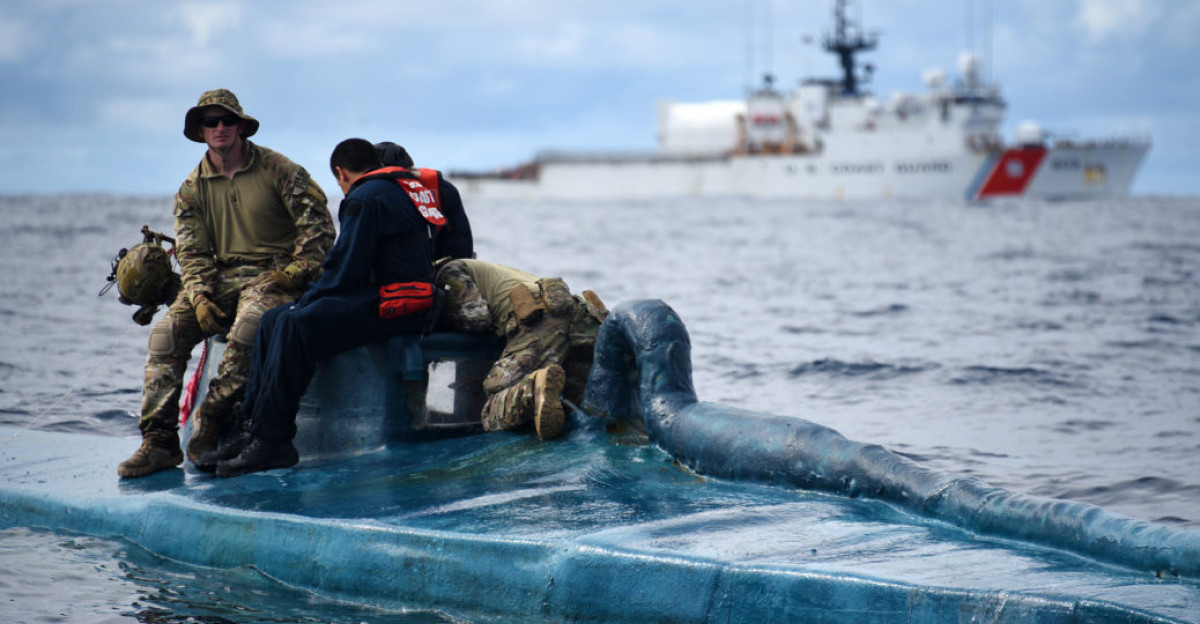
By early October, Miami Herald sources reported stunning news. The Caribbean drug corridor had been “effectively shut down.” Traffickers lost access entirely. One source told the Herald: “The Caribbean is totally controlled; not a single boat is leaving.”
Southern Command ships now control key transit points. Planes watched around the clock. Coast Guard cutters stopped the remaining vessels before they left Venezuelan waters. The military achieved what police work alone never could: full control of the trafficking zone.
Record Seizure Totals Climb
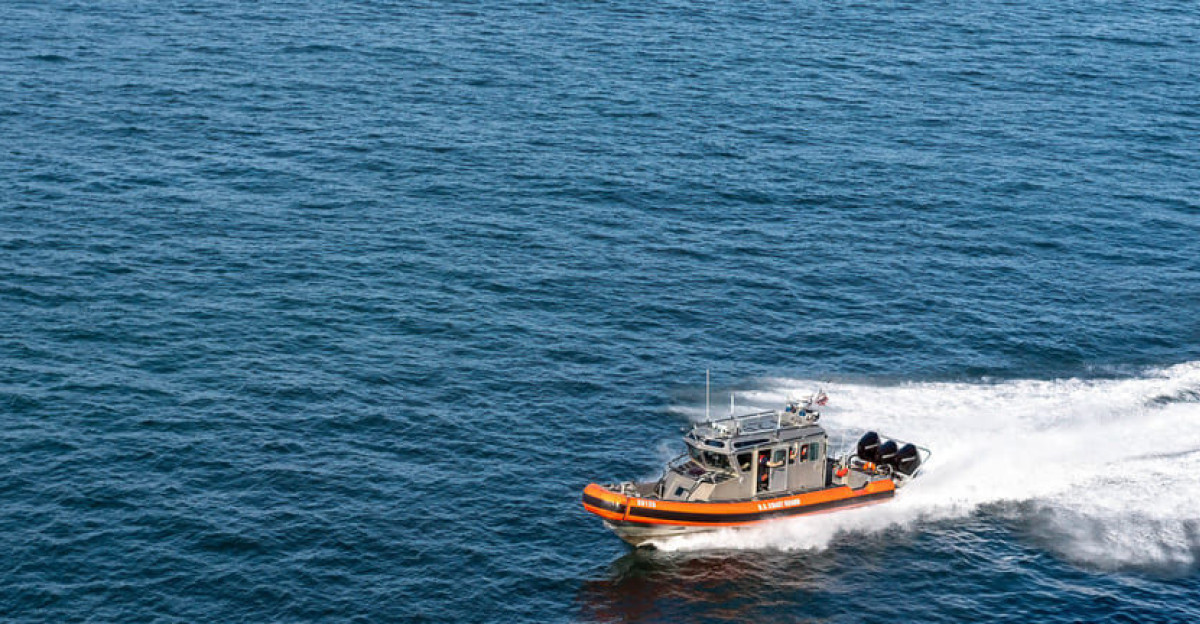
As the military campaign grew, seizure numbers reached historic highs. By December 8, Operation Pacific Viper alone seized over 150,000 pounds of cocaine. This equals over 57 million lethal doses at 1.2 grams per fatal dose. The Coast Guard Cutter Stone offloaded about 49,010 pounds at Port Everglades.
This was the largest single-patrol seizure in Coast Guard history. Combined Navy and Coast Guard operations seized over 511,000 pounds of drugs worth $3.8 billion for all of 2025. This exceeded typical yearly totals by more than triple. The campaign clearly disrupted drug supply at historic levels.
“The Goal Is Financial”

Miami Herald reporting uncovered the campaign’s true purpose. “The goal is financial,” sources said. The strategy targeted more than drugs. It targeted cash that kept Venezuelan military leaders loyal. Cutting off cocaine money was aimed at splitting the general officers supporting Maduro.
Each seizure costs cartels millions. Each blocked route meant Venezuelan generals received fewer bribes. The operation blended counter-drug work with regime-change military strategy. Military language hid the real strategic goal.
Legal and Operational Backlash
By November, serious disagreements emerged. The Department of Defense had lawyers concerned about the legality of strikes under international law. CNN found that Pentagon officials admitted they “do not always know who is on board the vessels before launching strikes.”
The United Kingdom stopped sharing Caribbean intelligence. It said these operations seemed unlawful. Congressional Democrats questioned why survivors weren’t rescued. Some survivors were killed in follow-up strikes instead. Republican lawmakers demanded proof that targeted vessels actually carried drugs.
Operational Expansion and Formalization
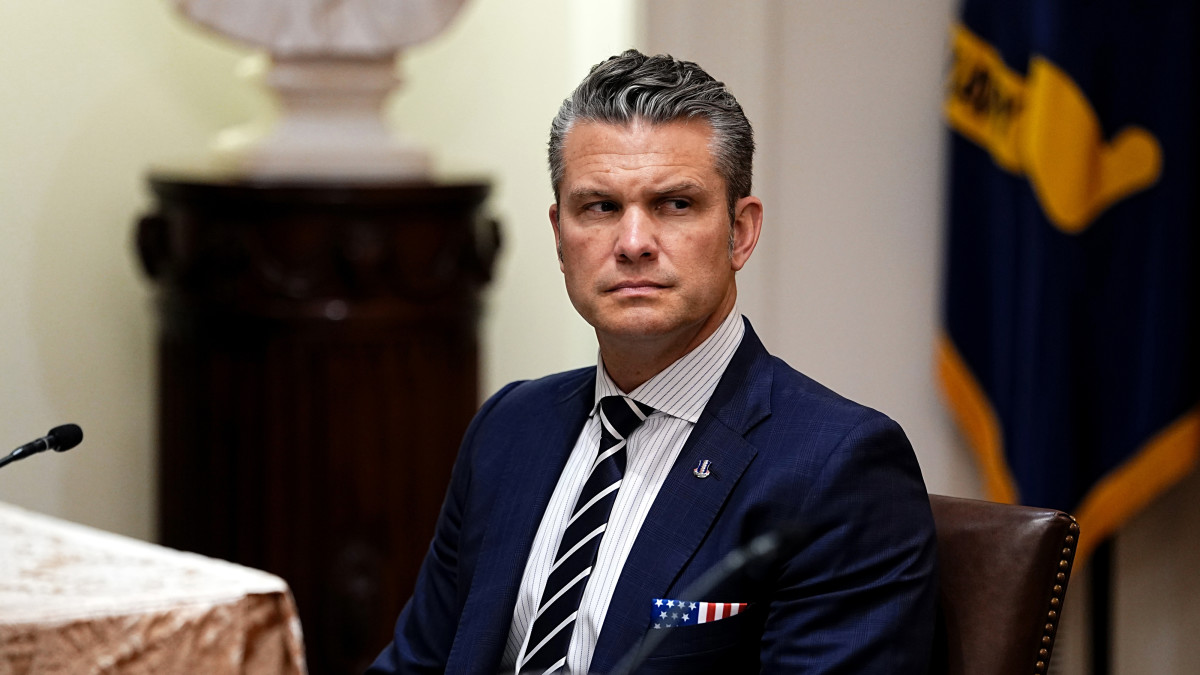
On November 13, 2025, Defense Secretary Pete Hegseth officially announced Operation Southern Spear. The USS Gerald R. Ford, the world’s largest aircraft carrier, entered the Caribbean. It carried 4,000 sailors and 75 fighter jets. By late November, 15,000 troops occupied the region.
About 5,000 personnel stationed at Puerto Rico bases joined the force. The operation shifted from secret strikes to a formal military campaign. It received expanded authority and new weapons. The president authorized CIA lethal action inside Venezuela.
The Strikes Continue and Intensify
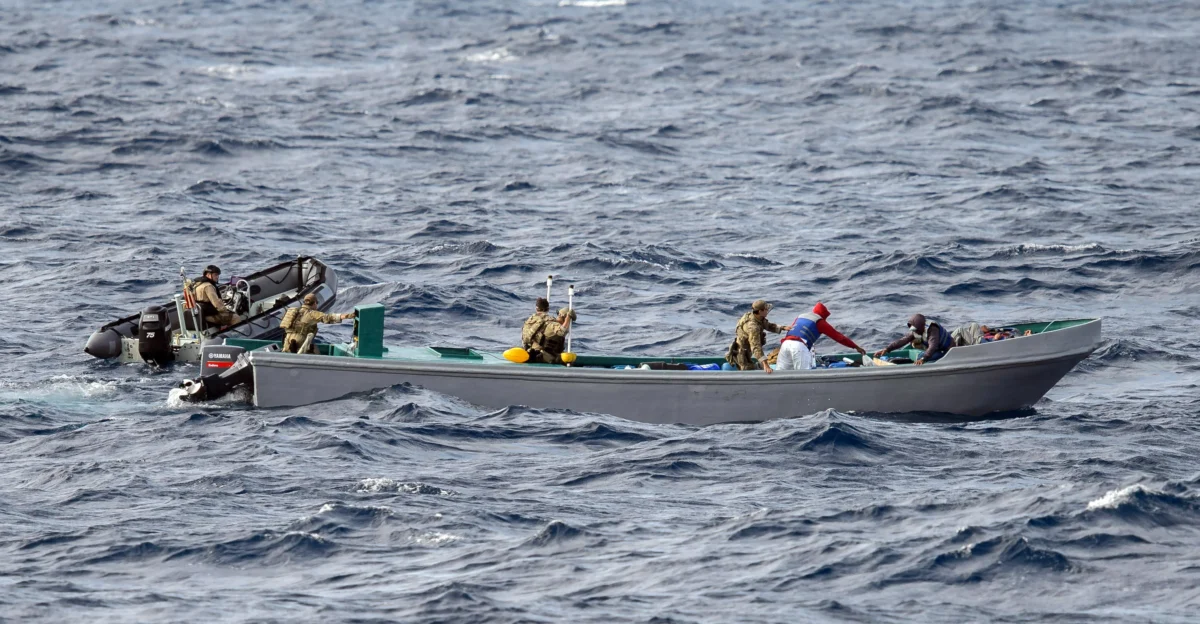
From September through December 2025, at least 35 airstrikes targeted alleged drug boats in the Caribbean and Eastern Pacific. By December 31, 115 people had died in these operations. Some vessels sank in deep water. Others left wreckage on beaches.
Most strikes had incomplete or disputed proof of drug cargo aboard. The campaign continued regardless. Trump authorized strikes personally. Hegseth ordered targeting decisions. Operations accelerated even as legal disputes grew and international criticism intensified.
Skepticism and Strategic Uncertainty
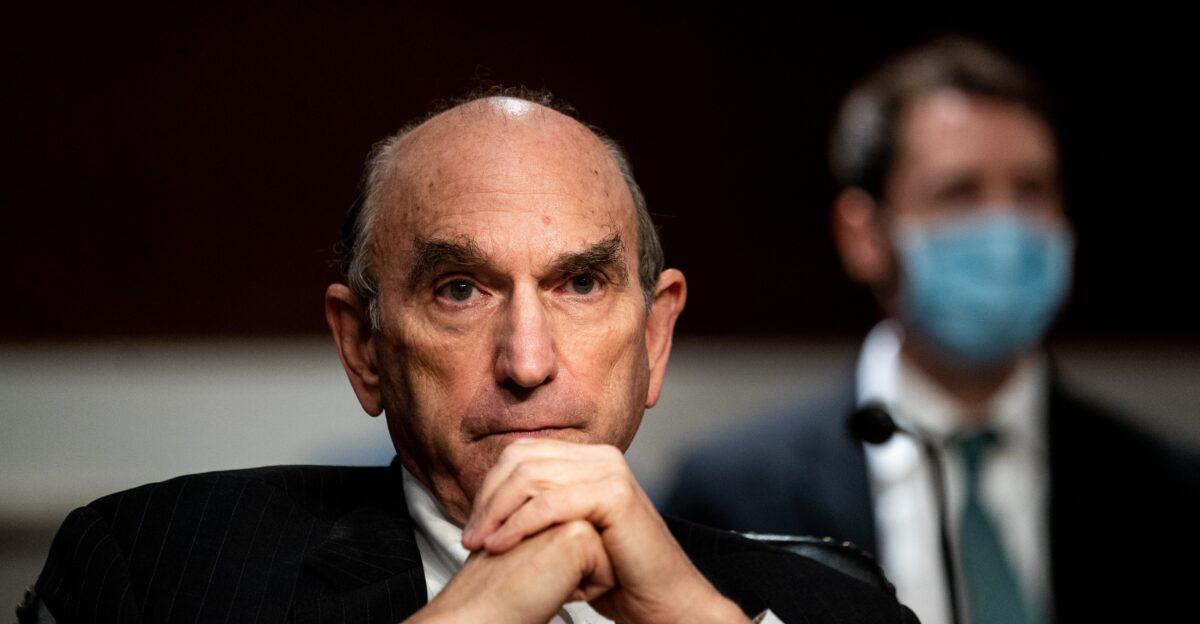
By December 2025, expert analysts questioned the true goal. CFR fellow Elliott Abrams said surrounding Venezuela with a “gigantic armada” while leaving Maduro in power “would be difficult to understand.” The line between drug-stopping operations and regime preparation blurred.
Some experts noted the campaign shifted from sea interdiction to military pressure on Venezuela itself. Others questioned whether American fentanyl deaths would drop if Caribbean cocaine routes closed. Synthetic production in Mexico and America continues regardless. The operation’s lasting strategic value remained unclear.
The Unresolved Question
As 2025 ended, a critical question stayed unanswered. If the Caribbean route is “totally controlled” and the pipeline “effectively shut down,” why do tens of thousands of Americans still die from fentanyl annually? Has military force truly stopped fentanyl fromreaching American streets, or just changed how suppliers operate?
Seizure numbers are historic. The military deployment is unprecedented. But the real measure remains uncertain: whether fewer Americans die from overdoses. What if military victory produces no public health victory?
Sources:
- CNN, US military carried out second strike killing survivors on a boat, November 2025
- Council on Foreign Relations, The U.S. Military Campaign Targeting Venezuela and Counter-Narcotics Operations, December 2025
- Wikipedia, United States military buildup in the Caribbean during Operation Southern Spear, September 2025
- Miami Herald, Caribbean drug trafficking route effectively shut down by military deployment, October 2025
- BBC, US military says five killed in strike on alleged drug boats, December 2025
- U.S. Coast Guard, Coast Guard highlights historic operational successes in 2025, January 2026