
For the first time in U.S. history, federal radiation safety standards are on a concerning path. In May 2025, President Trump’s Executive Order 14300 instructed the Nuclear Regulatory Commission to overhaul decades of radiation protection guidelines.
This shift gained momentum in July when Idaho National Laboratory put forward recommendations to increase public exposure limits from 100 to 500 millirems annually.
Under the current regulations, lifetime exposure to radiation near nuclear facilities carries calculated cancer risks. If the proposed fivefold increase takes effect, risk calculations suggest fatal cancer rates could quintuple for nearby residents—with the Nuclear Regulatory Commission’s own risk equations projecting significantly elevated cancer burdens.
Unequal Burden
The health consequences won’t fall equally across American families. Women face 1.5 to 2 times higher cancer risk than men from identical radiation doses, according to the National Academy of Sciences’ 2006 BEIR VII report—a discrepancy rooted in biological differences in reproductive tissue sensitivity and cellular repair mechanisms.
Young girls carry even graver risk: those under age five face four to five times the lifetime cancer risk of adult women, and up to ten times the risk of adult men exposed to the same dose. Yet, current radiation standards were designed around “Reference Man”—a 155-pound white male aged 20 to 30 years old.
Foundation Crumbling

America’s radiation safety framework rests on two scientific principles established in the late 1950s: the Linear No-Threshold model, which assumes that any radiation dose carries some risk of cancer, and the ALARA principle—”As Low As Reasonably Achievable.”
These guidelines have governed the cleanup of contaminated sites, nuclear plant operations, and medical imaging for generations. Executive Order 14300 explicitly targets both principles for elimination or radical revision.
The NRC confirmed in November that it is reconsidering these foundational standards, with a proposed rule expected by February 2026 and final regulations by November 2026—an aggressive timeline that leaves minimal room for public input.
Pattern of Harm
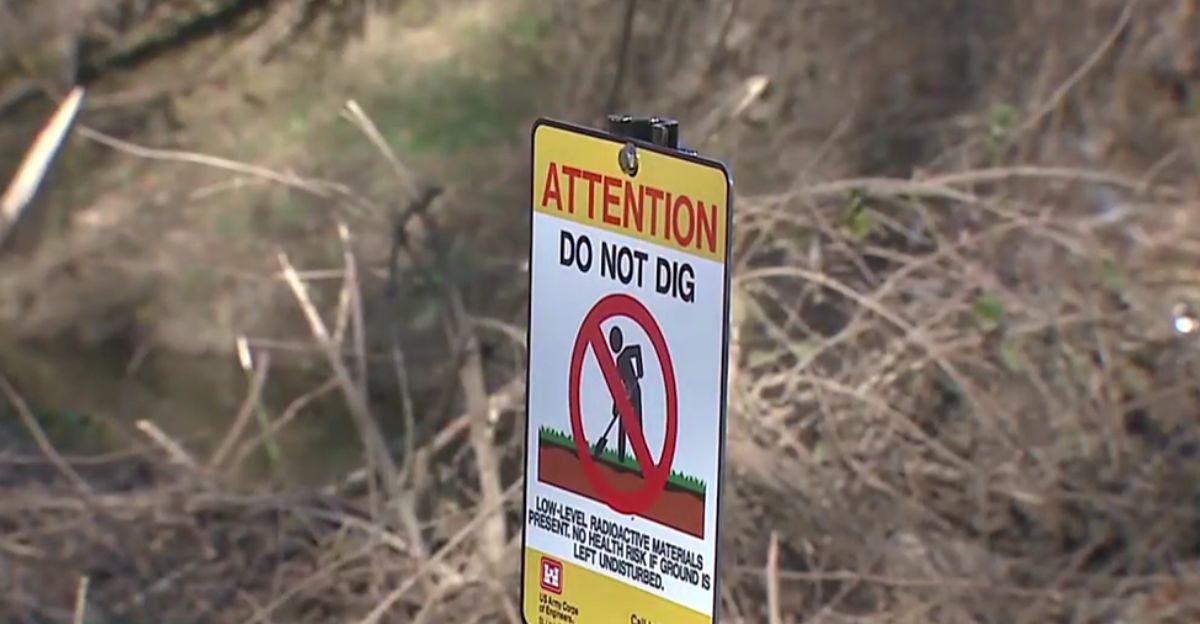
The existing standards have already proven inadequate. When Congress expanded the Radiation Exposure Compensation Act in July 2025 to cover Missouri communities near contaminated Coldwater Creek, a striking pattern emerged.
A JAMA study found that residents living closest to the creek faced 44 percent increased odds of cancer diagnosis compared to those living farther away. These families began receiving federal compensation in November 2025. Now those limits may quintuple.
The Core Threat
The Idaho National Laboratory’s July 2025 report recommends eliminating the ALARA principle entirely and raising public radiation exposure limits from 100 millirems per year to 500 millirems—a fivefold increase justified by claims that “studies have generally not demonstrated statistically significant adverse health effects at doses below 10,000 millirems.”
The report also proposes a tenfold increase in exposure limits for nuclear workers. If adopted, these changes would fundamentally redefine what America considers “safe” radiation exposure.
According to calculations using NRC risk equations cited in the Bulletin of Atomic Scientists, a fivefold increase in exposure limits could result in approximately 17.5 fatal cancers per 1,000 people, up from approximately 3.5 per 1,000 under current standards.
Missouri Ground Zero
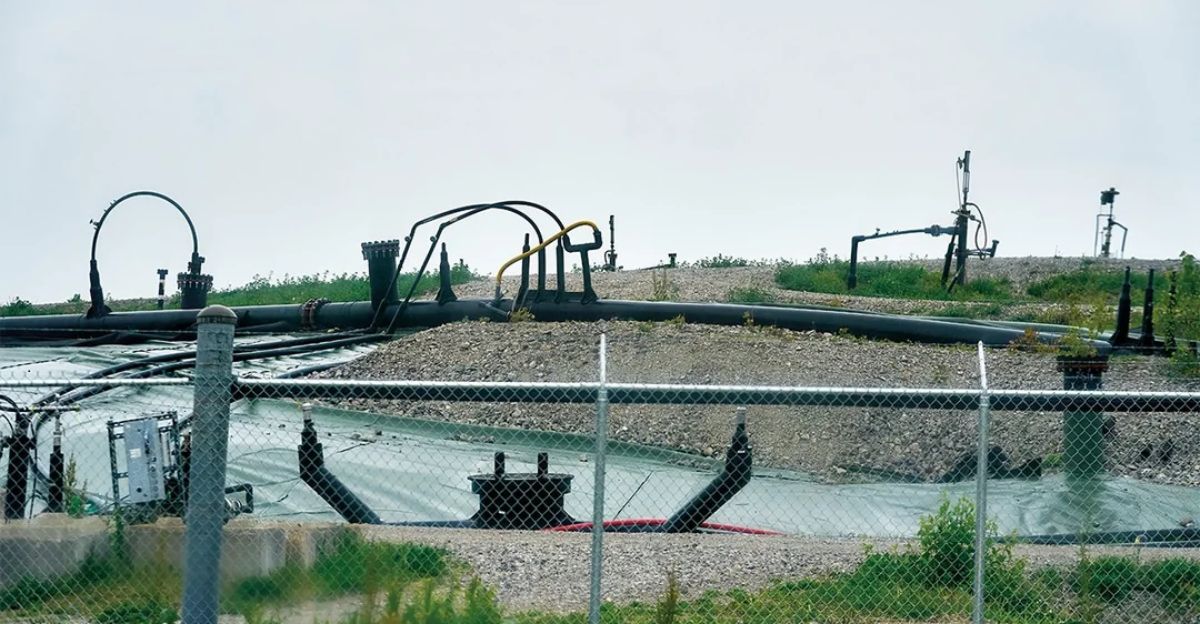
Coldwater Creek winds through suburban St. Louis neighborhoods where families have lived for generations, unaware that Manhattan Project uranium enrichment waste from a former airport storage site contaminated the waterway decades ago. Children played in the creek. Teens hung out on its banks.
Now, the health impacts are alarming. The JAMA study found that residents living closest to Coldwater Creek faced 1.85 times higher odds of radiosensitive cancers—including breast, thyroid, and leukemia—with thyroid cancer showing a particularly strong association. One resident told investigators about 16-year-old girls without BRCA genetic mutations developing aggressive breast cancers.
The site remains unclean, and proposed federal cleanup efforts rely on current radiation standards. If those standards loosen fivefold, remediation requirements could evaporate—leaving contamination in place indefinitely.
Expert Alarm
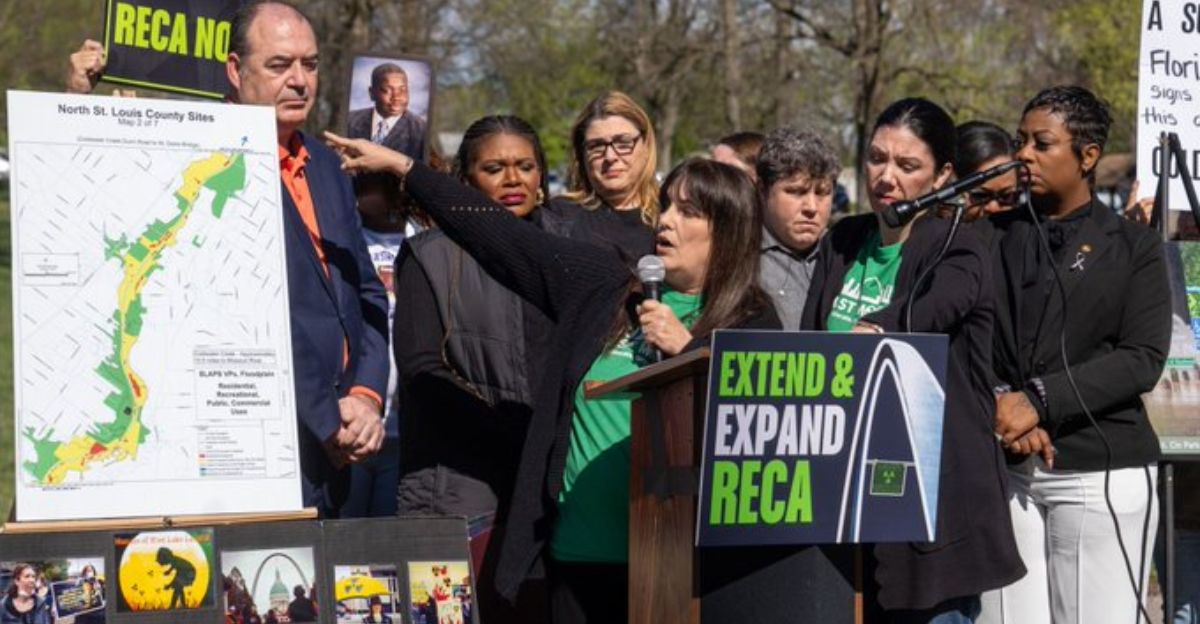
Mary Olson, CEO of GRIP (Gender and Radiation Impact Project), spearheaded a letter from 41 organizations warning that it would be “undeniably homicidal” for the NRC to loosen current standards. Olson’s research demonstrates that young girls represent the single most vulnerable postnatal group, facing seven times the cancer risk of adult men from identical radiation doses.
Dr. Amanda Nichols of UC Santa Barbara, lead author of the UNIDIR report “Gender and Ionizing Radiation,” warned of “disproportionate harm to women and especially little girls.”
Their warnings came as part of a joint letter signed by 41 organizations, including Physicians for Social Responsibility.
Regulatory Cascade
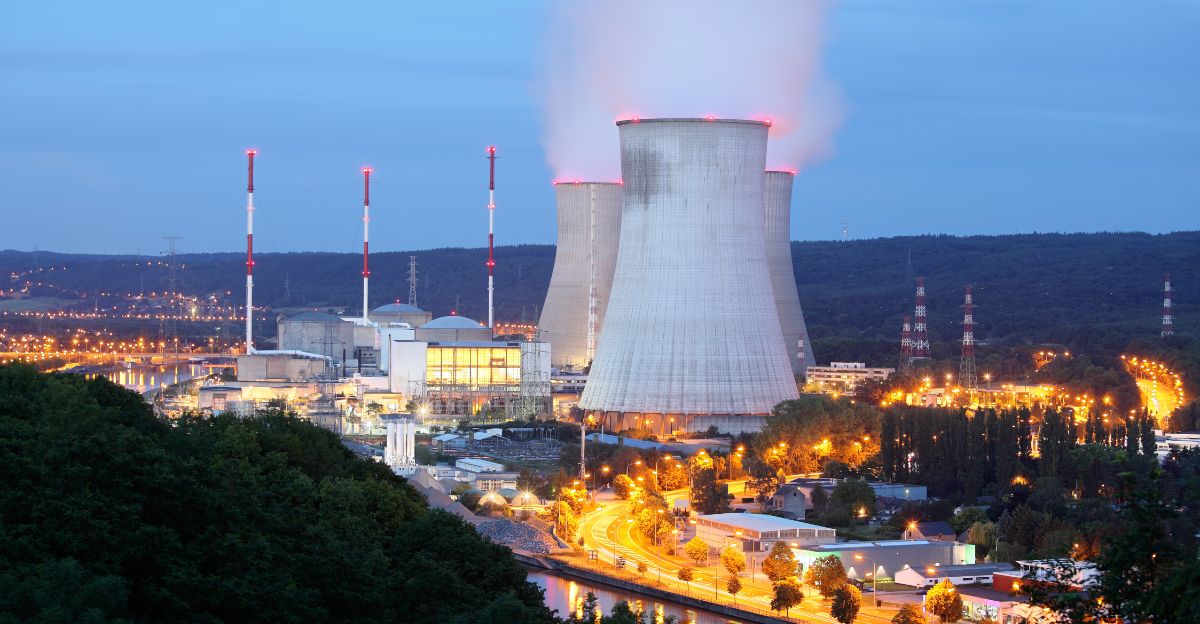
The proposed changes extend far beyond nuclear power plants. Approximately 50 to 100 Superfund sites across America contain radioactive contamination requiring cleanup under current standards.
Loosened limits could transform these sites from mandatory remediation zones to “acceptable risk” areas, potentially halting cleanup efforts and saving responsible parties billions in costs.
Tennessee already operates as a hub for radioactive waste, where private companies import, process, and “free release” nuclear waste with minimal oversight.
Contaminated materials can legally enter ordinary landfills or be recycled into consumer products if radiation levels fall below regulatory thresholds. Higher thresholds mean more contaminated material entering the commercial stream.
Global Precedents
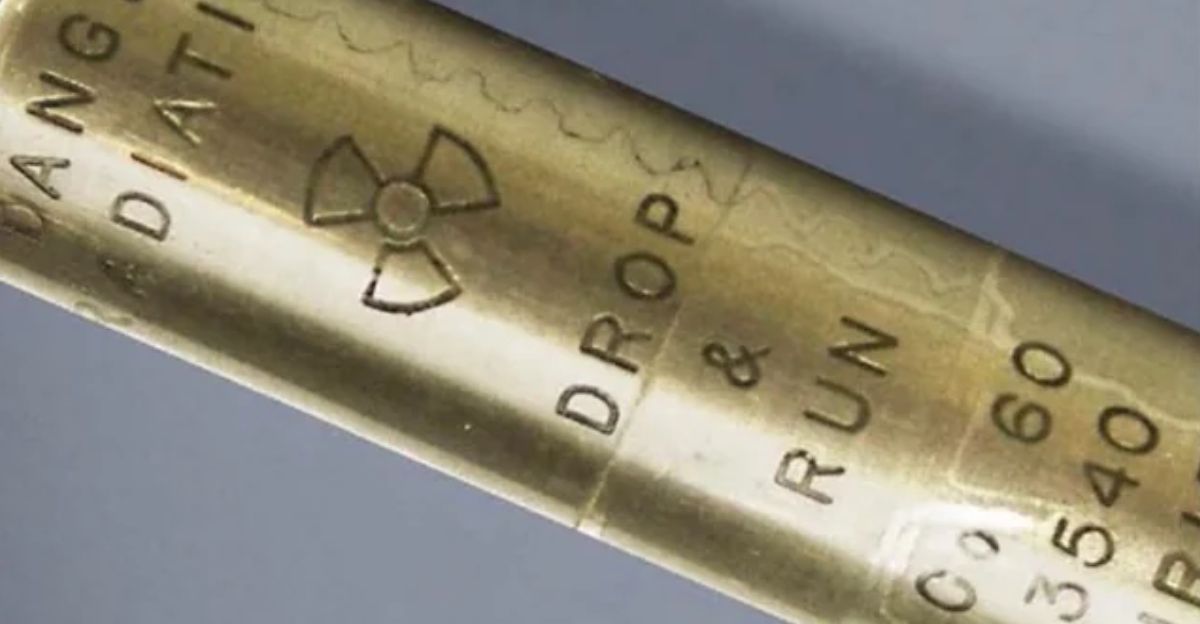
History warns of the consequences when radioactive materials escape regulatory controls. In 1999, Taiwanese authorities discovered that radioactive cobalt-60 had been melted with other metals to manufacture window frames, some of which were installed in kindergarten classrooms where children received whole-body gamma radiation exposure.
More recently, the FDA recalled Indonesian shrimp contaminated with radioactive cesium. A 1984 Los Alamos incident involved Mexican-manufactured table bases containing cobalt-60 that triggered radiation detectors on the road.
These cases illustrate how loosened standards don’t just affect nuclear facility neighbors. Once radioactive material enters consumer markets and waste streams, there’s “no easy way to get it back,” as one nuclear safety expert noted.
Children’s Medical Exposure
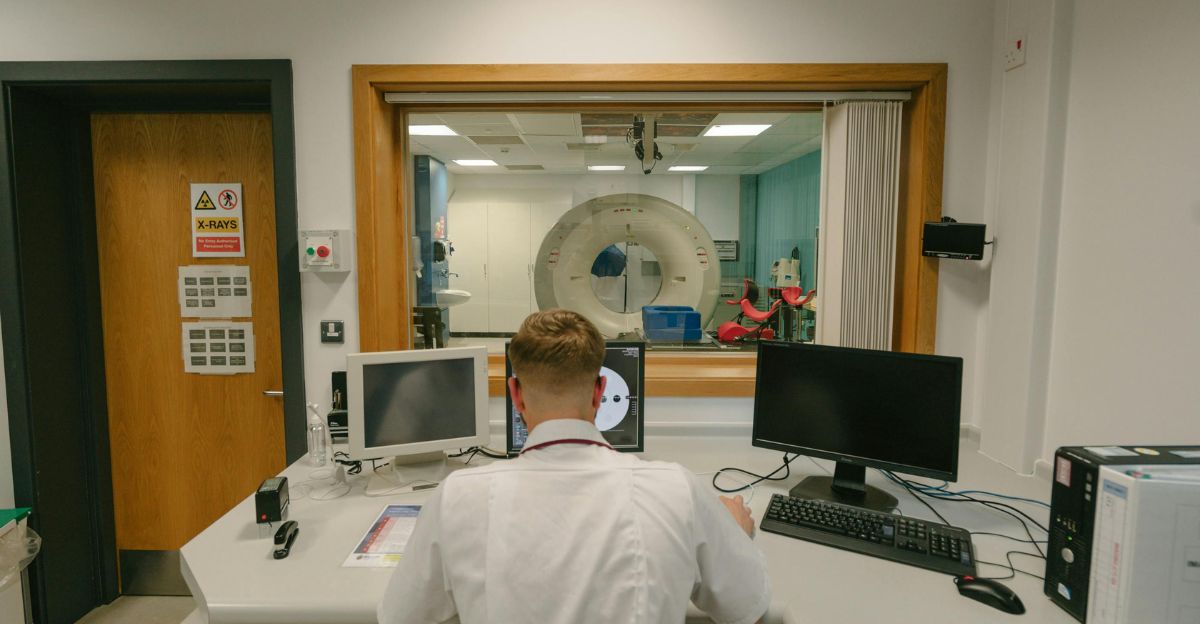
The push to loosen radiation standards comes as primary new research documents radiation’s harm to the young. A 2025 New England Journal of Medicine study tracked more than 3.7 million children born between 1996 and 2016, documenting the relationship between medical imaging—X-rays and CT scans—and subsequent cancer diagnoses in children and adolescents.
The longitudinal research provides some of the most substantial evidence yet that radiation exposure during developmental years carries elevated cancer risk.
Simultaneously, the proposed regulatory changes would abandon the Reagan-era 1987 guidance, which called for children under 18 to receive one-tenth the dose exposures allowed for adults, with special protections for pregnant workers. The collision between emerging science and weakening regulation raises questions about policy priorities.
Industry Push
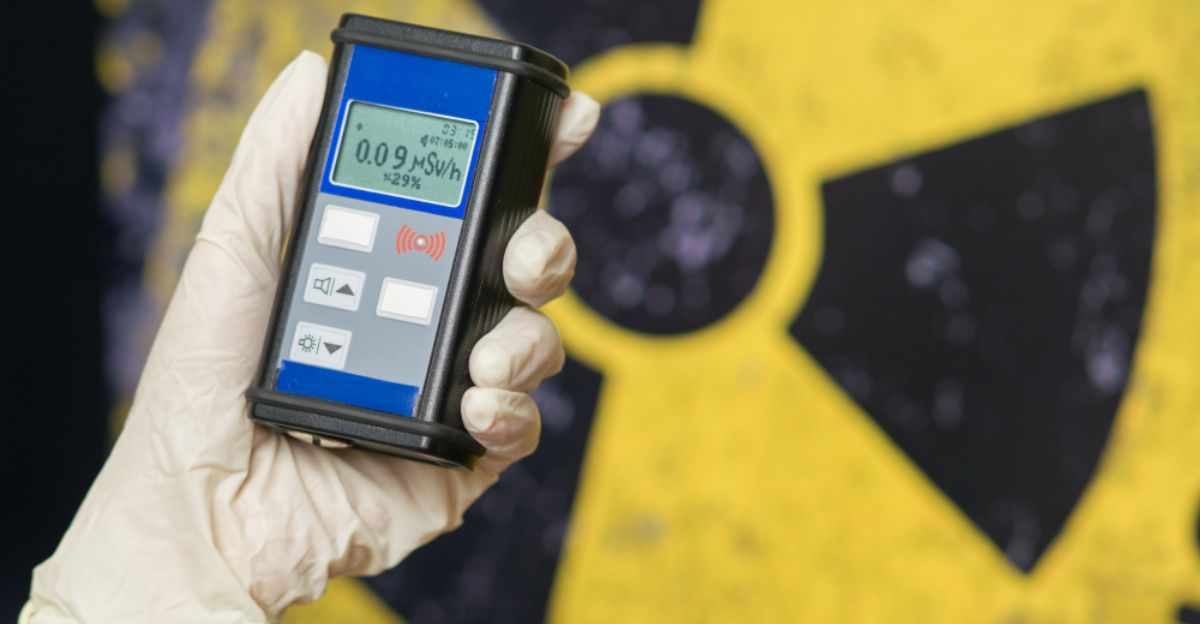
Nuclear industry advocates have long argued that existing radiation standards, based on the Linear No-Threshold model, are overly conservative and economically restrictive.
The C3 Solutions think tank’s September 2025 policy paper titled “Reforming Radiation Risk Regulation” frames current standards as impediments to nuclear power expansion and advanced reactor deployment.
Reason Foundation echoed this position in October 2025, arguing that “federal radiation rules are stalling nuclear power.” These aligned industry voices create political pressure for regulatory loosening, particularly as the Trump administration positions nuclear energy as central to energy independence goals.
Critics counter that protecting nuclear industry economics by increasing public cancer risk inverts the regulatory mission of safeguarding health.
Scientific Reaffirmation
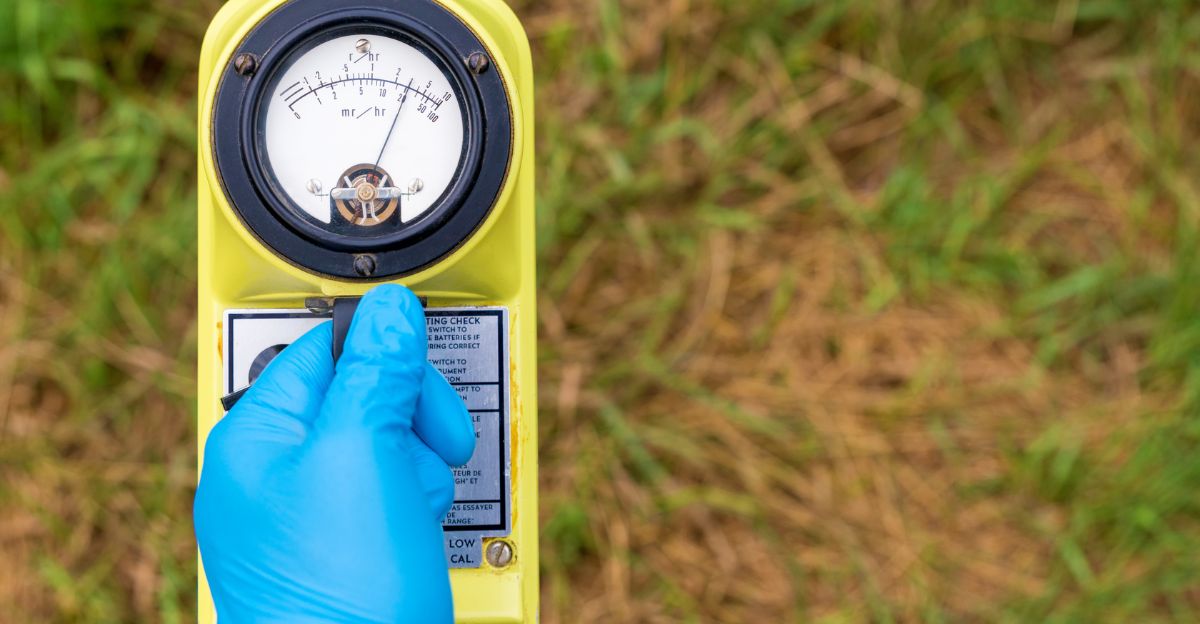
Even as political pressure mounted to abandon the Linear No-Threshold model, scientific bodies reaffirmed its validity. The National Council on Radiation Protection conducted a comprehensive 2018 review.
It concluded that LNT “continues to be a pragmatic approach” to managing radiation risk in the absence of definitive evidence of a safe threshold dose.
The model’s conservative assumption—that any radiation carries some proportional risk—has driven increasingly protective standards over decades. Occupational radiation limits have decreased approximately fivefold over the past half-century, from roughly 250 millisieverts per year to 50.
The proposed reversal would mark an unprecedented regulatory retreat, prioritizing economic considerations over the precautionary principle that has guided public health protection.
Compensation Expansion
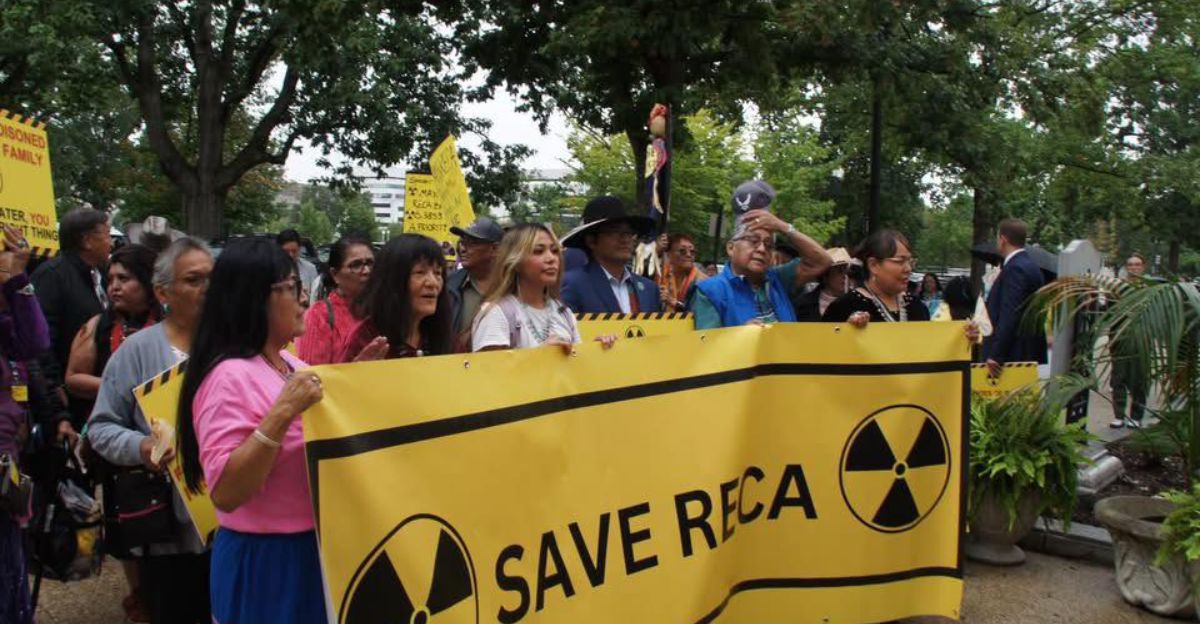
The July 4, 2025, expansion of the Radiation Exposure Compensation Act represented Congress’s recognition of past failures to protect communities.
The legislation added Missouri’s Coldwater Creek region and Tennessee communities to the list of areas eligible for federal compensation, joining downwind populations from Nevada nuclear testing and uranium workers.
The Department of Justice began accepting applications in November 2025, with claims processed for individuals who developed specific cancers after documented exposure to certain substances.
Yet the pattern of compensation—with civilians receiving benefits for exposure levels previously considered acceptable—suggests that the program implicitly acknowledges that current standards permit harm.
Gendered Standards

The reliance on “Reference Man” as the basis for radiation safety standards has obscured sex-based vulnerability differences for decades. BEIR VII data show that at age 70, women exposed to one Gray of radiation face a 58 percent excess relative risk of cancer mortality, compared to 35 percent for men—a 66 percent higher risk.
The gap widens dramatically for younger exposures: girls under five face double the cancer risk of boys the same age, and infant girls show “markedly elevated” vulnerability.
Despite this evidence dating to 2006, and despite the 1987 Reagan presidential guidance calling for special protections for children and pregnant workers, current standards remain anchored to adult male physiology.
The proposed increases would compound this existing inequity, expanding exposure limits without addressing the populations most harmed.
Future at Stake
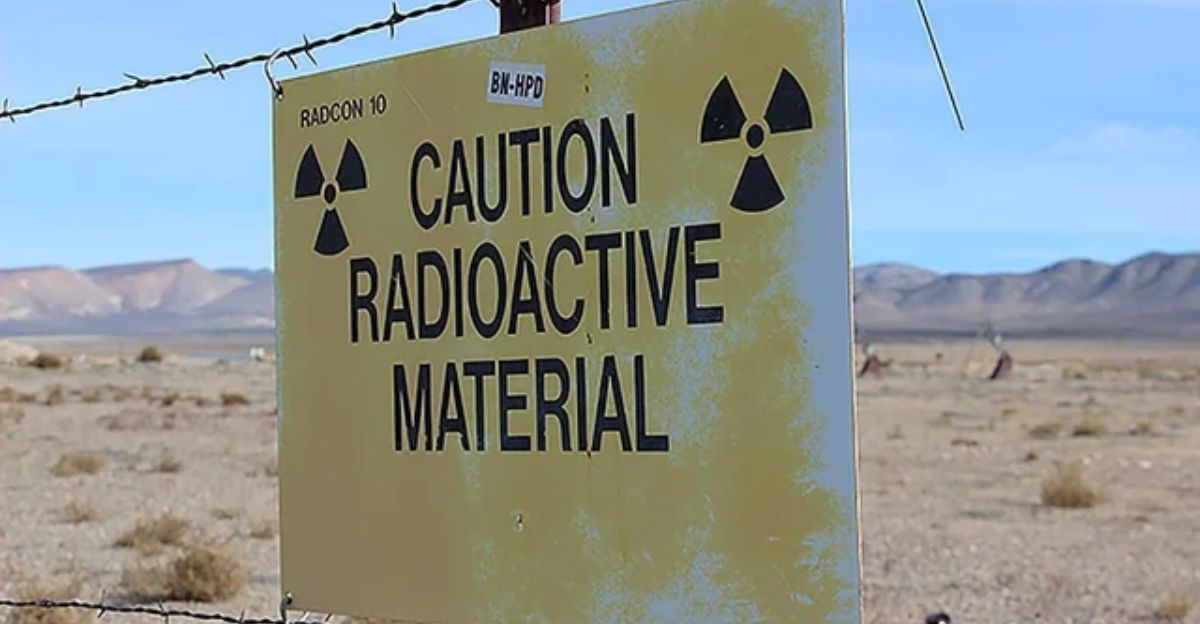
As the Nuclear Regulatory Commission moves toward publishing proposed rules by February 2026, a fundamental question looms: Does America prioritize the economics of nuclear expansion over the health of its most vulnerable citizens?
The regulatory changes represent more than technical adjustments to millirems and safety factors—they establish how much cancer risk society deems acceptable for women, children, and families living near nuclear facilities and contaminated sites.
With minimal public comment periods and aggressive implementation timelines, the window for influence is closing. The gendered nature of radiation harm, the troubling pattern of past compensation for “safe” exposures, and the unprecedented direction of regulatory loosening combine to create what 41 organizations and leading experts characterize as a public health crisis in the making.