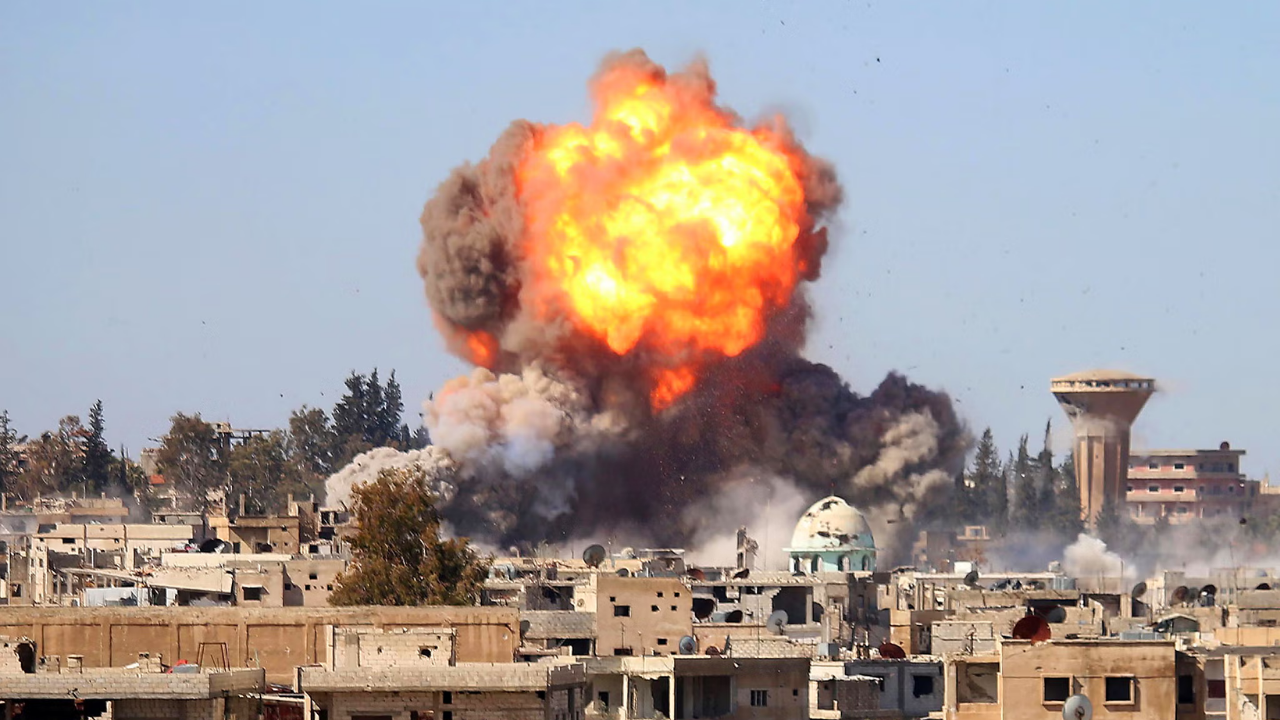
U.S. airstrikes hit multiple targets across Somalia as 2026 begins. In the country’s mountains and rural heartlands, explosions mark another escalation in a conflict that has already killed 7,289 people in a single year. Militants scatter, Somali forces advance, and U.S. commanders track the fallout in real time.
Somalia now ranks as Africa’s second-deadliest theater of militant Islamist violence—a war intensifying largely out of global view. Why is the pace accelerating now?
Homeland Warning
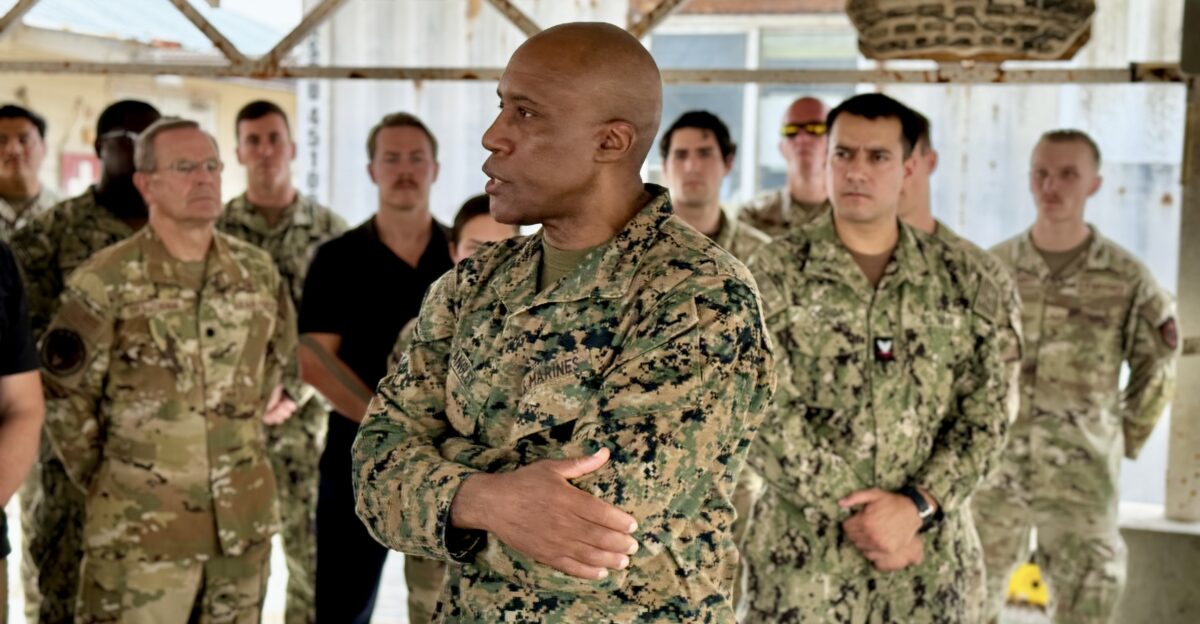
In April 2025, AFRICOM commander Gen. Michael E. Langley delivered a stark message to U.S. lawmakers: jihadist groups expanding across Africa could pose a direct threat to the U.S. homeland. ISIS and al-Qaeda affiliates, he warned, are growing faster than many governments can contain them.
Somalia sits at the center of that concern, driving U.S. efforts to disrupt threats overseas before they reach American soil.
Insurgency Roots
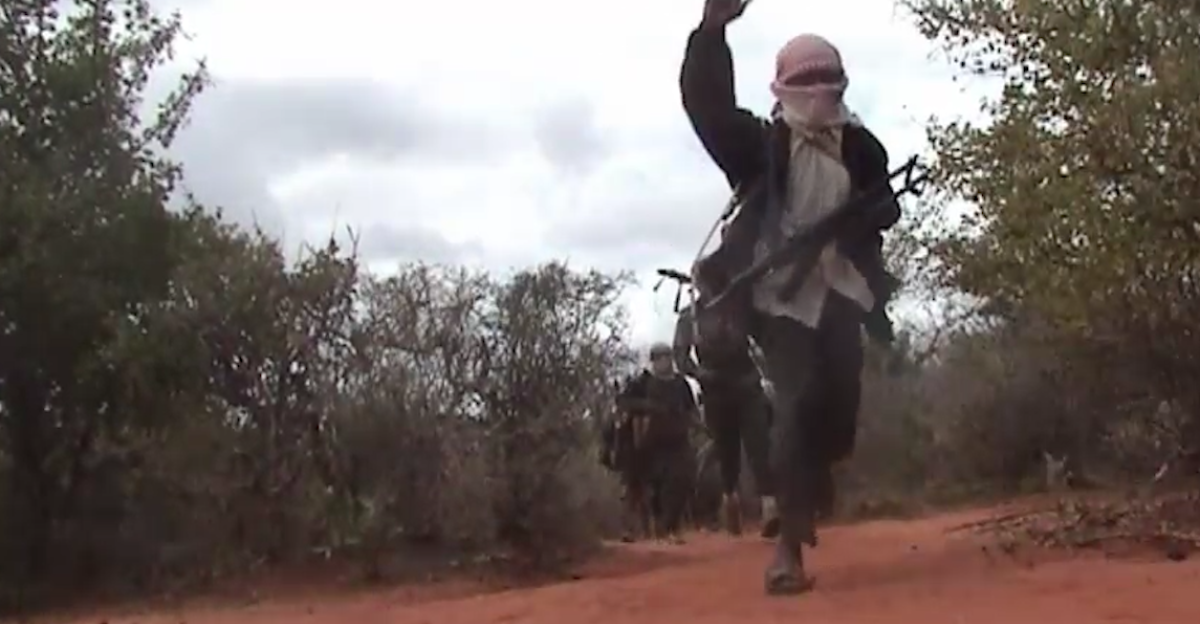
Al-Shabab emerged as a dominant insurgent force after the collapse of Somalia’s Islamic Courts Union in 2006–2007, evolving from its youth militia into an independent al-Qaeda affiliate. Despite losing major cities, the group still controls significant rural territory in south-central Somalia.
ISIS-Somalia, smaller but resilient, operates mainly from Puntland’s Golis Mountains, maintaining a foothold that fuels nearly two decades of uninterrupted conflict.
Rising Strike Tempo
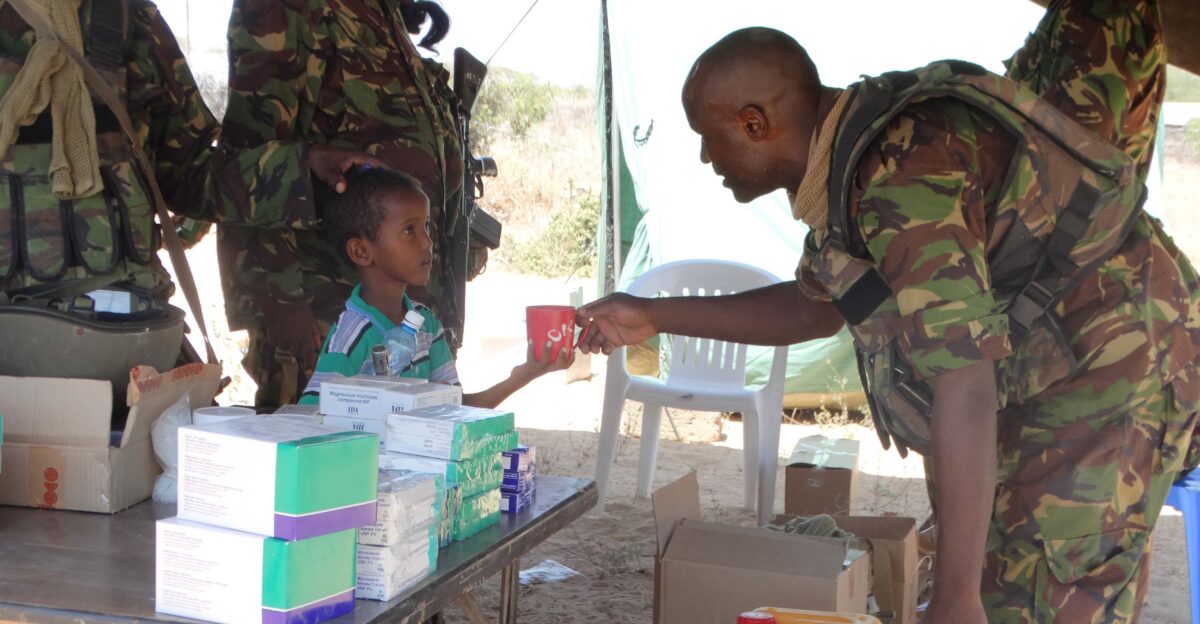
U.S. military activity surged in Somalia beginning February 2025. Under President Donald Trump’s renewed administration, AFRICOM sharply increased air operations aimed at degrading militant leadership, logistics, and safe havens.
By mid-year, partners recorded 38 airstrikes in just over four months, with Somali ground forces simultaneously intensifying operations. The tempo reflects growing concern that militant networks are adapting—and regrouping—faster than anticipated.
38 Strikes Unleashed
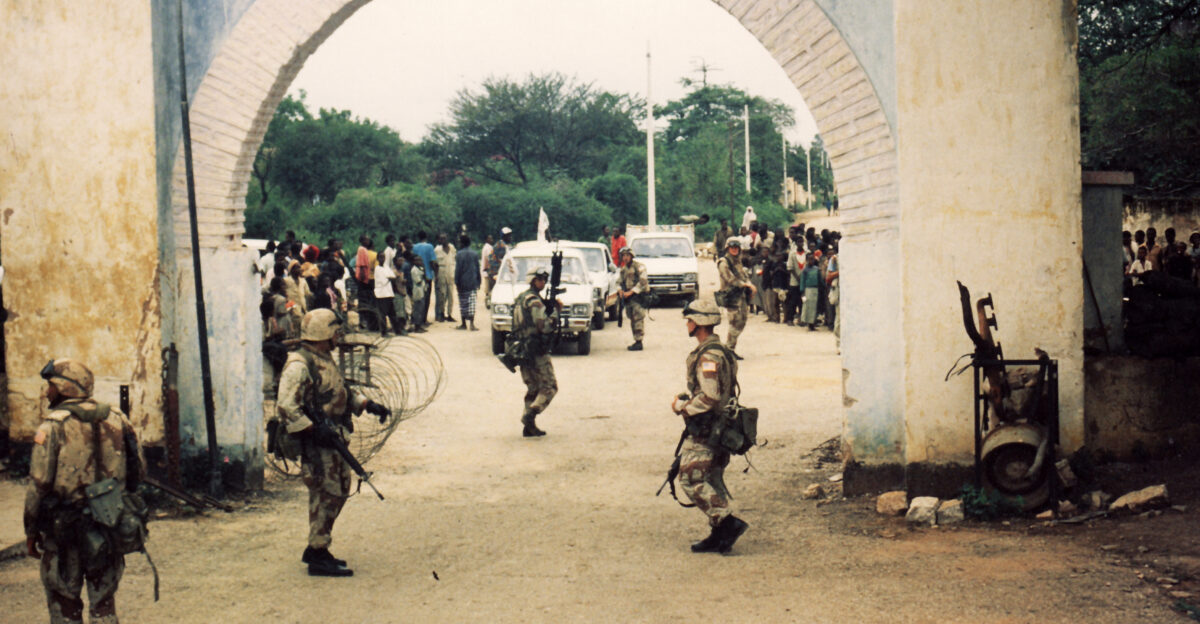
Between February 1 and June 10, 2025, AFRICOM conducted 38 airstrikes across Somalia. Targets included al-Shabab positions in south-central regions and ISIS-Somalia fighters operating near Mogadishu and in Puntland.
Each strike was coordinated with Somalia’s federal government, aiming to weaken militant capabilities while supporting local forces. The campaign marked the opening phase of Trump’s first major Somalia counterterror push.
Puntland Precision
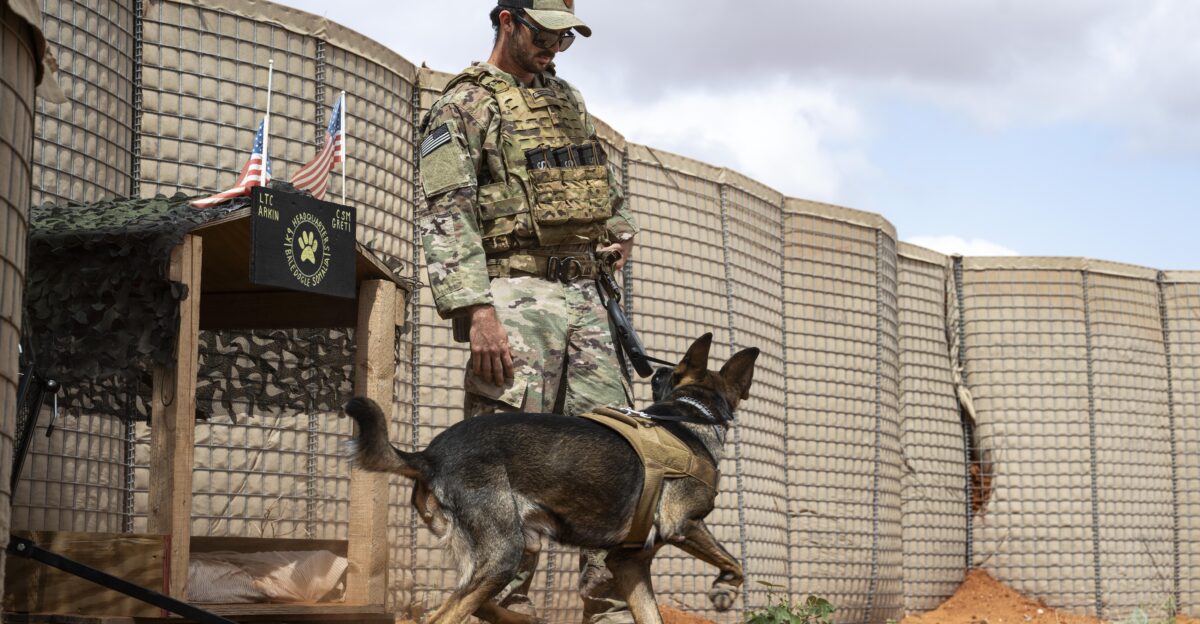
In January 2026, U.S. forces struck ISIS-Somalia targets in Puntland’s Golis Mountains, roughly 31 kilometers southeast of Bosaso, on January 9 and 11. Additional strikes hit al-Shabab in south-central Somalia.
AFRICOM released no casualty figures, citing ongoing assessments. The remote mountain terrain—long used as a militant refuge—remains a strategic focal point for disrupting ISIS-Somalia’s limited but persistent presence.
Mogadishu Shadows
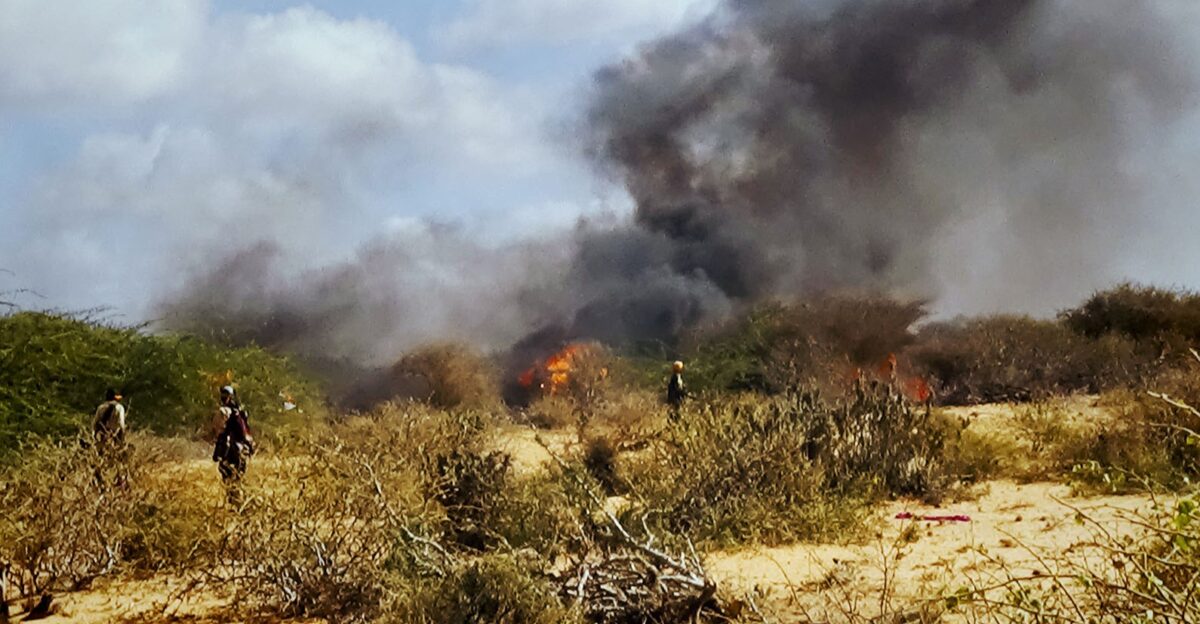
On January 8, 2026, U.S. aircraft struck al-Shabab fighters near Buur Heybo, approximately 154 kilometers northwest of Mogadishu. While militants were the target, civilians in surrounding rural areas continue to bear the broader cost of the insurgency.
Somalia’s population of approximately 19 million endured 7,289 conflict-related deaths in 2024 alone, underscoring the human toll of a war fought largely beyond city limits.
Partner Pushback
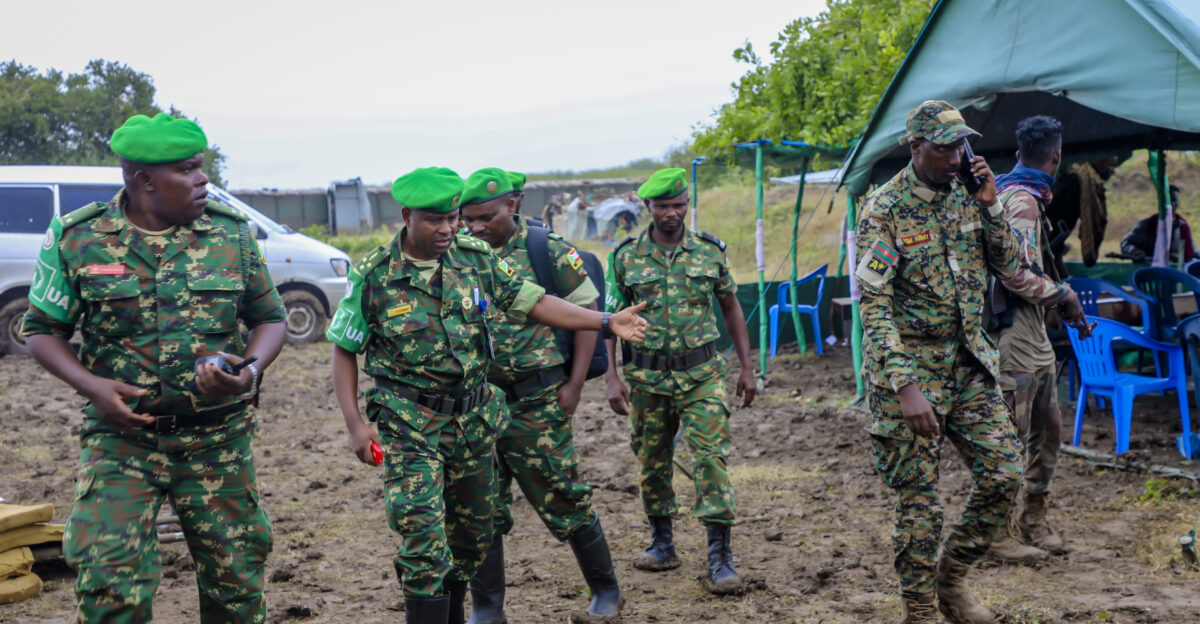
Somali Armed Forces are conducting coordinated ground operations alongside U.S. air support, aiming to blunt al-Shabab’s long-running campaign to overthrow the federal government. Cooperation with AFRICOM has intensified, particularly in contested rural zones.
While no rival global powers are directly intervening, shifting regional dynamics and sustained militant pressure keep Somalia’s security landscape fragile and highly dependent on international backing.
Africa’s Deadliest
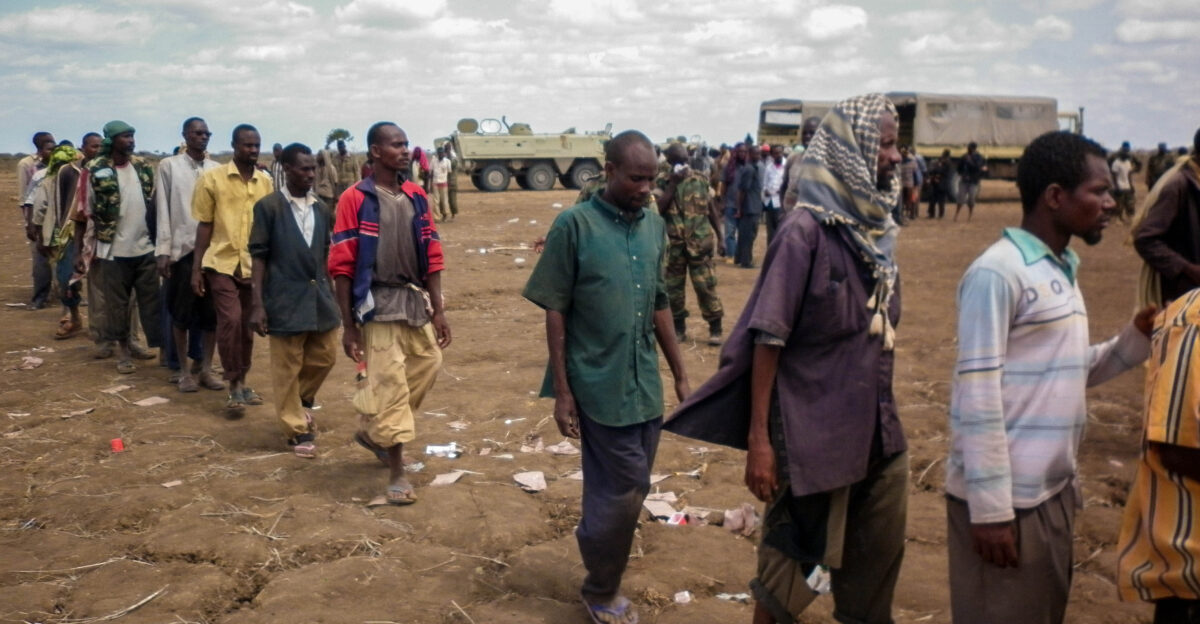
According to Africa Center data, Somalia ranked second in Africa for deaths from militant Islamist violence in 2024, trailing only the Sahel region, which recorded 10,685 deaths.
The figures place Somalia at the heart of U.S. concerns about jihadist expansion across the continent. The scale of violence highlights why Somalia remains a cornerstone of Washington’s Africa-focused counterterror strategy.
Hidden Casualty Toll
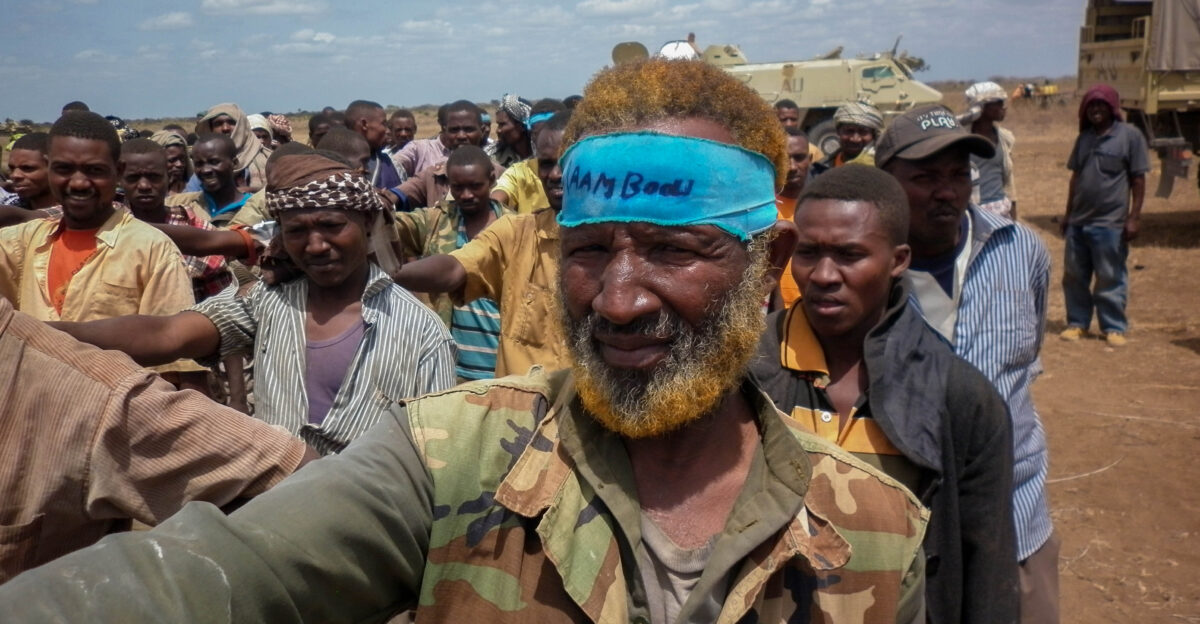
AFRICOM has not released militant casualty figures from January 2026 strikes, citing operational security. This mirrors past practice, where battle damage assessments can take weeks or remain undisclosed.
Independent trackers often estimate significant losses, but the absence of official numbers fuels debate about transparency and effectiveness. What is clear is that the air campaign’s scope continues to widen.
Langley’s Alert
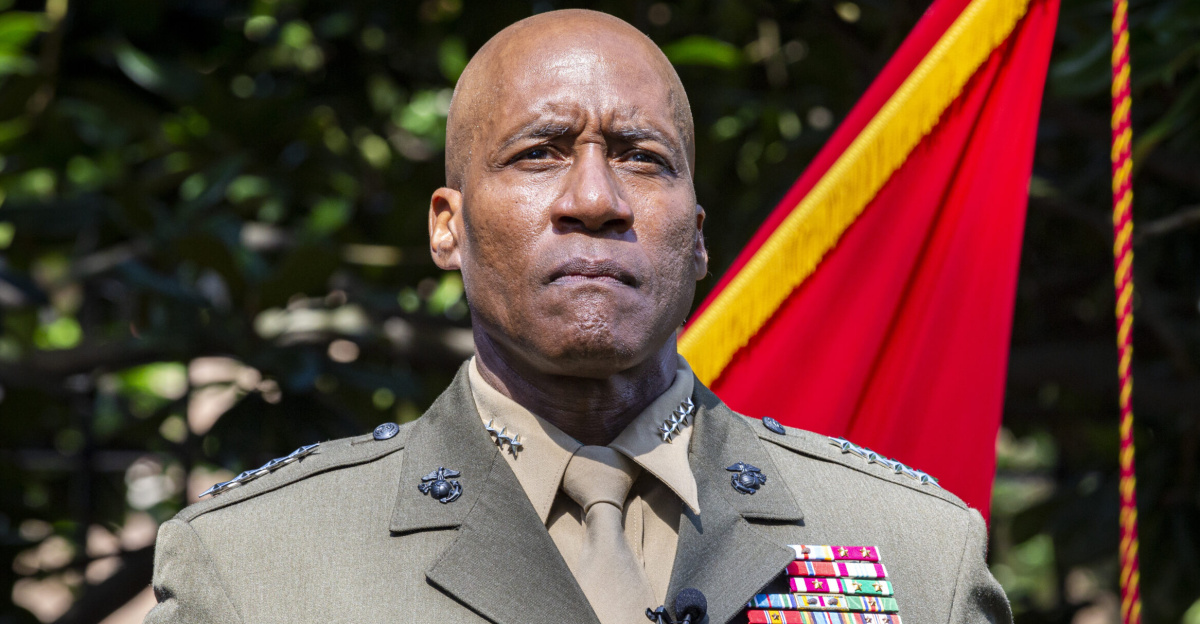
Gen. Langley has repeatedly warned that African jihadist groups are expanding faster than counterterror efforts can dismantle them. Testifying before Congress, he emphasized the need for tighter coordination among U.S. agencies and partner nations.
Somalia, where militants have fought continuously since 2007, exemplifies the challenge: entrenched insurgents, stretched local forces, and no quick military solution.
Trump Era Shift
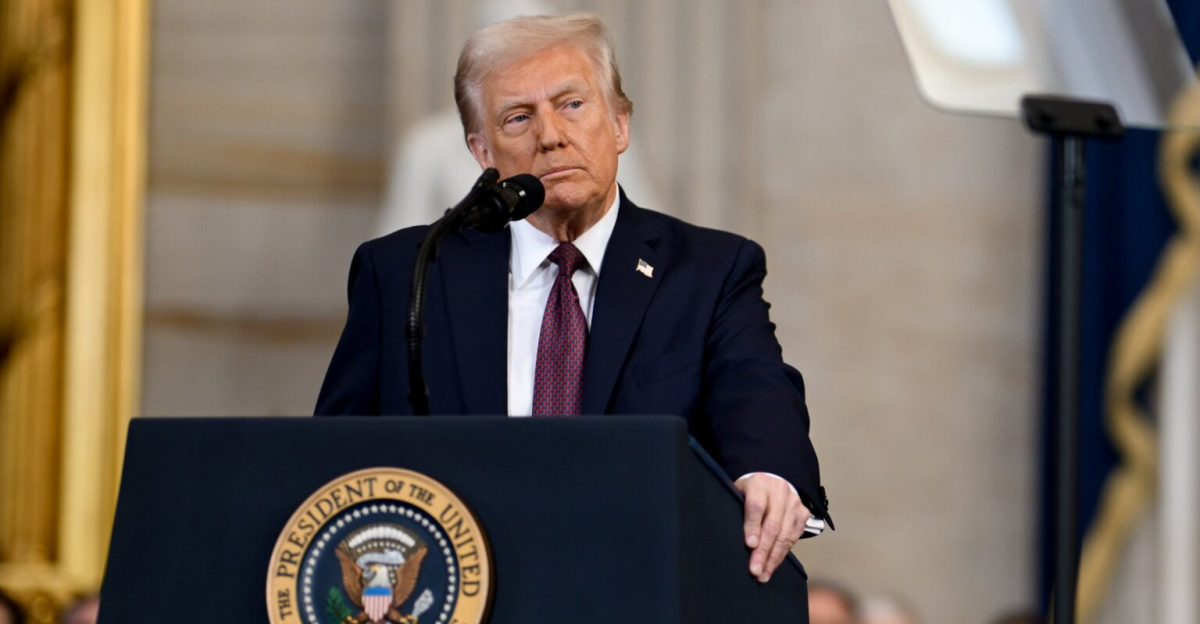
President Trump’s return to office in 2025 coincided with a sharp rise in U.S. strikes in Somalia. Operations increased from 38 airstrikes early in the year to 126 total operations by year’s end, according to partner assessments.
While AFRICOM leadership remained unchanged, the surge reflected a policy pivot toward aggressive disruption of militant networks before they mature into external threats.
Somali Counteroffensive
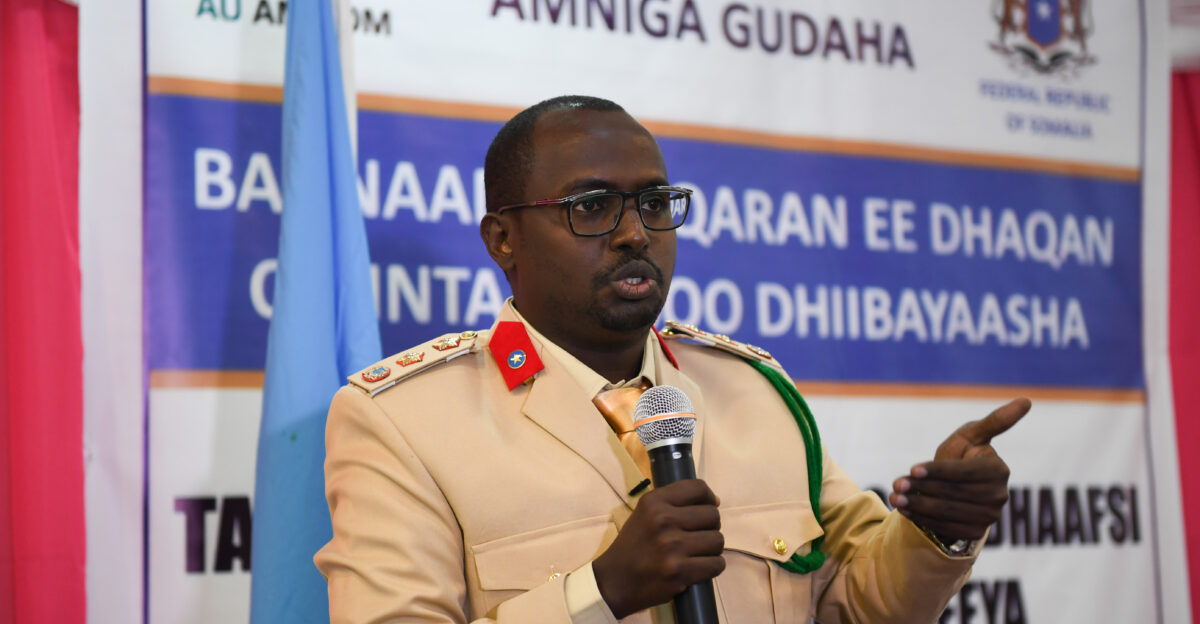
The Federal Government of Somalia has expanded military campaigns in south-central regions, backed by U.S. intelligence, air support, and training.
The goal: reclaim rural territory that allows al-Shabab to tax populations, move fighters, and plan attacks. January 2026 strikes coordinated with Somali authorities signal a renewed joint effort to reverse militant control beyond urban centers.
Tracker Skepticism
Analysts acknowledge Somalia’s ranking as one of Africa’s deadliest conflict zones but caution that airstrikes alone rarely deliver lasting results. Militants remain resilient, often dispersing and reconstituting after attacks.
Without sustained ground gains and governance improvements, experts warn the conflict risks settling back into a costly stalemate.
Horizon Risks
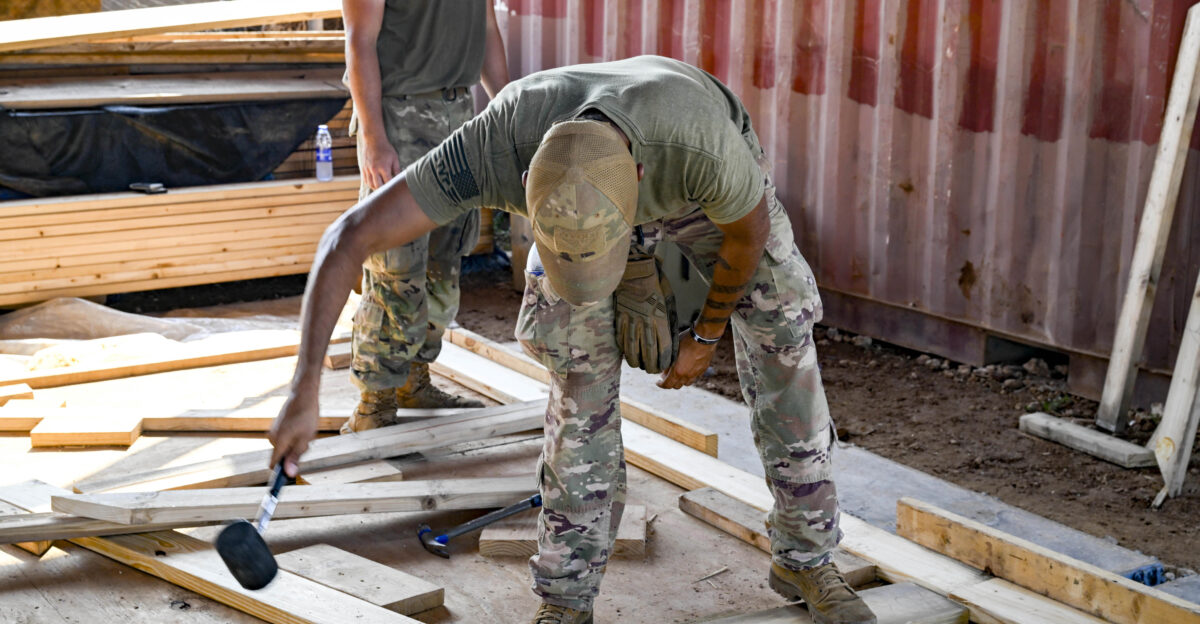
U.S. officials increasingly frame Somalia as part of a broader global threat picture. If African jihadist groups consolidate territory and expertise, they could eventually project violence beyond the continent.
The U.S.–Somali partnership focuses on degradation over time—but military pressure alone may not address the political and economic conditions that fuel recruitment.
Policy Pressures
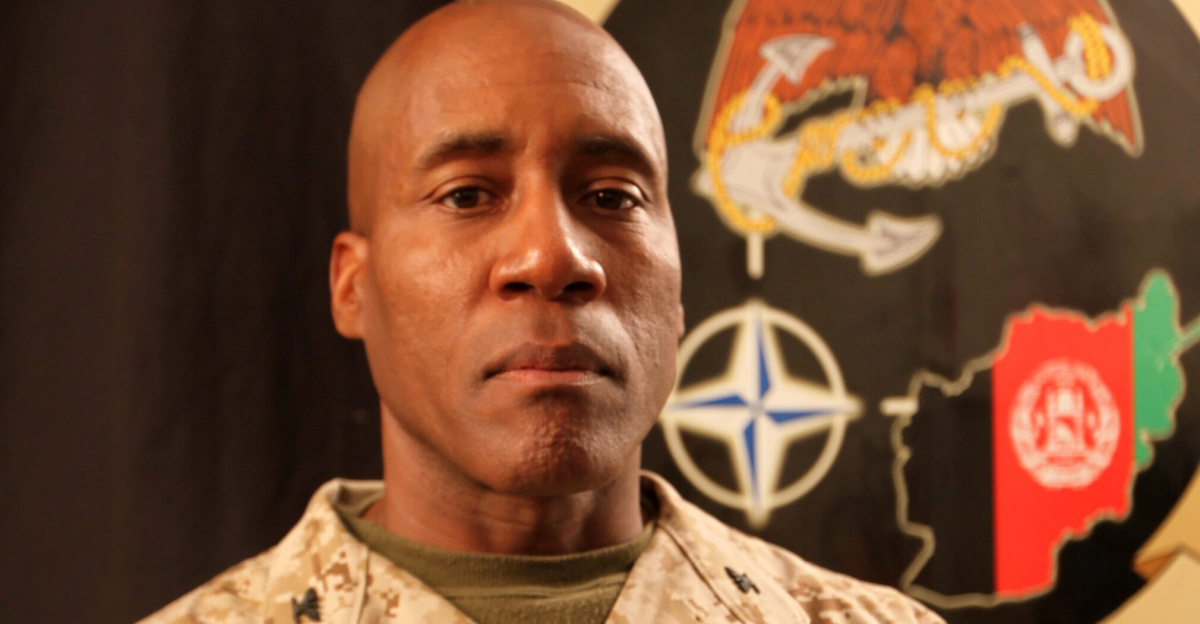
Langley’s homeland warning has intensified scrutiny on AFRICOM funding and priorities in Congress. Lawmakers weigh the cost of sustained counterterror operations against the risks of disengagement.
Somalia’s instability has become a test case: whether early, persistent intervention can prevent far costlier threats from emerging years down the line.
Horn Ripples
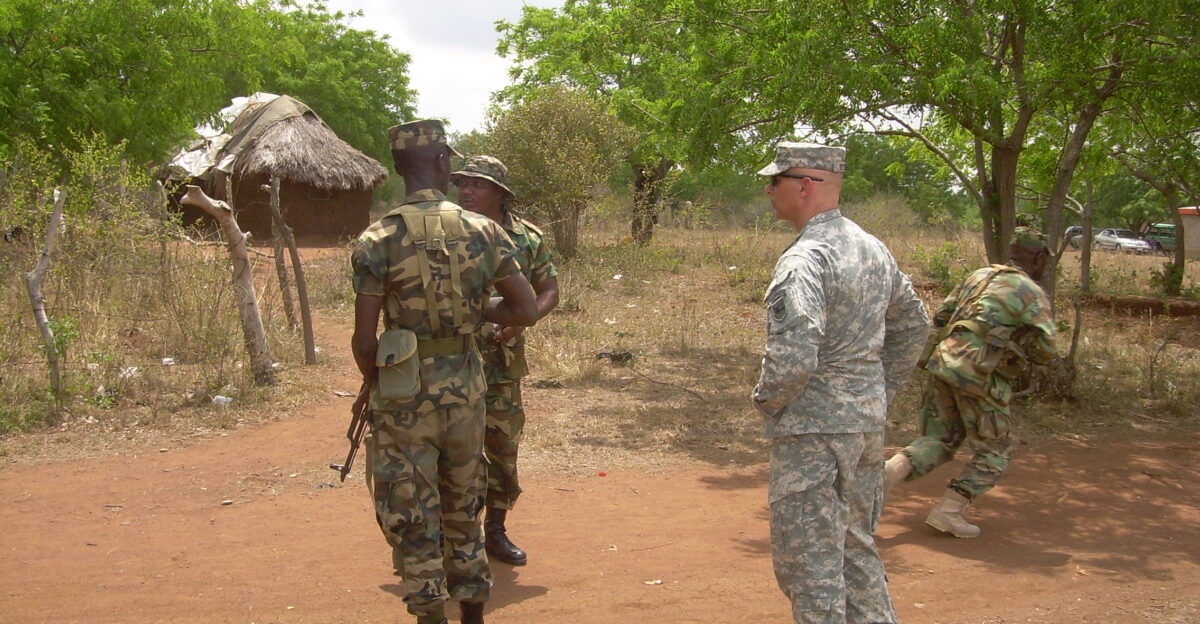
Operations in Puntland ripple across the Horn of Africa. Ethiopia and Djibouti monitor spillover risks, while Gulf partners reassess their regional posture.
Countries like Uganda—already battling extremist threats—watch Somalia closely. The conflict’s trajectory increasingly demands coordinated international responses rather than isolated national efforts.
Ops Security Veil
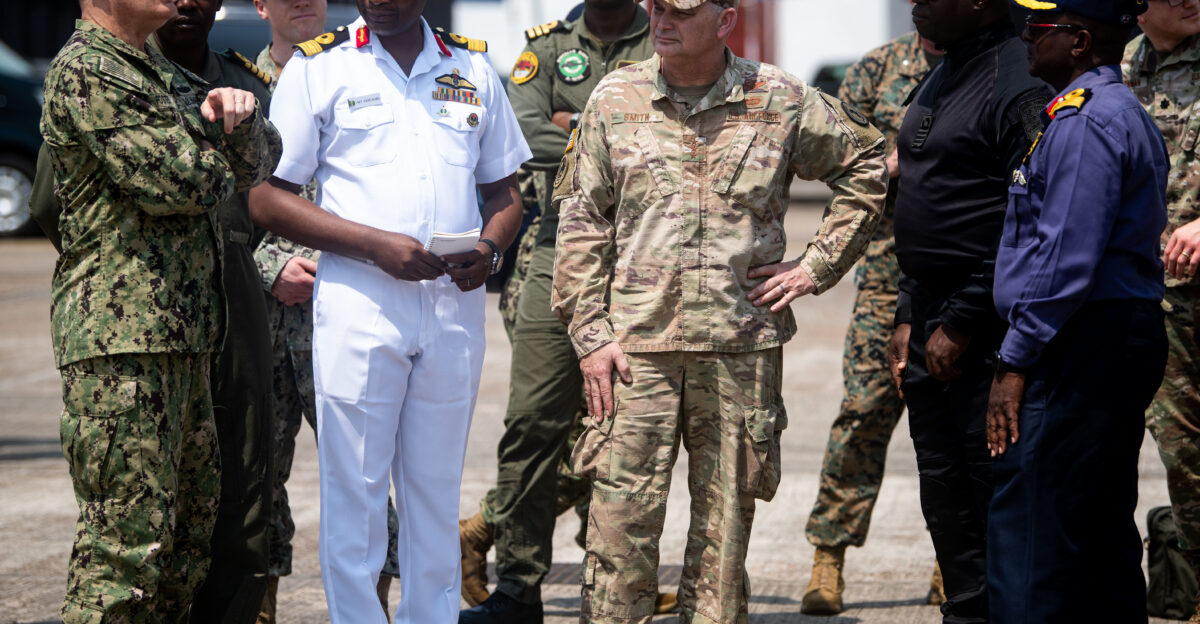
AFRICOM’s refusal to release casualty data reflects long-standing operational security policies. Legal frameworks require civilian harm assessments, which remain ongoing after each strike.
Critics argue greater transparency is needed to maintain public trust, while commanders insist disclosure timelines must not compromise future missions or partner forces.
Ethical Reckoning
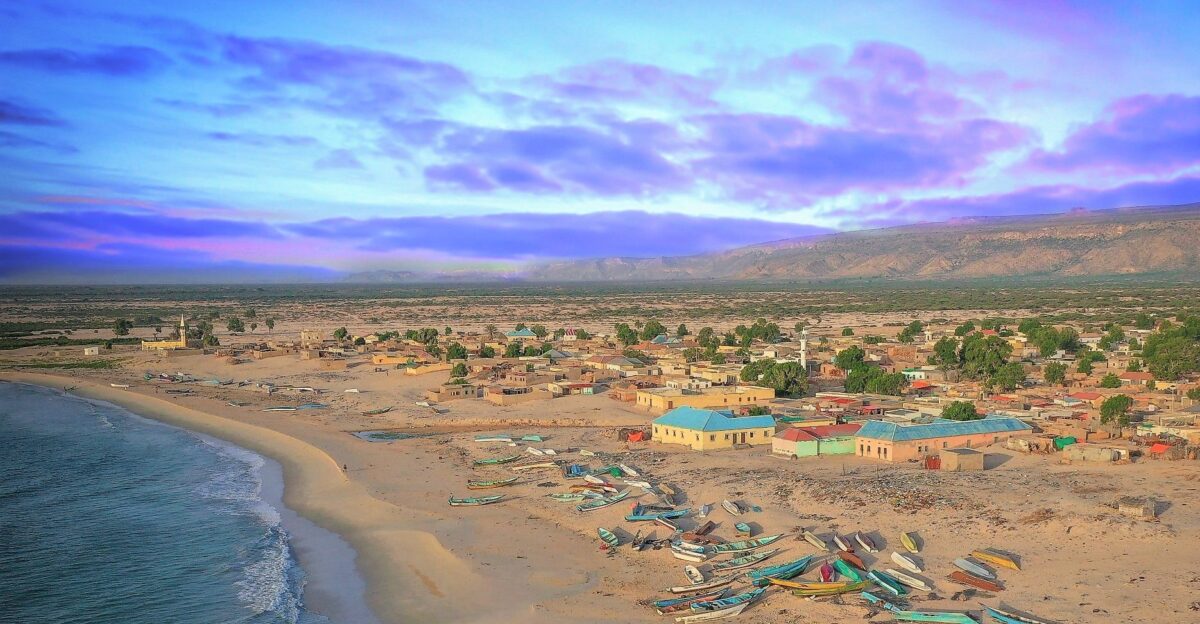
For Somalia’s 18 million citizens, the conflict shapes daily life. Years of violence strain social norms, disrupt education, and influence how young people view power and survival.
While military force targets armed groups, long-term stability depends on balancing security operations with efforts to prevent another generation from being drawn into extremism.
Stakes Escalate
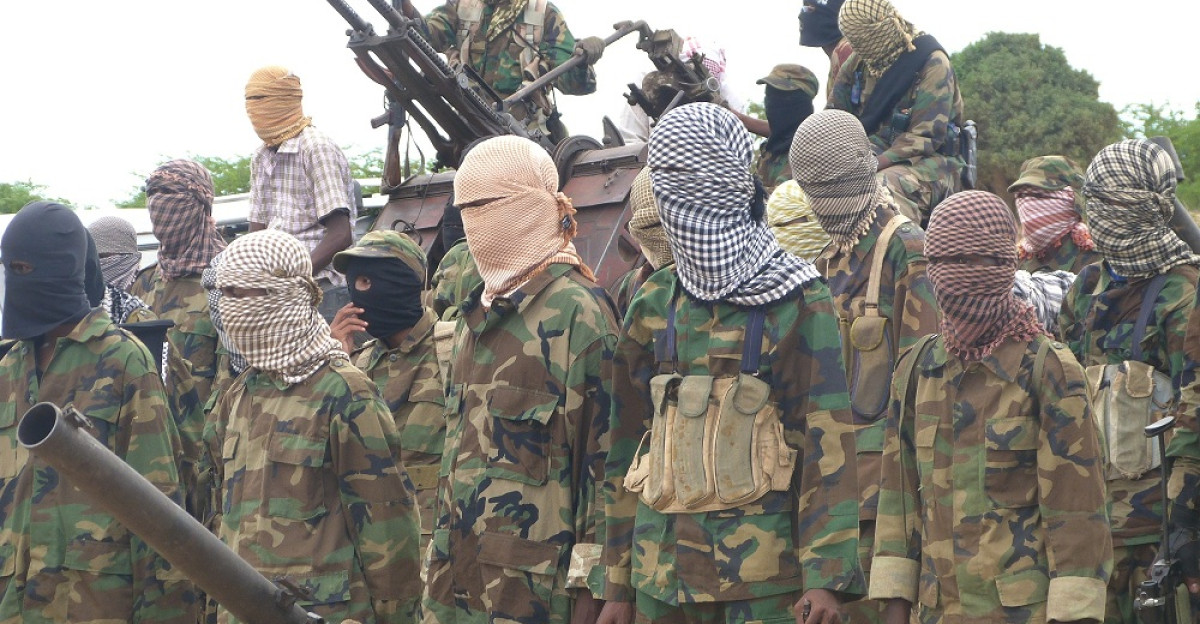
Somalia’s status as Africa’s second-deadliest militant Islamist conflict underscores the urgency behind U.S. action. The wave of strikes—including 38 airstrikes in early 2025 and multiple operations in January 2026—reflects a strategy of forward defense.
For U.S. and Somali leaders alike, the stakes are clear: contain the threat now, or confront far greater risks later.
Sources:
Africa Center for Strategic Studies, Africa Surpasses 150,000 Deaths Linked to Militant Islamist Violence Over Decade, July 29, 2025
U.S. Africa Command, U.S. Africa Command 2025 Posture Statement to Senate Armed Services Committee, April 3, 2025
U.S. Africa Command, U.S. Forces Conduct Strike Targeting al-Shabaab, January 10, 2026
U.S. Africa Command, U.S. Forces Conduct Strike Targeting ISIS-Somalia, January 9, 2026
Fox News (citing AFRICOM data), US launches wave of strikes in Somalia targeting ISIS, al-Shabaab terror threats, January 12, 2026
Council on Foreign Relations, A Guide to Trump’s Second-Term Military Strikes and Actions, January 12, 2026