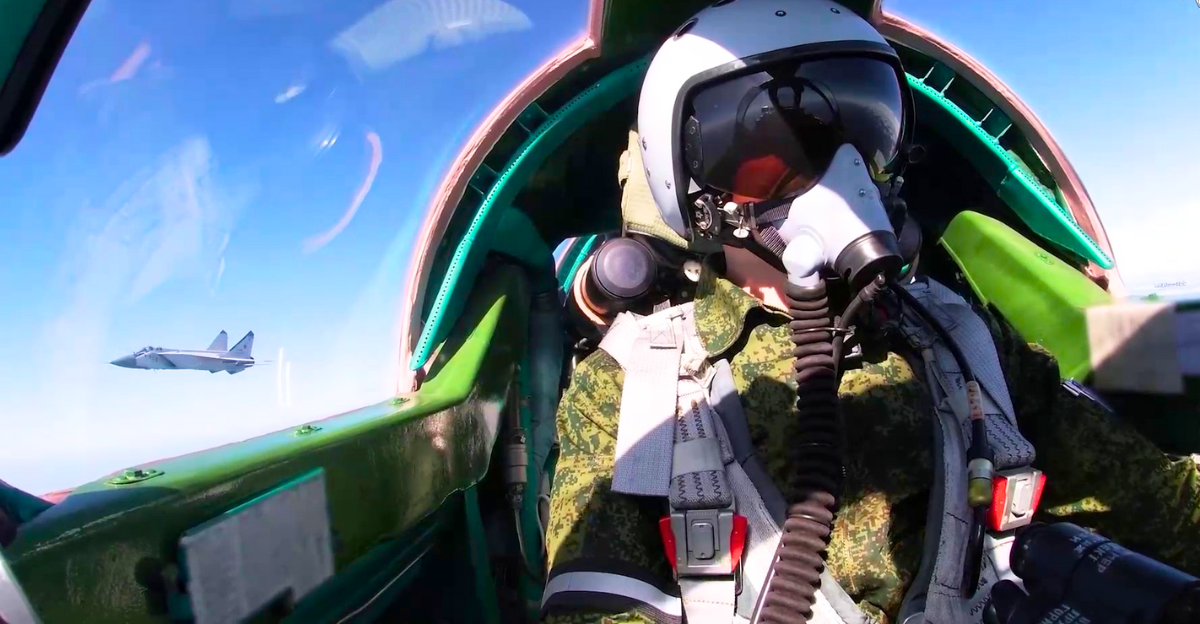
In Sept. 2025, NORAD reported four Russian warplanes near Alaska – the third such intercept in a month and the ninth this year.
These incursions occur amid heightened U.S.-Russia tensions (e.g. the Ukraine war). Such flights test American resolve and, allies note, underscore the need to bolster Arctic defense readiness.
Long-Range Soviet Bombers
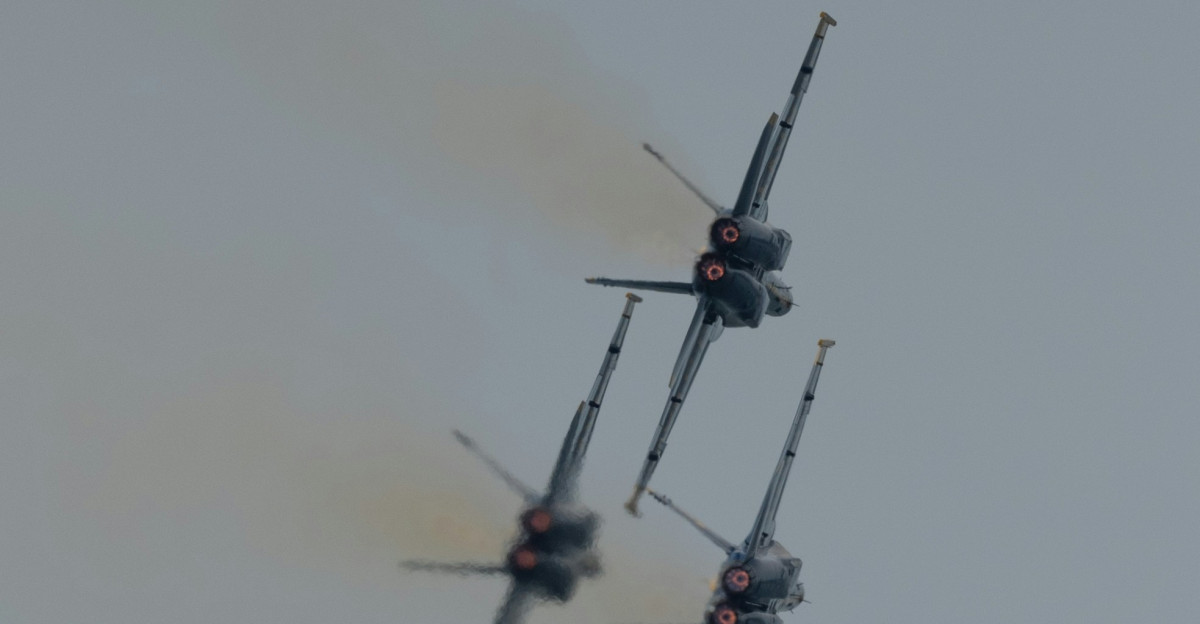
Russia’s Tu-95 “Bear” bombers loom large here. Introduced 1956, each turboprop can fly ~15,000 km (9,300 mi) without refueling and carry ~11,000 kg (24,000 lb) of ordnance.
Still nuclear-capable, Tu-95s now carry modern cruise missiles. These Cold War-era veterans regularly appear in NATO intelligence as symbols of Russia’s strategic reach.
Alaskan ADIZ Origins
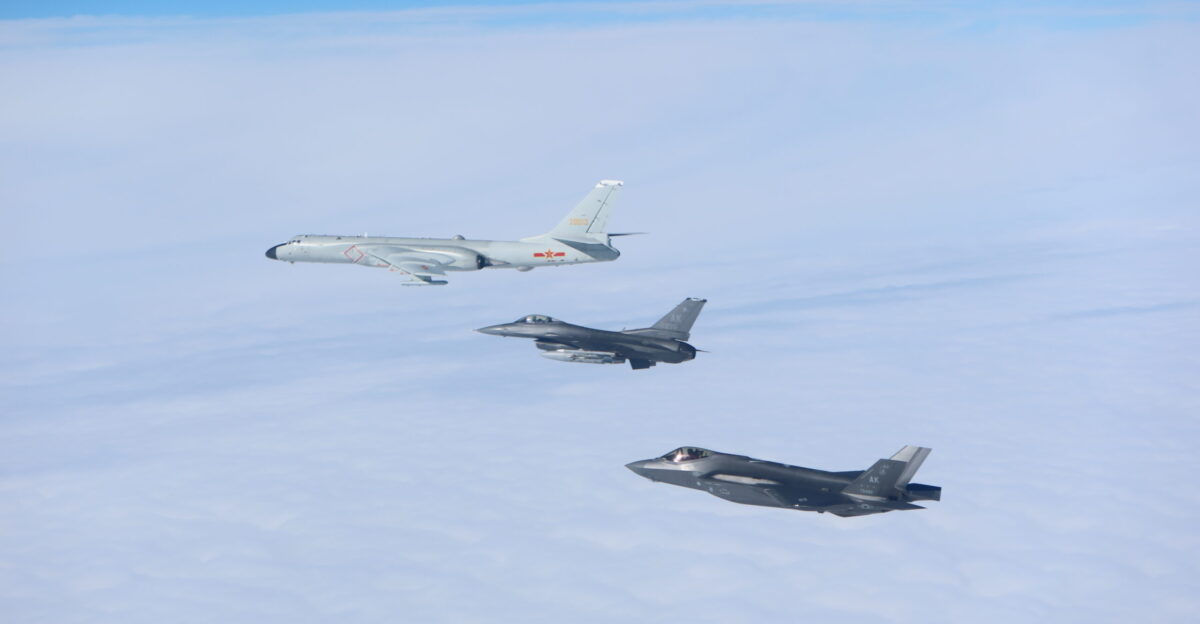
Alaska’s Air Defense Identification Zone (ADIZ) forms a 150-nm buffer off the coast. Created during the 1950–53 Korean War, it obliges all aircraft to identify themselves.
This long-established zone is NORAD’s first line of defense; American and Canadian crews on the ground and in the air constantly watch for unidentified flights.
Spike in Intercepts
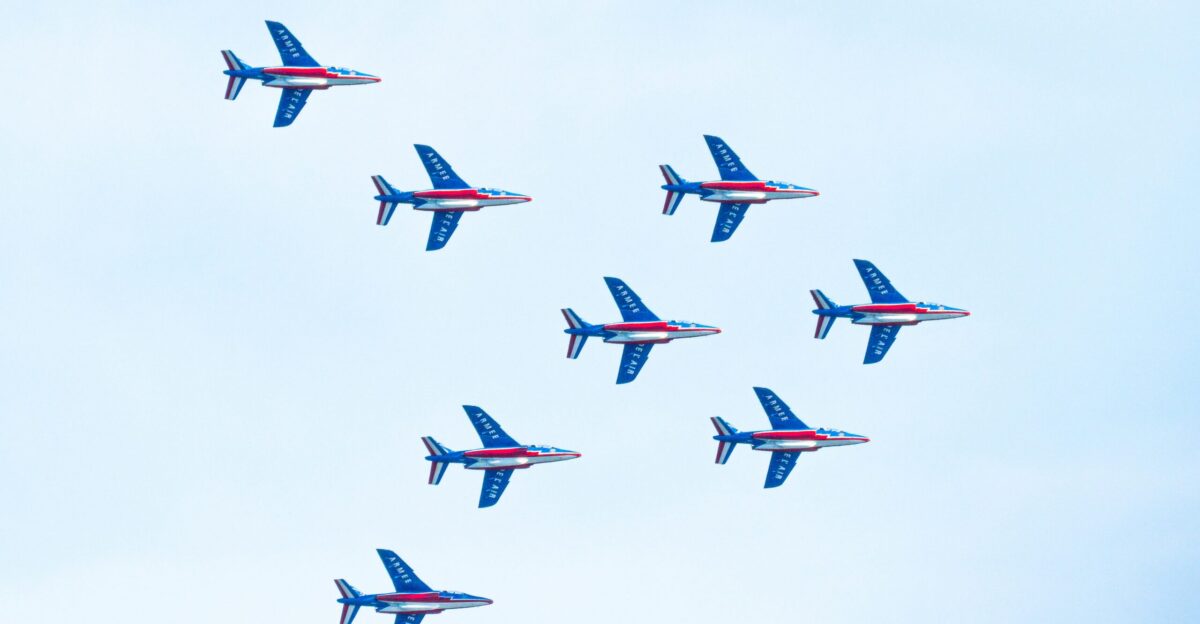
This summer saw a sharp jump in Russia’s ADIZ flights. In Aug. 2025 NORAD tracked four Russian missions in one week – a dramatic uptick. (For perspective, 2024 saw 12 such flights.)
Analysts note these sorties often coincide with U.S. exercises (like Northern Edge) and serve as live tests of U.S. radar and response times.
Sept. 24 ADIZ Encounter
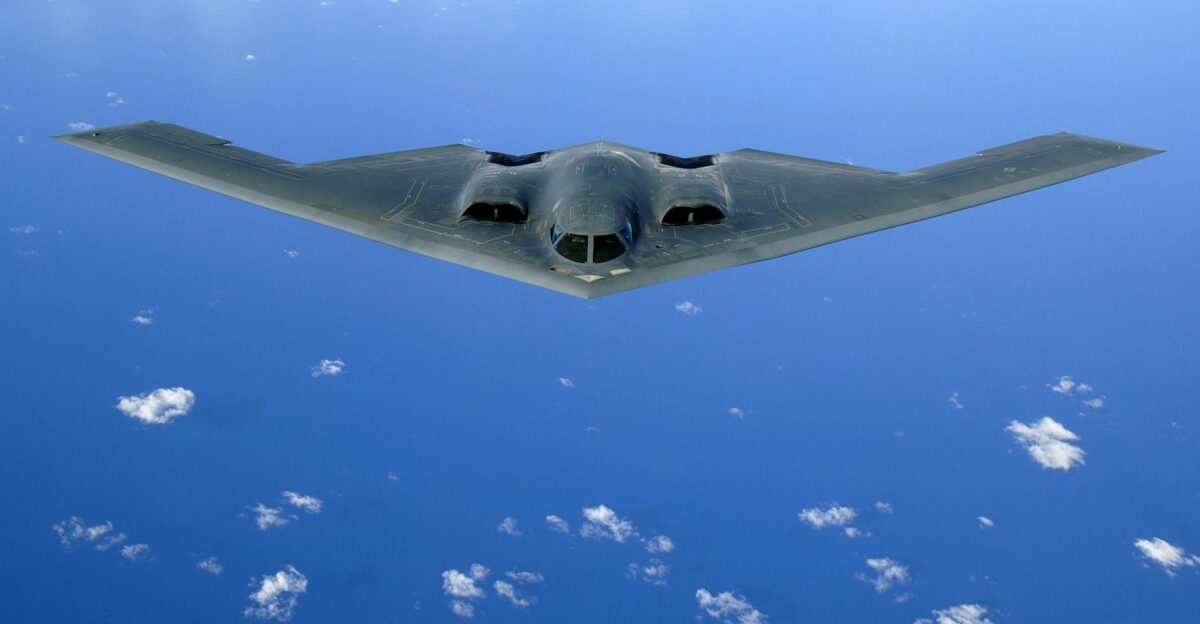
On Sept. 24, 2025, the of this story unfolded. NORAD detected two Tu-95 strategic bombers and two Su-35 fighters approaching the western ADIZ.
In response, nine U.S. aircraft – an E-3 AWACS, four F-16s, and four KC-135 tankers – were scrambled. The Russian formation stayed ~53 minutes inside the ADIZ, coming within ~30 nm of St. Lawrence Island.
St. Lawrence Island – Strategic Outpost
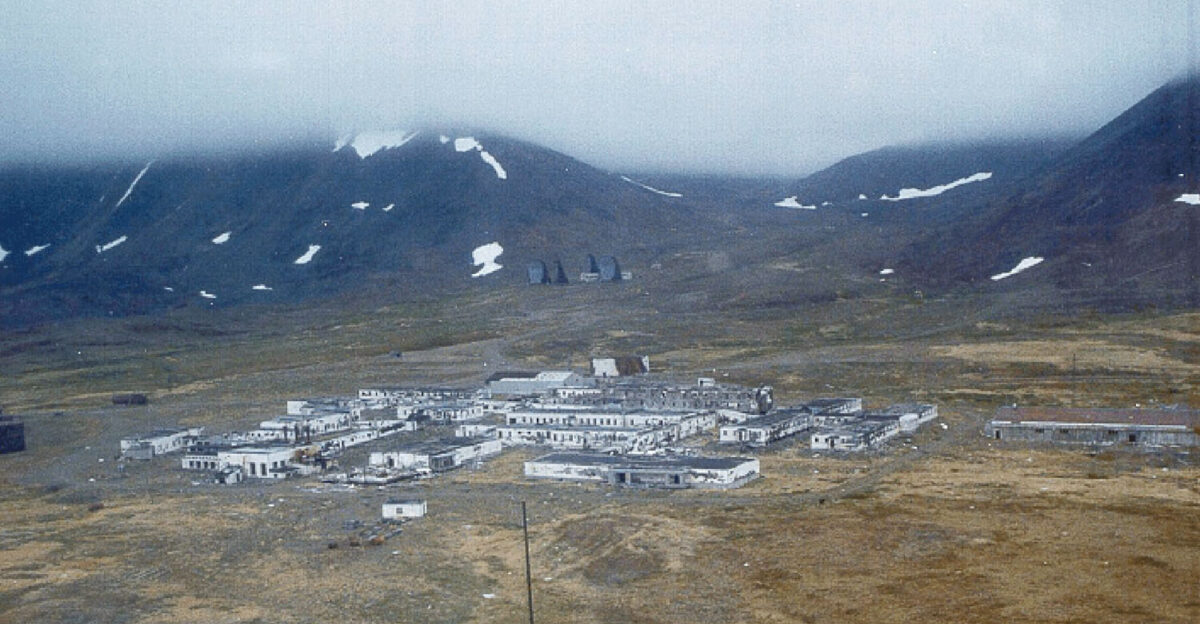
St. Lawrence Island (pop. ~2,500) lies about 54 nm from Russia’s Chukchi Peninsula. Its Gambell village sits under the now-decommissioned Northeast Cape Air Force Station (built 1952), a remnant of Cold War defenses.
The island’s proximity to Russia makes it a critical U.S. watchpoint. These flights near St. Lawrence show Moscow’s reach to America’s very doorstep.
Routine Scrambles

NORAD stresses these intercepts are routine, officials say. Capt. Rebecca Garand noted, “Such Russian activity … is not seen as a threat”.
Pilots at Eielson AFB remain on high readiness for scrambles, following well-rehearsed intercept patterns. Both sides follow strict protocols and maintain clear communications, ensuring every encounter ends safely.
Su-35s: Russia’s Top Fighters
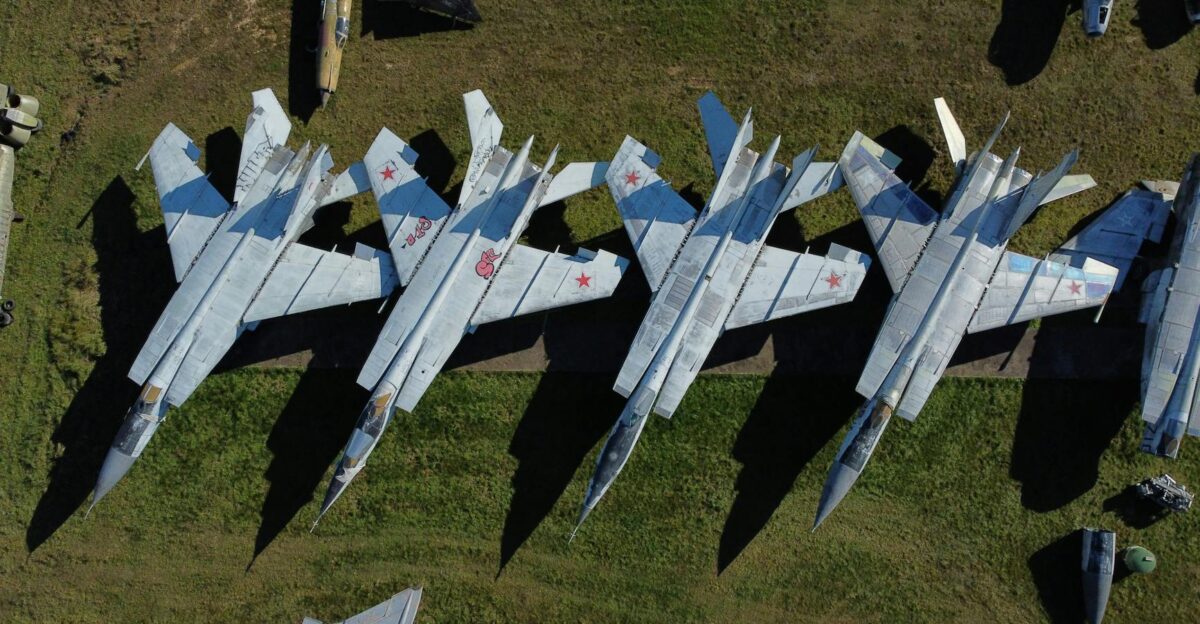
Accompanying the bombers were Su-35 “Super Flanker” fighters – Russia’s top air-superiority jets. Each Su-35S tops Mach 2.25 (≈1,500 mph) and has ~1,900 nm range on internal fuel.
Their twin thrust-vectoring engines and potent Irbis-E radar (tracking 24 targets at 100 km) grant extreme agility and scope. Deploying Su-35s signals Moscow’s intent to press hard on U.S. defenses.
Echoes of the Cold War

This drama echoes Cold War patterns. In 1955, two Soviet MiG-17s shot down a U.S. Navy P2V Neptune patrol plane, which crash-landed on St. Lawrence Island.
Shootdowns were rare but real then. Today, decades of hotlines and identification rules have made modern intercepts far safer, transforming past flashpoints into routine security checks.
Signals Intelligence Missions

The Russians also probe electronically. In late Aug. 2025, a Russian Ilyushin Il-20 ELINT plane spent 2h20m in the ADIZ, approaching ~25 nm of St. Lawrence.
Such missions map U.S. radar and comms. The Sept. 24 bomber formation’s 53-minute flight similarly provided time to gather signals intelligence from Alaska’s vast sensor network.
F-16s on Quick Reaction
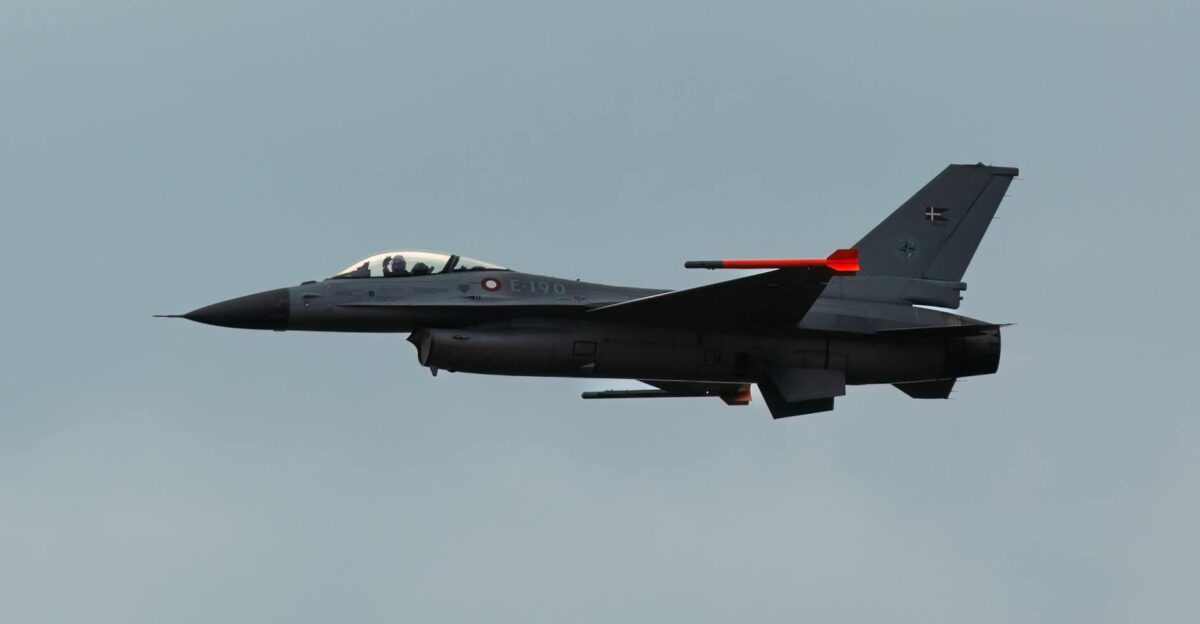
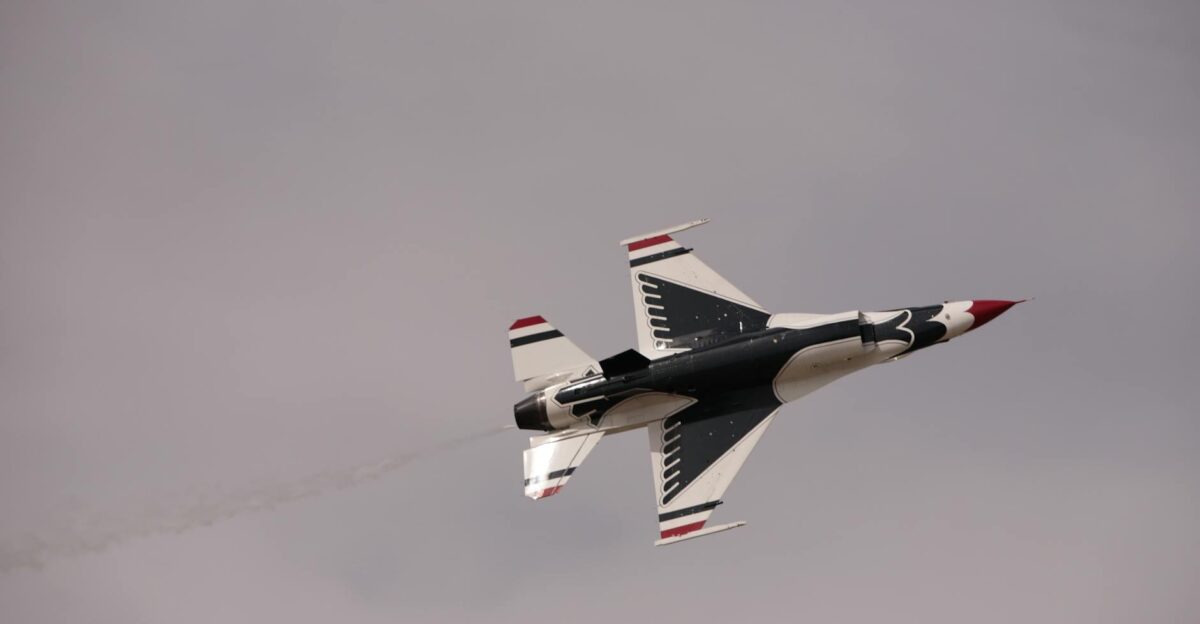
Eielson AFB’s F-16 Fighting Falcons led the response. The 18th Fighter Squadron keeps jets on 24/7 alert for exactly these situations.
An F-16 can cruise at Mach 2 (≈1,500 mph) and carries up to six air-to-air missiles (like AIM-9s and AIM-120s) plus a 20mm cannon. In minutes, crews launched jets skyward – underscoring the base’s quick-reaction capability.
NORAD’s Air Defense Network
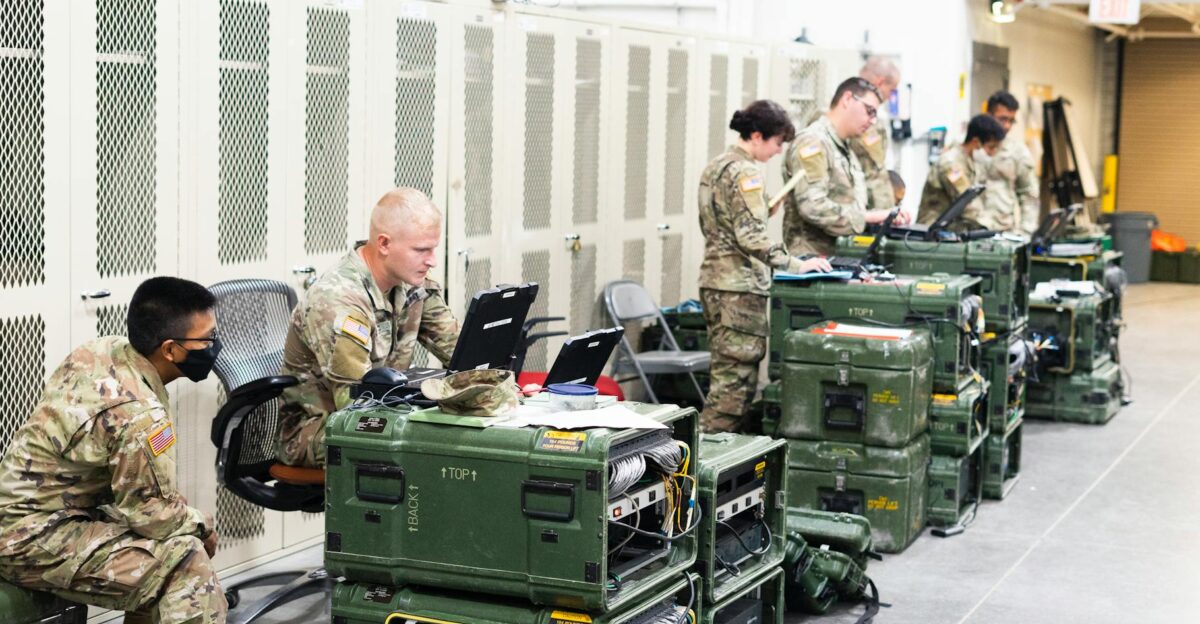
NORAD’s binational (U.S.-Canada) command structure coordinated the intercept. A Boeing E-3 Sentry AWACS provided all-altitude radar coverage during the event.
This integrated system – linking satellites, ground radars, and airborne sensors – is the result of a cooperative defense pact (established 1958). It enables real-time tracking of any aircraft near North America.
Tankers: Fueling Patrols
Four KC-135 Stratotankers kept pace alongside the fighters. Each KC-135 can offload up to 200,000 lbs of fuel to receivers in flight, enabling F-16s to loiter much longer.
First flown in 1956, the Stratotanker has been modernized (e.g., new engines) but continues as a workhorse. Tankers on station mean U.S. jets can patrol Alaska without worrying about range.
Analysts: Probing, Not Provoking

Analysts echo that view: “This doesn’t happen all the time…I think it’s normal, routine strategic messaging,” NORAD’s Gen. VanHerck said; retired Adm. Montgomery added “no doubt … efforts are targeting Northern Edge”.
Heritage Foundation’s Sadler noted “mostly it would be signals intelligence… insight into tactics”. CNAS’s Tom Shugart concurs: “Part of it is probably messaging… It’s a relatively tame response”.
Arctic’s Changing Chessboard

As polar ice recedes, Arctic routes and resources are emerging, intensifying international competition. Melting icecaps are opening the Northern Sea Route and new oil and mineral prospects.
Analysts warn Moscow is leveraging this moment: by patrolling near Alaska, Russia reminds the world it intends to dominate the evolving Arctic order, compelling the U.S. to bolster its northern defenses.
Diplomatic Balancing Act

These encounters unfold amid fraught diplomacy (e.g. debate over Ukraine). Each side officially downplays risk. U.S. and Russian military channels (red phones, hotlines) remain active to prevent misunderstandings.
Every scramble has ended without incident – a testament to strict adherence to ADIZ protocols and deliberate caution, rather than any hostile intent.
Moscow’s Arctic Ambitions

Russia’s Arctic ambitions are clear. President Putin has ordered an expanded military buildup up north, including new air and naval forces.
Moscow treats the Northern Sea Route as vital, seeking de facto control of these waters. Regular flights near Alaska signal Russia’s claim on emerging Arctic sea lanes and resources, showing the U.S. that the Arctic is now a contested space.
Legal Framework

Under international law, any aircraft may fly in international airspace as long as it announces itself. Alaska’s ADIZ begins at the 12-nm sovereign boundary.
On Sept. 24, the Russian planes did not cross that line – NORAD confirmed they stayed in international airspace. In short, no laws were broken: both sides stuck to the rules.
Alaskan Perspective
Most Alaskans treat such missions as routine defense. Local officials emphasize that F-16 scrambles protect, not threaten, remote communities. Still, for younger generations without Cold War context, frequent intercepts can seem strange.
Media and schools have begun explaining these drills as necessary vigilance, reassuring residents that jets overhead are a normal part of national security here.
Controlled Rivalry

In the end, these flights illustrate a calculated superpower dance. Both capitals collect intelligence and show strength, but follow agreed-upon rules.
As NORAD puts it, we’re “meeting presence with presence”. This disciplined approach – clear protocols and communication – means the U.S. and Russia manage Arctic competition through routine intercepts, avoiding dangerous escalation.