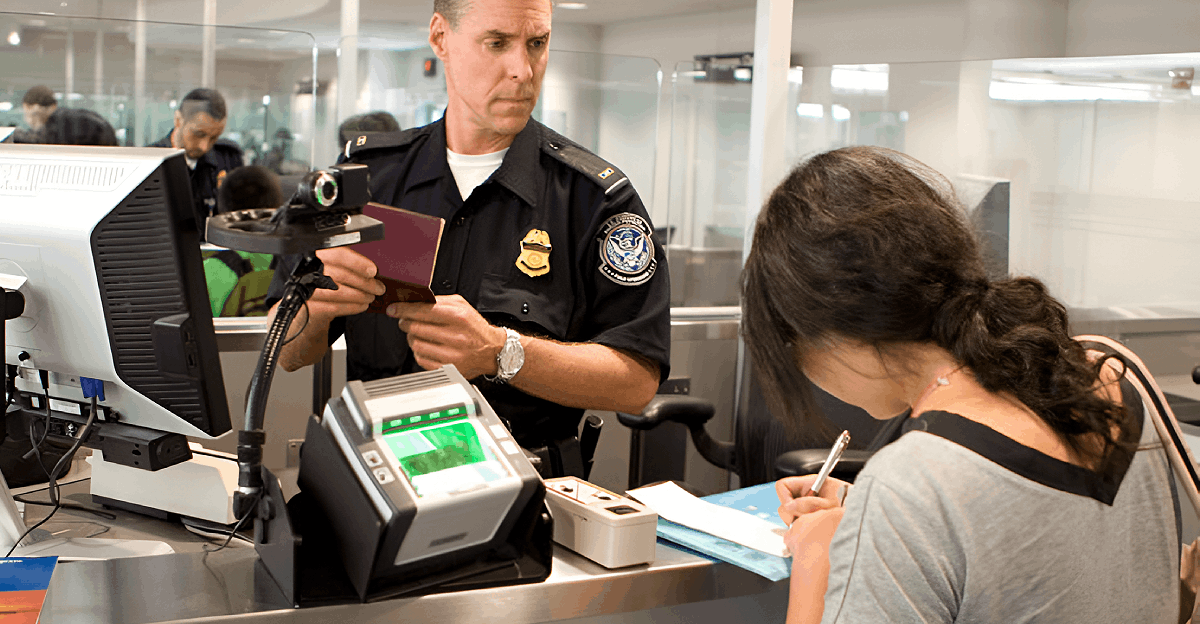
The United States has recently implemented a new $250 visa fee for international travelers, a move that experts in the tourism sector caution could significantly impact an industry that is still in the process of recovery.
This unexpected policy change has sparked backlash from travel organizations and raised concerns among global industry leaders regarding potential substantial revenue losses.
Tourism Disaster
The World Travel & Tourism Council reports that the United States is the only country among 184 to face a decline in international visitor spending in 2025, with a projected shortfall of $12.5 billion.
This significant decrease in international arrivals compared to last year poses a risk to millions of hospitality jobs nationwide.
Better Times

At its peak, the United States welcomed over 79 million international visitors annually, contributing approximately $2.6 trillion to the economy and supporting more than 20 million jobs.
This sector has been a vital economic driver and a key tool for fostering international relationships.
Growing Problems
U.S. consulates are experiencing significant delays in visa processing, which can deter budget-conscious travelers from key international markets due to high fees.
Meanwhile, federal budget cuts threaten tourism promotion funding just as competitor countries launch major marketing campaigns. These factors contribute to ongoing recovery challenges in the tourism industry.
The New Legislation
On July 4, 2025, President Trump enacted comprehensive budget legislation that introduced a new $250 “visa integrity fee,” which will take effect on October 1.
This fee applies to travelers who are applying for non-immigrant visas to enter the United States and is non-waivable. However, citizens from more than 40 countries that participate in the Visa Waiver Program may be exempt from this fee.
Country Impact

Recent changes in visa fees have increased costs for travelers from major source countries like India, China, Mexico, and Brazil.
A standard tourist visa now costs $435, up from $185, creating a significant financial burden. Families applying together may face thousands in additional fees, excluding other application costs.
Industry Response
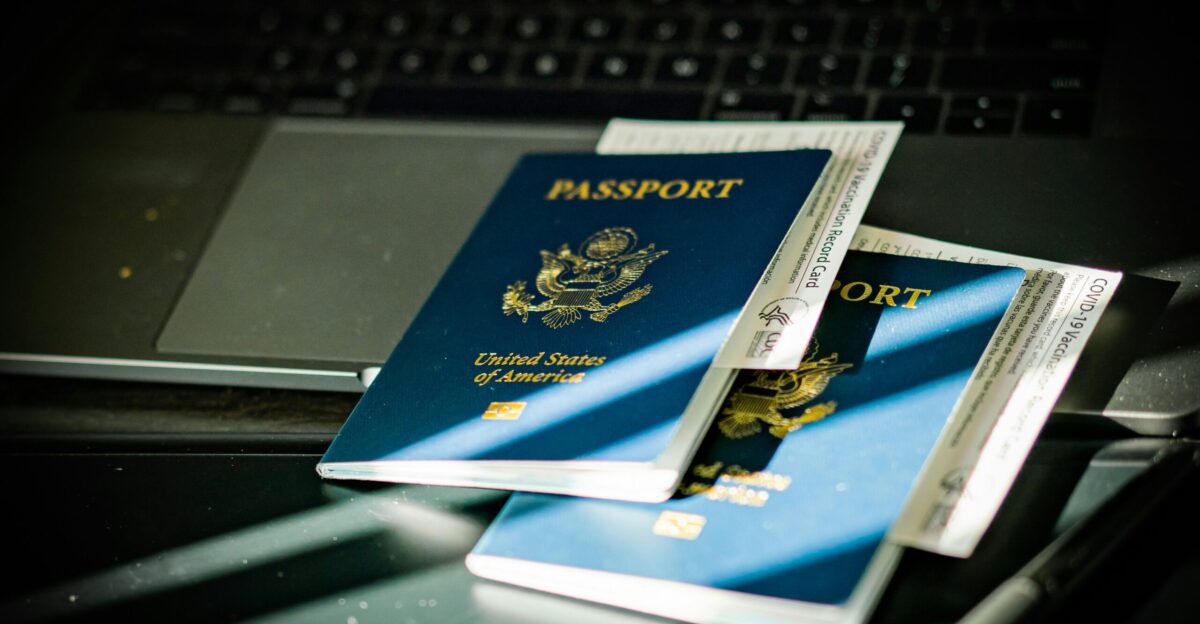
Erik Hansen, U.S. Travel’s senior vice president of government relations, stated that “cost and visa wait times” are “among the top deterrents” for people considering travel to America.
Hansen emphasized that “the new visa integrity fee increases the upfront costs of visiting the U.S. by 144%, while doing nothing to lower interview wait times.”
Competitor Advantage
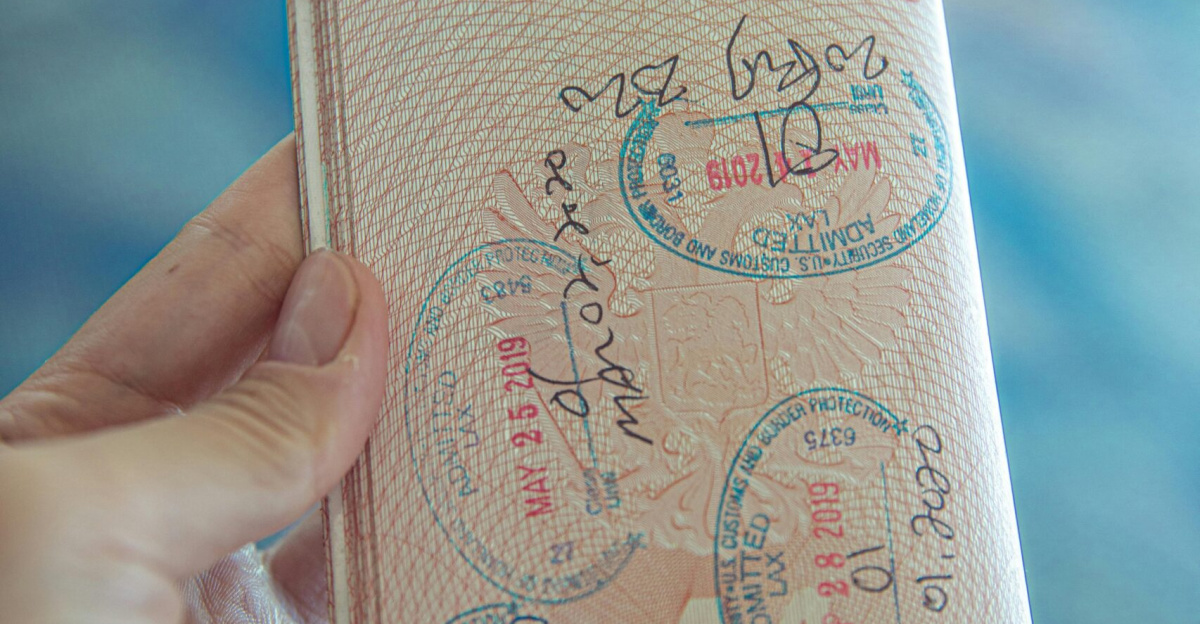
As the U.S. imposes financial barriers for travelers, competing destinations are attracting international visitors with simplified entry processes and effective marketing.
Other English-speaking countries are also streamlining procedures, creating intense competition in the tourism market to appeal to those deterred by the rising costs and complexities of visiting America.
Policy Shift
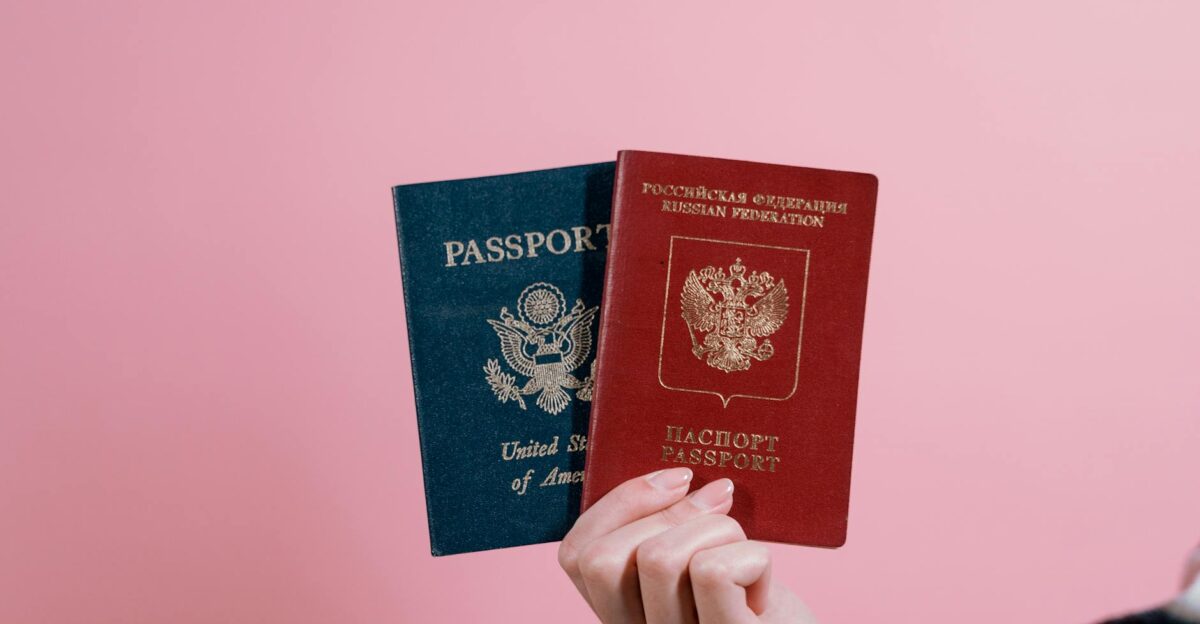
The visa fee highlights a shift in governmental priorities towards immigration enforcement, overshadowing the economic benefits of international visitors.
This change departs from decades of bipartisan support for tourism as a key export industry and reflects a move away from America’s traditional openness to international travel and cultural exchange.
Double Hit
Congress has cut Brand USA’s tourism marketing budget by 80%, reducing it from $100 million to $20 million annually. CEO Fred Dixon stated that this will require a significant adjustment in resources and programming.
This funding reduction comes as the U.S. faces rising entry costs, complicating global promotional efforts.
Implementation Concerns
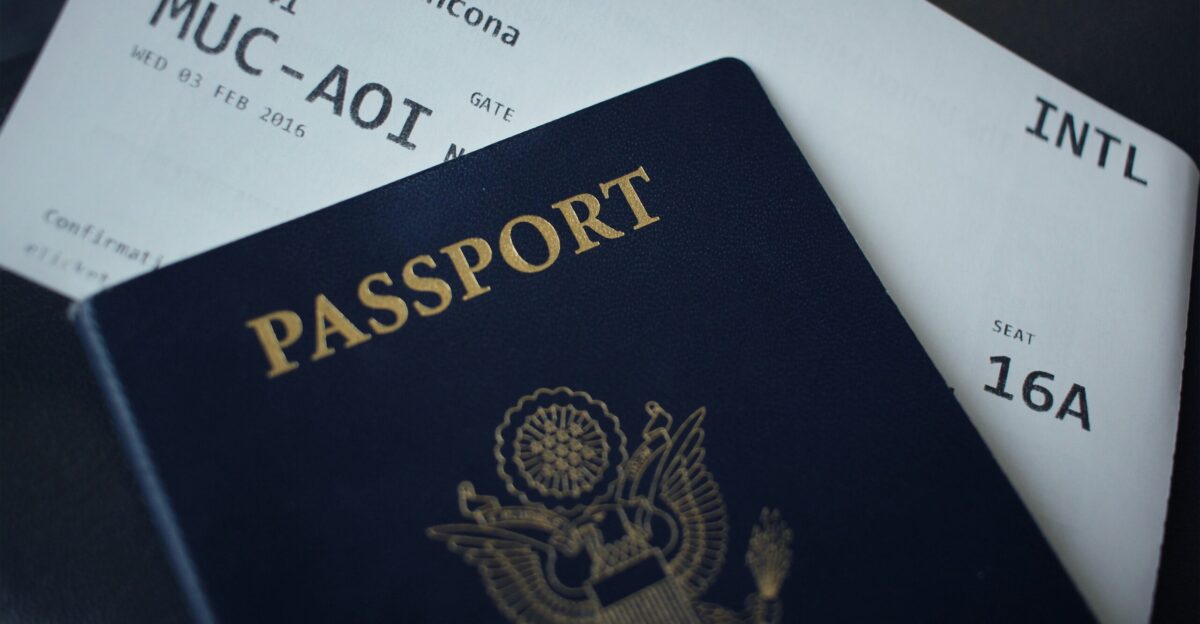
The U.S. Travel Association noted “significant challenges and unanswered questions regarding implementation” of the new fee. There remains “no timeline for implementing the fee or direction as to how the fee will be collected and refunded.”
Industry groups worry about operational complexity and visitor confusion over the reimbursement process.
Revenue Projections
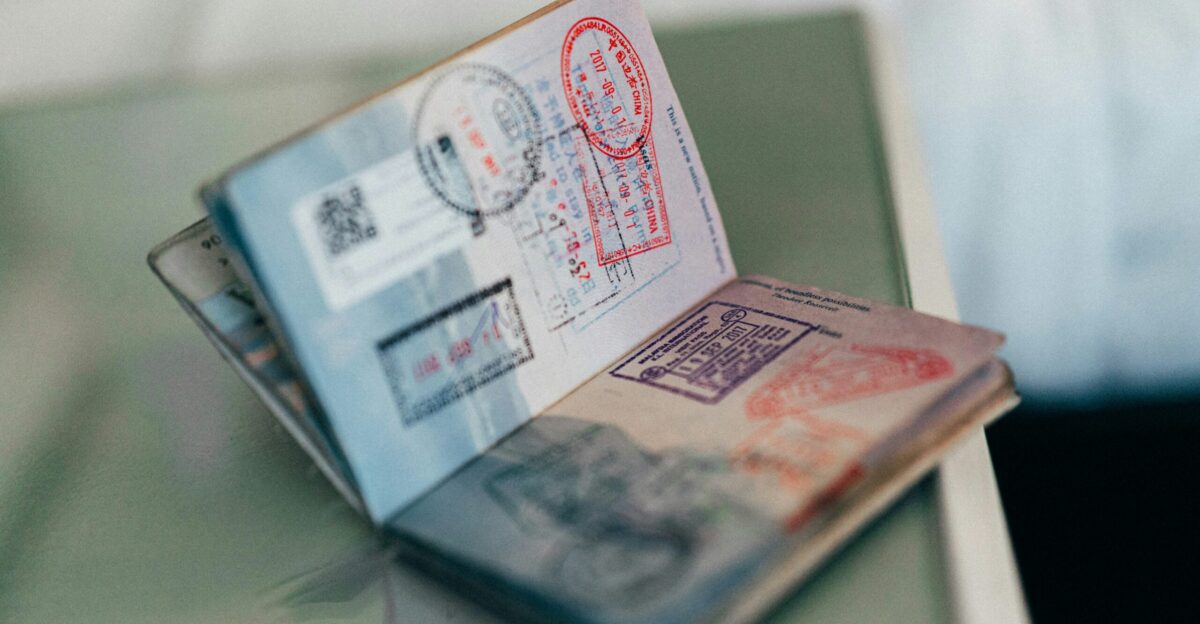
The Congressional Budget Office projects the visa fee will generate $28.9 billion over ten years based on 120 million expected visa issuances.
However, this calculation assumes sustained demand despite the fee’s potential deterrent effect on price-sensitive international travelers. The projections don’t account for reduced applications due to higher costs.
Industry Pushback

Despite federal policy obstacles, tourism organizations launch campaigns to reassure international visitors about America’s continued welcome. Some destinations explore creating independent marketing initiatives to compensate for reduced federal promotion funding.
Travel industry groups actively lobby Congress for policy modifications while developing strategies to maintain international competitiveness.
Expert Analysis
Tourism economists question whether short-term revenue gains justify potential long-term competitive damage among international travelers. The fee reimbursement process remains unclear, and there are concerns that it may prove practically difficult for most visitors to recover their money.
Industry analysts worry about lasting negative perceptions affecting future travel demand.
Major Event Stakes

The fee implementation threatens America’s hosting of the 2026 FIFA World Cup and 2028 Olympics, which are expected to receive significant international attendance. U.S. Travel Association CEO Geoff Freeman emphasized the importance of “capitalizing on the upcoming World Cup and Summer Olympics,” requiring “smarter policy.”
These events represent massive economic opportunities that could diminish higher visa costs.
Policy Context
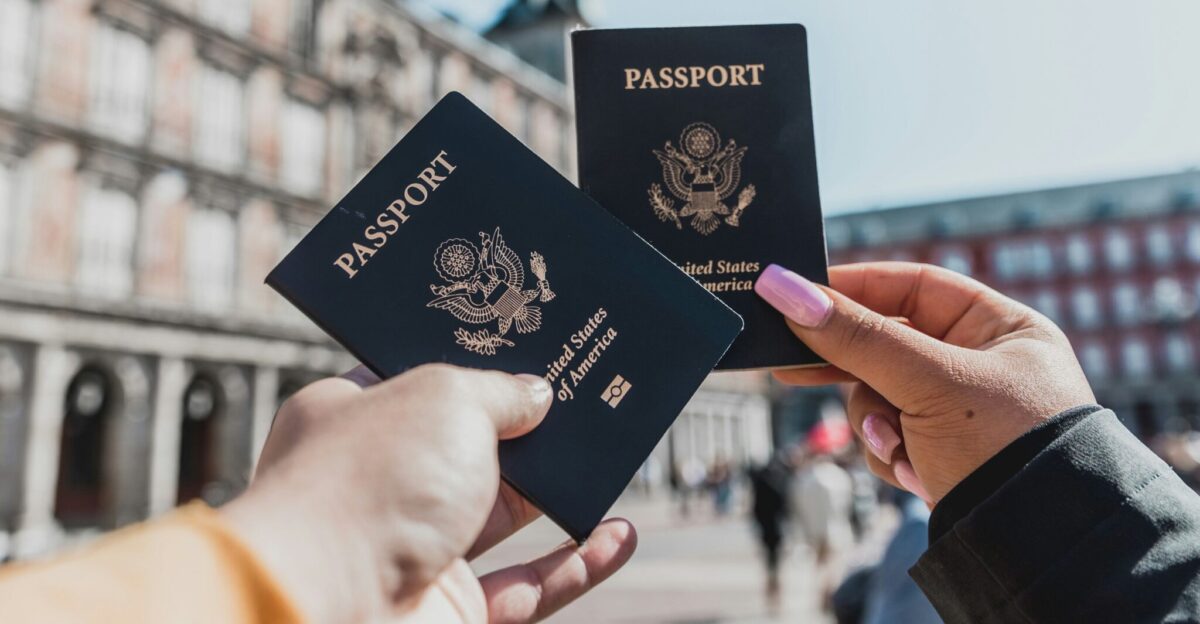
The visa fee reflects broader immigration enforcement priorities that mark a departure from traditional American tourism policy. Freeman called the legislation “a giant step in the right direction” for infrastructure improvements while expressing frustration with steep visa fee increases.
The approach prioritizes border security concerns over international economic engagement through tourism.
International Response
Tourism Economics projects international travel to the U.S. could decline by 5.1% this year, a significant drop from earlier growth forecasts. Foreign governments and tourism boards monitor these policy changes for their potential impacts on bilateral travel relationships.
The fee structure creates challenges for developing countries whose citizens face disproportionate financial barriers.
Operational Questions
The legislation gives the Department of Homeland Security authority to charge fees but lacks specific implementation guidance. Travelers who don’t overstay their time may be eligible for reimbursement once visas expire, but the process remains undefined.
Immigration attorneys express concerns about the practical complexity of administering fee collection and refund systems.
Future Funding
Brand USA CEO Fred Dixon hoped federal matching funds “can eventually be reinstated” through future appropriations processes. Dixon noted the organization “remains fully engaged and in deep dialogue with every level of the administration” about funding restoration.
The tourism promotion agency faces major program cuts when international marketing becomes crucial for competitiveness.
What’s Next
The visa integrity fee represents a significant test of America’s tourism industry resilience and destination brand strength. Dixon emphasized Brand USA remains focused on “growing legitimate international inbound travel and the vital boost it provides to the U.S. economy” despite budget constraints.
The policy’s impact will become clear as implementation proceeds and international travelers respond to the new cost structure.