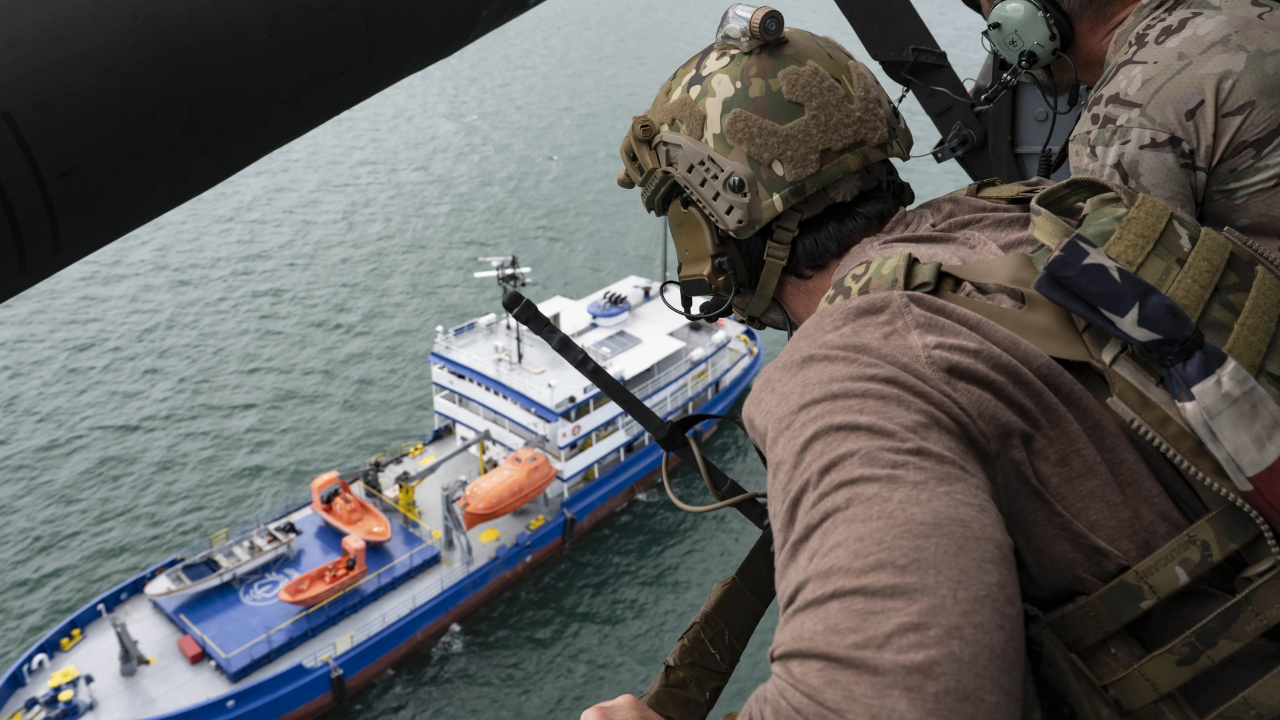
The opioid epidemic now kills about 100,000 Americans each year, and fentanyl has become the most lethal drug in the country. Against that backdrop, the Trump administration has launched one of the most far‑reaching military campaigns ever aimed at narcotics networks in the Western Hemisphere. Since late 2025, U.S. forces have carried out dozens of lethal strikes on suspected drug boats far from American shores, relying on a novel legal theory that treats cartels as terrorist groups and drug smuggling as grounds for armed conflict. Supporters frame the initiative as a necessary escalation against “narco‑terrorists,” while critics in Congress, the courts, and the United Nations say it pushes constitutional and international law to a breaking point.
Legal Reclassification and Operation Southern Spear
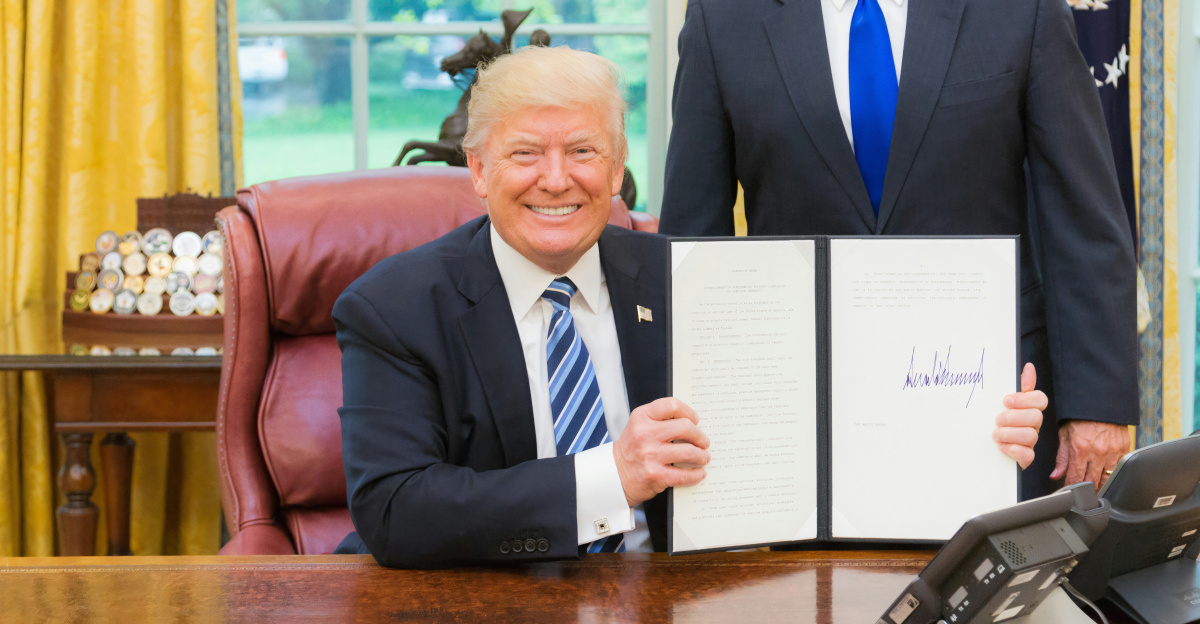
The shift began on January 20, 2025, when President Trump signed Executive Order 14157 directing the State Department to treat major cartels as Foreign Terrorist Organizations. Less than a month later, on February 19, Secretary of State Marco Rubio formally added eight groups to the FTO list, among them the Sinaloa Cartel, Jalisco New Generation Cartel, Tren de Aragua, and Mara Salvatrucha. For the first time, U.S. law placed these criminal syndicates in the same category as al‑Qaeda, unlocking broad authorities for military action.
In November 2025, Defense Secretary Pete Hegseth announced Operation Southern Spear and created Joint Task Force Southern Spear at Naval Station Mayport in Florida, under U.S. Southern Command. The mission, he said, was to “detect, disrupt, and degrade transnational criminal organizations” and to “crush” drug cartels operating across the Caribbean and Eastern Pacific. The Pentagon surged ships, aircraft, and special operations forces into the region, vastly exceeding the traditional Coast Guard footprint that had long dominated interdiction work.
A Deadly Campaign at Sea
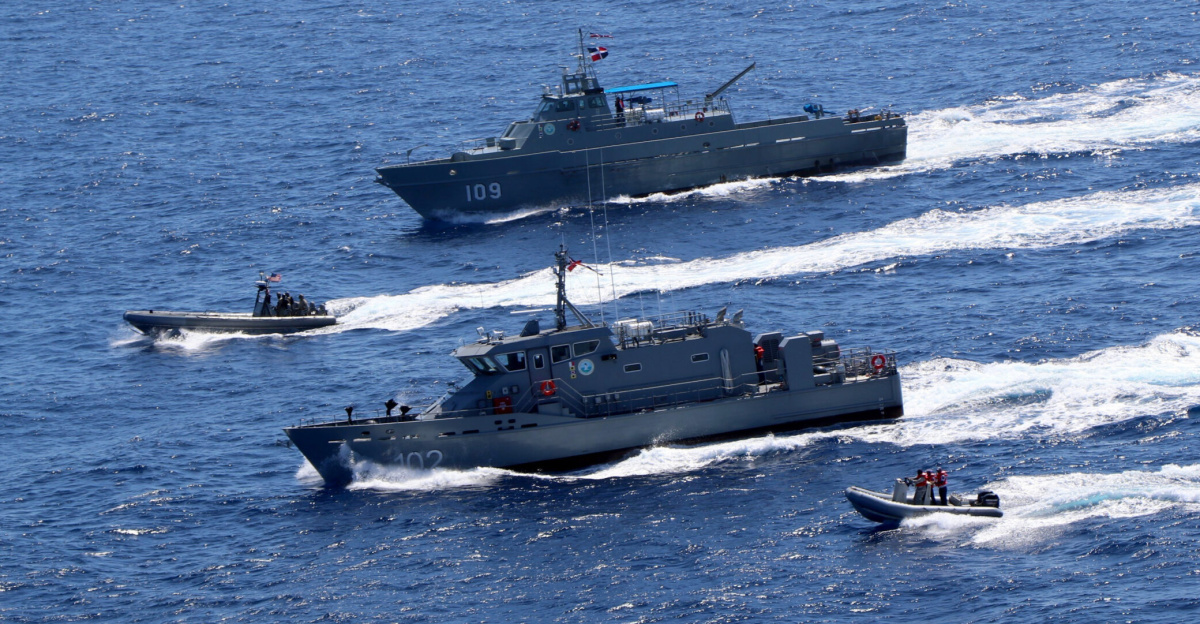
The task force began launching lethal strikes on suspected trafficking vessels on September 2, 2025. Operating along established smuggling routes, U.S. assets have hit semi‑submersible craft and high‑speed “go‑fast” boats believed to be moving cocaine and other drugs from ports in Venezuela, Colombia, and neighboring countries toward North American markets.
By December 29, 2025, when Southern Spear carried out its 30th “kinetic” strike in the Eastern Pacific, U.S. Southern Command reported that two “narco‑terrorists” were killed aboard the targeted vessel. That operation brought the cumulative toll over roughly four months to 107 fatalities, averaging 3.6 deaths per strike. Officials say the vessels were engaged in trafficking, but they have not released independent evidence that the boats carried drugs or that those killed belonged to designated organizations. The administration has also used the operation to seize two sanctioned oil tankers off Venezuela, signaling that the mission is intertwined with broader efforts to pressure the government in Caracas.
Human Rights, Civilian Risk, and a Secret Legal Theory

Reports from legal advocates and media outlets have raised sharp questions about how the strikes are conducted and who is being killed. After the first September 2 operation, survivors allegedly remained in the water for more than 40 minutes before being shot while clinging to debris. In October, the Pentagon quietly repatriated two survivors rather than prosecuting them as traffickers, a decision that fueled doubts about the threat they posed.
On October 31, 2025, UN human rights experts described the strikes as “extrajudicial executions” and potential violations of the UN Charter, and High Commissioner Volker Türk urged Washington to halt the attacks and investigate. Legal scholars at institutions such as Yale Law School and the Council on Foreign Relations have questioned the idea that drug trafficking constitutes an “armed attack” justifying cross‑border military force. They warn that embracing this rationale could allow any state to claim war‑like powers in response to transnational crime, from smuggling to migration.
At the center of the controversy is a classified opinion from the Justice Department’s Office of Legal Counsel, said to run more than 40 pages. According to lawmakers who have read it, the memo asserts that the United States is in an armed conflict with cartels and that U.S. personnel enjoy “battlefield immunity” for actions taken during strikes. The administration has refused to release the document despite repeated congressional and public records requests. One senator who viewed the opinion told colleagues it was broad enough to authorize “just about anything” involving the use of force.
Institutional Pushback at Home
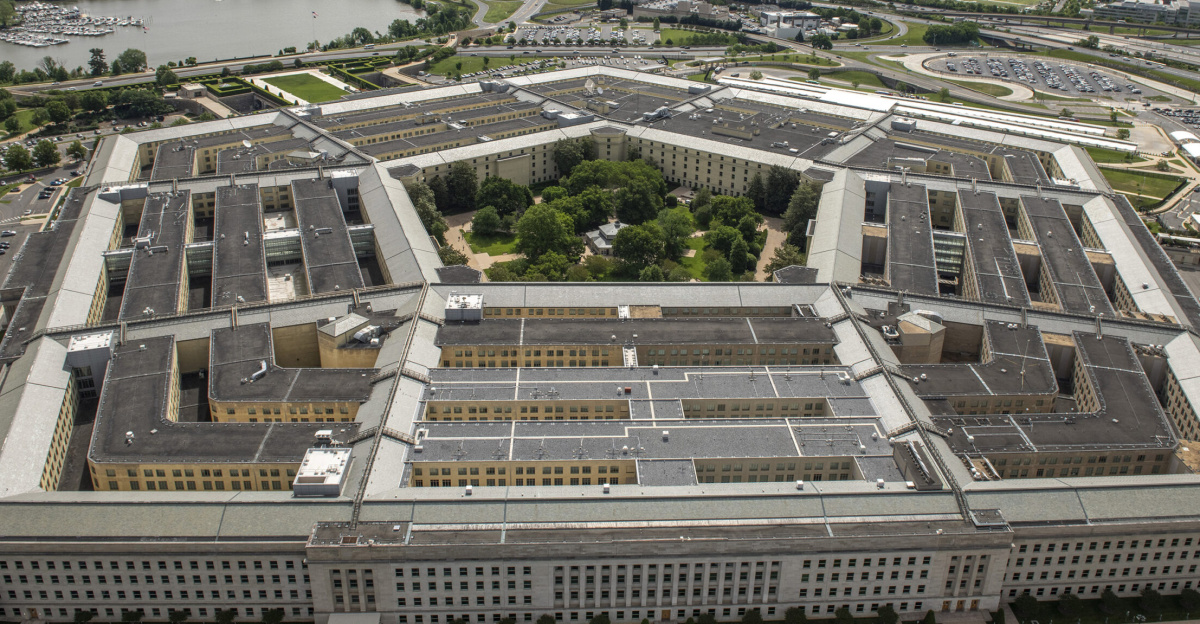
The campaign has exposed deep rifts inside the U.S. government. In February 2025, months before the first drug boat strike, Secretary Hegseth removed senior judge advocate generals and other legal advisers from key Pentagon posts, arguing that the department needed lawyers who would not act as “roadblocks.” Trump also dismissed Pentagon Inspector General Robert Storch, weakening an oversight office that could have scrutinized the operation.
Within the military chain of command, U.S. Southern Command chief Admiral Alvin Holsey grew increasingly sidelined as the White House and Hegseth routed strike approvals through Joint Special Operations Command. Holsey, a longtime Navy officer and former carrier strike group commander, announced his retirement in October 2025, effective in December. Air Force Lieutenant General Evan Lamar Pettus took over as acting commander, inheriting an operation that many legal experts across the political spectrum view as unsound. John Yoo, who defended robust presidential war powers in the George W. Bush era, warned that “there has to be a line between crime and war.” Harold Hongju Koh, a senior Obama‑era legal adviser, called the strikes “lawless, dangerous, and reckless.”
On Capitol Hill, lawmakers from both parties have challenged the administration’s unilateral approach. War Powers resolutions have been introduced in both chambers, with Democratic Senator Tim Kaine and Republican Senator Rand Paul among the sponsors. An earlier measure failed in October despite backing from Republicans such as Alaska’s Lisa Murkowski, but new votes are expected in January 2026. Senate Intelligence Committee Chair Tom Cotton has defended the strikes as lawful responses to cartel operations, though critics continue to argue that the mission looks more like law enforcement than war.
The ACLU and allied groups contend that, because there is no recognized armed conflict with cartels, international human rights law governs the use of force, permitting lethal action only against imminent threats to life. By that standard, they argue, attacks on drug boats in international waters violate both U.S. and international law. On December 8, 2025, the ACLU, the New York Civil Liberties Union, and the Center for Constitutional Rights filed a Freedom of Information Act lawsuit in federal court in Manhattan seeking the OLC memo and related documents. In response, White House spokesperson Anna Kelly accused the groups of spreading falsehoods and providing cover for “malevolent narco‑terrorists.”
Power, Precedent, and the Road Ahead
Operation Southern Spear has become a test case for how far a president can stretch Article II powers in the name of countering non‑state threats. Trump has rebranded the Pentagon as the “Department of War,” used executive orders to sideline career officials seen as obstacles, and now oversees a maritime campaign that has produced 30 strikes and 107 deaths without explicit congressional authorization and under a legal rationale the public cannot see.
The initiative also highlights contradictions in the administration’s drug policy. On the same day he ordered cartels listed as foreign terrorist groups, Trump granted clemency to Ross Ulbricht, founder of the Silk Road online marketplace, and to former Honduran president Juan Orlando Hernández, who had been convicted in a U.S. court of helping send hundreds of tons of cocaine to the United States. Representative Gregory Meeks said the moves show a strategy that punishes those “on the bottom of the drug trade” while freeing figures “at the very top.”
The operation has already expanded beyond the high seas. In January 2026, Trump announced military strikes in Venezuela that culminated in the capture of President Nicolás Maduro, shifting from maritime interdiction to direct action on another country’s territory. Legal analysts say that step crosses the line from counter‑trafficking into open hostilities against a sovereign state.
The coming months will determine whether Congress reasserts its authority over decisions on war and peace, and whether courts force disclosure of the legal opinions underpinning Southern Spear. Internationally, the United States faces scrutiny over its interpretation of the UN Charter, particularly Article 2(4), which bars the use of force except in self‑defense against an armed attack. If the U.S. position stands, other governments could invoke similar logic to justify military action in response to a wide range of transnational harms. The outcome will shape not only the future of U.S. drug enforcement, but also the balance of power between branches of government and the durability of international limits on when states may resort to armed force.
Sources
U.S. Southern Command Lethal Kinetic Strike Announcements
ABC News and PBS NewsHour Coverage of Drug Boat Strikes
White House Executive Order 14157 and State Department FTO Designations
ACLU Legal Filings and Press Statements on Military Strikes
Congressional Foreign Affairs Committee and War Powers Debate Records
New York Times and CNN Reporting on Operation Southern Spear and Legal Challenges