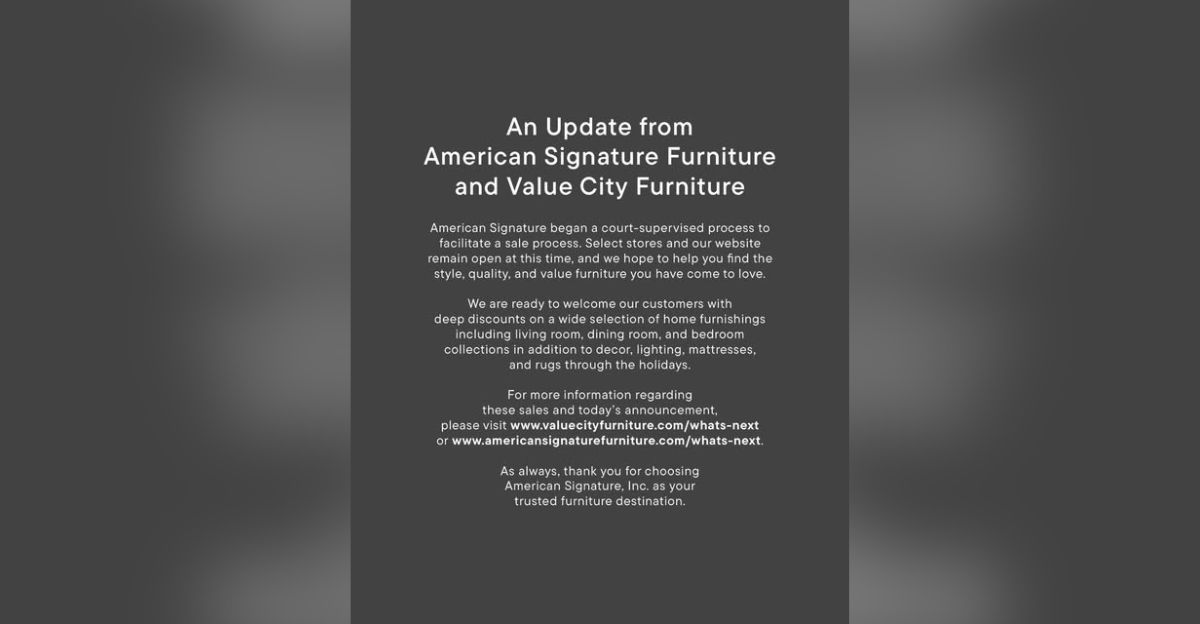
American Signature Inc., the parent company of Value City Furniture and American Signature Furniture, just filed for bankruptcy after 75 years in business. This is one of the biggest furniture company failures we’ve seen in recent times. The company owes somewhere between $500 million and $1 billion, and thousands of workers are worried about their jobs.
This collapse shows just how hard the housing crisis has hit the real economy. When people can’t afford homes or don’t want to move, furniture stores feel the pain immediately. What was once a stable, reliable furniture empire is now struggling to survive in court. The company operated over 120 stores across America, serving customers in living rooms, bedrooms, and dining areas for decades. Now, everything is uncertain.
From COVID Boom To Bankruptcy Bust

Just four years ago, American Signature was riding high. During the pandemic in 2021, sales jumped 37% as people stuck at home spent their stimulus checks and savings on furniture. Everyone wanted to make their living spaces nicer. It felt like the furniture business would boom forever. But that boom didn’t last. By 2025, the wave completely reversed.
The company lost nearly $150 million in sales between 2024 and 2025. On top of that, the company lost another $52 million in operations. What looked like real, lasting growth turned out to be a temporary spike, a one-time sugar rush fueled by lockdowns and government money. As that money dried up and interest rates climbed, customers stopped buying.
The Official Scapegoat
In court documents, the company’s restructuring officer Rudolph Morando blamed one of the most severe housing market declines in recent history for the collapse. He’s right to point fingers there. When mortgage rates stay high and home prices are expensive, fewer Americans buy homes. And when fewer people move into new homes or remodel their existing ones, furniture sales crash. Furniture companies depend on home sales to drive their business.
It’s simple, new house equals new furniture. No new house equals no furniture sales. Elevated mortgage rates mean people hold onto their homes longer and spend less on upgrades. Home sales have slowed dramatically, which is the main trigger that furniture retailers need to survive.
Inside The $1 Billion Debt Spiral
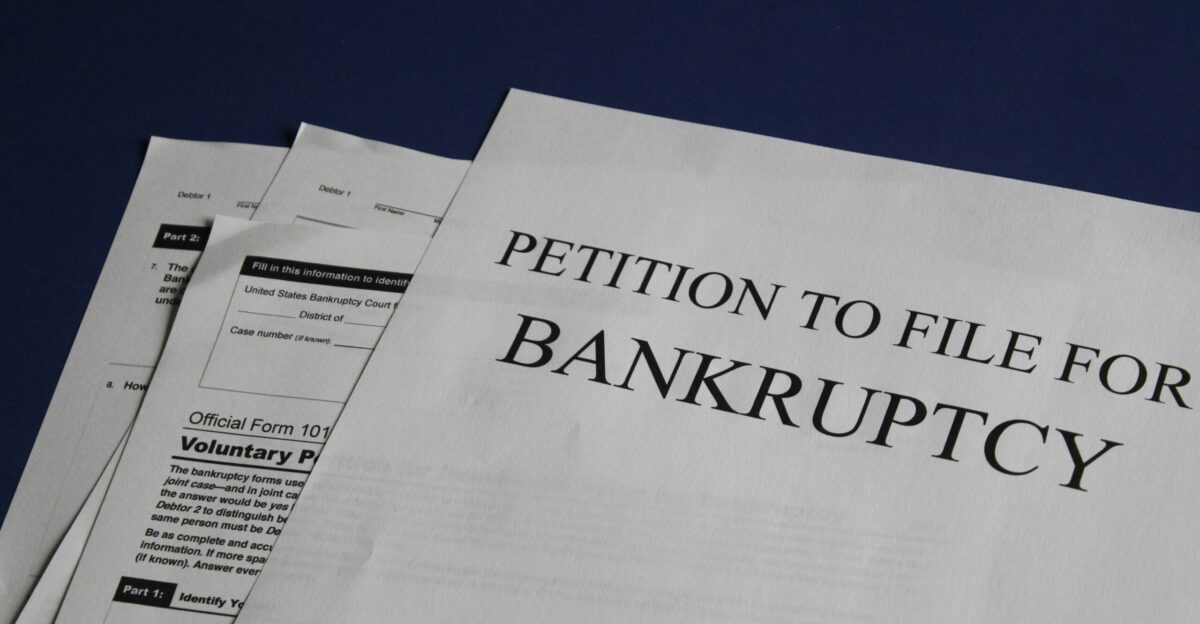
American Signature’s bankruptcy filing reveals the scale of financial trouble. The company lists between 1,000 and 5,000 creditors and total debts estimated between $500 million and $1 billion. That’s a lot of people and companies owed money. The company’s owners had already loaned it about $51 million in unsecured loans over the two years before bankruptcy, and $24 million of that money is still unpaid.
In December 2024, desperate to stay afloat, the company borrowed roughly $50 million more through an asset-based lending facility. That’s money borrowed against its furniture inventory and equipment. The company was essentially throwing financial bandages at a wound that kept bleeding. Every creditor, every supplier, every lender was left wondering if they’d ever get paid back.
A Coast-to-Coast Retail Footprint Under Siege
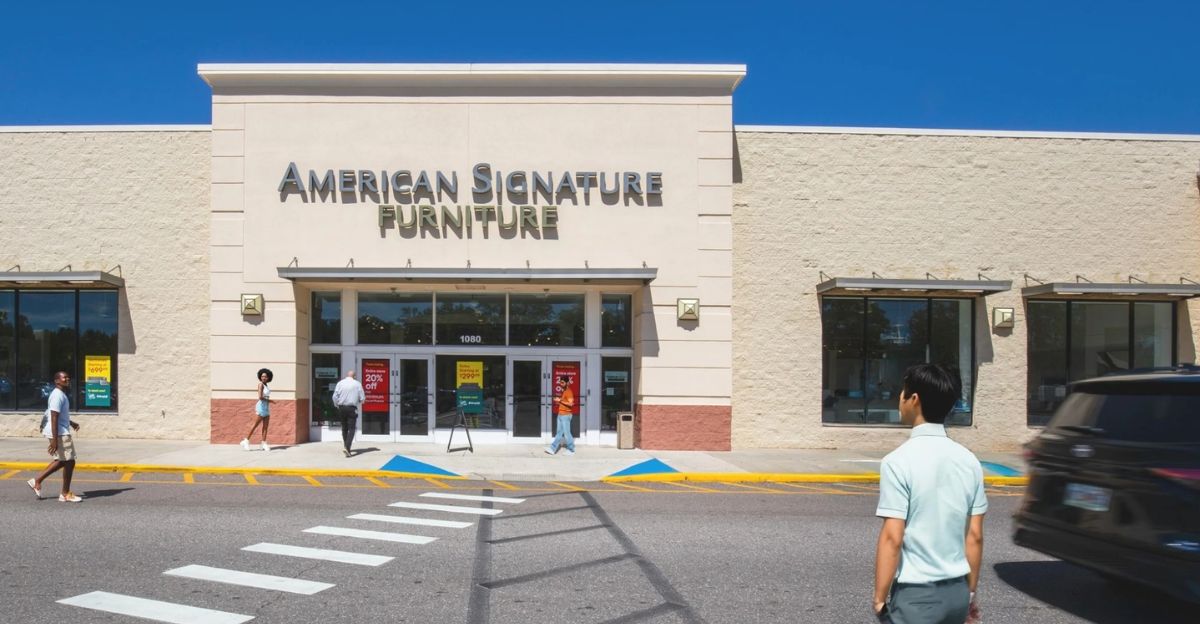
Before filing for bankruptcy, American Signature was a major player in American furniture retail. The company operated more than 120 stores across the United States under two main brand names: Value City Furniture and American Signature Furniture. These stores stretched across at least 17 states, making it a mid-market giant in the furniture world.
The company sold living room sofas, bedroom sets, dining room tables, the kinds of furniture that fill American homes. American Signature wasn’t a luxury brand, but it was reliable and accessible. These stores became familiar anchors in suburban shopping centers where families shopped for decades.
33 Stores Gone, Up To 1,650 Jobs At Risk

The bankruptcy plan includes closing 33 stores. Liquidation sales at these locations started even before the bankruptcy paperwork hit the court. Each big-box furniture store typically employs between 30 and 50 workers. That includes sales associates, delivery drivers, warehouse staff, and managers. When you do the math, those 33 store closures put an estimated 990 to 1,650 jobs directly at risk.
But that’s not the whole story. American Signature has about 3,000 employees total across all its locations. That means roughly half the company’s workforce faces uncertainty about whether they’ll still have jobs next year. Store closures are being announced in waves, and nobody knows which locations will survive. Employees are getting WARN notices about potential layoffs beginning on or after January 20, 2026.
3,000 Workers Staring Down An Uncertain Future

Across American Signature’s surviving stores and warehouses, about 3,000 people depend on the company for their livelihoods. Their futures now hang on decisions made by bankruptcy court judges and whoever buys the company’s assets. The company says stores and websites are still open for now, and it’s trying to fulfill customer orders during the restructuring.
But that’s cold comfort to employees facing an unclear tomorrow. Workers are getting official WARN notices, legal notices that layoffs might be coming. Schedules shift unexpectedly. Shifts disappear without warning. Nobody knows which store will be next to close. Will you have a job in six months? No one can say for sure.
The $150 Million Sales Crash That Broke The Model

American Signature’s sales dropped nearly $150 million from 2024 to 2025. On a revenue base estimated in the mid-hundreds of millions, that’s roughly a 25 to 30 percent decline year over year. That kind of shock is hard for any company to survive without drastic action. Furniture buying is incredibly sensitive to interest rates and home-buying confidence.
When rates go up, furniture sales go down. When home sales slow, furniture sales slow. When people feel uncertain about the economy, they don’t buy expensive couches or bedroom sets. The company’s cost structure was built for a much higher sales level. They had lease commitments for stores, salary commitments for workers, and supplier relationships built on volume. When sales plummeted, the company couldn’t quickly cut expenses enough to match the revenue drop.
When The COVID Boom Turned Into A Mirage
The 37 percent sales spike in 2021 looked amazing at the time. It felt real. It felt sustainable. In hindsight, it was a mirage. That boom was fueled by three temporary things like lockdowns keeping people home, government stimulus checks putting money in people’s pockets, and historically low interest rates making borrowing cheap. People were stuck inside, had extra money, and could afford to buy furniture.
Of course sales soared. But lockdowns ended. Stimulus checks stopped coming. Interest rates climbed to fight inflation. Home sales cooled as fewer people could afford mortgages. The temporary demand that drove the 2021 surge simply evaporated. The company, however, had structured itself around that boom.
Suppliers Left Holding The Bag
American Signature’s bankruptcy filing lists some major names among its unsecured creditors, the suppliers and vendors who won’t be prioritized for payment. The list includes Sealy Mattress Manufacturing, Tempur-Pedic North America, and Ashley Holdings FL. These are household names in the furniture and bedding business.
They’ve been making products for American Signature for years. Now they face a tough choice: they might only recover cents on every dollar owed to them. These suppliers must decide whether to keep supplying the business during bankruptcy to protect remaining sales, or whether to tighten terms and cut exposure to a wounded customer.
Schottenstein Empire Feels The Shock
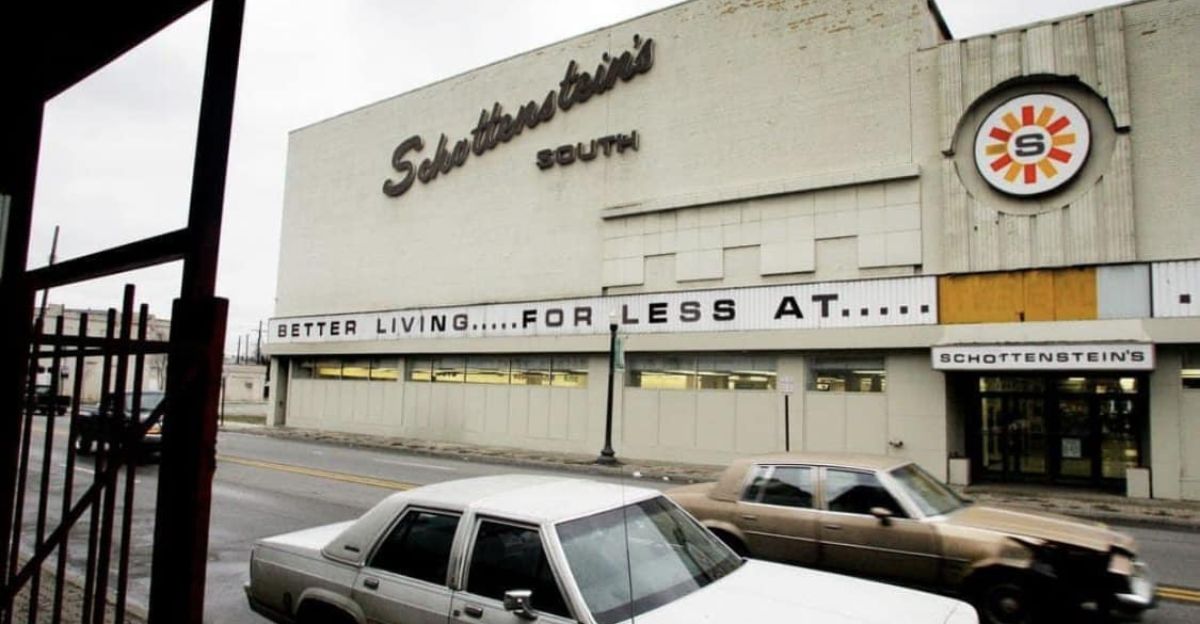
American Signature is wholly owned by Schottenstein Stores Corp., a retail empire with deep pockets and billionaire backing. The Schottenstein family also owns leadership roles in American Eagle and Designer Brands, which owns DSW shoe stores. These are separate, successful businesses. But American Signature, the 75-year furniture pillar, is filing for bankruptcy on their watch.
That dents the Schottenstein retail legacy. It raises uncomfortable questions. How does even a well-connected, billionaire-backed conglomerate navigate this phase of the consumer downturn? If the Schottenstein family, with all its retail expertise and capital, can’t save American Signature, what does that say about the housing market and consumer spending right now?
The Stalking Horse Lifeline
American Signature’s bankruptcy strategy includes something called a stalking horse asset purchase agreement. Here’s what that means: the company has lined up a potential buyer, an affiliate of its current equity holders (the Schottenstein family). This insider-backed bidder is prepared to buy most of the company’s assets and assume certain liabilities. It’s essentially a pre-arranged deal designed to restart the company in a leaner, restructured form.
The goal is to stabilize operations during bankruptcy, signal confidence to other potential bidders, and frame the bankruptcy as a restructuring rather than a total liquidation. It’s meant to show that the company will survive in some form, even if it’s smaller. The final outcome depends on court approval and whether other bidders compete for the assets.
Why Furniture Is Important In The Housing Market
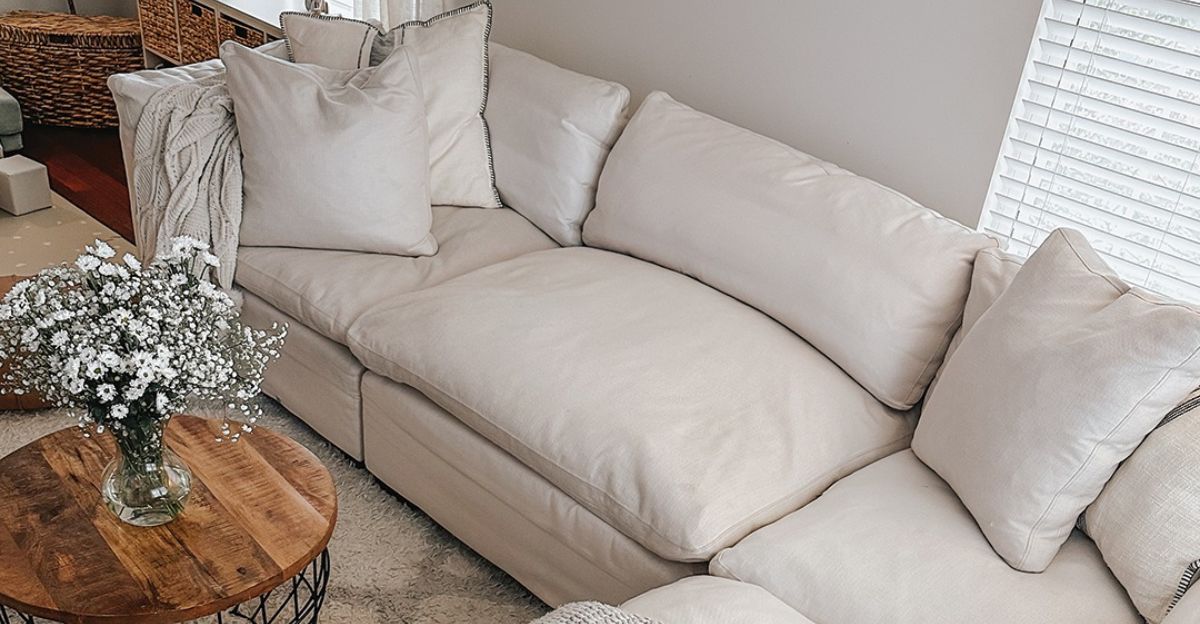
Furniture sales act like a canary in a coal mine for the housing market. When the housing market is healthy, furniture sales boom. When housing weakens, furniture sales crash. The connection is simple: people buy furniture when they move into new homes, when they remodel their kitchens or bathrooms, when they upgrade their living spaces.
If consumers aren’t signing mortgages or renovating, they’re rarely buying new sectionals, bedroom sets, or dining tables. American Signature’s collapse, alongside distress at other home-focused retailers, signals something important. It’s not just a temporary slowdown. It suggests a deeper pullback in discretionary spending tied to housing and home improvement. When furniture retailers fail, it’s a warning sign. It means consumers are cutting back on the big-ticket purchases that signal confidence in the economy.
An Industry Under Intensifying Pressure
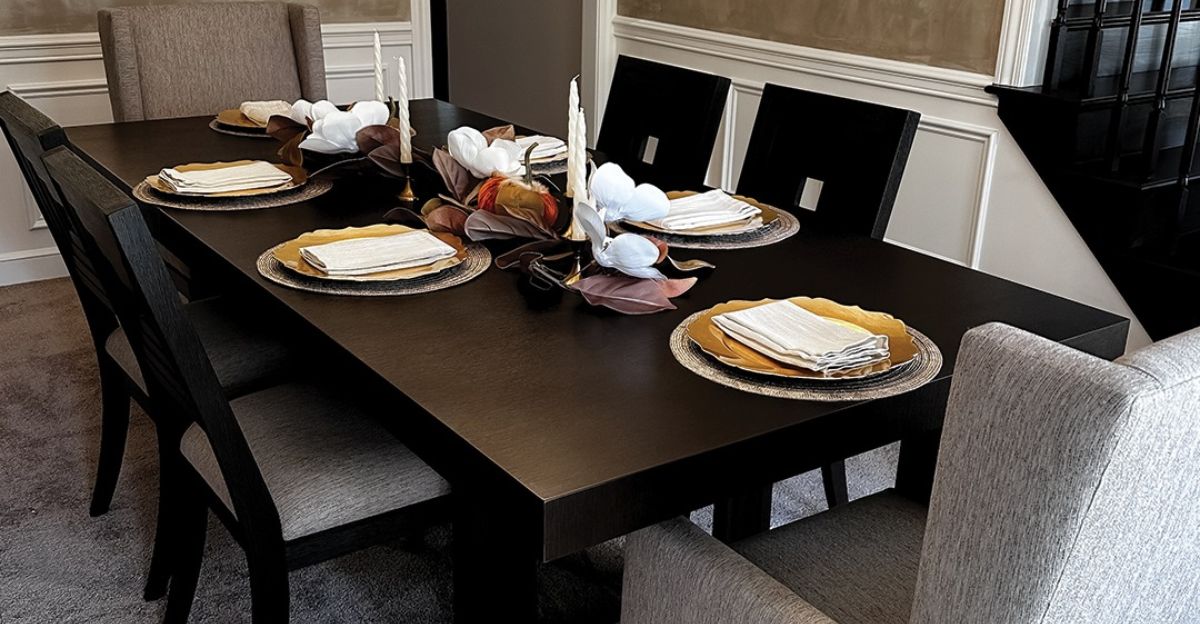
American Signature faces more than just the housing crisis. The company’s restructuring officer pointed to a cocktail of headwinds squeezing the entire furniture industry. Inflation has driven up costs for materials, labor, and shipping. Interest rates remain elevated, making it expensive for consumers to borrow money for big purchases.
Tariffs on imported furniture have increased prices on products made overseas and shipped to America. And post-pandemic demand has cooled as consumers normalize their spending. Many furniture companies are battling these same pressures simultaneously. Some have already turned to bankruptcy. Others have aggressively closed stores or merged with competitors to survive.
What Comes Next For Shoppers And Communities

For shoppers, the immediate reality is complicated. Liquidation sales at the 33 closing stores offer steep discounts, sometimes 40, 50, or even 60 percent off. That’s attractive for bargain hunters. But bankruptcy sales come with real risks. Warranties might not be honored. Delivery timelines become uncertain.
Returns and refunds become complicated, especially if a store closes before your order arrives. Some customers will get great deals. Others will face frustration and delays. For communities, the impact is deeper. It’s now hitting brick-and-mortar retail, eliminating jobs, and reshaping the local shopping landscape across America.
Sources:
Retail Dive. (2025, November 23). Value City Furniture owner files for bankruptcy citing housing crisis.
Business Insider. (2025, November 24). A longtime family-owned furniture retailer turns to bankruptcy, plans to shutter dozens of stores.
Reuters. (2025, November 24). American Signature files for bankruptcy amid furniture sales slump.
Furniture Today. (2025, November 22). American Signature files for Chapter 11; issues WARN notice