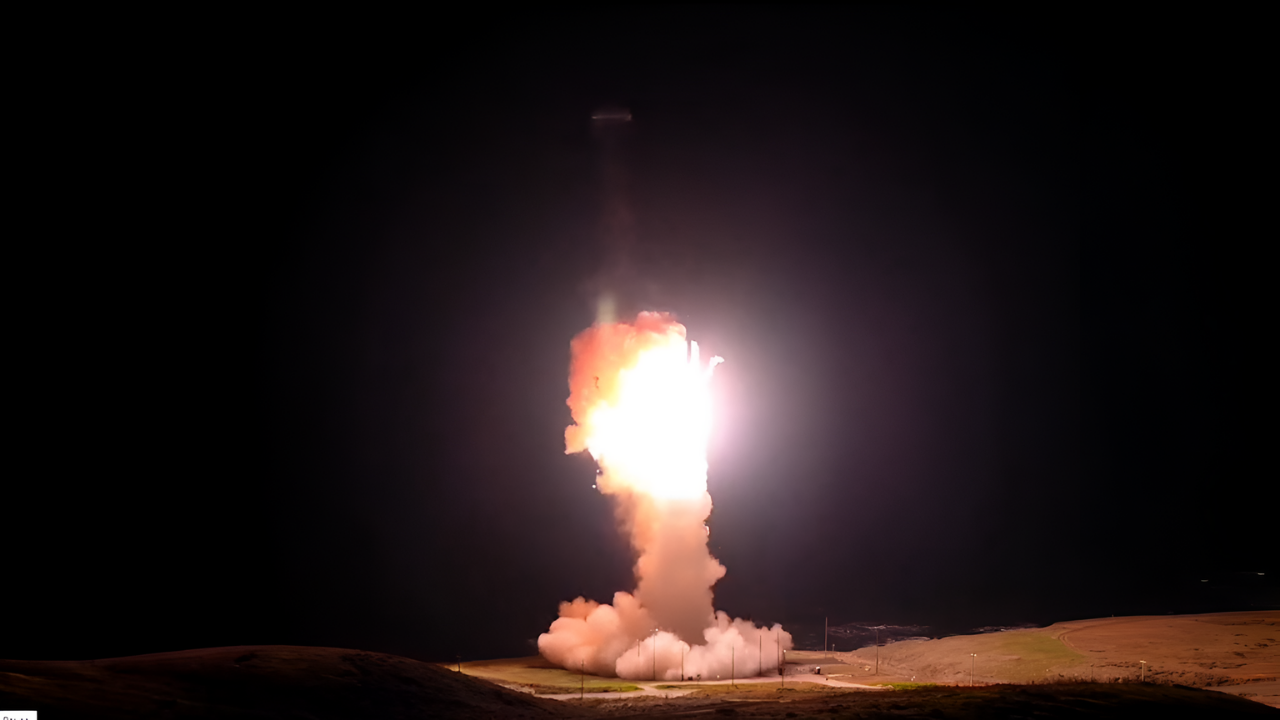
On November 5, 2025, the U.S. launched a 55-year-old Minuteman III missile 4,200 miles across the Pacific. The test, part of the Air Force’s routine ICBM schedule, assessed both system reliability and strategic deterrence.
This milestone highlights an aging weapon system sustaining critical national security functions. Here’s what happened behind the scenes.
Who Oversaw the Operation?
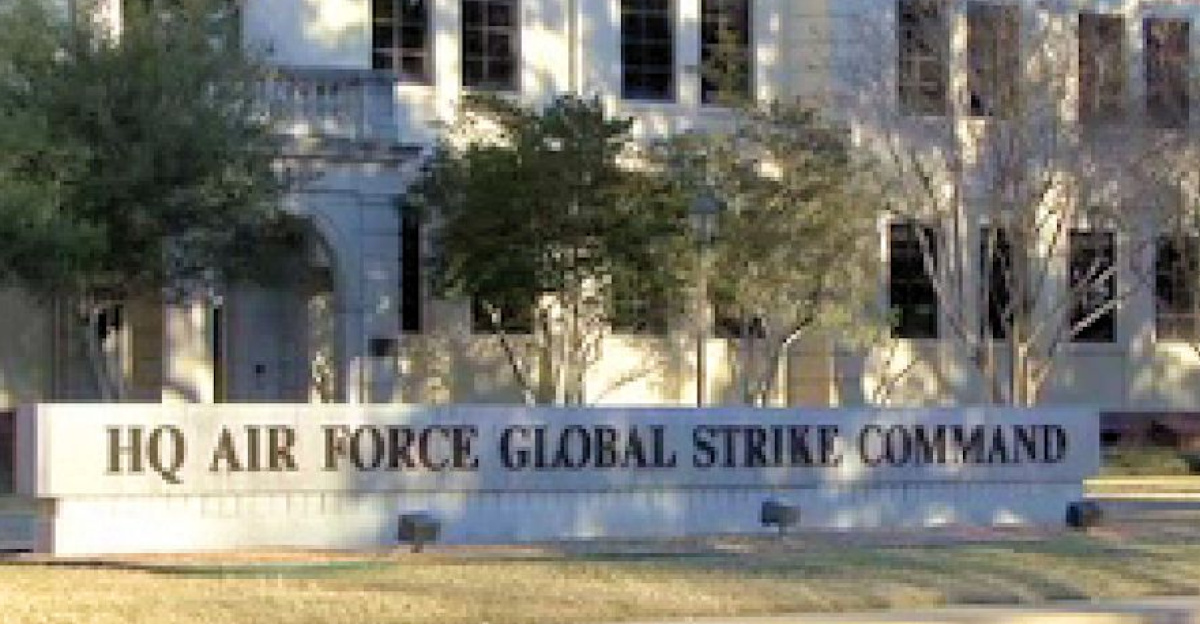
The U.S. Air Force Global Strike Command managed the test from Barksdale Air Force Base in Louisiana, coordinating with airmen from the 625th Strategic Operations Squadron at Offutt Air Force Base.
Lt. Col. Karrie Wray explained, “GT 254 is not just a launch – it’s a comprehensive assessment to verify and validate the ICBM system’s ability to perform its critical mission.”
Which Wings Contributed?
All three AFGSC missile wings provided personnel. The 90th Missile Wing alone operates 150 silos in Wyoming and employs 2,800 military and 550 civilian staff, plus thousands of family members.
The 341st Missile Wing in Montana and 319th Missile Squadron in North Dakota supported operational planning and data analysis, underscoring a nationwide effort to maintain ICBM readiness.
Civilian Contractors Played a Role

Boeing maintains the Minuteman III guidance systems under a $1.6 billion contract, with additional operations and testing supported by a $405.4 million contract. Northrop Grumman contributes propulsion system expertise.
These industrial partnerships ensure reliability across decades of operations, with Boeing alone supporting guidance, ground, propulsion, and reentry subsystems—a continuity crucial to Minuteman III missions.
Launching Across the Pacific
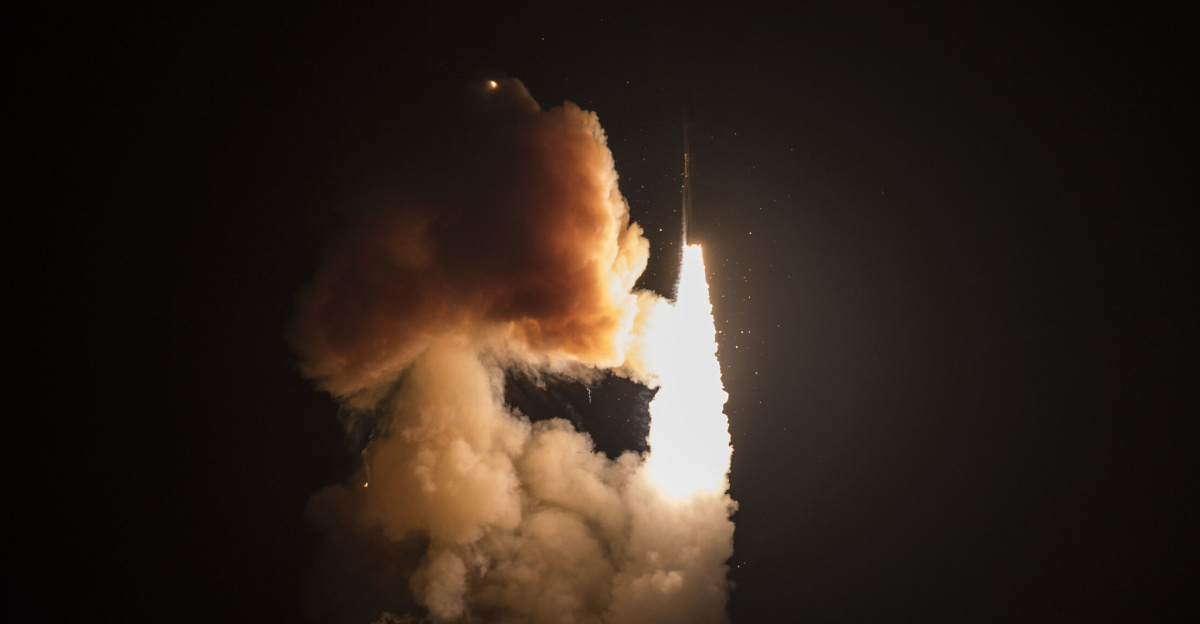
The missile lifted off from Vandenberg Space Force Base, California, traveling approximately 4,200 miles to the Ronald Reagan Ballistic Missile Defense Test Site on Kwajalein Atoll.
The E-6B Mercury aircraft verified the Airborne Launch Control System (ALCS), a backup ensuring nuclear command continuity even if ground infrastructure fails.
How the Test Was Conducted
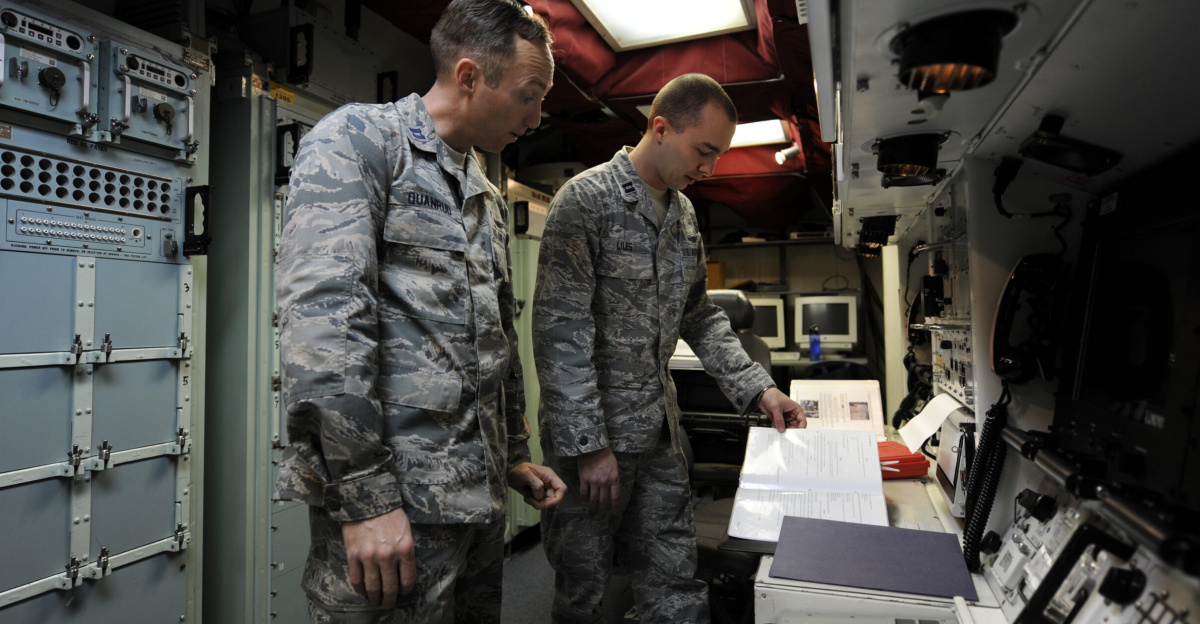
The Minuteman III followed a pre-calculated trajectory, with telemetry collected at multiple stages. Terminal-phase data provided insight into reentry accuracy, aerodynamics, and performance under extreme conditions.
Captain Gregory Nordhues noted, “When launch commands are sent from the ALCS, it takes a different path to the missile than when they are sent from the ground sites.”
Why This Test Matters Strategically
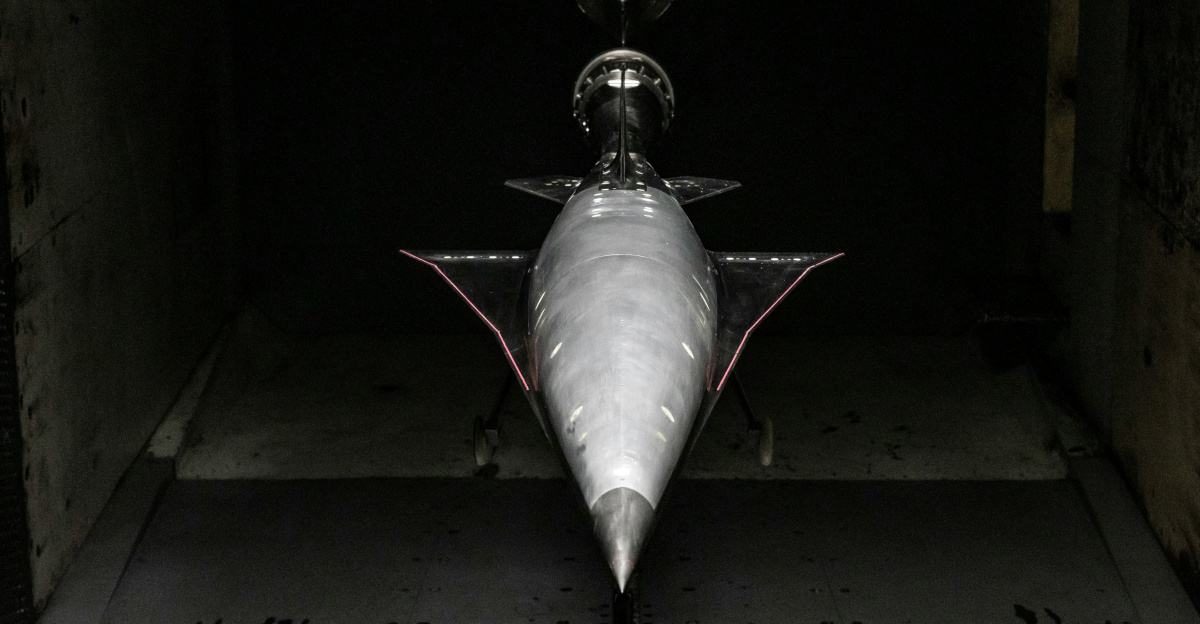
The test reassured allies and signaled potential adversaries that U.S. ICBMs remain operational. SELM missions like GT 254 allow verification of both ground and airborne command capabilities.
Major Andrew Larson added, “SELM missions provide the nuclear enterprise with a window into how the weapon system is able to perform on a day-to-day basis.”
Historical Significance of Minuteman III
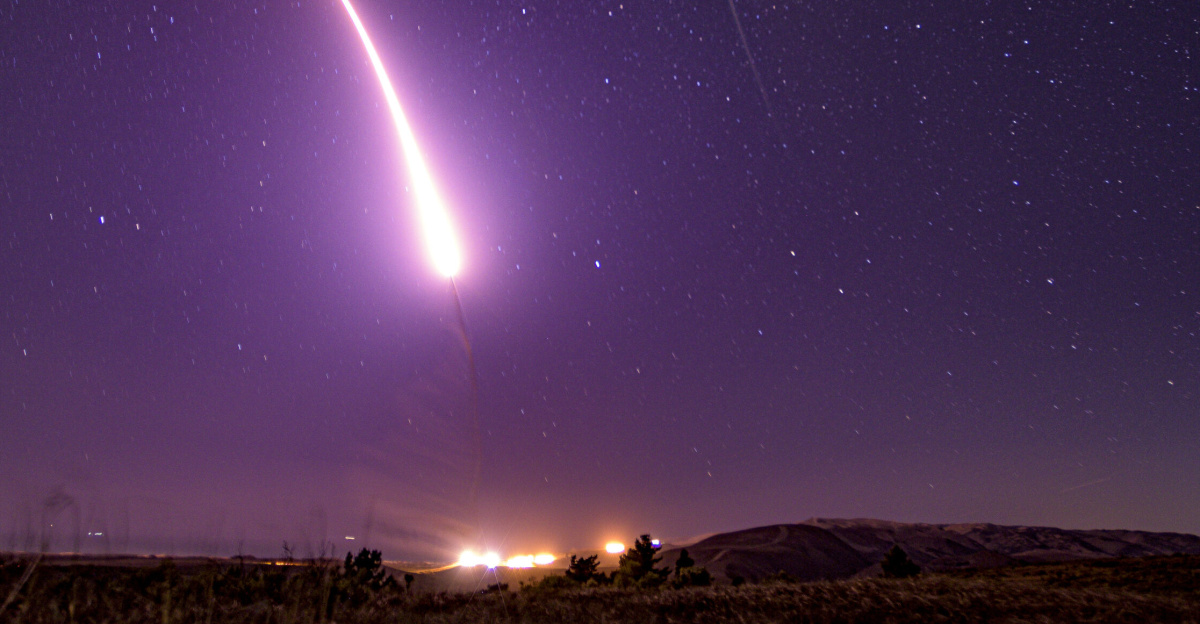
Deployed in 1970, the Minuteman III has logged over 100 million operational hours and remains on continuous alert. November’s test marked the third in 2025, highlighting its enduring strategic role.
Facing Sentinel program delays, the Air Force is evaluating operating the Minuteman III until 2050, potentially extending its life to 80 years—a historic milestone.
Vandenberg’s Role and Impact
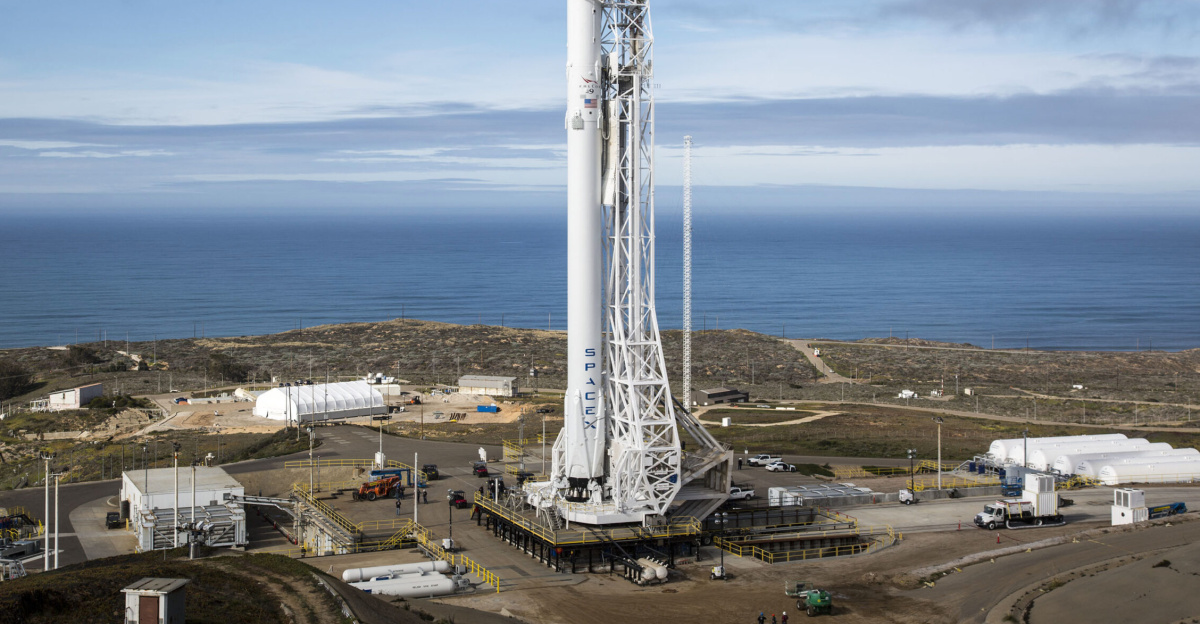
Vandenberg Space Force Base supports 16,000 jobs and contributes $4.5 billion annually to the local economy. Growth projections indicate $6 billion by 2030, adding nearly 2,000 jobs per year.
The base also serves as the primary West Coast launch point, linking military readiness with commercial space infrastructure, sustaining regional economies and expertise.
Reagan Test Site Capabilities
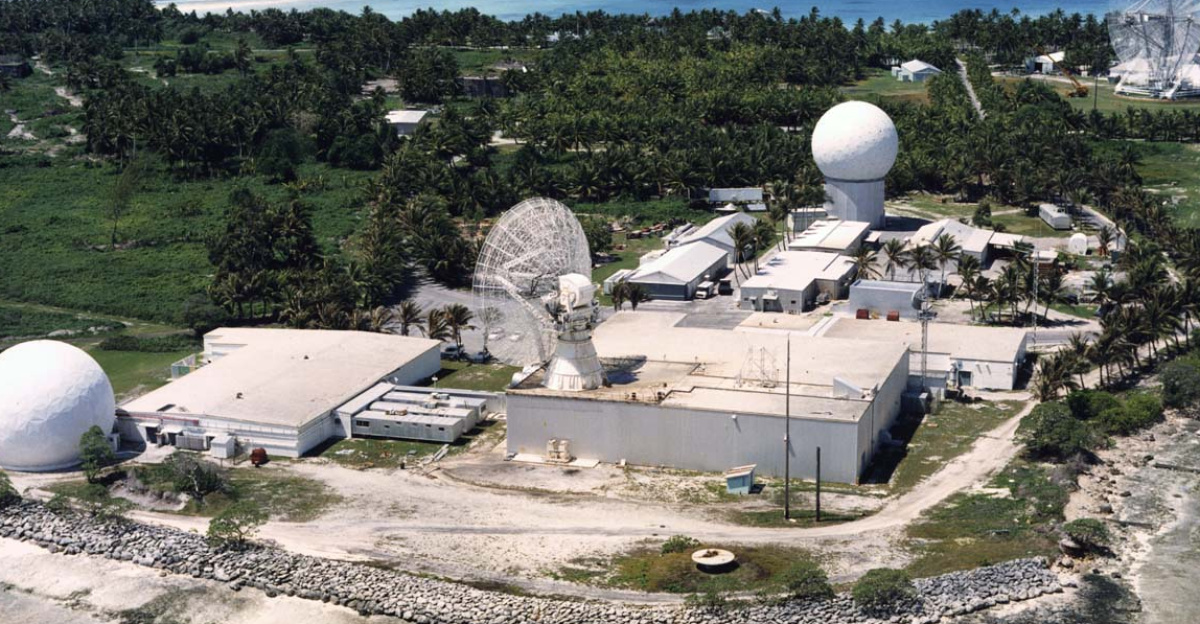
The Reagan Test Site spans 750,000 square miles in the Marshall Islands, equipped with radars, optical sensors, telemetry stations, and impact scoring facilities.
MIT’s Lincoln Laboratory manages instrumentation and real-time data analysis with a dedicated team of 15, supplemented by contractors. These systems ensure precise monitoring and verification of the missile’s trajectory.
Ensuring Continuity With ALCS
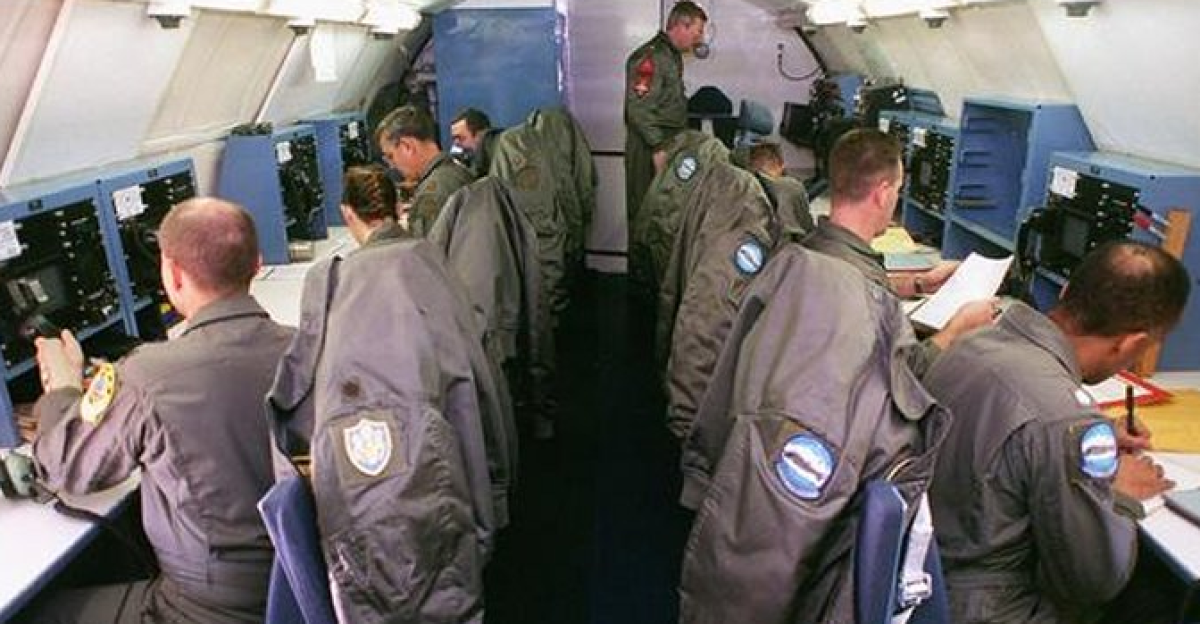
The Airborne Launch Control System maintains a continuous airborne alert via E-6B Mercury aircraft, capable of transmitting launch commands even if ground systems fail.
SELM tests occur twice annually, each planned five years in advance. This process validates upgrades, software changes, and command protocols before field deployment, ensuring operational integrity.
Operational Reliability Challenges
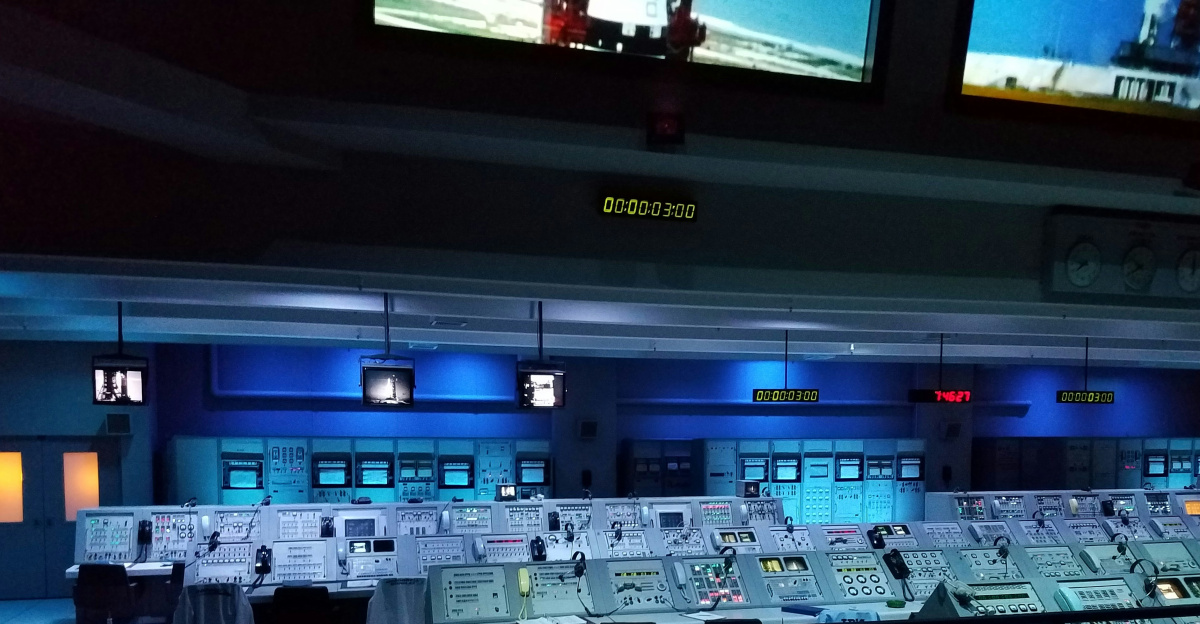
Components exceed original design life, and supply risks exist. GAO reports warn that entire subsystems may require replacement to sustain performance.
Each test provides empirical data, enabling predictive maintenance. This ensures Minuteman III remains a credible deterrent despite its advanced age and potential parts shortages.
The Sentinel Replacement Crisis

Sentinel ICBM costs have risen to $140.9 billion from $77.7 billion, facing years of delays. New infrastructure costs, including fiber optics replacing old copper cabling, exacerbated overruns.
Congress member John Garamendi criticized continuing to invest billions while Minuteman III could last 25 more years, calling it “a waste of taxpayer dollars.”
Jobs and Economic Stakes
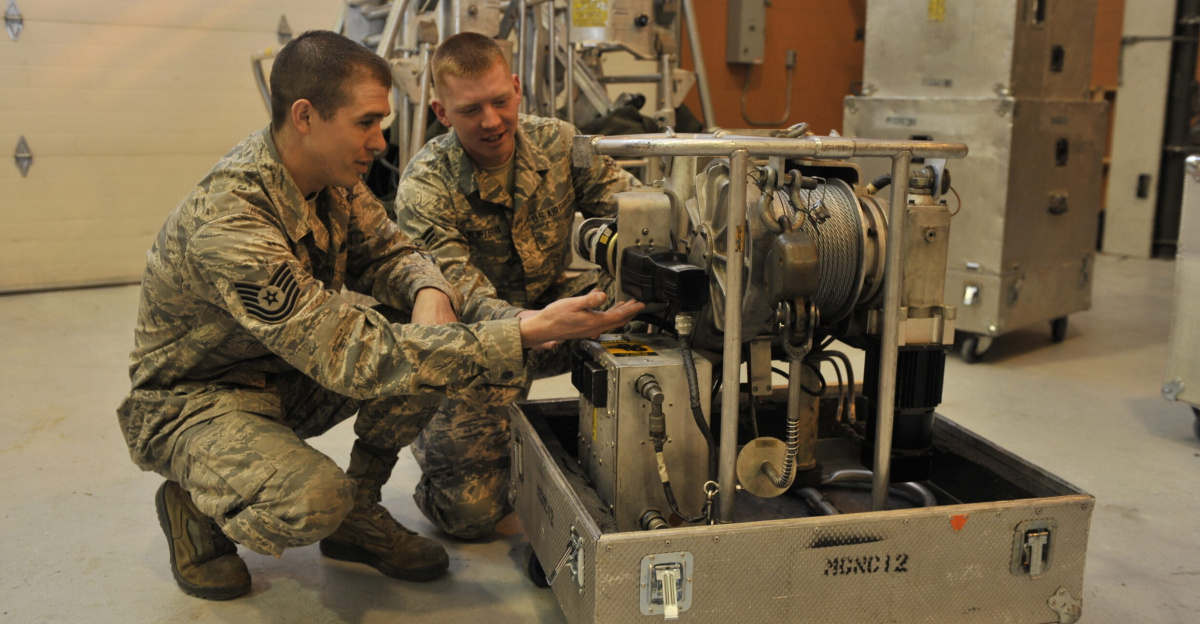
Minuteman III operations support tens of thousands of jobs. Boeing and Northrop Grumman contracts extend across states, maintaining missile readiness while sustaining regional economies.
The 90th Missile Wing, Vandenberg, and Reagan Test Site exemplify how national defense priorities intertwine with civilian employment and industrial capacity.
Strategic Messaging to Adversaries
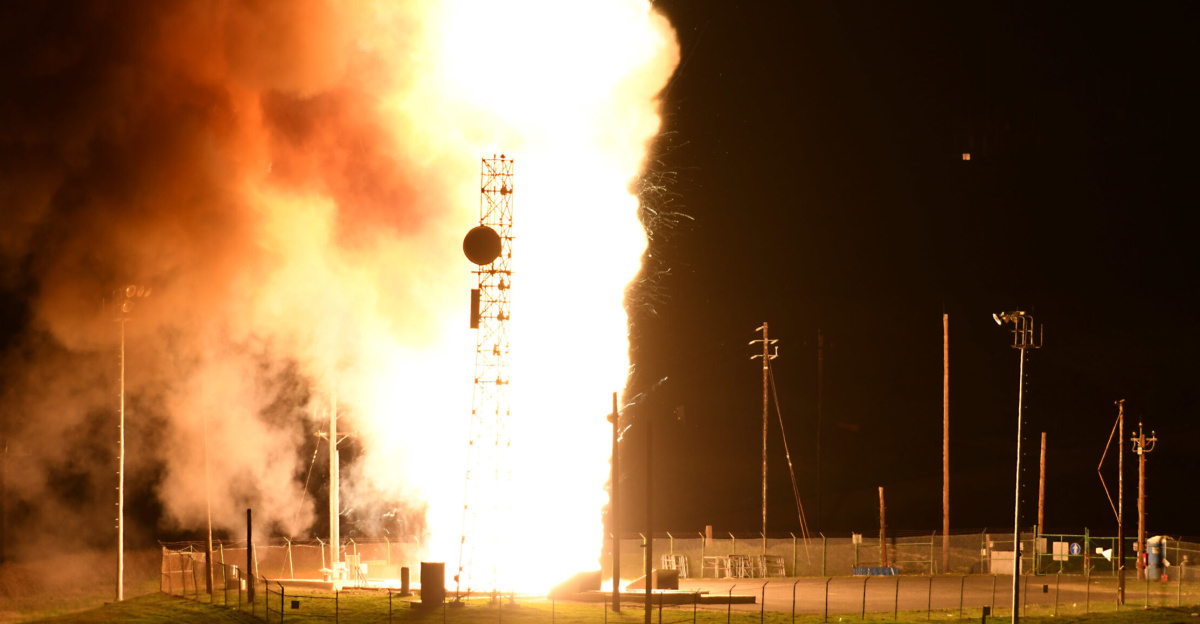
The test reinforced U.S. nuclear deterrence. Every successful flight signals operational readiness to Russia, China, and North Korea, while delays or failures could invite risk.
Despite system age and Sentinel setbacks, GT 254 demonstrated that the United States retains credible, reliable ICBM capabilities in an increasingly complex global security environment.
A Weapon System Beyond Its Era
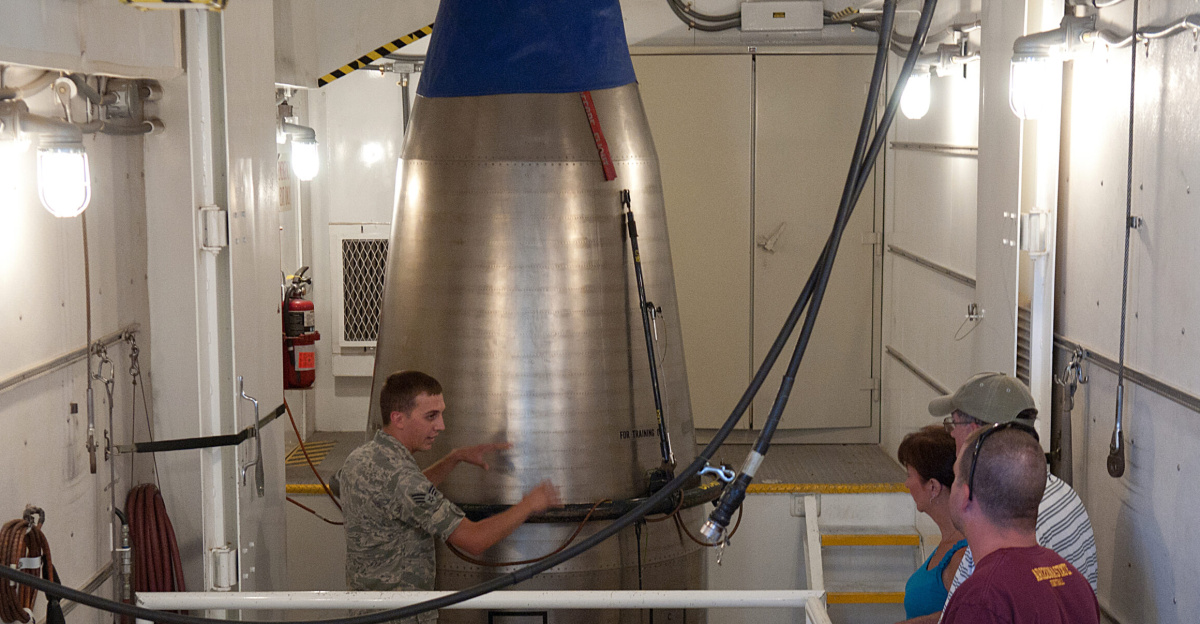
The Minuteman III, fielded when the internet was new and computers filled rooms, may operate until 2050. This 80-year lifespan is unprecedented for a strategic weapons system.
Analyst Matt Korda observed, “Extending Minuteman III life undercuts the Sentinel’s original raison d’être.” How long can aging hardware continue safeguarding national security?