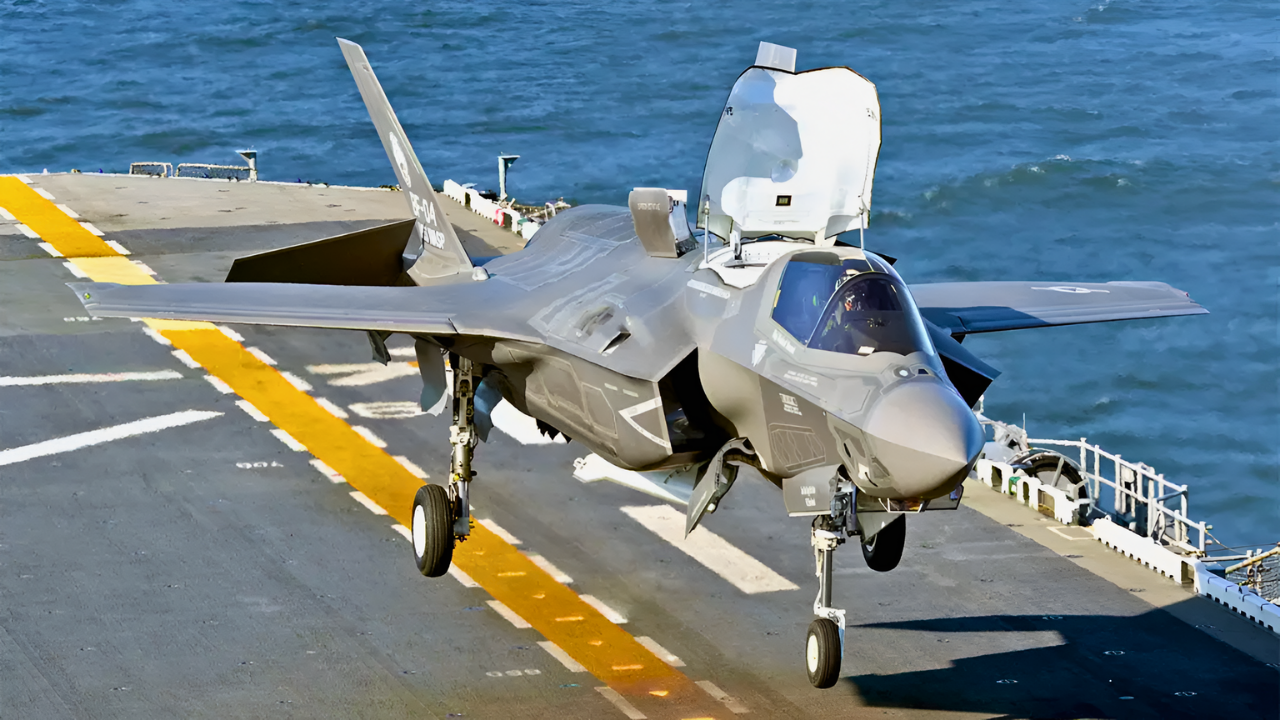
A coalition of 125 American military aircraft executed the most complex aerial assault ever directed at Iran’s nuclear infrastructure on June 21, 2025. The operation, designated Operation Midnight Hammer, deployed F-35 stealth fighters to neutralize air defenses while seven B-2 Spirit bombers delivered fourteen massive bunker-buster weapons against deeply buried enrichment facilities. Pentagon assessments concluded the strike set Iran’s nuclear timeline back approximately two years, fundamentally altering the strategic calculus across the Middle East.
The Escalation That Triggered Action
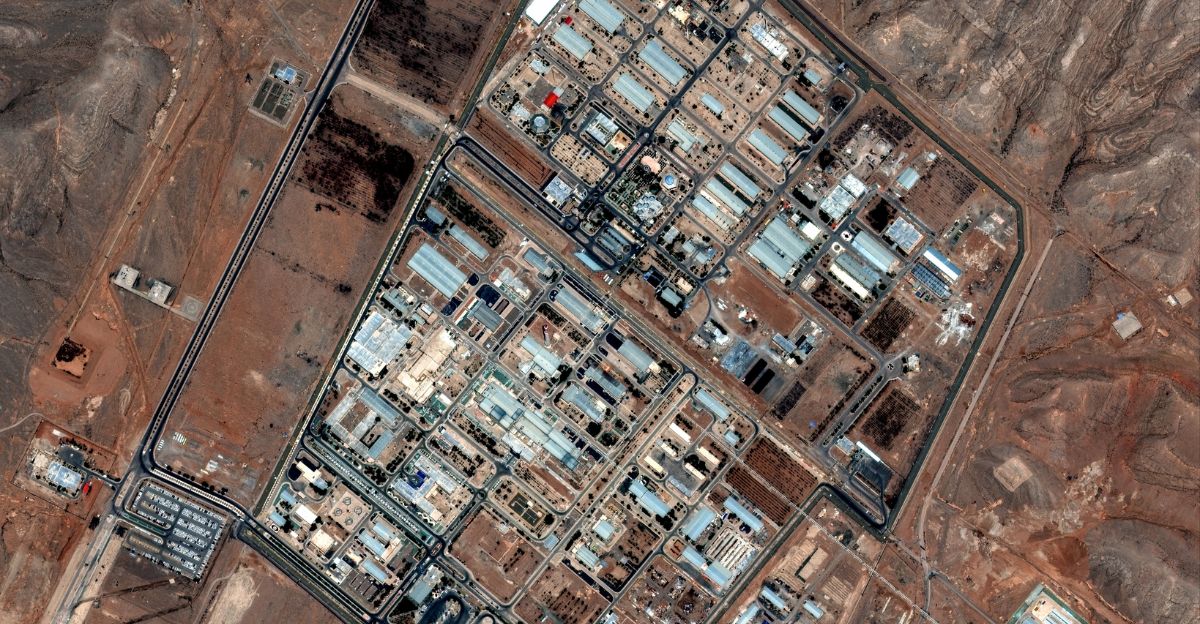
Tensions between Iran and Israel had intensified dramatically during a ten-day conflict spanning June 13 to June 24. Intelligence assessments identified accelerated nuclear activity at three critical sites: Fordow near Qom, Natanz, and Isfahan. Rising concerns about preparations at these locations prompted U.S. military planners to develop a decisive response option. The decision to proceed shaped every subsequent phase of the operation, from aircraft positioning to target sequencing.
Assembling the Strike Force
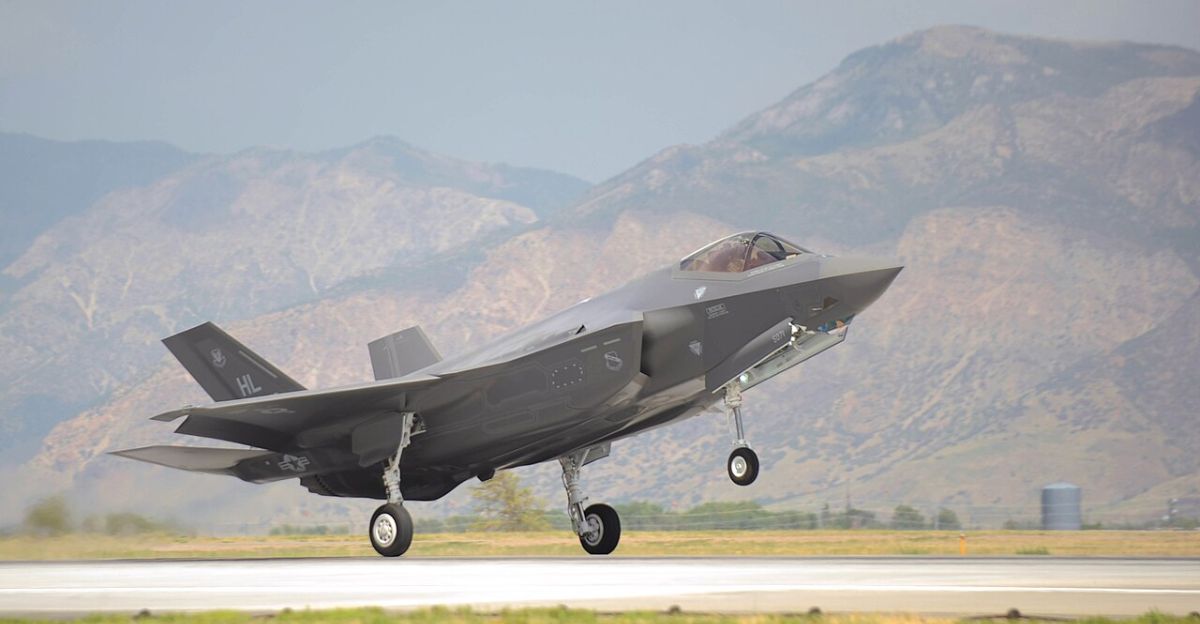
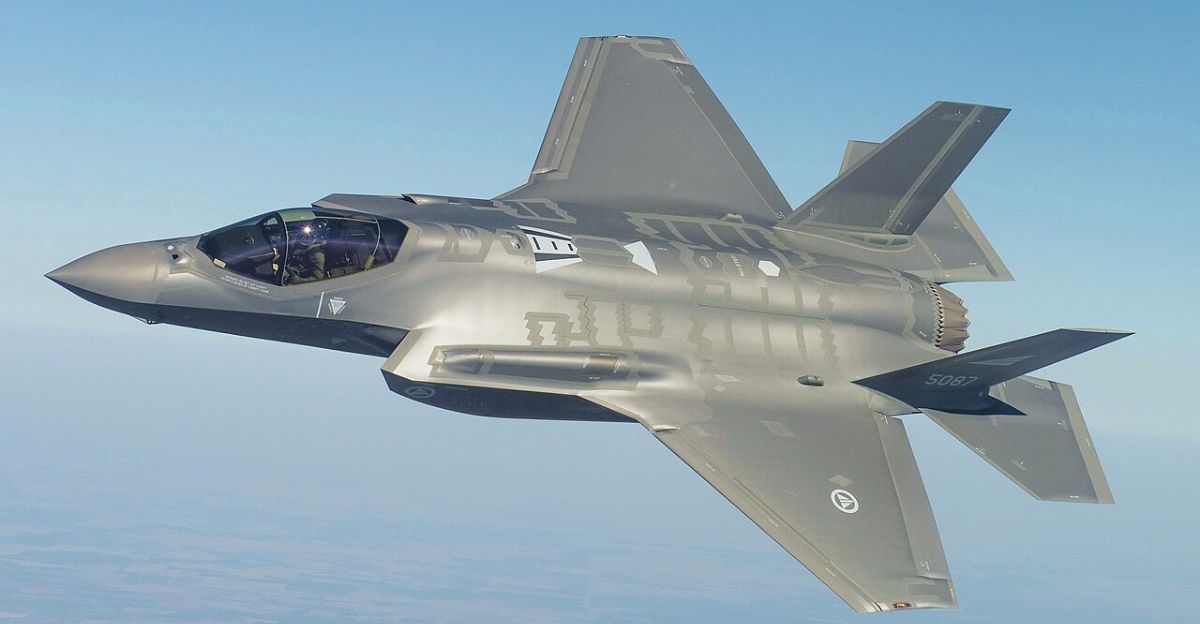
The 388th Fighter Wing from Hill Air Force Base led the assault with F-35A fighters serving as electronic warfare platforms and force multipliers inside Iranian airspace. Seven B-2 Spirit bombers from the 509th Bomb Wing at Whiteman Air Force Base launched on a thirty-seven-hour mission that crossed the Atlantic and Europe before approaching Iran through designated refueling corridors. Over 1,000 personnel supported the operation, including KC-135 and KC-46 refueling crews positioned across Europe and the Middle East. Their coordination enabled the precise twenty-five-minute attack sequence that defined the mission’s effectiveness.
The Twenty-Five Minute Assault
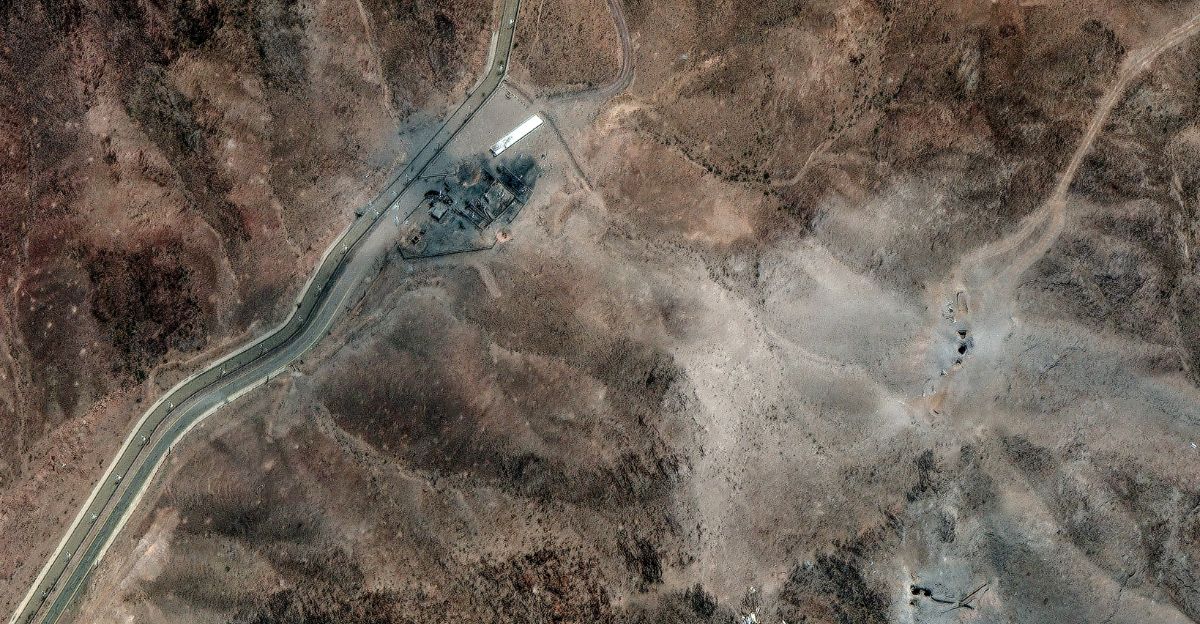
Between 02:10 AM and 02:35 AM local time on June 22, the coalition delivered seventy-five precision weapons. Twelve GBU-57 bunker-buster bombs, each weighing thirty thousand pounds, targeted the Fordow enrichment plant. Pentagon assessments indicated the facility suffered catastrophic damage, with collapsed entrances and destroyed centrifuges buried deep underground. Natanz and Isfahan received additional bunker busters and cruise missiles, eliminating critical research infrastructure and production equipment tied to uranium enrichment operations.
The F-35s executed their mission with precision. They crossed into Iranian airspace first, locating and suppressing air defense radars and surface-to-air missile positions. Their electronic warfare capabilities severely compromised Iran’s early warning systems, creating a protected corridor for the bombers. After the strike package delivered its ordnance, F-35s remained over Iranian territory to shield retreating aircraft. Iran’s air force did not engage, and according to Pentagon officials, Iran’s surface-to-air missile systems failed to detect the American formation.
Strategic Implications and Costs
The operation demonstrated American long-range precision capability under extreme operational constraints. Intelligence estimates indicated Iran’s nuclear program suffered a setback of approximately two years, with the physical destruction eliminating much of the underground capacity needed for rapid advancement. The strike delivered a significant blow to Iranian nuclear infrastructure without escalating into a broader regional conflict.
Analysts estimated the mission cost between $150 million and $300 million, including fuel, flight hours, and expended ordnance. The successful execution revived discussions about the F-35 program’s long-term value and operational effectiveness. Military officials characterized the strike as validation of stealth technology, sensor fusion capabilities, and force multiplication concepts that have defined the aircraft’s development trajectory.
The consequences of Operation Midnight Hammer will influence strategic calculations and policy decisions across the Middle East for years ahead. The operation demonstrated both the technological sophistication of modern American military capabilities and the persistent vulnerabilities within adversary air defense systems when confronted with coordinated stealth operations.