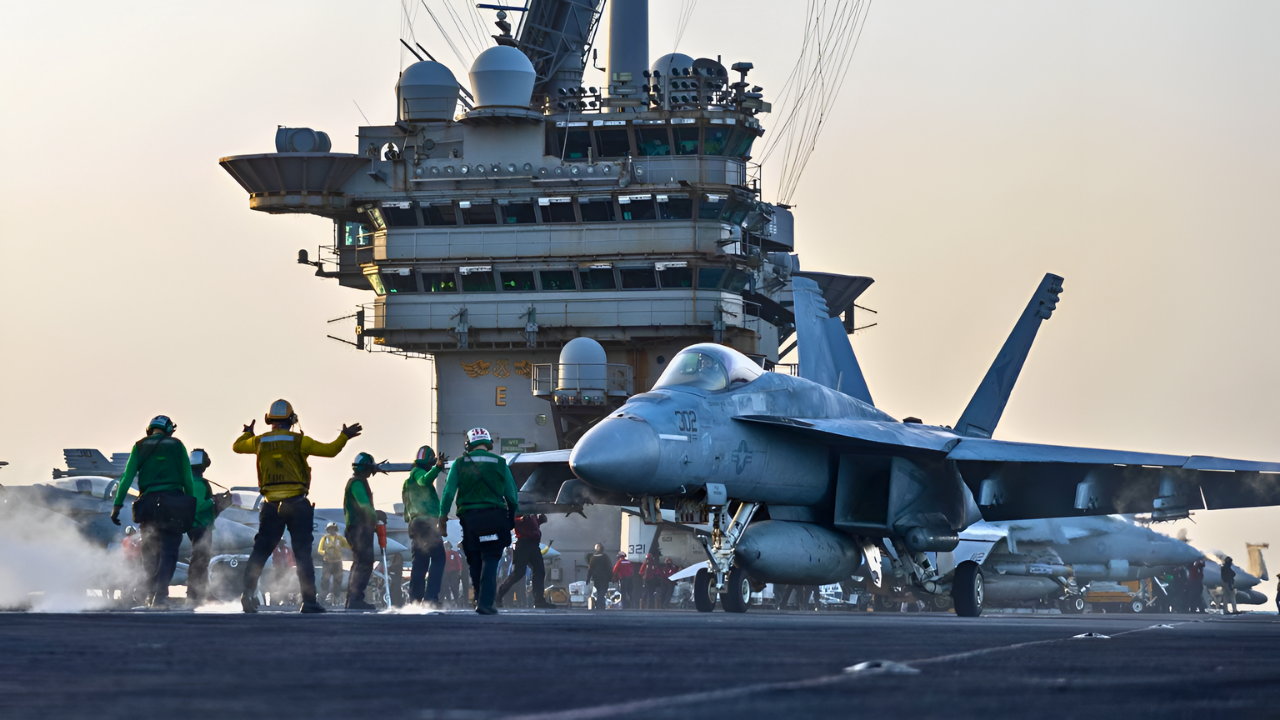
In the Caribbean, the roar of U.S. fighter jets cuts through the sky. Two F-18 Super Hornets, launched from the USS Gerald R. Ford, make their way toward Venezuelan airspace—a high-risk move that has everyone watching. As the planes soar toward a tense flashpoint, thousands of Venezuelans track their every move online.
In just 40 minutes, the air over Lake Maracaibo becomes the epicenter of a potential international crisis. Why did the U.S. provoke such a dangerous move?
Jets Launch
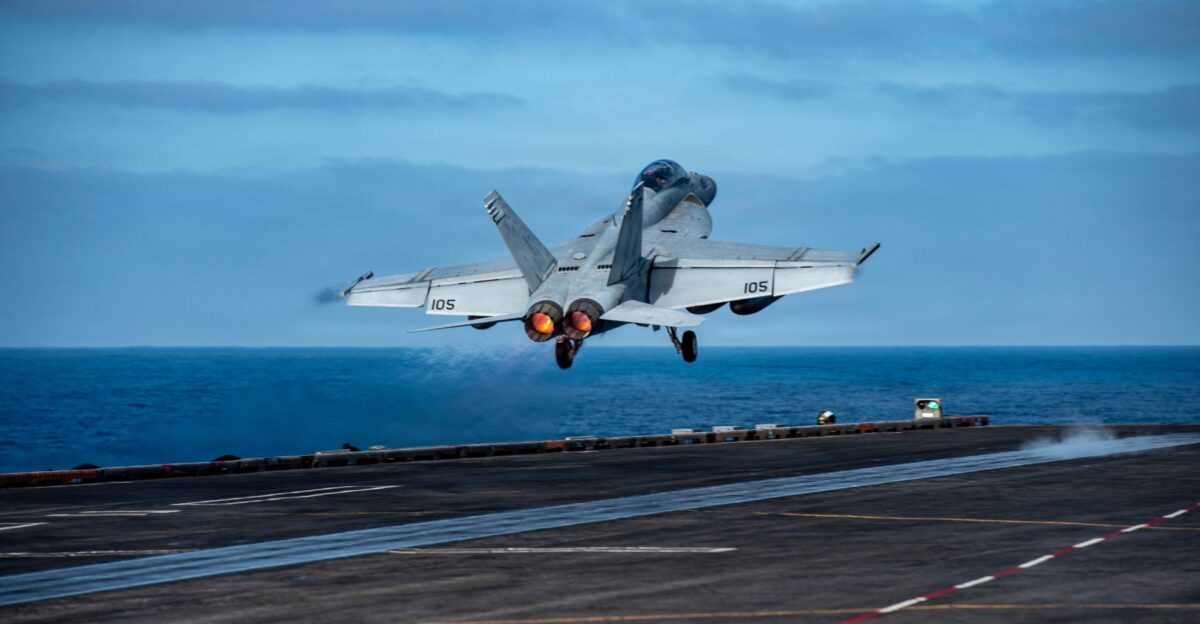
The F-18 Super Hornets, designed for a range of combat missions, blasted off from the world’s largest aircraft carrier, the USS Gerald R. Ford, anchored in the Caribbean. As the jets made their approach, public apps like FlightRadar24 were alive with tracking activity.
Thousands watched the jets loop over Venezuelan waters. How close did they get to the volatile border?
Stakes Skyrocket
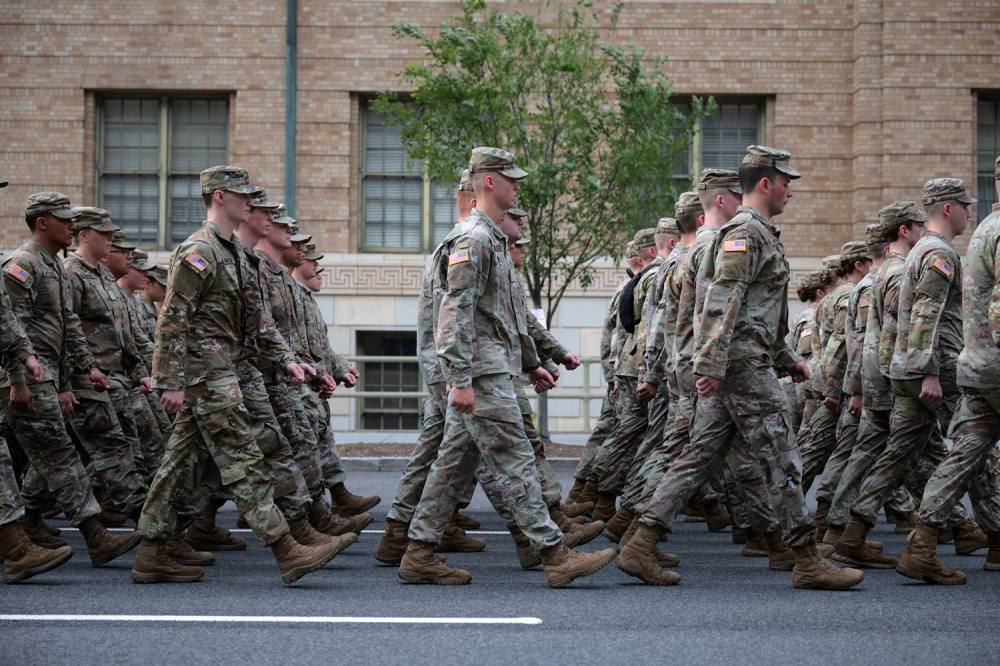
Operation Southern Spear, aimed at combating narco-terrorism, has escalated tensions. With more than 15,000 U.S. troops deployed, the mission follows a series of successful strikes on drug shipments. As President Trump warns of possible land strikes, Venezuela’s Maduro sees a direct threat to his regime.
What sparked the arrival of the USS Gerald R. Ford?
Venezuela Mobilizes
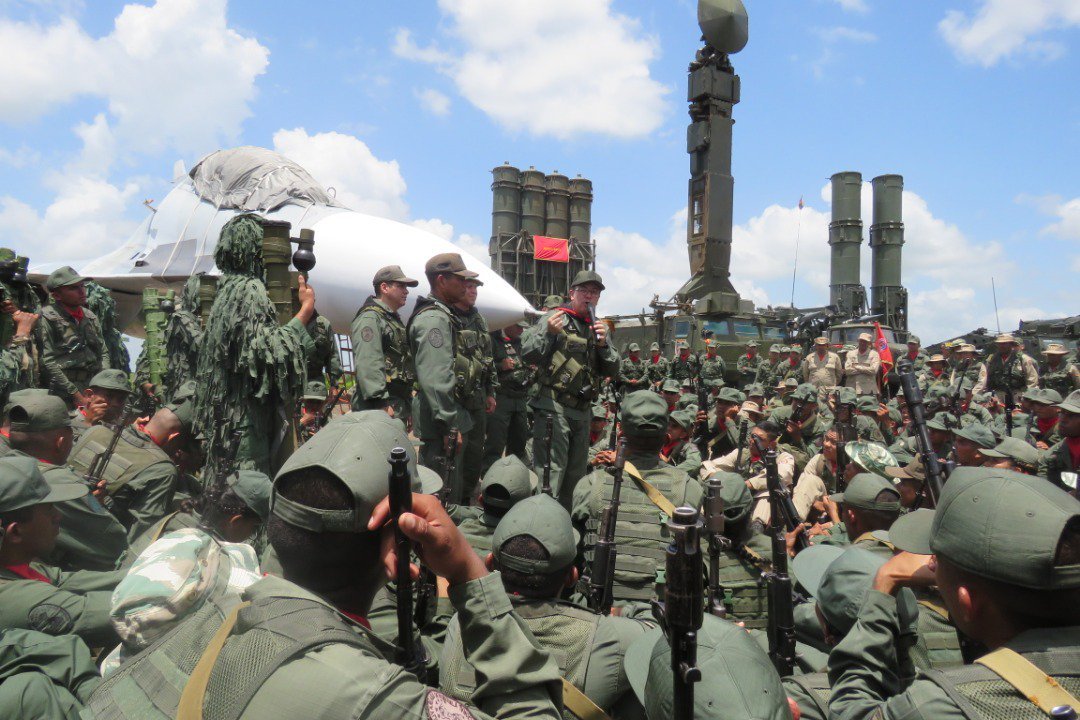
In response to the U.S. buildup, Venezuela had entered a state of maximum alert weeks earlier. Maduro ordered 200,000 troops to full readiness, and militias armed themselves across the nation. With Russian-made S-300VM missile systems positioned to defend the country, Venezuela views these actions as an existential threat.
Will the country’s defenses hold?
Incursion Confirmed
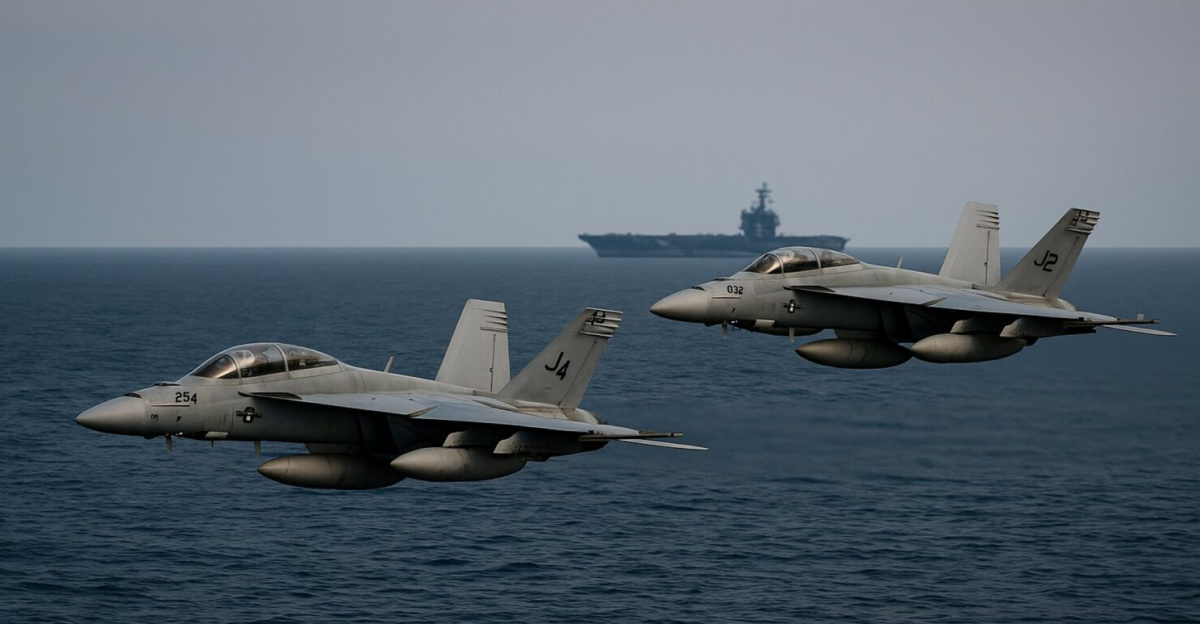
On December 9, two U.S. F-18s entered Venezuelan airspace for 40 minutes, flying in a precise bow-tie pattern over the Gulf of Venezuela. Thousands of Venezuelans tracked the jets in real-time via FlightRadar24. Despite being on high alert, no Venezuelan fighters or air defenses engaged the jets.
Why did Venezuela hold fire?
Oil Heartland Exposed
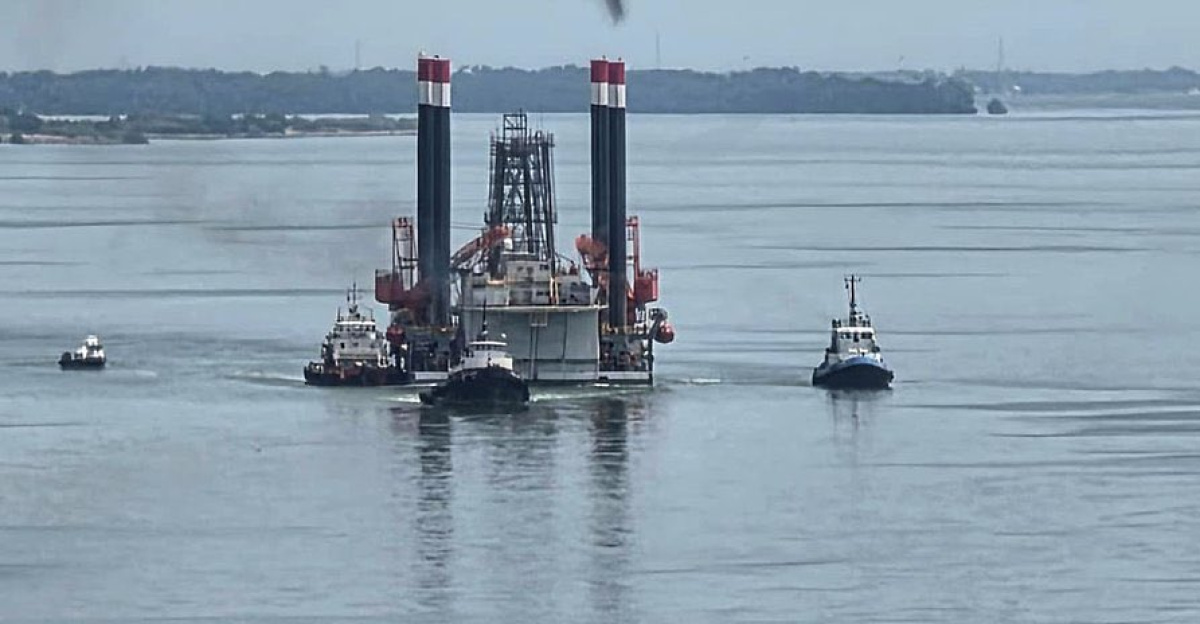
The jets flew dangerously close to Venezuela’s oil-rich heartland—Lake Maracaibo, one of the world’s largest crude oil reserves. These reserves fuel Venezuela’s economy, but the flyover exposed vulnerabilities in the region’s defenses.
What happens if these critical assets are targeted?
Trackers Watch Live
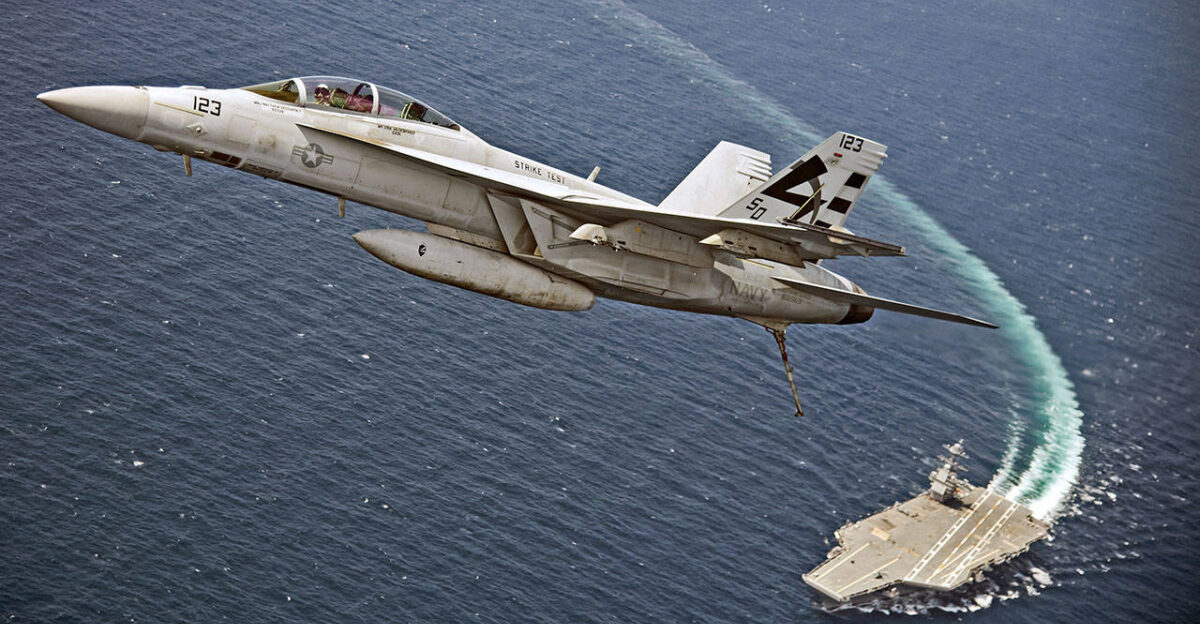
As the jets looped over Venezuela, social media lit up with tracking activity. Venezuelans followed the F-18s’ movements via FlightRadar24 and other platforms as tensions mounted in the region.
Defenses Stand Down
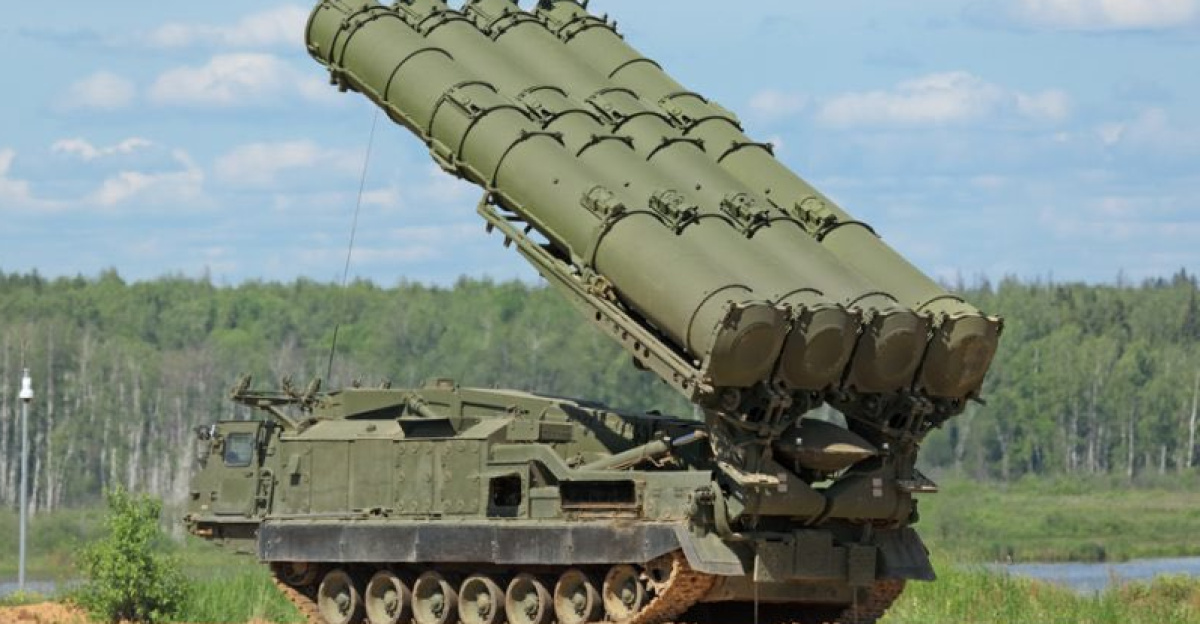
Venezuela’s defenses include Russian S-300VM batteries and Su-30MK2 fighter jets positioned to intercept any threats. Yet, despite the jets’ presence, no defensive action was taken. Some experts suggest Venezuela chose restraint to avoid further escalation.
Did restraint signal weakness?
Rivals Circle Waters
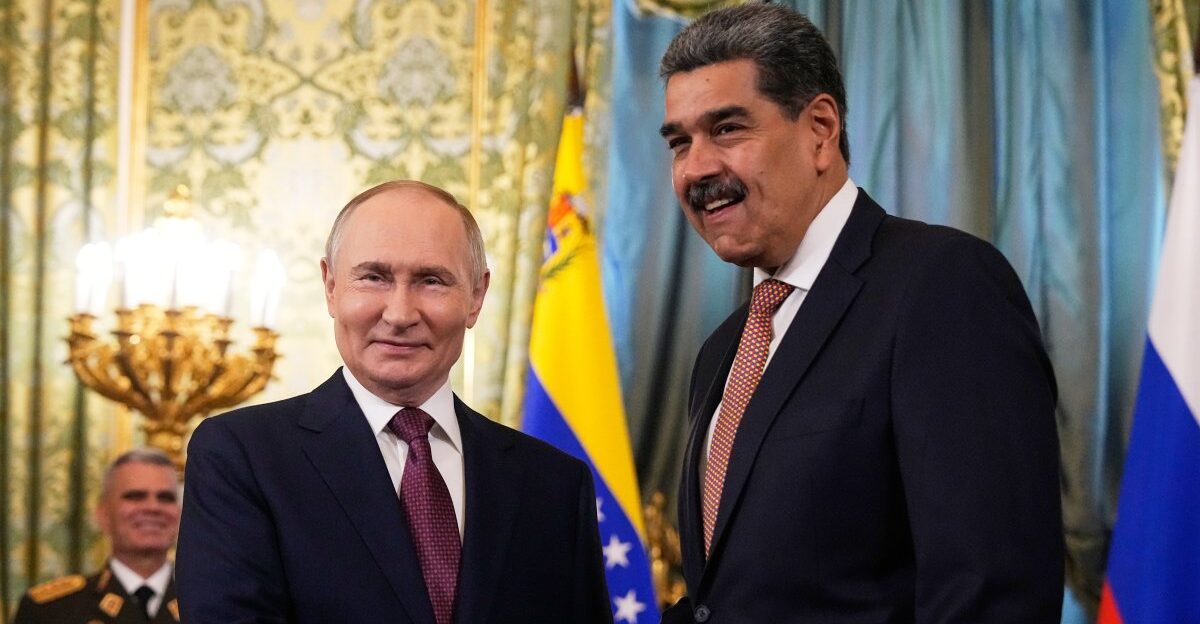
As tensions rise, Russia deepens ties with Venezuela, sending weapons to strengthen the country’s defenses. Iran and China also keep a close watch on Venezuela’s oil flows. With the U.S. disrupting supply chains, the region is now a strategic battleground.
Who stands to gain from the chaos?
Drug War Casualties
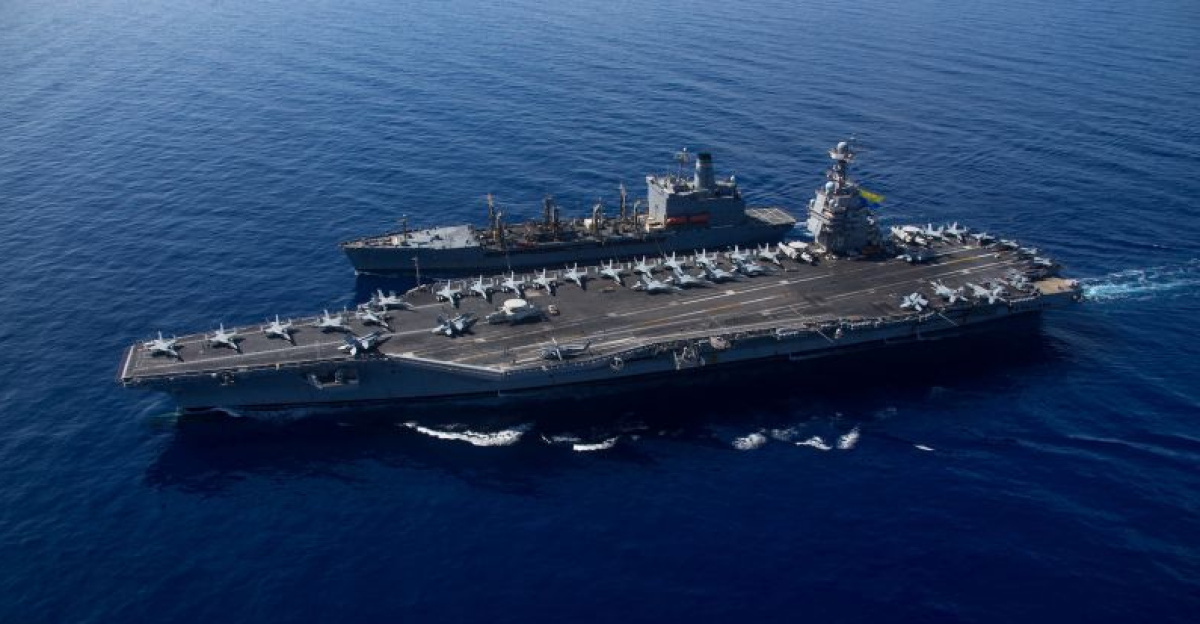
The fight against drug trafficking has cost lives, with 87 alleged traffickers killed in U.S. strikes. Yet, the economic impact has been severe—fishing and local economies suffer, and U.S. supercarrier operations are draining millions.
While the U.S. claims success, Venezuela denies the existence of narco-cartel ties. Is there a hidden agenda?
Militias Fume
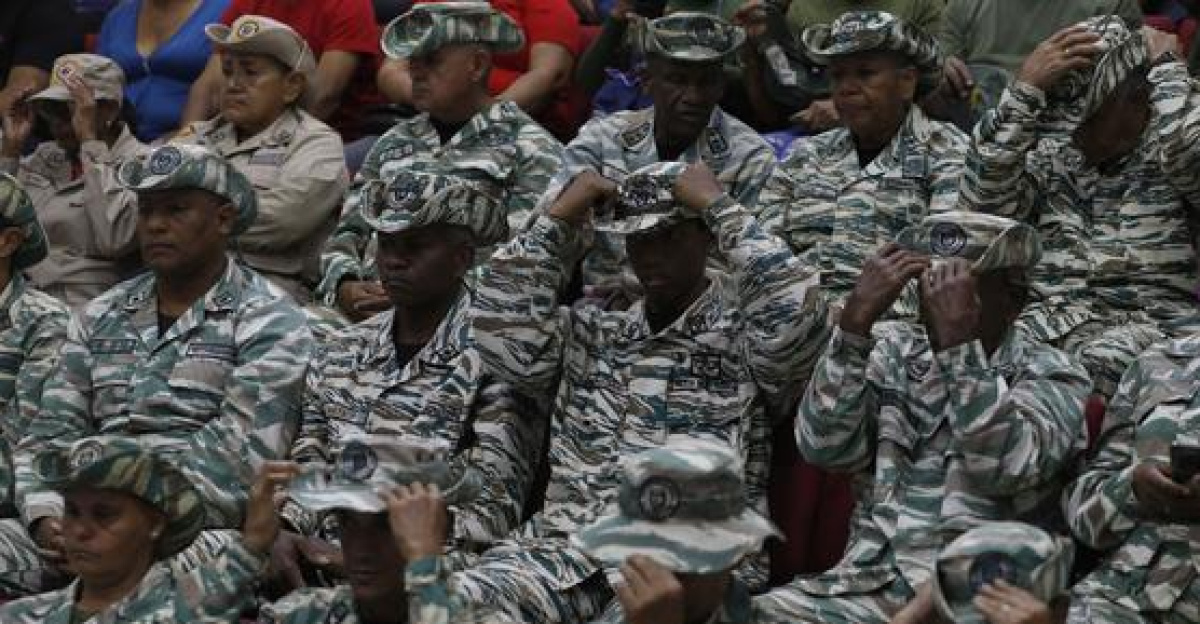
The Bolivarian militias have been mobilized in response to the U.S. threat. Venezuela’s military structures have faced documented challenges with corruption and supply shortages, raising questions about long-term regime stability.
Will these militias turn against the regime?
Leadership Shifts

Maduro’s grip on power tightens as he maintains tight control over military leadership and commands full mobilization. Meanwhile, U.S. officials have authorized covert operations against the regime.
How long can the inner circle maintain its control amid growing unrest?
Counterstrike Plans
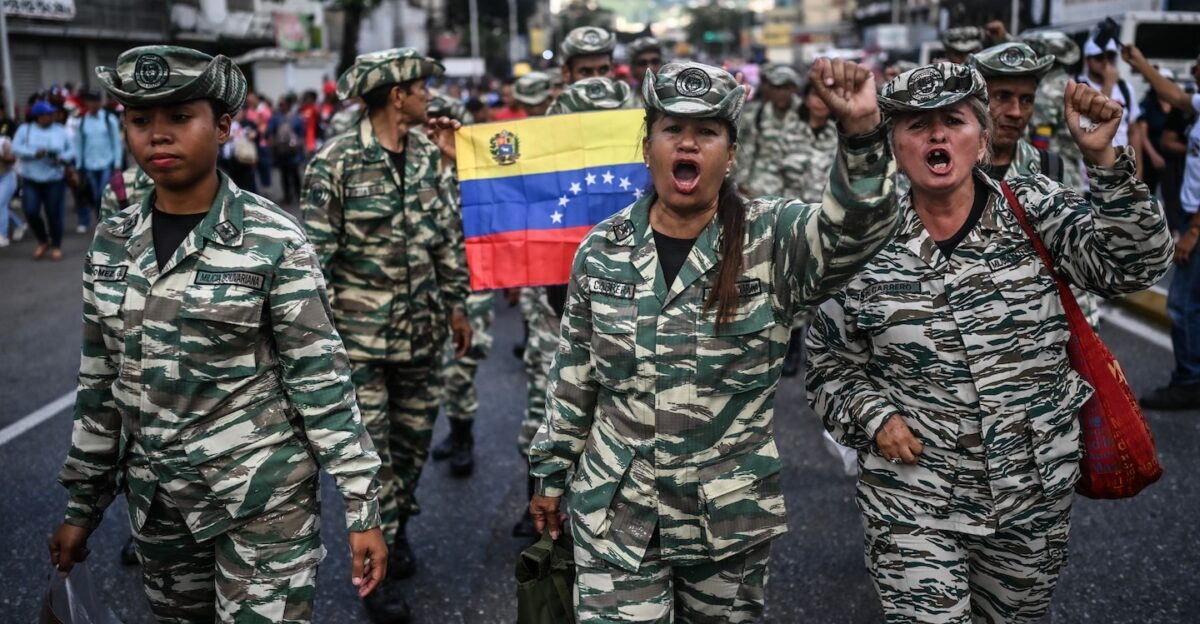
Venezuela’s military is preparing for a possible counterstrike. With an arsenal of missiles and fighter jets on high alert, the country’s strategy shifts toward asymmetric tactics.
Can Venezuela’s forces effectively deter U.S. aggression, or is this just a show of force to buy time?
Experts Doubt
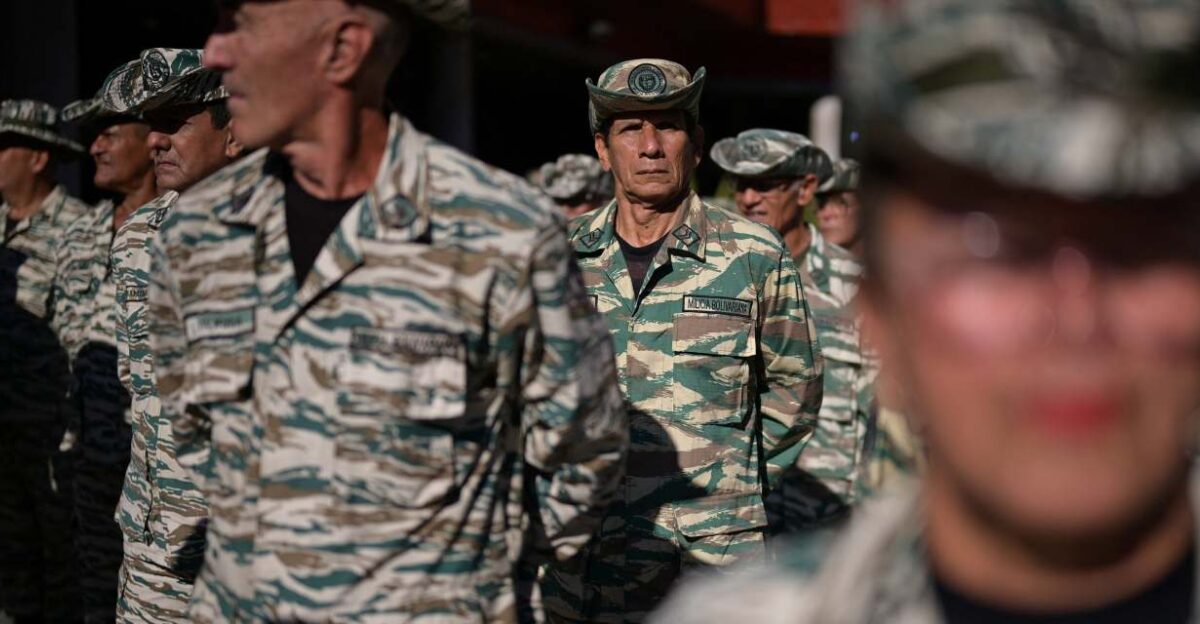
Experts predict that an all-out invasion of Venezuela is unlikely, given the size of the country’s military. While tensions are high, many believe the situation could devolve into a stalemate.
Is this the beginning of a broader conflict, or a series of carefully calculated bluffs?
Flashpoint Future
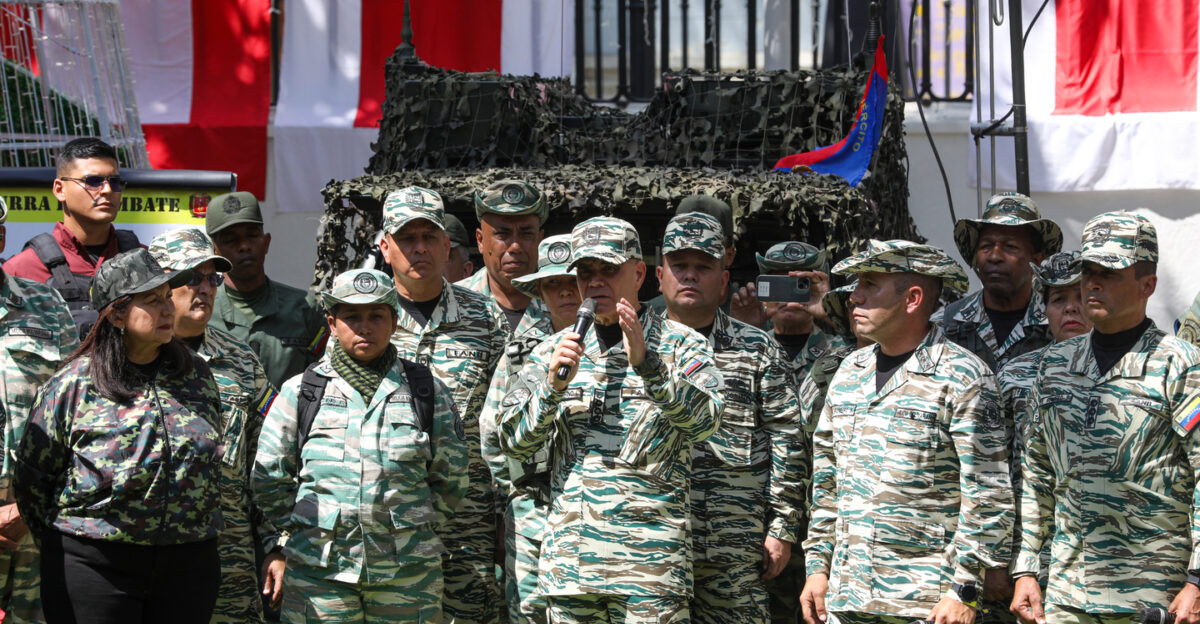
With Operation Southern Spear still ongoing, the question remains: what will happen if the next U.S. incursion triggers a firefight? The Caribbean is now a flashpoint in a geopolitical struggle, with global implications.
Will restraint hold, or will tensions explode into a larger conflict?
Sources:
The Soufan Center – U.S. Launches Operation Southern Spear (November 14, 2025)
WLRN – U.S. Fighter Jets Briefly Enter Venezuelan Airspace (December 9, 2025)
BBC News – Venezuela’s Maduro Says US ‘Fabricating War’ (October 24, 2025)
Wikipedia – 2025 United States Military Strikes on Alleged Drug Traffickers (December 15, 2025)
Foundation for Defense of Democracies – US Deploys Carrier, Issues Airspace Warning, Seizes Oil Tanker in Latest Caribbean Escalation (December 10-11, 2025)