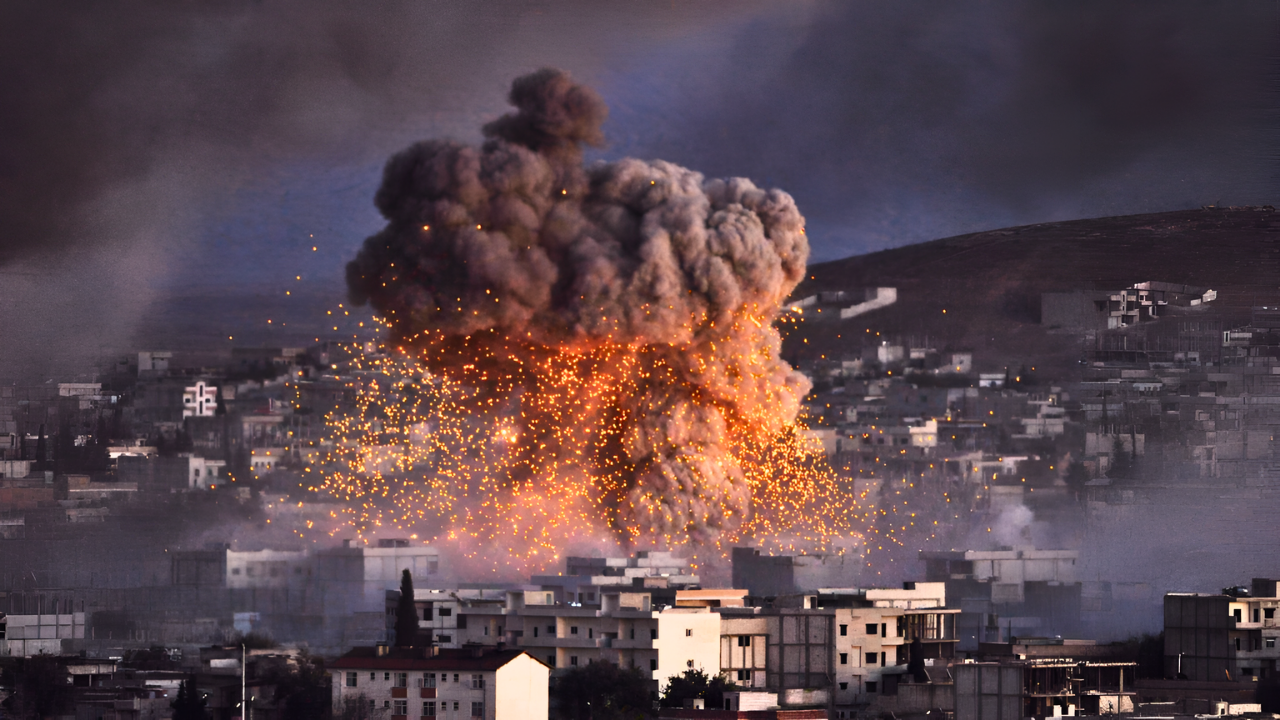
At midday on January 10, 2026, U.S. fighter jets streaked across central Syria. Strike footage later released by CENTCOM shows bombs dropping into barren desert terrain, plumes of dust rising from long-hidden ISIS camps. More than 90 precision munitions hit over 35 targets in minutes.
The strikes were not routine. They were retaliation—triggered by the killing of American soldiers weeks earlier. Why was ISIS still capable of drawing U.S. blood seven years after its caliphate collapsed?
American Blood Spilled
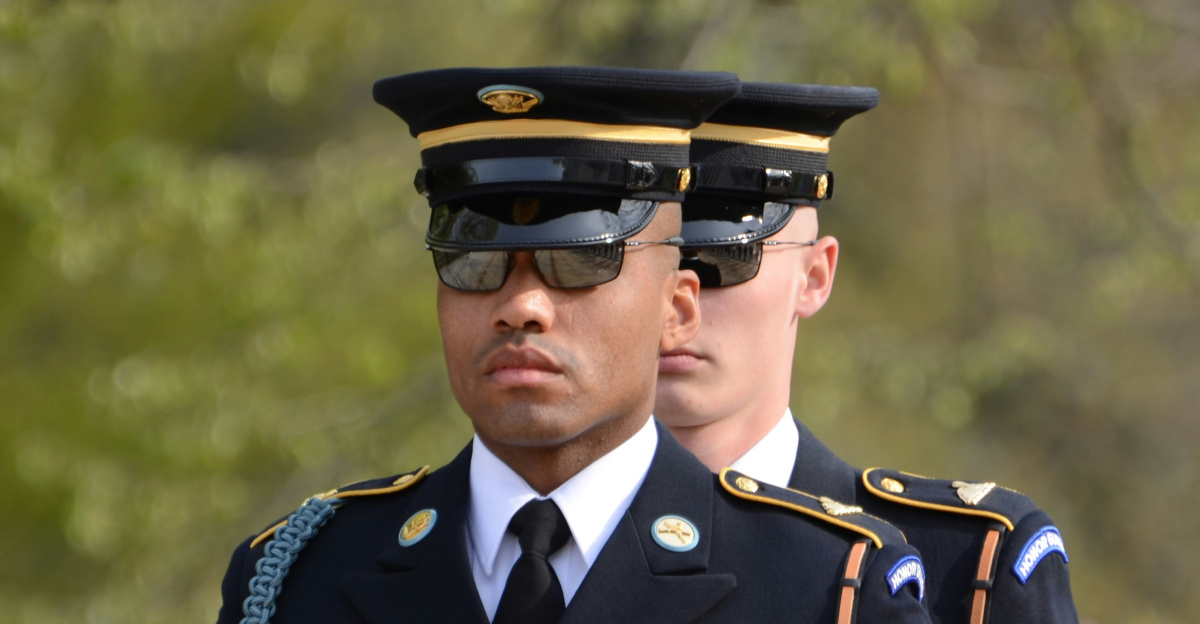
The escalation began on December 13, 2025, near Palmyra. A Syrian security officer with suspected ISIS ties ambushed U.S. forces supporting partner missions. Two Iowa National Guard soldiers—Sgt. Edgar Brian Torres Tovar, 25, and Sgt. William Nathaniel Howard, 29—were killed, along with civilian interpreter Ayad Mansoor Sakat.
Three additional Guard members were wounded. The attack shattered assumptions that ISIS remnants were contained and forced Washington to respond.
Post-Caliphate Grind
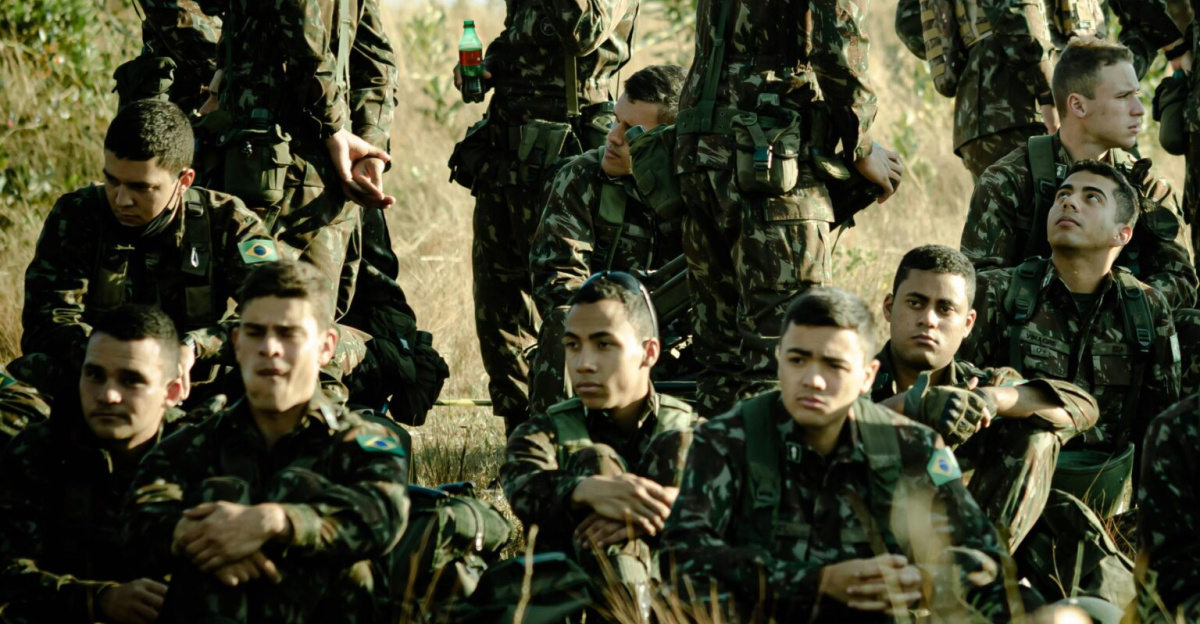
ISIS lost its territorial caliphate in 2019, but the fight never truly ended. Since then, U.S. Central Command has sustained airstrikes and raids under Operation Inherent Resolve. By late 2025, dozens of militants were killed at training sites across Syria.
Kurdish partner forces held ground in the east, yet ISIS splinter cells persisted in central deserts, exploiting instability after Bashar al-Assad’s fall. The battlefield shifted—but the threat endured.
Retaliation Wave Builds
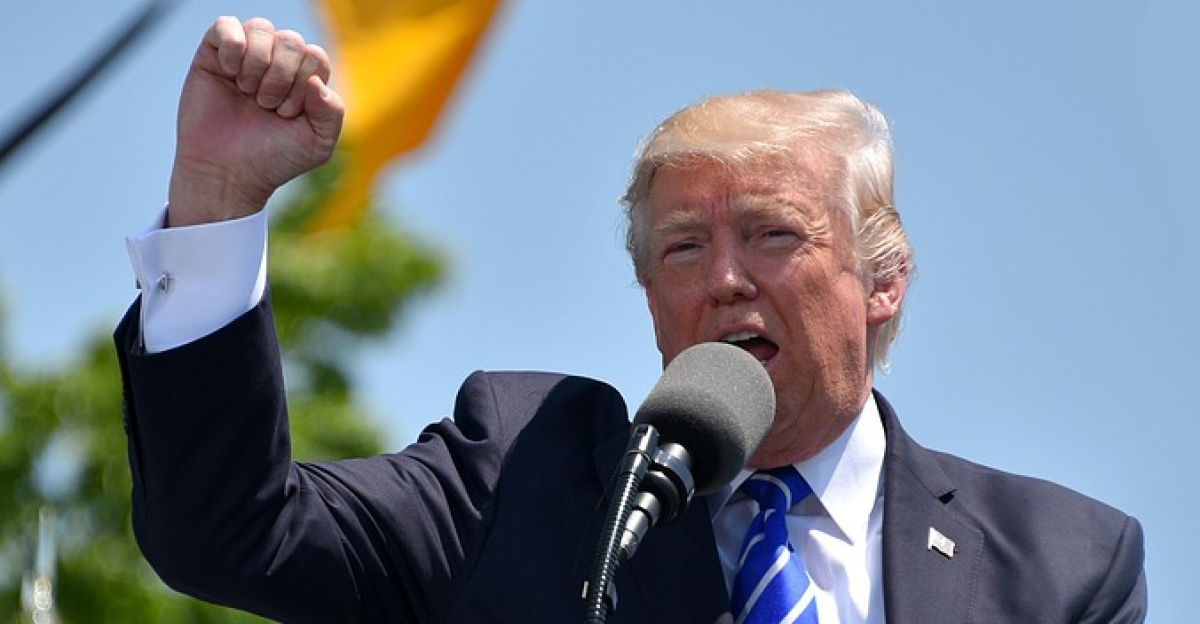
President Trump labeled the Palmyra ambush a red line, promising “very serious retaliation.” On December 19, 2025, the U.S. launched Operation Hawkeye Strike, named in honor of the fallen Iowa soldiers. F-15Es, A-10s, Apache helicopters, and HIMARS systems hit more than 70 ISIS targets.
Jordan joined the effort. Despite the barrage, intelligence showed ISIS cells surviving—forcing planners toward a second, larger wave.
Precision Camps Crushed
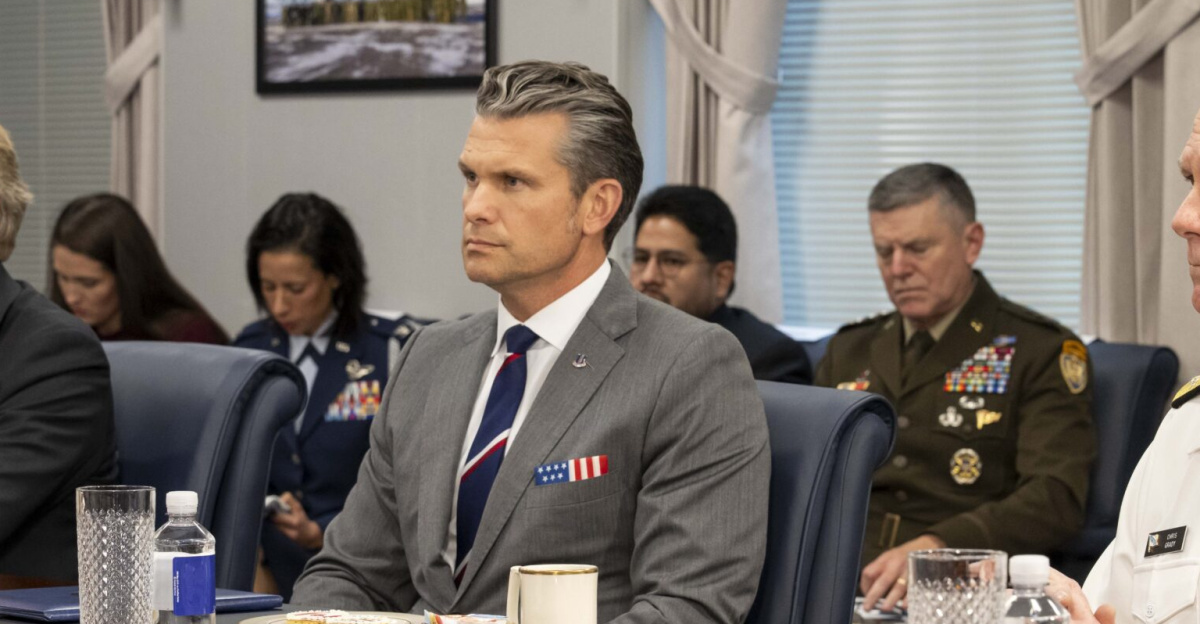
The second wave came on January 10, 2026. CENTCOM confirmed strikes on ISIS training camps and weapons depots across central Syria. Over two dozen aircraft released more than 90 precision-guided munitions against 35 confirmed targets.
Officials reported no civilian casualties. Secretary of War Pete Hegseth vowed the campaign would not pause, framing the strikes as both justice for the fallen and protection for roughly 1,000 U.S. troops still deployed.
Central Syria Shaken
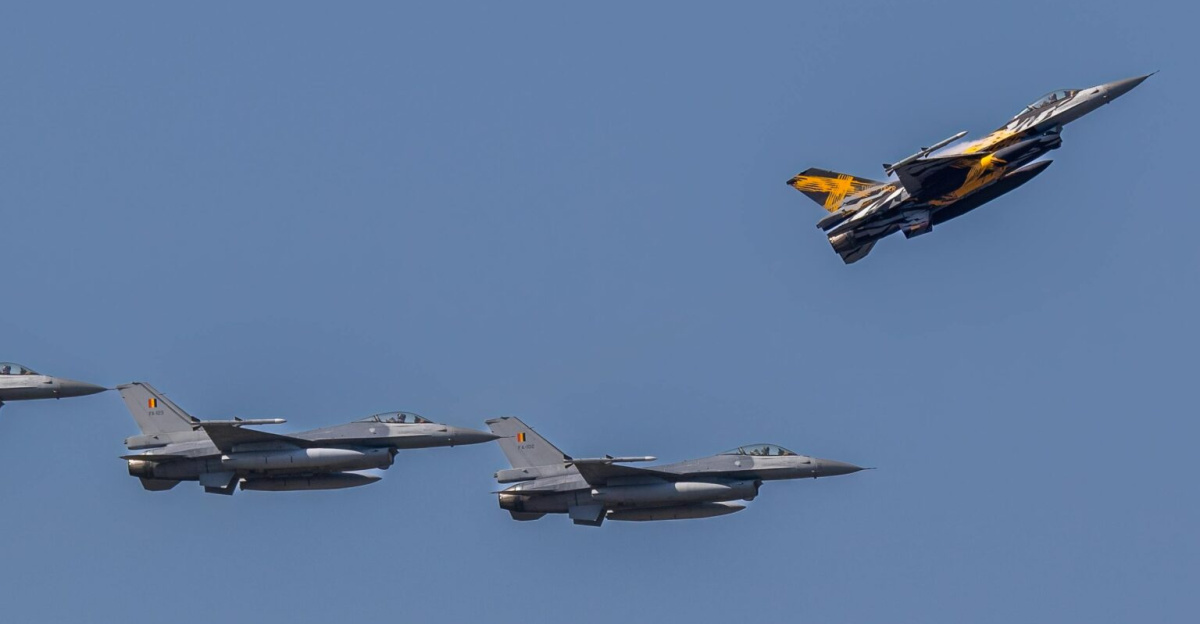
The strikes focused on Syria’s remote badlands, far from U.S. bases in Hasakah and Deir ez-Zor. F-15E Strike Eagles from Mountain Home Air Force Base and A-10s from Moody Air Force Base dropped GBU-31 bombs.
Jordanian F-16s and U.S. AC-130J gunships joined the operation. CENTCOM-released footage underscored the coalition’s reach, signaling that distance and desert offered ISIS no sanctuary.
Heroes Remembered
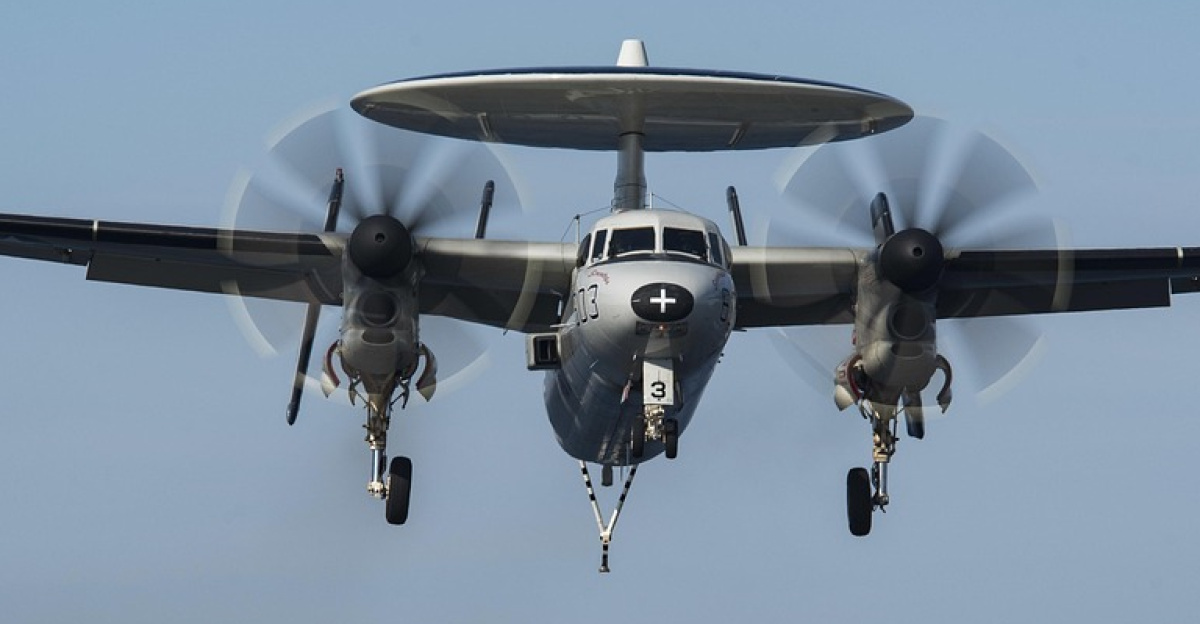
The operation carried a personal weight. Sgt. Howard and Sgt. Torres Tovar served with the Iowa National Guard, part of roughly 1,800 Guard members deployed to the Middle East. Interpreter Ayad Mansoor Sakat died alongside them.
“We will never forget,” Secretary Hegseth wrote publicly. Their names became central to the mission’s identity, transforming Operation Hawkeye Strike into both a military response and a memorial.
Coalition Tightens Grip
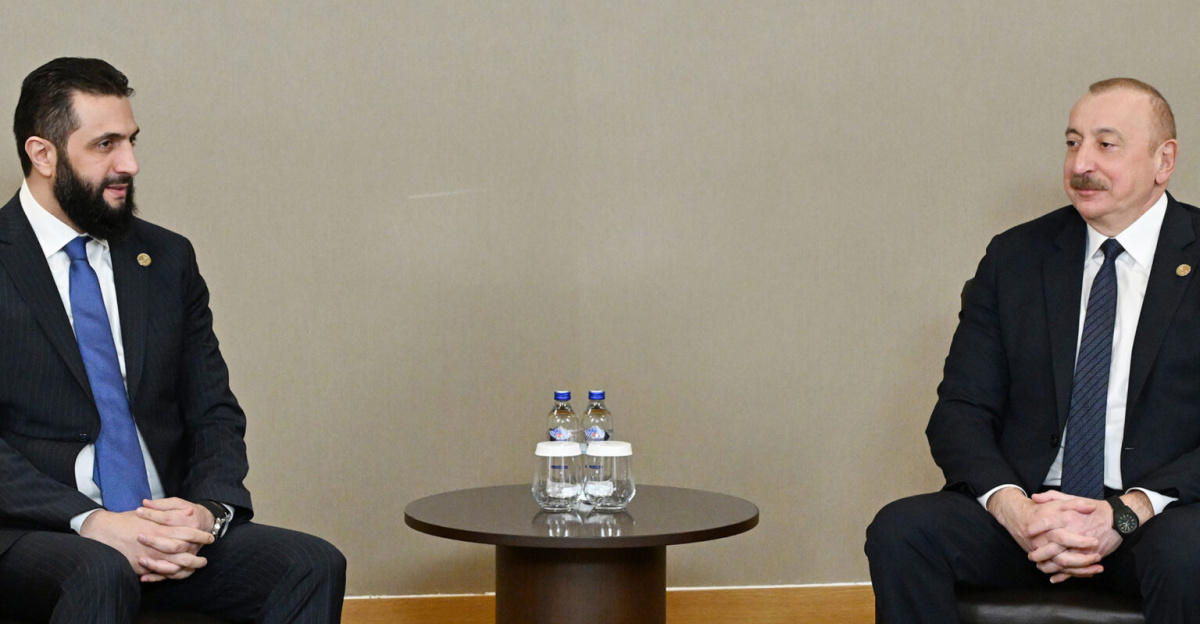
Jordan’s participation expanded an already multinational campaign. Syrian President Ahmed al-Sharaa—who led rebel forces that ousted Assad in December 2024—formally joined the anti-ISIS coalition after White House talks.
The alignment aimed to disrupt ISIS supply routes linking Syria and Iraq during Syria’s political transition. As U.S. aircraft flew overhead, regional rivals, including Russia, watched carefully from the sidelines.
Resurgence Pattern Emerges
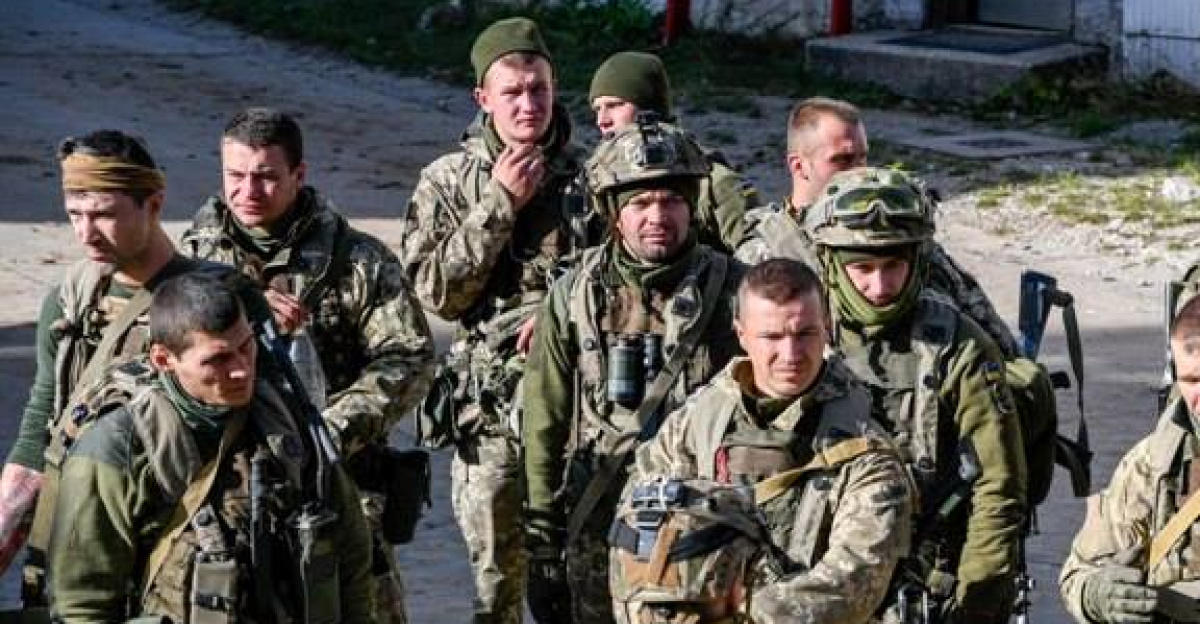
ISIS no longer holds cities, but it has adapted. Small cells now rely on ambushes, intimidation, and desert hideouts. Late 2025 raids killed dozens of fighters, yet camps in central Syria persisted.
With U.S. troop levels reduced from about 2,000 to 1,000, Washington leaned heavily on airpower and MQ-9 drones. The pattern mirrors past insurgencies thriving amid political upheaval.
Scale Revealed
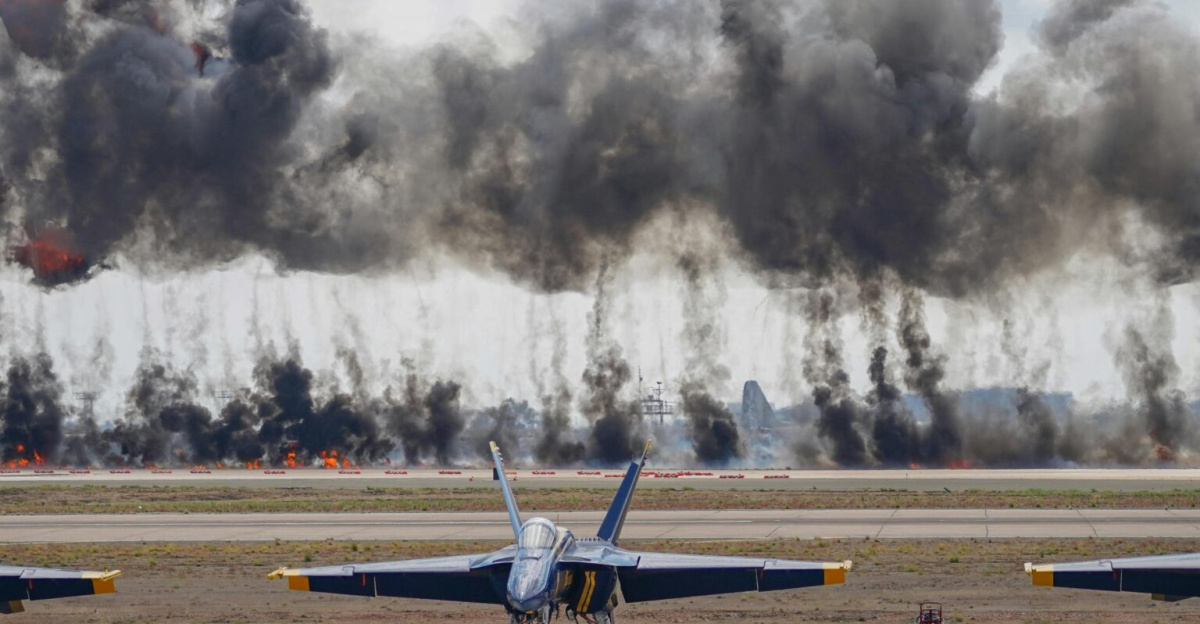
The January 10 strike marked one of CENTCOM’s largest single-day operations in years. More than 90 precision munitions struck 35 targets—averaging nearly three weapons per site.
Unclassified video showed A-10s making attack runs while F-15Es released guided bombs. The scale reframed the mission as overwhelming force, not symbolic punishment.
Militant Frustrations Mount
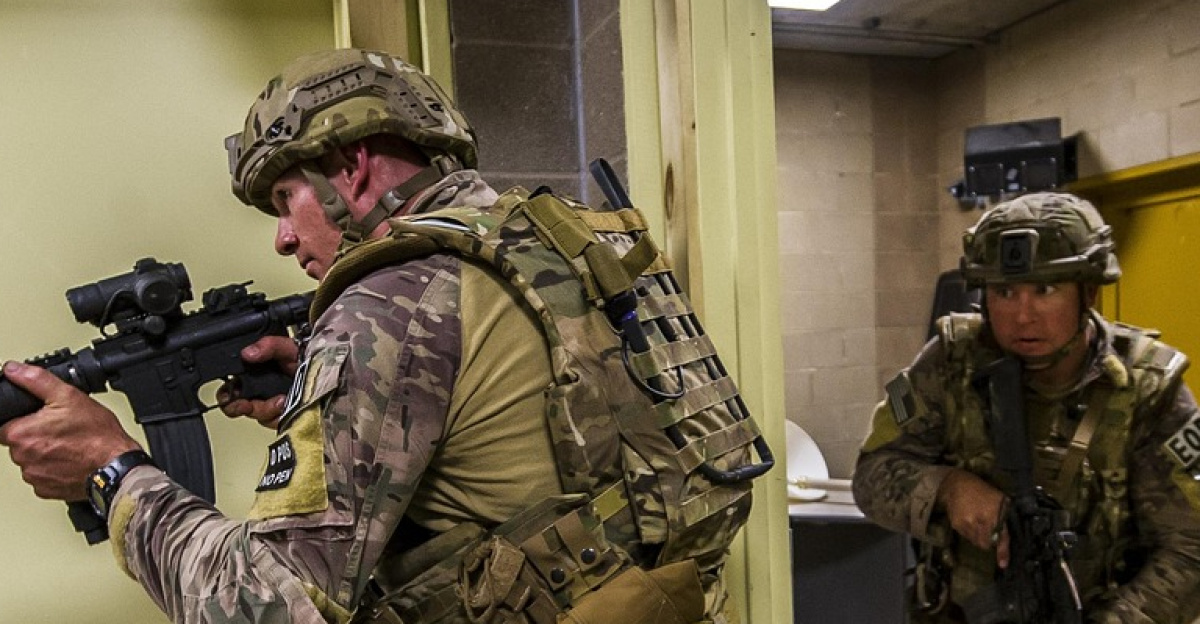
CENTCOM officials say ISIS cells are splintering under sustained pressure. Training camps destroyed, leaders killed, and supply caches eliminated have forced survivors to scatter.
“If you harm our warfighters, we will find you anywhere,” CENTCOM warned. Intelligence assessments describe fighters abandoning fixed sites and struggling to recruit.
Hegseth Steers Response
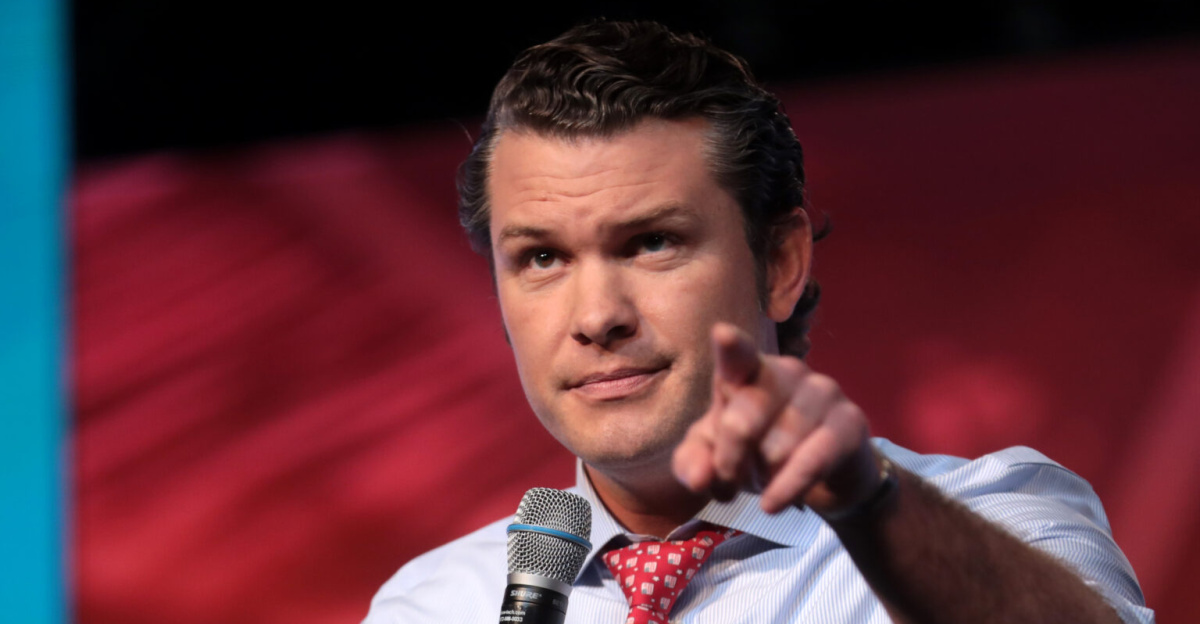
Secretary of War Pete Hegseth emerged as a central architect of the campaign, reinforcing President Trump’s hardline approach. His statements emphasized relentless pursuit rather than containment.
Compared with prior drawdowns, the strategy stabilized U.S. troop levels while expanding tanker support, strike aircraft, and drones.
Airpower Doctrine Evolves
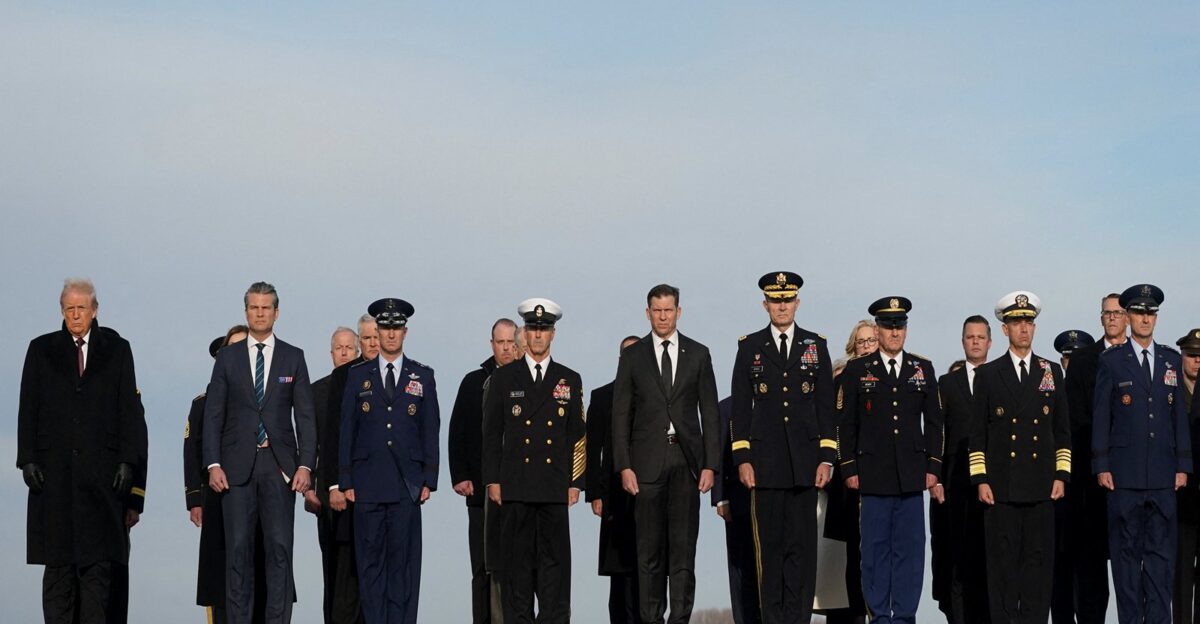
Operation Hawkeye Strike showcased a modern doctrine blending manned aircraft, drones, and allied jets. December strikes exceeded 100 munitions; January escalated further.
Officials described a deliberate effort to degrade infrastructure while avoiding civilian harm. Pentagon planners signaled more raids could follow if ISIS attempts to regroup again.
Analysts Voice Caution
Despite tactical success, analysts warn against declaring victory. ISIS has survived worse losses by retreating deeper into deserts and villages.
While CENTCOM reports zero civilian casualties bolster credibility, experts argue airpower alone rarely ends insurgencies.
Horizon Unclear
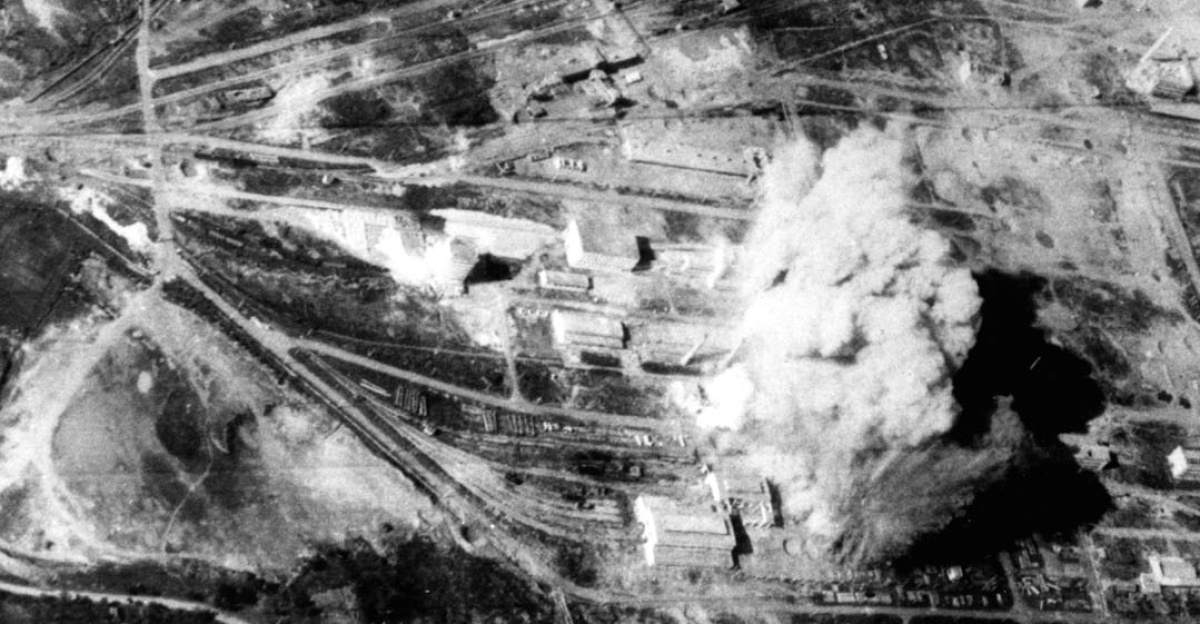
Will Operation Hawkeye deter future attacks on U.S. forces? Officials say vigilance remains high as Syria’s political transition under President al-Sharaa adds unpredictability.
American troops stay dispersed and alert, supported by ready air assets. Another ISIS attack could trigger a third wave.
Policy Shift Accelerates
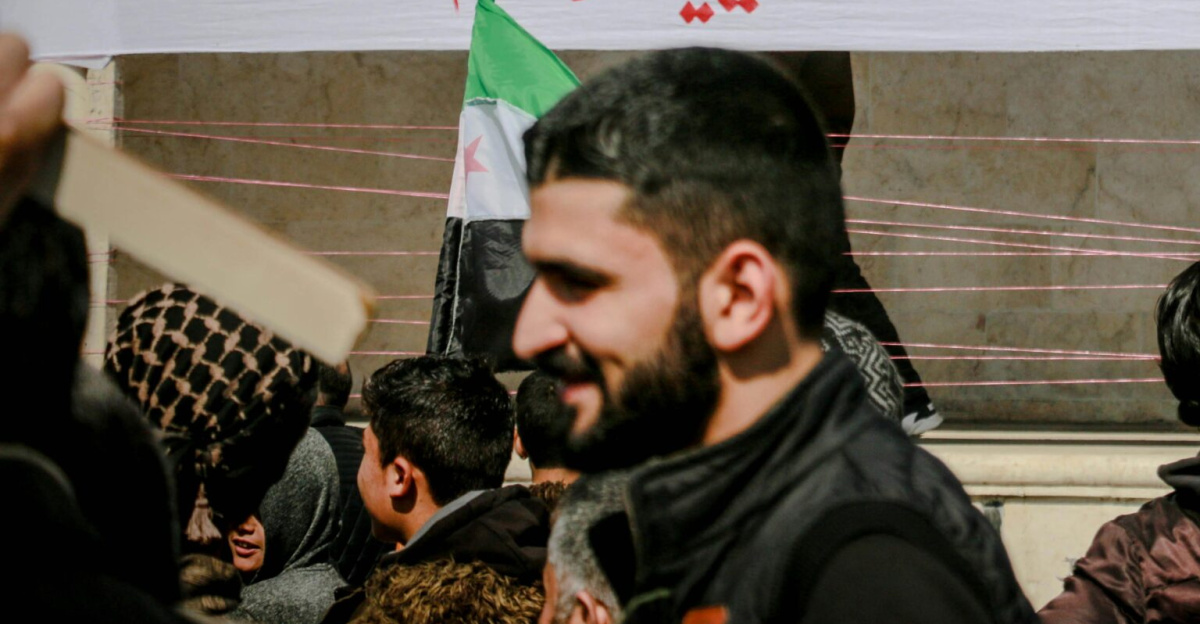
The strikes reflect a broader policy shift. President Trump’s emphasis on retaliation contrasts with earlier efforts to scale back U.S. involvement.
Al-Sharaa’s entry into the coalition increases U.S. leverage in post-Assad Syria. Congress weighs continued funding for CENTCOM operations.
Global Partners Align
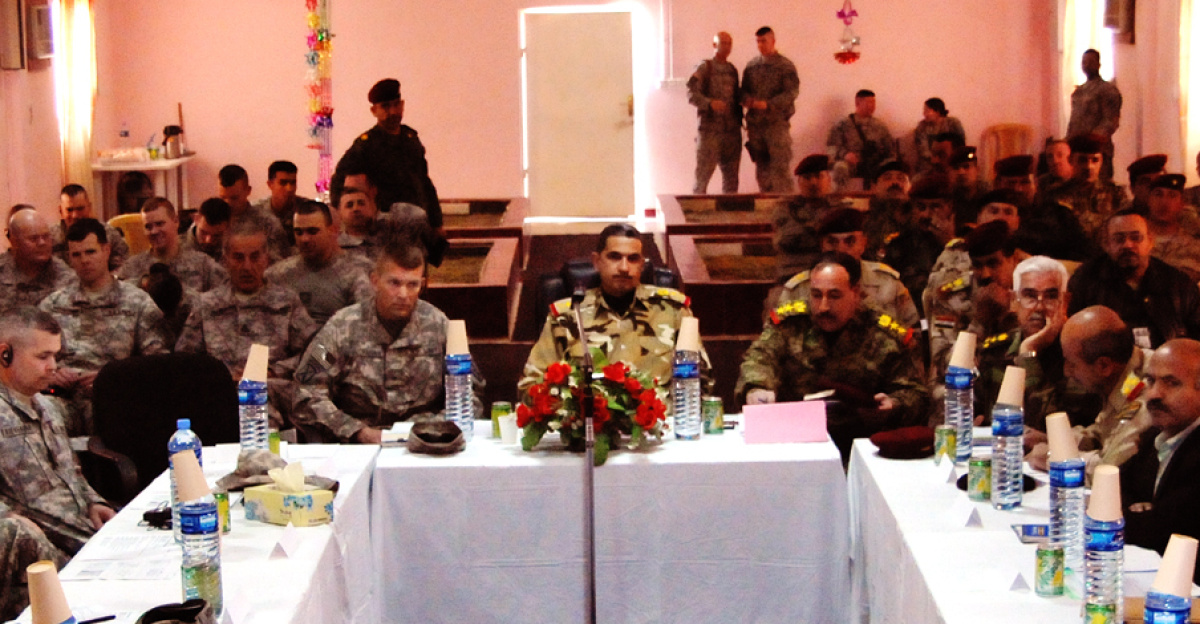
Jordan’s expanded role strengthens the regional front against ISIS, with potential coordination from Iraq on the horizon. Russia, once Assad’s chief backer, remains largely sidelined.
The strikes send a global signal: despite reduced ground presence, U.S. reach remains intact.
Legal Backing Solid
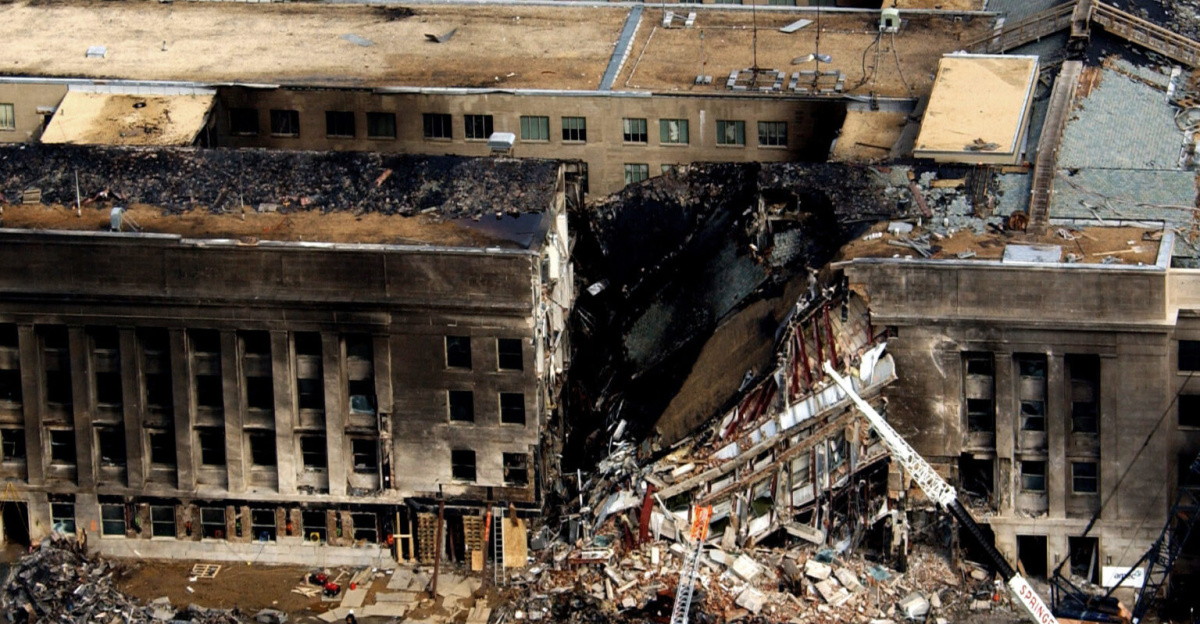
Pentagon officials state the strikes comply with post-2001 authorizations for use of military force. No reported civilian casualties reduce legal and political scrutiny.
Precision-guided munitions and remote desert targets limit collateral damage, though environmental concerns linger locally.
Perceptions Evolve

Public perception is shifting. To allies, the U.S. appears resolute. To ISIS, increasingly diminished. Syrian Kurds praise the accuracy of strikes.
Meanwhile, Iowa communities mourn their fallen Guardsmen. The debate persists: endless war or necessary vigilance?
Stakes Redefined
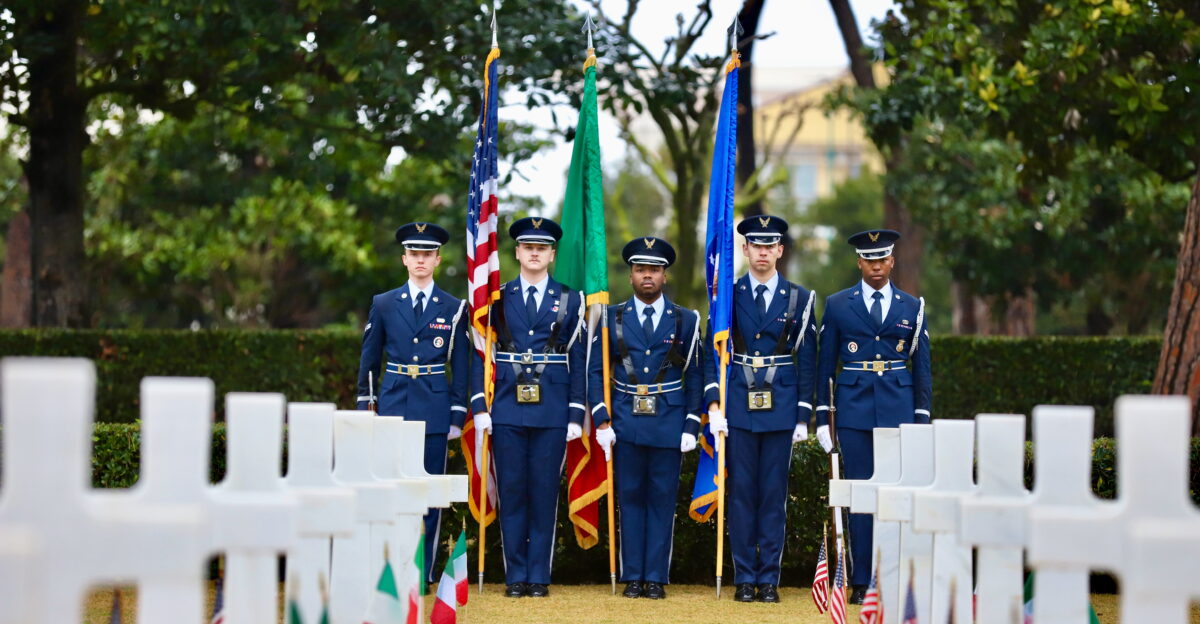
Operation Hawkeye Strike reaffirmed a U.S. doctrine of zero tolerance for attacks on its forces. By keeping ISIS off-balance, the campaign honors fallen soldiers.
Yet the fight is unfinished. As militants adapt, the question endures: how many times must history repeat before safe havens disappear?
Sources:
U.S. Central Command, U.S., Partner Forces Strike ISIS Targets in Syria, January 9, 2026
CBS News, U.S. airstrikes hit ISIS targets in Syria, officials say, January 9, 2026
Air & Space Forces Magazine, F-15Es, A-10s Launched Wave of Strikes on ISIS in Syria, January 10, 2026
Iowa National Guard / Military Times, Iowa National Guard IDs soldiers killed in ambush in Syria, December 14, 2025
Politico, US strikes ISIS in Syria, January 10, 2026
ABC News, US carries out additional ‘large-scale’ strikes on ISIS targets, January 10, 2026