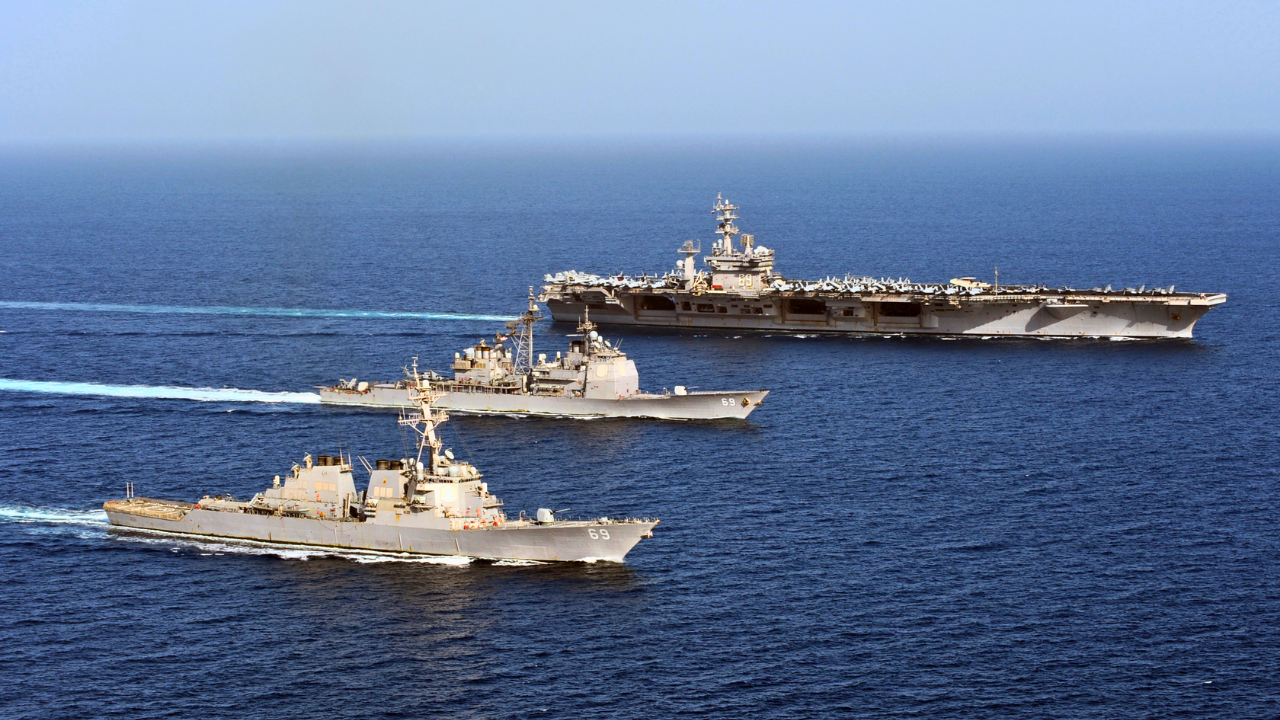
It began with a calculated maneuver in the sweltering heat of the Caribbean. On November 13, 2025, the USS Stockdale, an Arleigh Burke-class destroyer, sliced through the waves to position itself directly in the path of the Seahorse. This wasn’t a drill.
The Russian-flagged tanker, carrying a vital payload for Nicolás Maduro’s regime, found its route to Venezuelan territorial waters physically severed by 9,000 tons of American steel.
The Tanker Makes a Desperate U-Turn
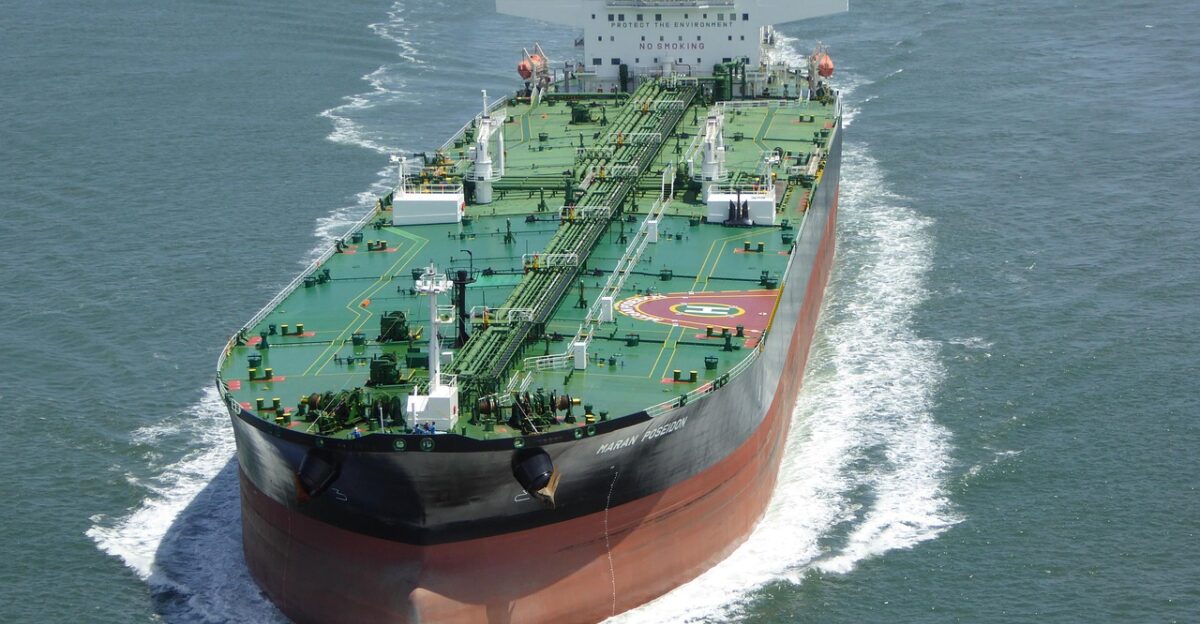
The Seahorse did not challenge the American warship. Instead of risking a boarding incident, the sanctioned vessel performed an abrupt U-turn, retreating toward Cuban waters. Intelligence reports confirm the tanker made two subsequent attempts to slip through the blockade over the following week, only to find the Stockdale waiting each time.
This maritime cat-and-mouse game marked the first confirmed physical interception of a Russian fuel shipment in the modern era.
Venezuela’s Secret Addiction: Naphtha

Why risk an international incident over one tanker? The answer lies in chemistry, not warfare. Venezuela sits on massive oil reserves, but its crude is like tar—too heavy to flow through pipelines or be exported without dilution.
The Seahorse was carrying naphtha, a liquid gold additive essential for thinning that sludge. Without these Russian deliveries, Venezuela’s production grinds to a halt, threatening the regime’s primary source of hard currency.
The Shadow Fleet Exposed
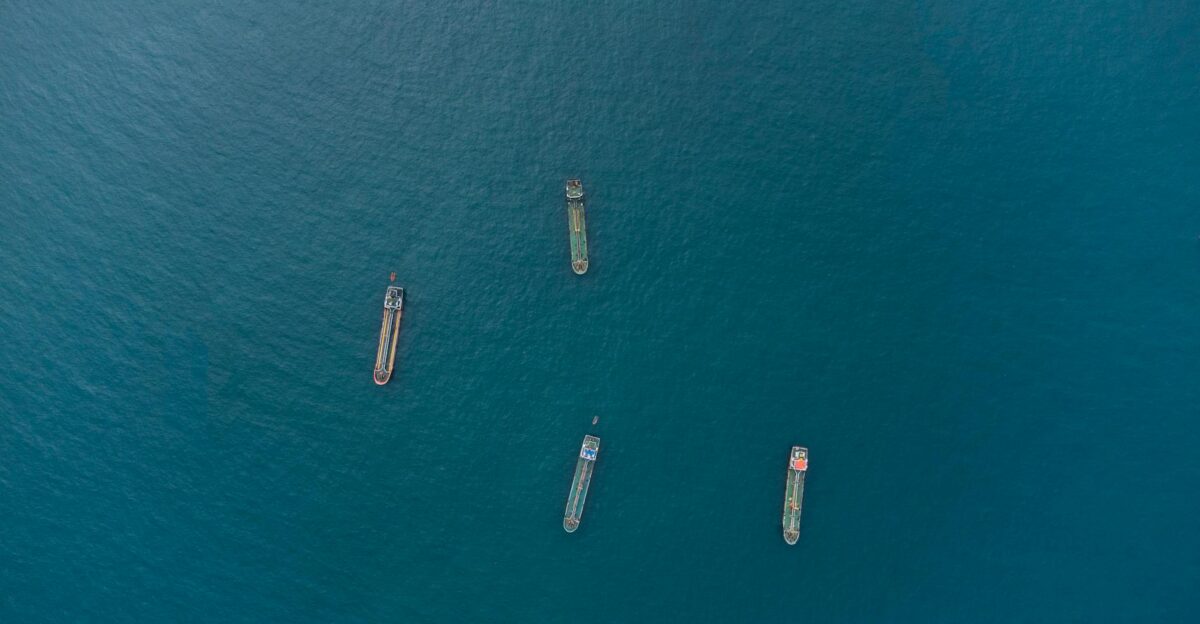
The Seahorse is no ordinary merchant vessel. It belongs to Russia’s “shadow fleet,” a ghost armada of aging tankers designed to evade Western sanctions. Operating with switched-off transponders and obscure registrations, these ships have become Moscow’s lifeline to allies like Caracas.
But the USS Stockdale’s precision intercept proves the shadows are no longer safe. The US Navy has effectively signaled that it can track and stop these ghost ships at will.
Enter the Ultimate Power Projection
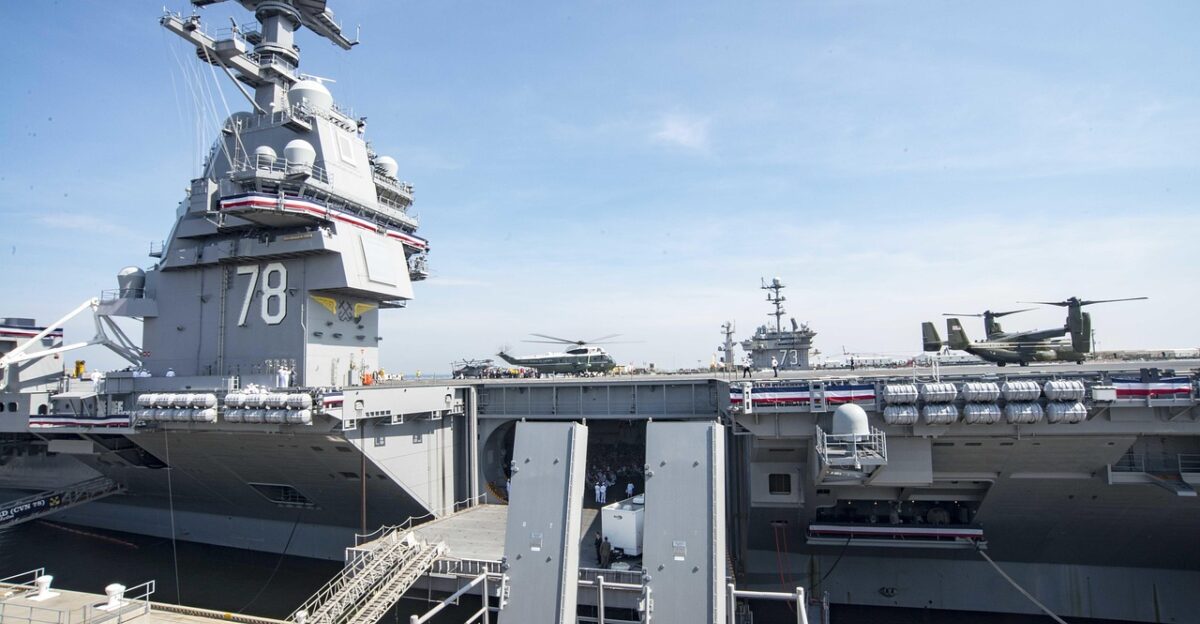
Escalating the stakes, the Pentagon deployed its crown jewel to the theater: the USS Gerald R. Ford. As the world’s largest aircraft carrier, valued at over $13 billion, its arrival in the Caribbean sends an unmistakable message.
With a full strike group and air wing now patrolling the region, the US capability has shifted from simple surveillance to overwhelming dominance, placing the entire Venezuelan coast under the shadow of American air power.
A “Counter-Narcotics” Siege
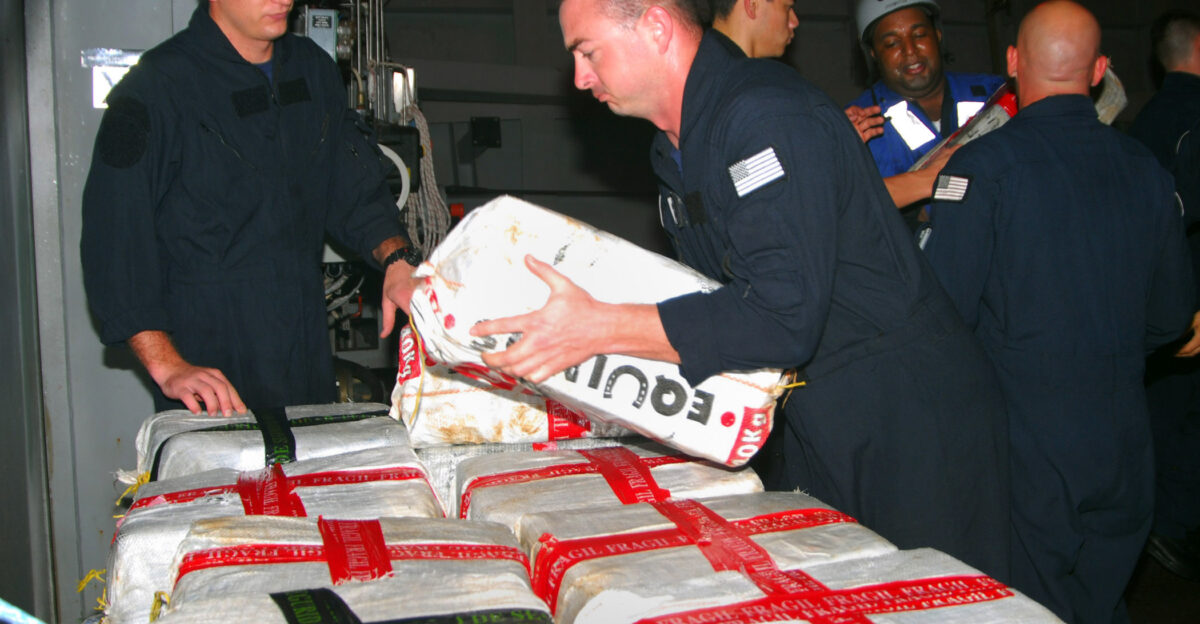
Officially, Washington labels this massive buildup a “counter-narcotics mission” led by U.S. Southern Command. Yet, the assets deployed—destroyers, carriers, and over a dozen warships—far exceed the requirements for chasing drug runners.
Analysts suggest this is a “soft blockade” disguised as law enforcement, designed to strangle the Maduro regime’s finances without technically declaring an act of war.
Maduro’s 5,000 Missile Warning

President Maduro hasn’t stayed silent. In a defiant broadcast, he claimed Venezuela possesses “more than 5,000” Russian-made Igla-S surface-to-air missiles, deployed “from the last mountain to the last city”. These shoulder-fired weapons pose a lethal threat to low-flying aircraft and helicopters.
While CNN could not verify the exact count, military experts confirm Caracas holds a vast stockpile of Russian hardware, making any potential kinetic conflict a dangerous gamble for US forces.
Panic Behind the Palace Walls
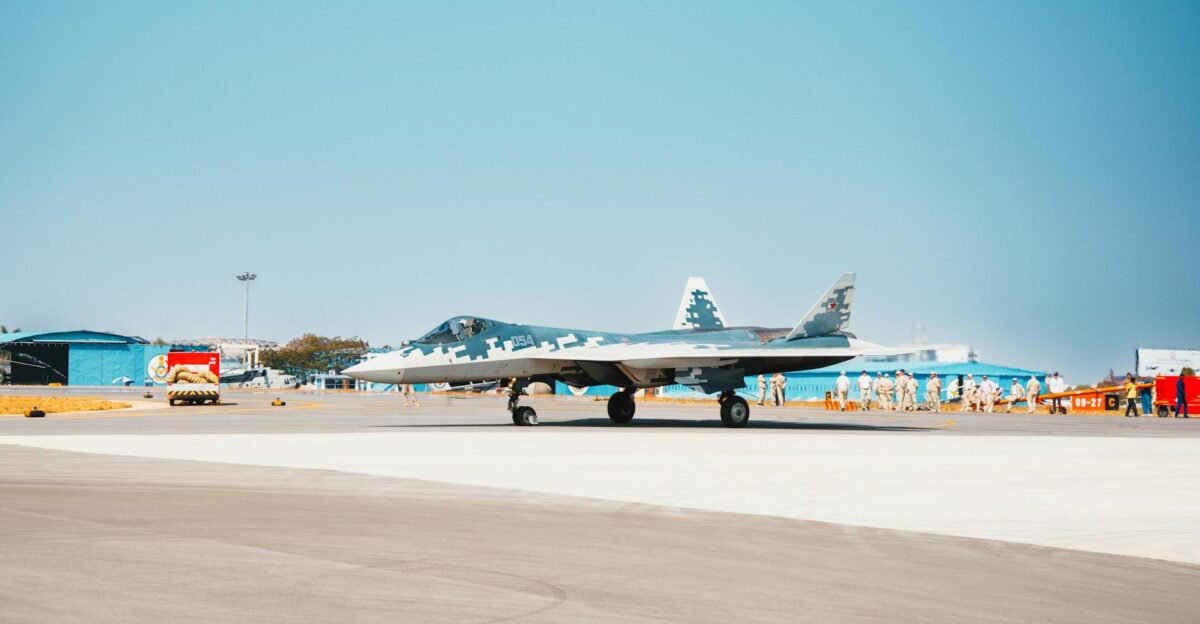
Despite the bravado, internal cracks are beginning to show. Leaked intelligence reveals that Maduro recently dispatched his transportation minister to Moscow with a handwritten plea for help. The regime is urgently requesting repairs for its Sukhoi fighter jets and upgrades to its air-defense radar systems.
This scramble for military parts suggests Maduro fears his aging arsenal may not withstand a confrontation with the American firepower now massing on his horizon.
“Daily and Permanent Communication”
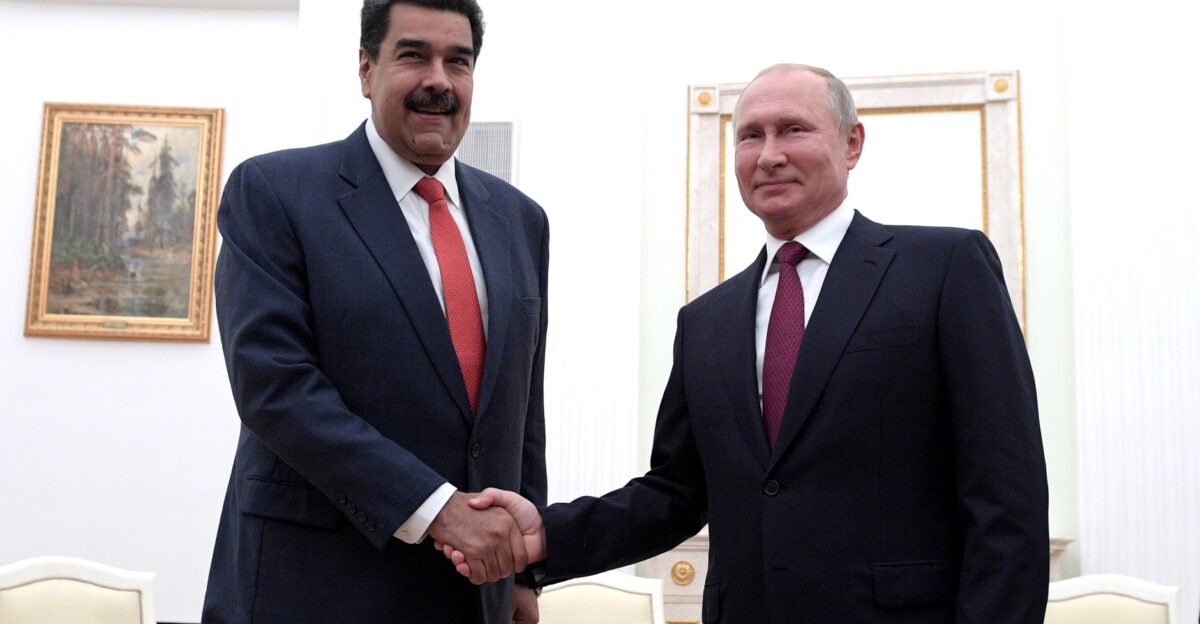
Maduro is working hard to project an image of ironclad alliances. “We maintain daily and permanent communication with Russia,” he declared in November, describing the relationship as one of “equality, respect, and cooperation”. This public reassurance is critical for his survival.
By emphasizing his direct line to the Kremlin, Maduro hopes to convince both his internal military rivals and Washington that an attack on Venezuela is an attack on Russian interests.
The Kremlin’s Contractual Obligations
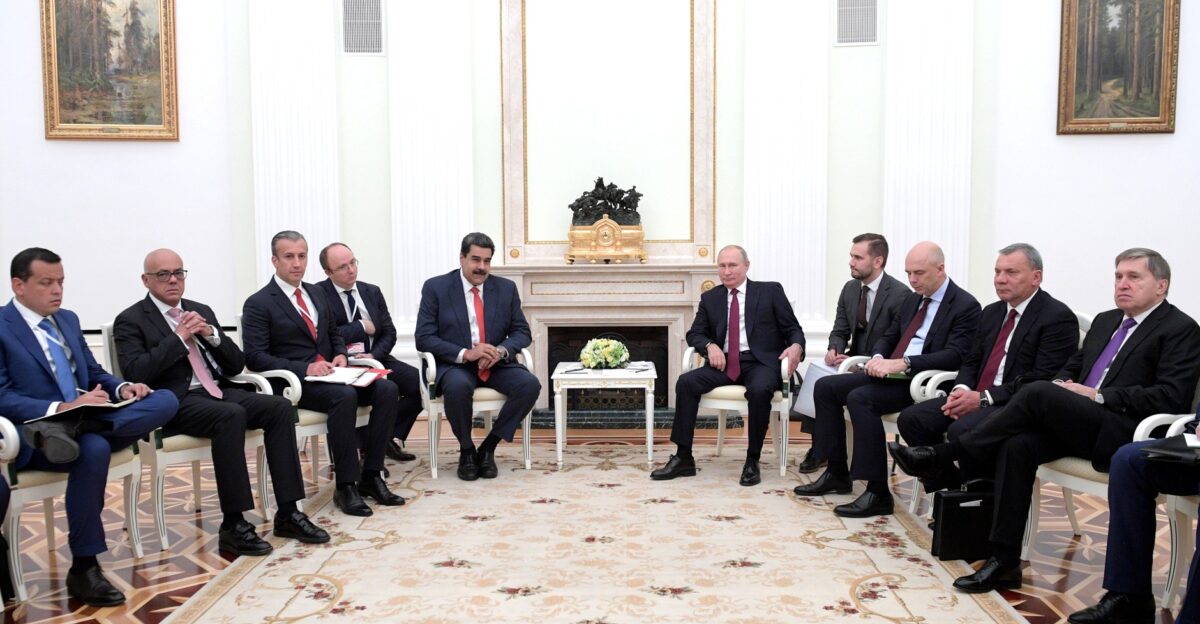
Moscow responded with diplomatic caution. Kremlin spokesperson Dmitry Peskov confirmed they remain in contact with their “friends in Venezuela,” citing ongoing “contractual obligations”. It’s a carefully chosen phrase—implying a commitment to deliver fuel and maintenance without explicitly promising military intervention.
Russia’s resources are already stretched thin by the war in Ukraine, raising doubts about how much tangible support Putin can actually spare for his Caribbean ally in a crisis.
A $300 Million Critical Dependency

The economic math is brutal. Venezuela requires an estimated $150 to $300 million worth of naphtha annually to keep its oil flowing. If the US Navy permanently severs this supply chain, the regime loses the ability to export its heavy crude, potentially wiping out $2 billion to $4 billion in annual revenue.
The Seahorse isn’t just carrying fuel; it’s carrying the payroll for the Venezuelan military and the government’s survival fund.
The Tanker That Went Nowhere

For over 12 days, the Seahorse has sat idle in the central Caribbean, a floating symbol of the stalemate. Tracking data shows the vessel drifting aimlessly, unable to proceed to port yet unwilling to abandon its mission. This paralysis incurs costs every hour and undermines Moscow’s logistics network.
The inability to force the delivery past a single US destroyer exposes the fragility of the entire “shadow fleet” operation in the face of determined naval power.
Echoes of a New Cold War
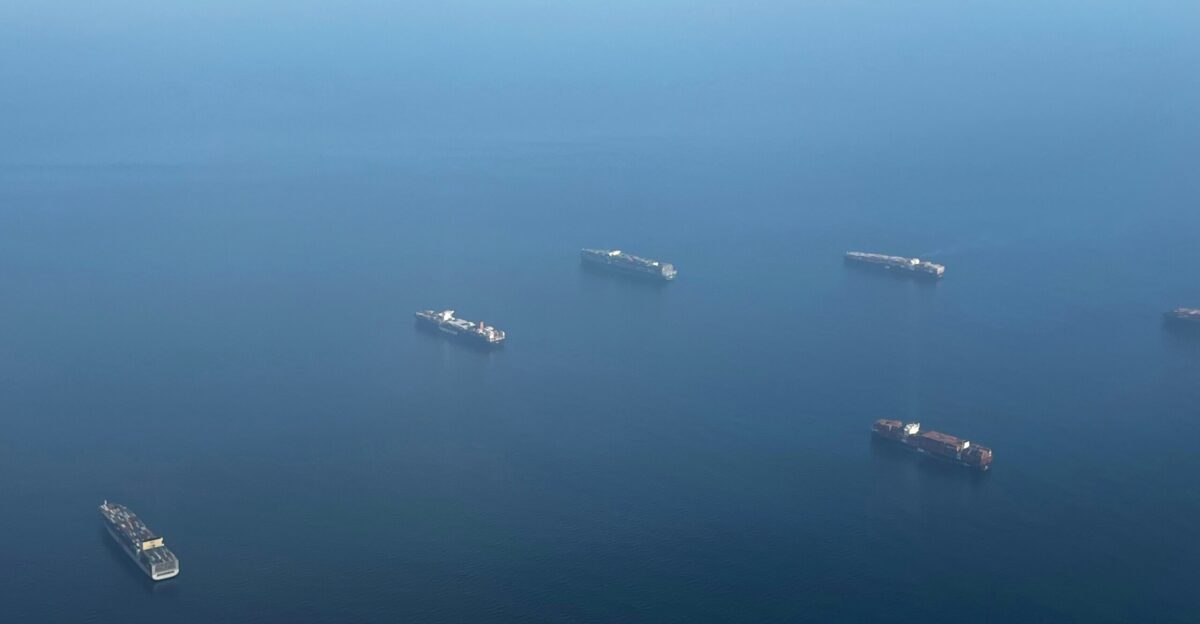
History is rhyming with a vengeance. The current standoff recalls the 1902 naval blockade of Venezuela, but with modern stakes. The Caribbean, long considered America’s vacation backyard, has evolved into a flashpoint between nuclear superpowers.
With Russian military advisors on the ground and American carrier groups off the coast, the region has become a chessboard where a single miscalculation by a captain or pilot could trigger a much wider conflict.
The Legal Gray Zone
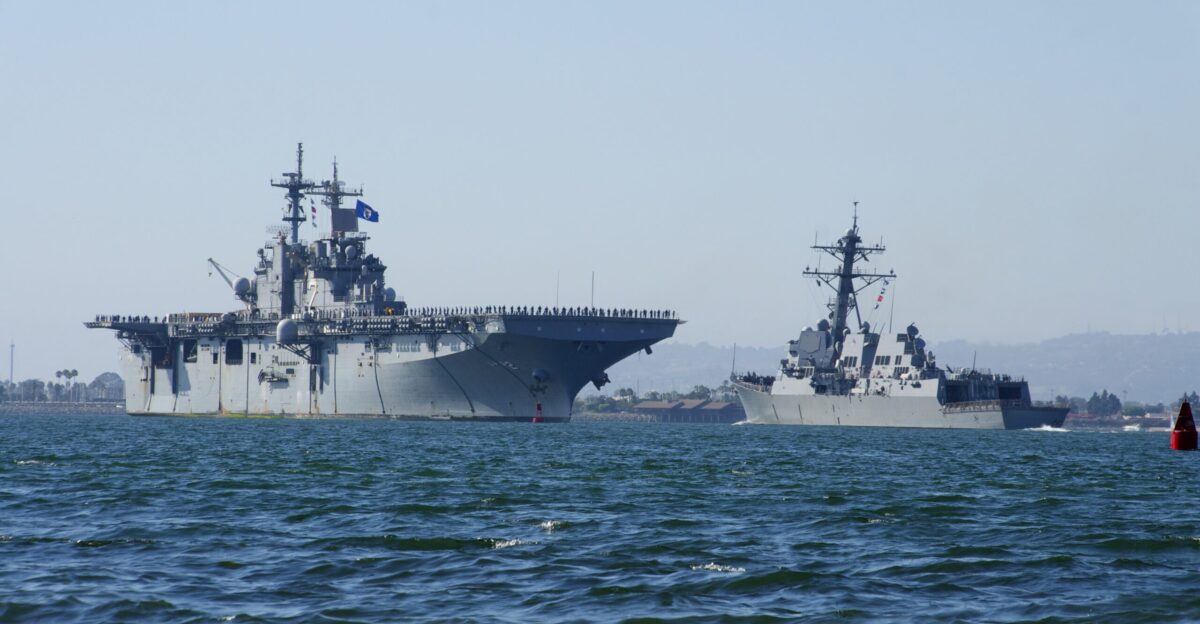
Washington is operating in a masterful legal gray zone. By not declaring a formal blockade, the US avoids an act of war. Instead, destroyers like the Stockdale use “freedom of navigation” maneuvers to crowd adversaries out of shipping lanes. It is a physical obstruction without kinetic engagement.
This strategy forces Russia to either escalate militarily—a risk they likely cannot afford—or accept the humiliation of their supply lines being dictated by the US Navy.
The Staring Contest Continues
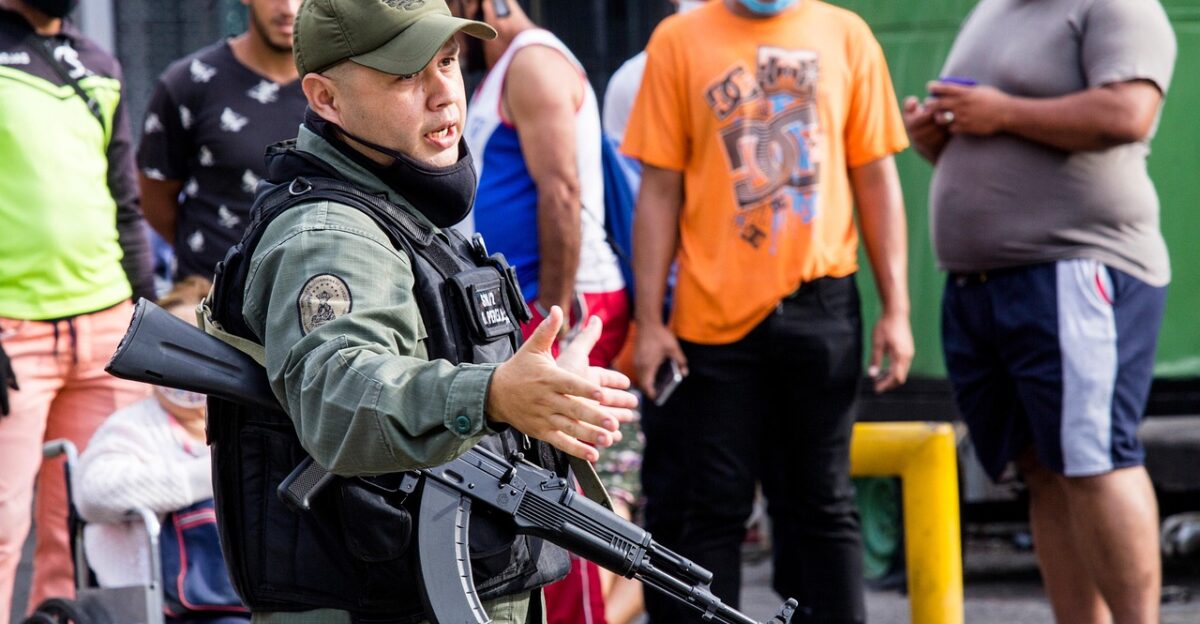
As December marches on, the region holds its breath. The USS Gerald R. Ford looms offshore, the Seahorse drifts in limbo, and the Venezuelan military remains on high alert. The next move belongs to Moscow: send a naval escort and risk a firefight, or abandon the delivery and watch their ally’s economy suffocate.
For now, the most powerful navy in the world has effectively turned a fuel additive into the ultimate geopolitical weapon.
Sources
US Navy.mil (Gerald R. Ford CSG Caribbean deployment)
Reuters (US naval deployment/Venezuela oil trade)
Lloyd’s List (Russia-Venezuela naphtha trade analysis)
Maritime Executive (USS Stockdale/Seahorse tanker tracking data)
CNN (Maduro Igla‑S missile claims coverage)
Kharon (Russian shadow fleet sanctions intelligence)