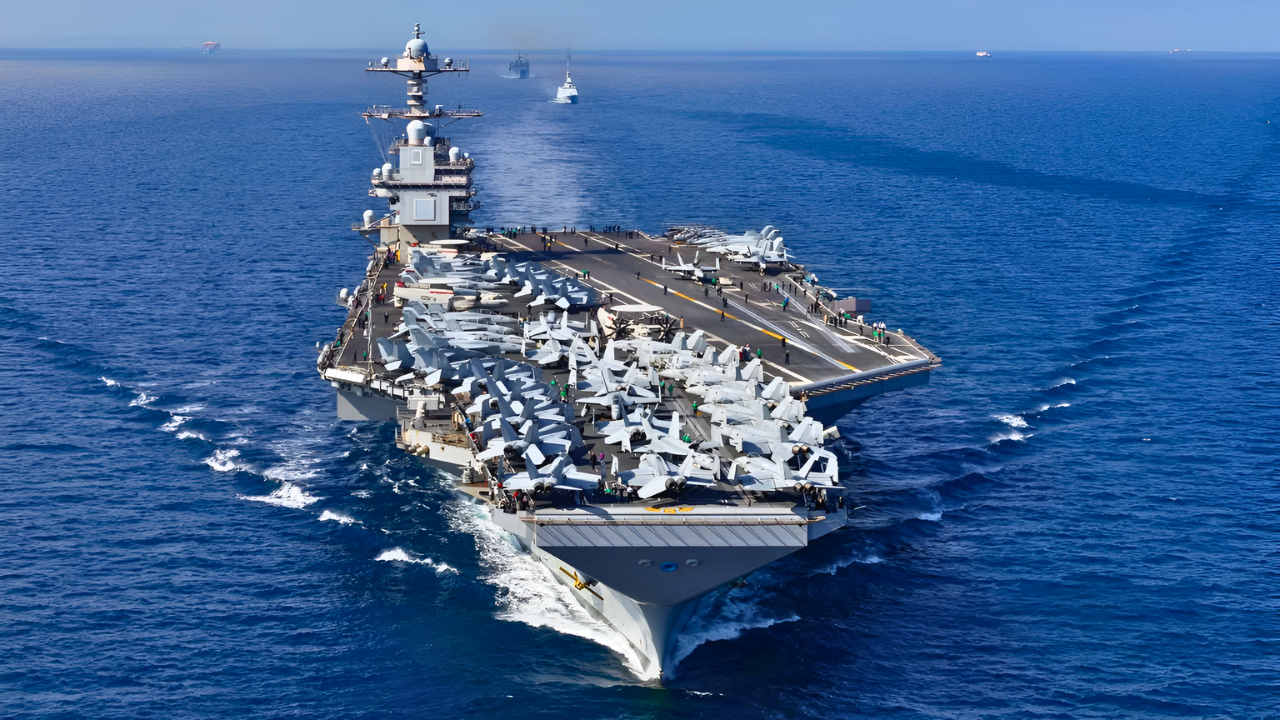
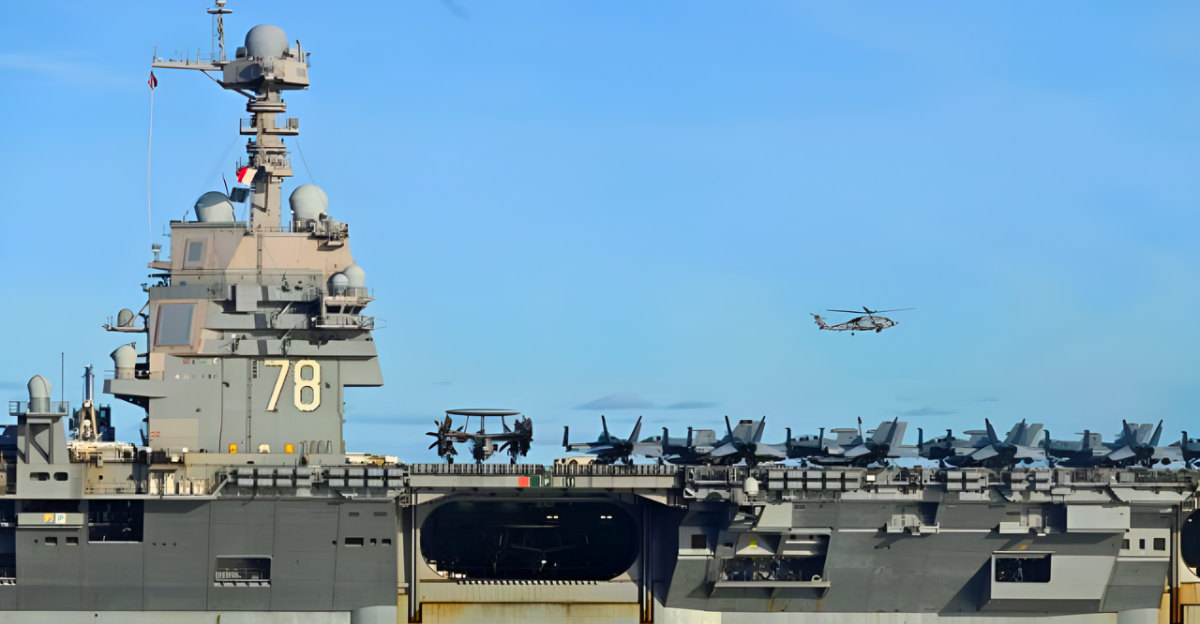
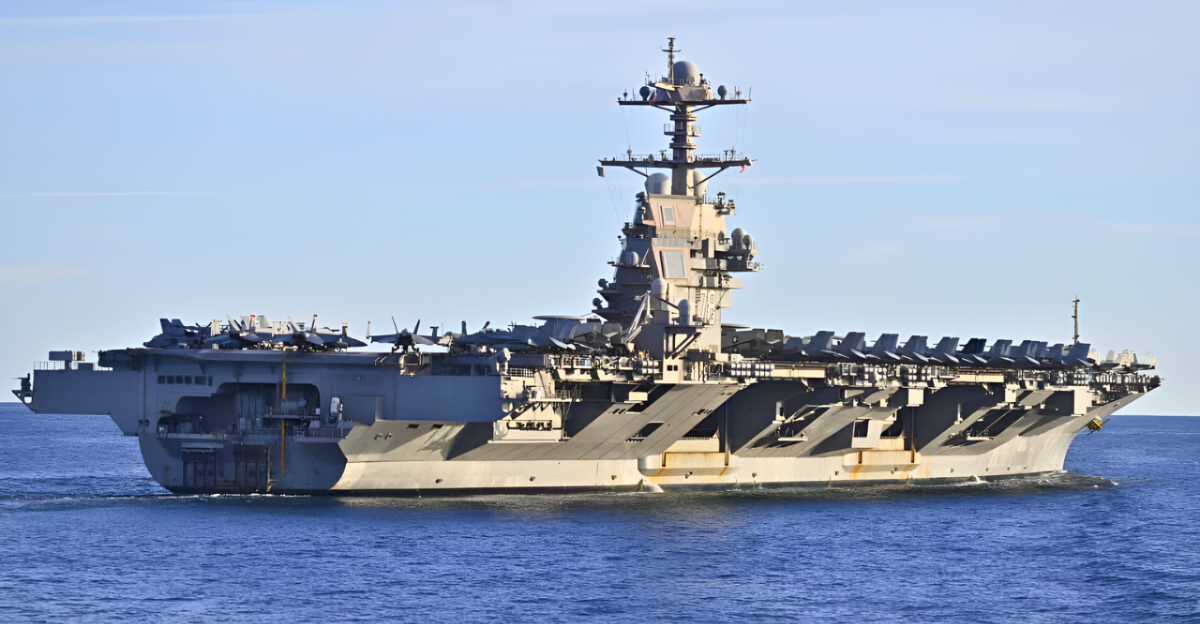
The United States is sending its largest aircraft carrier, the USS Gerald R. Ford, to Latin America following 14 strikes on suspected drug-smuggling vessels that killed 61 people since late August 2025. Nearly 15,000 troops are now in the region—a 50% surge in days, raising urgent legal and safety questions.
The Ford’s arrival could transform U.S. counternarcotics operations—but at what cost?
Stakes Rising With USS Gerald R. Ford
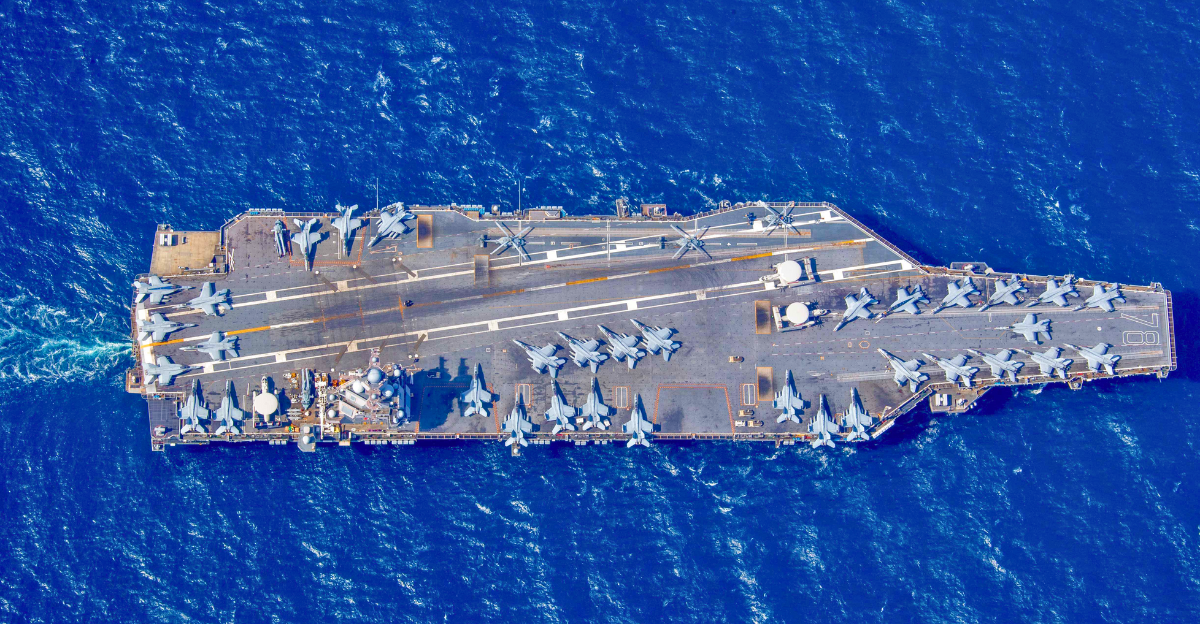
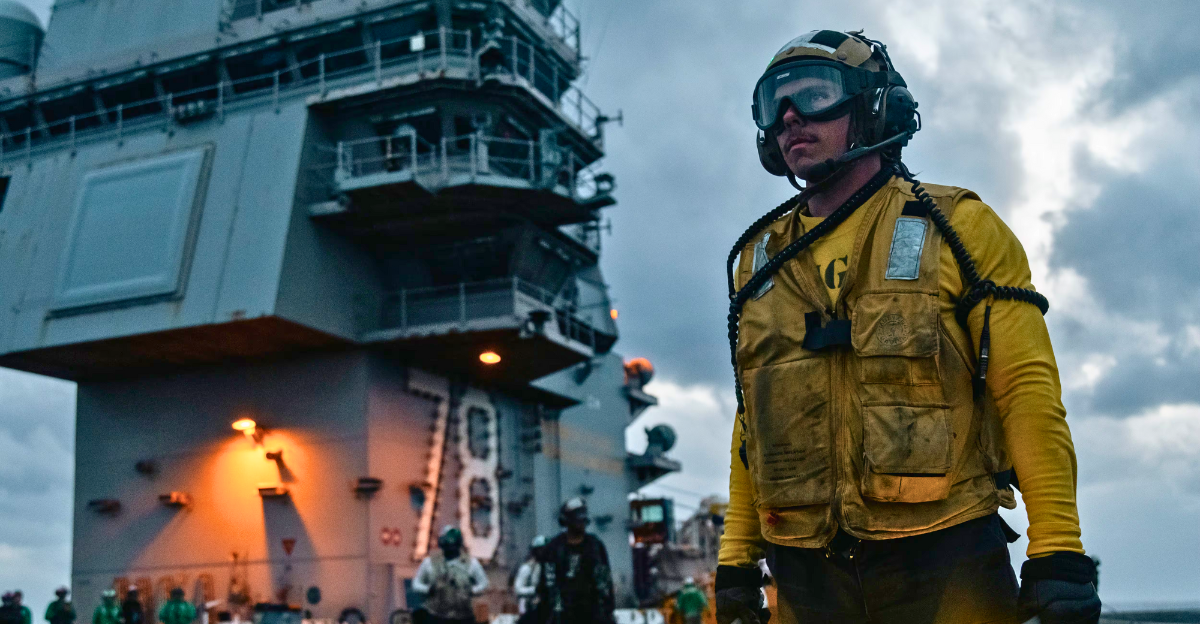
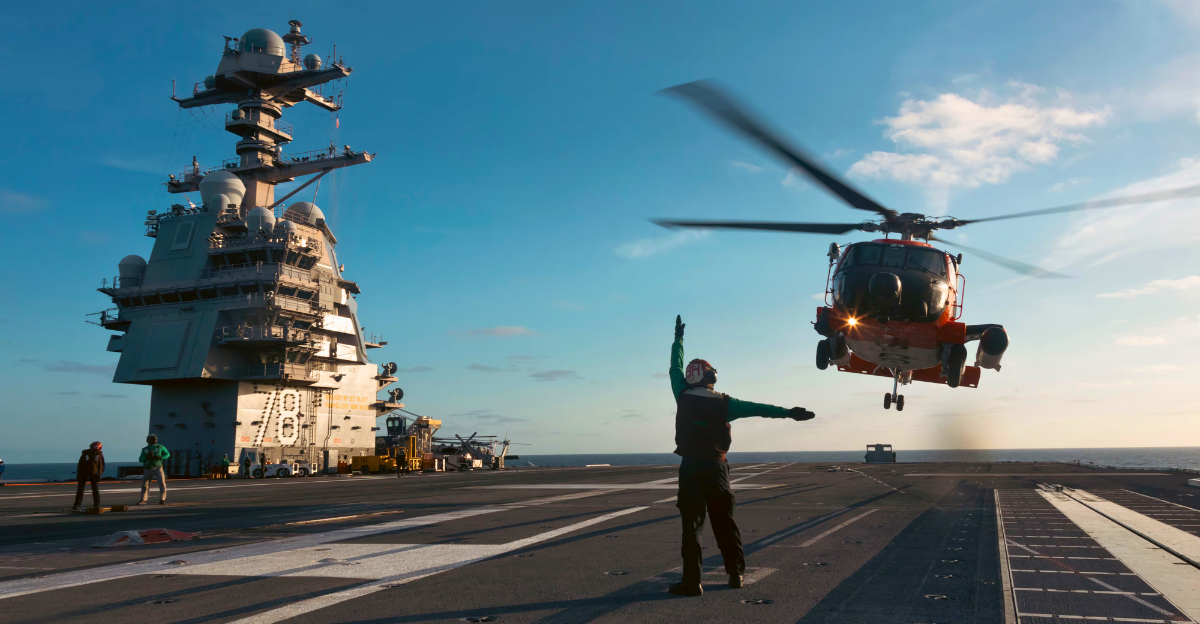
Secretary of War Pete Hegseth announced the Ford’s deployment on October 24, 2025. The nuclear-powered carrier departed Croatia on October 26, carrying 5,000 sailors and 75+ combat aircraft to join 10,000 troops already in the Caribbean.
With 61 deaths across 14 strikes, legal experts warn some attacks may violate international law.
Unprecedented Military Presence
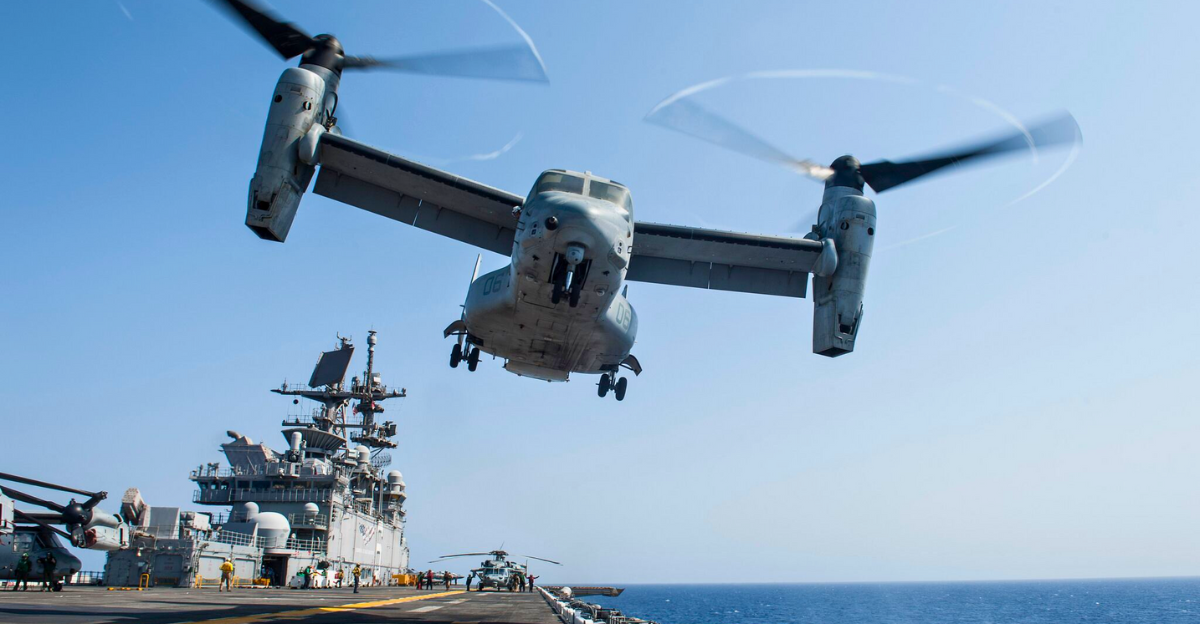
Retired Admiral James Stavridis called the buildup “astonishing,” comparing it to the largest Caribbean deployment since 1989. Previous counternarcotics relied on Coast Guard cutters and joint patrols.
The Ford’s deployment signals a shift from interdiction to overt military operations against criminal actors—a tactic with no modern precedent. How far will this escalation go?
Conflicting Priorities
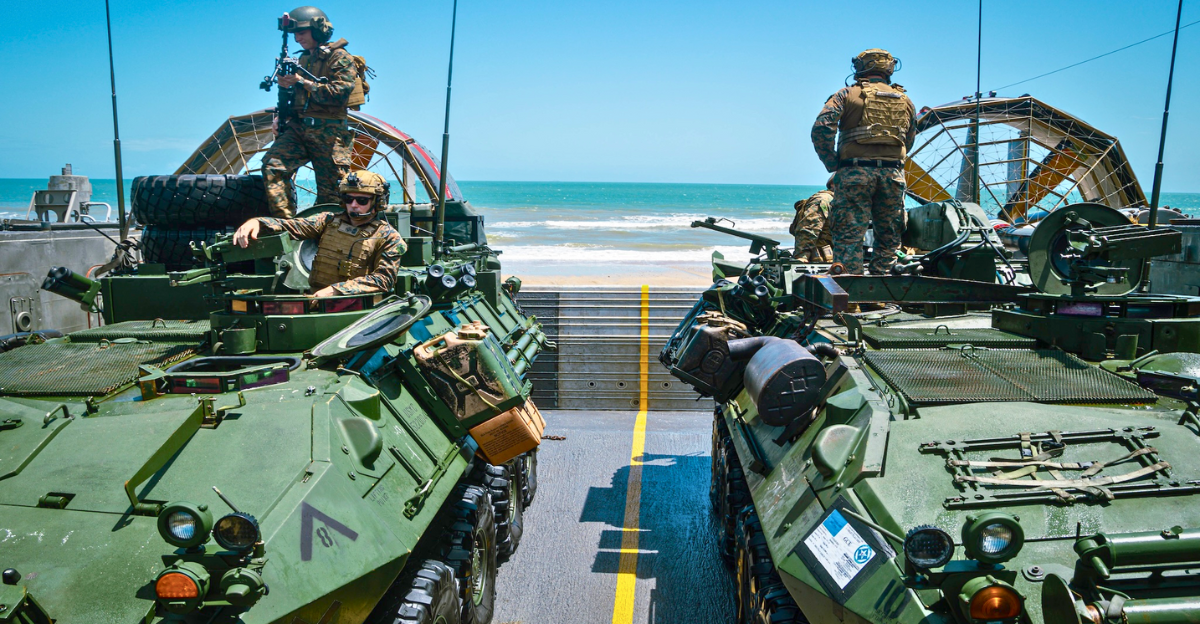
Since late August, U.S. forces have conducted fourteen strikes—eight in the Caribbean, six in the Eastern Pacific. The administration cites 80,000 American overdose deaths in 2024 as justification.
Critics point out that fentanyl from Mexico drives most deaths, while cocaine boats from South America are targeted. Can this campaign truly reduce U.S. overdoses?
$13 Billion Supercarrier Arrives
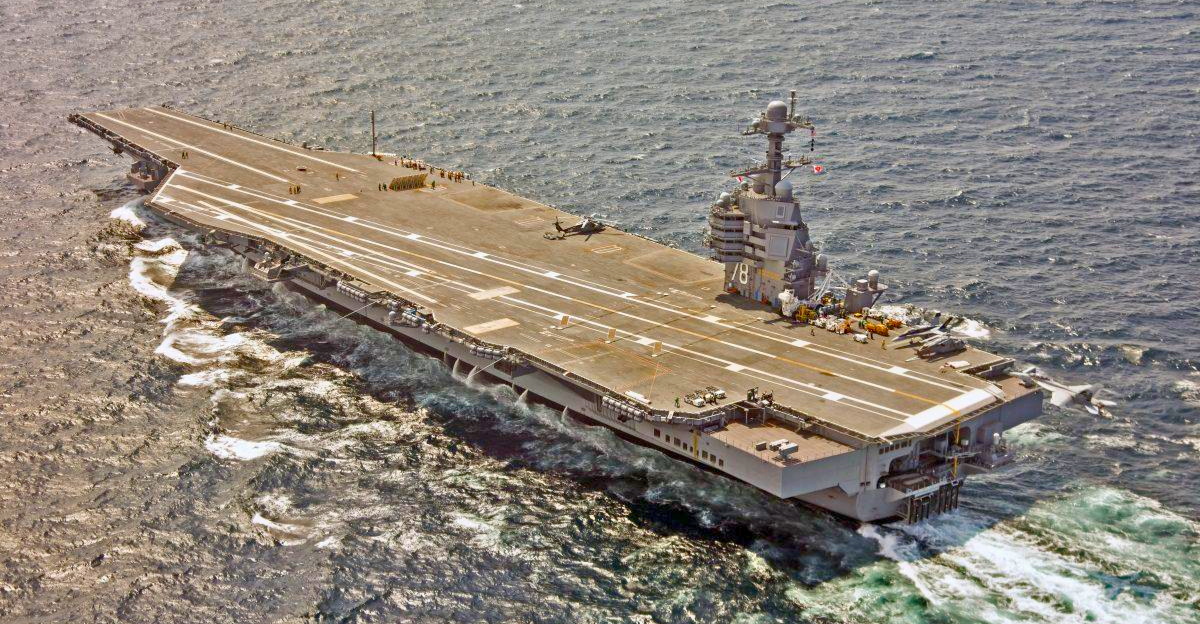
On October 24, 2025, Secretary Hegseth confirmed the Ford Carrier Strike Group, valued at $13 billion, is headed to Latin America. It includes three to five destroyers and Carrier Air Wing 8 with 75–90 aircraft.
This marks the largest U.S. naval deployment in decades, targeting so-called “narco-terrorist” groups.
Regional Power Shift
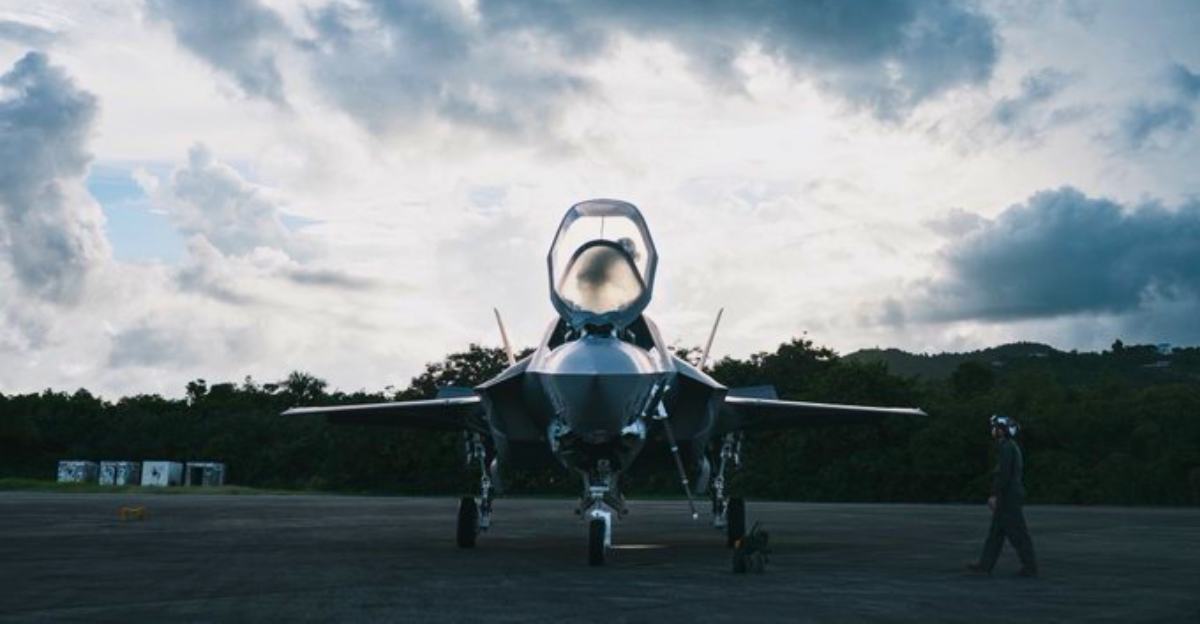
Military analysts call the Ford’s arrival “the most powerful combat group in the Caribbean.” F-35Bs in Puerto Rico and P-8 Poseidons expand surveillance over 2 million square miles.
Local governments worry about sovereignty violations and mounting casualties, averaging 4.3 per strike.
Human Toll Mounts
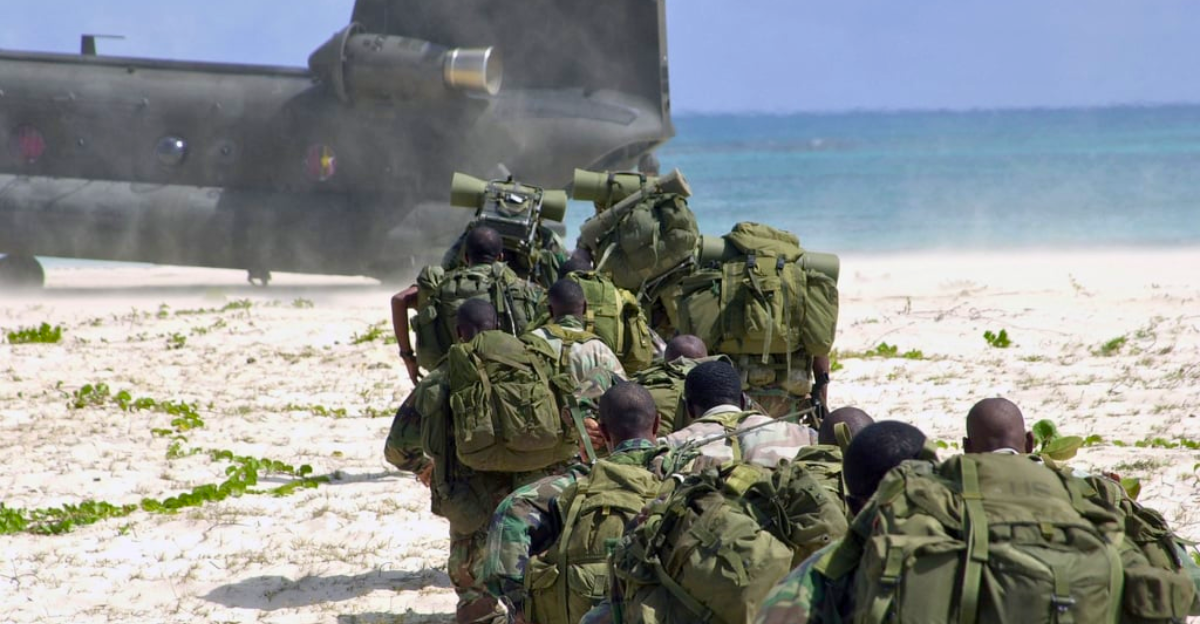
As of October 30, 2025, 61 people have died, including Colombian fishermen. The latest strike on October 29 killed four civilians. President Gustavo Petro condemned the attacks, notingthat the victims were not cartel members.
Widows like Alejandro Carranza’s insist their loved ones were innocent. Will accountability ever be enforced?
Regional Leaders Push Back
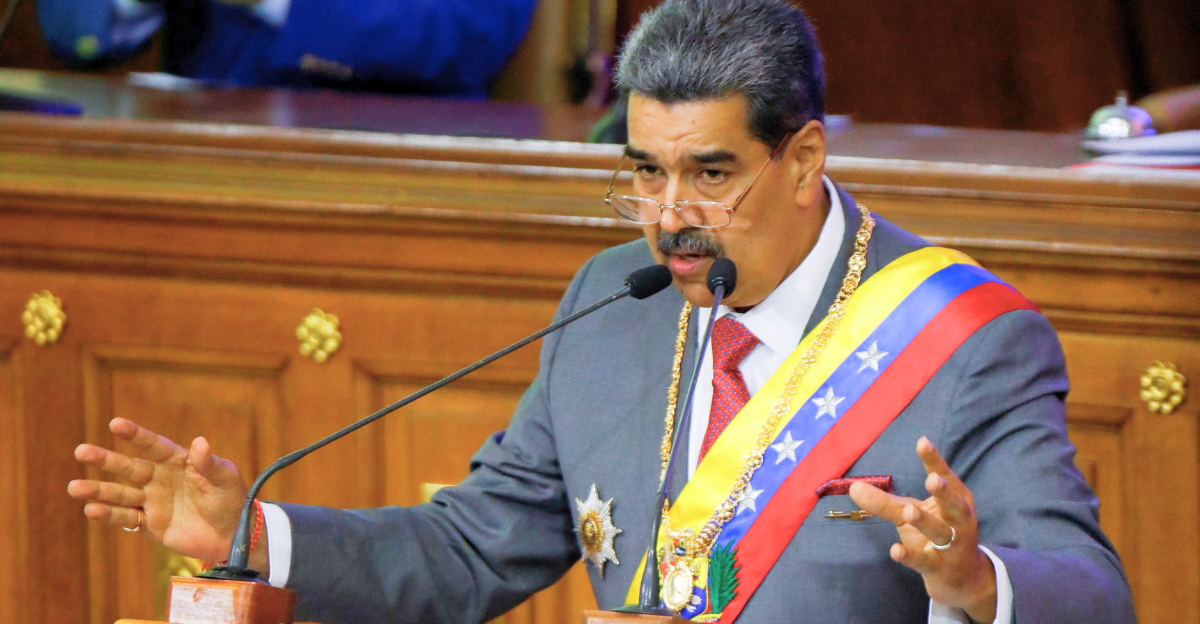
Venezuelan President Nicolás Maduro accuses the U.S. of “fabricating war” near his coast. CIA and State officials reportedly urge strikes on land-based drug facilities, raising war concerns.
Brazil, Colombia, and Trinidad express concerns about sovereignty. Europe and the Middle East lose carrier presence, highlighting a dramatic U.S. pivot.
Geopolitical Shift
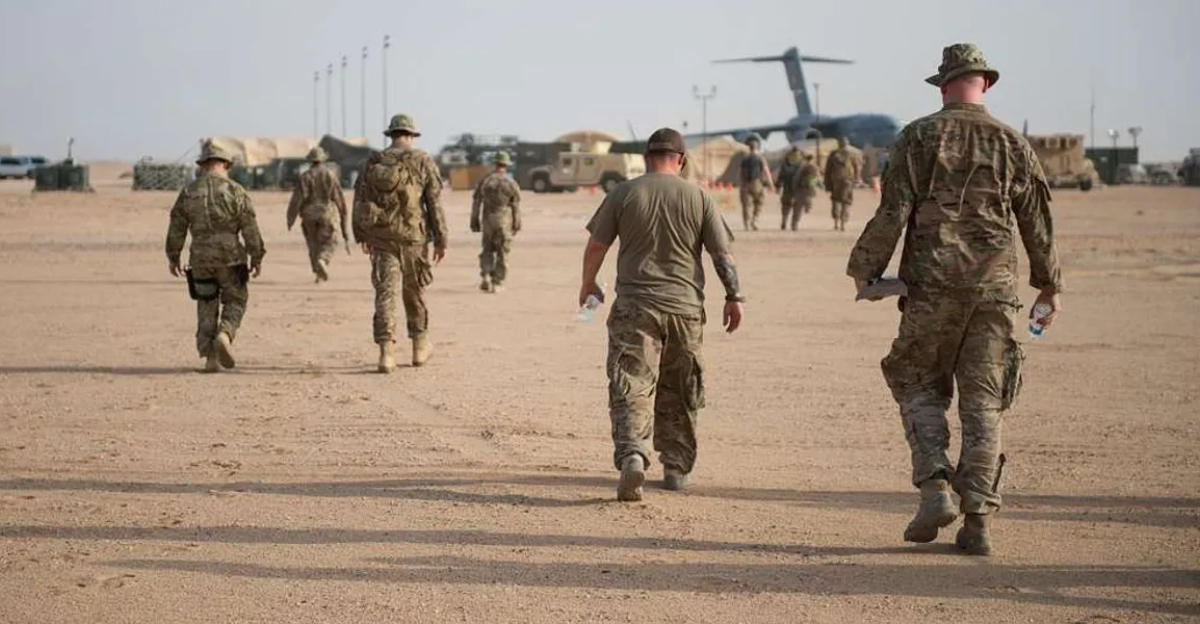
The Ford’s deployment prioritizes the Western Hemisphere over Middle East commitments. Cartels are treated as unlawful combatants, a novel U.S. doctrine.
Legal experts question this approach, given cartels are profit-driven.
Legal Black Hole
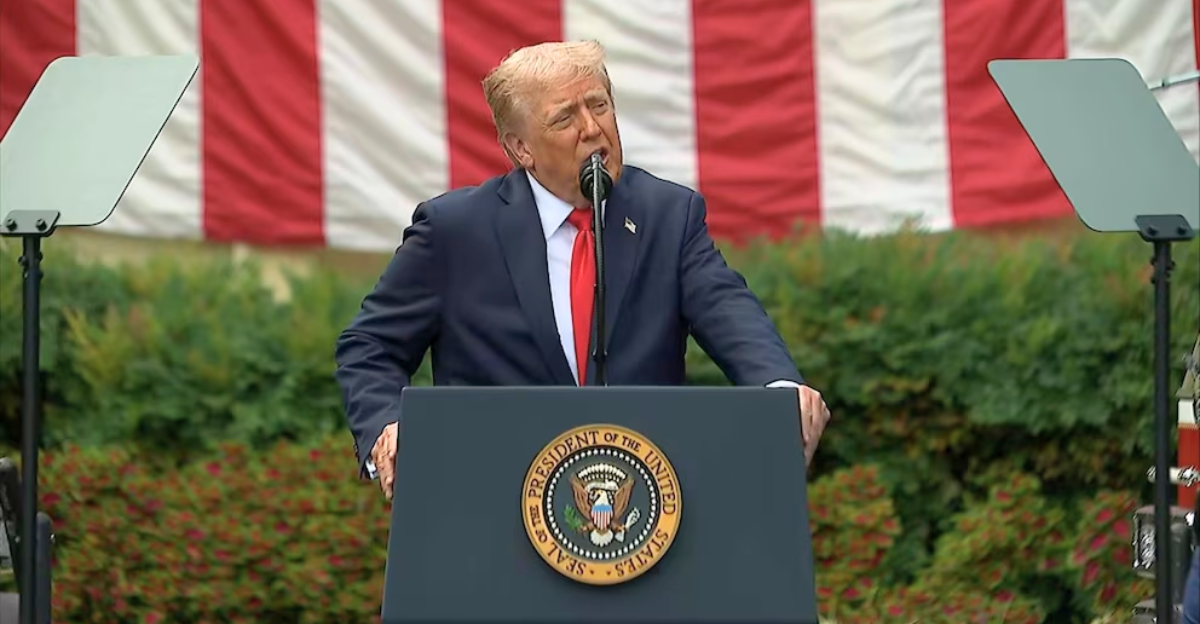
Trump invoked the post-9/11 AUMF to classify drug cartels as combatants, bypassing Congress. For the first time, suspected criminals are targeted without arrest or trial outside declared war zones.
Lawmakers question this precedent. Could executive overreach redefine limits on U.S. military power?
Internal Friction Grows
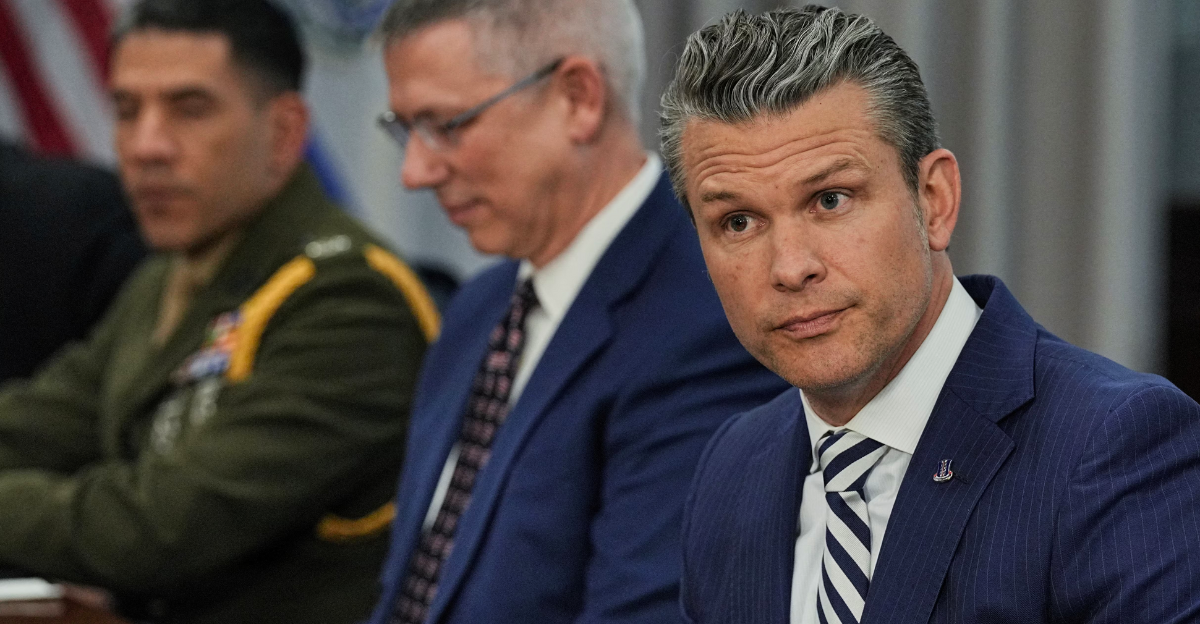
Pentagon officials privately question the campaign’s proportionality and the narcotics value of destroyed vessels. Some argue for precision operations over lethal strikes.
The October 27 attack killed 14 in one day, intensifying internal debate.
Executive Control Tightens
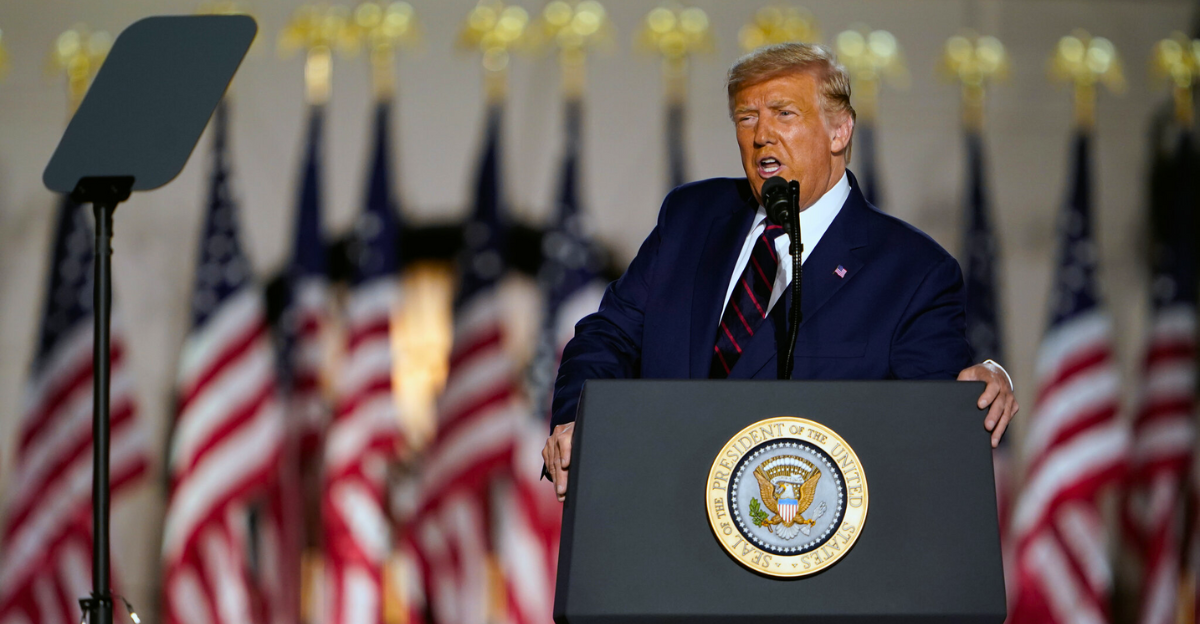
President Trump and Secretary Hegseth are personally commanding operations. Trump tweeted, “There are no more drug smuggling boats,” on October 28—before the military destroyed another vessel.
This hands-on approach raises constitutional concerns.
Overwhelming Strategic Plan
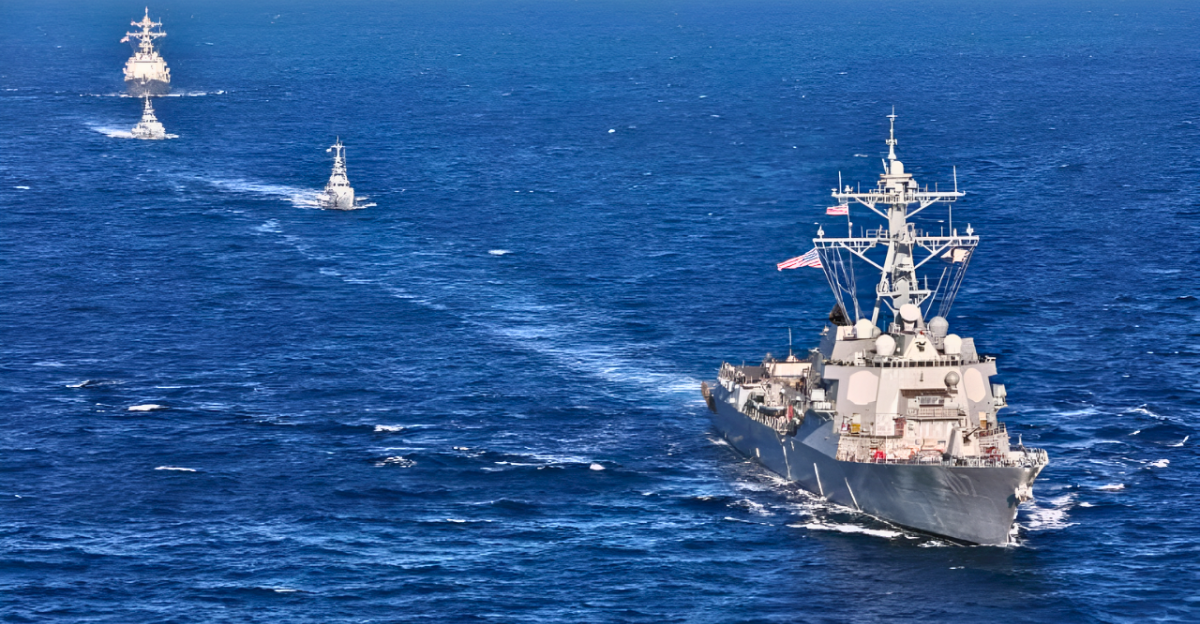
The U.S. aims to dismantle Tren de Aragua and other groups via naval dominance. Aircraft, destroyers, submarines, and F-35s create a 360-degree strike network.
Despite intense operations, coca production in Colombia and Venezuela continues.
Expert Outlook
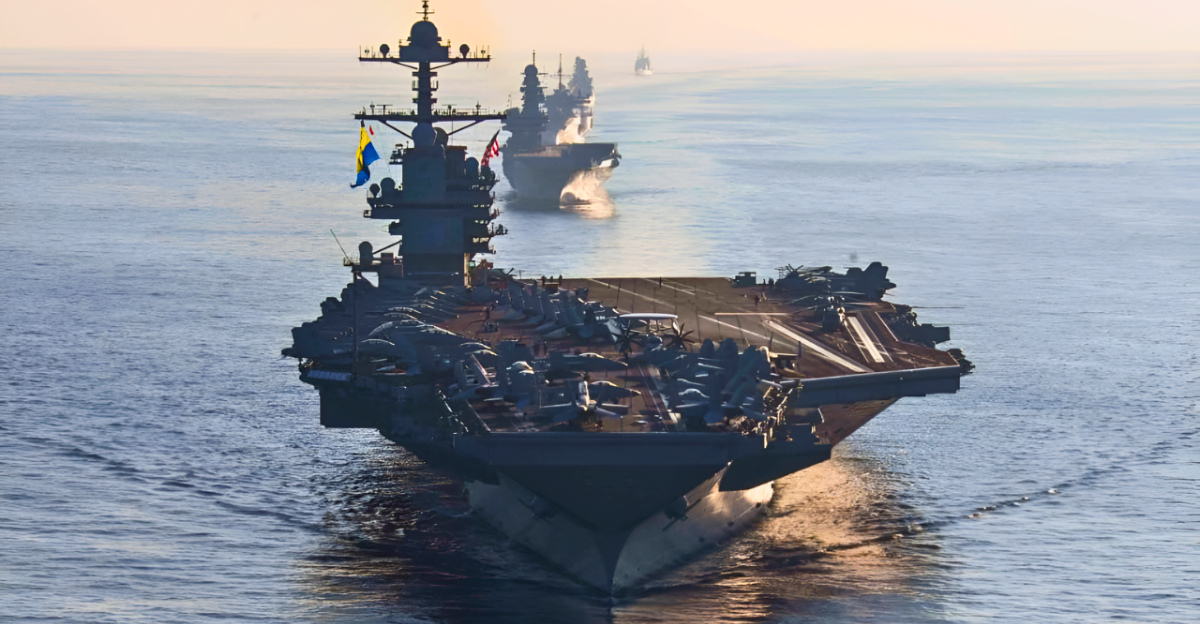
Analysts describe the Ford deployment as unprecedented, but warn it may escalate violence rather than prevent it. Destroyed boats do not address U.S. demand or Mexican fentanyl production.
For every boat destroyed, cartels replace it.
Looking Ahead
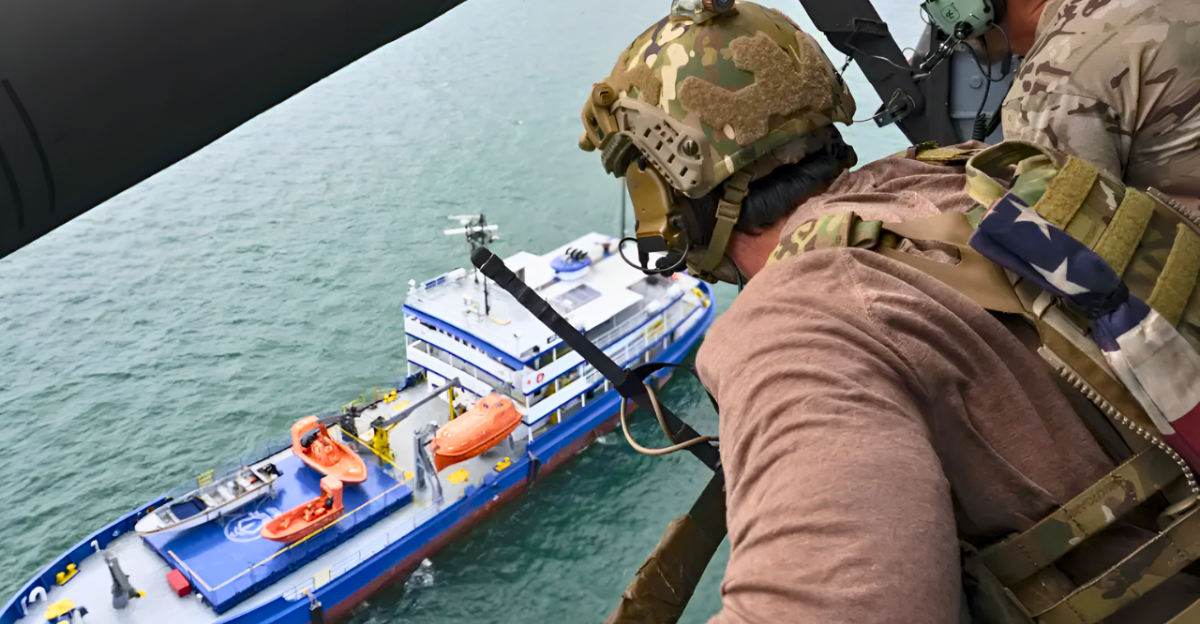
The Ford’s arrival raises questions about land strikes in Venezuela and the regional response. Success or fallout could reshape U.S.-Latin American relations for years.
At stake: the precedent allowing presidents to execute “combatants” without trial. What limits remain for executive military power?
Political Implications
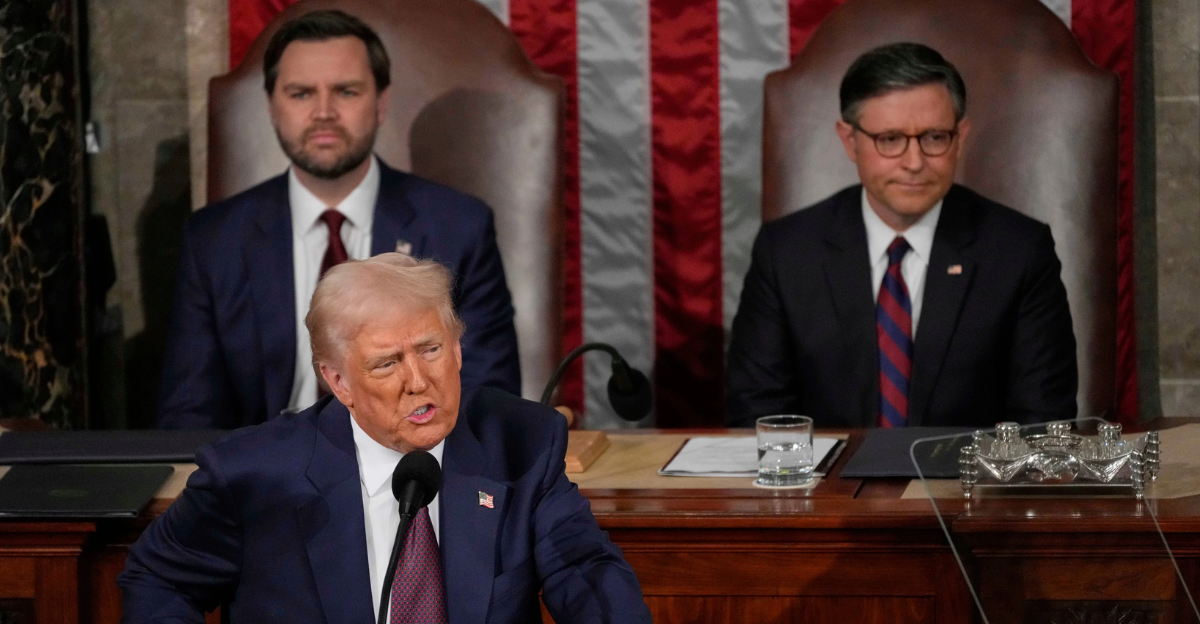
Congressional debate intensifies over executive authority and undeclared military action. Allies worry about oversight, while the administration cites AUMF powers.
No lawmaker authorized killing suspected traffickers abroad.
International Ripple Effects
Neighboring countries are reassessing security. Venezuela feels encircled, Colombia protests, Brazil worries about sovereignty, and Trinidad hosts U.S. warships. Alliances and rivalries shift as nations weigh deterrence versus overreach.
Will regional diplomacy survive this unprecedented surge in U.S. military power?
Legal and Environmental Concerns
Human rights groups warn strikes may breach the Geneva Conventions. Environmentalists fear marine damage from the destruction of vessels. Domestic arrests contrast with extrajudicial foreign killings.
The ecological and legal fallout remains uncertain.
Changing Norms in Policy
Lethal force is replacing traditional law enforcement. Public opinion divides between tough measures and civil liberties concerns. Precedents now threaten domestic and international rights.
This campaign demonstrates warfare without borders or oversight. How will future presidents interpret these powers?
Broader Reflection
The Ford deployment marks a turning point in U.S.-Latin American relations and the exercise of executive military power. With 61 deaths and no oversight, 250–300 could die annually.
In a democracy governed by law, can a president wage undeclared war and execute suspects without trial? The Ford may carry the future of constitutional limits.