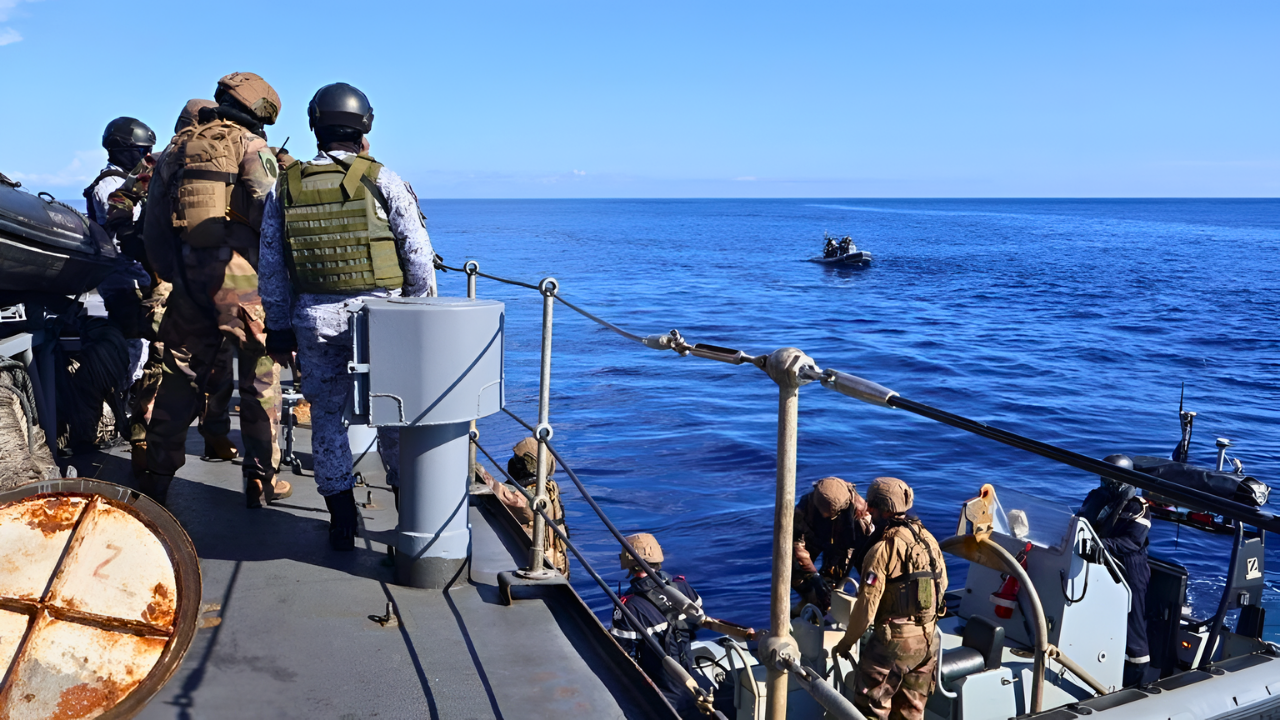
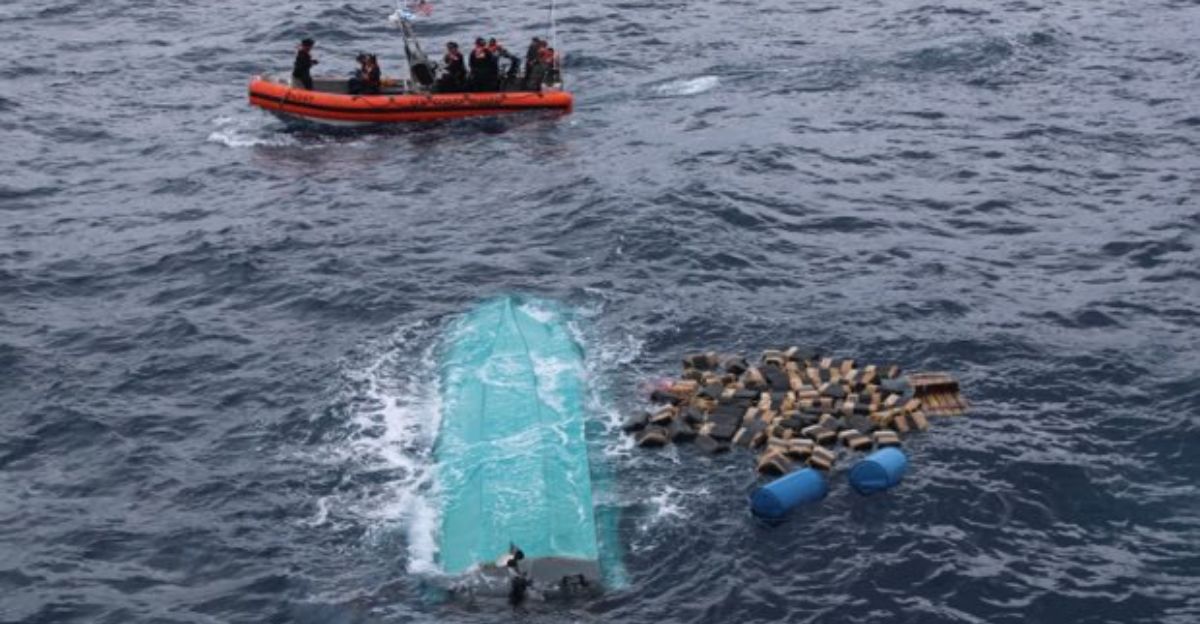
In the wide Eastern Pacific Ocean, where fast speedboats loaded with cocaine race through international waters, U.S. Coast Guard planes fired warning shots and then aimed at boat engines to stop three vessels that would not pull over. This action was part of Operation Pacific Viper, which resulted in the seizure of 27,000 pounds of drugs and 12 arrests. The operation shows the Coast Guard’s strong effort to block cartel smuggling paths.
Launched in August 2025, Operation Pacific Viper sent out Coast Guard cutters, aircraft, and special teams to cut off cocaine shipments from Central and South America heading to the United States. The Eastern Pacific is the world’s most active route for drugs carried by sea, and the cutters have been seizing tons of cocaine on each patrol.
Since it started, the operation has captured more than 150,000 pounds of drugs, which accounts for about 80% of the narcotics heading to the U.S. by water. These seizures have cost the cartels over $1.1 billion in lost money, funds they use to support other crimes. The Coast Guard uses long-standing legal powers for these stops: aircraft give warnings first, followed by accurate shots at engines, but never at people, to make the boats stop safely.
Record-Breaking Drug Hauls
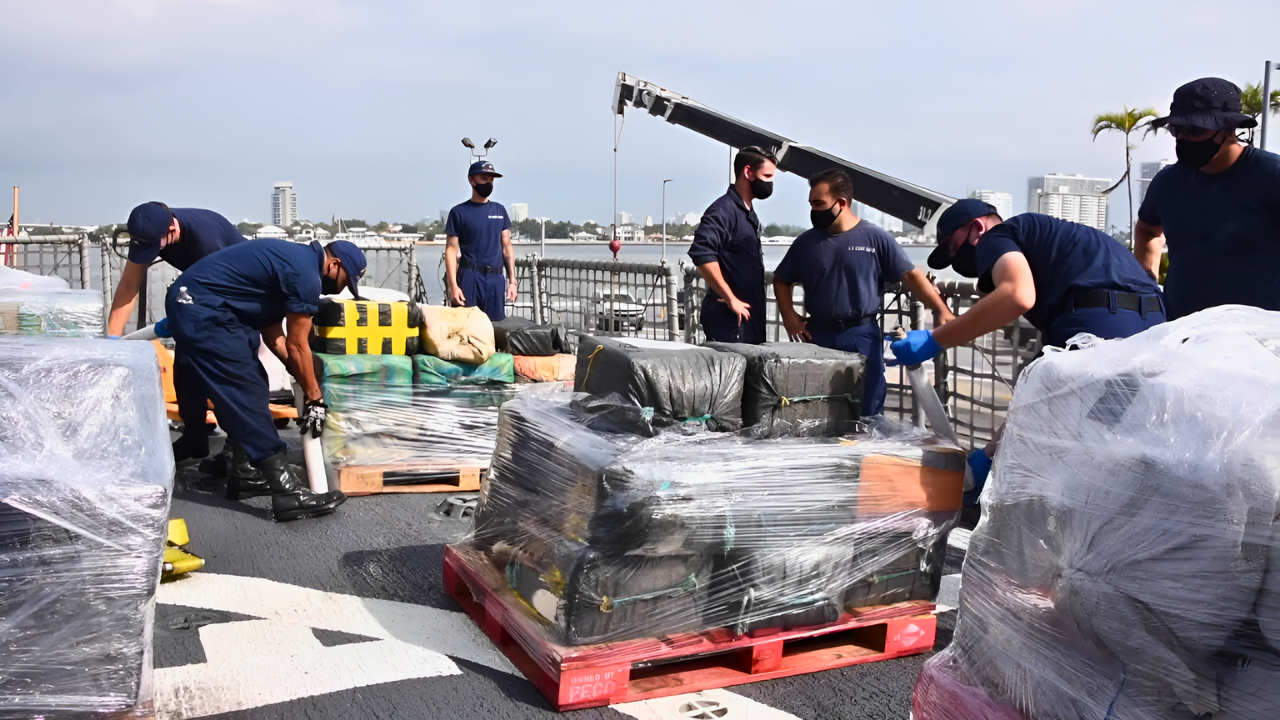
One key success happened on December 2, when the Coast Guard Cutter Munro, with help from aircrews, stopped a speedboat that refused to slow down. That boat held more than 20,000 pounds of cocaine, the largest amount taken from a single vessel since March 2007.
The drugs were moved to the Cutter Active and later unloaded in San Diego, bringing the total for this action to 27,000 pounds. In November, the Cutter Stone offloaded 49,010 pounds from 15 separate stops during one patrol, the biggest cocaine haul ever from a single Coast Guard cutter patrol. The Cutter James seized 19,819 pounds over four actions in just 10 days, including 9,581 pounds on November 15, 3,225 pounds on November 23, and 7,055 pounds from two stops on November 25 with the Active.
These large seizures highlight the operation’s impact in a region where cartels push huge volumes of drugs toward American shores.
Focus on West Coast Smuggling
The cocaine seized in these operations was aimed at U.S. markets, especially ports on the West Coast like San Diego, which serves as a main unloading point. Stopping the boats at sea keeps the drugs from reaching land and spreading inland, forcing cartels to change their plans.
Since August, Operation Pacific Viper has led to 34 boat stops and 86 arrests overall. In this latest round, three boats were stopped, and 12 suspects now face federal charges. Officials call the boat crews “suspected narcoterrorists” because drug money helps fund violence. The Joint Interagency Task Force-South helps spot these boats by combining military and police intelligence.
By targeting the West Coast routes early, the Coast Guard disrupts the supply chain before it reaches cities and communities.
Crew Tactics and Ongoing Fight
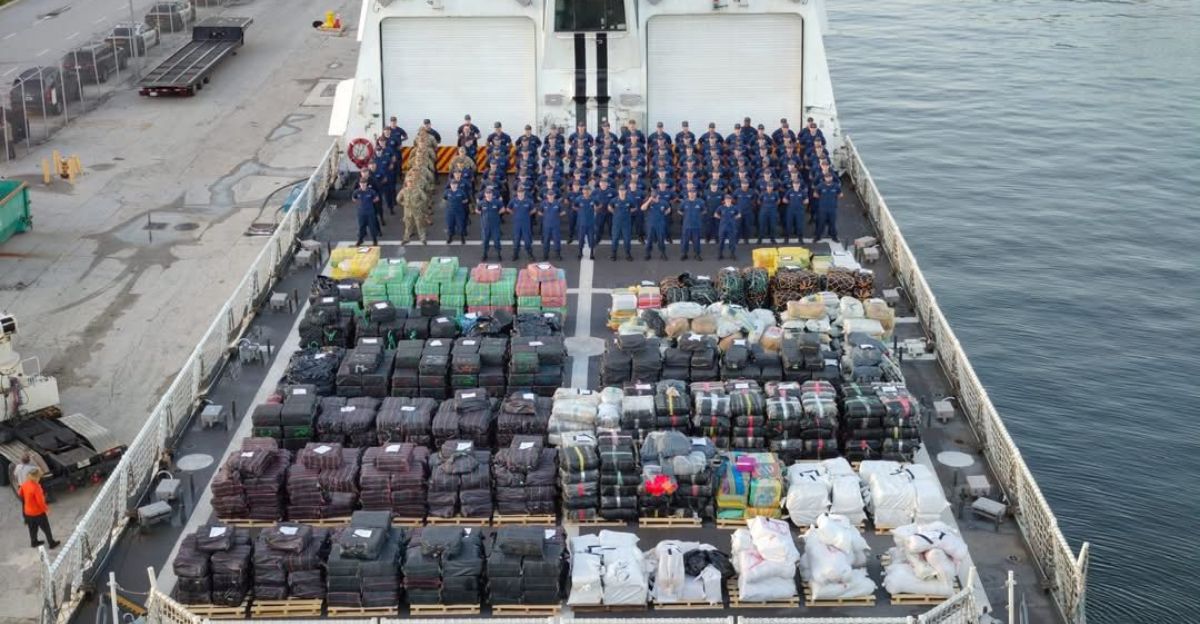
Coast Guard crews traveled thousands of miles on long patrols, showing great determination. Cmdr. Earl Potter praised the Cutter Active team for their smart ideas and endurance. Rear Adm. Jeffrey Novak backed the use of disabling fire: warnings come first, then careful shots only if boats keep going.
This method has been in use for years to avoid dangerous high-speed chases or boardings. Fans of the tactic point to improved safety, while critics worry it could lead to more tension in crowded waters. The operation involves over 220 cutters and 185 aircraft, marking one of the Coast Guard’s biggest recent efforts.
DHS Secretary Kristi Noem supported the push to break up cartel operations. Acting Commandant Adm. Kevin Lunday said, “We own the sea.” Rear Adm. Novak oversees Pacific Area work, emphasizing control of the ocean. Meanwhile, the Trump administration has allowed deadly force against some drug boats since September, leading to deaths and legal questions, but the Coast Guard sticks to arrests and seizures.
Experts say cartels quickly adjust by changing routes, boats, and tricks, even as enforcement budgets stay limited. Novak noted, “We’re already working toward the next milestone.” With 150,000 pounds seized and supply lines damaged, Pacific Viper gains ground. Still, smugglers keep coming with speed and big loads. As disabling shots, court cases, and other measures continue, officials wonder if steady pressure will shut down these paths for good or just push cartels to get smarter.
Sources:
U.S. Coast Guard (Official Press Release) — “Coast Guard seizes 150,000 pounds of cocaine through Operation Pacific Viper” (December 8, 2025)
CBS News — “20,000-pound cocaine seizure by Coast Guard breaks 18-year-old record” (December 6, 2025)
Homeland Security Today — “Coast Guard Cutter Stone Logs Largest Single-Patrol Cocaine Seizure by Any Coast Guard Cutter” (November 19, 2025)
Defense Visual Information Distribution Service (DVIDS) — “U.S. Coast Guard Cutter Active returns home following counterdrug patrol; $413M cocaine seized” (December 18, 2025)
Stars and Stripes — “Coast Guard cutter offloads more than $362 million worth of narcotics at Port Everglades” (November 20, 2025)