In November 2025, the U.S. infant formula industry faced an unprecedented crisis when ByHeart, a small but fast-growing brand, became the focus of a nationwide recall.
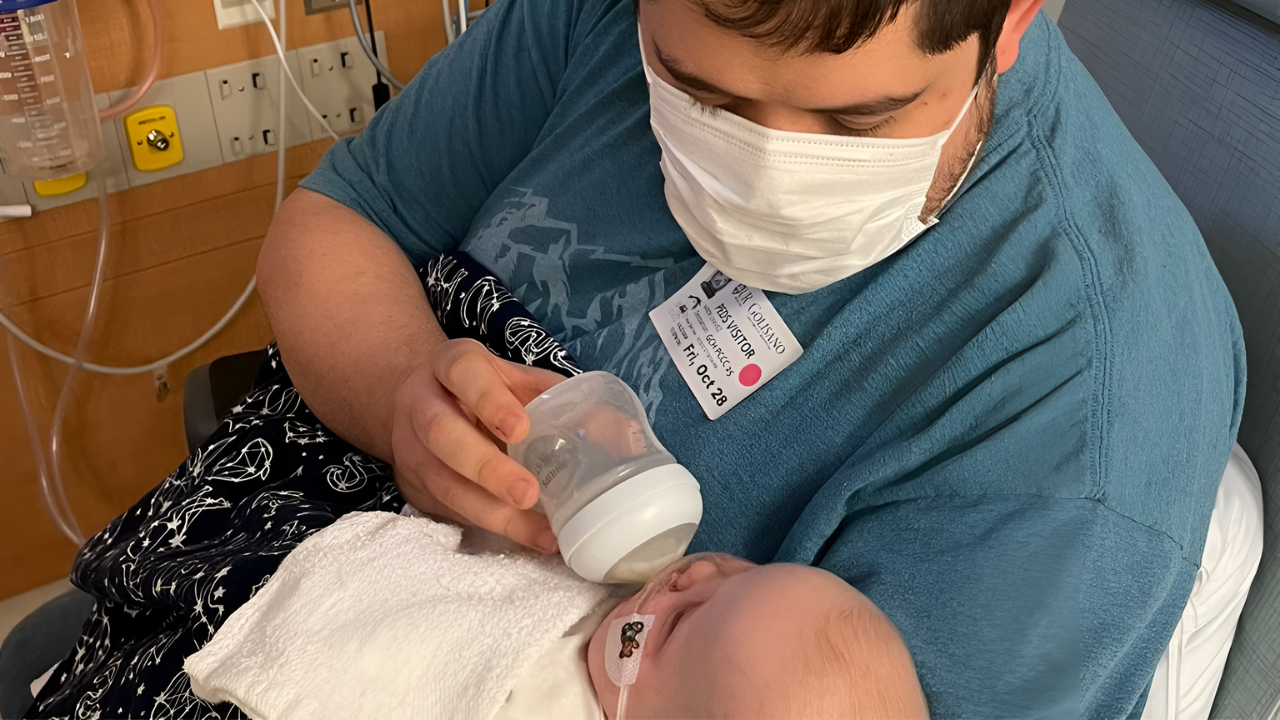
Fifteen infants across twelve states (Arizona, California, Illinois, Kentucky, Minnesota, North Carolina, New Jersey, Oregon, Pennsylvania, Rhode Island, Texas, and Washington) were hospitalized with infant botulism, a rare and potentially life-threatening illness, after consuming ByHeart formula.
This marked the first documented outbreak of infant botulism linked to formula in U.S. history, prompting urgent investigations by federal health agencies and sending shockwaves through families, retailers, and the broader nutrition market.
Tracing the Source: Unprecedented Contamination
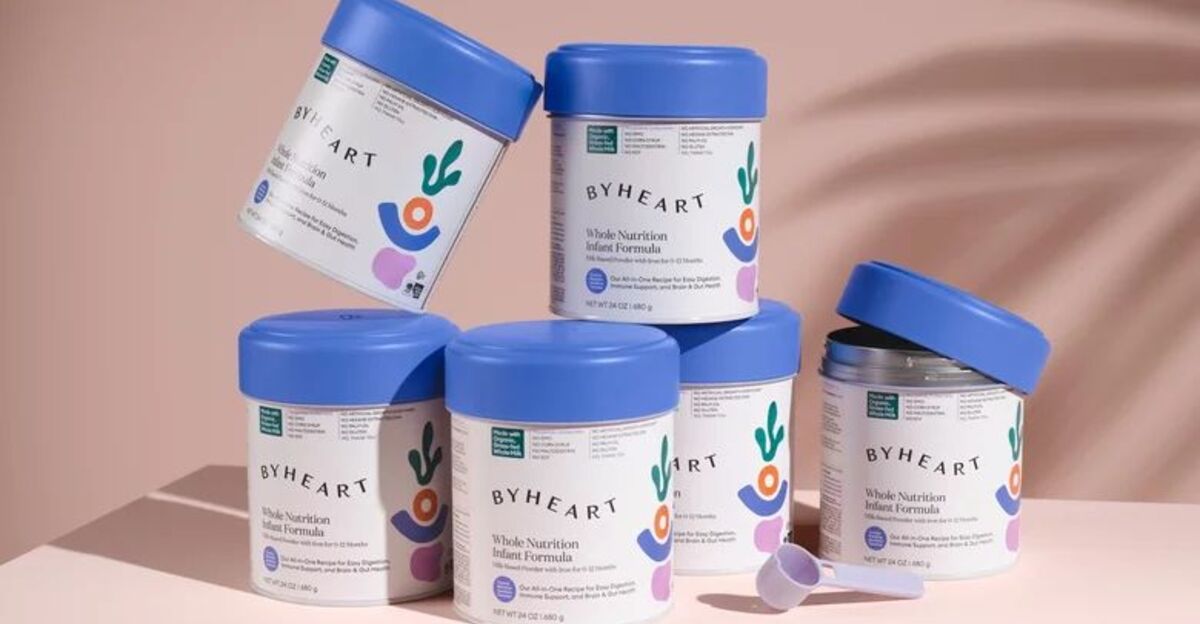
The outbreak’s origins quickly became the subject of intense scrutiny. Epidemiological data revealed that all affected infants had consumed ByHeart formula, a striking finding given the brand’s modest 1% market share.
Laboratory analysis of an opened can confirmed the presence of Clostridium botulinum, the bacterium responsible for botulism. However, as of November 11, unopened cans had not tested positive, leaving investigators from the FDA and CDC searching for the precise source and pathway of contamination.
The agencies expanded their inquiry to include production facilities, supply chains, and ingredient sourcing, aiming to clarify how such a rare and dangerous contaminant entered the infant formula supply.
Parents and Retailers Respond

The recall’s impact was swift and far-reaching. ByHeart products were pulled from shelves at major retailers, including Amazon, Walmart, Target, Whole Foods, Kroger, and Albertsons.
Parents nationwide were advised to stop using all ByHeart formula immediately and to monitor their infants for symptoms of botulism, such as a weak cry, drooping eyelids, constipation, difficulty swallowing, and respiratory distress.
Healthcare providers reported a surge in inquiries as families sought guidance and safe alternatives. The FDA recommended that unused formula be retained for possible testing, while pediatricians and nutritionists worked to reassure caregivers and update feeding protocols in hospitals and childcare centers.
ByHeart’s Crisis Management and Industry Implications

ByHeart responded by recalling two specific lots on November 8, then expanding the recall to all products three days later as new cases emerged. Company leaders emphasized their commitment to infant safety and transparency, noting that no unopened products had tested positive for contamination.
ByHeart continued to cooperate with federal and state authorities, providing updates through its website and retail partners. The incident underscored the vulnerability of smaller formula producers in a tightly regulated industry, as consumer trust shifted toward established brands with proven safety records.
Retailers reported increased demand for alternative formulas, but the FDA assured the public that ByHeart’s small market share would prevent widespread shortages.
Healthcare Response and Treatment Challenges

Medical teams across the twelve affected states mobilized quickly to treat infants diagnosed with botulism. All fifteen hospitalized children received BabyBIG antitoxin, the only treatment for infant botulism, supplied by the California Infant Botulism Treatment and Prevention Program.
The cost of treatment—reported in some sources as $69,300 per vial, though earlier sources put it between $43,000 and $57,300—resulted in over $1 million in antitoxin expenses alone, not including additional hospitalization costs.
Families endured weeks of uncertainty as they monitored their children’s recovery, while healthcare professionals provided round-the-clock support and consultation. The outbreak prompted hospitals and childcare centers to review nutrition policies and reinforce safe feeding practices.
Oversight, Market Shifts, and Global Implications
In early 2025, the FDA and HHS launched Operation Stork Speed, a comprehensive review of formula safety protocols and ingredient sourcing—the first of its kind since 1998. This ongoing initiative, launched prior to the ByHeart outbreak, aims to strengthen regulatory standards and improve transparency in the infant nutrition sector.
Investigators are examining 84 infant botulism cases reported since August 2025, with 36 involving powdered formula and 15 linked specifically to ByHeart. The disproportionate representation of ByHeart in these cases has raised questions about production oversight and supply chain integrity.
While no legislative changes have been announced, the incident is likely to prompt discussions about further regulatory action.
Internationally, the recall has drawn attention to U.S. formula safety standards and may lead global suppliers and importers to review their own protocols.
The crisis arises amid ongoing concerns about formula supply chains, particularly following the 2022 U.S. shortage that necessitated emergency imports. As investigations continue, industry stakeholders face mounting pressure to restore consumer confidence through rigorous safety measures and clear communication.
The ByHeart recall serves as a stark reminder of the critical importance of food safety in infant nutrition. While the outbreak affected a limited number of families and did not result in fatalities, its impact on public trust, regulatory oversight, and market dynamics will shape the future of formula production and safety standards in the U.S. and beyond.