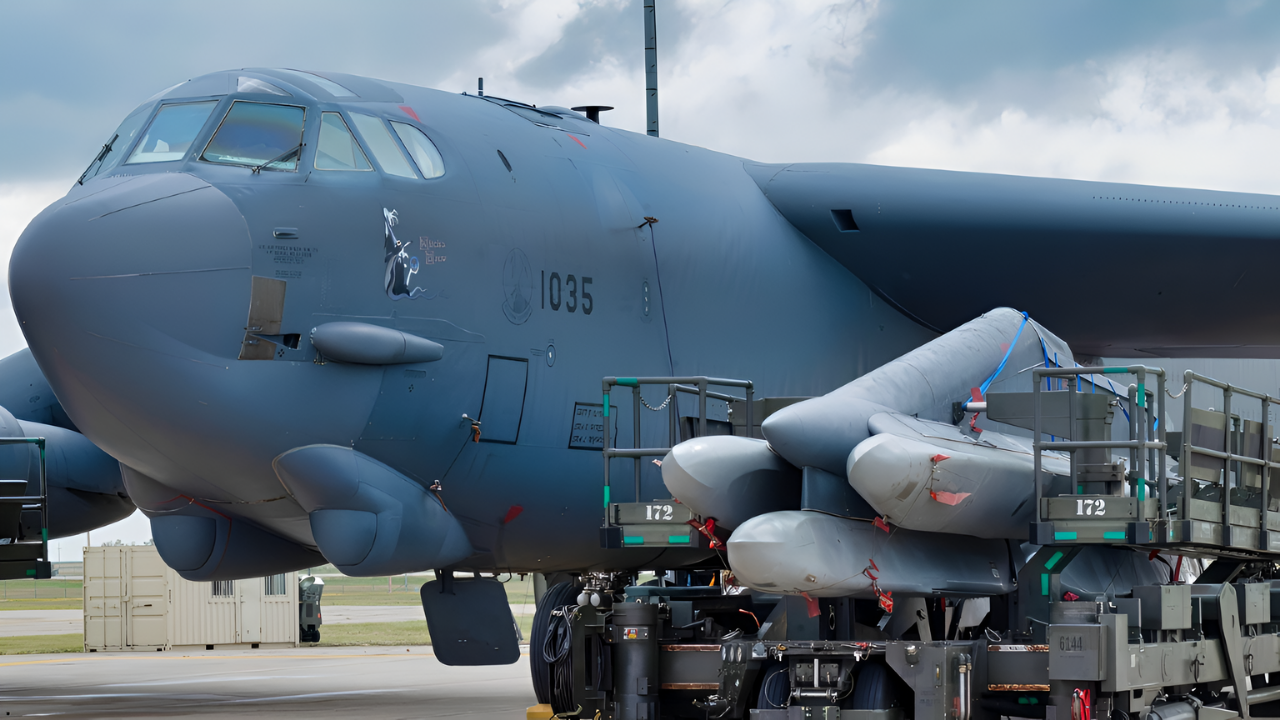
The Trump administration has deployed strategic bombers and fighter jets in unprecedented high-visibility operations near Venezuela’s capital, marking a dramatic intensification of military pressure on President Nicolás Maduro’s government. Two B-52H Stratofortress bombers departed Minot Air Force Base on November 24, just four days after another multi-bomber mission on November 20, with their transponders deliberately left active—allowing over 75,000 users on flight-tracking platforms to monitor the operations in real-time. The rapid succession and public nature of these missions signal a fundamental shift in how the Trump administration is willing to project power in the Western Hemisphere.
Operation Southern Spear Takes Shape
Officially framed as a counter-narcotics campaign, Operation Southern Spear was launched in mid-November 2025 as a Pentagon-coordinated effort targeting drug trafficking networks in the Caribbean. However, the scale of the deployment suggests objectives extending far beyond routine interdiction.
The operation includes the USS Gerald R. Ford carrier strike group, strategic bombers, fighter squadrons, and reconnaissance drones—representing the most significant U.S. military buildup in the Caribbean since the Cold War. Air Forces Southern, the command responsible for Caribbean operations, declared in an official statement that the missions showcase the commitment to “deter illicit drug networks and defend the homeland,” effectively redefining drug trafficking as a homeland security issue and positioning military aircraft as extensions of border protection.
The November 24 Patrol: Capability on Display
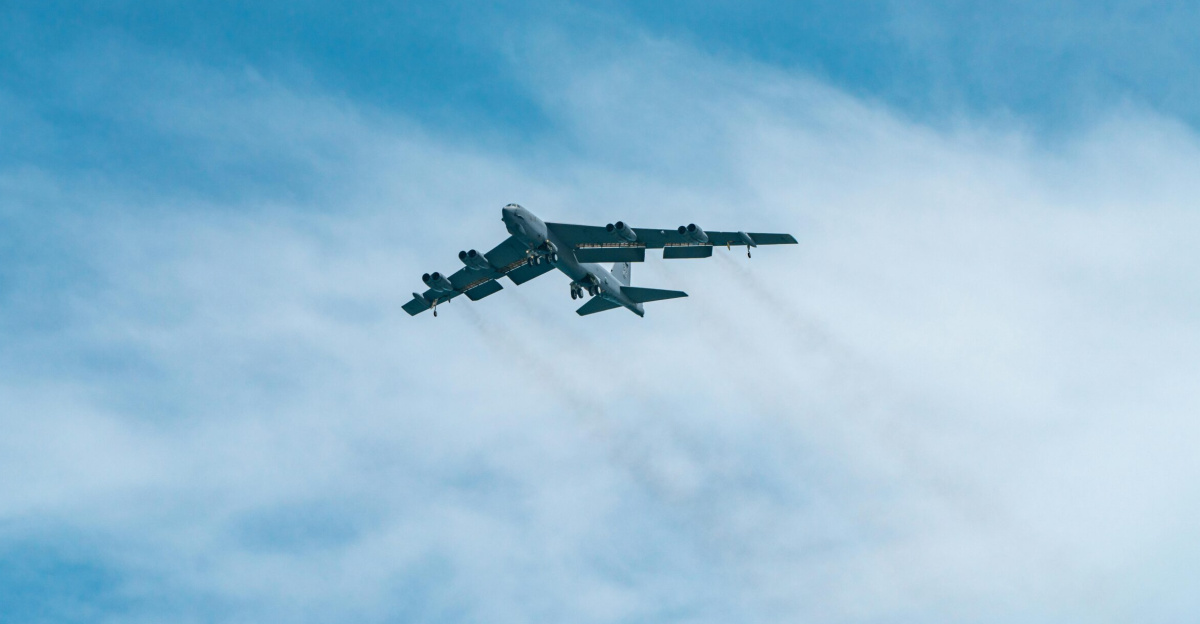
On November 24, a single B-52H Stratofortress flew south from North Dakota, crossed the Yucatan Peninsula, and descended toward the Venezuelan coast escorted by Navy F/A-18 Super Hornets. The bomber passed directly north of Caracas, positioned well within strike range of its weapons systems, including AGM-86B cruise missiles with ranges of 1,500 to 2,400 kilometers. The entire route remained publicly visible on civilian flight-tracking applications.
Caracas, situated only 7 to 15 kilometers inland from the Caribbean coast, presented an ideal geographic marker for a presence patrol designed to communicate American military capability and resolve. The B-52’s 70,000-pound ordnance capacity and ability to deploy precision-guided munitions from stand-off distance meant the bomber could strike the capital without entering Venezuelan airspace—a symbolism unmistakable to Venezuelan officials and regional observers.
The Human Cost Beneath Strategic Messaging

The presence patrols occur against a backdrop of kinetic military action. Between November 1 and November 24, the Trump administration authorized 21 airstrikes on alleged drug boats and trafficking vessels in the Caribbean, resulting in at least 83 deaths. U.S. officials have released no public details about who was killed, whether civilians were among the dead, or specific evidence linking targeted vessels to narcotics trafficking.
The administration claims legal authority under its classification of drug cartels as terrorist organizations threatening U.S. national security—a designation that remains debated internationally and among legal scholars. This classification allows military strikes without new Congressional authorization, effectively granting the administration broad license to conduct operations across the Caribbean and beyond.
Maduro’s Resilience and Regional Complications
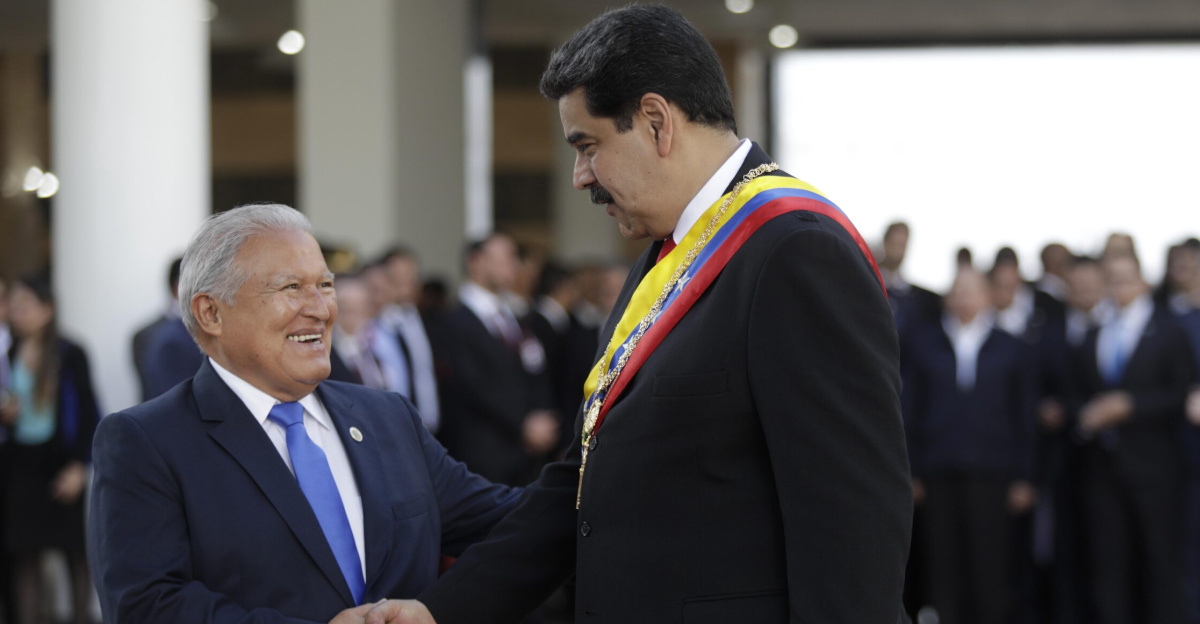
Nicolás Maduro has remained in power despite two decades of economic collapse, democratic deterioration, and international isolation. Venezuela’s economy contracted by 75 percent between 2013 and 2023, yet Maduro, backed by military hardliners, has survived coup attempts, sanctions, and diplomatic pressure. The Trump administration’s November escalation reflects frustration with slower diplomatic approaches and pressure from regional allies like Colombia and Brazil, who fear Venezuelan instability will trigger mass migration across South America.
However, Venezuela is not isolated. Russia maintains military ties and has deployed bombers to the region as counter-shows of force. China has invested billions in Venezuelan oil infrastructure and extended credit lines. Cuba hosts Venezuelan military and intelligence officers. The Trump administration’s Caribbean escalation inadvertently raises stakes for these actors, who may view American aggression as an opportunity to deepen their own regional presence.
Unresolved Questions and Strategic Uncertainty
The 21 airstrikes that killed 83 people raise unresolved legal questions. No United Nations Security Council resolution authorized military action, and no Congressional declaration of war exists. International human rights bodies and legal experts argue that strikes on foreign vessels in international waters, without due process or transparent accountability, violate international norms and expose the U.S. to potential legal challenges.
Defense analysts remain skeptical that military pressure will dislodge Maduro, noting that strategic bombers and fighter jets have not traditionally removed entrenched authoritarian leaders. As November concludes, the trajectory remains unclear: whether Operation Southern Spear will intensify with additional missions and potential strikes on regime assets, or whether the Trump administration will pivot toward negotiation using military pressure as leverage for political compromise. The coming weeks will test whether American military presence can translate into political outcomes or whether the operation becomes a protracted, costly stalemate in the Caribbean.
Sources:
Air & Space Forces Magazine — “B-52 Returns to Caribbean for Second Mission in Four Days”
Wikipedia — “2025 United States Naval Deployment in the Caribbean”
Al Jazeera — “Timeline: 26 Years of Fraught US-Venezuela Relations”
CSIS Missile Threat Database — “AGM-86 Air-Launched Cruise Missile”
U.S. Air Force Barksdale AFB — “B-52 Stratofortress Fact Sheet”
International Crisis Group — Venezuela Analysis and Assessments
Human Rights Watch — Americas Watch Statements on U.S. Operations
UN High Commissioner for Refugees — Venezuela Statistics