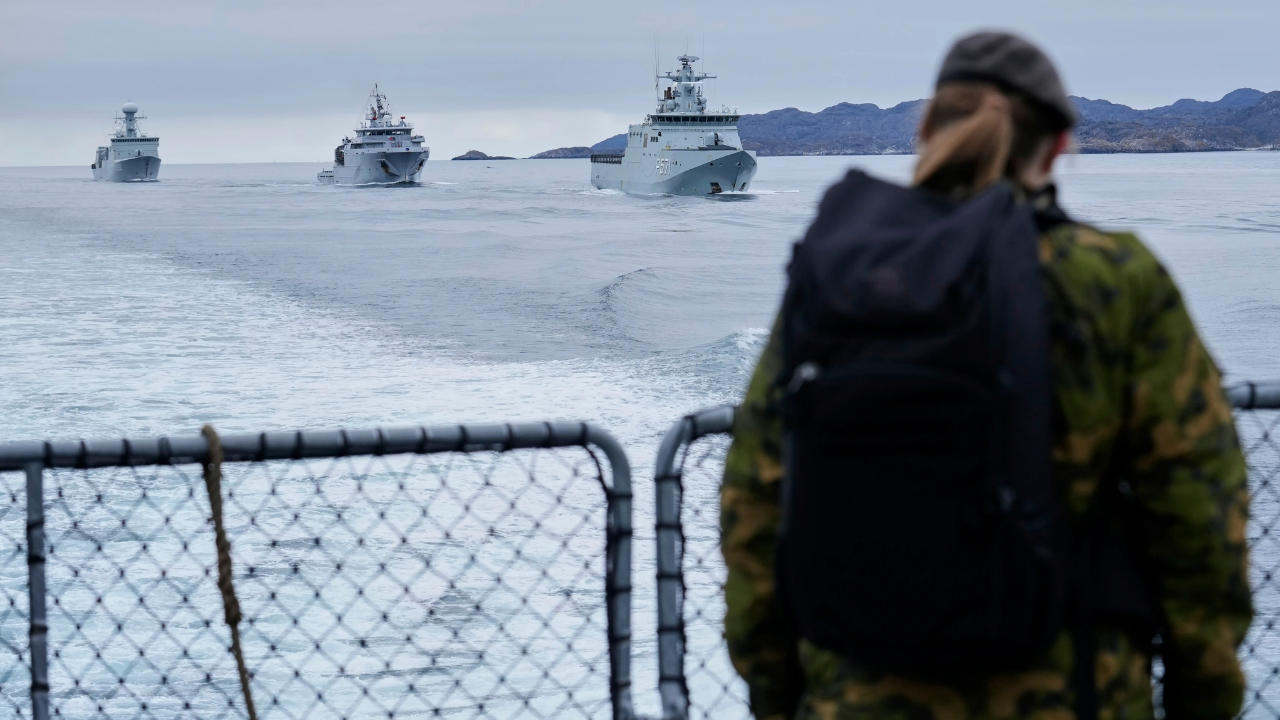
Snow swirls across the frozen tundra of Troms in northern Norway, where thousands of soldiers from NATO nations are now arriving. As of mid-January 2026, 4,000 U.S. troops lead a force of more than 25,000 from over 10 countries, deploying ahead of Cold Response 2026, the alliance’s largest Arctic exercise, set to begin March 9.
NATO forces converge on Norway’s northern edge, with the U.S. providing the biggest contingent in years. Melting Arctic ice exposes new sea lanes vital for global trade and military access, heightening competition in the region.
Norway hosts frontline operations, Finland offers key training ranges like Rovajärvi, and Sweden enables cross-border maneuvers. This buildup underscores alliance determination amid rising tensions, testing whether mass deployments can counter expanding Arctic challenges from rivals.
Cold Response Legacy
Since 2006, the Cold Response series has run every one to two years, sharpening skills in winter warfare, submarine defense, and rapid deployment across northern Norway. Finland joined NATO in 2023 and Sweden in 2024, growing the alliance to 32 members and extending its northern reach.
Previous exercises built expertise in mobility and survival under harsh conditions. Now, with Russia’s 2022 invasion of Ukraine ongoing, these drills gain added weight, focusing on defending NATO’s extended flank and signaling preparedness against broader threats.
Russia’s actions in Ukraine have spurred NATO’s Arctic focus, as Norwegian officials note increased global risks. China probes melting waters for resources, while Finland and Sweden’s memberships fortify the north. NATO coordinates to address Russian military buildup, secure vital routes, and affirm the High North as a core strategic zone, no longer a remote outpost.
The 10-day exercise launches March 9 across Troms and Finnish Lapland, involving 20,000 to 25,000 troops in extreme weather. U.S. ground forces spearhead operations, joined by air defenders and special units.
Deployments began in January 2026, shortly after former President Donald Trump revived territorial claims on Greenland on December 22, 2025, and escalated rhetoric into early January. News reports link the moves to this context, though planned since 2025. NATO aims to demonstrate swift border reinforcement in freezing terrain, messaging both partners and adversaries.
Troms Frontline Impact
Troms becomes the exercise hub, with troops traversing icy valleys and fjords from Ofoten to border ranges. Local areas handle troop influxes, stressing facilities but aiding economies through supply demands.
U.S. Army units base in Troms garrisons, honing defenses along the Norway-Finland line. Vehicles, snowmobiles, and helicopters battle blizzards, as soldiers test endurance in sub-zero cold.
The effort spans nations: U.S. Air Force and special forces add 600 for southern air defense; Denmark eyes Greenland security. Beyond the drill, mid-January saw Germany send 13 reconnaissance personnel to Greenland, France plan a small detachment, and Denmark bolster its garrison—responses post-Trump’s statements.
Integration of ground, air, logistics, and defense units proves NATO’s ability to function in Arctic harshness, countering militarization while readying for rapid missions on Europe’s northern edge.
Macro Arctic Shift
Operations fall under NATO’s Joint Force Command Norfolk, marking the region’s priority. Russia and China map seabeds near Alaska and Canada; post-expansion, the High North forms NATO’s longest flank.
Cold Response integrates land, air, and border actions, one of the biggest in decades. Resource-rich waters turn the Arctic into a rivalry arena among powers. Trump cites defense needs, echoing his 2019 Greenland proposal, pointing to Russian-Chinese activity—though some Europeans question vessel presence near Greenland while noting wider cooperation.
This prompts accelerated NATO planning. U.S. troops train with allies, yet rhetoric strains transatlantic ties, with the U.S. as top Arctic contributor and uncertainty source.
Alliance Frustrations Boil

Europeans react warily: Germany’s Boris Pistorius notes Arctic Sentry mission delays; Belgium’s Theo Francken queries U.S. assertions. Fears grow that Greenland focus diverts from core readiness.
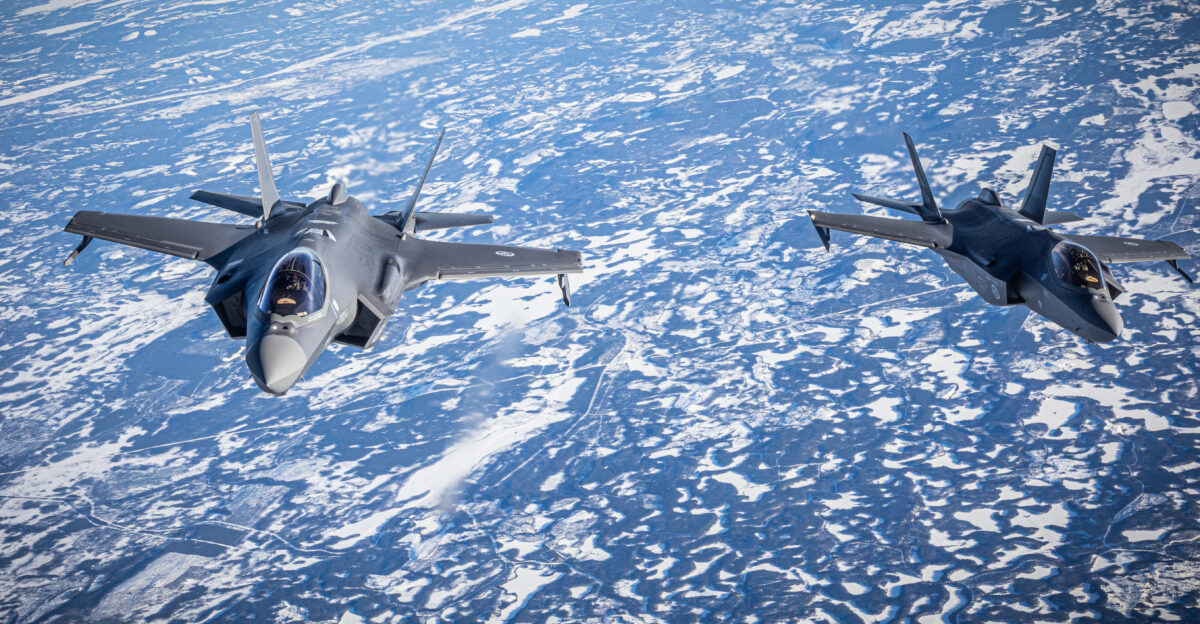
NATO chief Mark Rutte says protection spans beyond border states. U.K. and Germany pledge forces; Denmark boosts P-8 patrols and F-35s for Greenland. Greenland’s PM Jens-Frederik Nielsen upholds Danish ties, rejecting seizures.
Cold Response refines large-scale operations, with U.S. Pituffik base in Greenland hosting 150 for missile alerts. Allies eye frigates, drones, and France’s detachment despite tech obstacles. Land, air, naval coordination mimics combat, tackling weather, ice, and supply issues to safeguard the flank.
Skeptics Weigh In
NATO’s Alexus Grynkewich flags Russia-China surveys countering West. Germany’s Pistorius doubts quick Arctic Sentry rollout. Polls show 85% of Greenlanders oppose U.S. rule; Foreign Minister Vivian Motzfeldt stresses respecting boundaries and inclusion in talks. Local resistance, tech barriers, and politics test plans.
Will Arctic Sentry go permanent under the 1951 Denmark-U.S. pact, allowing bases but Danish sovereignty? France eyes Arctic Endurance drills.
Melting ice demands NATO balance readiness, sovereignty, and U.S.-Europe dynamics. Cold Response rehearses defense while signaling vigilance in a shifting geopolitical and environmental arena, where unity will shape Arctic stability.
Sources:
The Barents Observer, “4000 US soldiers deploy to Norway for Arctic exercise”, January 2026
RCInet (Radio Canada International), “4000 US soldiers deploy to Norway for Arctic exercise”, January 14, 2026
Norwegian Armed Forces (Forsvaret), “Cold Response 2026”, 2026
Defense News, “Europeans trumpet Arctic defense in bid to soften US Greenland claims”, January 14, 2026
Le Monde, “France to send small military detachment to Greenland”, January 15, 2026