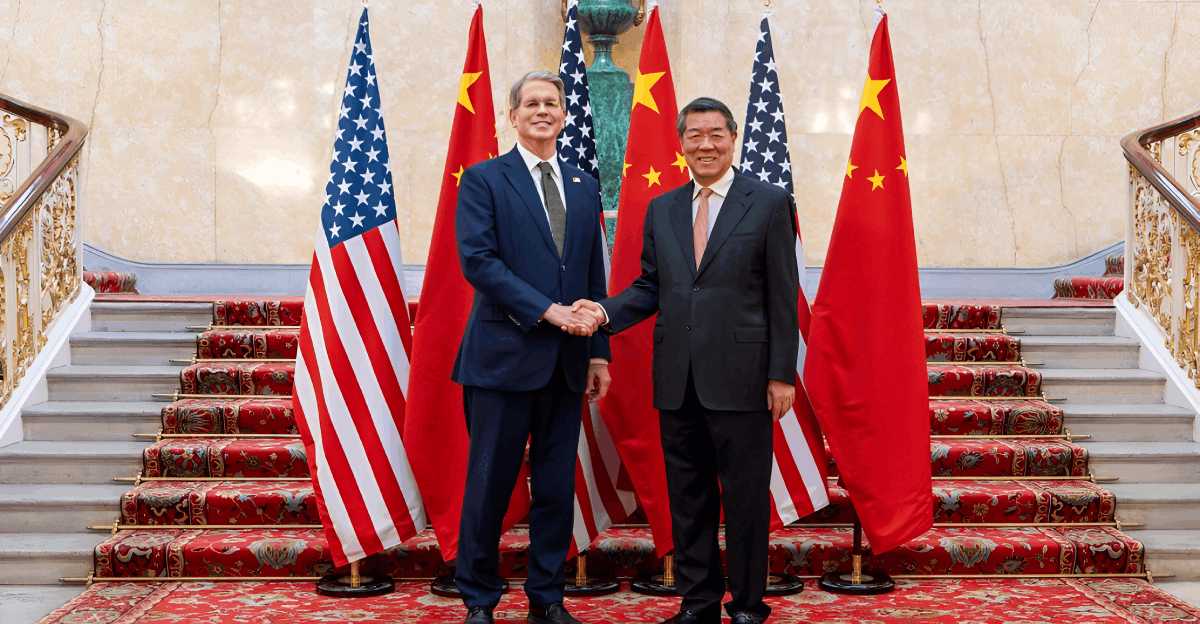
Global markets braced as Washington and Beijing neared an Aug. 12, 2025, deadline that threatened to unleash triple-digit tariffs.
If no deal was struck, US duties on Chinese goods would have jumped to 145% and China’s to 125%, effectively choking off roughly $585 billion in annual two-way trade.
The reprieve comes at a critical moment: retailers were stocking up for back-to-school and holiday seasons, and analysts warned that renewed tariffs could empty shelves just as the consumer crunch hit.
Retail Stakes
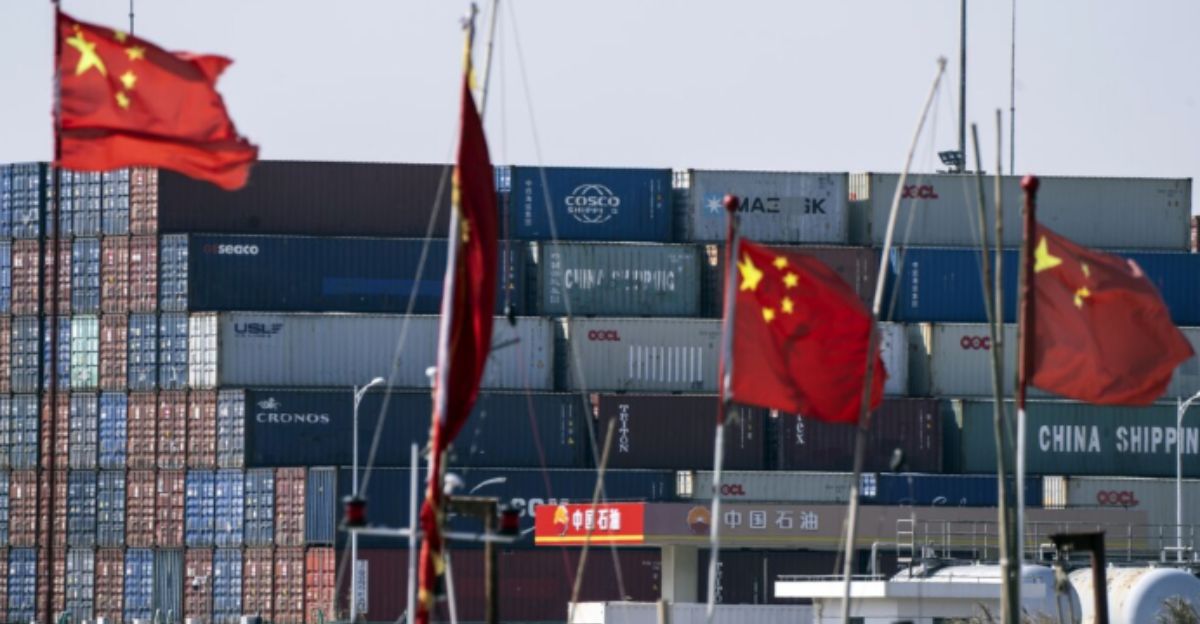
Retailers and importers have been scrambling to adjust. Even by spring 2025, Chinese shipments to US ports were plunging: one logistics report found container bookings from China down by as much as 60%.
Economist Torsten Sløk warned tariffs would bring “empty shelves in U.S. stores in a few weeks and COVID-like shortages” for consumers.
Small businesses are feeling the pinch. Baby-toy importer Sari Wiaz said a 54% tariff already added $10,000 in costs, forcing her to delay orders. “If we were to fully restock, the number would be completely out of reach for us,” she said, illustrating the dire strain on smaller firms.
Trade War History
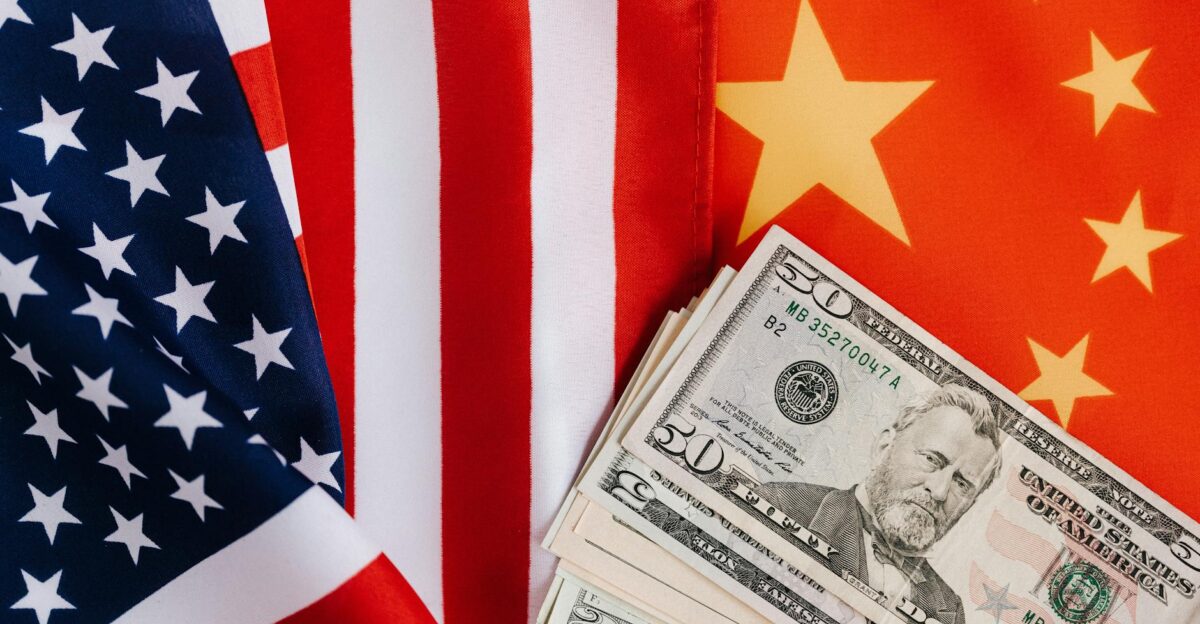
This latest flare-up is the continuation of an escalating trade war. After initial tariffs in the late 2010s, tensions spiked again in April 2025 when the US imposed new levies on Chinese imports and China retaliated in kind.
U.S. import duties on Chinese products jumped to 145%, and China countered with 125% on U.S. goods.
These rates far exceed the 30%/10% baseline set during earlier truces, and analysts note that few modern agreements have matched such punitive measures. The cycle of threats and pauses has repeatedly disrupted global commerce, raising the specter of a near-embargo on bilateral trade.
Economic Pressure
Factories and suppliers on both sides have been under intense strain. In China’s export hubs like Yiwu, business owners speak of cash-flow crunches and idle inventory.
“We are facing major pressure, particularly with inventory and cash flow,” said exporter Nie Ziqin, noting she has spent sleepless nights finding solutions. “I hope workers can maintain regular hours without income disruption,” Nie added.
On the American side, import-dependent manufacturers reported paying roughly two to three times normal prices for Chinese inputs under the tariffs.
An industry survey found that about 85% of major retailers feared stock shortages during peak shopping seasons if the dispute continued unchecked.
Extension Announcement
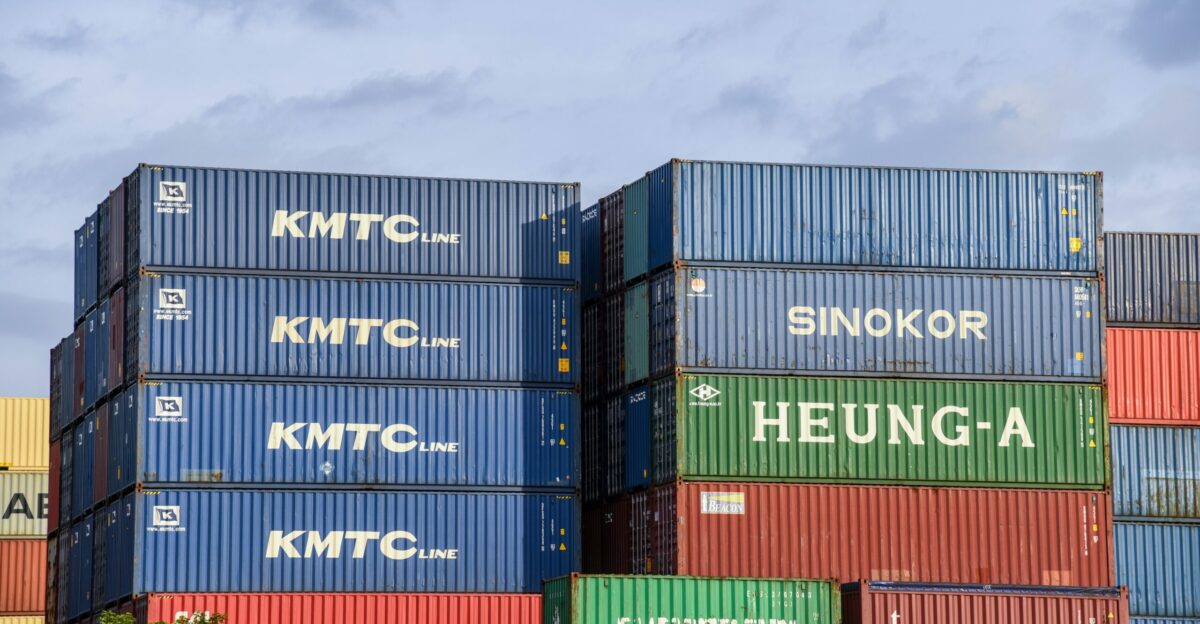
On Aug. 11, Trump signed an executive order extending the tariff truce for 90 days through Nov. 10. Beijing’s commerce ministry immediately mirrored the move, keeping duties at the lower 30% on Chinese goods and 10% on U.S. imports for now.
The pause prevents US tariffs from skyrocketing to 145% (and China’s to 125%) and buys time for fresh talks. U.S. business groups cheered the decision.
Sean Stein of the U.S.-China Business Council called the extension “critical” – it gives both governments time to negotiate and provides the certainty companies need to make medium- and long-term plans.
White House statements emphasize ongoing discussions to address long‑standing market imbalances between the economies.
California Impact
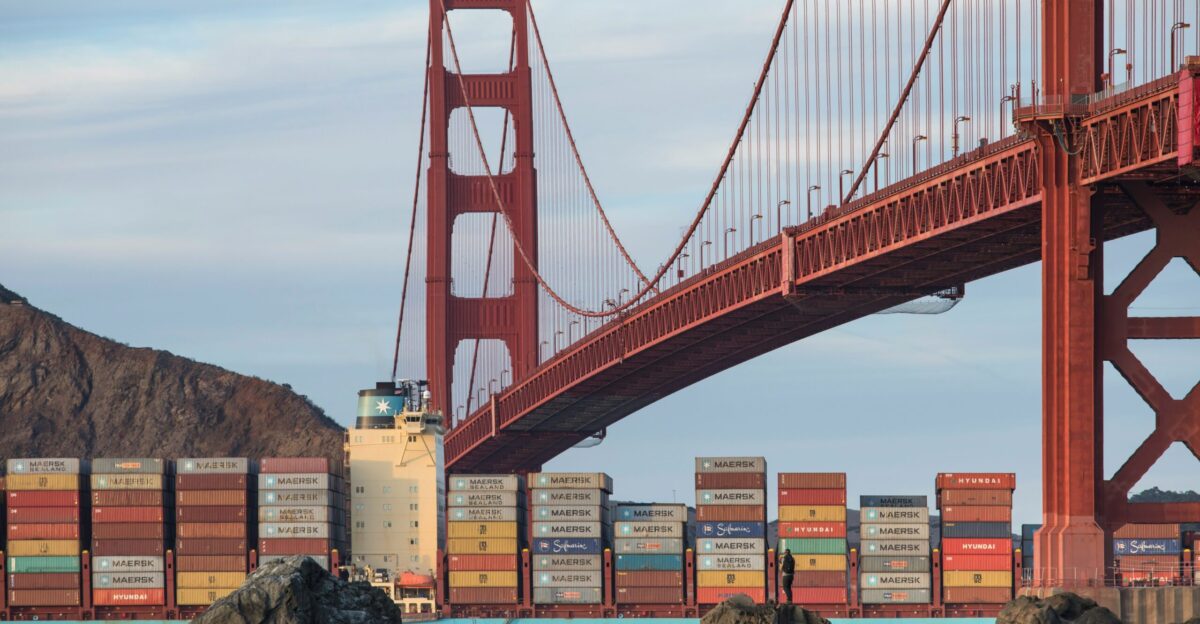
U.S. ports, especially on the West Coast, had already felt the pinch. The Port of Los Angeles – handling roughly 40% of U.S. imports from Asia – saw cargo volumes drop sharply.
Port Director Gene Seroka reported arrivals were already down about 10% year-over-year, and he predicted “in two weeks’ time, arrivals will drop by 35%” if tariffs went upcbsnews.com.
Shipping firms had scrapped dozens of China-bound sailings after duties spiked. The 90-day extension immediately eased the logistics crunch, allowing carriers to reschedule cargo and giving retailers breathing room to boost inventories before the November deadline.
Business Relief
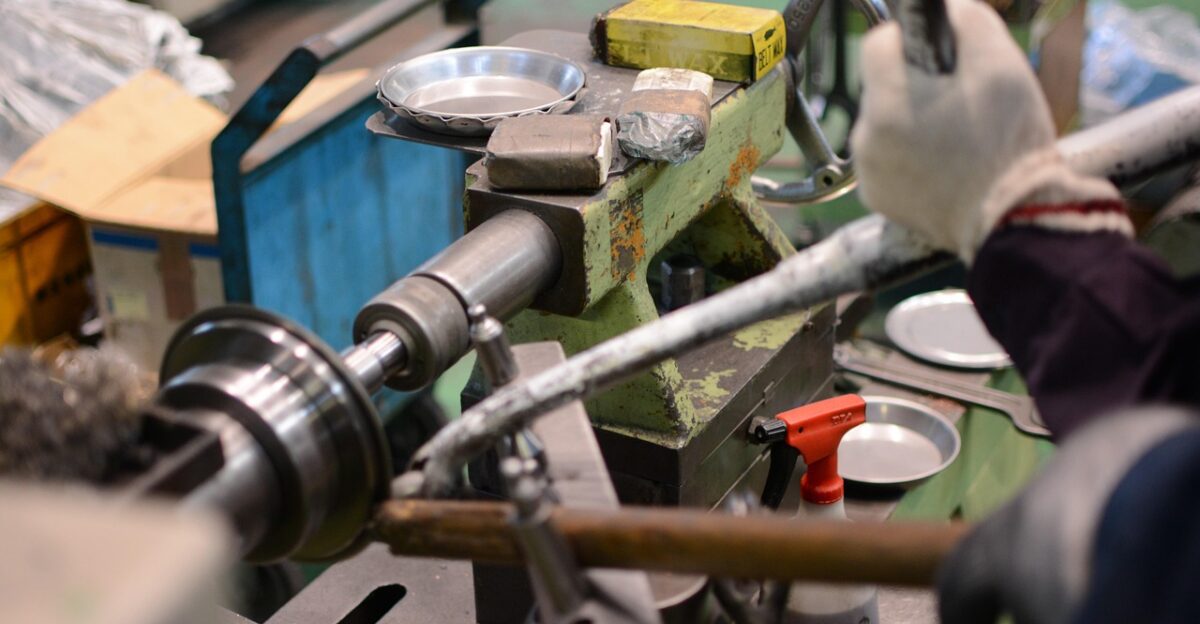
For many exporters and manufacturers, the truce was a welcome reprieve. Factories in China could restart paused production lines and work through backlogs of orders destined for the U.S.
One small factory owner remarked that the extension felt like gaining “breathing room” to plan, after weeks of panic. Similarly, American importers and retailers noted that orders canceled under the higher duties could cautiously resume.
Still, most executives stressed this was temporary relief: without a final deal, companies could only proceed with caution ahead of the next tariff cliff.
Supply Chain Shift
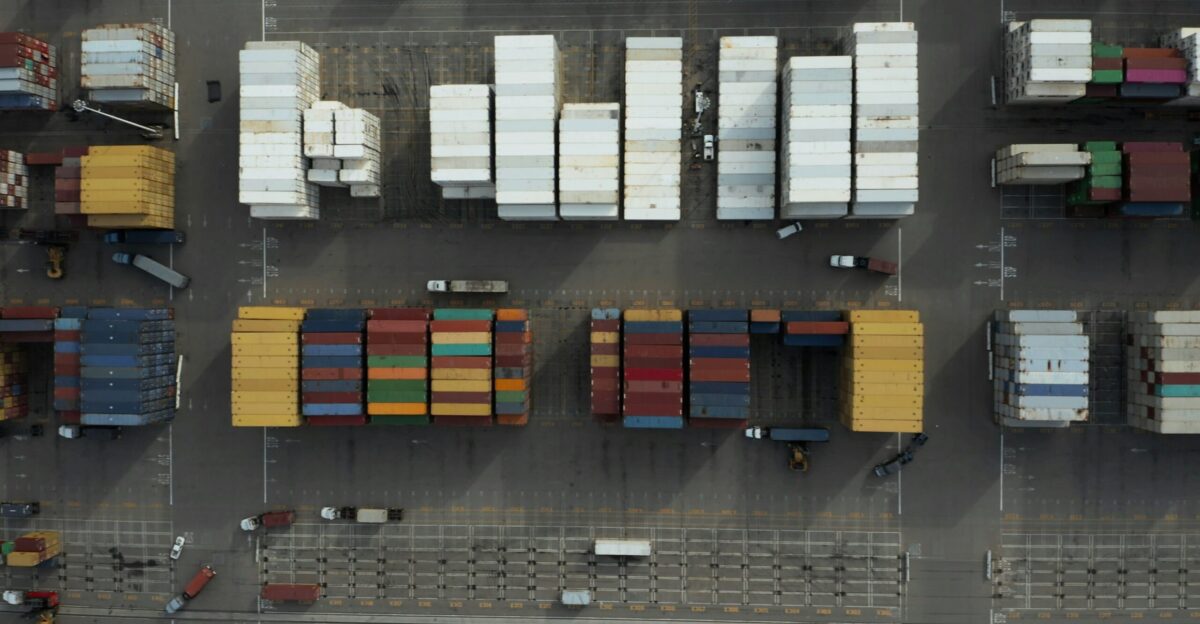
Beyond China, companies have been actively diversifying their supply chains amid the trade uncertainty. Tech giants and manufacturers have accelerated moves into Vietnam, Mexico, India and other markets.
For example, Apple’s partner Foxconn expanded plants in India, and Dell and HP have guided more production to Mexico and Southeast Asia. Even consumer brands like Nike now source a growing share of footwear from Vietnam (over 12%).
This “friend‑shoring” trend reflects a broader effort to avoid over-reliance on any one country, driven by both tariff risks and pandemic lessons.
Global Ripple
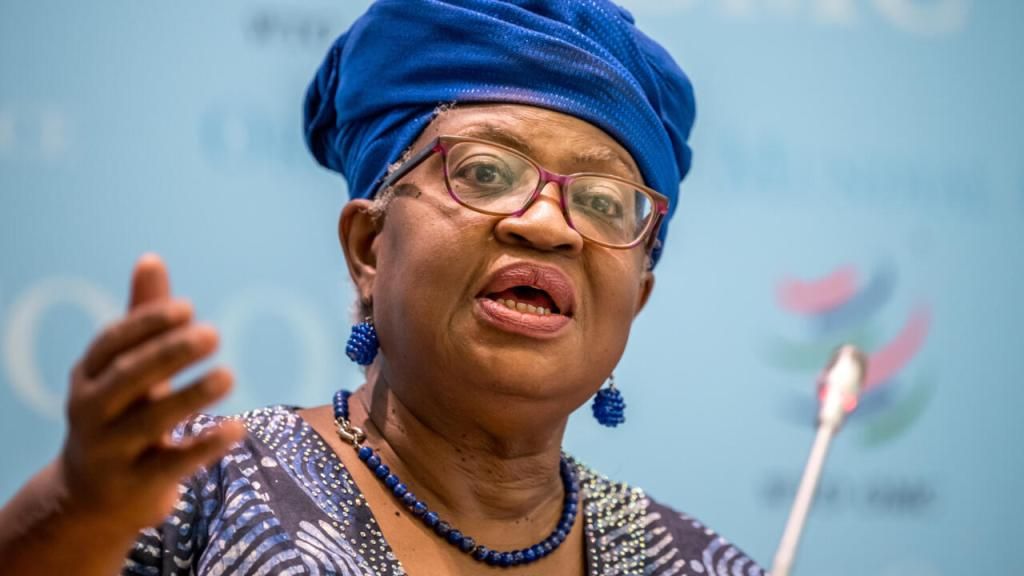
The WTO warns that these tensions are slowing world trade. In August 2025, it cut its forecast for 2026 merchandise trade growth to 1.8% from 2.5%, noting that this year’s rush of front‑loaded imports ahead of tariffs will soon be spent.
WTO Director-General Ngozi Okonjo-Iweala cautioned that “uncertainty remains one of the most disruptive forces in the global trading environment”.
Many economies had seen a temporary bump in exports to the U.S. earlier in 2025, but analysts say the gains will reverse once inventories dry up. The downward revision highlights that ongoing tariff volatility is weighing on business investment and consumer demand worldwide.
Chip Breakthrough

In a surprising tech shift, the administration also struck a deal on semiconductors. Trump announced that Nvidia and AMD can sell certain AI chips in China again, provided 15% of those sales revenues go to the U.S. government.
The companies said they “follow rules the U.S. government sets” and hope these exports will let “America compete in China and worldwide”. However, critics cautioned that these concessions carry risks.
Saif Khan, a former White House technology official, warned that even scaled‑down versions of Nvidia’s chips could enable China to build “world-leading, frontier-scale AI supercomputers,” potentially leapfrogging U.S. capabilities.
Negotiator Tensions
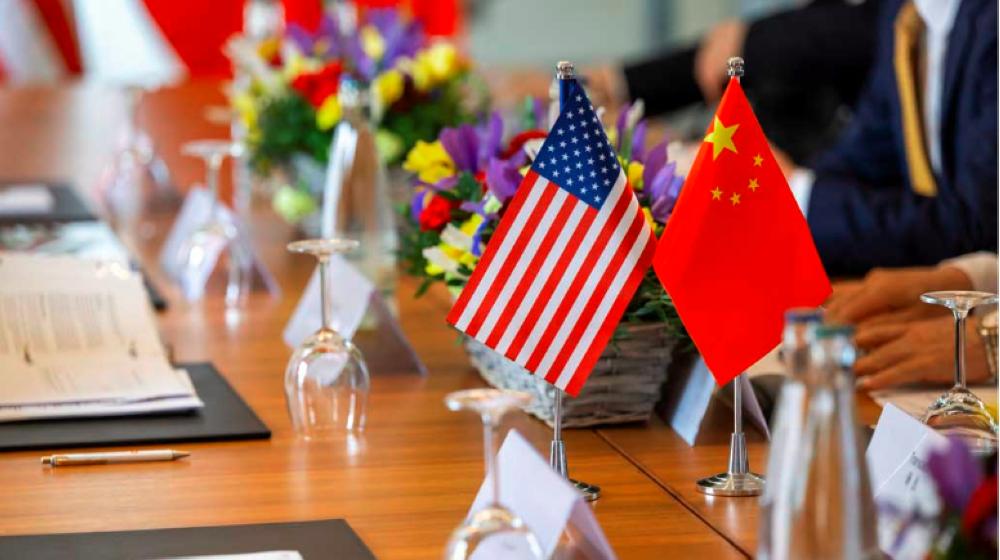
U.S. and Chinese negotiators have been under pressure to nail down a lasting deal. Treasury Secretary Scott Bessent described late July talks in Stockholm as challenging but said he’s “optimistic” about progress.
He wrote that the U.S. believes it has “the makings of a deal” with China, though he cautioned the agreement isn’t “100% done” yet. Officials acknowledged they “pushed back quite a bit” over technical issues during the meetings.
Observers say the remaining sticking points – from tech controls to legal enforcement – may ultimately require a high‑level Trump-Xi summit to resolve before the tariffs are reset.
Leadership Stakes
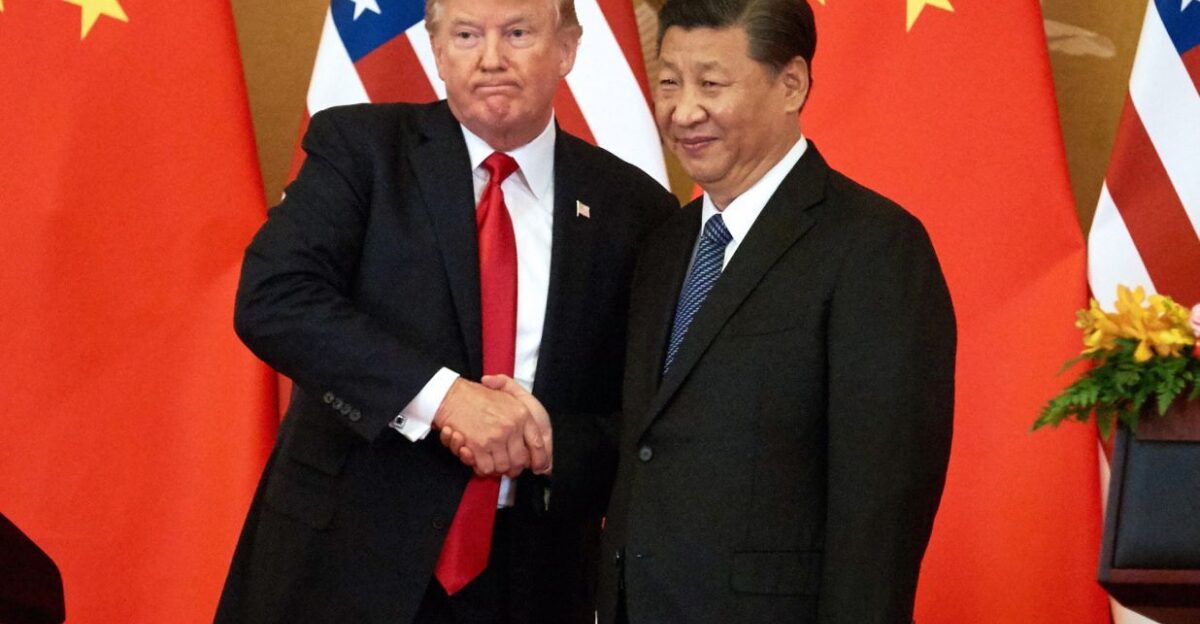
Politically, the extension buys both leaders time. For Trump, it avoids a new trade shock just before the holiday shopping season, helping his broader economic agenda in the second year of his term. For Xi, it shows China’s willingness to stabilize ties even under pressure.
Neither leader can afford a full‑scale trade war’s fallout: U.S. exporters need foreign markets to grow jobs and profits, and China’s economy still relies on exports for growth.
The pause lets each side manage domestic expectations, framing the truce as constructive dialogue rather than defeat.
Diplomatic Strategy
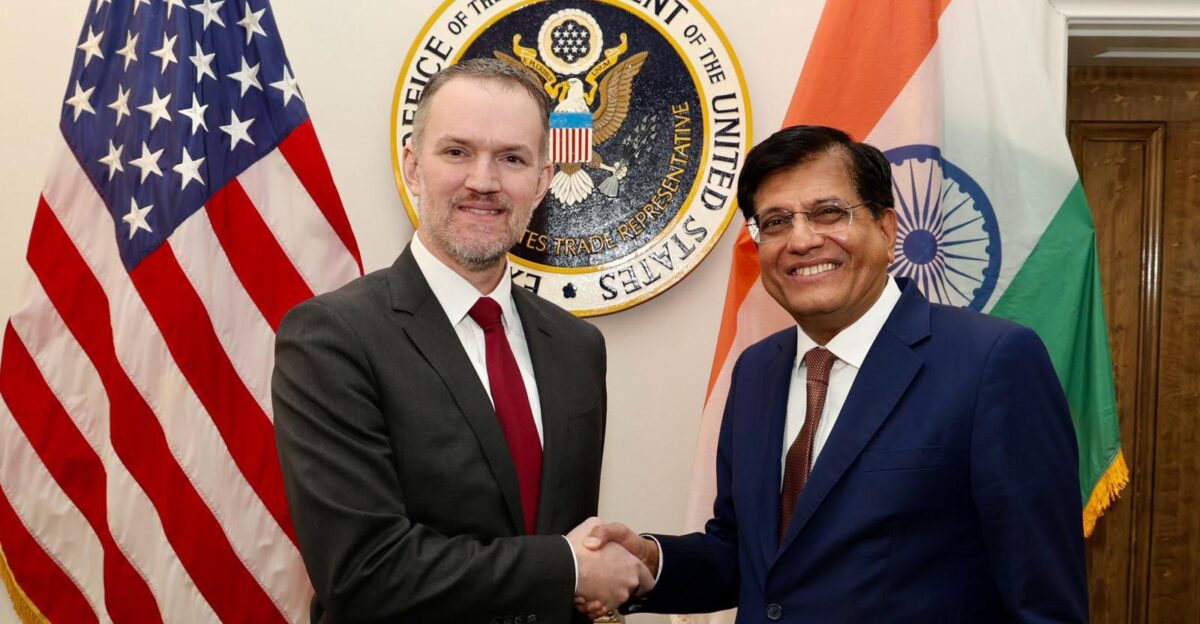
Washington’s approach remains a mix of pressure and dialogue. U.S. Trade Representative Jamieson Greer praised the swift deal as evidence that differences were manageable.
Yet the White House has kept a national emergency declaration on the $1.2 trillion trade deficit in place, retaining leverage to impose penalties if needed.
This dual strategy means the U.S. can either extend or escalate measures: as China meets concessions (e.g. on exports or drugs), Trump can ease tariffs; if progress stalls, the option to restart tariffs looms. The extension simply pushes the decision point further down the road.
Market Skepticism

Despite the truce, many analysts remain skeptical that deep issues have been solved. China and the U.S. still have fundamental disputes over subsidies, intellectual property, and market access.
Some Chinese economists note that a tariff pause hasn’t lifted the “climate of uncertainty” for businesses.
Importers on both sides continue hedging bets: U.S. firms have sought non-Chinese suppliers, and Chinese exporters diversified to Europe.
The 90-day deal buys more time but does not guarantee. Companies say they’re using this window to prepare for multiple scenarios after November.
Summit Possibility
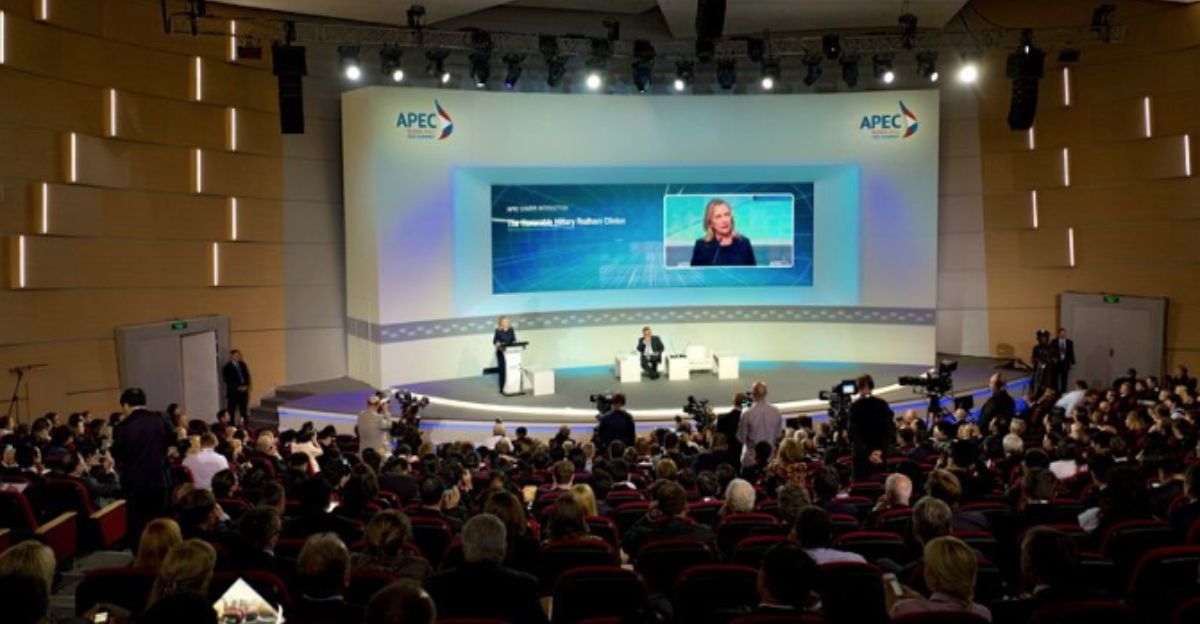
The extension’s timing suggests leaders are eyeing an international meeting. The truce runs up to the APEC summit (Oct. 30 – Nov. 1) in South Korea.
Sources say Trump and Xi may hold their first face-to-face talks since 2019 at that gathering. A direct summit could provide the high-level push needed to overcome the toughest hurdles.
If the two leaders meet, they might leverage personal relationships to hammer out sector-specific deals – for example, on chips or energy – that mid-level talks have struggled to finalize.
Congressional Dynamics
On Capitol Hill, the extension highlights fractures in GOP trade policy. Some Republicans are pushing for permanently lower tariffs to win concessions from Beijing, while others argue that tariffs are the only leverage China respects.
Any comprehensive deal will require congressional approval or oversight, focusing on measurable outcomes (like higher American agricultural exports or better intellectual property protection). For now, lawmakers will likely hold hearings on enforcement and oversight, but are unlikely to force action until a formal framework is on the table.
International Response
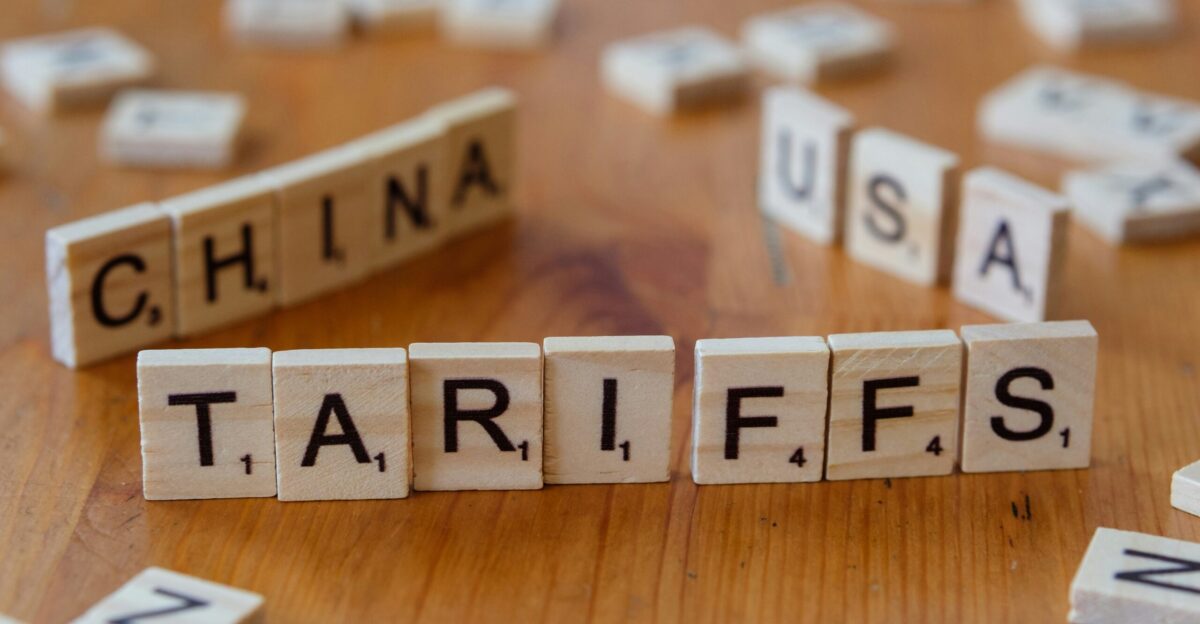
Foreign governments are watching closely. The EU, Japan and others have their own grievances with Beijing and Washington. European officials, for instance, accuse China of dumping cheap goods and have just faced higher U.S. tariffs on steel and aluminum.
A stable U.S.-China relationship could ease Washington’s pressure on allies like the EU to align policies. So far, the EU has welcomed any trade thaw, noting that reduced U.S.-China friction would lower the risk of global supply shocks.
But Brussels remains cautious: its leaders say global free trade benefits all, and they will monitor new U.S. tariff rates that might affect Europe.
Legal Challenges

The pause also buys time to sort out ongoing court battles over Trump’s tariffs. In some cases – such as duties imposed to combat Chinese fentanyl flows – U.S. trade courts have questioned whether the president had proper legal authority.
A federal appeals court briefly reinstated these duties, but final rulings may take months.
These legal wrangles could influence what trade measures Trump can use permanently. By extending the truce, both sides have a window to see how judges rule on the tariff orders and adjust any future deal to align with the law.
Consumer Impact
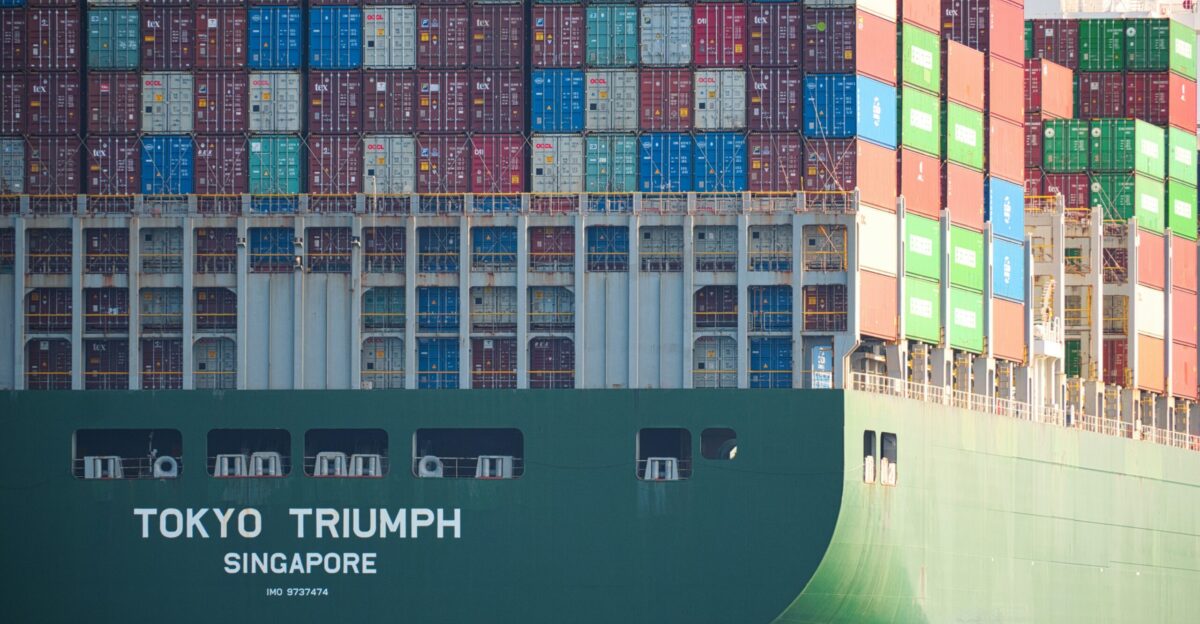
For American consumers, tariffs translate into higher prices. Yale researchers estimate the current duties cost the average U.S. household about $2,400 a year.
The 90-day extension prevents those costs from jumping even higher this winter, but most experts say prices will stay elevated. Lower-income families tend to spend a larger share of income on imported goods, so they feel the squeeze most.
Retail sales over the next few months will be telling: if shoppers pull back due to inflation, both governments will feel pressure to extend cooperation beyond November.
Strategic Crossroads
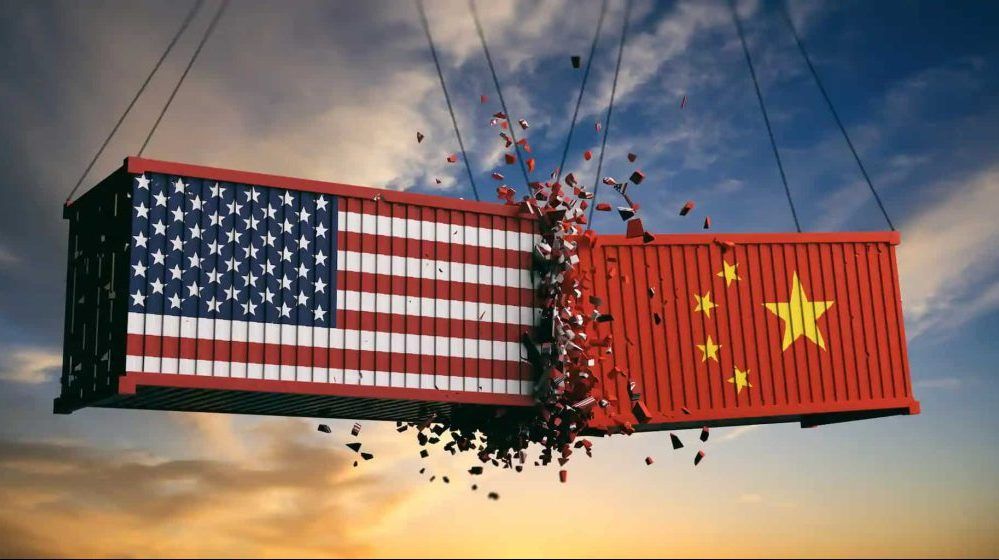
This 90-day pause is about more than just holiday inventories – it underscores a crucial reality: neither superpower can win a sustained trade war. Its outcome will shape whether the global economy moves toward renewed multilateral collaboration or deeper fragmentation.
A successful negotiation could rebuild trust in the rules-based trading system and stabilize global supply chains.
But if talks collapse, companies will further diversify away from each other, and countries may feel compelled to pick economic sides. In that sense, the truce represents a strategic crossroads for global economic governance.