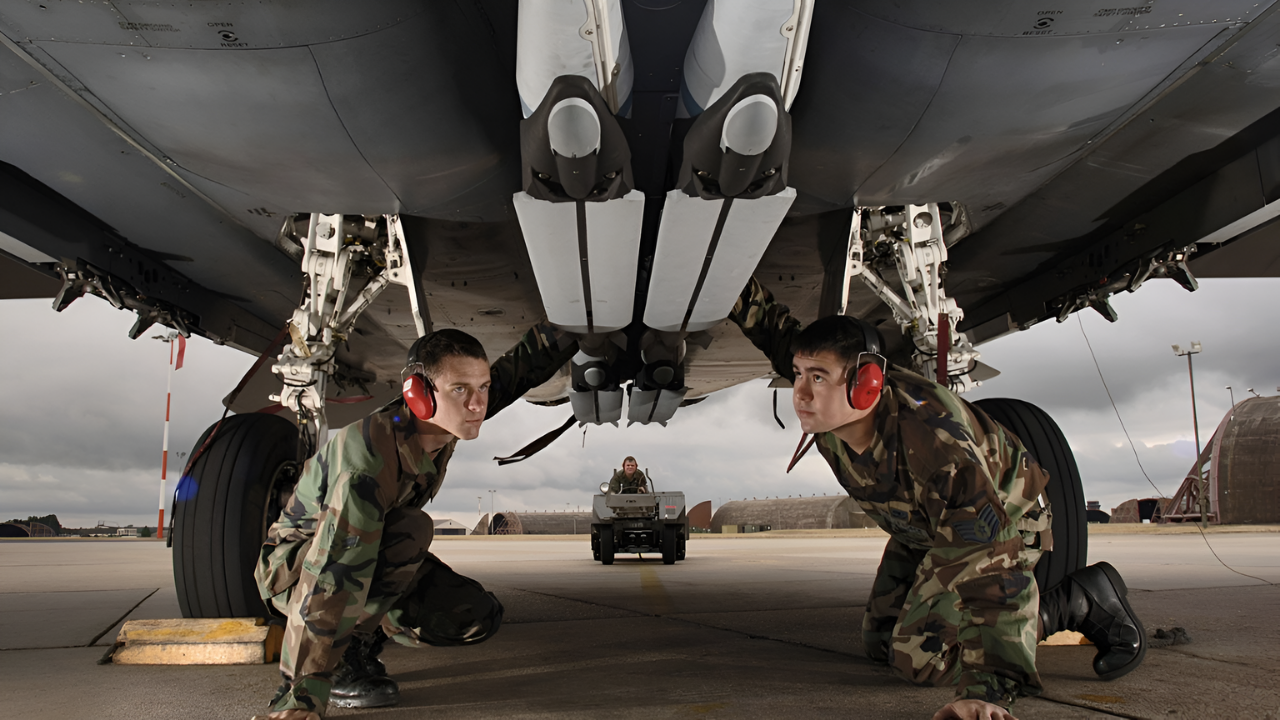
In late April 2025, a U.S. airstrike on a Houthi-controlled prison in Yemen’s Saada province killed 61 African migrants, most of them Ethiopians seeking work in Saudi Arabia. The attack, which used two 250-pound GBU-39 precision-guided bombs, struck a facility with no apparent military presence. The incident has reignited global debate over civilian protection, military accountability, and the humanitarian cost of modern warfare.
Civilian Toll and Strategic Calculations
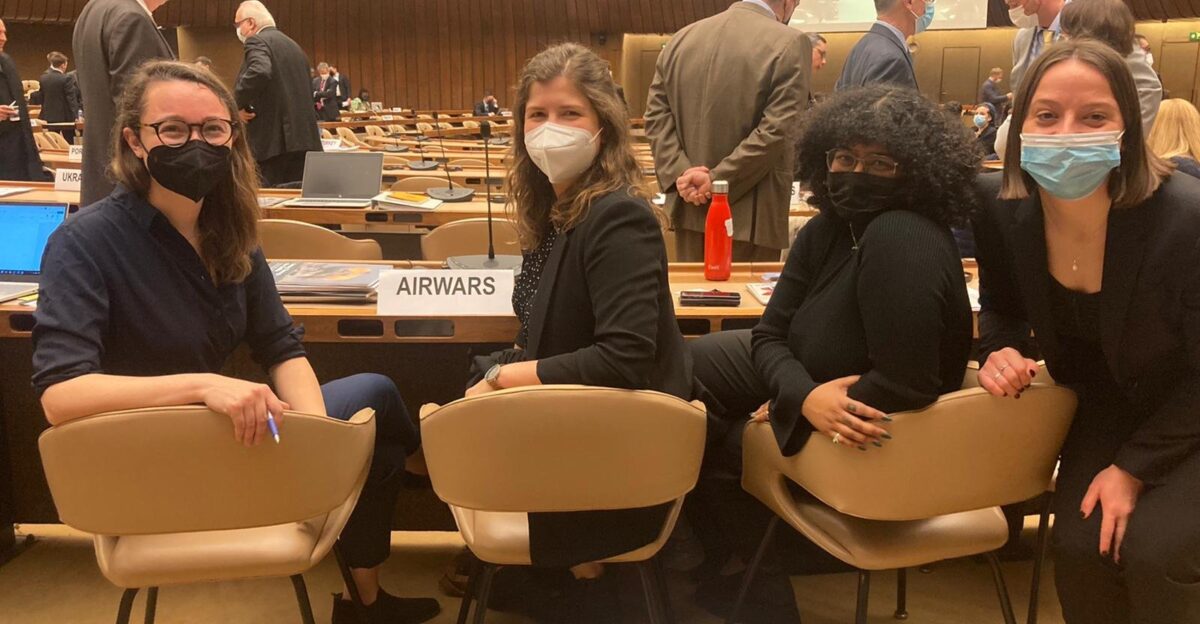
The airstrike was part of “Operation Rough Rider,” a U.S. campaign launched under President Trump to counter Houthi attacks on Red Sea shipping. According to monitoring group Airwars, the operation killed more than 224 civilians and targeted around 1,000 sites in just a few weeks—matching the civilian death toll of two decades of previous U.S. strikes in Yemen. While the stated goal was to neutralize threats to international shipping, the brunt of the violence fell on vulnerable migrant populations trapped in the conflict zone.
This surge in civilian casualties has drawn sharp criticism from human rights organizations and international observers. Many question whether the U.S. strategy, justified by national security interests, is compatible with international law and America’s self-image as a defender of human rights. Amnesty International has called for a war-crimes investigation, citing the absence of military targets at the prison and the lack of evidence for any combatant activity.
Failures in Targeting and Intelligence
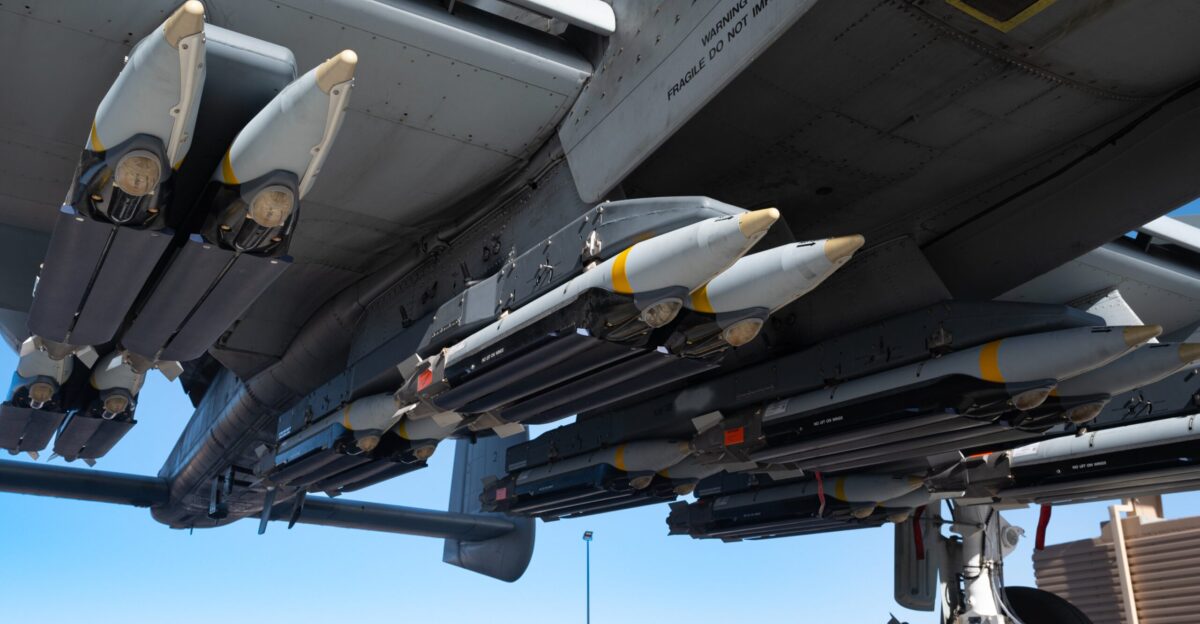
The GBU-39 bombs used in the strike are designed for precision and minimal collateral damage, yet their deployment in Saada resulted in the deaths of dozens of noncombatants. The same prison compound had been bombed by the Saudi-led coalition in 2022, killing 66 and injuring 113. The repeated targeting of this site—first by Saudi forces, then by the U.S.—raises serious questions about the accuracy of coalition intelligence and the effectiveness of safeguards meant to prevent civilian harm.
Investigations by Amnesty International and survivor accounts found no signs of weapons or military preparations at the facility. The recurrence of fatal errors at the same location points to systemic failures in data sharing, institutional memory, and the updating of targeting protocols. Critics argue that these lapses reflect both technical and ethical shortcomings in coalition operations, especially in areas where civilian movement is common.
Migrant Desperation Amid Conflict
The victims of the Saada strike were Ethiopian migrants detained while attempting to cross Yemen en route to the Gulf in search of work. Each year, tens of thousands risk this perilous journey, driven by economic hardship and the hope of supporting families back home. The deaths in Saada underscore the intersection of migration, conflict, and humanitarian crisis.
For the families of the victims, the tragedy is compounded by the reversal of expectations: instead of receiving remittances, they are left to mourn or attempt to recover the remains of loved ones. The incident highlights the broader failure of international cooperation and humanitarian protection for migrants caught in war zones. It also exposes the economic pressures that force individuals to risk their lives, even in the face of escalating violence.
Accountability, Transparency, and International Law
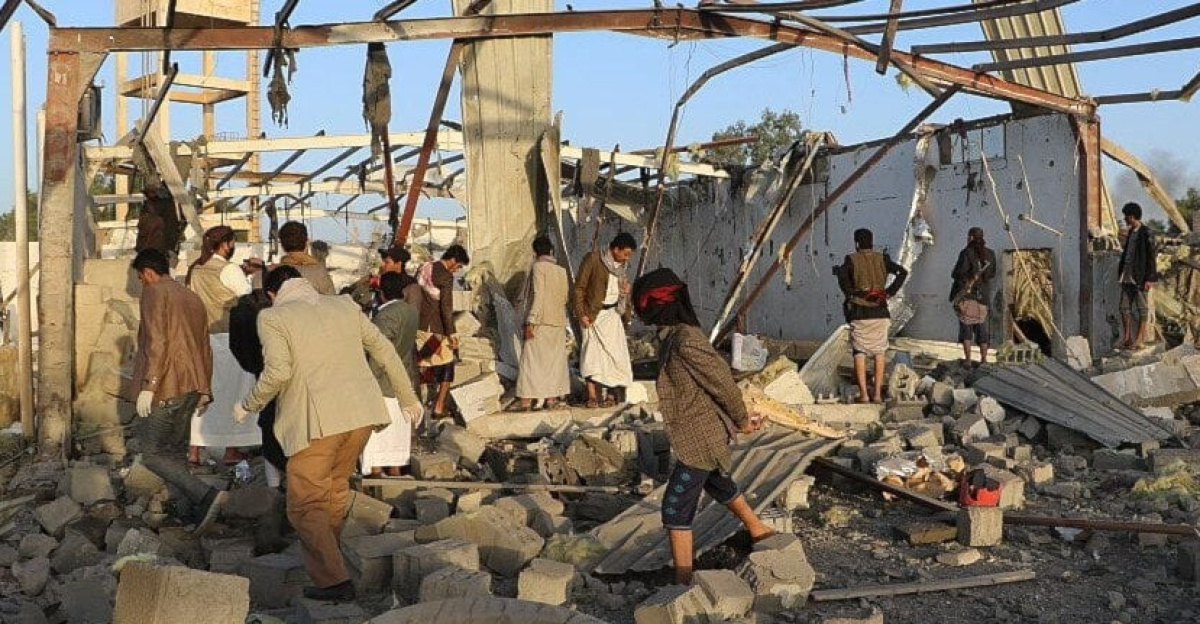
The Saada prison strike has intensified calls for accountability and transparency in U.S. military operations. Amnesty International argues that the attack meets the criteria for a war crime, as international law prohibits strikes on civilian sites without a legitimate military objective. Survivors and independent investigators found no evidence of combatants or weapons at the prison.
Despite promises from U.S. Central Command and General Michael Kurilla to release civilian casualty data from Operation Rough Rider, no official findings had been published four months after the incident. This lack of transparency has fueled suspicions of a cover-up and undermined global perceptions of U.S. accountability. Legal experts are now examining whether the U.S. approach to civilian harm in Yemen violates key provisions of the Geneva Conventions.
Broader Implications and the Path Forward
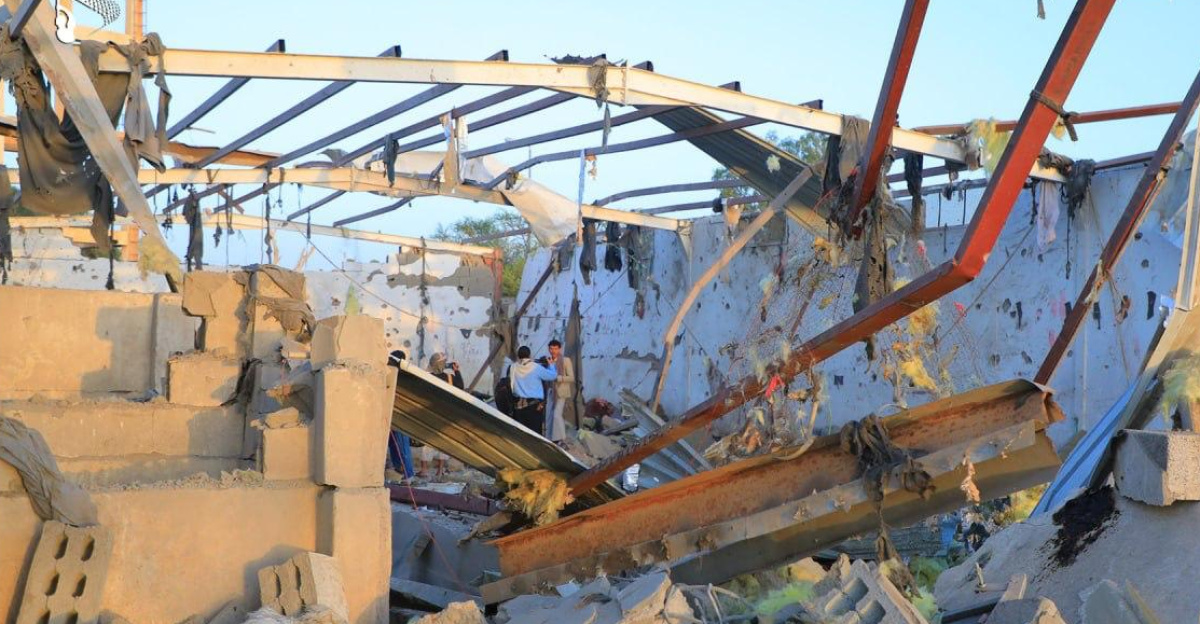
The aftermath of the airstrike has deepened Yemen’s humanitarian crisis. The Houthis continue to detain dozens of aid workers and UN employees, while international organizations struggle to respond to rising casualties and worsening regional hostilities. The dangers facing African migrants have increased, further limiting safe passage and exposing the limits of military campaigns to protect civilians in protracted conflicts.
The repeated targeting of the Saada prison by both Saudi and U.S. forces within three years is nearly unprecedented and points to institutional blind spots in coalition tactics and intelligence. Advocacy groups and independent monitors have amplified calls for reforms in targeting, transparency, and civilian protection standards.
As the world watches, the Saada airstrike stands as a stark warning about the risks of rapid military escalation, intelligence failures, and the erosion of humanitarian safeguards. The future of U.S. engagement in Yemen—and its reputation as a global leader—may depend on whether it can restore transparency, accountability, and a genuine commitment to protecting civilian lives.