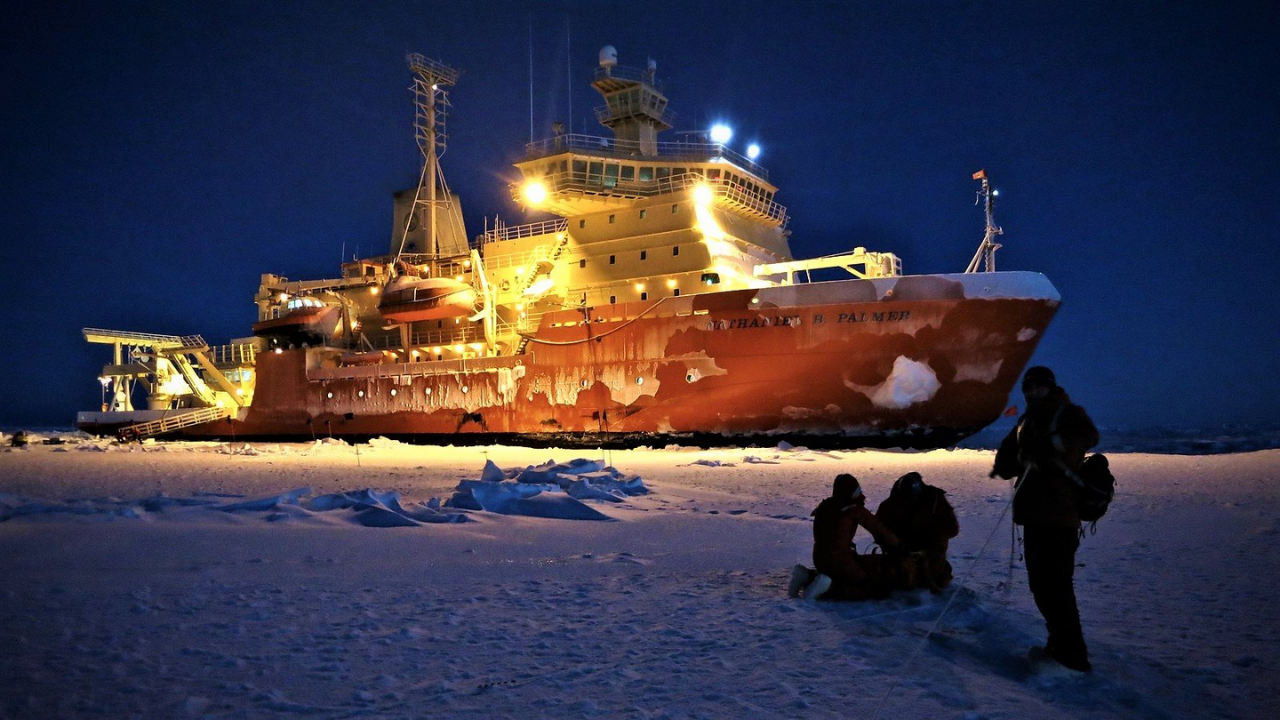
For more than three decades, a single orange-hulled icebreaker carried much of the United States’ scientific ambition into Antarctic waters. The RVIB Nathaniel B. Palmer, a 308‑foot research vessel, supported pioneering climate and ocean studies in one of the most remote regions on Earth. Its final voyage in October 2025 leaves the U.S. without a dedicated Antarctic research ship for the first time since the 1950s, raising questions about the country’s ability to remain a central player in polar science at a moment of accelerating climate change.
Palmer Retired, Replacement Years Away
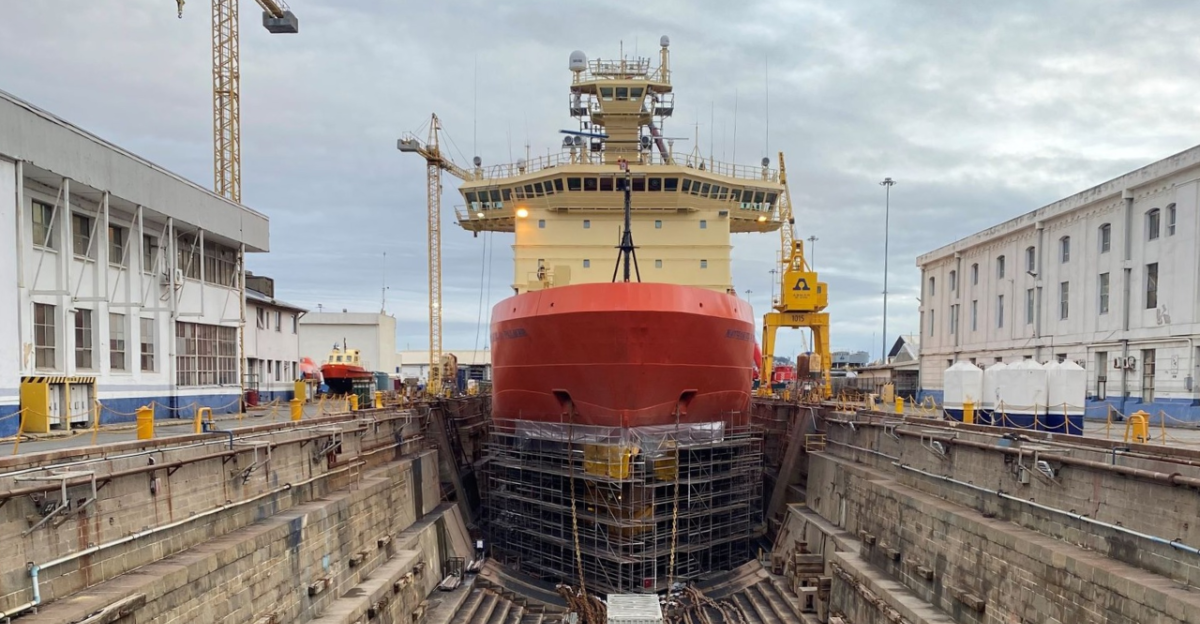
The National Science Foundation (NSF) decided to end its lease of the Nathaniel B. Palmer as part of a broader shift to concentrate limited resources on land-based Antarctic stations. The agency’s newly released budget for fiscal year 2026 included a short line stating that NSF would terminate the Palmer lease “to focus support on Antarctic stations,” a change later confirmed by the agency in a statement to Science magazine.
The ship’s retirement creates a long hiatus. A new Antarctic Research Vessel (ARV), already in development, is not expected to enter service until at least 2031. That leaves roughly a decade during which U.S. scientists will have no national ice-capable research ship regularly operating in Antarctic waters. Researchers say this gap comes at a critical time for observing ice sheet stability, ocean circulation, and rapidly changing ecosystems.
A Record of Discovery and Capability
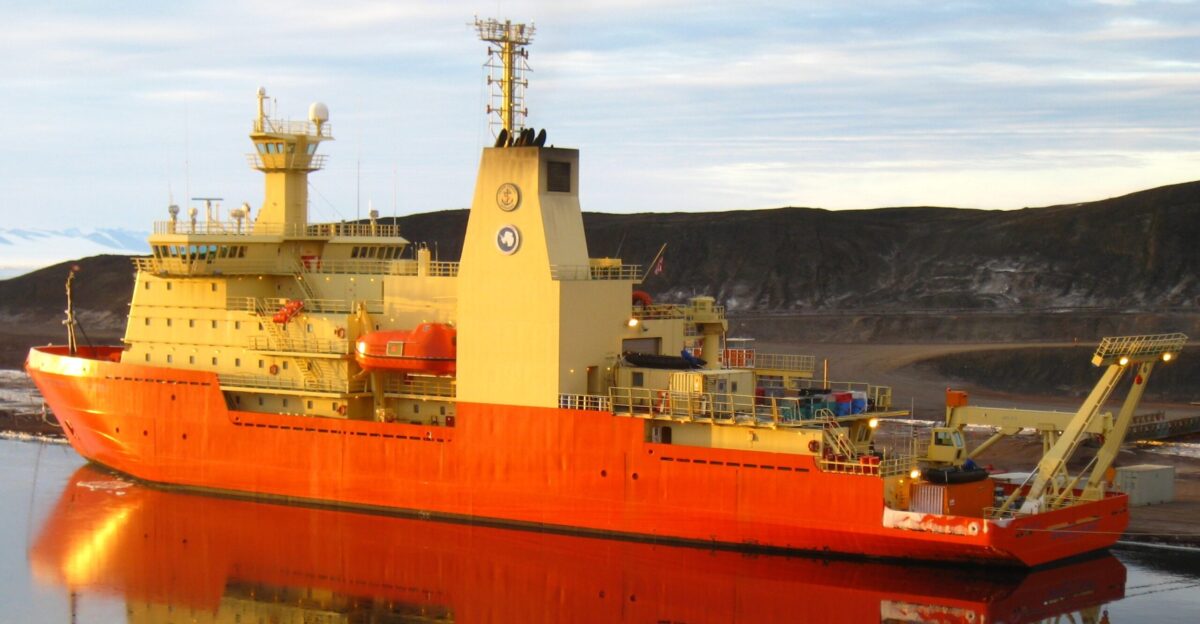
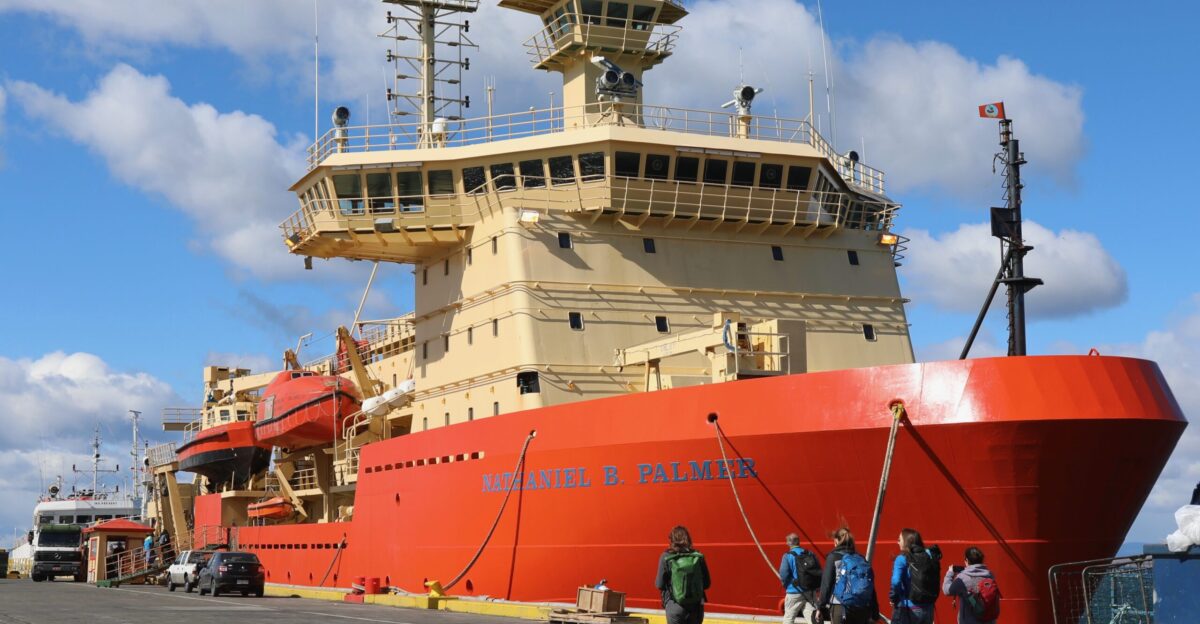
Launched in 1992, the Nathaniel B. Palmer gave U.S. scientists sustained access to Antarctica’s seas for more than 30 years. The vessel could carry up to 45 researchers, remain at sea for around 65 days, and operate in challenging ice conditions. Twin helicopters on board allowed teams to reach remote ice shelves and coastal zones inaccessible from shore-based stations.
Over three decades, the Palmer supported work that would have been difficult or impossible from land alone. In 2020, scientists aboard the ship documented Sif Island in the Amundsen Sea, a newly exposed landmass revealed by retreating ice. For many polar researchers, the Palmer was more than a platform; it was a core piece of scientific infrastructure that underpinned U.S. leadership in Antarctic marine research.
Budget Cuts and Political Choices
The ship’s retirement is closely tied to wider reductions in federal science spending. The Trump administration’s fiscal 2026 proposal cut the National Science Foundation’s overall budget from about $9 billion to $3.9 billion, a reduction of 56 per cent. Within NSF’s Office of Polar Programs, the impact was even more severe: about 70 per cent of funding for polar research was slated for elimination.
With annual lease costs of roughly $6 million to $7 million, the Palmer became a conspicuous target in an era of deep cuts. Scientists argue the decision effectively dismantles a large segment of U.S. polar research rather than trimming it. While other controversial science reductions drew resistance in Congress, no comparable push emerged to shield Antarctic ship operations. Hopes that lawmakers might explicitly protect support for Antarctic activities “at current levels” did not materialize into binding language by the time the vessel prepared for its final cruise.
Scientists Push Back, But Too Late
The research community reacted quickly once the implications of the Palmer decision became clear. On July 27, 2025, more than 170 polar scientists sent a letter to NSF leadership and members of Congress urging a reversal. The signatories, representing major research institutions, warned that a ten‑year break in ship-based access would “cripple America’s ability to conduct essential climate and marine research” in a region central to global sea-level projections.
Some researchers expressed frustration with how the process was handled. Marine geologist Julia Wellner of the University of Houston criticized what she viewed as a lack of clear written commitments from NSF about future marine access. The agency pointed to the Alaska‑based research vessel Sikuliaq as one possible alternative platform. Scientists countered that the Sikuliaq has fewer berths, shorter endurance, and less icebreaking capability than the Palmer, and is primarily dedicated to Arctic work. Relying heavily on that ship, they said, would damage both Arctic and Antarctic research programs.
Immediate Disruptions and Long-Term Stakes

The most visible near-term consequence is a series of cancelled expeditions. Five Antarctic missions scheduled between October 2025 and April 2026 are now in limbo. These projects were designed to investigate ocean circulation beneath West Antarctica’s ice, track shifts in marine ecosystems, and recover sediment cores that record ancient climate conditions. With the Palmer gone and no equivalent U.S. vessel on station, many of those plans must be postponed, relocated, or abandoned.
The timing is particularly sensitive at Thwaites Glacier, often referred to as the “doomsday glacier.” Thwaites is currently responsible for about 4 per cent of global sea-level rise and is losing around 50 billion tons of ice annually. A full collapse could raise sea levels by more than 10 feet, threatening low-lying coastal regions around the world. The Palmer has been instrumental in providing ship access to the glacier’s seaward edge, allowing teams to map its underside, study the warm seawater eroding it, and refine models of future retreat. Without a comparable U.S. research vessel, that work sharply contracts.
The loss extends beyond hardware. Decades of operational experience built up by the Palmer’s crew and affiliated science teams—knowledge of ice navigation, field logistics, and safety in extreme conditions—will begin to dissipate during a prolonged break. If the ARV is eventually constructed and launched, its operators may be forced to rebuild much of that institutional capacity from scratch.
NSF has said it will look for other ways to support marine science, including arrangements with commercial operators and collaborations with countries that maintain their own Antarctic research ships. Vessels such as Britain’s RRS Sir David Attenborough could, in principle, carry U.S. projects, but coordinating schedules, national priorities, and funding across programs adds layers of complexity. Commercial ships with true polar capabilities are also scarce.
Meanwhile, other nations are strengthening their Antarctic presence. China has been expanding its station network and logistics, and South Korea has increased investment in polar science. The United States, continuously active in Antarctica since the International Geophysical Year of 1957–58, now confronts a decade in which its ability to conduct independent, ship-based research around the continent is sharply reduced.
As the Nathaniel B. Palmer leaves Antarctic service and the proposed new research vessel remains years away, the U.S. faces a strategic choice. Continued funding could eventually deliver a more capable ARV, restoring and even expanding marine access. Failure to sustain support, combined with a lengthy interruption in fieldwork and expertise, could mark the start of a lasting decline in America’s influence on Antarctic climate research and its understanding of changes that will shape coastlines far beyond the ice.
Sources
Science Magazine, “NSF plans abrupt end to lone U.S. Antarctic research icebreaker,” July 27, 2025
Scientific American, “U.S. Cuts Antarctica’s Only Research Icebreaker Ship Under Trump Budget,” August 19, 2025
National Academies, “Chapter: 2 The National Antarctic Program,” February 2024
Columbia Climate School, “Scientists Respond to the Planned Termination of the Only U.S. Antarctic Research Vessel,” September 11, 2025
Inside Climate News, “After Trump Cut the National Science Foundation by 56 Percent,” September 18, 2025
SEJ Headlines, “US To Lose Ground In Antarctica After Pulling Out Last Research Ship,” December 11, 2025