` UPS Gets $3.5 Billion Haircut—48,000 Jobs Gone And 93 Sites Shut Down After Amazon Falls Off - Ruckus Factory

UPS Gets $3.5 Billion Haircut—48,000 Jobs Gone And 93 Sites Shut Down After Amazon Falls Off

Money Pechu – Facebook

In the fall of 2025, the world’s eyes turned to United Parcel Service (UPS) as they announced a staggering cut of 48,000 jobs across their workforce. The assembly lines hushed, hubs closed, and 93 buildings shuttered—one every three days on average.

It was a blitz, signaling the most sweeping transformation in the company’s 118‑year history. And it wasn’t just numbers—it carried an urgent question: what’s next for this logistic giant?

The Numbers Unpacked
a ups bus parked on the side of the road
Photo by Gavin on Unsplash

Of the 48,000 roles cut, about 34,000 were operational workers—drivers, loaders and frontline staff—and 14,000 were management positions. It’s nearly 10% of UPS’s global workforce (which in 2024 stood at ~490,000) and more than 10% of U.S. Teamsters‑represented jobs (~330,000).

These cuts are rooted in a strategy named “Network Reconfiguration and Efficiency Reimagined,” running through 2027. The plan aims to modernize operations and align staff levels with evolving delivery volumes.

Amazon: The Changing Relationship
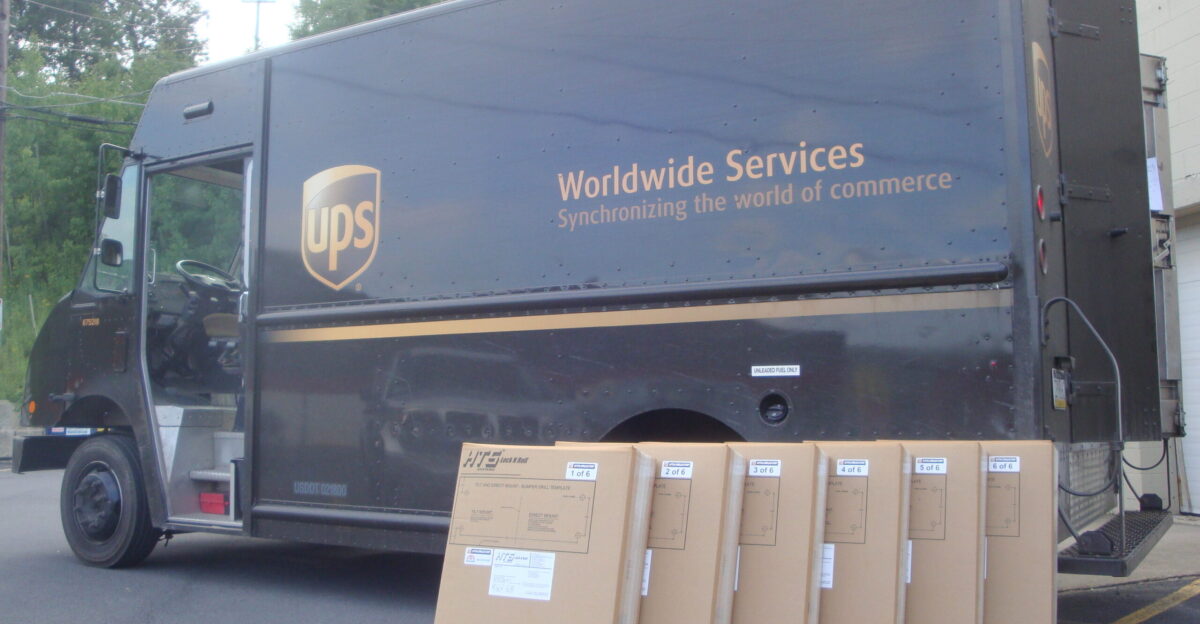
United Parcel Service package car prepares for HTS Systems customer pick-up in Pennsylvania
Photo by MobiusDaXter on Wikimedia

A major driver of this upheaval is the shrinking role of Amazon in UPS’s business. UPS announced a plan to cut Amazon-related volume by more than 50% by mid‑2026, reflecting a pivot away from low‑margin e‑commerce deliveries.

This shift underpins much of the restructuring and job elimination, signaling a strategic decision to prioritize higher-margin operations over dependency on a single major client.

Facilities Falling Away: 93 Buildings Closed
a ups truck driving down a city street
Photo by redcharlie on Unsplash

In just nine months, UPS shuttered 93 leased and owned buildings, exceeding earlier targets of around 73 closures. That’s roughly one facility closing every three days.

Each closure signifies a nerve centre gone quiet and reflects a physical footprint downsizing to match the reconfigured network. It also highlights the operational scale of the company’s restructuring.

Cost Savings
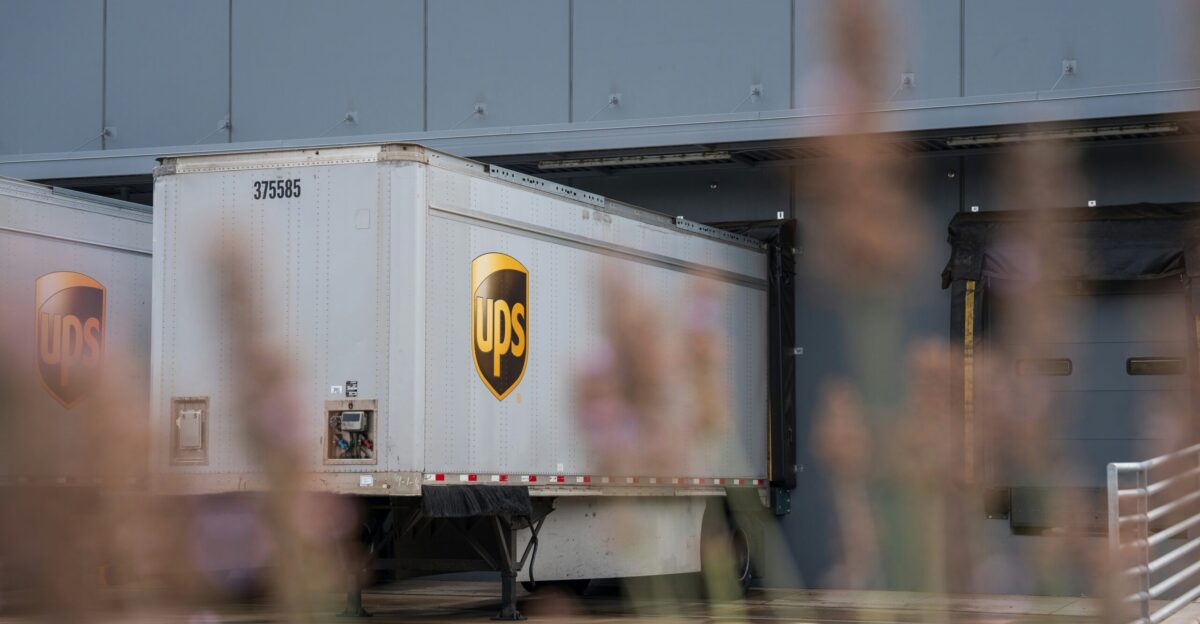
A truck is parked in front of a building
Photo by Salvador Rios on Unsplash

By September 30, UPS had already realised $2.2 billion in cost savings, with a full-year target of $3.5 billion. Break that down: roughly $72,900 saved per eliminated job.

These figures highlight the scale of the stakes—transforming staff, sites, and service. It’s a high-risk, high-reward move designed to boost profitability amid declining package volumes.

Package Volume Slump: 9.8% Drop in Q3
a phone with the ups logo on it
Photo by Marques Thomas on Unsplash

In the third quarter of 2025, UPS handled 19.4 million packages, a 9.8% decline versus the prior year. The steep drop reflects shifting delivery demand and reduced e-commerce volumes.

A marked drop in parcel volume proves the logic behind downsizing: fewer packages require fewer resources and lower operational costs, supporting UPS’s restructuring strategy.

Employee Impact
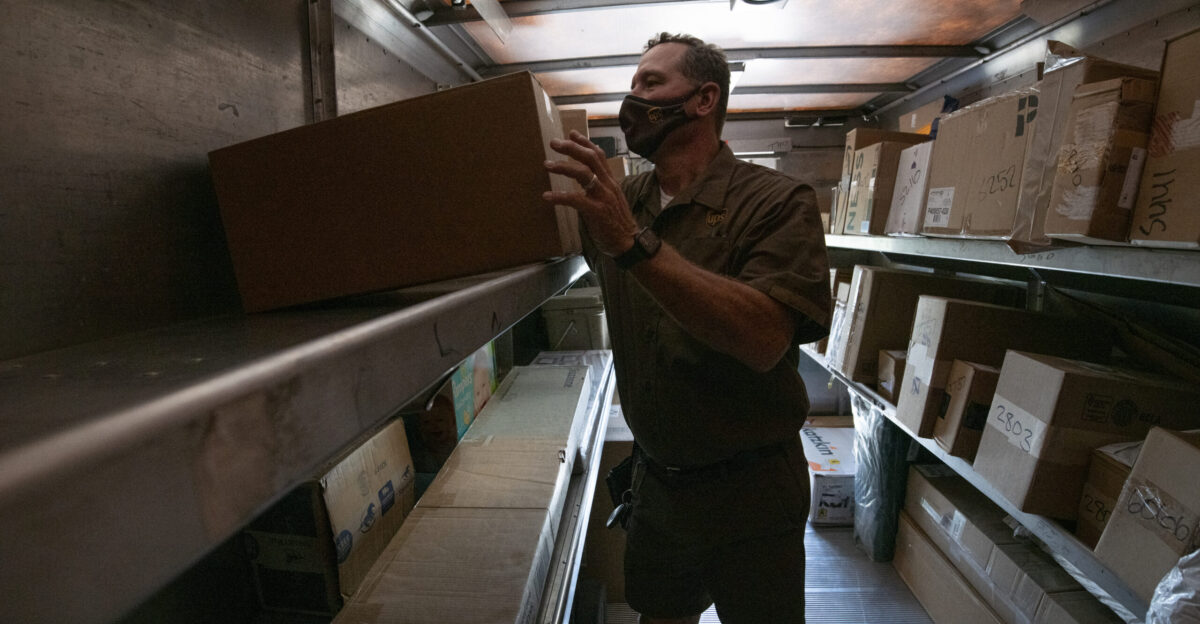
UPS Driver Wes Korczyncski delivers a food box from the U S Department of Agriculture USDA Food and Nutrition Service FNS Meals to You program that responded to the school closures due to COVID-19 here one of the partners PepsiCo implemented a logistics solution that utilizes package delivery company UPS to get multi-week supplemental food boxes to children in rural locations such as Natalia TX on August 24 2020 USDA first began the Meals to You program in 2019 as a three-year demonstration project designed to test a method to deliver nutritious food to children during the summer months in rural areas where the Summer Food Service Program SFSP is not available to difficult to access USDA entered into an agreement with Baylor University s Texas Hunger Initiative now called the Baylor Collaborative on Hunger and Poverty for the original demonstration In response to COVID-19 USDA and its partners were able to leverage the summer demonstration project to ensure rural children had access to food during pandemic-related school closures The Emergency Meals to You demonstration project continues our public-private partnership with the Baylor Collaborative on Hunger and Poverty and McLane Global that began in Summer 2019 and additionally includes Pepsi Co and Chartwells USDA was able to fund this expansion utilizing funding provided by the CARES Act Overall we allocated 185 million for the program from the 8 8 billion that the CARES Act provided for Child Nutrition Meals to You boxes are delivered directly to children s homes via the U S Postal Service or another delivery service Each box contains 20 nutritious shelf-stable meals including ten breakfasts and ten lunches suppers In participating states families with students who attend an eligible school or are eligible for free or reduced-price meals may opt-in to receive one box per child every two weeks The original goal was to serve 1 million meals per week which was quickly surpassed The partnership is now serving around 5 million meals per week For more information about the 1 000 000 meals a week program partnership please visit usda gov media press-releases 2020 03 17 usda-announces-feeding-program-partnership-response-covid-19 For more information about FNS Program Guidance on Human Pandemic Response please visit fns usda gov disaster pandemic For additional information and photos please visit the album and see its description flic kr s aHsmQ3GddJ flic kr s aHsmPrXwEi flic kr s aHsmMdK2x3 USDA Media by Lance Cheung
Photo by U S Department of Agriculture on Wikimedia

For the 48,000 jobs lost, each represents a family, a route canceled, a hub reassigned. In the U.S., roughly 34,000 operational workers were affected—including many unionised Teamsters.

Voluntary buyouts saw 90% of full-time drivers leave by August 31. The human cost is concentrated, real, and immediate, impacting tens of thousands of households nationwide.

Peak Season Pressure
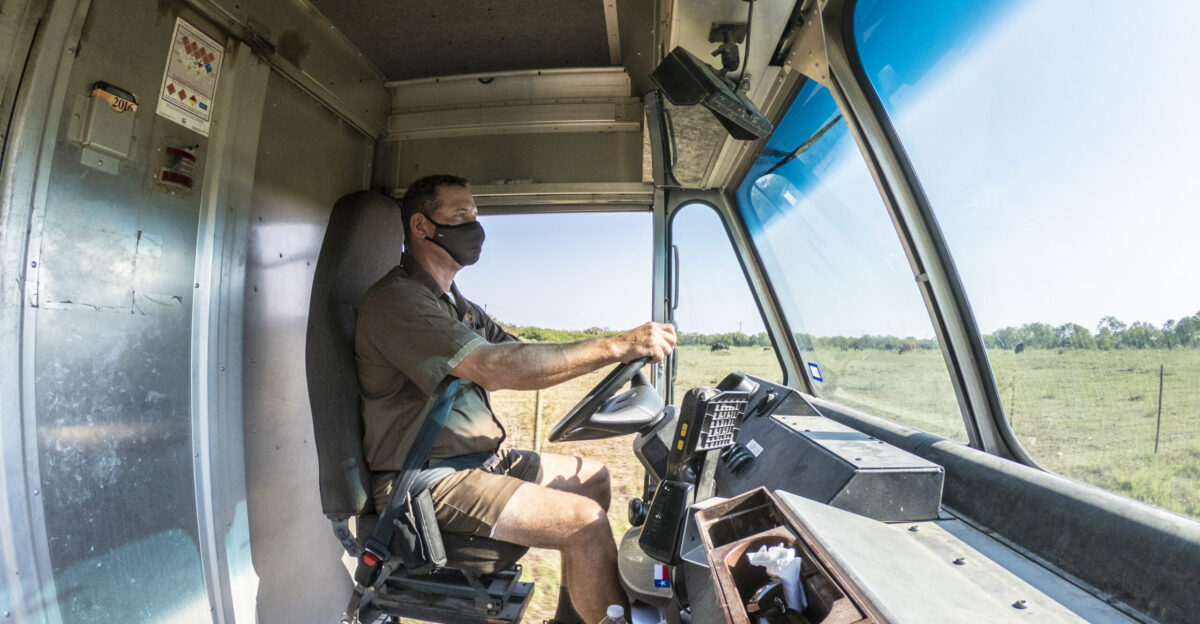
UPS Driver Wes Korczyncski delivers a food box from the U S Department of Agriculture USDA Food and Nutrition Service FNS Meals to You program that responded to the school closures due to COVID-19 here one of the partners PepsiCo implemented a logistics solution that utilizes package delivery company UPS to get multi-week supplemental food boxes to children in rural locations such as Natalia TX on August 24 2020 USDA first began the Meals to You program in 2019 as a three-year demonstration project designed to test a method to deliver nutritious food to children during the summer months in rural areas where the Summer Food Service Program SFSP is not available to difficult to access USDA entered into an agreement with Baylor University s Texas Hunger Initiative now called the Baylor Collaborative on Hunger and Poverty for the original demonstration In response to COVID-19 USDA and its partners were able to leverage the summer demonstration project to ensure rural children had access to food during pandemic-related school closures The Emergency Meals to You demonstration project continues our public-private partnership with the Baylor Collaborative on Hunger and Poverty and McLane Global that began in Summer 2019 and additionally includes Pepsi Co and Chartwells USDA was able to fund this expansion utilizing funding provided by the CARES Act Overall we allocated 185 million for the program from the 8 8 billion that the CARES Act provided for Child Nutrition Meals to You boxes are delivered directly to children s homes via the U S Postal Service or another delivery service Each box contains 20 nutritious shelf-stable meals including ten breakfasts and ten lunches suppers In participating states families with students who attend an eligible school or are eligible for free or reduced-price meals may opt-in to receive one box per child every two weeks The original goal was to serve 1 million meals per week which was quickly surpassed The partnership is now serving around 5 million meals per week For more information about the 1 000 000 meals a week program partnership please visit usda gov media press-releases 2020 03 17 usda-announces-feeding-program-partnership-response-covid-19 For more information about FNS Program Guidance on Human Pandemic Response please visit fns usda gov disaster pandemic For additional information and photos please visit the album and see its description flic kr s aHsmQ3GddJ flic kr s aHsmPrXwEi flic kr s aHsmMdK2x3 USDA Media by Lance Cheung
Photo by U S Department of Agriculture on Wikimedia

With the holiday shipping surge looming, UPS’s skeletonised workforce raises alarm. CEO Carol Tomé stated the company is “positioned to run the most efficient peak in our history.”

The question remains: will fewer hands deliver more parcels with the same reliability? The upcoming peak season will be the first test of this leaner operational model.

Automation & Tech
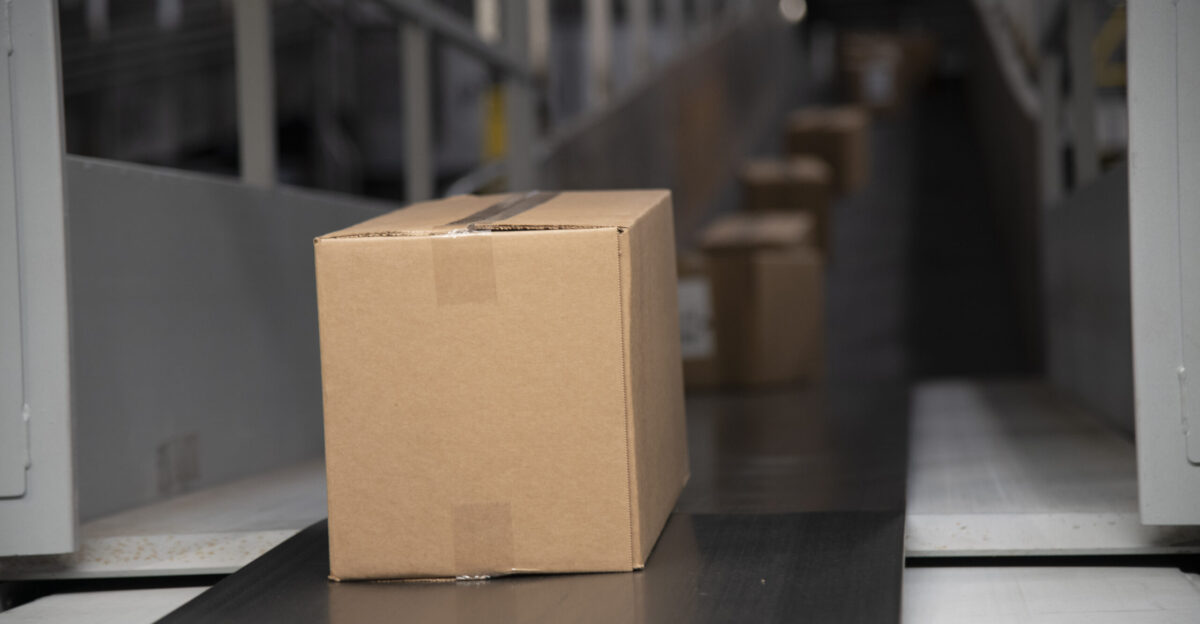
Food boxes enter the more than 1 million-square-foot UPS Lone Star distribution center hub in Arlington TX on August 14 2020 These boxes are from nearby Pro Pac Quality Packaging where they were packed and labeled for PepsiCo who partnered with U S Department of Agriculture USDA Food and Nutrition Service FNS Meals to You program in responded to the school closures due to COVID-19 Packages will ride on this extendable conveyor system and join other packages in the automated system of conveyors chutes sensors sorters and staging systems that will transport them to their best outbound trailer to their next hub or delivery center UPS and other package delivery services are utilized by PepsiCo and other partners to implemented a logistics solution that get two-week supplemental food boxes to children in rural locations Today s packages are heading to rural Texas Puerto Rico and Alaska The program includes 41 States and two territories USDA first began the Meals to You program in 2019 as a three-year demonstration project designed to test a method to deliver nutritious food to children during the summer months in rural areas where the Summer Food Service Program SFSP is not available to difficult to access USDA entered into an agreement with Baylor University s Texas Hunger Initiative now called the Baylor Collaborative on Hunger and Poverty for the original demonstration In response to COVID-19 USDA and its partners were able to leverage the summer demonstration project to ensure rural children had access to food during pandemic-related school closures The Emergency Meals to You demonstration project continues our public-private partnership with the Baylor Collaborative on Hunger and Poverty and McLane Global that began in Summer 2019 and additionally includes Pepsi Co and Chartwells USDA was able to fund this expansion utilizing funding provided by the CARES Act Overall we allocated 185 million for the program from the 8 8 billion that the CARES Act provided for Child Nutrition Meals to You boxes are delivered directly to children s homes via the U S Postal Service or another delivery service Each box contains 20 nutritious shelf-stable meals including ten breakfasts and ten lunches suppers In participating states families with students who attend an eligible school or are eligible for free or reduced-price meals may opt-in to receive one box per child every two weeks The original goal was to serve 1 million meals per week which was quickly surpassed The partnership is now serving around 5 million meals per week For more information about the 1 000 000 meals a week program partnership please visit usda gov media press-releases 2020 03 17 usda-announces-feeding-program-partnership-response-covid-19 For more information about FNS Program Guidance on Human Pandemic Response please visit fns usda gov disaster pandemic For additional information and photos please visit the album and see its description flic kr s aHsmPrXwEi flic kr s aHsmMdK2x3 USDA Media by Lance Cheung Photographs of a commercial product or enterprise do not constitute an endorsement by the USDA over products or enterprises not shown
Photo by U S Department of Agriculture on Wikimedia

The restructuring isn’t just about cuts—it’s about scale and technology. UPS plans to build automation into its network, reshape real estate, and redesign workflow.

This emphasis signals a belief that fewer humans plus smarter systems equals more efficiency. The flip side? Many jobs may simply vanish or evolve, reshaping careers in logistics.

Customer Experience
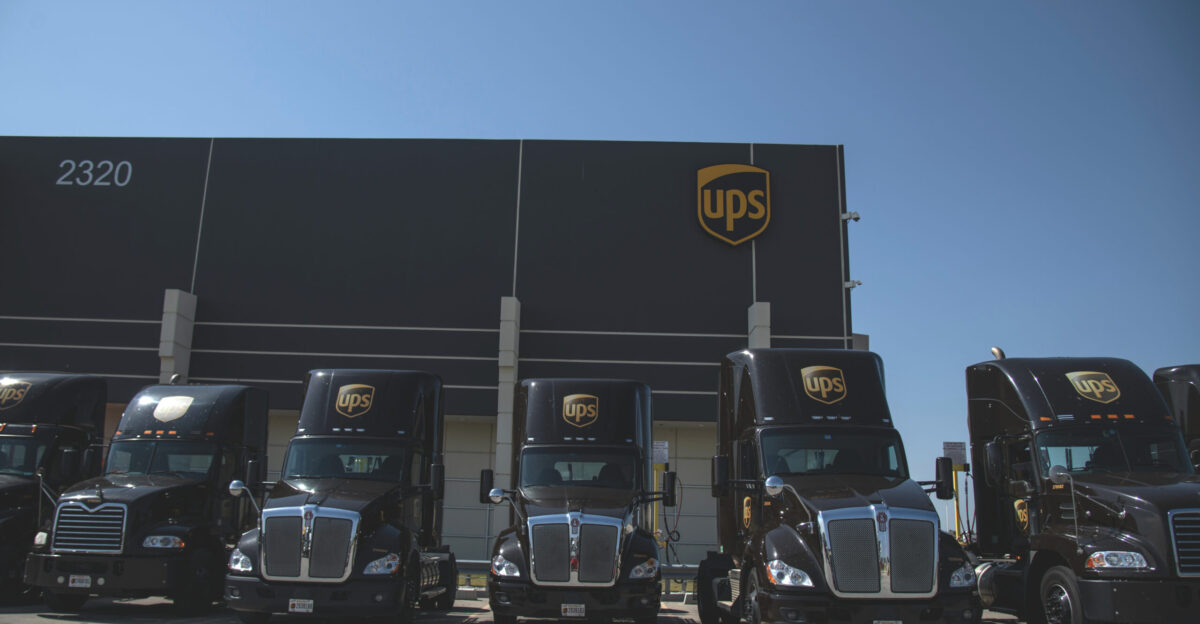
U S Department of Agriculture USDA Food and Nutrition Service FNS Meals to You program has responded to the school closures due to COVID-19 here one of the partners PepsiCo implemented a logistics solution that utilizes package delivery company UPS to get two-week supplemental food boxes to children in rural locations from their more than 1 million-square-foot distribution center hub in Arlington TX on August 14 2020 Today s packages are heading to rural Texas Puerto Rico and Alaska The program includes 41 States and two territories The UPS fleet of LNG CNG and late model diesel tractors keep operations economically and environmentally more efficient USDA first began the Meals to You program in 2019 as a three-year demonstration project designed to test a method to deliver nutritious food to children during the summer months in rural areas where the Summer Food Service Program SFSP is not available to difficult to access USDA entered into an agreement with Baylor University s Texas Hunger Initiative now called the Baylor Collaborative on Hunger and Poverty for the original demonstration In response to COVID-19 USDA and its partners were able to leverage the summer demonstration project to ensure rural children had access to food during pandemic-related school closures The Emergency Meals to You demonstration project continues our public-private partnership with the Baylor Collaborative on Hunger and Poverty and McLane Global that began in Summer 2019 and additionally includes Pepsi Co and Chartwells USDA was able to fund this expansion utilizing funding provided by the CARES Act Overall we allocated 185 million for the program from the 8 8 billion that the CARES Act provided for Child Nutrition Meals to You boxes are delivered directly to children s homes via the U S Postal Service or another delivery service Each box contains 20 nutritious shelf-stable meals including ten breakfasts and ten lunches suppers In participating states families with students who attend an eligible school or are eligible for free or reduced-price meals may opt-in to receive one box per child every two weeks The original goal was to serve 1 million meals per week which was quickly surpassed The partnership is now serving around 5 million meals per week For more information about the 1 000 000 meals a week program partnership please visit usda gov media press-releases 2020 03 17 usda-announces-feeding-program-partnership-response-covid-19 For more information about FNS Program Guidance on Human Pandemic Response please visit fns usda gov disaster pandemic For additional information and photos please visit the album and see its description flic kr s aHsmPrXwEi flic kr s aHsmMdK2x3 USDA Media by Lance Cheung Photographs of a commercial product or enterprise do not constitute an endorsement by the USDA over products or enterprises not shown
Photo by U S Department of Agriculture on Wikimedia

Consumers may face slower shipping, fewer options, and tighter return windows as UPS pares back Amazon links and optimizes its routes.

On the flip side, improved reliability in urban areas or premium services may emerge—if UPS drills down strategically. The key will be consistent, predictable delivery despite fewer staff.

Retailers & Partners
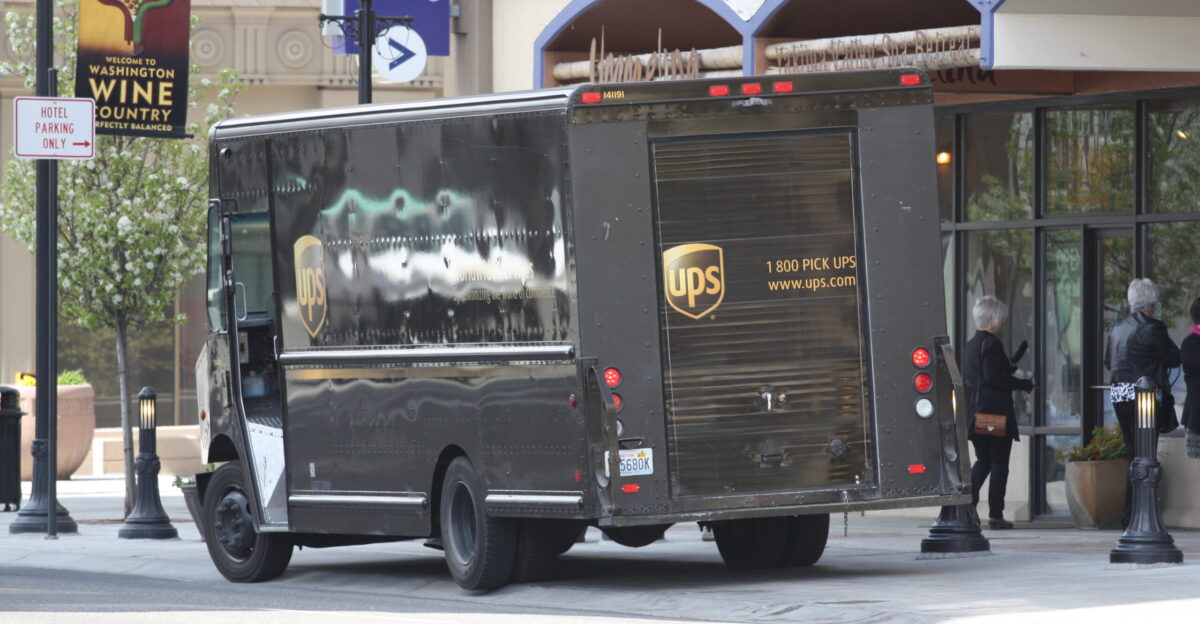
Newer body style like the ones I ve seen here in Seattle but this has the roll up rear door instead of barn doors The roll up door isn t that difficult to operate and doesn t block the tail lights when open See also a href opposite angle a
Photo by Atomic Taco from Seattle WA USA on Wikimedia

Retailers and e-commerce platforms are watching—and adjusting. With UPS stepping away from Amazon volume and closing facilities, regional carriers and tech-enabled logistics firms gain ground.

Retailers are renegotiating, seeking flexible alternatives and smarter delivery partners to maintain speed, efficiency, and reliability for their customers.

Global Ripples
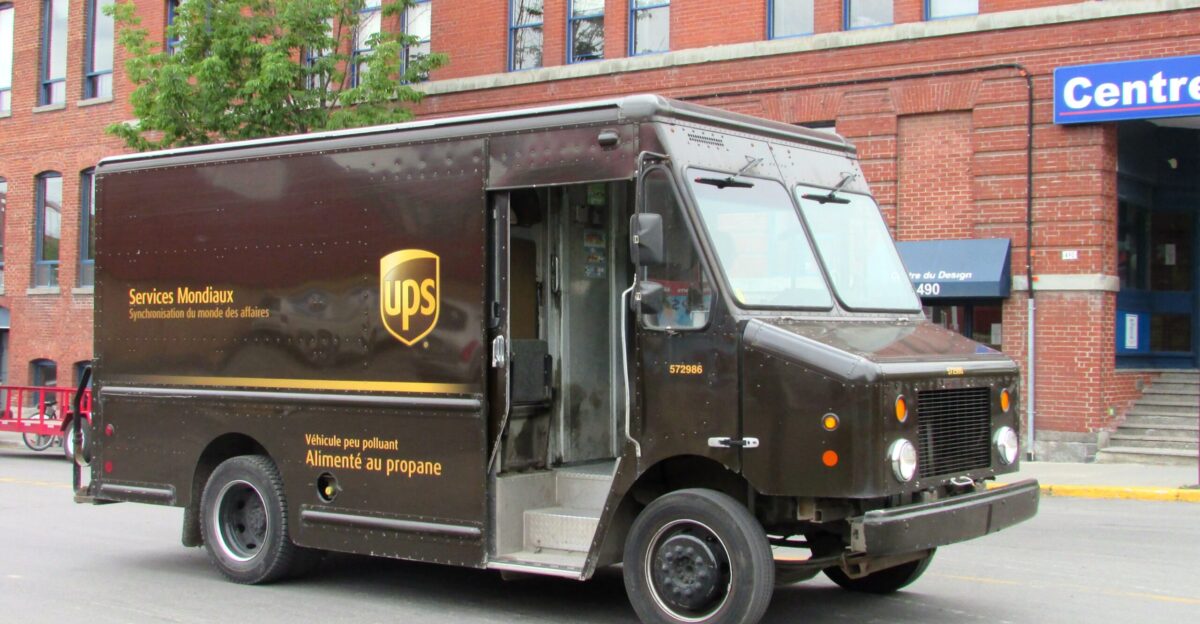
A propane-powered UPS package car delivery van in Montreal Quebec Canada
Photo by JasonVogel on Wikimedia

UPS’s reconfiguration is not just American. International volumes, cross-border flows, and hub realignments all feel the tremor.

The shift signals broader change in global supply chains: physical infrastructure matters less, agility and tech integration matter more. Companies worldwide are taking notice.

Winners & Losers
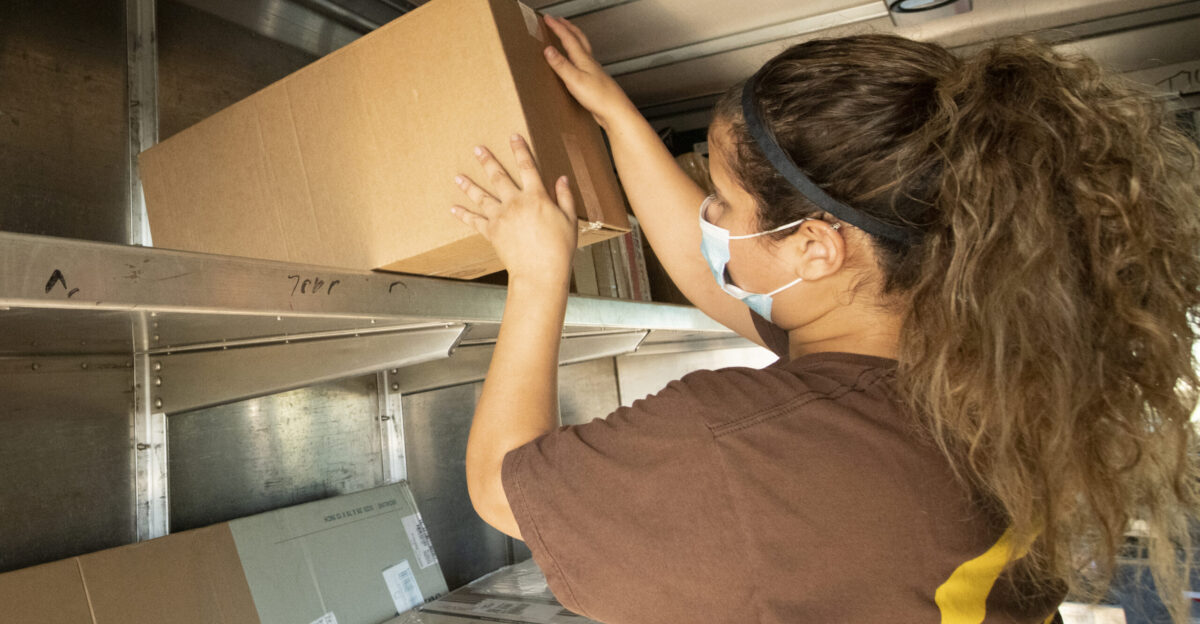
UPS Pre-Loader Elizabeth Reid loads a food box onto a delivery van to deliver needed food of the U S Department of Agriculture USDA Food and Nutrition Service FNS Meals to You program that responded to the school closures due to COVID-19 here one of the partners PepsiCo implemented a logistics solution that utilizes package delivery company UPS to get multi-week supplemental food boxes to children in rural locations such as Natalia TX on August 24 2020 USDA first began the Meals to You program in 2019 as a three-year demonstration project designed to test a method to deliver nutritious food to children during the summer months in rural areas where the Summer Food Service Program SFSP is not available to difficult to access USDA entered into an agreement with Baylor University s Texas Hunger Initiative now called the Baylor Collaborative on Hunger and Poverty for the original demonstration In response to COVID-19 USDA and its partners were able to leverage the summer demonstration project to ensure rural children had access to food during pandemic-related school closures The Emergency Meals to You demonstration project continues our public-private partnership with the Baylor Collaborative on Hunger and Poverty and McLane Global that began in Summer 2019 and additionally includes Pepsi Co and Chartwells USDA was able to fund this expansion utilizing funding provided by the CARES Act Overall we allocated 185 million for the program from the 8 8 billion that the CARES Act provided for Child Nutrition Meals to You boxes are delivered directly to children s homes via the U S Postal Service or another delivery service Each box contains 20 nutritious shelf-stable meals including ten breakfasts and ten lunches suppers In participating states families with students who attend an eligible school or are eligible for free or reduced-price meals may opt-in to receive one box per child every two weeks The original goal was to serve 1 million meals per week which was quickly surpassed The partnership is now serving around 5 million meals per week For more information about the 1 000 000 meals a week program partnership please visit usda gov media press-releases 2020 03 17 usda-announces-feeding-program-partnership-response-covid-19 For more information about FNS Program Guidance on Human Pandemic Response please visit fns usda gov disaster pandemic For additional information and photos please visit the album and see its description flic kr s aHsmQ3GddJ flic kr s aHsmPrXwEi flic kr s aHsmMdK2x3 USDA Media by Lance Cheung
Photo by U S Department of Agriculture on Wikimedia

Who benefits? UPS is pivoting to higher-margin sectors, such as healthcare logistics. Regional carriers and automation-first operators stand to gain.

Who loses? Workers affected by cuts, smaller retailers reliant on UPS’s broad footprint, and regions where closures hit hardest. The domino effect of these changes is far-reaching.

Investment & Consumer Advice
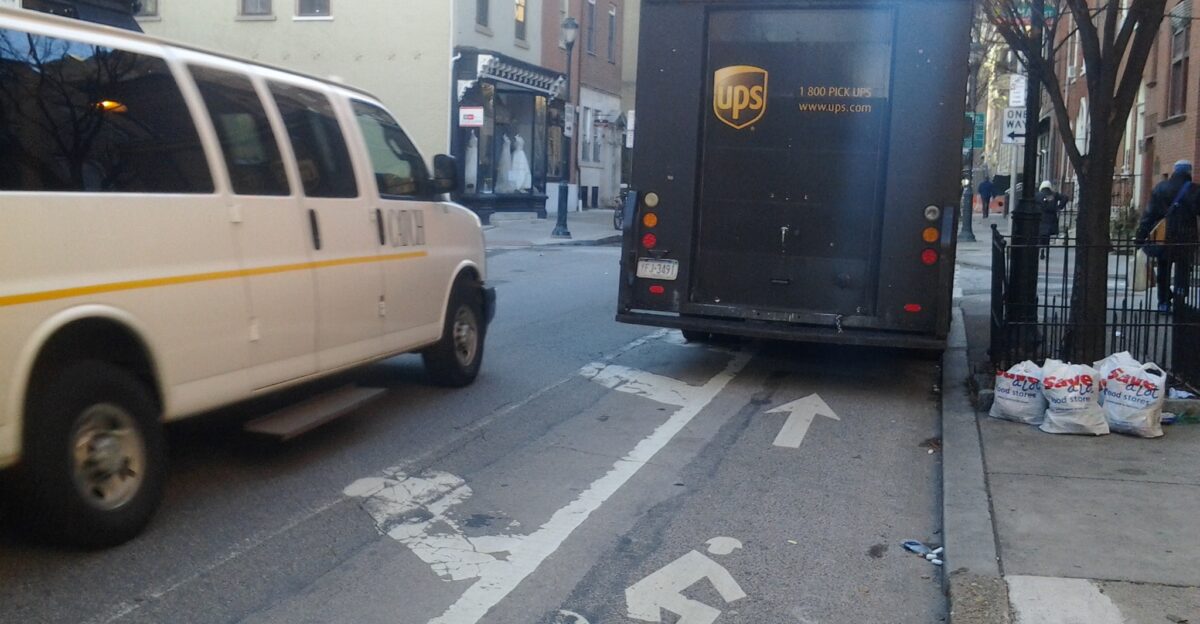
UPS truck parked in bike lane in Philadelphia PA
Photo by Phila Bikes on Wikimedia

Investors breathed a sigh of relief—UPS beat earnings expectations, but the long-term path remains uncertain.

For consumers, it’s time to compare shipping options, track delivery reliability closely, and consider alternative carriers. UPS’s shake-up could ripple into every checkout process.

The Road Ahead
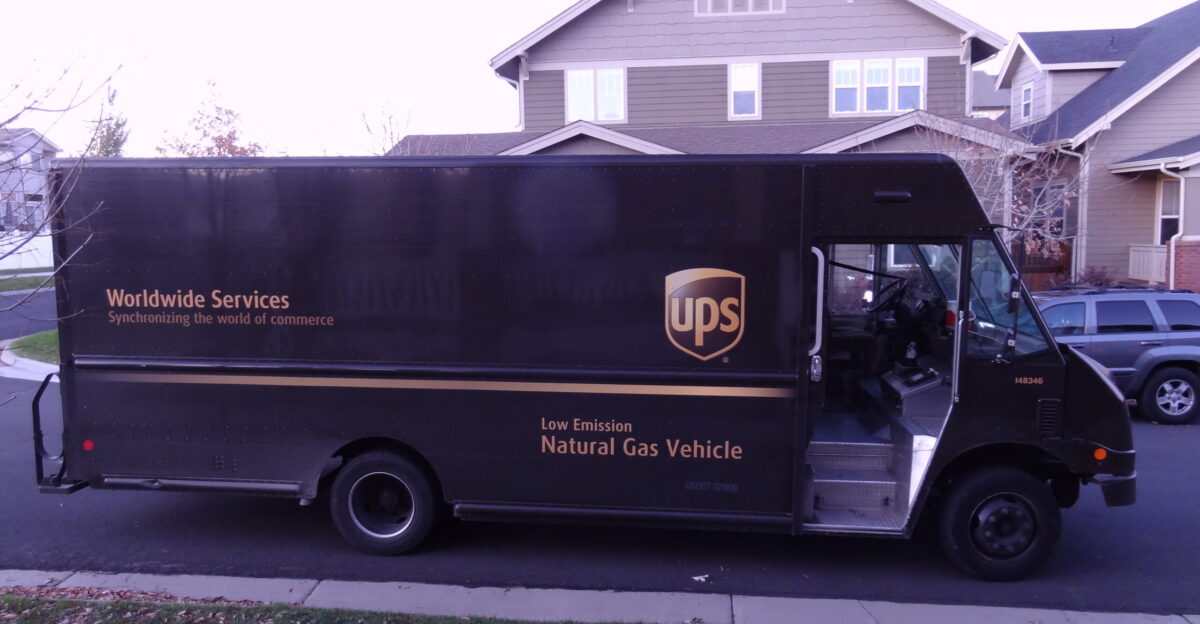
UPS Truck
Photo by Daniel Spiess from Denver USA on Wikimedia

UPS’s 2025 restructuring is a watershed moment, declaring a break from e-commerce growth assumptions and emphasizing efficiency.

Over the next two years, under “Network Reconfiguration & Efficiency Reimagined,” the delivery landscape will evolve. Businesses, workers, and consumers alike will need to adapt to this new reality.