UnitedHealth Group, the nation’s largest health insurer, is withdrawing from nearly 1 million seniors’ Medicare Advantage plans in 2026—marking the largest single-year exit by any provider in recent decades. The announcement signals a fundamental shift in the private Medicare market, where explosive growth over nearly two decades is now giving way to contraction driven by mounting financial pressures and regulatory scrutiny.
The decision reflects a broader industry retreat. Competitors including Humana, CVS Health’s Aetna, and Elevance Health are similarly scaling back offerings, signaling a move away from unprofitable regions and higher-risk enrollees. For the first time in nearly 20 years, total Medicare Advantage enrollment is projected to decline in 2026, falling from nearly 35 million to 34 million members.
The Financial Crisis Behind the Cuts

UnitedHealth’s retrenchment stems from a convergence of pressures. Medical utilization among Medicare Advantage members has surged to twice expected rates, eroding profit margins. The company experienced its largest quarterly earnings miss in over a decade in April 2025, triggering a 22 percent single-day decline in its stock price as the medical care ratio climbed above industry norms.
Rising medical costs, tighter government reimbursements, and intensifying regulatory scrutiny have compounded these challenges. CFO Wayne DeVeydt has publicly emphasized efforts to restore profitability by shedding unprofitable products and contracting regional footprints—a strategy executives believe will stabilize margins as the healthcare landscape shifts.
Geographic Concentration and Senior Impact
The plan exits are highly concentrated in specific regions. Entire counties in Florida, Texas, and California are losing UnitedHealth’s Medicare Advantage coverage, forcing affected seniors to navigate a compressed enrollment window to find alternative plans. Many with chronic conditions now face the prospect of higher out-of-pocket expenses or reduced access to preferred providers.
Insurance brokers report unprecedented challenges as plan selection narrows and out-of-pocket limits rise for 2026. Seniors can explore traditional Medicare, Medigap supplemental policies, or remaining private options, though each carries distinct trade-offs in cost and coverage.
Network Disruptions and Provider Withdrawals
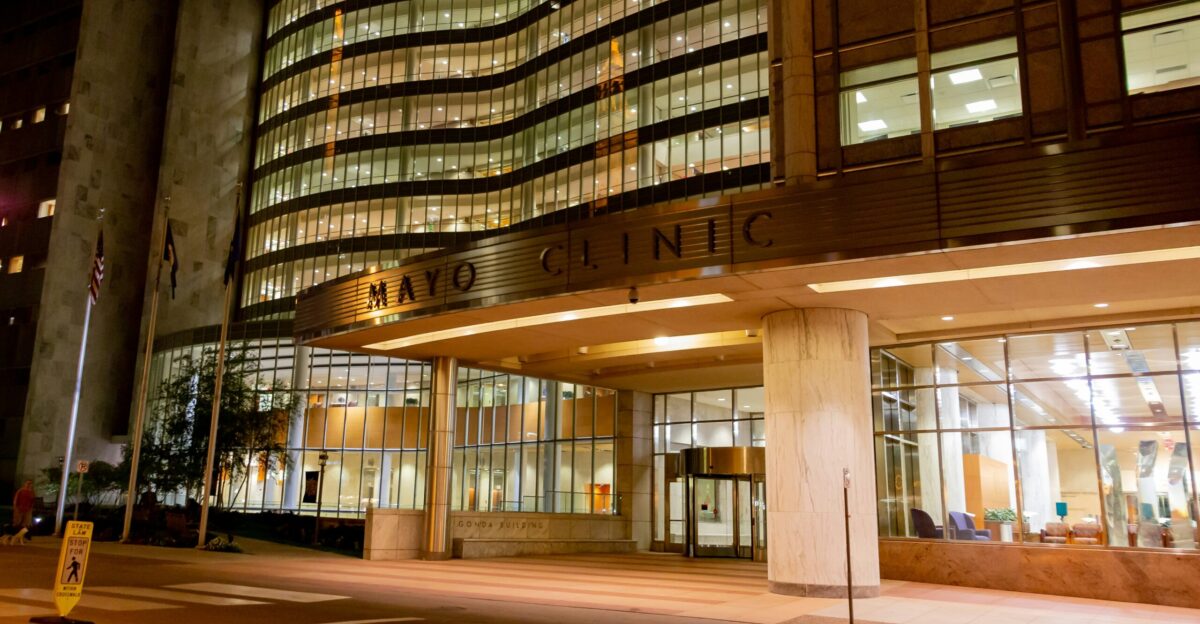
Major health systems, including Mayo Clinic and Johns Hopkins Medicine, are withdrawing from UnitedHealth’s Medicare Advantage network, citing high denial rates and inadequate reimbursement. These network disruptions affect tens of thousands of patients, leaving them vulnerable to out-of-network costs or forced provider changes.
The company also faces legal scrutiny over its use of artificial intelligence to automate claim denials. Senate investigations found that UnitedHealth’s post-acute-care denial rate surged after deploying its NH Predict tool, raising concerns about access and fairness for elderly patients. Federal investigations are additionally examining whether the company systematically inflated diagnoses to receive excess Medicare payments and whether its vertical integration—merging insurer and provider roles—creates conflicts of interest.
Erosion of Supplemental Benefits

While nearly all Medicare Advantage plans continue offering dental, vision, and hearing coverage, other supplemental benefits have declined sharply in 2025. Over-the-counter medication allowances dropped from 88 percent to 79 percent of plans, remote-access technologies fell from 72 percent to 49 percent, and transportation benefits declined from 36 percent to 28 percent. These reductions significantly diminish wellness support available to beneficiaries.
Looking Forward
The annual Medicare open enrollment period, running from October 15 to December 7, is now more critical than ever for affected seniors. A special enrollment window from December 8 to February 28, 2026, will allow those losing coverage to access new plans, though options are narrowing.
Policymakers and advocacy groups are intensifying focus on Medicare payment structures for private plans, highlighting the urgency of reform to ensure beneficiary choice, maintain care access, and guarantee supplemental benefit viability. Health policy experts warn that UnitedHealth’s pullback is likely a bellwether for further industry contraction, suggesting many more seniors may face reduced choices and coverage disruptions as insurers redraw the private Medicare landscape. The long-term impact on affordability, quality, and healthcare access will ultimately depend on regulatory responses and the evolution of America’s healthcare marketplace.