
On the morning after Thanksgiving, a 109-year-old grocery giant made a quiet but significant move. United Supermarkets filed paperwork announcing the elimination of 126 positions at its Lubbock, Texas headquarters, roughly one quarter of its office staff. This was not a sudden crisis but a planned restructuring tied to a 1.5 billion dollar cost-cutting effort by parent company Albertsons.
The timing, scale, and technology behind the decision point to something larger: automation and post-merger competition are reshaping the American grocery sector.
What Sparked This Moment?
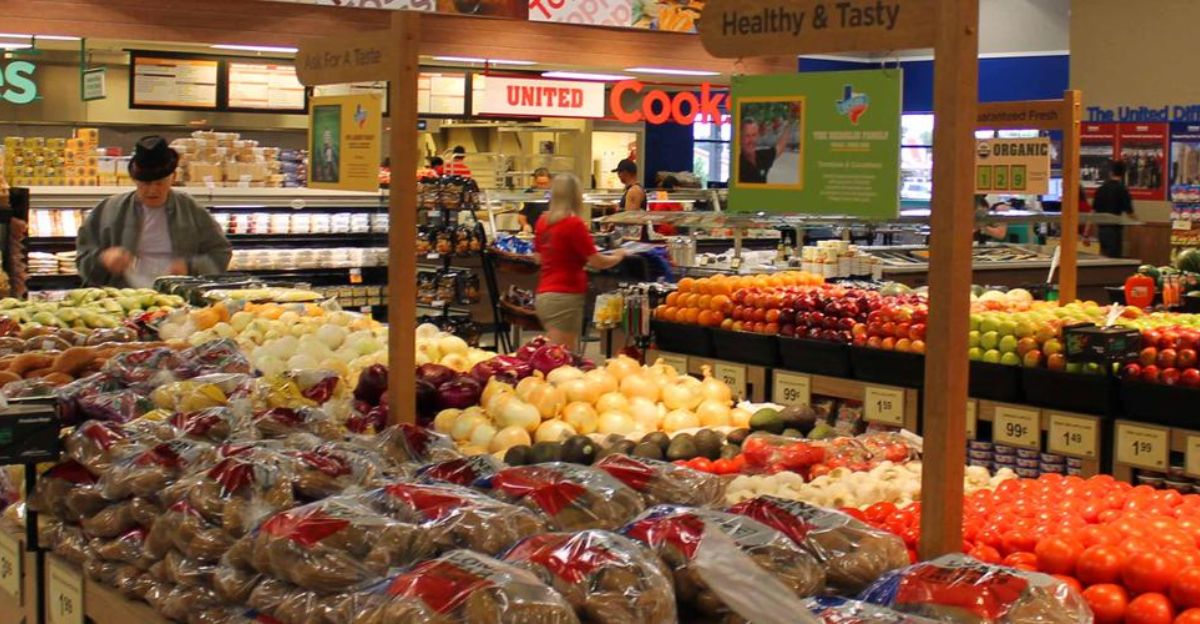
The WARN notice arrived in mid-November, only weeks before the holidays. United Supermarkets, owned by Albertsons since 2013, announced layoffs effective January 19, 2026, citing a transition to new operating systems as the main reason. The cuts affect director-level positions, marketing teams, and support desk roles.
These functions once formed the administrative backbone across the 96-store chain serving 54 communities in Texas and New Mexico. Beneath the technical justification lies a broader strategic shift within Albertsons.
The Bigger Picture Behind the Cuts

Only 11 months earlier, the Federal Trade Commission blocked a $24.6B merger between Albertsons and Kroger. The deal was designed to create a competitor strong enough to challenge Walmart. Once the merger collapsed, both companies faced pressure to prove they could compete independently.
Albertsons responded with a 1.5 billion dollar cost-cutting strategy called the product engine initiative, spanning fiscal years 2025 through 2027. The United Supermarkets layoffs are the first major regional sign of that push.
A Chain With Deep Roots

United Supermarkets began in 1916 as the United Cash Store and became a well-known regional name over the next century. By 2013, Albertsons acquired the chain and absorbed its 96 stores and nearly 18,000 workers into its larger network that includes Market Street, Amigos, and Albertsons Market.
For a decade, the Lubbock headquarters retained notable independence in regional decision-making. That chapter is closing.
The Numbers Tell a Story

The 126 corporate cuts represent only 0.7% of United’s 18,000 workers, but inside the Lubbock headquarters of about 510 employees, the reduction equals nearly 25 percent. This is not a minor adjustment but a major restructuring. Estimated payroll savings between 9 and 18 million dollars will affect Lubbock’s local economy.
Yet this is only one part of Albertsons broader transformation.
This Is Not Unique to United
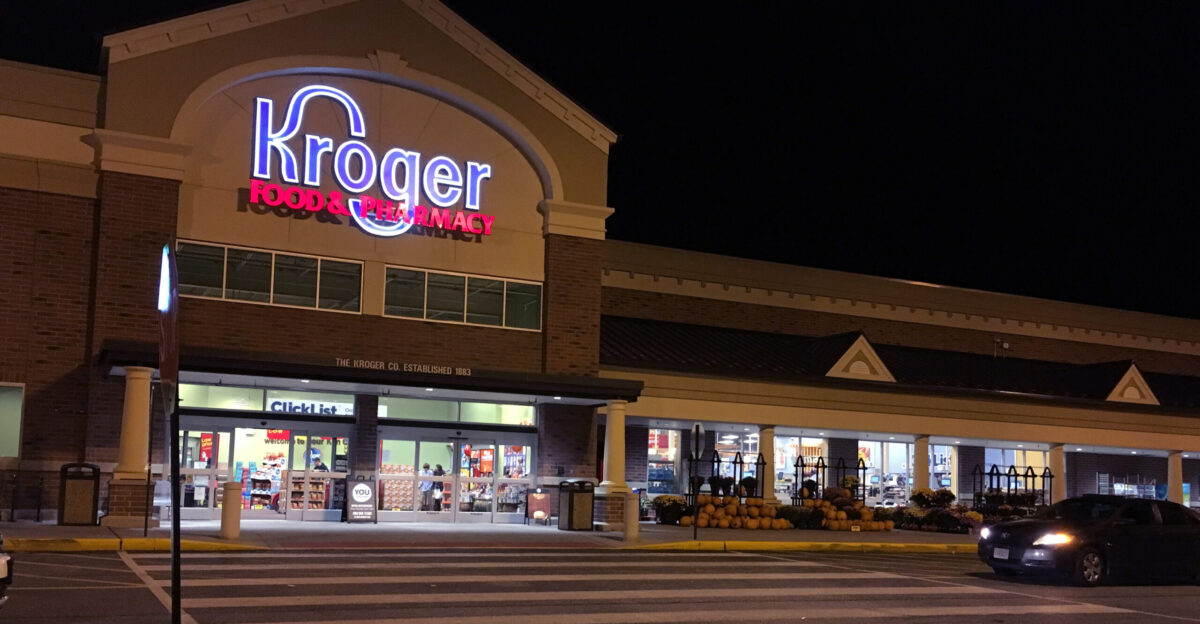
Albertsons eliminated 225 corporate jobs earlier this year in Phoenix and another 156 across two facilities in Pleasanton, California. Kroger cut nearly 1,000 corporate positions in August and eliminated 1,532 jobs through facility closures. Combined with United’s 126 positions, the two companies shed more than 2,000 roles in 2025. The trend reflects a coordinated response to rising automation and intensified competition.
Financial Performance Contradicts the Narrative

Despite the cuts, Albertsons remains financially strong. In the second quarter of fiscal year 2025, the company reported $18.92B in revenue, a 2% increase over the previous year. Same-store sales rose 2.2% , and digital sales jumped 23%.
In July, the company raised its full-year guidance and executed $750M in accelerated share repurchases. CEO Vivek Sankaran described the company as undervalued, noting its solid operations and financial performance.
The Real Driver: Automation

Vivek Sankaran stated, “We are targeting 30% of distribution volume to be automated by the end of this year,” signaling a rapid shift toward technology-driven logistics. The new systems being implemented at United Supermarkets are part of this strategy.
Cloud platforms, centralized analytics, and unified e-commerce capabilities reduce the need for regional decision-makers. The layoffs reflect a strategic move shaped by technological capacity rather than financial distress.
What Roles Are Disappearing?

The WARN notice lists director-level positions, marketing teams, and support desk staff among the cuts. These were the roles that shaped local marketing, customer service escalation, and regional business choices.
In Albertsons centralized operating model, national systems now handle pricing, helpdesk support, and marketing campaigns. Regional autonomy is shrinking because technology makes centralized control efficient.
The Timeline Creates Operational Risk

The transition begins January 19, 2026, only six weeks after the WARN notice and right after the holiday season. The systems conversion is scheduled to continue through mid to late July 2026. During this period, legacy platforms will be decommissioned and staff will be trained while stores operate with significantly reduced corporate support.
Retail technology transitions often bring inventory errors, pricing glitches, and customer service strain. The chosen timeline aims to reduce visible disruption, but the risks remain significant.
Who Really Pays the Price?
The 126 affected workers face a difficult job market. The unemployment rate sits at 4.3%, the highest in nearly four years, and hiring rates across the economy are described as quite low by Mortgage Bankers Association Chief Economist Mike Fratantoni.
Severance may help temporarily, but displaced employees must compete for limited corporate roles. Remaining employees must adjust to an environment where automation openly replaces traditional career paths.
Local Economic Shockwaves in Lubbock
Lubbock loses $9 million to $18 million in annual payroll, a significant hit for a city of about 260,000 residents. These professionals typically support local businesses and contribute to community programs.
United Supermarkets has long served as a civic partner in Lubbock, making the restructuring feel personal within the community. Other regional headquarters located in the city may watch closely and brace for similar shifts.
Supply Chain and Vendor Implications
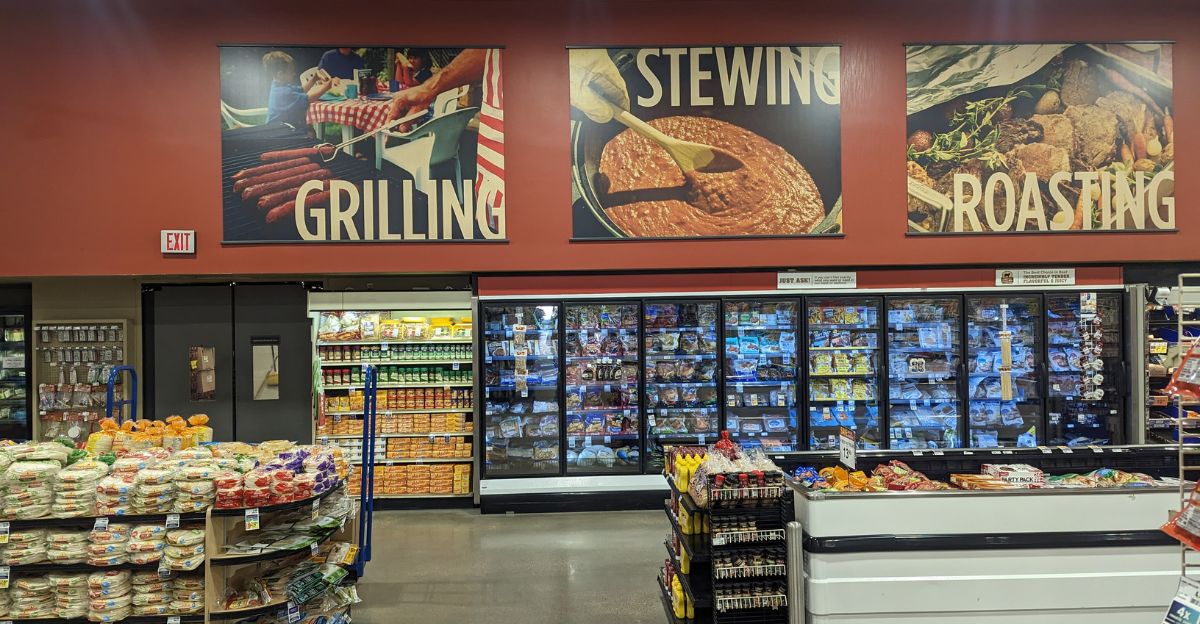
Local suppliers may face stricter, data-driven order management as United adopts Albertsons centralized systems. Smaller producers that once relied on personal relationships could struggle to adapt to automated procurement requirements.
Large vendors with integrated systems stand to benefit, while smaller suppliers risk losing influence. Simplification boosts corporate efficiency but may limit supplier diversity.
Consumer Impact: Benefit or Risk?
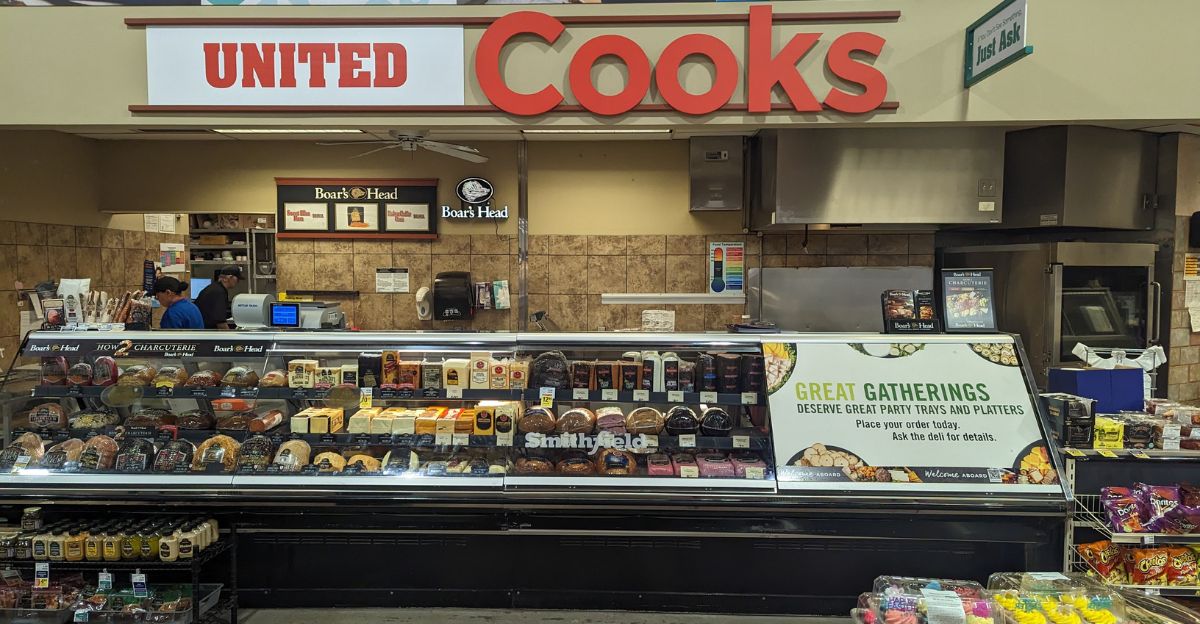
Centralized systems promise improved efficiency, smarter inventory, and better digital offers fueled by rapidly growing online sales. However, transitions of this scale often lead to temporary stock outages and service issues.
Store associates will face increased pressure during the transition without the full support of a functioning headquarters team. Shoppers in Texas and New Mexico could experience disruptions throughout the spring of 2026.
The Broader Industry Trend Accelerates
United’s restructuring mirrors a national shift. Kroger cut 1,000 corporate jobs earlier this year, Target eliminated 1,800, and Amazon cut 14,000 corporate positions. Retailers and technology companies are rapidly adopting automation and centralization.
With margin pressure rising from competitors such as Walmart, Costco, and Aldi, companies are choosing internal restructuring and technological investment when consolidation efforts fail.
Regulatory and Political Dimensions

The FTC blocked the Kroger and Albertsons merger in order to protect workers and preserve competition. Yet both companies are eliminating thousands of jobs after the merger was denied. This creates a regulatory paradox: blocking consolidation did not preserve jobs and may have intensified job reductions.
Policymakers will likely face demand for solutions, but automation complicates any attempt to preserve employment.
A Moment of Reckoning for Regional Retailers
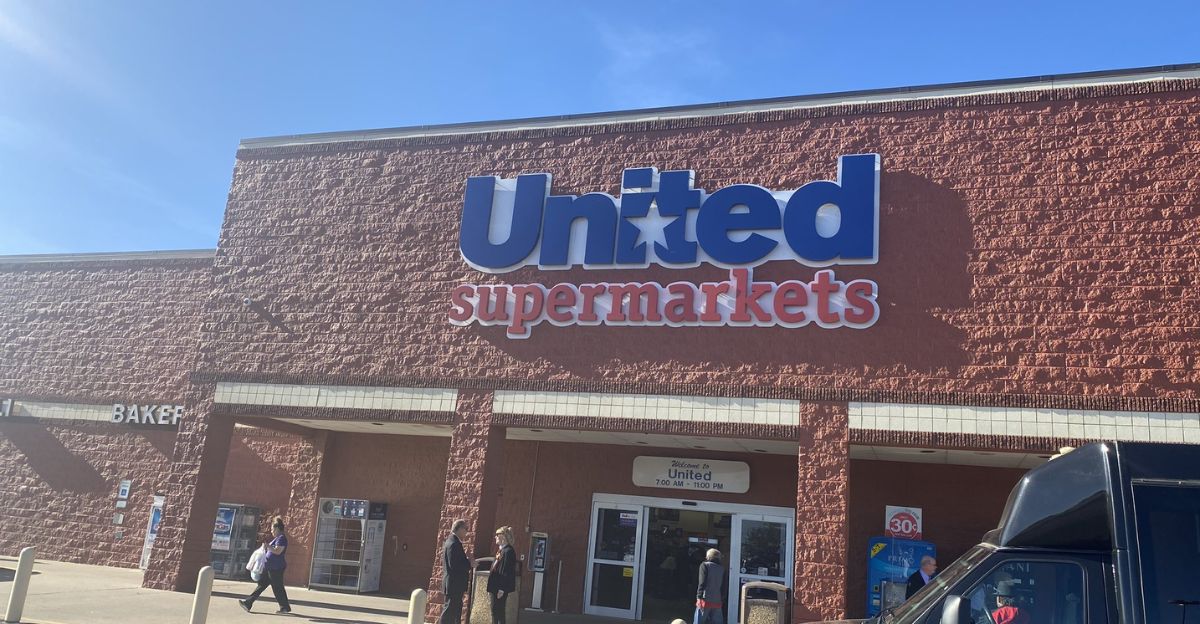
United Supermarkets represents a broader shift in American retail. A chain that once operated as a regional institution is now fully integrated into a national system. The Lubbock headquarters will function less as a decision center and more as a support hub executing corporate strategy.
Other regional chains may face similar transformations as parent companies emphasize efficiency.
Looking Forward: What Comes Next?

The systems conversion will finish by mid to late July 2026. If it works as intended, United will share a unified technological structure with all Albertsons banners, improving data use and inventory performance. Payroll savings will be realized and shareholders will likely approve of the improved efficiency. The communities and workers who bore the cost may see less benefit.
The Deeper Lesson

United Supermarkets’ restructuring highlights a national shift where efficiency often outweighs stability. Albertsons did not make cuts because revenue was falling. It made cuts because technology allows operations with fewer people, and investors reward lower labor costs. This pattern will likely accelerate and reshape employment in retail, logistics, and customer support.
A Moment Frozen in Time
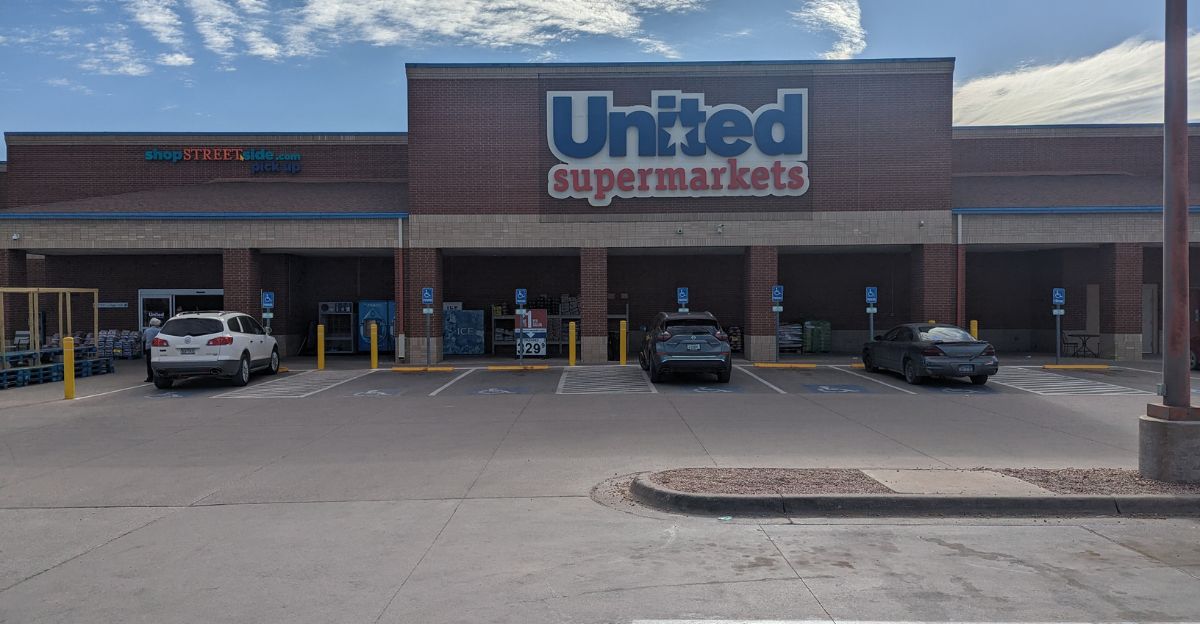
When the WARN notice appeared on November 17, it seemed routine. By December, it symbolized a changing retail landscape shaped by automation, blocked mergers, and profit-driven efficiency. The 126 lost roles signal a deeper transformation in how regional retailers operate. The grocery sector has entered a new era, and communities must decide how to respond.
Sources:
Supermarket News, “United Supermarkets Cuts 126 Jobs at Texas HQ,” November 21, 2025
KTTZ Radio, “United Supermarkets to Eliminate 126 Jobs from Lubbock Main Office,” November 21, 2025
Chron.com, “Texas Grocer United Supermarkets to Eliminate 126 Jobs,” November 20, 2025
Investing.com, “Albertsons Q1 2025: Digital Sales Surge 25%, Company Unveils $1.5B Savings Plan,”
Fortune, “Albertsons CEO Shares Grocer’s Plans for Future,” January 08, 2025
USA Today, “Kroger is Cutting Nearly 1000 Corporate Jobs,” August 27, 2025
CNBC, “Target Cuts 1800 Corporate Jobs in Its First Major Layoffs in a Decade,” October 23, 2025
Federal Trade Commission, Kroger-Albertsons Merger Decision, December 2024
U.S. Bureau of Labor Statistics, Employment and Unemployment Reports, 2025
Mortgage Bankers Association, Chief Economist Statement on Labor Market, September 2025