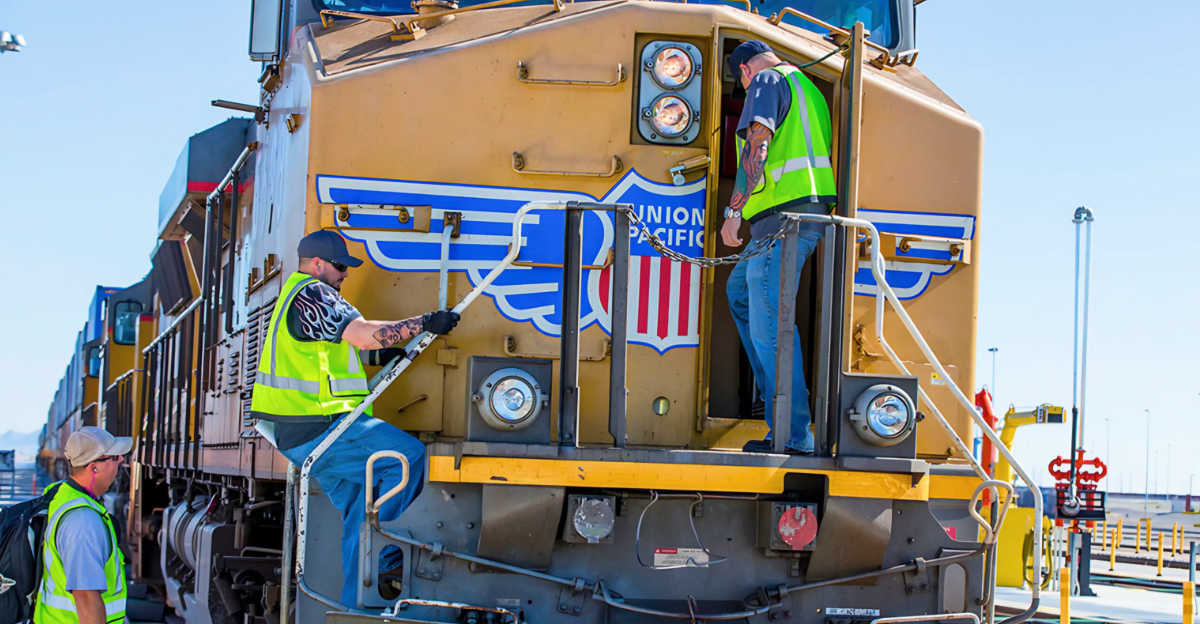
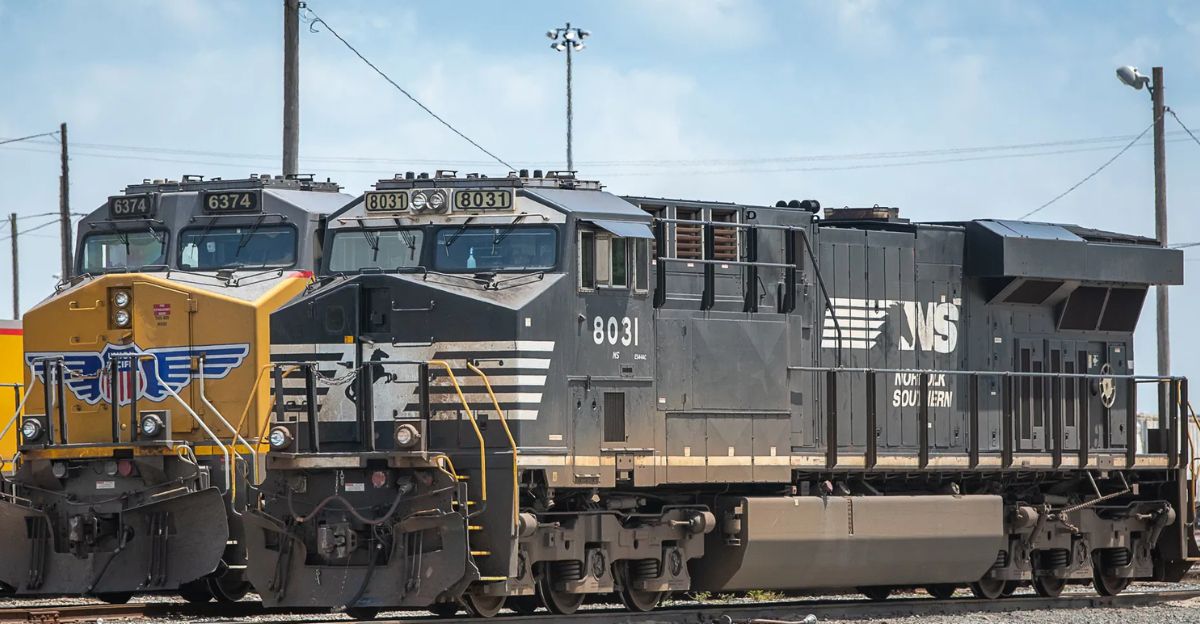
In July 2025, Union Pacific announced an unprecedented $85 billion bid for Norfolk Southern. If approved, the deal would fuse UP’s western network with NS’s eastern grid into a 50,000-mile system spanning 43 states.
The $320-per-share offer values NS at about $85 billion (including debt) and immediately boosted both companies’ stocks. Analysts estimate the merger could unlock roughly $2.75 billion in annual synergies. Such a combination would create America’s first true coast-to-coast freight railroad.
Industry Shakeup
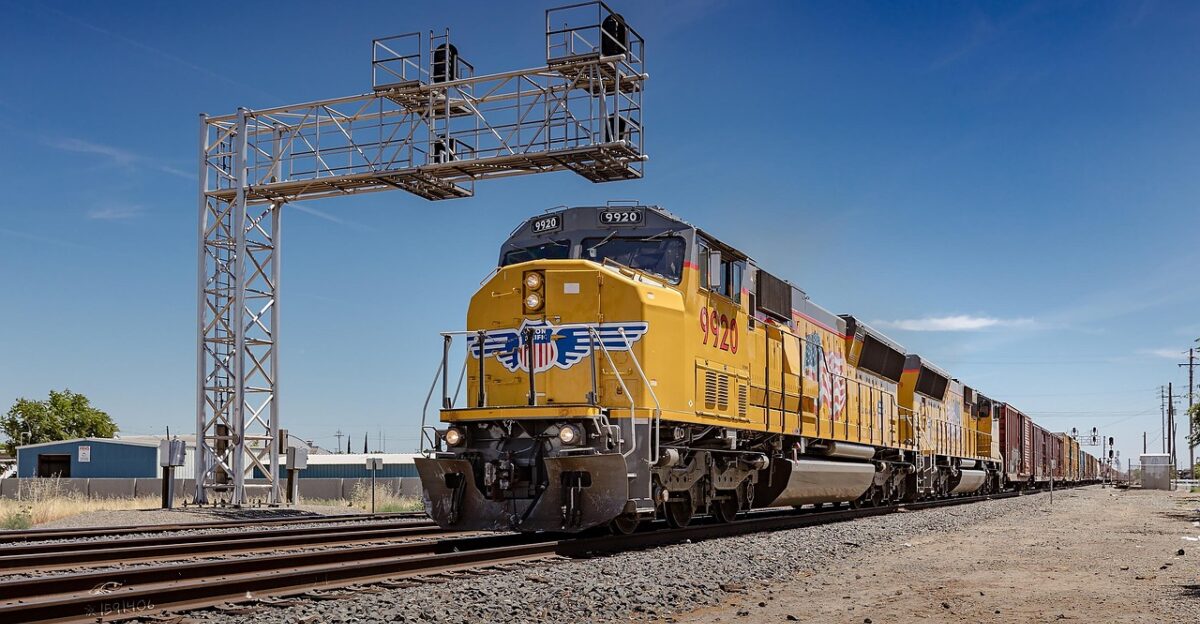
Railroads have been consolidating for decades. In 1980, more than 30 major freight carriers operated; today, only six Class I railroads remain.
The only big U.S. rail deal since 2000 was Canadian Pacific’s $31 billion acquisition of Kansas City Southern in 2023.
If Union Pacific’s $85B bid succeeds, the count drops to five.
That could spur further mergers: analysts note BNSF’s Buffett and CSX have cash to consider deals, and some predict a second transcontinental combination soon.
This merger would reshape a decades-long trend of shrinking competition in freight rail.
Historical Context
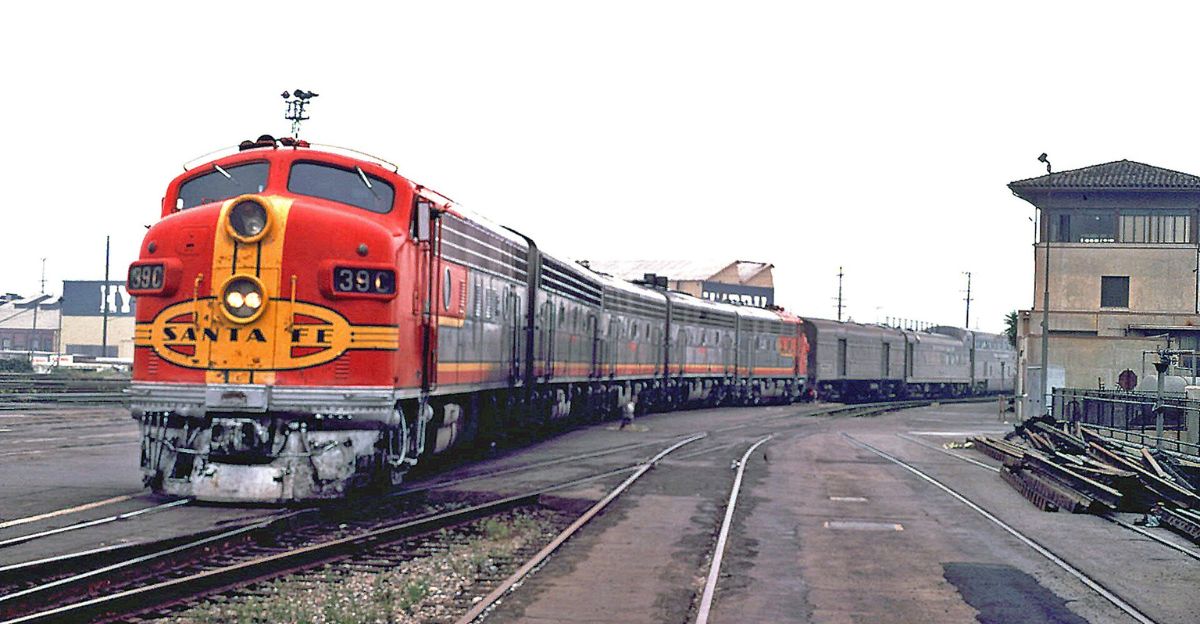
Previous rail mergers offer cautionary lessons. In 1995, UP merged with Santa Fe to form BNSF, and then in 1996, UP bought Southern Pacific.
That 1996 tie-up snarled Western traffic: one industry study found 94% of UP shippers and 70% of SP shippers reported worse service after the merger.
Three years later, the Conrail break-up between NS and CSX caused serious backups in the East. Industry leaders now promise better integration: Norfolk Southern’s CEO Mark George vowed “we’re committed to making sure that doesn’t happen” again.
The ghosts of Houston-to-LA pileups remind all parties that past mistakes should not be repeated.
Regulatory Pressure
After those disasters, regulators raised the bar. Since 2001 the Surface Transportation Board (STB) has required any railroad merger to improve competition. Union Pacific and Norfolk Southern formally filed their intent on July 30, 2025, triggering a mandatory STB review.
By law, the review will span roughly 16 months (including environmental studies and public hearings).
The Board is split 2-2 between Democrats and Republicans, with a fifth member to be appointed; its Trump-nominated chair Patrick Fuchs favors a streamlined process.
a final approval won’t come until at least 2027, and would include strict conditions to protect rail competition and public interest.
The Deal Unveiled
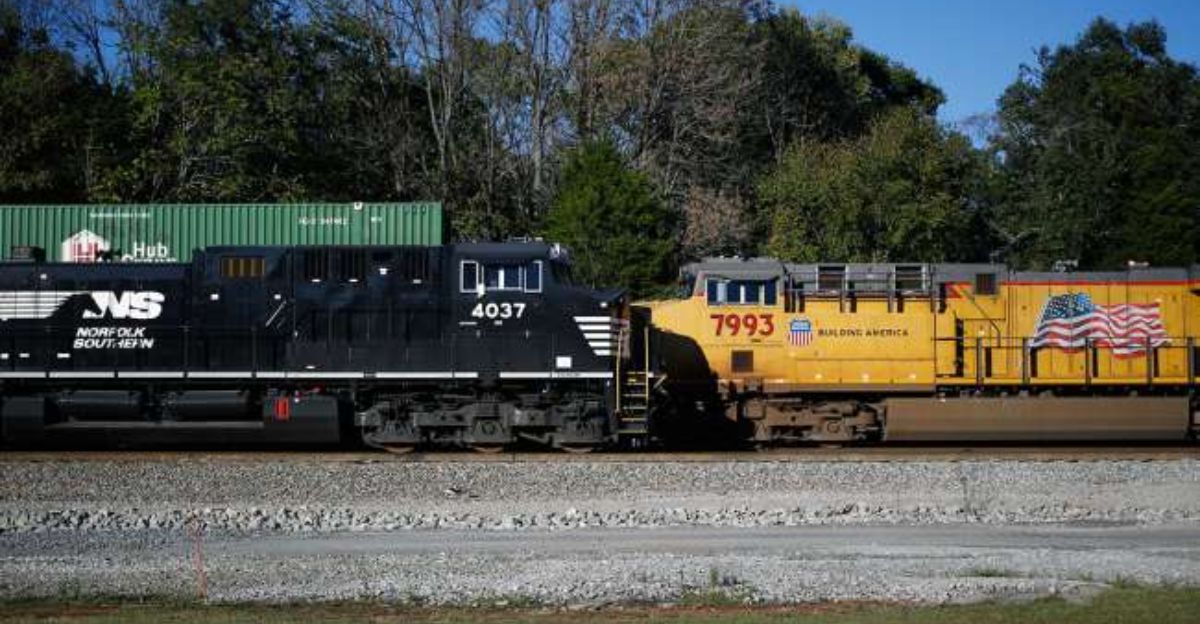
On July 29, 2025, UP and NS officially announced the merger agreement. Under the plan, UP will give one share plus $88.82 in cash for each NS share – effectively $320 per share, valuing Norfolk Southern at about $85 billion including debt.
The combined railroad would span from the East Coast to the West Coast – more than 50,000 miles of track.
Union Pacific’s CEO Jim Vena hailed the deal as “transformational.” “It’s great for America,” Vena said. “We’re going to move products quicker, faster, more efficiently … better for our customers,” promising that the merged network would boost service nationwide.
The companies even noted this merger fulfills President Lincoln’s 1860s vision of a true transcontinental railroad.
Geographic Impact
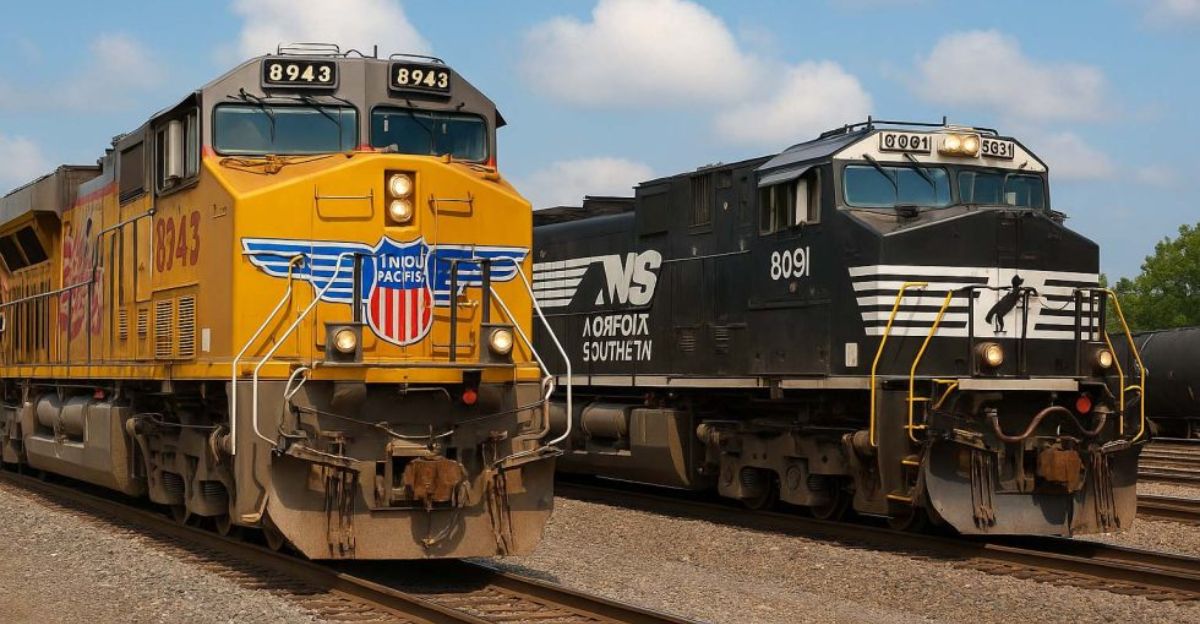
The merger will redraw America’s freight map. UP’s 23 western states would tie directly into NS’s 22 eastern states, opening routes from Detroit to Los Angeles and Atlanta to Seattle with no hand-offs.
Midwest grain, Gulf Coast chemicals and Appalachian coal would gain seamless access to new markets.
Nebraska officials – anticipating growth at Omaha’s rail yards – cheered the prospect: Senator Pete Ricketts declared “it’s going to be a great deal for America, [a] great deal for Nebraska”.
The combined network would unite Texas chemical plants, California farms and Midwest factories to ports on both coasts, promising broad economic benefits across the industrial heartland.
Labor Opposition
Not everyone welcomes the merger. The SMART-TD railroad union (125,000 members) immediately vowed to oppose it. SMART cited Union Pacific’s higher rates of accidents and recent layoffs, warning that the merger could create a de facto duopoly.
In a statement, it argued regulators should expect “higher rates, fewer service options, and diminished competition,” stressing that shippers and communities deserve better than a “monopoly in disguise”.
The union plans to press these safety and job concerns at upcoming STB hearings, reflecting deep skepticism among rail workers.
Shipper Concerns

Manufacturers, farmers and energy companies have also sounded alarms. Trade groups argue that less competition will mean higher costs. The American Chemistry Council, representing chemical makers, warned of “serious concerns” that the deal could hurt U.S. manufacturing by limiting rail options.
The oil and petrochemical industry (AFPM) joined in, noting that past freight rail consolidations “have coincided with higher rail shipping rates, longer shipping times and more infrequent service” for shippers.
Even members of Congress have weighed in: Senators Tammy Baldwin (D-WI) and Roger Marshall (R-KS) wrote to the STB urging it to protect shippers, noting that many businesses already have just one railroad option and fear “diminished options” under a merged system.
Economic Implications

Railroads haul roughly 1.9 billion tons of freight per year – about 5.7 tons for every American – so any change in rail efficiency affects the whole economy.
The rail sector also underpins hundreds of thousands of jobs: the rail supply industry contributed about $75.8 billion to U.S. GDP and supported some 682,400 jobs in 2020.
Passenger rail is surging too: Amtrak set an all-time record with 32.8 million riders in FY 2024.
Financial analysts estimate the merged UP/NS could generate roughly $36.5 billion in annual revenue and $18 billion in operating income. However, they note the deal would leave the system with over $70 billion in combined debt, keeping leverage elevated even as $2.75 billion in synergies are pursued. Every factory and farm that ships by rail will be watching how these economic factors balance out.
Future Crossroads
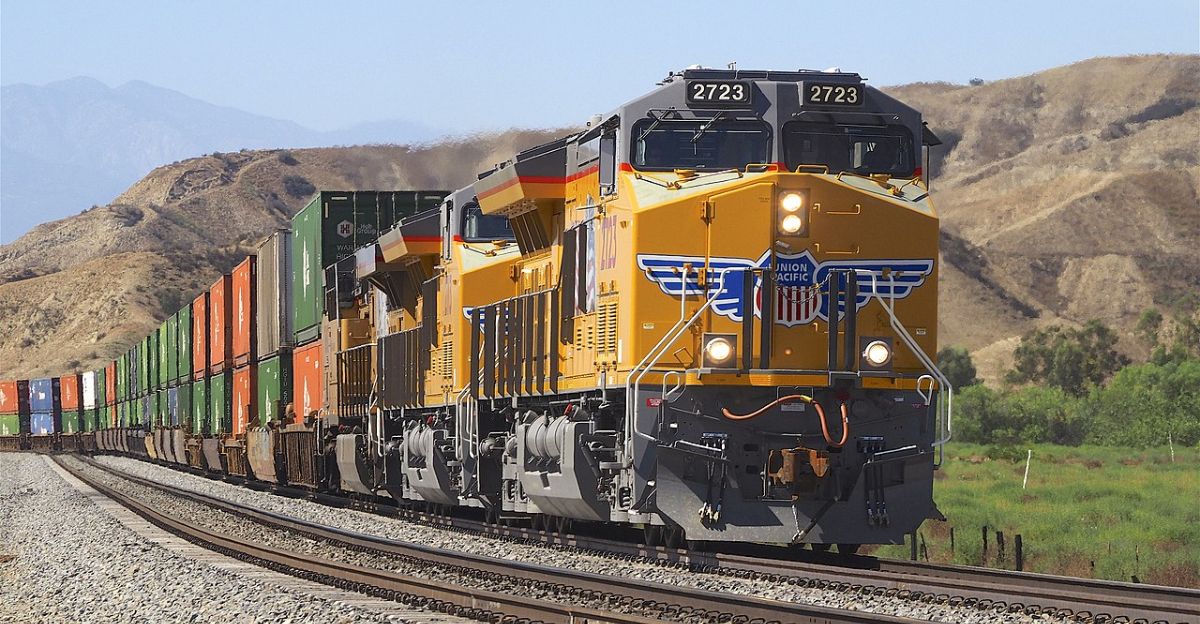
With this deal, the U.S. rail industry stands at a historic crossroads. The merged railroad would carry nearly half of the nation’s containerized freight, according to industry groups. Regulators must weigh its promise of coast-to-coast efficiency against the risk of reduced competition.
“There are two elements to be watched closely: the promise of greater efficiency but also the risk of increased costs,” said Jess Dankert of the Retail Industry Leaders Association.
Freight volumes are forecast to climb (the AAR projects about 24.2 billion tons by 2045), so shippers insist they need more—not fewer—reliable options.
The Surface Transportation Board now faces a pivotal choice: can this $85 billion gamble finally deliver Lincoln’s vision of a seamless transcontinental railroad, or will it become another lesson in consolidation gone wrong?
The STB Review Looms
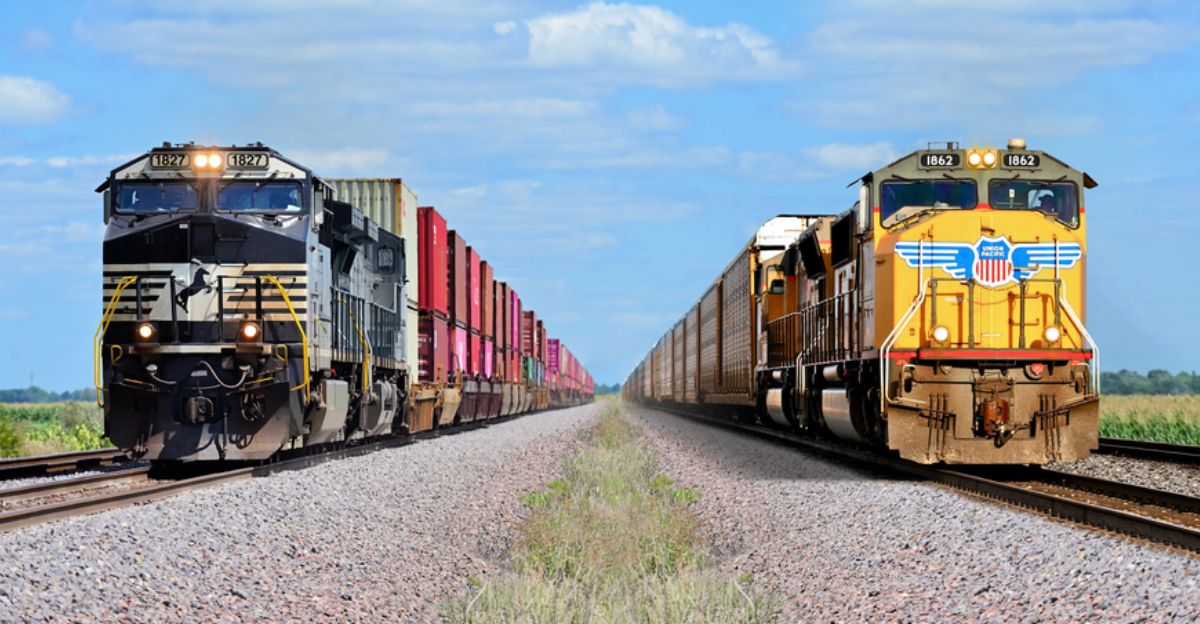
Following the announcement, UP and NS formally notified regulators on July 30, 2025, initiating the STB review process. By law, the full review will take at least 16 months, with a target decision likely in 2027.
The five-member Board is currently split 2–2 along party lines, but Chairman Patrick Fuchs (a Trump appointee) has pushed for faster merger approvals.
Congress is already engaged: Nebraska’s senators openly back the deal for economic growth, while lawmakers from other states demand strong conditions to protect shippers and communities.
Final approval is far from assured and will hinge on whether the merger demonstrably benefits the public.
Integration Planning
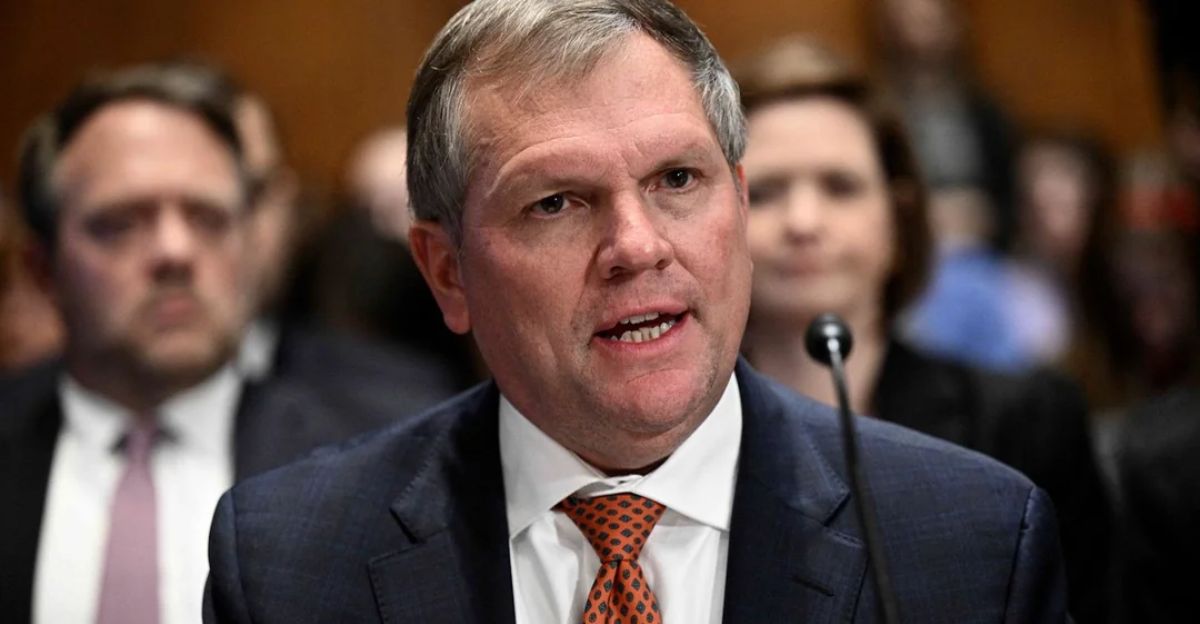
If cleared, integrating two massive networks will be a huge undertaking. Norfolk Southern’s CEO says the railroad will spend the next two years meticulously planning to avoid past mistakes.
That will involve coordinating dispatch systems, schedules and equipment across 50,000 miles of track, as well as merging crews and union contracts.
Both companies have promised no forced layoffs, though workforce size could decline gradually by attrition.
Unions remain wary that UP’s efficiency-focused operating model could clash with NS’s recent safety emphasis. Throughout this period, the Federal Railroad Administration will oversee a strict safety-integration plan, since any disruptions could echo the delays of the 1990s.
Wider Market Effects
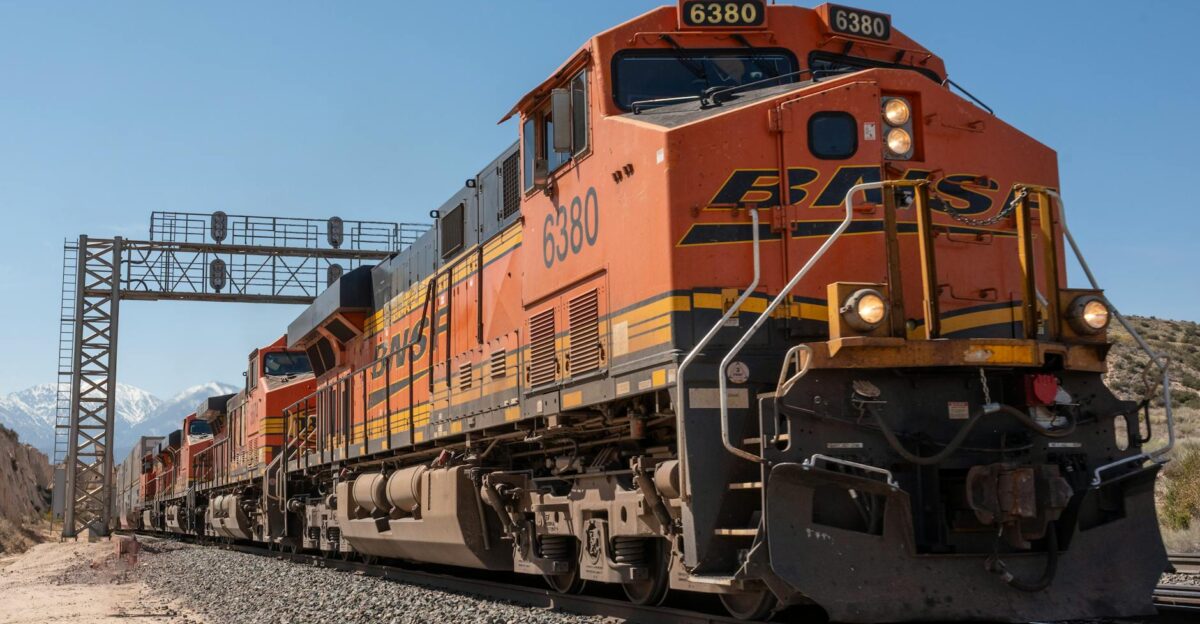
The merger’s impact won’t stop at the two railroads. Competitors BNSF and CSX have both signaled interest in combining assets, and Berkshire Hathaway has over $348 billion in cash – enough, analysts note, to buy CSX outright if Buffett chose to go that route.
Credit agencies warn that even with $2.75B in synergies, the combined UP/NS’s $70B-plus debt makes for a high leverage ratio.
On the international front, Canadian railroads chimed in: CN expressed a preference for collaboration over mergers, while the recently-formed CPKC remains the sole large rail merger approved in years.
Some analysts predict BNSF/CSX may indeed merge next, since staying independent could put them at a disadvantage against a UP/NS super-carrier.
Customer Perspectives
On the ground, reactions vary. At the Port of Los Angeles – a key gateway handling 25% of U.S. imports by rail – director Gene Seroka supports the merger, saying it could “reduce costs and improve service” by cutting hand-offs.
He noted that freight “doesn’t like to be passed around like a baton in a relay race,” so eliminating interchanges could speed up supply chains.
However, manufacturers of cars, appliances and chemicals worry any service hiccup or rate hike will quickly ripple to consumers.
Midwestern farmers and rural shippers, already faced with few rail options, are demanding enforceable guarantees of timely service.
Conclusion
America’s freight railroad system is about to change in once-in-a-century fashion. Proponents argue this merger finally achieves a true coast-to-coast railroad; opponents see it as a potential burden on competition and service.
Regulators must now determine which outcome is more likely.
In 1869, a golden spike joined the coasts – yet to this day, no single railroad controlled the entire route.
This merger could change that fact. Whether it becomes a celebrated leap forward or a cautionary tale will depend on whether it truly benefits the public with better rail service, not just bigger railroad balance sheets.