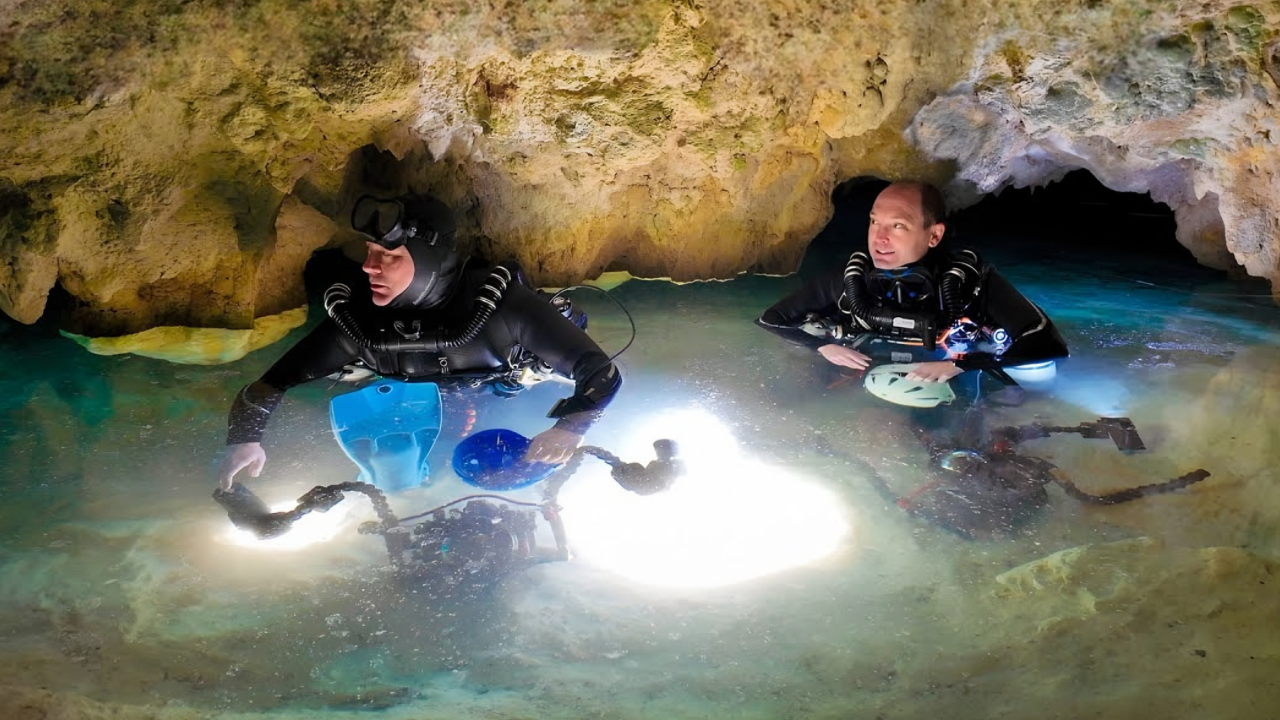
Divers plunging into Mexico’s submerged Sac Actun cave system in 2007 stumbled upon a hidden world of Ice Age fossils, including remains of the short-faced bear, Arctotherium wingei, dating from approximately 13,000 to 38,000 years ago. Located 180 feet underwater in the Hoyo Negro pit, these finds—once thought exclusive to South America—reveal unexpected animal migrations across the Americas during a time of dramatic environmental change.
Challenging Paleontological Assumptions
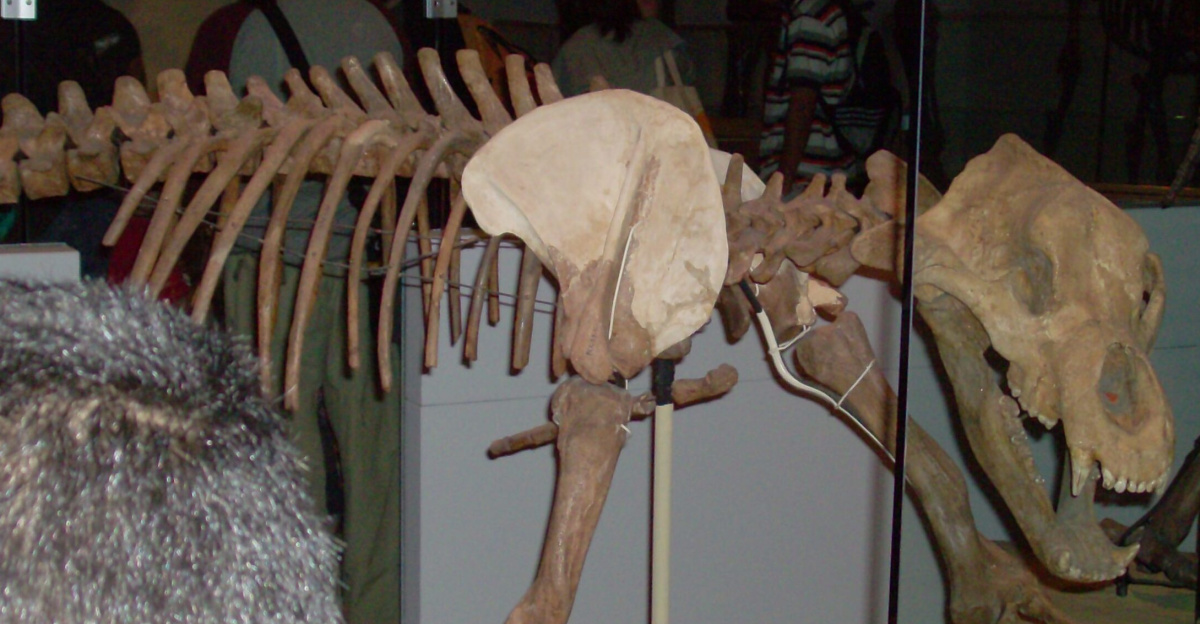
The short-faced bear’s presence in the Yucatán Peninsula upends traditional views of Ice Age species ranges. Lead paleontologist Blaine Schubert noted the shift: “We went from not having any of this type of bear outside of South America to now having the best record of this type of bear from the Yucatán of Mexico.” Rising sea levels at the Pleistocene’s end sealed the cave in low-oxygen conditions, halting decay and preserving bones that tell of fluid migrations between continents.
Human Remains and Megafauna Coexistence

Divers also found Naia, a 12,900-year-old teenage girl whose skeleton ranks among the Americas’ oldest human remains. Her discovery amid fossils of predators like short-faced bears prompts fresh looks at early human life, survival tactics, and interactions with giant beasts in the Late Pleistocene. This overlap suggests humans navigated dangerous landscapes alongside megafauna long before assumed.
A Snapshot of Lost Ecosystems
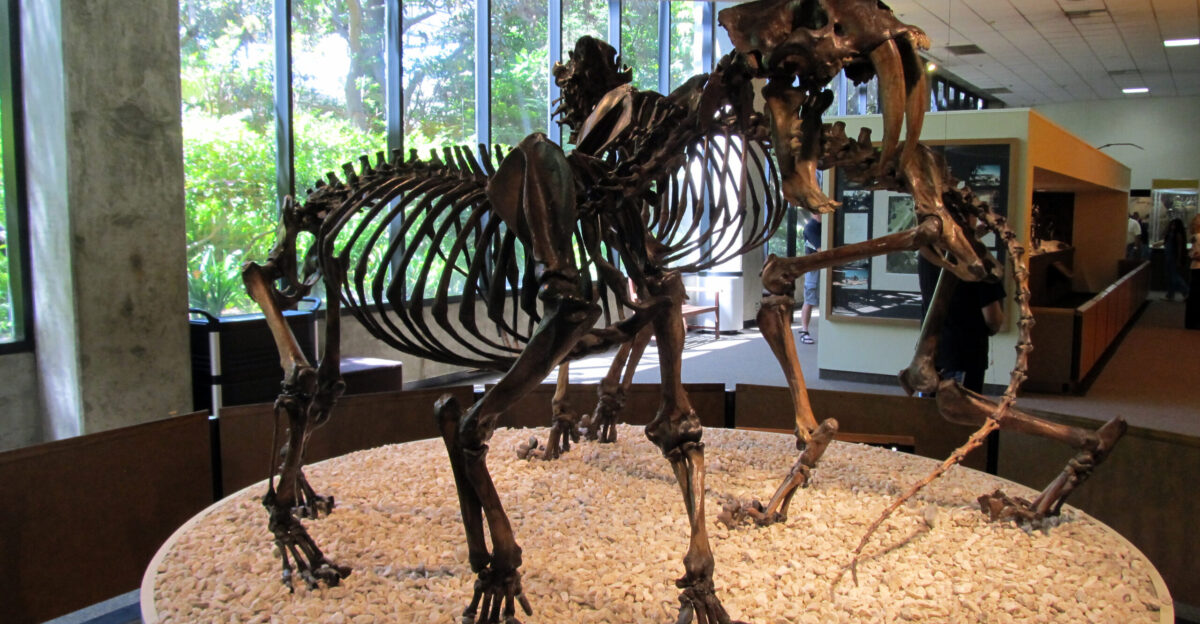
Hoyo Negro holds more than isolated bones: saber-toothed cats, gomphotheres, ground sloths, tapirs, wolves, and cougars form a full ecosystem archive. This collection offers paleontologists rare data on species diversity, diets, and habitats from 12,000 years ago, painting a vivid picture of Ice Age biodiversity before mass extinctions.
Global Ripples in Research and Preservation
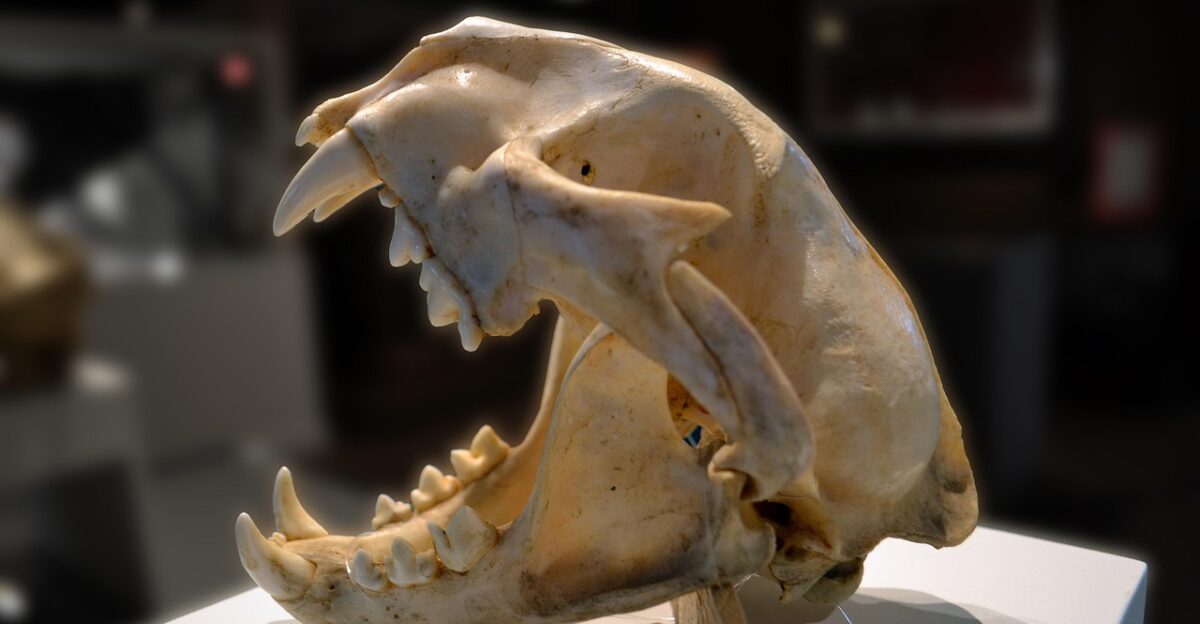
The site’s revelations have prompted researchers to reexamine carnivore specimens for overlooked northern ties. Ross MacPhee of the American Museum of Natural History called them “probes into the past that you don’t ordinarily expect to get,” spurring isotopic tests and new methods. Universities including East Tennessee State and UC San Diego have been instrumental in the research, employing advanced techniques for safer fossil recovery. Low-oxygen preservation techniques from Hoyo Negro inspire protocols for other submerged sites, while 3D scanning and virtual reality aid global access to fragile artifacts.
Cultural and Climatic Echoes
For Yucatán’s Maya communities, Hoyo Negro transcends science as ancestral ground, with the Mexican National Institute of Anthropology and History working with local stakeholders. Findings also inform climate studies: sediment layers track ancient sea-level rises and ecological shifts, drawing parallels to today’s warming world. Multidisciplinary teams—paleontologists, climatologists, and indigenous scholars—blend perspectives, refining human migration theories via Naia’s evidence of early encounters with megafauna.
These discoveries at Hoyo Negro signal broader shifts in archaeology, urging sustained investment in submerged exploration worldwide. As technologies advance and collaborations deepen, they promise revelations about past adaptations that could guide conservation amid modern crises, linking ancient ecosystems to humanity’s shared future.
Sources:
Biology Letters May 2019 Royal Society Publication
Smithsonian Magazine November 2025 Article on Ice Age Megafauna
Live Science May 2019 Archaeological Reports
Nature 2014 Ancient Human Remains Study
East Tennessee State University Paleontology Department News
Mexican National Institute of Anthropology and History Official Statements