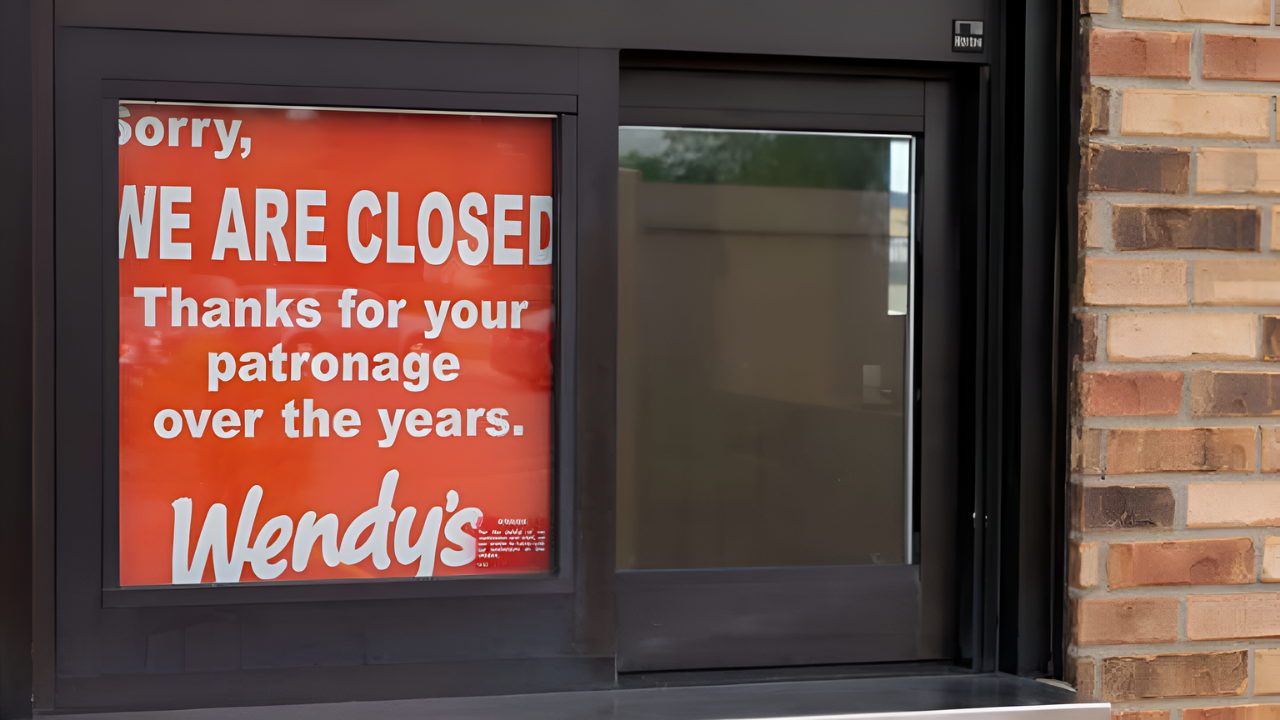
U.S. fast-food chains are facing a crisis of unexpected proportions. Despite stock market gains, burger joints and chicken chains are seeing sharply declining consumer spending. McDonald’s has warned investors that the industry is “fighting for contracting traffic,” signaling a dramatic shift in dining habits. Inflation, job losses, and stagnant wages are forcing many households to cut back on even the most affordable meals.
For millions, fast food—once a staple—is now a luxury. The question isn’t whether chains will adapt, but how many will survive this reshuffling? American dining habits are shifting, and the future of fast food looks uncertain. As inflation continues to impact budgets, will consumers still flock to fast-food chains, or will their spending on dining out continue to decline?
The Numbers Don’t Lie
Wendy’s reported a 4.7% drop in U.S. comparable sales during Q3 2025, signaling a sharp reversal from expected growth. McDonald’s posted modest same-store sales growth of 2.4%, but acknowledged declining guest traffic, particularly from lower-income households. Quick-service restaurant traffic from those earning under $50,000 per year has steadily dropped for nearly two years.
In contrast, higher-income consumers have increased their visits. This division reflects a growing crisis: fast-food chains are losing their core customer base while high-income diners remain resilient. The shift in consumer spending is stark, with the gap widening between the two groups, raising serious concerns about the long-term sustainability of fast-food chains that depend on budget-conscious customers.
A Decade of Decline
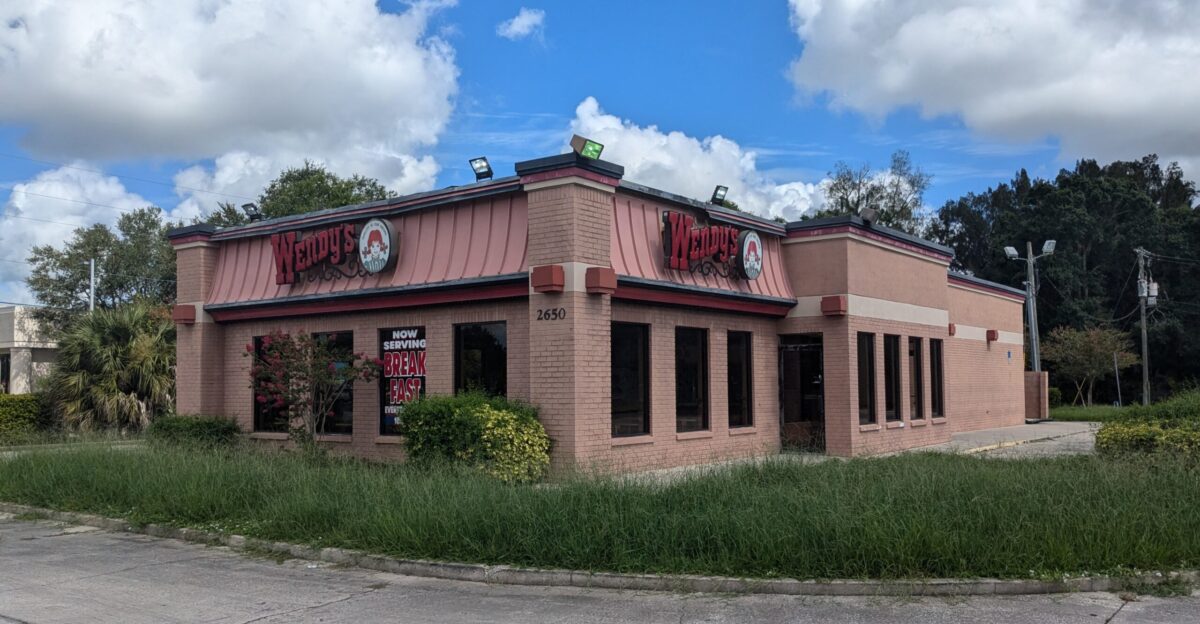
Wendy’s, founded in 1969, once thrived with its fresh, never-frozen beef and premium positioning. However, rising commodity costs, labor pressures, and franchise profitability issues have eroded its margins in recent years. The chain’s footprint in the U.S. peaked at over 6,000 locations, but underperforming stores have increasingly hurt the brand.
In 2024, Wendy’s closed over 140 locations—a number reported by authoritative business outlets—while by late 2025, management admitted that an even more aggressive restructuring was inevitable. Despite its long-standing reputation for quality, the chain now finds itself struggling to adapt. The question now is whether Wendy’s can regain its footing in a rapidly changing market or if further closures will follow as the industry contracts.
The Squeeze Tightens
Inflation is hitting fast food hard, reshaping how Americans spend their money. As food, housing, and energy prices climb, consumers are left with less disposable income for dining out. Fast-food chains, once thought to be recession-proof, are now facing sharp declines in visits from lower-income consumers.
Research confirms that families are pulling back on fast food, with many unable to afford even value meals. Fast-food chains now face the harsh reality: when basic necessities cost more, dining out becomes an afterthought. The combination of rising costs and stagnant wages means that fast food, once considered an affordable option, is no longer within reach for many families.
The Announcement: 300 Stores Closing

On November 7, 2025, Wendy’s management announced a significant closure plan: up to 5% of its U.S. stores, or approximately 300 locations, will shut down by 2026. Interim CEO Ken Cook explained the closures were strategic, aimed at reducing underperforming outlets that don’t contribute to the brand’s success.
Analysts quickly noted that this could be one of the largest retrenchments in Wendy’s history. This move comes after a series of similar closures in 2024, signaling an accelerating contraction of Wendy’s footprint. These closures could have lasting impacts on the brand’s future and may signal further contractions for other fast-food chains struggling with declining traffic.
Jobs on the Line
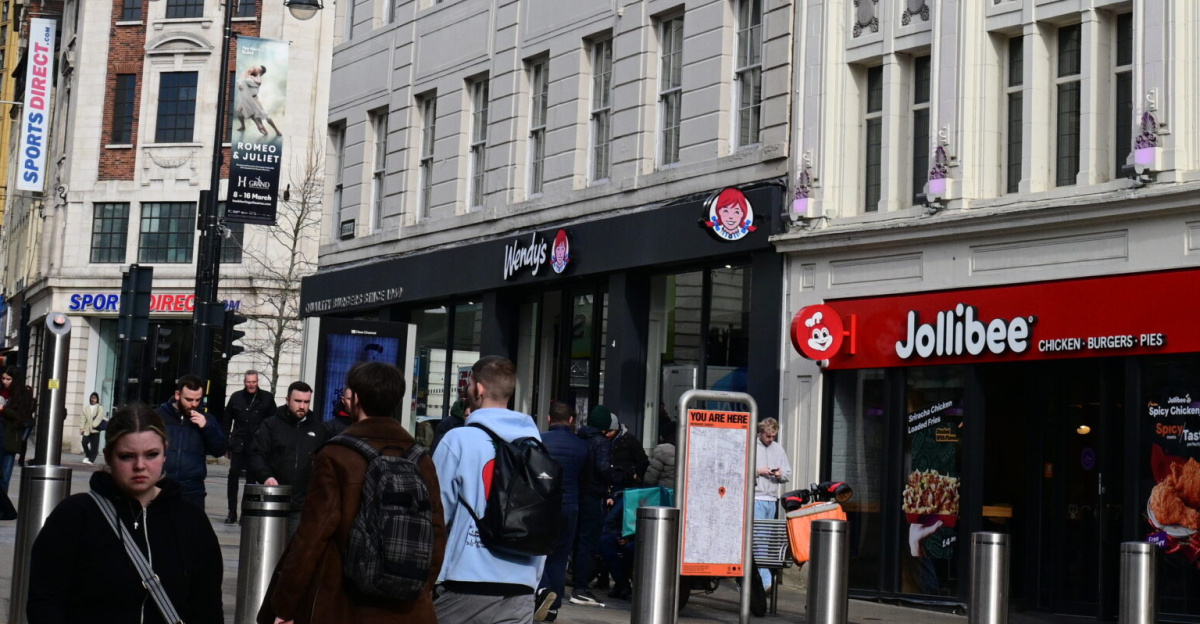
The human cost of 300 store closures is significant. Wendy’s employs over 225,000 workers globally, with many at each location. Using industry estimates, closing 300 stores could put thousands of jobs at risk, with the most conservative estimates ranging from 4,500 to 7,500 displaced workers—while nationwide figures could be higher depending on the number of part-time and full-time roles affected.
Industry analysis and media outlets commonly cite 8,000 as a representative estimate for the number of workers affected by closing 300 Wendy’s restaurants. Wendy’s itself has not released an official job-loss figure, but company records indicate typical staffing of 25–35 employees per store, which supports a total impact in the 7,500 to 10,500 range for widespread closures of this scale.
These jobs are vital for workers, including students, teenagers, and those without higher education degrees. The closures will disproportionately affect communities already grappling with high unemployment rates and economic hardship. The loss of these jobs will be deeply felt in many areas where fast food was one of the few accessible employment options for young workers.
Franchisee Frustration

Most Wendy’s locations are franchised, meaning individual owners bear the brunt of underperformance. When a corporate decision leads to a store closure, franchisees lose their investments without compensation. Many had already sunk money into the chain’s “Project Fresh” modernization initiative.
As sales continue to slip, frustration mounts among franchisees who feel the company’s premium strategy—focusing on higher prices and quality—has alienated price-sensitive customers. The closures reflect deeper tensions between corporate mandates and the realities of operating in a struggling market. Franchisees now question whether the company’s premium positioning strategy is sustainable in today’s challenging environment.
McDonald’s Signals Industry Distress

McDonald’s is feeling the pressure too. Despite posting a modest same-store sales increase of 2.4% in Q3 2025, McDonald’s U.S. boss acknowledged the company is “winning the fight for contracting traffic.” Like Wendy’s, McDonald’s has struggled with declining visits from its core demographic: lower-income consumers.
If McDonald’s—one of the largest and most successful fast-food brands—is facing difficulties attracting budget-conscious diners, smaller chains like Wendy’s have even more to worry about. McDonald’s warning underscores a systemic problem facing the entire industry: fast-food chains are no longer recession-proof, and even the giants are struggling to maintain customer traffic in a tough economy.
The Casual Dining Threat
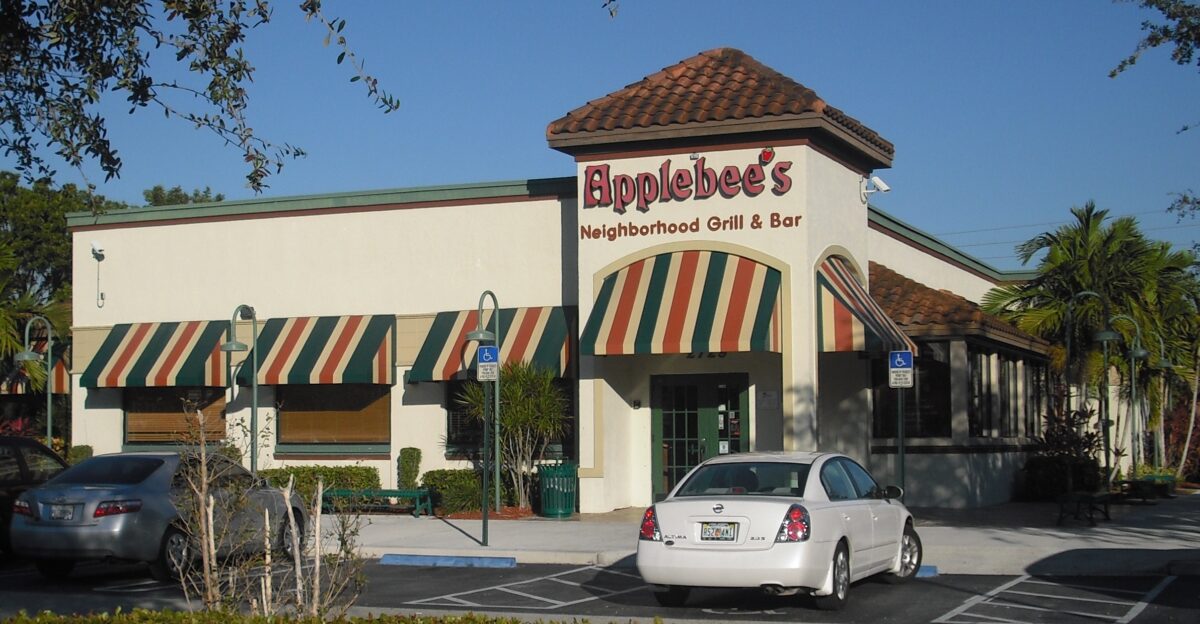
An unexpected competitor has emerged: casual dining. Chains like Chili’s, Applebee’s, and Olive Garden are cutting prices aggressively, offering meals at prices competitive with or lower than fast food. For many consumers, a $12 meal with table service and ambiance feels like a better value than a $10 fast-food combo.
This shift is upending traditional fast-food market dynamics. Wendy’s now finds itself squeezed between cheaper fast-food chains and more appealing casual dining options, complicating its ability to compete on both price and experience. The growing competition from casual dining chains highlights the vulnerability of fast-food chains, which once dominated the value dining sector.
The Revenue Impact
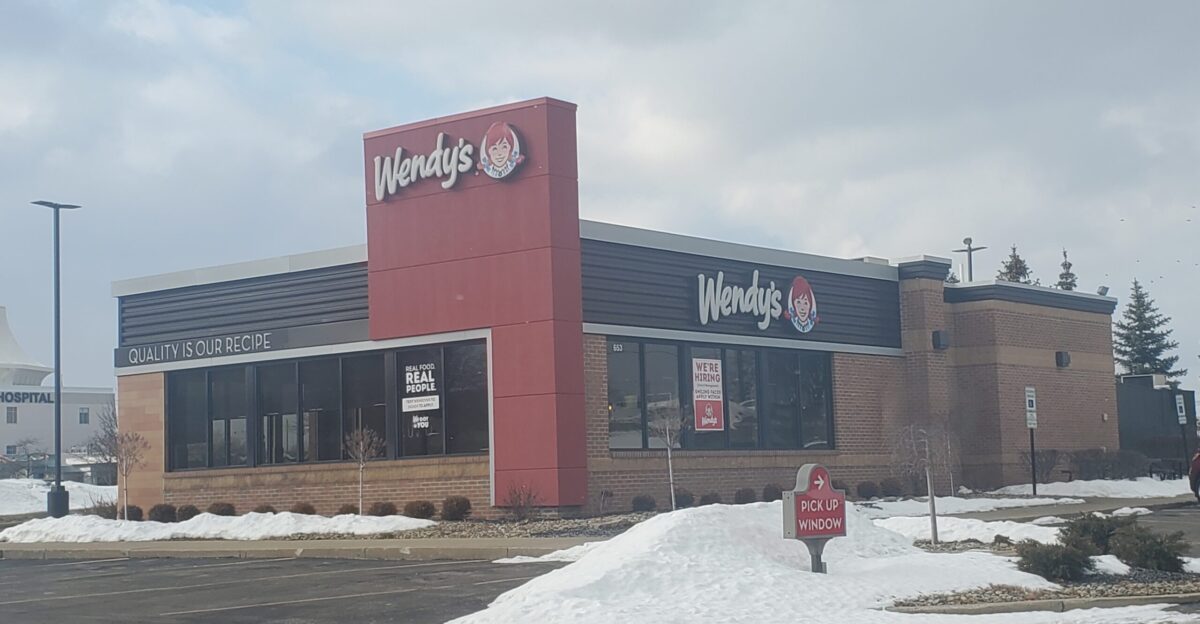
The impact of closing 300 underperforming stores will be significant. Industry analysis estimates that these stores averaged $1.1 million in annual sales, compared to $2.1 million for the rest of the system. With 300 closures, Wendy’s could lose approximately $330 million in revenue.
For a company that reported $1.63 billion in revenue through Q3 2025, this represents a noticeable contraction. Franchisees and suppliers will feel the ripple effects as well, adding to the strain on the entire Wendy’s ecosystem. As revenue declines, Wendy’s will need to rethink its approach to regain financial stability and avoid further contraction.
Leadership Under Fire
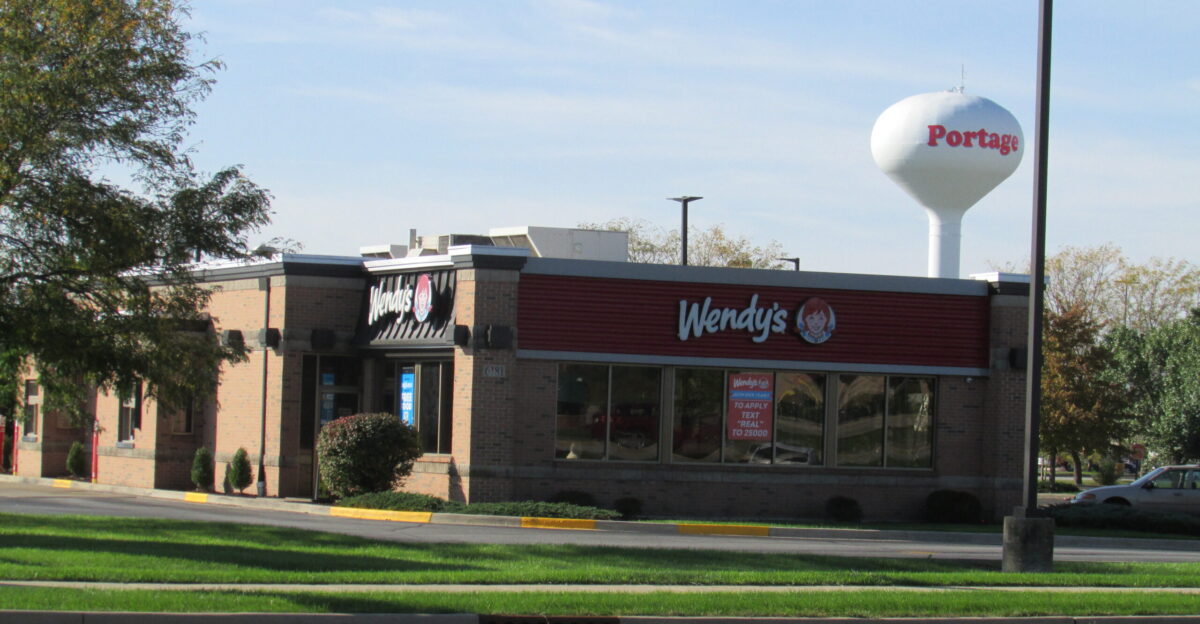
Ken Cook, Wendy’s interim CEO, inherited a company in crisis. The announcement of 300 store closures represents a tough but necessary decision to stem financial losses. However, questions about the long-term vision remain. Cook has signaled that some stores will receive investments rather than closures, but the sheer scale of the downsizing—5% of Wendy’s U.S. footprint—has cast doubt on whether this will be enough to turn the tide.
The market has already responded—intraday price swings occurred on the day of the announcement—but closing figures showed only a slight uptick, not the dramatic drop some reports claimed. Cook’s ability to stabilize the business and return to growth is now under intense scrutiny. As investors and franchisees question whether these closures will fix the underlying issues, the pressure on leadership is mounting.
Project Fresh: A Bet Gone Wrong
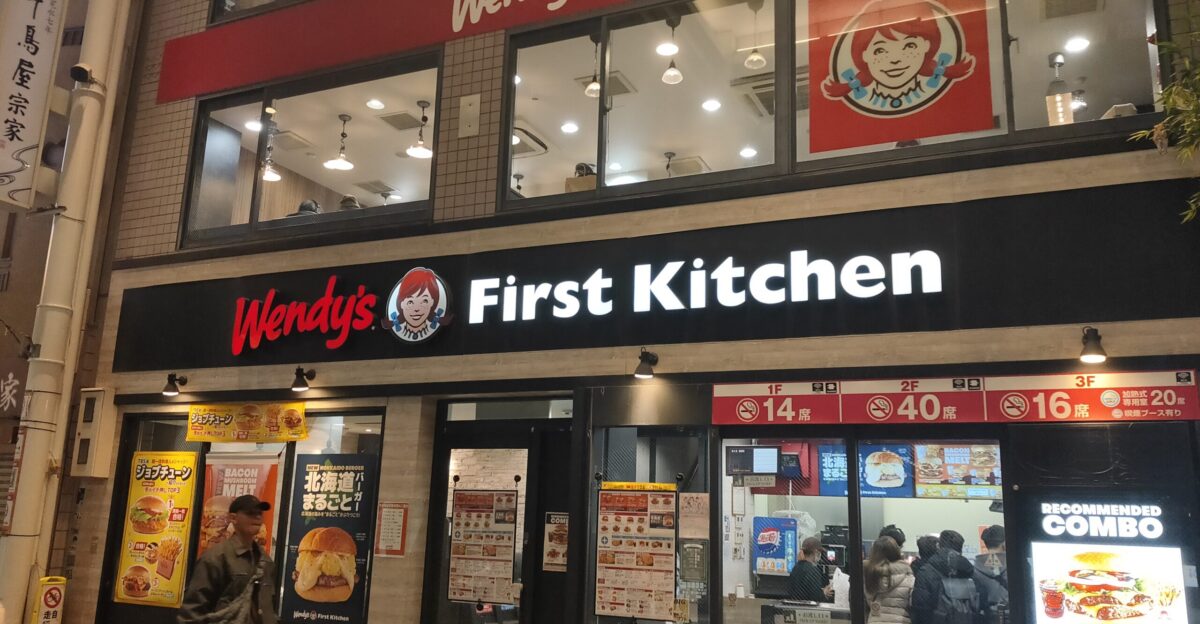
Wendy’s investment in “Project Fresh” was designed to modernize its restaurants and improve customer experience. But despite spending millions on upgrades like new kitchens and digital ordering systems, sales have continued to decline. Franchisees, who bore the costs of these upgrades, are frustrated by the lack of return on investment.
This initiative highlights a key issue: no amount of technology can fix the fundamental problem: consumers no longer have the disposable income to dine out regularly. Project Fresh, once seen as a promising way to attract younger customers, has now become a cautionary tale. The program’s failure shows the limits of innovation when consumer demand is fundamentally constrained.
The Value Menu Gambit
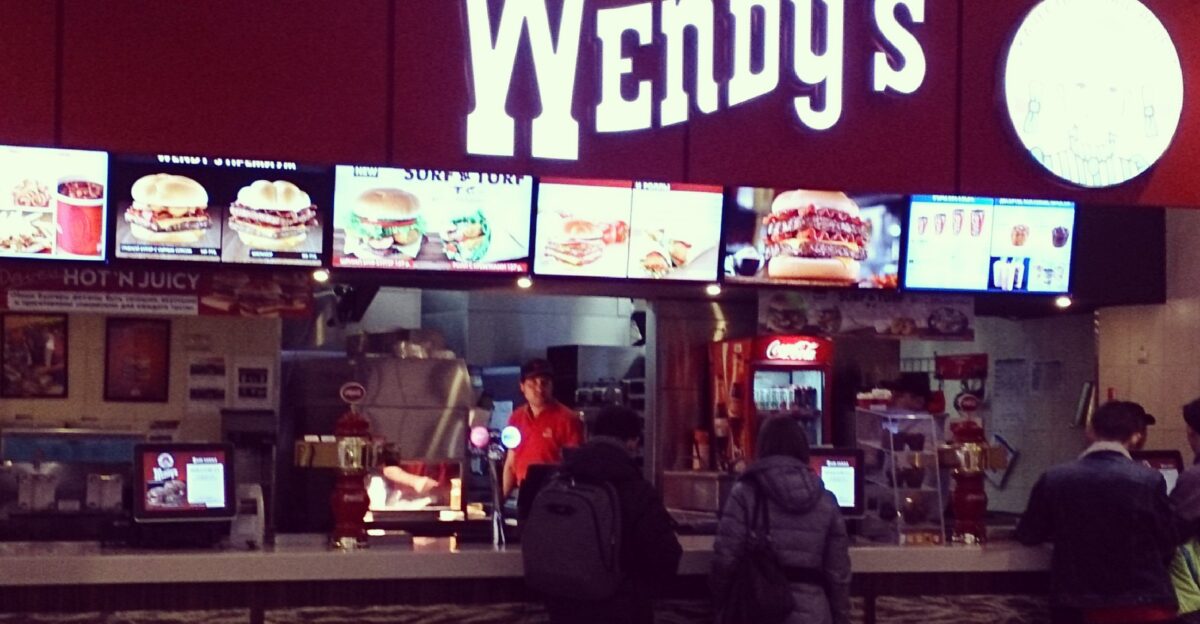
Wendy’s tried to respond to the crisis by launching new $5 and $8 value meals to compete with McDonald’s. But while some existing customers traded down to these cheaper options, the strategy failed to attract new diners. McDonald’s, offering similar value deals, neutralized any advantage Wendy’s hoped to gain.
The end result is a race to the bottom on price, with no real winner. Wendy’s now faces the dilemma of maintaining its premium positioning while responding to market pressures. The shift towards value menus only underscores the larger issue—Wendy’s is caught in the middle, struggling to define its place in a rapidly changing market.
Expert Skepticism

Industry analysts are divided on Wendy’s strategy. While some view the closures as necessary for restructuring, others argue that closing stores won’t solve the deeper problem: falling consumer demand. The market for fast food is shrinking, and no amount of store closures or menu changes will restore spending power for lower-income families.
Wendy’s premium positioning strategy may have priced itself out of the market, and unless consumer conditions improve, more closures and consolidation are inevitable. The challenges facing Wendy’s are indicative of a broader issue within the fast-food sector, one that goes beyond individual chains and speaks to the fundamental shifts in consumer behavior.
The Reckoning Ahead
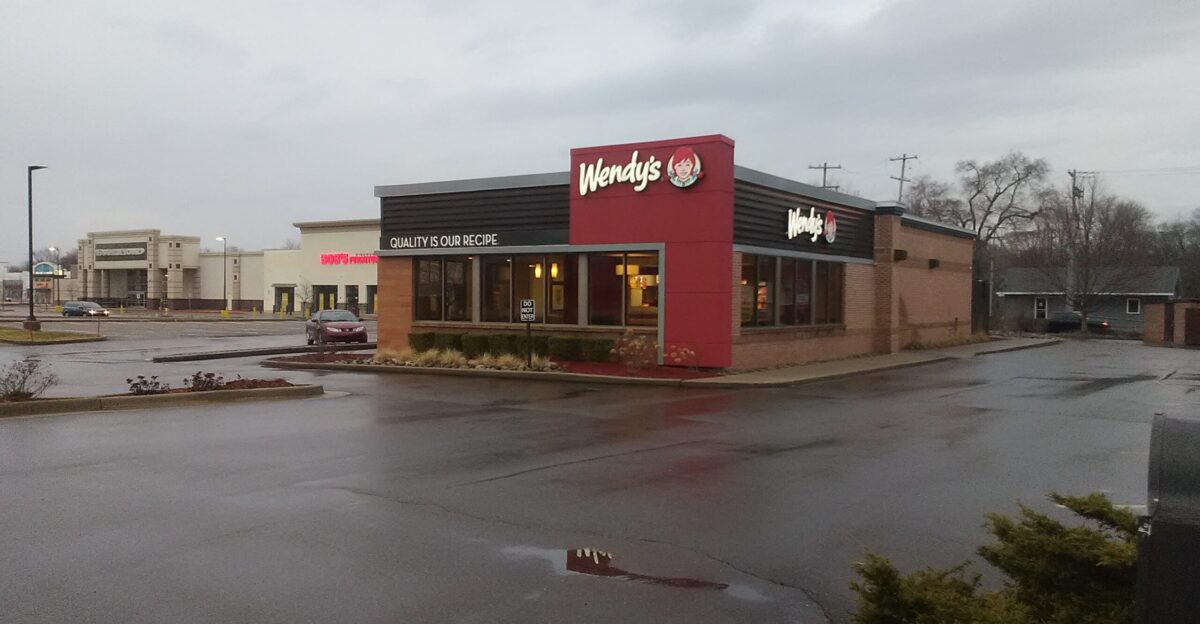
The closure of 300 Wendy’s stores is just the beginning. The fast-food industry, once thought to be recession-proof, is now facing a reality where many consumers can no longer afford to eat out regularly. If the closures fail to stabilize Wendy’s business, expect more consolidation and job losses across the sector.
With inflation continuing to pressure budgets and wages stagnant, the future for fast food looks uncertain. The industry’s model is broken—fast food is no longer a guarantee for low-income diners. Wendy’s is shrinking to survive, but whether this strategy will be enough to overcome the larger challenges remains to be seen. Further closures, more job losses, and even more industry consolidation may follow.
Sources:
THE WENDY’S COMPANY REPORTS THIRD QUARTER 2025 RESULTS, Wendy’s Press Release via PRNewswire, November 7, 2025
WENDY’S IS CLOSING HUNDREDS OF RESTAURANTS, CNN Business, November 7, 2025
WENDY’S TO CLOSE HUNDREDS OF U.S. STORES AS LOW-INCOME CONSUMERS CUT BACK, CBS News, November 16, 2025
WENDY’S COULD CLOSE HUNDREDS OF RESTAURANTS, Restaurant Dive, November 9, 2025
McDONALD’S REPORTS THIRD QUARTER 2025 RESULTS, McDonald’s Corporate Communications, November 5, 2025