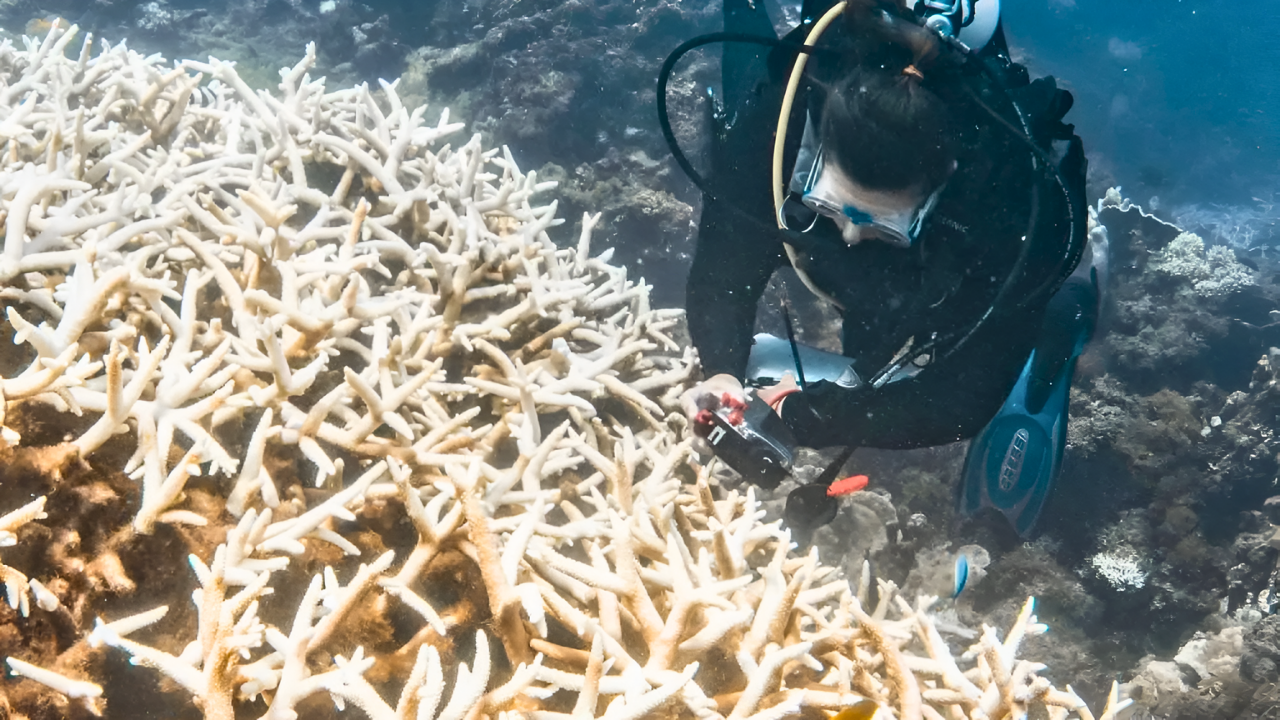
Since January 2023, more than 84% of the world’s coral reefs have succumbed to bleaching-level heat stress, marking the largest die-off in recorded history and surpassing all previous bleaching events. This represents the fourth global bleaching event, with the crisis still ongoing as of November 2025.
With global warming now exceeding the critical 1.2°C tipping point identified by scientists, we have entered uncharted territory.
This catastrophe threatens ecosystems supporting one billion people and nearly $10 trillion in annual economic value. But what triggered this crisis, and is it too late to reverse the damage?
Why It’s Happening: Ocean Heat and the 1.5°C Threshold
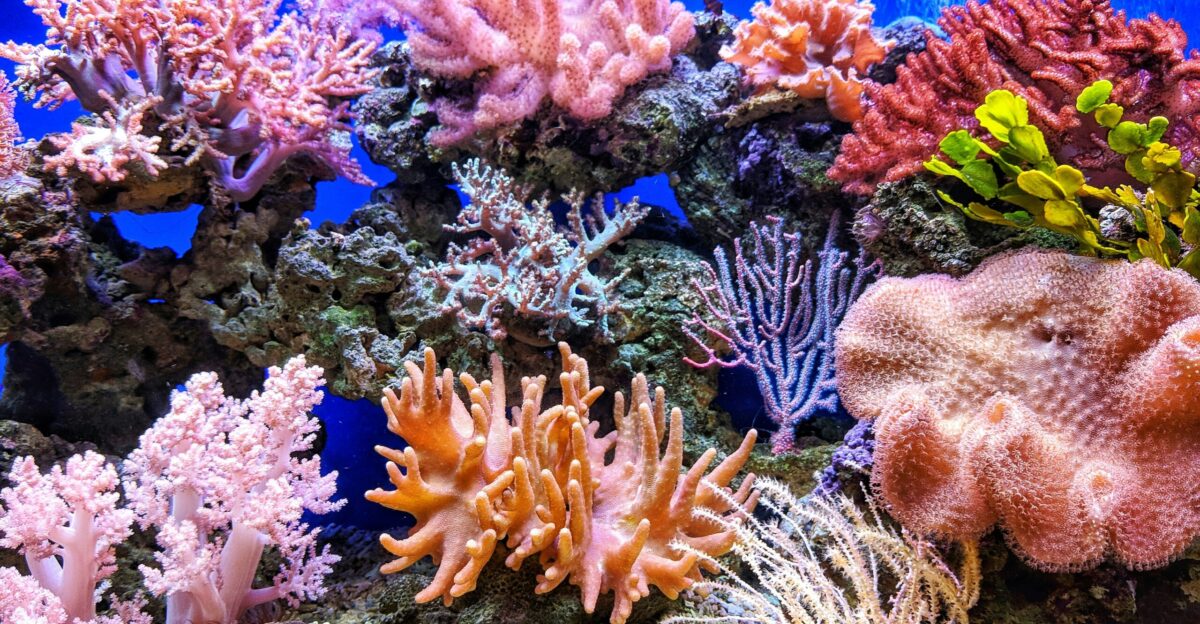
Ocean temperatures are rising at an alarming rate, absorbing over 90% of excess heat from fossil fuel emissions.
Since the Industrial Revolution, global temperatures have climbed by 1.3°C, surpassing the critical 1.2°C mark that scientists identified as a tipping point.
When temperatures reach 1.5°C, it is predicted that 70-90% of coral species will die, pushing ecosystems to the brink of collapse. Ocean acidification compounds the crisis, making coral reproduction and recovery nearly impossible.
Seafood Prices and Availability
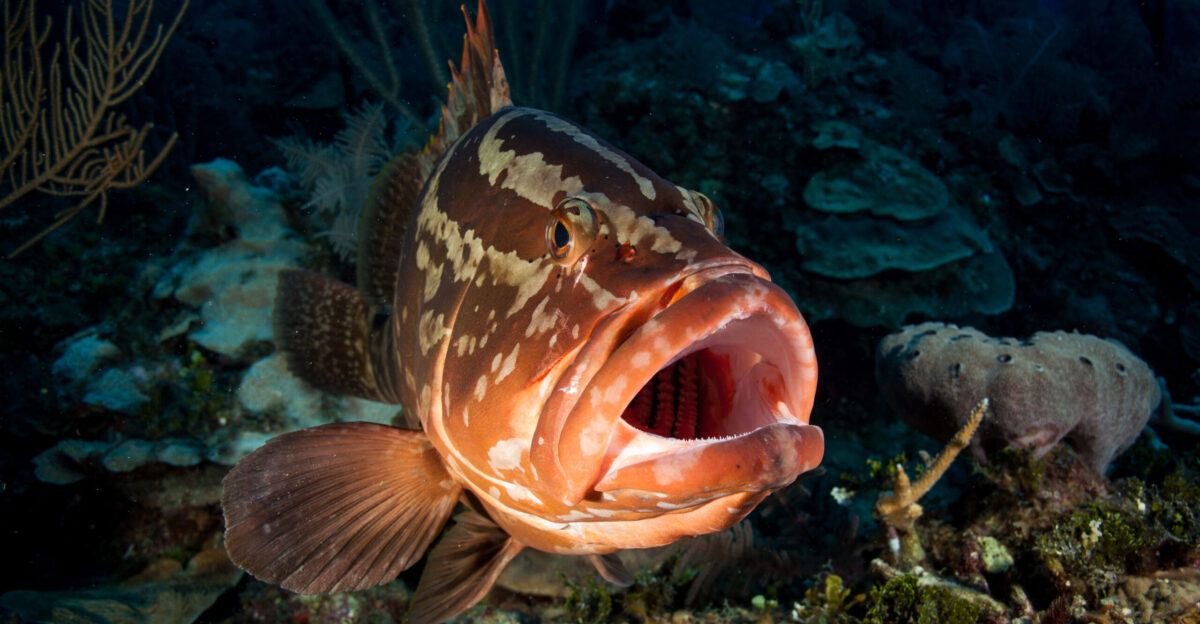
Coral reefs are vital to fisheries that supply seafood worldwide. The Caribbean’s fish production plummeted 40% from 2000 to 2019, dropping from 100,000 to 60,000 metric tons annually.
As the coral habitats these fish depend on deteriorate, commercial fish populations are declining, raising concerns over the availability and cost of seafood. The Nassau grouper, a key Caribbean species, is now commercially extinct.
Fishing Industry Adaptation
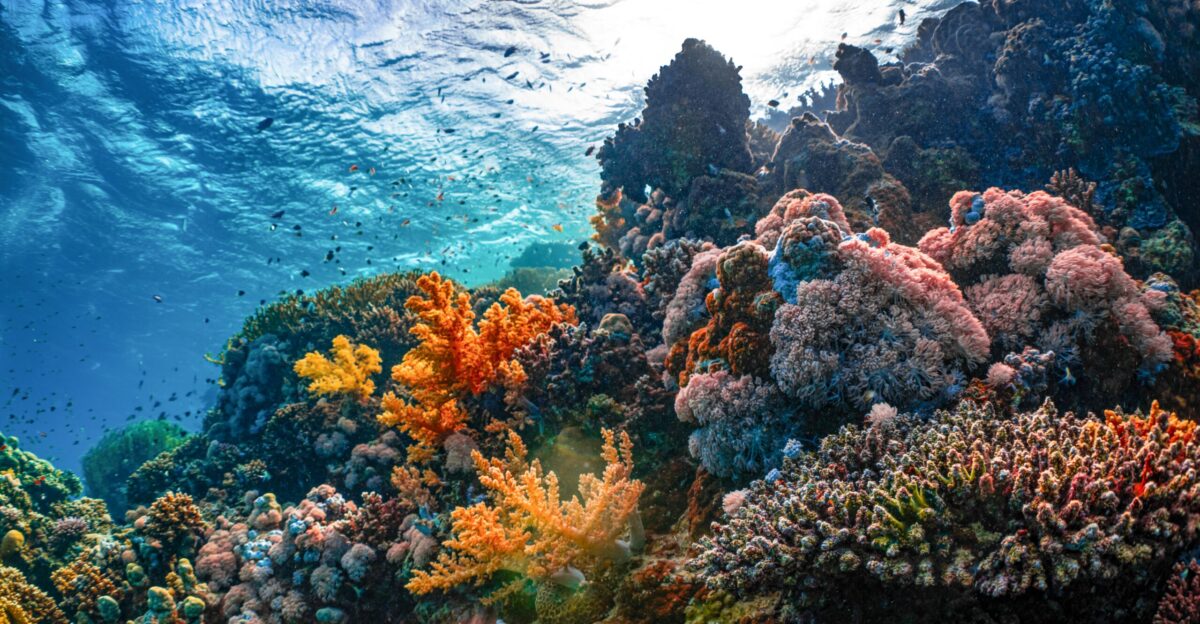
As reef-dependent fisheries collapse, the seafood industry is turning to aquaculture and alternative species to sustain its operations.
However, these solutions present their own challenges, including higher environmental costs and varying nutritional profiles.
For both producers and consumers, adapting to this shift will require time and presents significant complexities.
Aquaculture and Plant-Based Proteins Surge
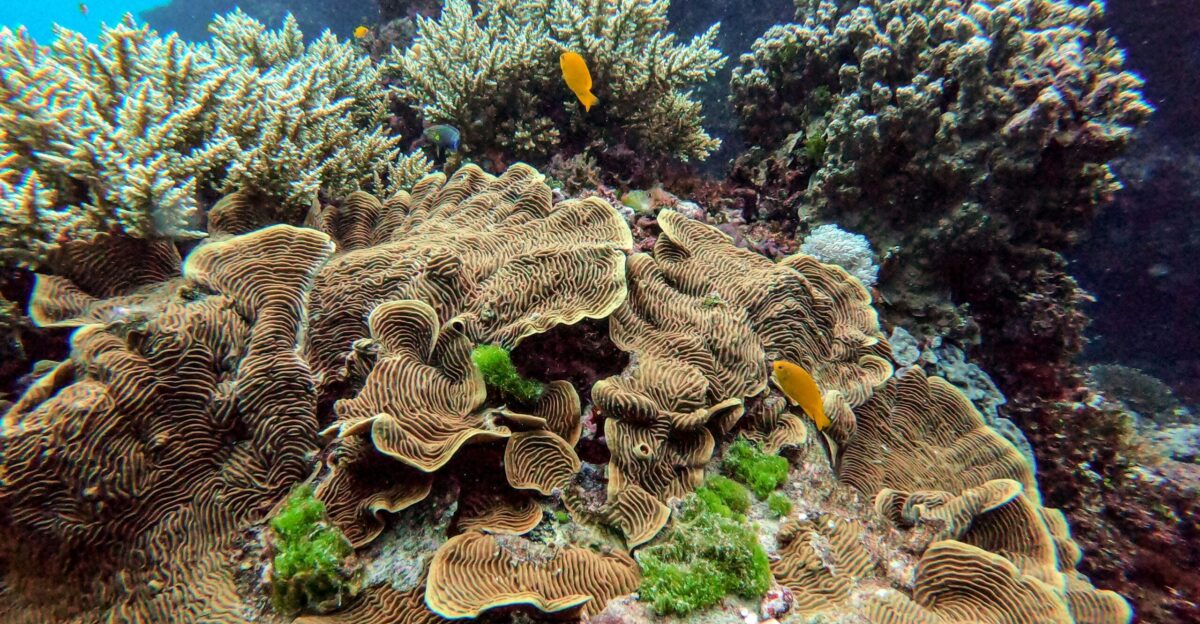
As wild reef fish stocks diminish, aquaculture expands rapidly, though these farming practices raise environmental concerns.
Meanwhile, plant-based protein companies are experiencing significant growth, and lab-grown seafood startups are advancing toward commercialization, positioning themselves as climate-resilient alternatives to traditional fishing.
82 Countries Face Economic Crisis
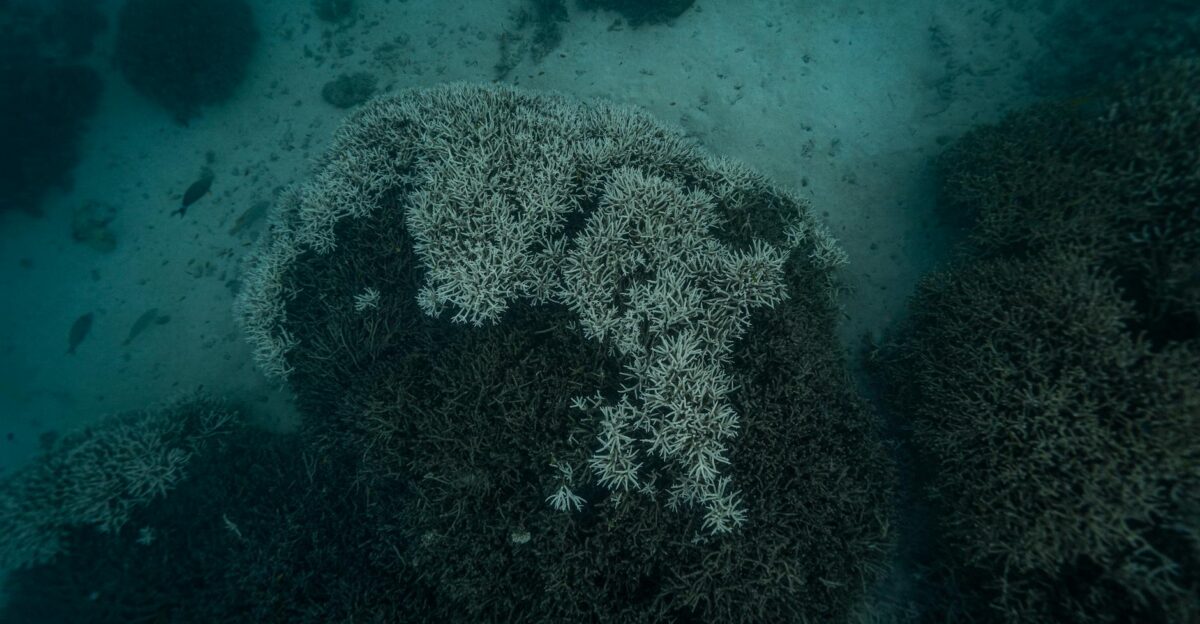
At least 82 countries and territories are experiencing bleaching-level heat stress, resulting in significant disruptions to global seafood supply chains.
Island nations and developing economies that rely on reef fisheries are teetering on the brink of economic collapse. This global crisis has led to renegotiations of trade agreements and threatened international commerce.
Fishermen and Coastal Communities Lose Livelihoods
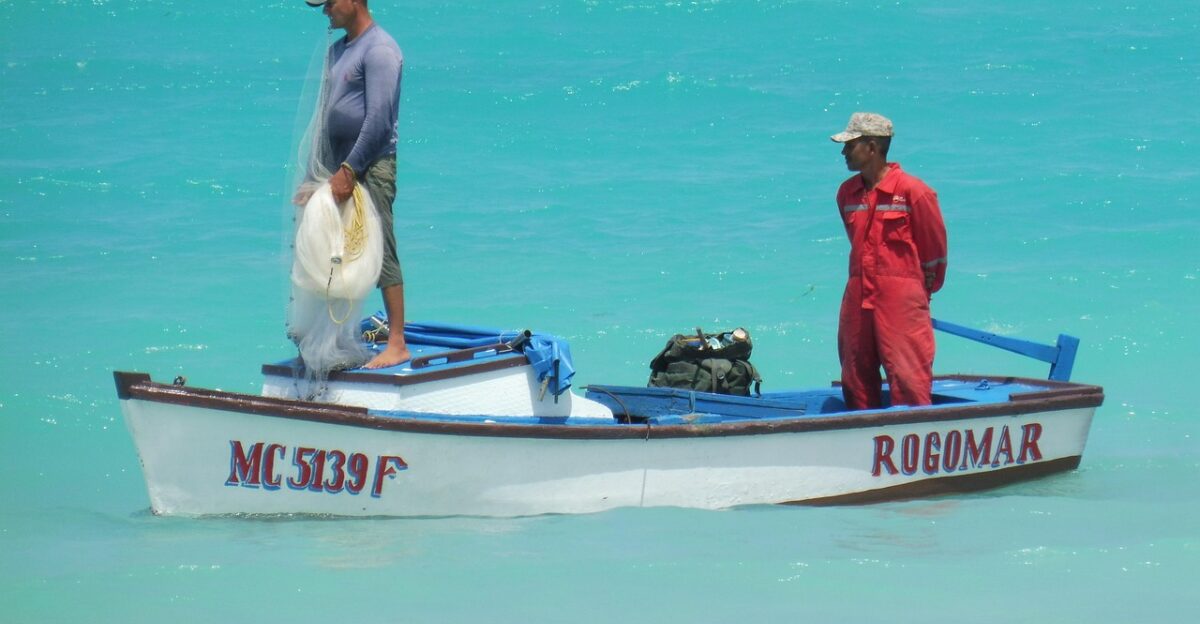
Across the Caribbean, over 180,000 individuals depend on fishing and tourism for their livelihoods. With reefs dying, fishermen are reporting empty nets and shrinking catches.
This leaves families facing job loss, food insecurity, and poverty. The devastating impact on these communities cannot be overstated.
COP30 and Climate Pledges Intensify

At COP30 in Brazil, scientists and policymakers urged the world to halve emissions by 2030, with a focus on achieving net-zero by mid-century.
However, current pledges are insufficient, with climate models predicting 2.6–2.8°C of warming—well beyond the 1.5°C threshold required to preserve coral reefs. Political will remains fragmented despite the urgent crisis.
$500 Billion Annual Loss by 2100
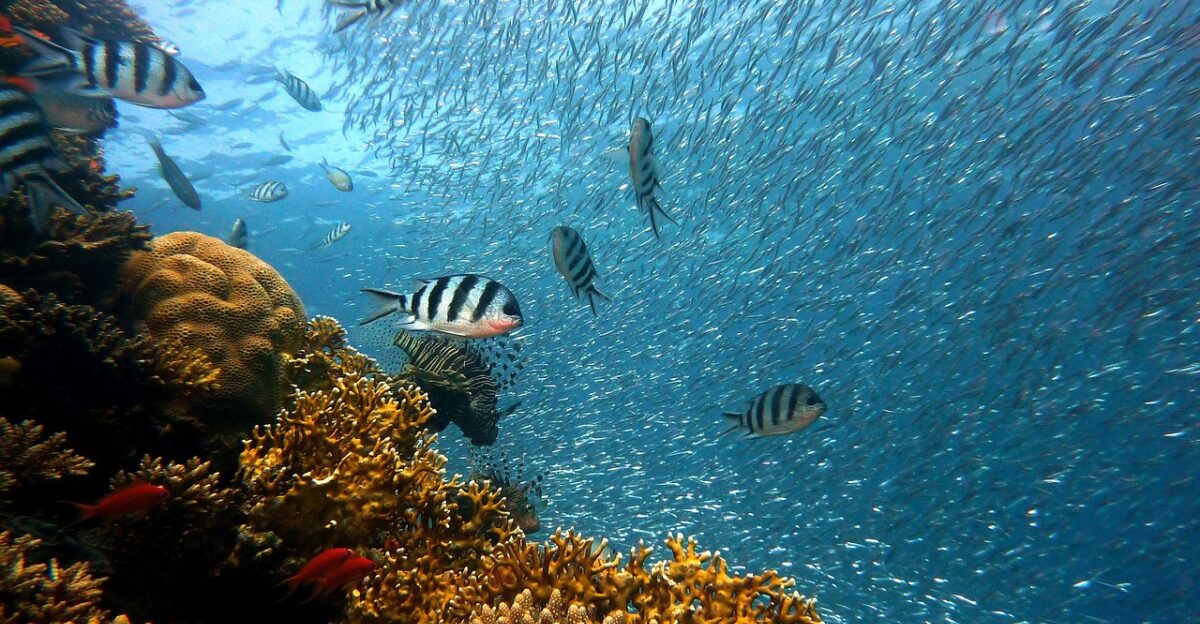
The loss of coral reefs is expected to cost the global economy up to $500 billion annually by 2100. These losses will stem from the collapse of fisheries, reduced tourism revenue, and weakened coastal protection.
The financial toll will disproportionately affect developing nations and small island states, exacerbating global inequality.
Seafood Aisles Transform
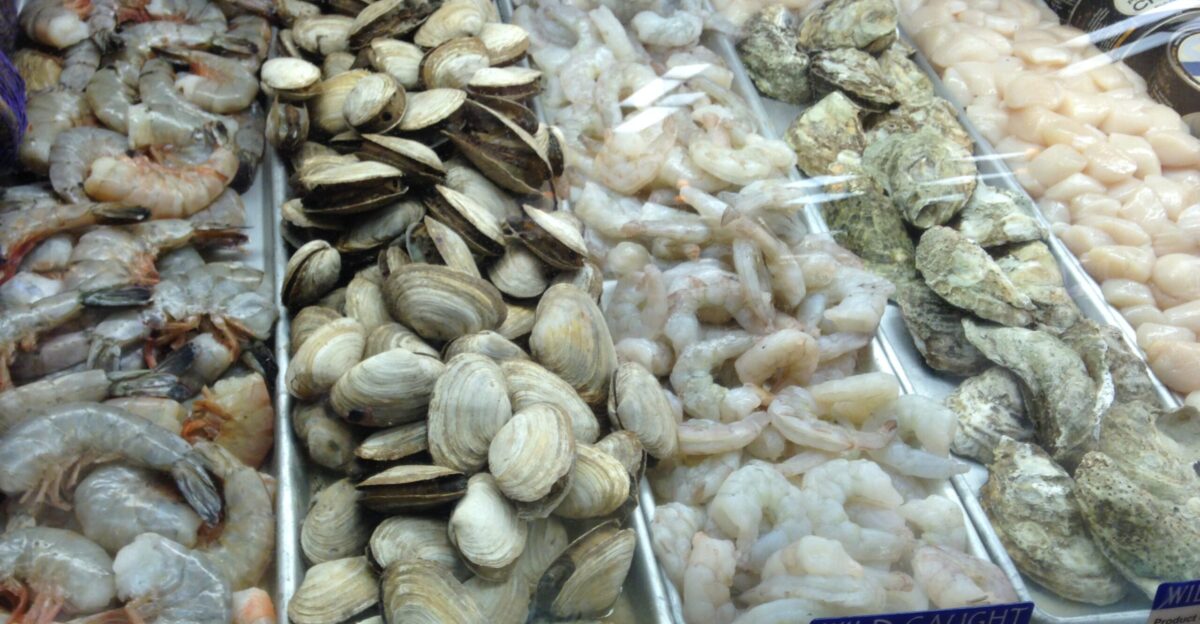
Supermarkets are adjusting to evolving seafood supply dynamics by expanding sections for farmed and plant-based alternatives.
While sustainable seafood options often command price premiums, retailers face consumer backlash over greenwashing and questionable sustainability claims. These shifts reflect broader changes in seafood supply chains and consumer expectations.
Menu Redesigns and Price Hikes
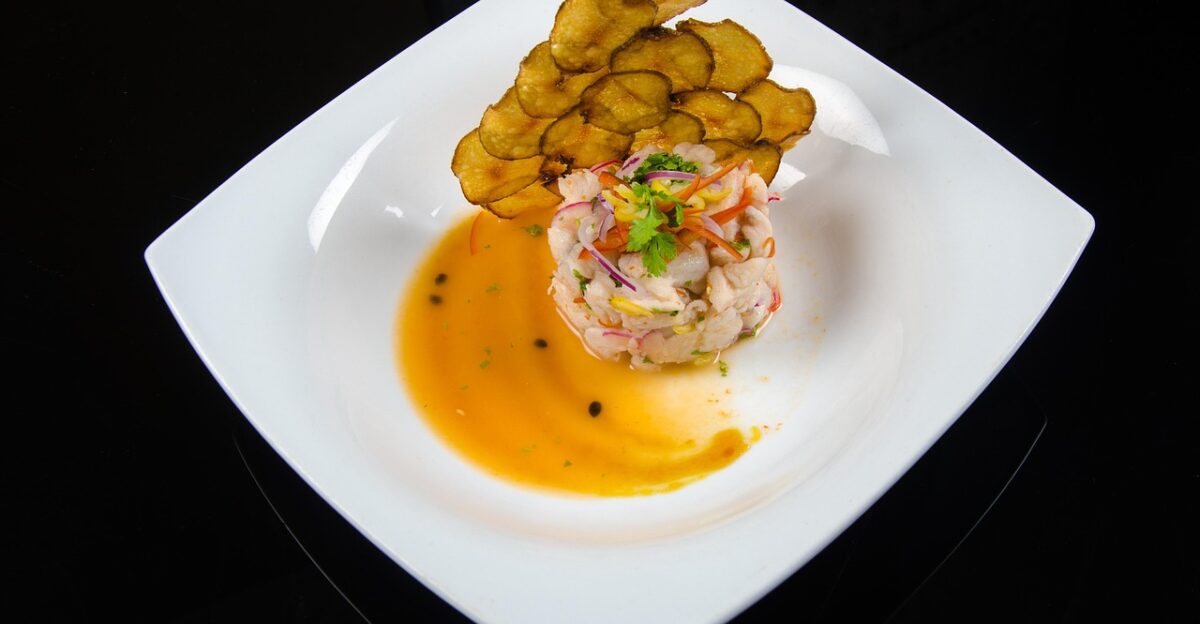
Restaurants are undergoing menu redesigns as they substitute reef fish, such as grouper and snapper, with aquaculture or non-reef species.
Fine dining establishments are adjusting to these changes, while casual dining chains raise prices to compensate for increased seafood costs. Tourism-dependent regions are particularly vulnerable to this shift.
Coastal Protection and Insurance Crisis
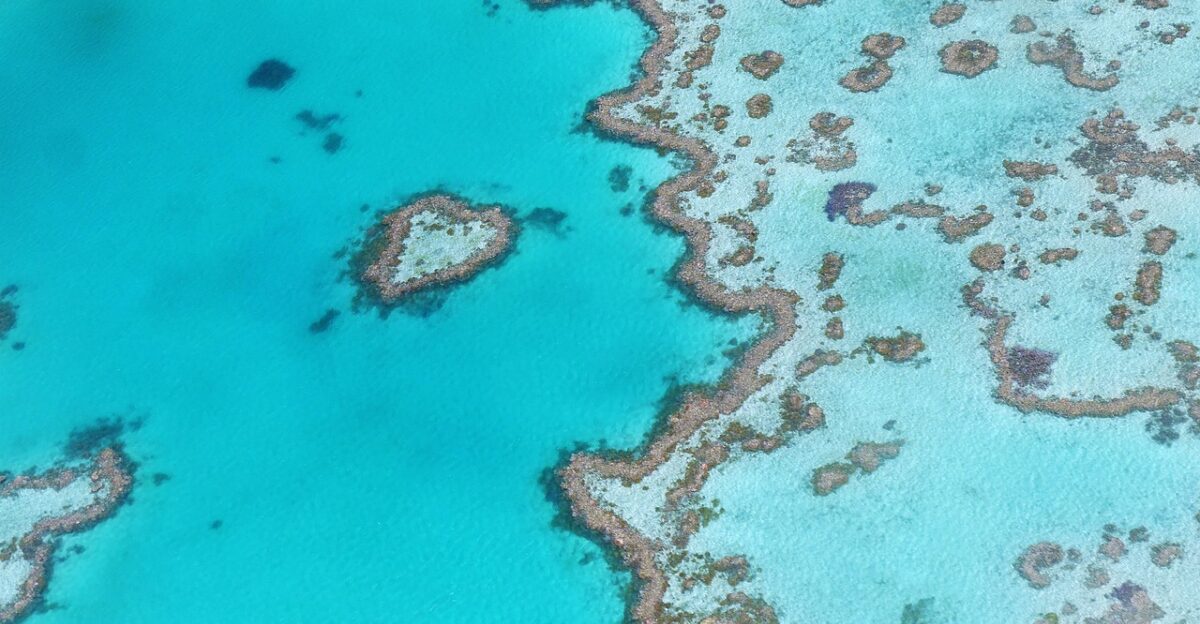
Coral reefs absorb 97% of wave energy, protecting coastlines from storm surges and erosion. As reefs die, coastal communities lose these natural defenses, leading to increased vulnerability to flooding and hurricanes.
Insurance premiums are rising, and some coastal properties are becoming uninsurable, making property ownership unaffordable for many families.
Global Consumer Impact: Tourism Collapse in Paradise
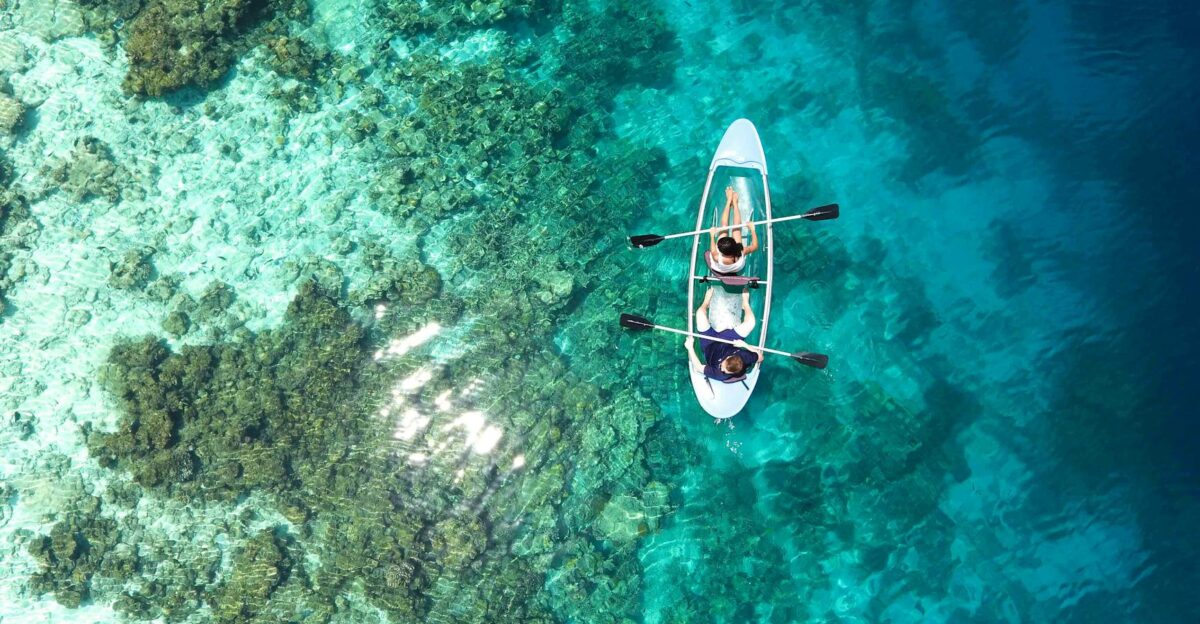
Coral reefs are crucial to the tourism industry, particularly in island nations like Antigua and Barbuda, where tourism contributes over 90% of the country’s GDP.
As reefs die, tourist interest wanes, leading to economic crises in these destinations. Governments face tough choices as tourism revenue evaporates, and locals bear the brunt.
Food Security and Nutrition
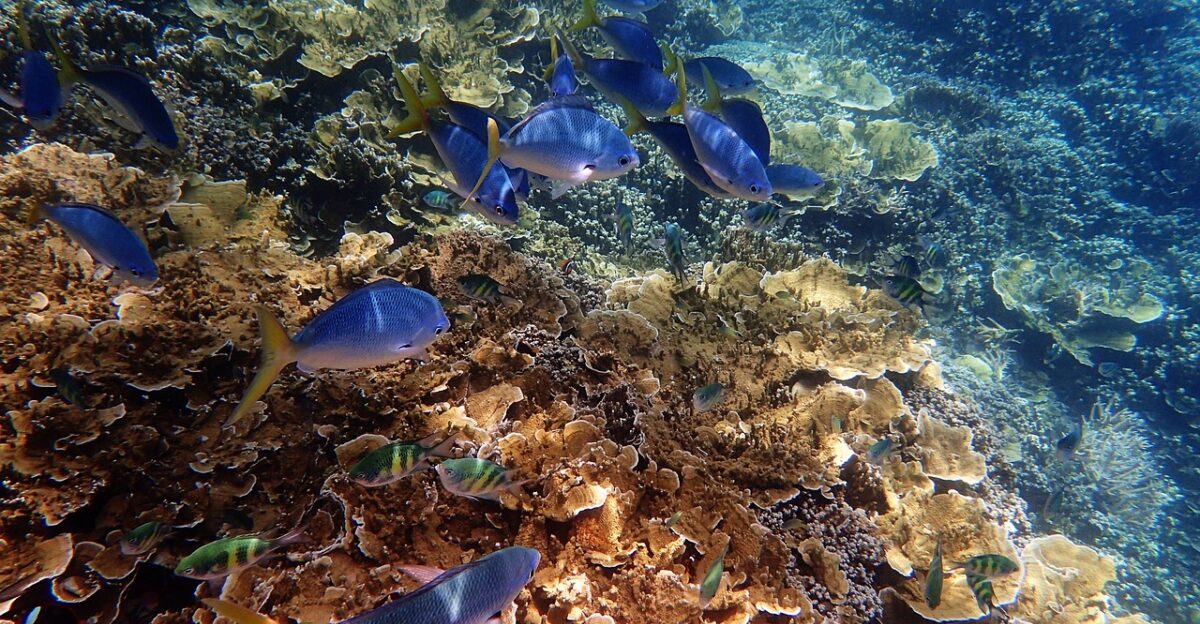
More than 1 billion people depend on coral reefs for food and livelihoods. As reefs collapse, these populations face nutritional deficits and food insecurity.
Wealthier consumers can shift to alternative protein sources, but poorer communities risk losing affordable, nutritious food, exacerbating global health disparities.
“Rainforests of the Sea” Vanishing
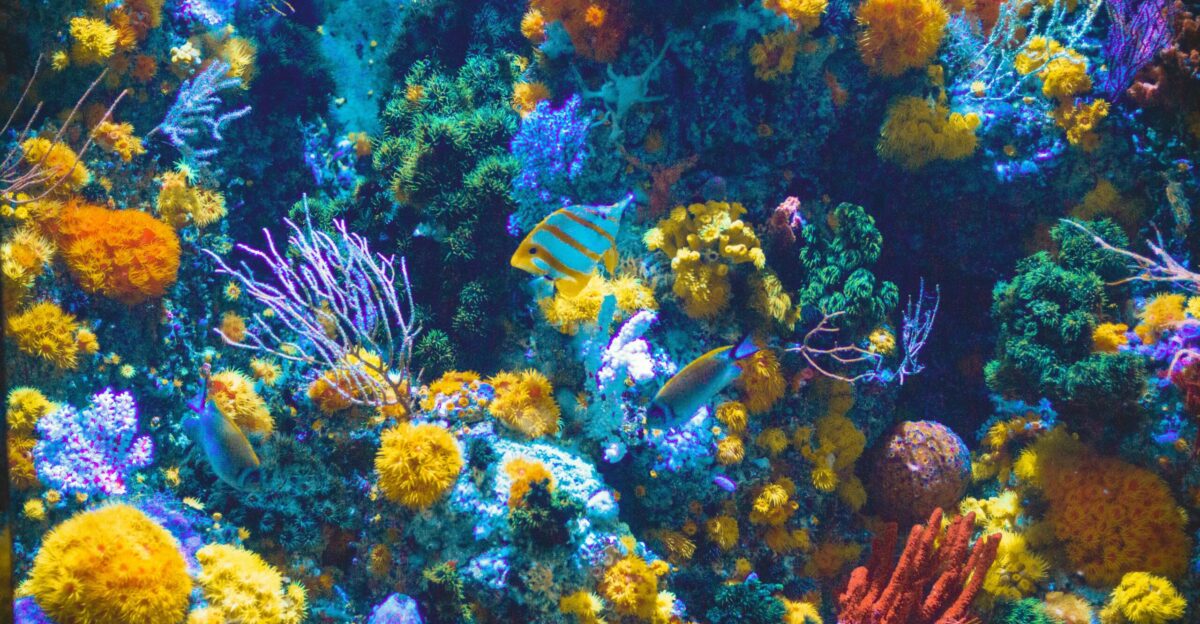
Coral reefs are often referred to as the “rainforests of the sea,” supporting approximately 25% of marine species despite covering less than 1% of the ocean floor.
Their collapse is not just an environmental loss but a cultural one, particularly for indigenous communities tied to reef ecosystems. The debate over climate justice and reparations intensifies as the crisis unfolds.
Renewable Energy and Climate Tech Companies Surge
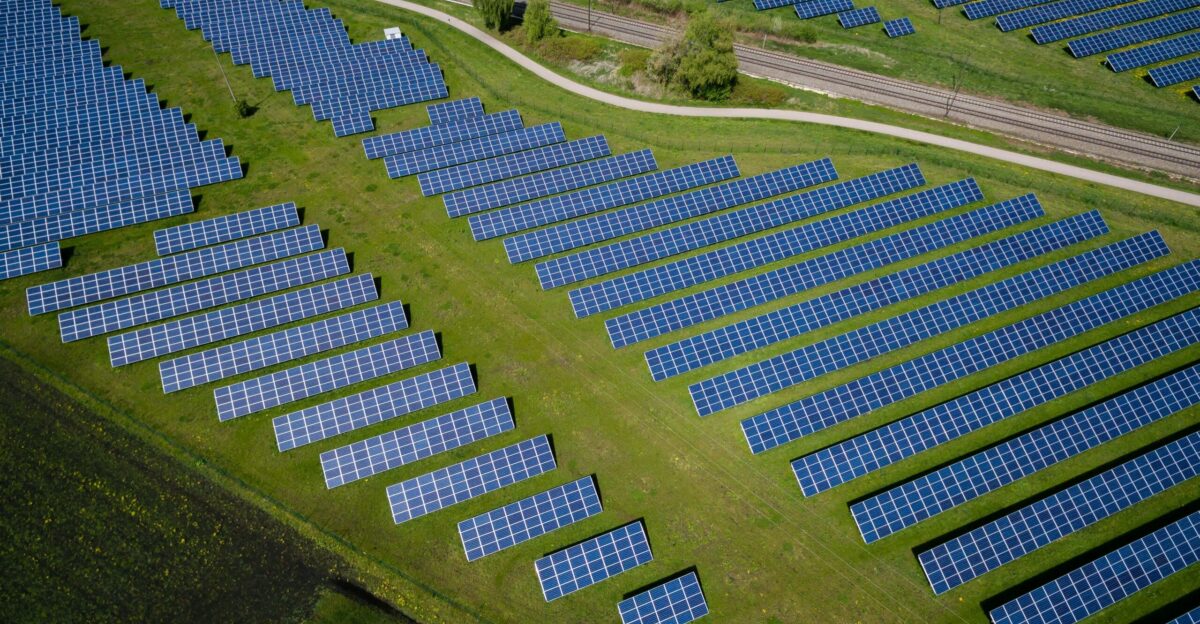
As the climate crisis accelerates, renewable energy and climate tech companies are attracting record investments. Insurance firms specializing in climate resilience are also seeing rapid growth. Meanwhile, fossil fuel companies are facing increasing scrutiny and pressure to divest.
Speculation and Volatility in Seafood Futures
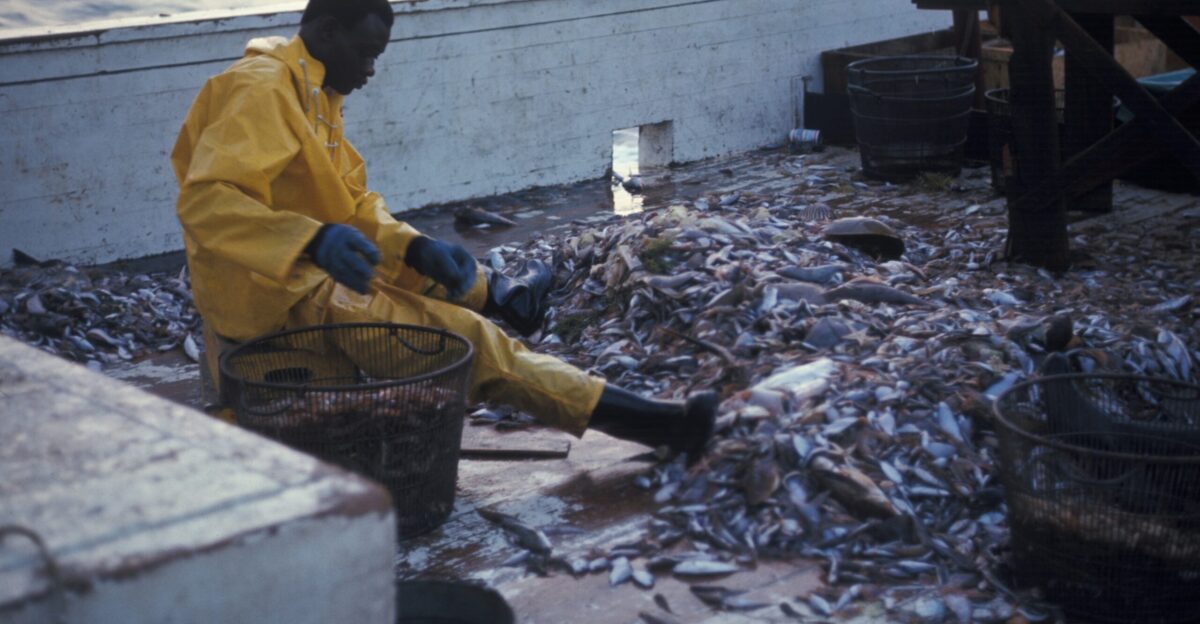
Commodity traders are bidding up seafood futures, driving price volatility. Hedge funds and retail investors are speculating on the impact of climate change on agricultural and fisheries markets.
The rise of “climate plays” presents new opportunities—but also risks—as financial markets adjust to environmental changes.
Practical Steps in a Changing Food System

As the food system shifts, consumers are advised to diversify protein sources, prioritize sustainably farmed seafood, and reduce overall consumption.
Supporting reef restoration initiatives and advocating for strong climate policies will be crucial in mitigating damage. Expect price increases and supply shifts—planning ahead is essential.
Can Reefs Recover, or Is Collapse Inevitable?
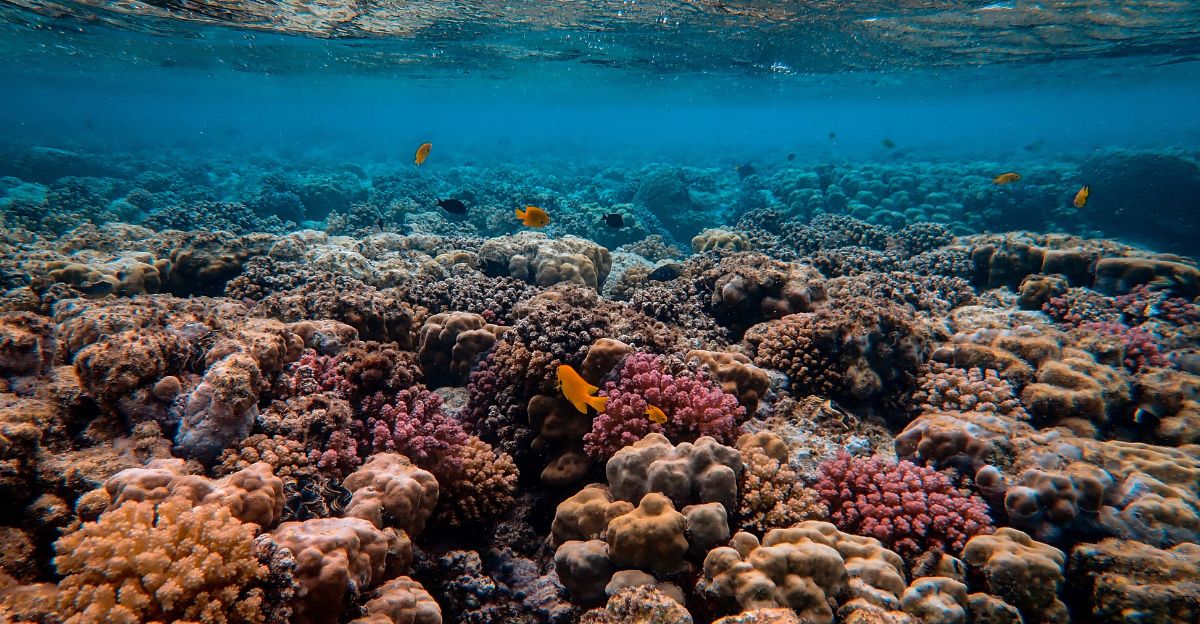
To save coral reefs, scientists emphasize the need to limit global warming to 1.5°C. However, current climate trajectories suggest warming of approximately 2.7°C, pushing reefs toward collapse.
While restoration efforts, such as Mission: Iconic Reefs in Florida, show promise, the challenge is massive and will require a sevenfold increase in funding. The next five years are critical.
One Tipping Point, Global Consequences
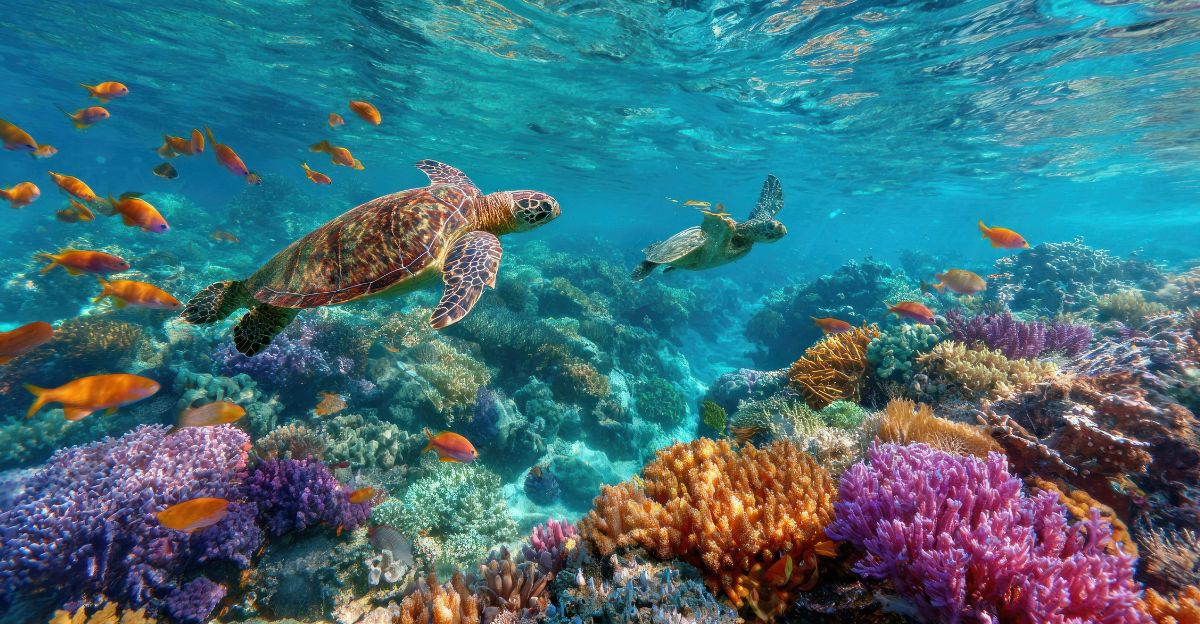
The collapse of coral reefs is Earth’s first major climate tipping point—and it won’t be the last. As the planet’s interconnected systems break down, other ecosystems, such as the Amazon rainforests and Antarctic ice sheets, face similar thresholds. The reef crisis serves as a stark warning, emphasizing the need for immediate, coordinated global action.