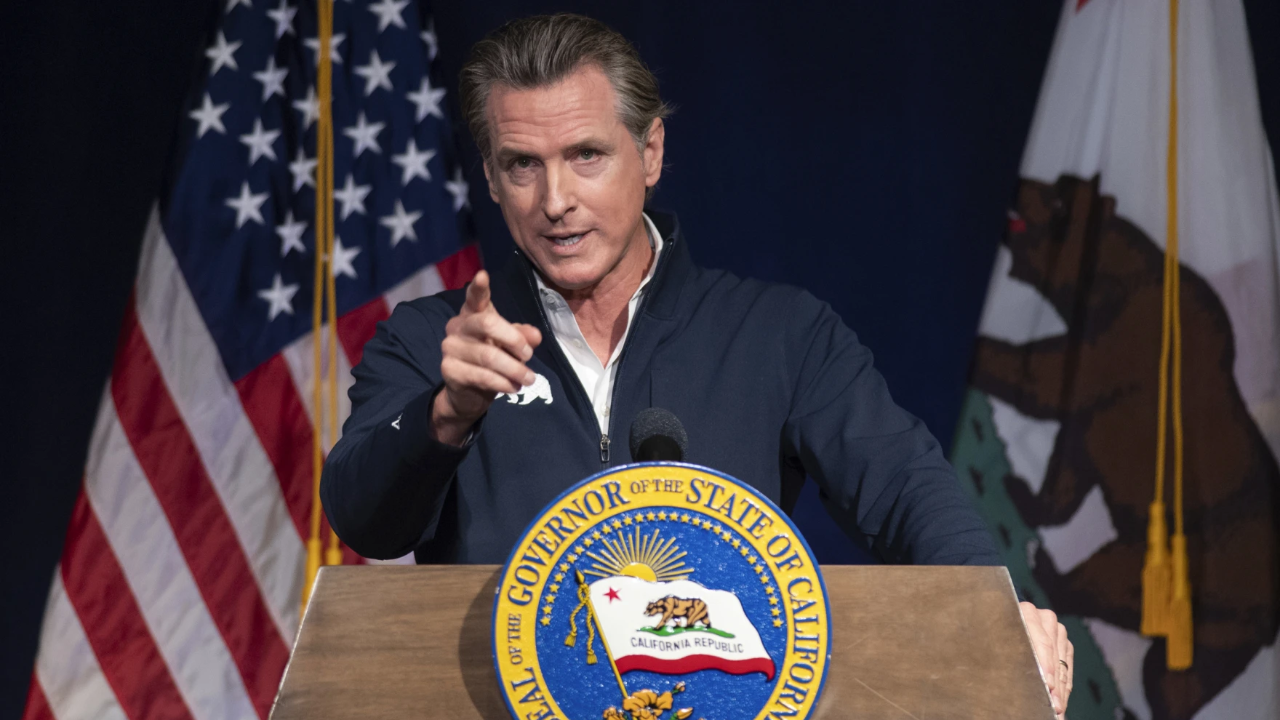
California is on the verge of a proposal that could reshape the state’s economic future: a one-time wealth tax targeting the state’s billionaires. If voters approve it in November 2026, the initiative would mark an unprecedented move in U.S. wealth taxation. The Service Employees International Union-United Healthcare Workers West (SEIU-UHW West) backs the measure, proposing a 5% levy on fortunes over $1 billion.
According to union figures, 255 billionaires could be affected. “This proposal aims to safeguard Medi-Cal and education programs while addressing funding gaps,” proponents say. With stakes this high, the state faces a complex debate balancing revenue needs and economic consequences. Here’s what’s happening next…
A Historic Tax Proposal
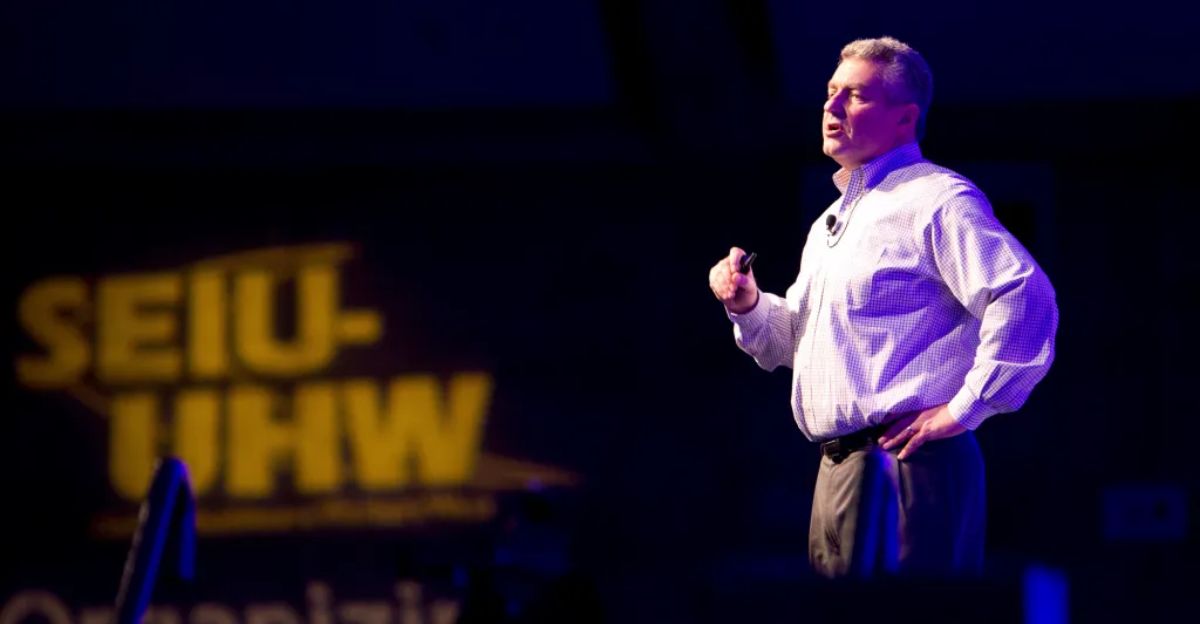
The SEIU-UHW West initiative, filed in October 2025 by Jim Mangia and Suzanne Jimenez, would impose a one-time tax of 5% on fortunes exceeding $1 billion. The tax could affect roughly 200 California-based billionaires holding an estimated $2 trillion, according to a Wall Street Journal report using Altrata data. Projected revenue of more than $100 billion over five years is earmarked to shore up healthcare and education funding.
The push comes amid federal healthcare cuts under H.R. 1, the One Big Beautiful Bill Act, which slashed $1 trillion from Medicaid nationally. California faces a projected $30 billion annual shortfall, with potential impacts including the loss of Medi-Cal coverage for 3.4 million residents, clinic closures, and job losses among healthcare staff. Union advocates argue the wealth tax is critical to sustaining essential services and stabilizing the workforce.
Who Would Pay and How It Works

The tax targets net worth exceeding $1 billion, encompassing assets such as stocks, real estate, art, and intellectual property. High-profile figures potentially affected include Mark Zuckerberg (approx. $209 billion), Google co-founders Larry Page and Sergey Brin, Oracle’s Larry Ellison, and Kim Kardashian (estimated at $1.7–1.9 billion). The measure is narrowly focused on ultra-high-net-worth individuals, leaving smaller business owners untouched.
Payments would be spread over five years, with options for deferring taxes on illiquid assets at a 7.5% annual charge. Revenue allocation prioritizes healthcare, with 90% supporting Medi-Cal access, hospital operations, and job creation for workers, and 10% for education. SEIU-UHW West frames the tax as vital for both patient care and employment stability, emphasizing its role as a fiscal lifeline for California’s frontline healthcare system.
Economic Ripple Effects and Capital Flight

The proposal has ignited debate over its impact on California’s economy. Silicon Valley and Hollywood, hubs of concentrated wealth, could see significant outflows. Wealth advisors report an increased interest in tax minimization strategies and relocation. David Lesperance of Lesperance & Associates notes clients are already leaving: “With this whiff of Tax the Rich smoke, the targets are bolting from California now.”
Census data shows California lost more residents than any other state between 2023 and 2024. High-profile exits include Elon Musk moving Tesla and SpaceX to Texas and Oracle relocating its headquarters to Austin.
Critics warn the measure could backfire, as the top 1% of taxpayers contribute 39% of California’s tax revenue. Departures may reduce job creation and strain industries like luxury retail, hospitality, and real estate. Popular relocation destinations include Florida, Texas, Nevada, and Washington, all of which have no personal income tax, intensifying the stakes for California policymakers.
Political and Cultural Divide
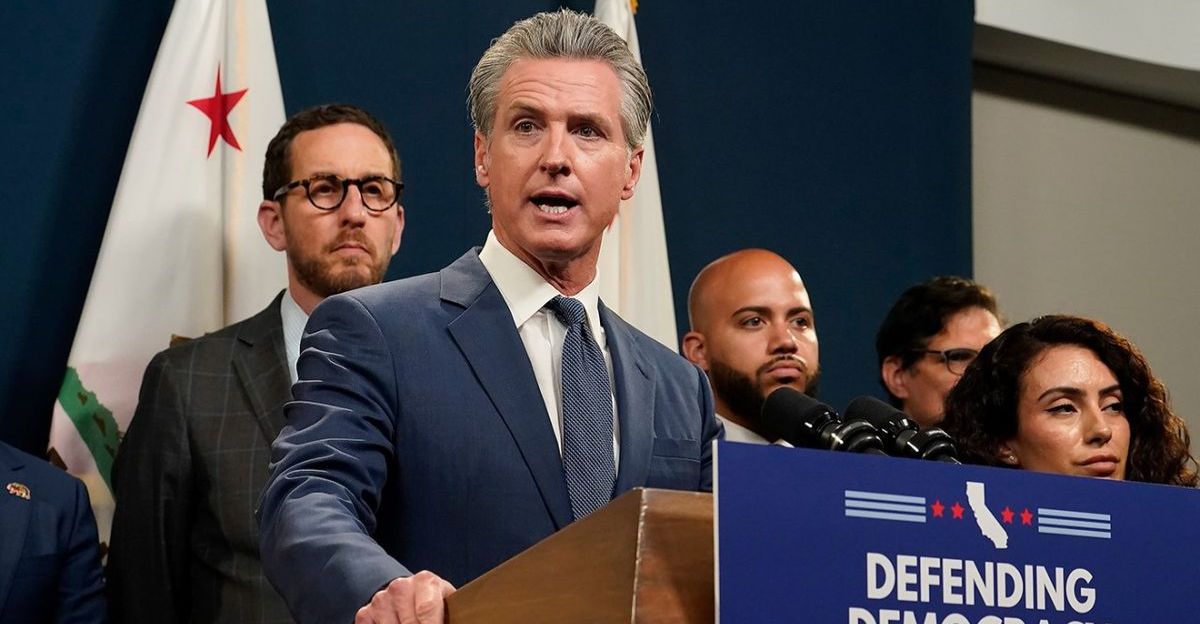
Governor Gavin Newsom opposes the wealth tax, calling it “bad policy” and “another attempt to grab money for special purposes.” The measure has split lawmakers, advocacy groups, and the public along ideological lines, triggering a contentious ballot battle. Opposition efforts, including the “Stop the Squeeze” committee, which is funded by business and tech leaders, aim to block passage.
Supporters argue the tax addresses wealth concentration and funds vital services. Robert Reich, former Secretary of Labor, endorses it as “a wealth tax that will work,” highlighting California’s potential as a model for other regions.
The debate also taps into broader discussions about fairness, opportunity, and economic justice, with global investors watching closely. Similar proposals, such as a 2% millionaire income tax in New York City, signal growing interest in taxing extreme wealth across the U.S.
Timeline and Future Impact
To qualify for the November 2026 ballot, the proposal must gather 874,641 valid signatures by late April 2026. The California Attorney General will issue the official title and summary by December 26, 2025, after which signature collection begins. Tax calculations would start in 2027, spread over five years.
Academic research from Sweden and Denmark suggests that wealth taxes can drive outward migration; however, proponents, including UC Berkeley economist Emmanuel Saez, believe the measure has “a very good shot at passing.”
Constitutional challenges are expected, particularly regarding the retroactive application of taxation. The proposal assesses California’s capacity to generate revenue for public goods while preserving its status as an innovation hub. Its success or failure could reshape U.S. wealth taxation and billionaire accountability nationwide.
Balancing Revenue and Retention
California’s proposed wealth tax illustrates a high-stakes clash between funding essential public services and preserving the state’s appeal to ultra-wealthy residents. The $100 billion plan promises crucial support for healthcare and education, but faces the risk of capital flight and revenue decline. For policymakers, the challenge lies in striking a balance between equitable taxation and economic vitality.
If passed, the initiative could set a national precedent, influencing how other states approach taxing extreme wealth. Conversely, rejection or legal hurdles may reinforce caution in pursuing bold fiscal experiments. California stands at a crossroads where the future of public funding, billionaire accountability, and economic competitiveness converge, with consequences that may ripple far beyond state lines.
Sources:
- Service Employees International Union-United Healthcare Workers West (SEIU-UHW) – Official ballot initiative filing, October 2025
- California Budget and Policy Center – “How Federal Funding Cuts Threaten the Health of Californians” (October 2025)
- Wall Street Journal / Altrata – Billionaire wealth data and California resident billionaire count (September 2025)
- US Census Bureau – State migration data showing California population losses (2023-2024)
- California Attorney General – Official ballot initiative database and filing records
- Forbes – Individual billionaire net worth estimates (Mark Zuckerberg, Larry Page, Sergey Brin, Kim Kardashian)
- Lesperance & Associates / David Lesperance – Wealth advisor reporting on client capital flight and relocation strategies