
General Motors’ massive battery manufacturing facility in Spring Hill, Tennessee, will temporarily halt operations beginning January 5, 2026, laying off 710 workers at what has become one of the nation’s largest battery production centers. The $2.3 billion plant, designed with an annual capacity exceeding 45 gigawatt-hours, represents a significant investment in domestic electric vehicle infrastructure. Yet the shutdown signals a fundamental shift in the U.S. electric vehicle sector as market demand slows and federal incentives expire.
Market Headwinds Drive Production Cuts

GM attributes the pause to declining EV adoption rates and changing policy conditions. The expiration of federal electric vehicle tax credits at the end of September 2025 removed a key consumer incentive, cooling buyer enthusiasm. As demand softened, GM adjusted its production strategy to align output with market realities. The Spring Hill facility, once positioned as a beacon of green energy innovation, now faces the harsh economics of an oversupplied market.
The decision reflects broader industry uncertainty about the pace of the EV transition. Analysts question whether the slowdown will prove temporary or signal a prolonged market correction.
Immediate Impact on Workers and Community
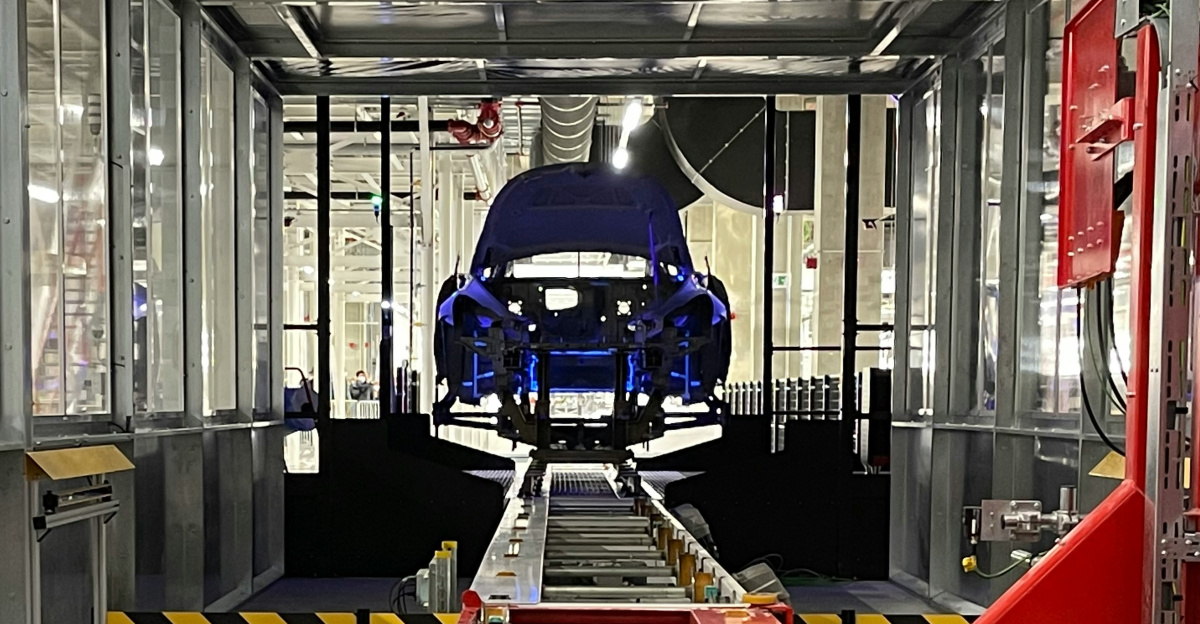
The 710 affected employees, represented by the United Auto Workers union, face temporary layoffs with uncertain timelines for recall. Workers qualify for state unemployment benefits and support services during the transition. Tennessee’s Rapid Response Team and local job placement agencies are coordinating assistance programs, though questions persist about long-term employment stability in the sector.
The economic ripple extends beyond individual households. Spring Hill’s local businesses, which depend on spending from plant workers, are bracing for reduced consumer activity. The town that welcomed the plant as a transformative economic engine now confronts the volatility inherent in manufacturing-dependent communities.
Broader Restructuring Across GM Operations
The Spring Hill shutdown represents part of a larger General Motors workforce reduction. The company is laying off 3,400 workers nationwide, including 850 in Ohio, as it recalibrates production across multiple facilities. Additional cuts include 300 employees from its Technical Center in Warren, Michigan, and 300 from its IT Innovation Center in Georgia, demonstrating the scope of GM’s strategic pivot away from aggressive EV overproduction.
Supply Chain and Competitive Implications
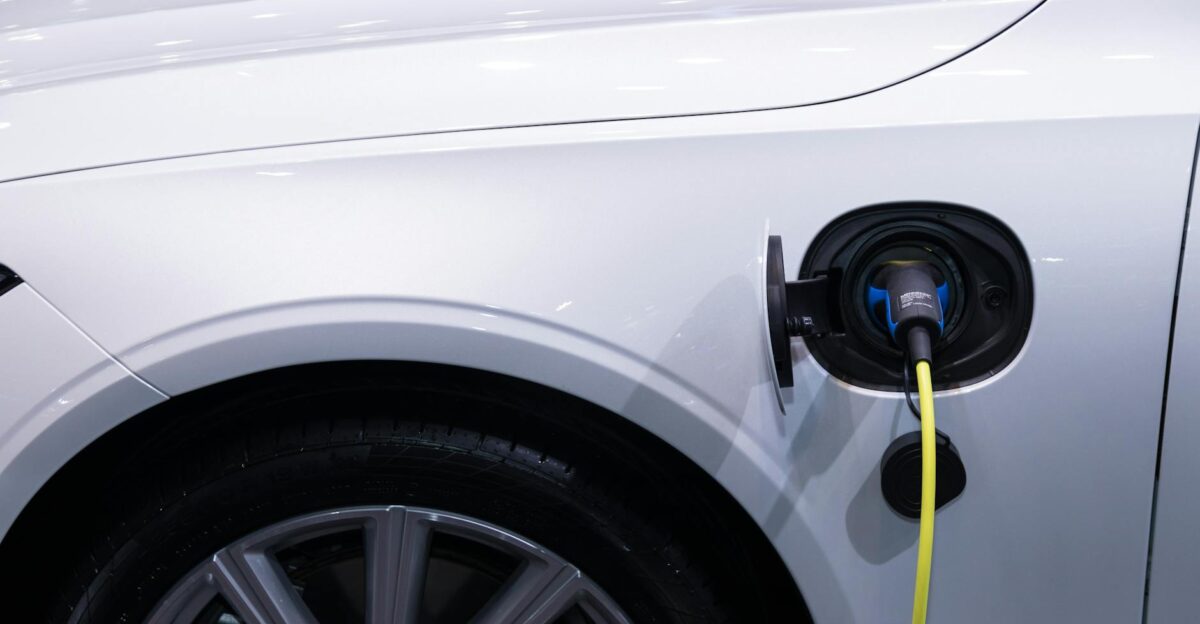
With domestic battery production paused, supply constraints may ripple through the EV manufacturing ecosystem. Battery-dependent automakers could face availability challenges as the Spring Hill facility sits idle. Meanwhile, international competitors—particularly Chinese manufacturers CATL and BYD, along with South Korean producers—maintain their dominance in global battery markets.
This production gap underscores ongoing concerns about U.S. dependence on foreign battery supply chains and raises questions about America’s competitive position in the EV sector.
Consumer and Market Consequences

The combined effect of reduced domestic battery supply and expired tax credits creates headwinds for EV consumers. Limited battery availability may extend vehicle wait times and reduce model selection. Higher purchase prices, absent federal incentives, could dampen buyer enthusiasm further. Dealerships are responding by balancing inventory between traditional gasoline vehicles and discounted EVs as retailers clear stock.
For existing EV owners, vehicle values may fluctuate as market demand remains uncertain. Prospective buyers face a more complex decision landscape, with some choosing to delay purchases pending market stabilization.
Policy and Industry Outlook
The Spring Hill pause has reignited debate over federal EV incentive effectiveness. Proponents argue subsidies were necessary to catalyze the energy transition, while critics contend they artificially inflated demand and created unsustainable production levels. Policymakers now face pressure to evaluate whether current incentive structures align with market realities.
Industry analysts expect GM’s production decisions in coming months to hinge on EV demand trends and market stability. Whether the company resumes full operations by mid-2026 remains uncertain. This moment represents a critical juncture for the U.S. EV industry—one that may ultimately reshape manufacturing strategies, supply chain investments, and the pace of America’s transition to electric transportation.
Sources:
The Tennessean – GM’s Spring Hill battery production site to temporarily lay off roughly 700 workers (October 29, 2025)
Ultium Cells Official Website – Spring Hill | Tennessee Facility Page
Maury County Economic Development – Ultium Cells Announces Maury County Expansion
Consumer Reports – Electric Vehicle & Plug-In Hybrid Tax Credit Expiring Soon (October 2025)