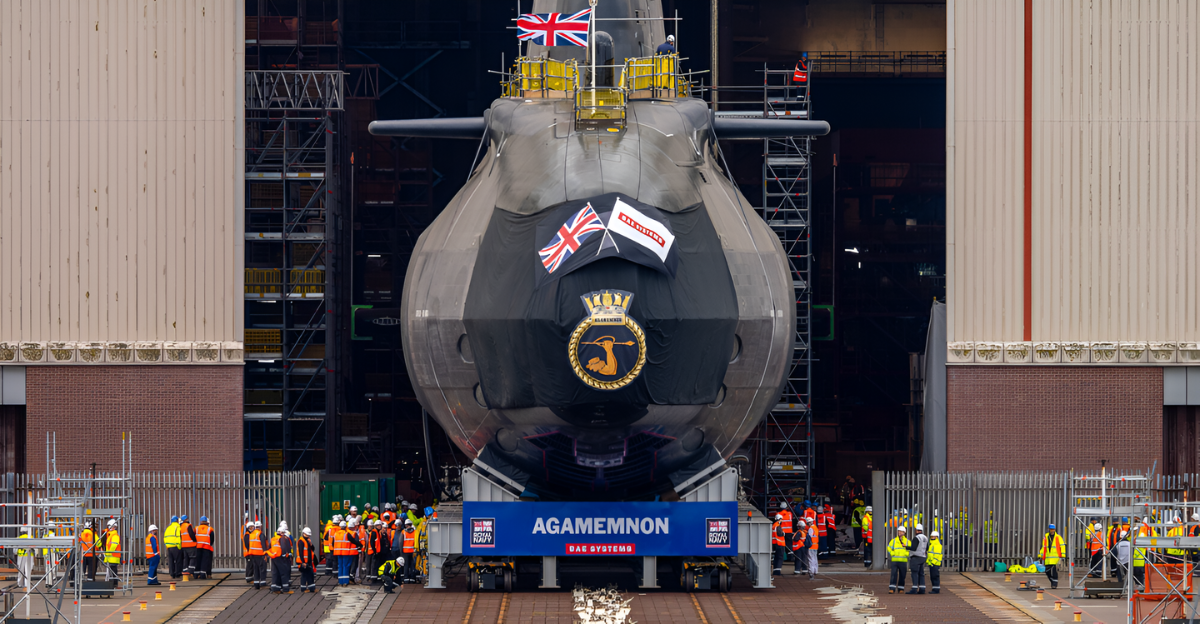
Recently, the UK announced plans to build a dozen new nuclear attack submarines. This is the largest naval expansion since the Cold War.
Defence Secretary John Healey said this will support “30,000 highly skilled jobs up and down the country.” The government committed to spending 2.5% of GDP on defense by 2027.
Fleet Growth
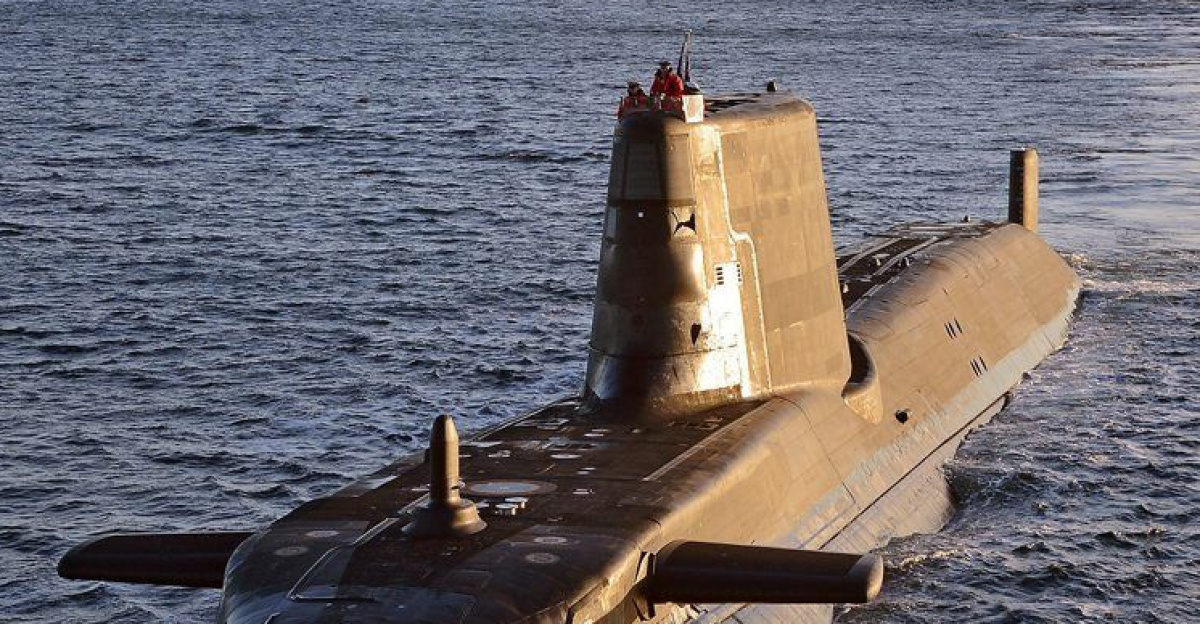
The British Navy currently has seven Astute-class nuclear submarines, but it plans to nearly double that number over the next five years.
According to government plans, the submarines will be built at 18-month intervals. Over the next decade, the program will create thousands of apprenticeships and graduate roles.
Industrial Heritage
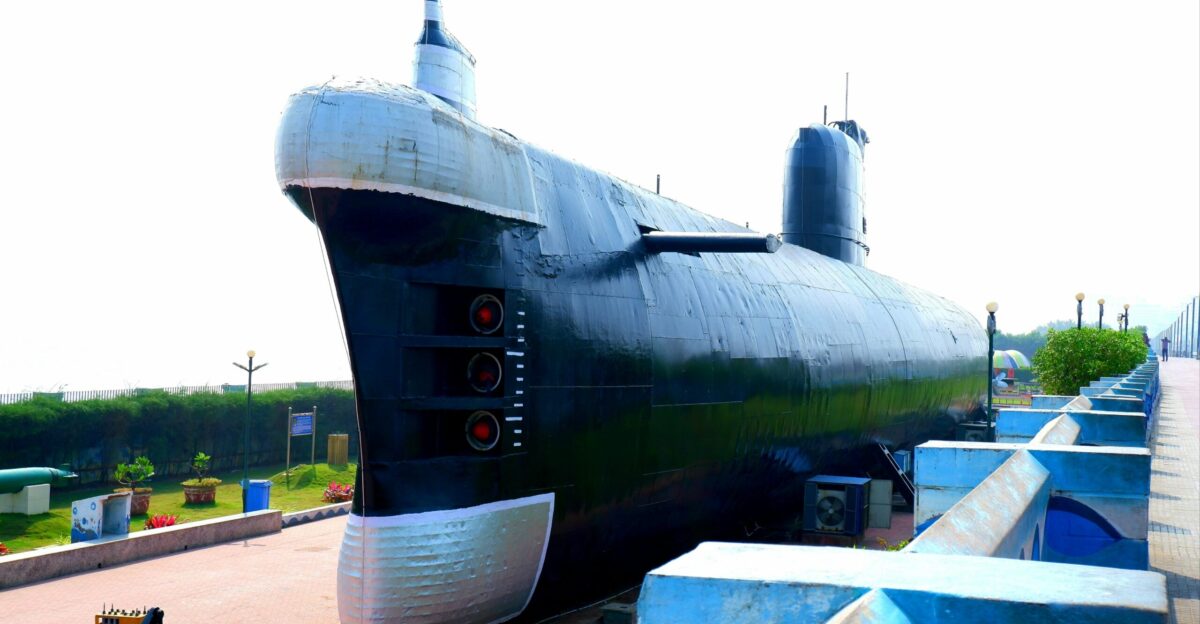
Barrow-in-Furness has built nuclear submarines for more than 60 years, and BAE Systems has constructed every Royal Navy nuclear submarine except three since 1963.
The Astute-class submarines are 97 metres long and 7,400 tonnes in displacement. This industrial expertise provides the foundation for future expansion.
Strategic Response
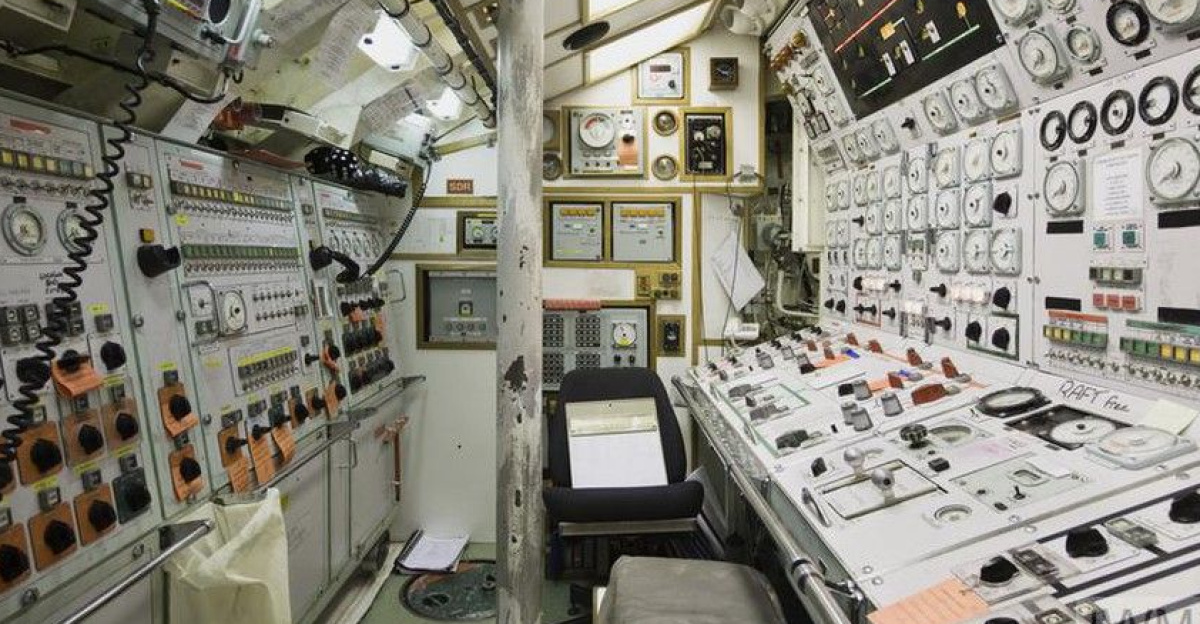
The 2021 AUKUS partnership between Britain, Australia, and America emerged to counter growing threats in the Indo-Pacific region.
This agreement represents the deepest defense cooperation between the three nations since World War II. Traditional submarines lack the range needed for extended Pacific operations.
Advanced Design
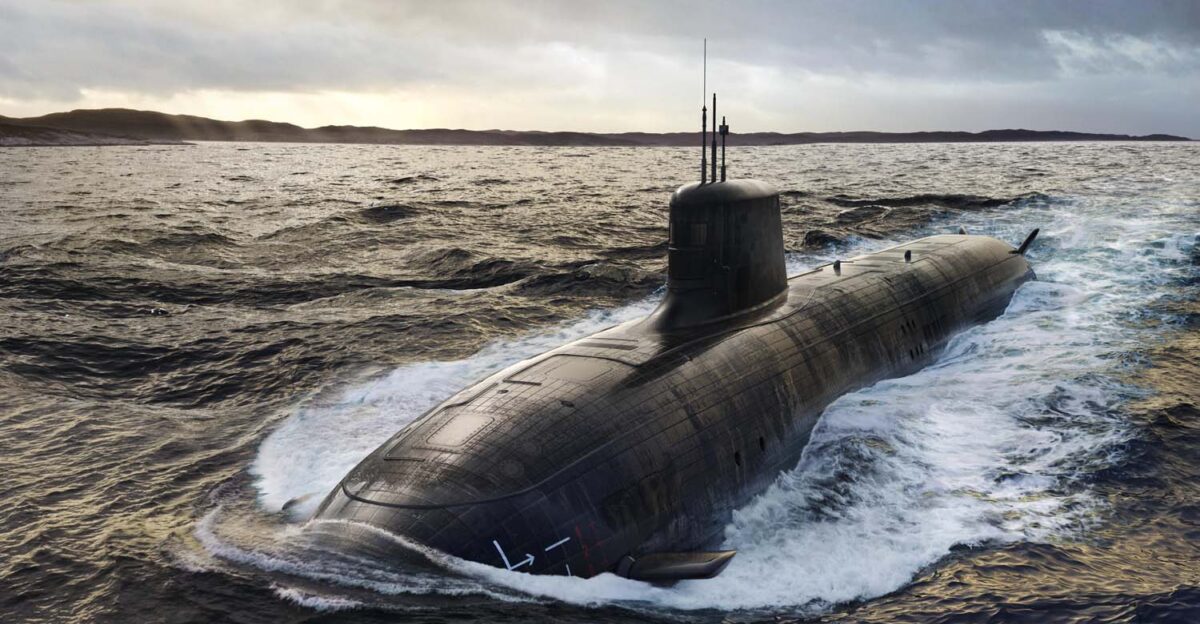
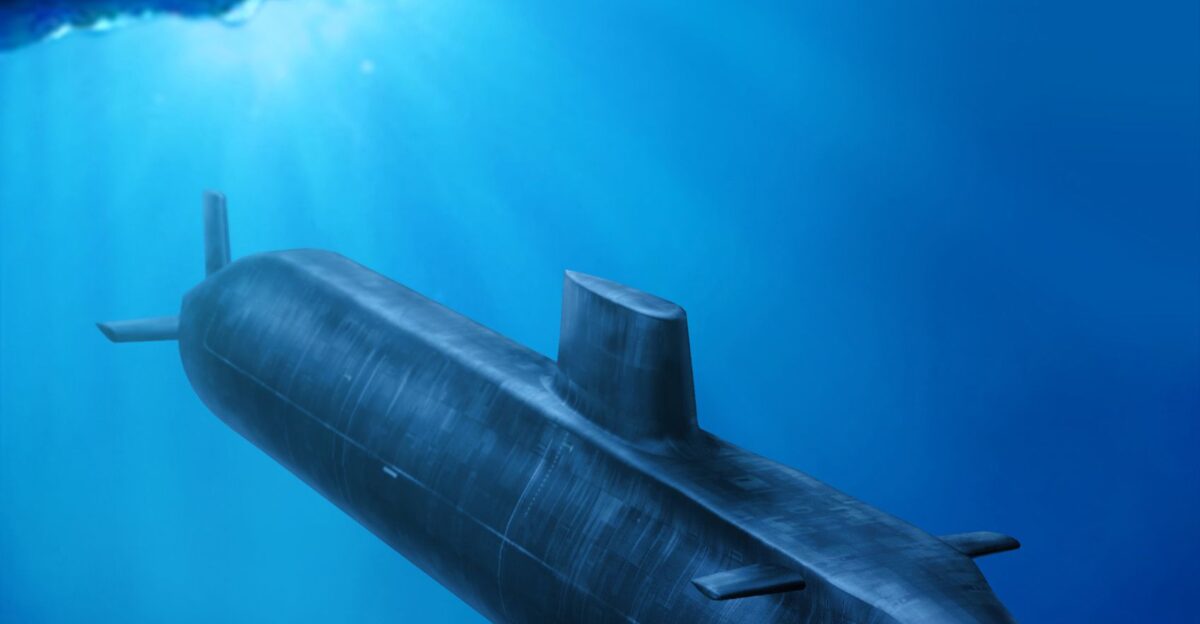
The SSN-AUKUS will be much larger than the current 7,400-tonne Astute class subs, displacing over 10,000 tonnes.
Australian Submarine Agency Director-General Jonathan Mead said they will be “bigger, better, faster and bolder” than existing submarines. These will be the largest attack submarines the Royal Navy has ever operated.
Economic Benefits
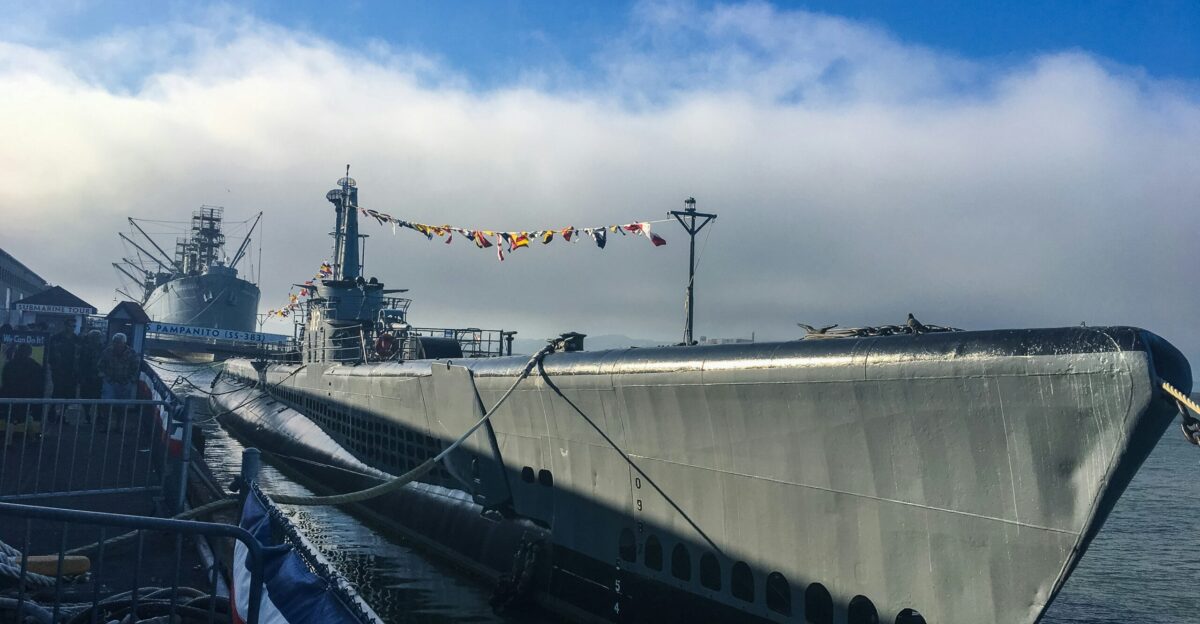
The program will support major expansions at Barrow shipyard and Rolls-Royce’s Derby reactor facility.
The local economy will benefit considerably, as substantial employment opportunities will be created at naval facilities across the country. The nuclear investment sustains jobs nationwide through extensive supply chains.
Industry Leaders
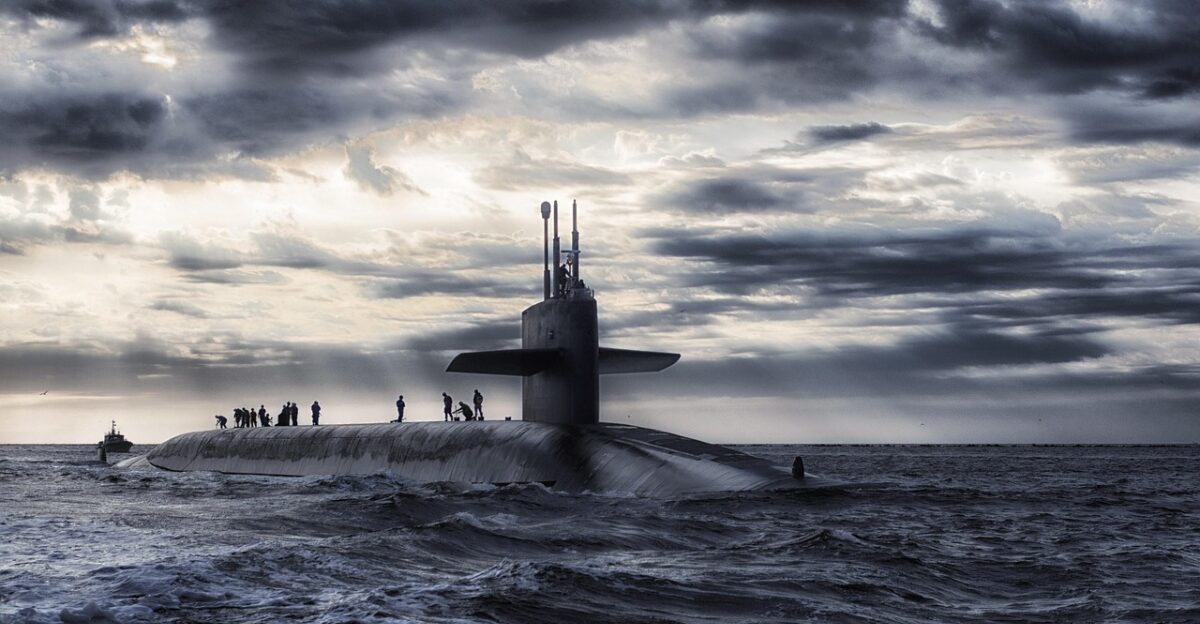
Babcock Chief Executive David Lockwood said, “We are proud to support the UK’s submarine fleet in defending our nation.”
The company has received a £114 million contract for nuclear defueling operations at Devonport. In 2024, BAE Systems received £3.95 billion for submarine development work.
Nuclear Technology
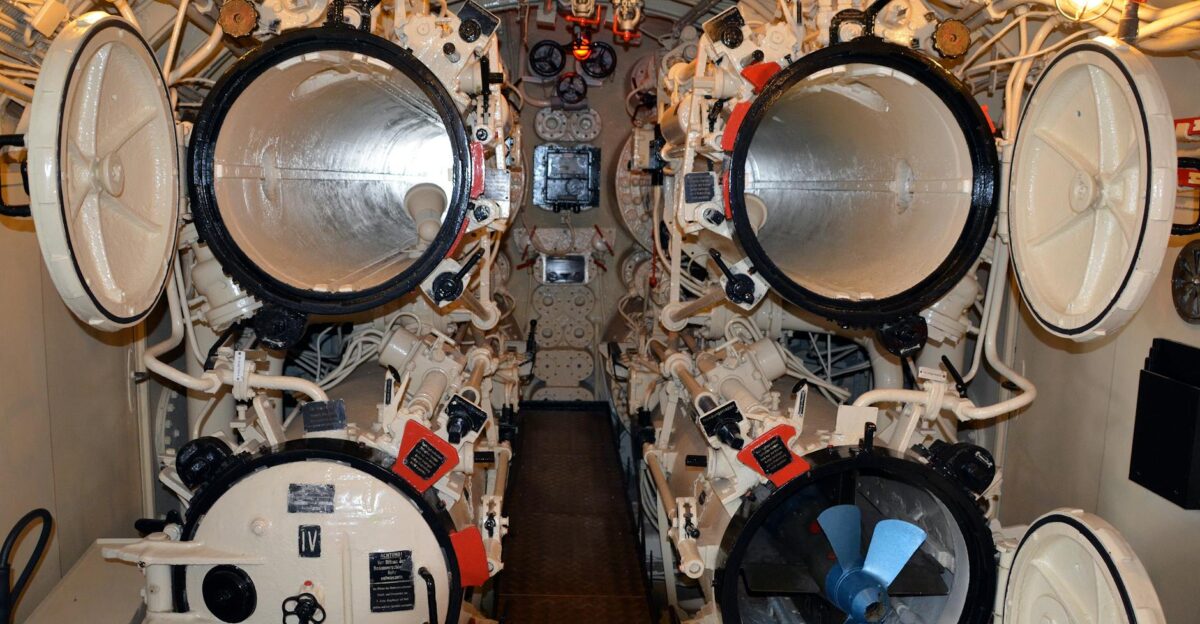
Rolls-Royce PWR3 reactors will power the submarines, which are “based on a US design but using UK reactor technology.”
The PWR3 has 30% fewer parts compared to the current PWR2 systems. This advanced reactor design offers superior performance and longer operational life.
Trilateral Cooperation

The SSN-AUKUS program creates submarine fleets across three navies, sharing components, training, and maintenance systems.
Australia plans to build five submarines while purchasing three Virginia-class boats from America first. This cooperation fundamentally reshapes Indo-Pacific naval power dynamics.
Australian Investment
Australia will invest AU$4.6 billion to help expand Rolls-Royce’s Derby facility for reactor component manufacturing.
The Adelaide shipyard will construct Australian submarines by the early 2040s. This arrangement spreads development costs while ensuring reactor supply sustainability across decades.
Construction Progress
Babcock secured contracts for weapon handling and launch systems, marking the transition from design to physical construction.
The company will work with the Defence Nuclear Enterprise on complex technical integration. Many submarine components remain in advanced development stages.
Political Consensus
Prime Minister Keir Starmer’s Labour government fully embraced the Conservative-initiated AUKUS program, ensuring bipartisan support across party lines.
The expansion forms part of Labour’s national security strategy. Political unity guarantees program survival through future elections.
Infrastructure Development

BAE Systems received planning approval for a £72-million research facility called “Project Spartan” to house 750 submarine engineers.
The facility will consolidate engineering expertise currently scattered across multiple Barrow locations. Infrastructure investments aim to eliminate production bottlenecks.
Workforce Expansion
The program aims to double defense and civil nuclear apprentice and graduate intakes over the next decade.
Babcock’s defueling operations will support hundreds of jobs in the wider supply chain. Success depends on the rapidly expanding skilled workforce’s capabilities.
Delivery Timeline
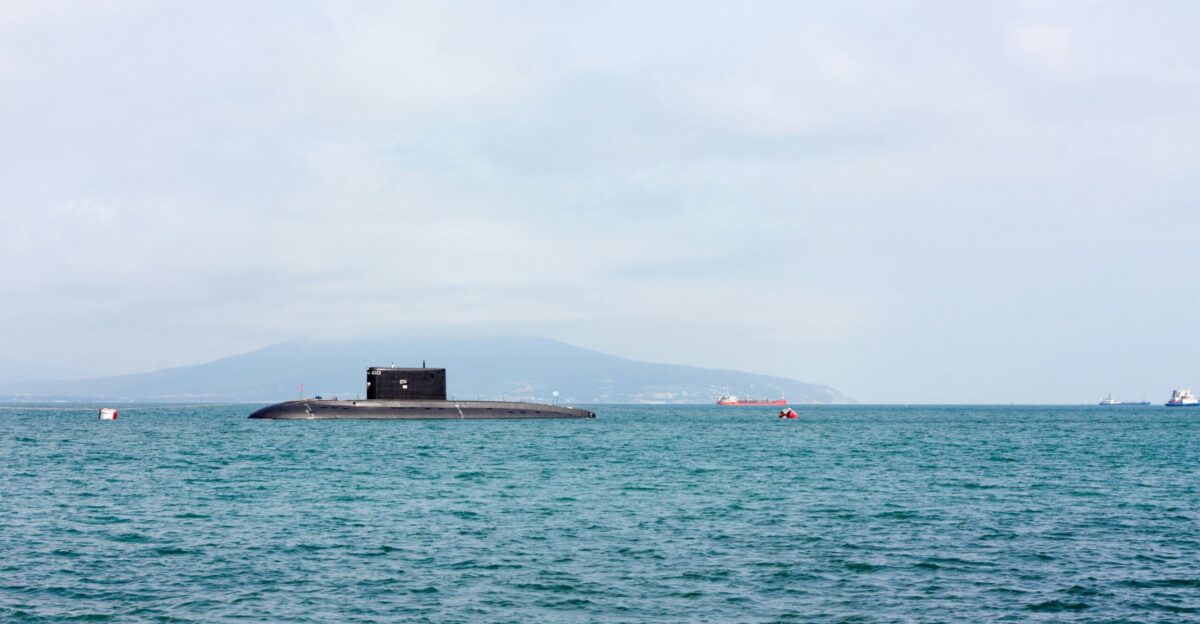
The first SSN-AUKUS must enter Royal Navy service in the late 2030s as existing Astute submarines approach retirement.
This compressed timeline requires unprecedented production efficiency from the British industry. Any significant delays could create dangerous capability gaps.
Strategic Challenge
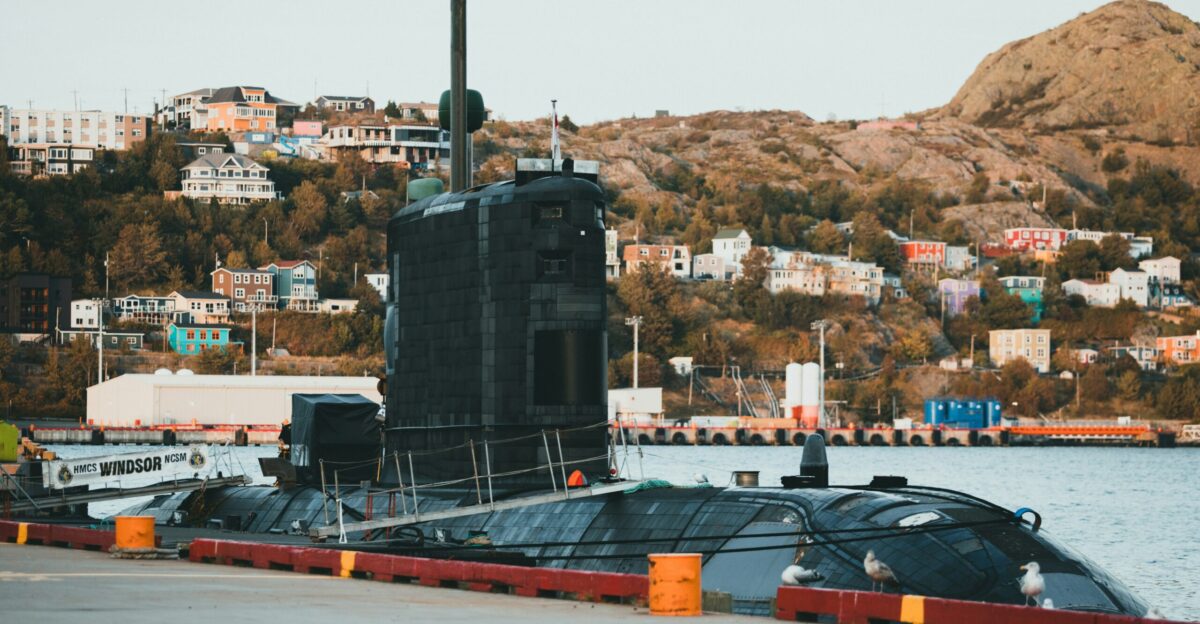
The AUKUS submarines will patrol contested waters in the South China Sea and Indo-Pacific region.
Beijing has criticized the partnership for escalating regional tensions. The nuclear submarines extend Western military presence deep into strategically important waterways.
International Impact
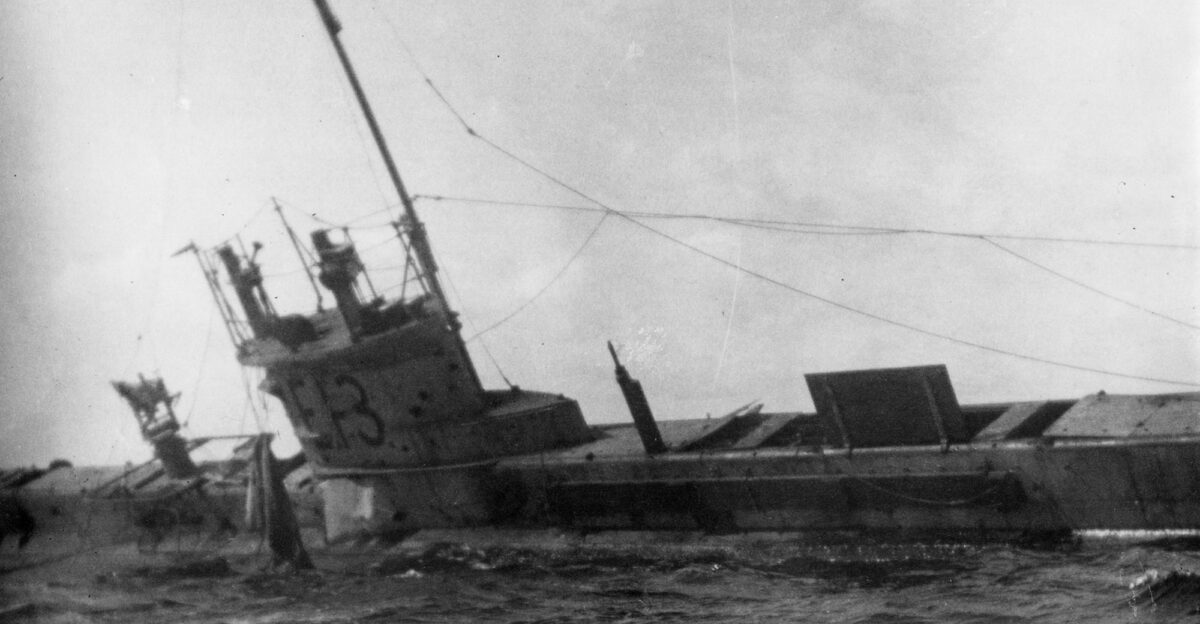
France lost its €56 billion Australian submarine contract when AUKUS was announced, and it received only €555 million in compensation.
The partnership initially damaged relationships with European allies who felt excluded. France and Germany now seek greater inclusion in Indo-Pacific security arrangements.
Nuclear Precedent
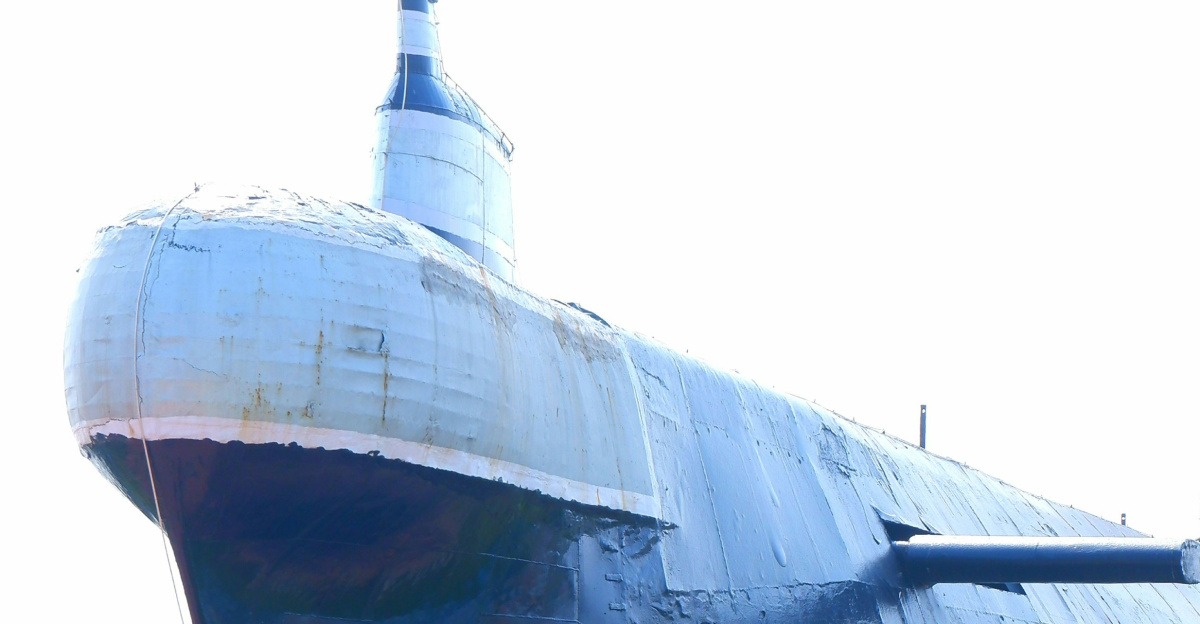
Australia’s acquisition of nuclear submarine technology marks the first time a non-nuclear weapons state has received such capabilities since the 1970s.
The submarines use highly enriched uranium fuel despite carrying only conventional weapons. This precedent may influence future proliferation discussions.
Strategic Transformation
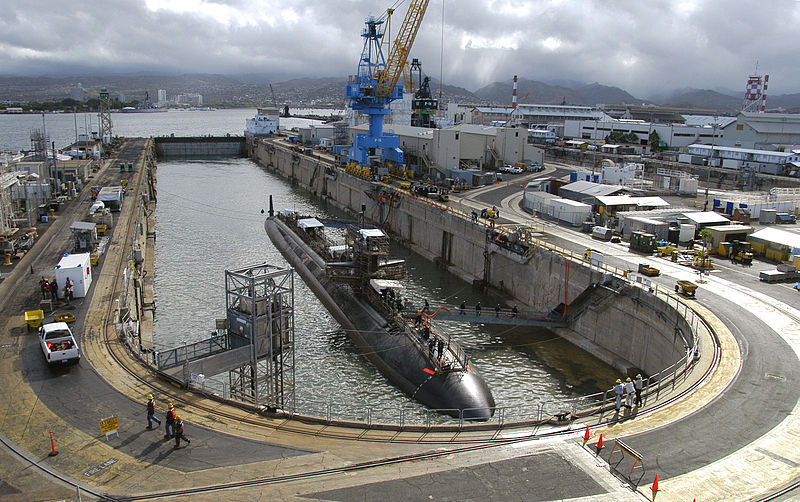
Australia’s historically strong anti-nuclear stance has shifted dramatically due to growing regional security concerns.
The AUKUS program represents a fundamental evolution in Australian defense thinking. Public opinion now increasingly supports nuclear submarine acquisition for national security.
Future Blueprint
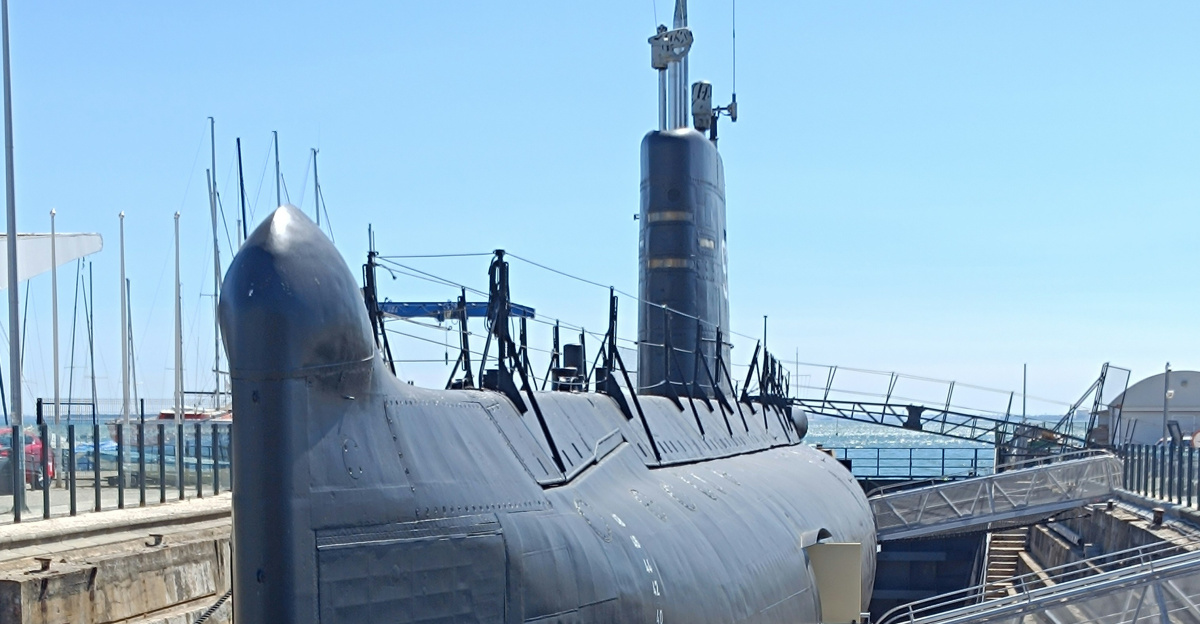
The SSN-AUKUS program signals a new era of Western military cooperation that extends beyond traditional NATO structures. Its success could inspire similar trilateral technology-sharing programs in other defense domains.
The submarine partnership may establish the template for maintaining technological superiority against rival powers.